Stone Town
Stone Town, Tanzania
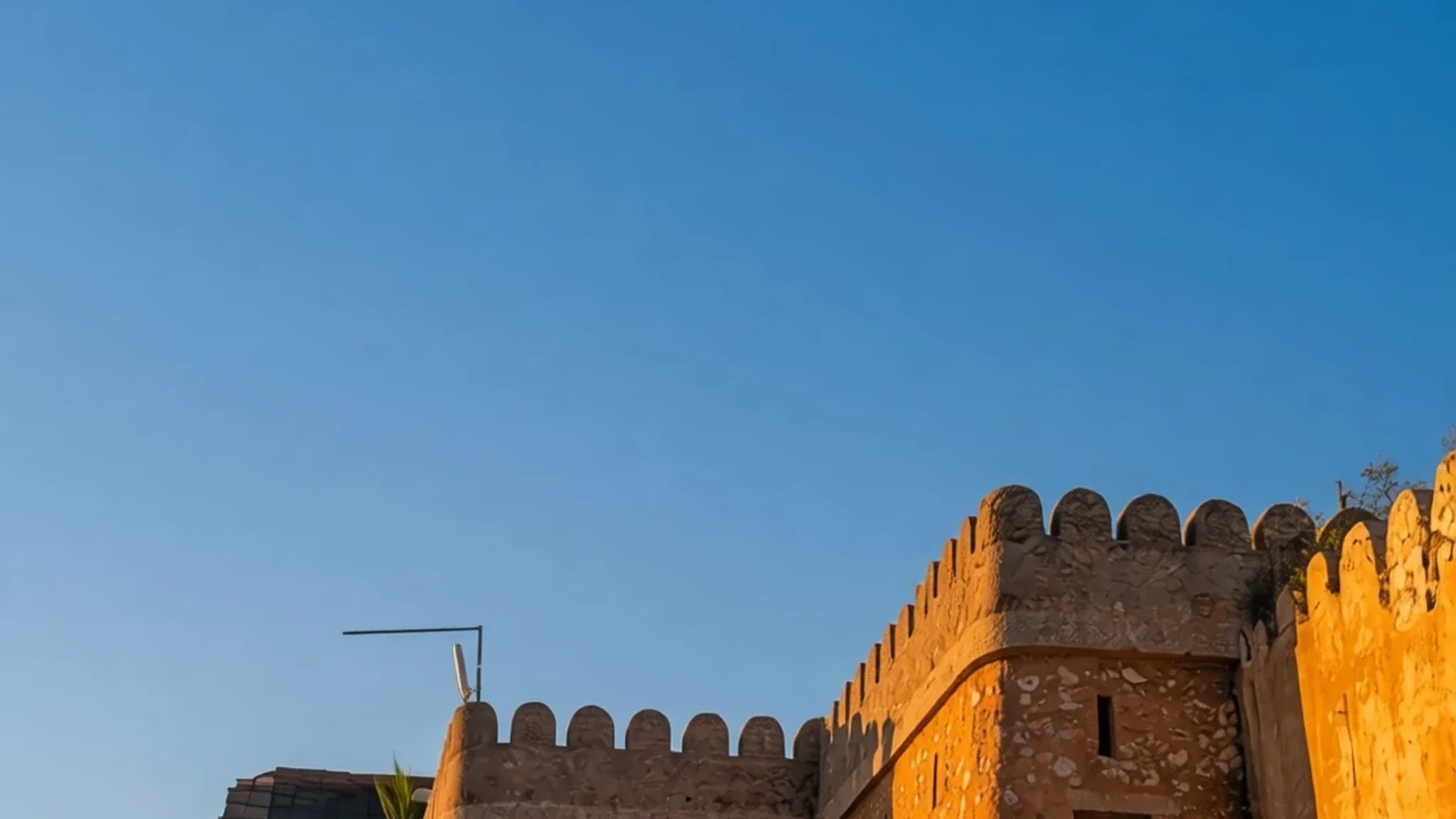
Stone Town is Zanzibar City's old heart, a maze of carved doors and coral-stone houses shaped by Arab, Persian, Indian and European influence.
The place
The old district of Zanzibar City sits along the western edge of Unguja, the biggest island in the Zanzibar chain. Its Swahili name, Mji Mkongwe, means roughly 'old town', and the newer districts across the way are known as Ng'ambo, 'the other side'. The old town sits on a small promontory that pushes out into the Zanzibar Channel, so many of its streets run towards the sea or fold back on themselves in narrow lanes.
Walking is the main activity here. Most houses are built from coral rag, with heavy carved wooden doors studded with brass, and many have balconies that lean over the lanes. Some lanes are wide enough for a car, while others barely fit a single person and a bicycle. The sounds of the town include hammering from small workshops, the call to prayer from several mosques, and vendors calling from shop doorways.
The waterfront is where the town opens up. In the evenings the seafront fills with food stalls and families, and the old fort and the palace buildings stand a short walk apart. The heat and humidity are strong for most of the year, so the comfortable hours are early morning and late afternoon. Rain can arrive quickly, and the lanes turn slippery.
Tourism now supports much of the local economy, so guides, shopkeepers and drivers approach visitors often. Most are simply looking for work. A polite refusal is generally accepted, and agreeing on a fare before a taxi or boat trip avoids later disagreement. The quieter streets away from the main market feel like a different place, with washing strung between buildings and children playing football in the lanes.
Its story
The island's story begins long before the stone houses. A Greek-language merchants' guide from between the 1st and 3rd centuries mentions an island called Menuthias, which is probably Unguja. Bantu-speaking settlers arrived on the coast at the start of the first millennium. Archaeologists have found the remains of a farming and fishing community at Fukuchani, on the north-west coast, dating from the 6th century at the latest. Its timber buildings, shell beads and iron slag suggest a settled life, and a few imported pots show early contact with the Gulf and the wider Indian Ocean trade.
Stone Town itself took shape much later. The islands passed between the Sultanate of Kilwa, the Portuguese from 1503, and the Sultanate of Oman from 1698. In 1824 the Omani ruler moved his seat from Muscat to Zanzibar, and the town later became the capital of a sultanate, founded in 1856, built on the spice trade. The same routes carried enslaved people from the mainland, and in the 19th century the town was a centre of both spices and the Indian Ocean slave trade. Much of the grand architecture belongs to those decades.
The British took control in 1890 and kept the town as the seat of government under a protectorate. After the British period ended in 1963, Zanzibar became a republic in 1964 and then joined Tanganyika to form the United Republic of Tanzania. Zanzibar retains its semi-autonomous standing, using Stone Town as the hub for local governance. The mix of Arab, Persian, Indian and European styles in its buildings records those centuries of trade and rule.
The town gained international recognition in 2000, when it became a UNESCO World Heritage Site. The designation drew attention to its carved doors and coral houses, many of which still need careful upkeep.
What to see
- Old Fort — Seafront, Stone Town
Built by the Omani in the 17th century, this heavy stone fortress stands on the seafront beside the House of Wonders. Its roughly square plan surrounds an inner courtyard that now operates as a cultural centre, with shops and workshops where craftspeople make and sell carvings and textiles. Visitors can see the thick walls up close and spend an evening in the courtyard.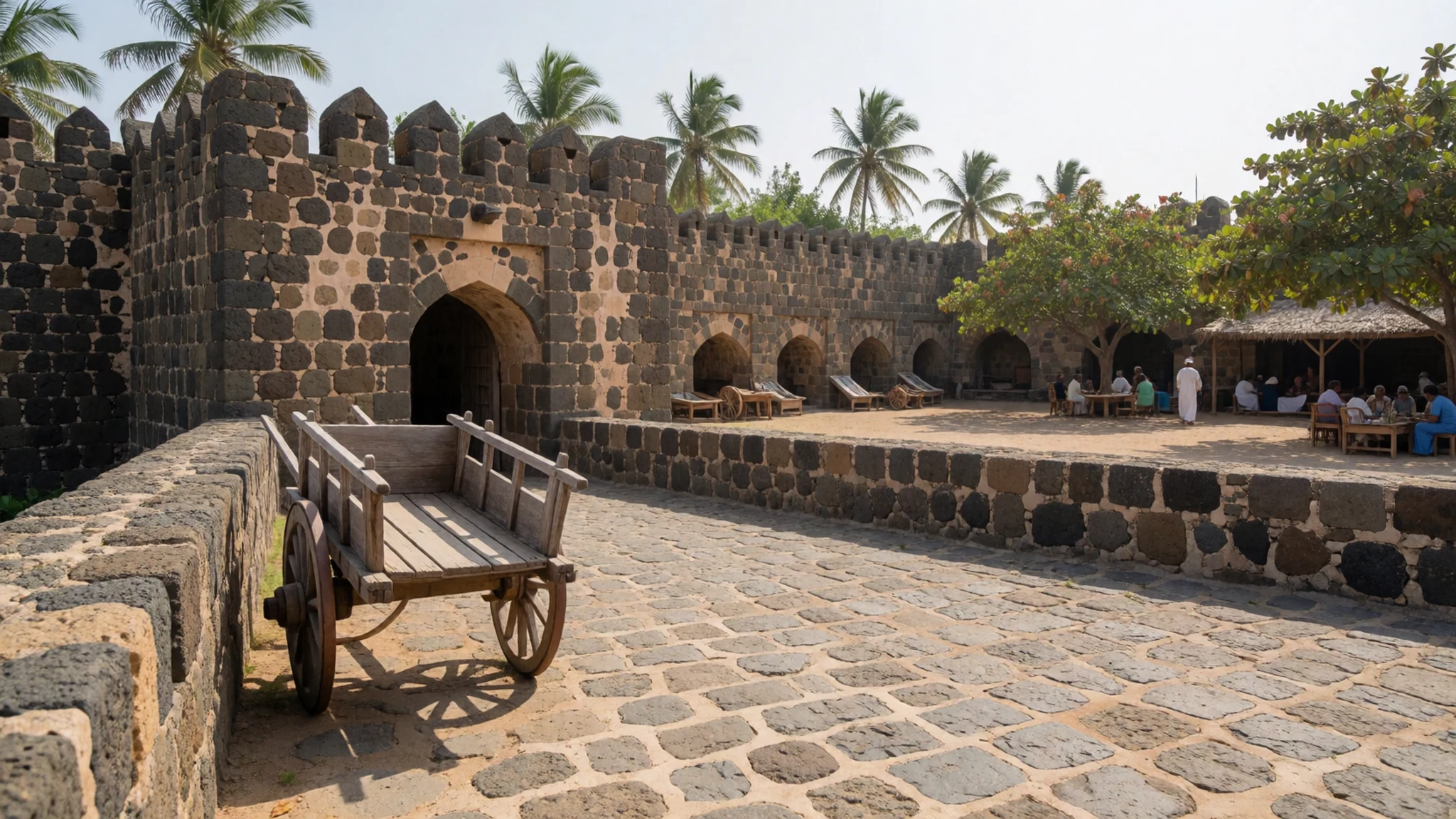
- House of Wonders — Seafront, Stone Town
Probably the best-known landmark in Stone Town, this building dates from 1883 and was restored after the Anglo-Zanzibar War of 1896. Its tall, balconied front faces the harbour. Its interior has been a museum on Swahili and Zanzibar culture since 2000, but a large part of the building collapsed in December 2020 during renovations, so check the current status before planning a visit around it.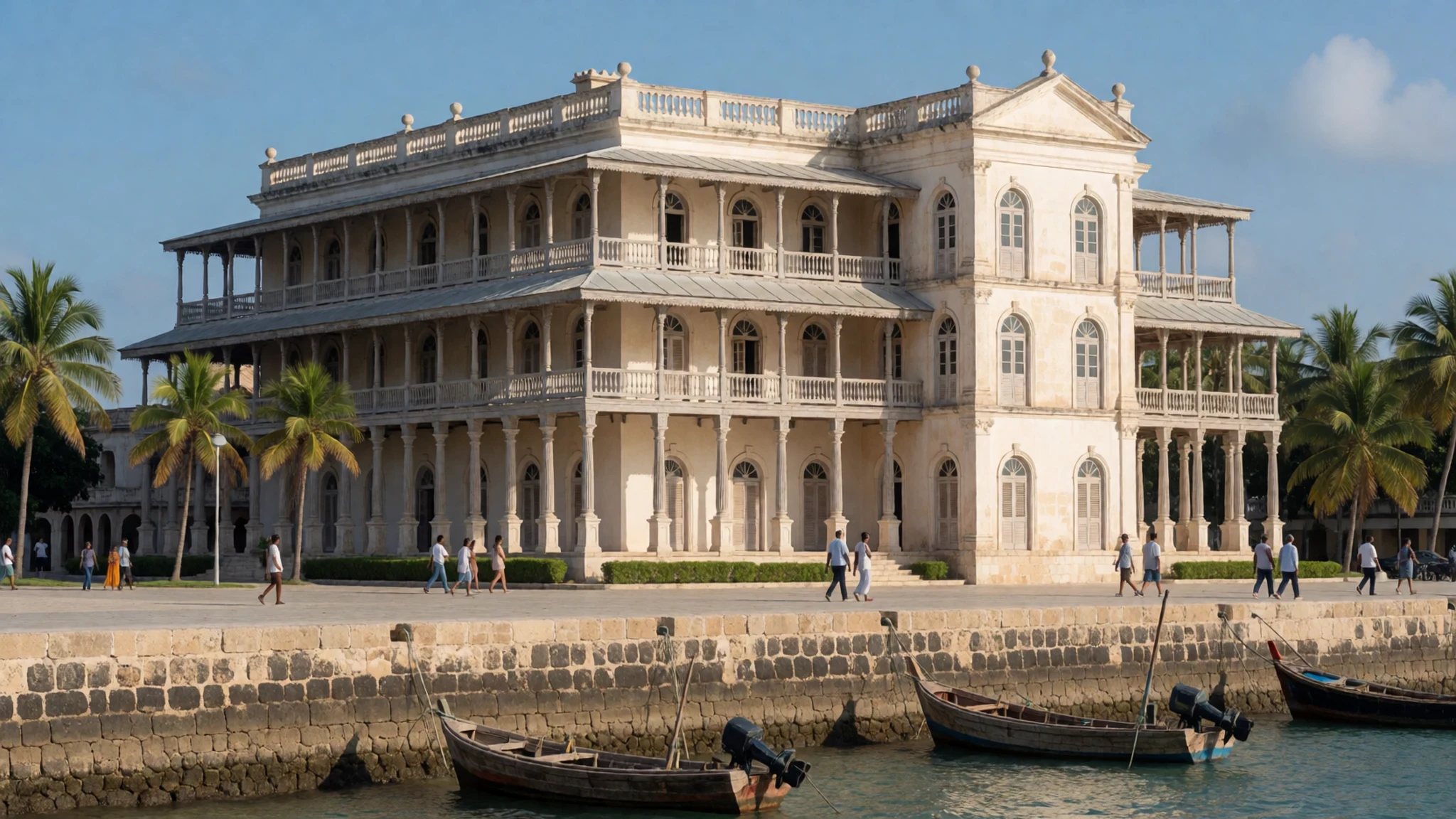
- Palace Museum — Seafront, north of the House of Wonders
Another former sultan's palace on the seafront, just north of the House of Wonders. It was built in the late 19th century and now houses a museum on the daily life of the Zanzibari royal family, with furniture, clothing and household objects. The upper rooms offer views over the water and the port.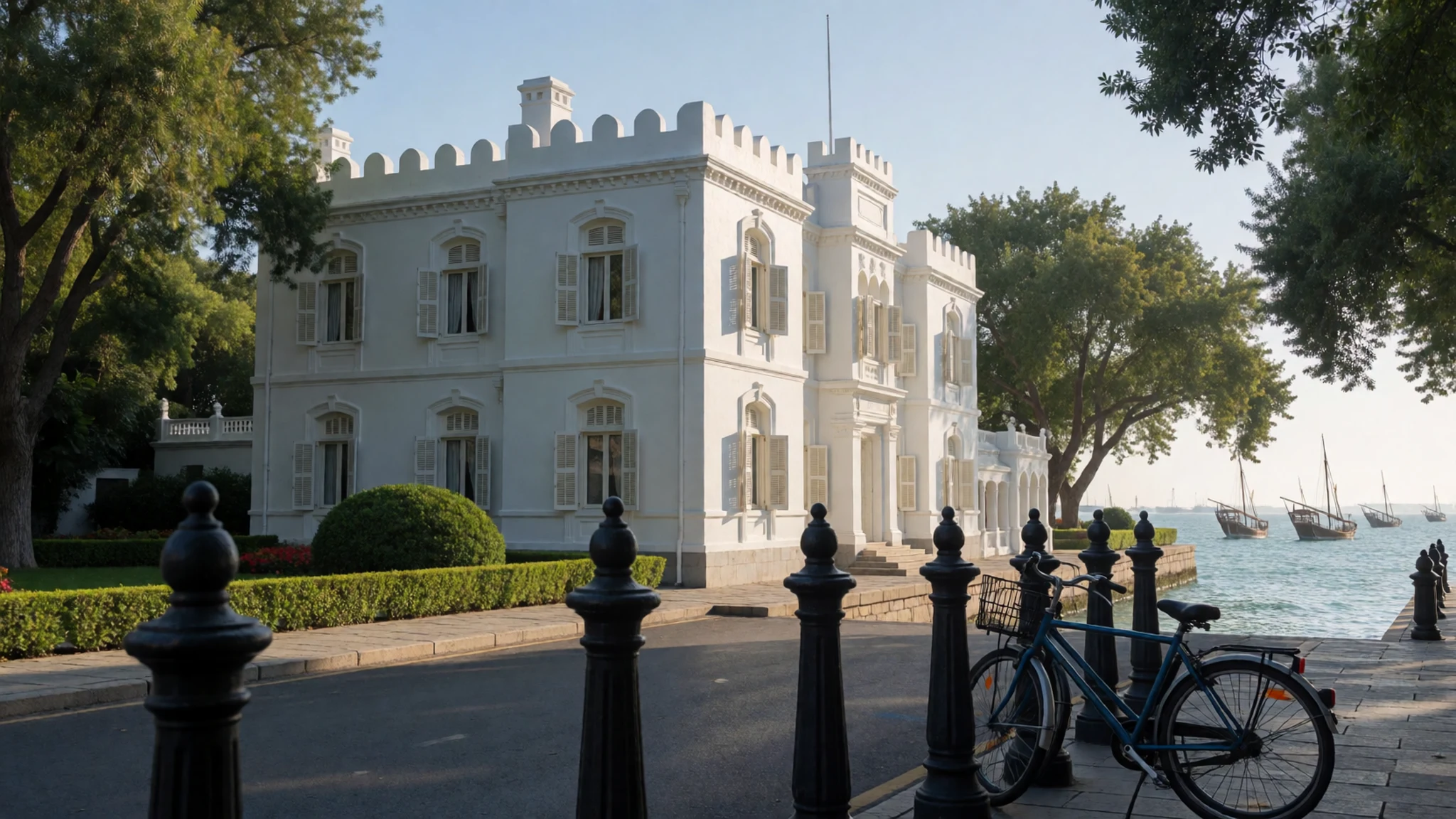
- Livingstone's House — Northern lanes, Stone Town
A small palace built for Sultan Majid bin Said, later used by European missionaries. The explorer David Livingstone lived here while preparing his last expedition into the interior of Tanganyika. The building is modest beside the grander palaces, and it makes a good stop on a walk through the northern lanes.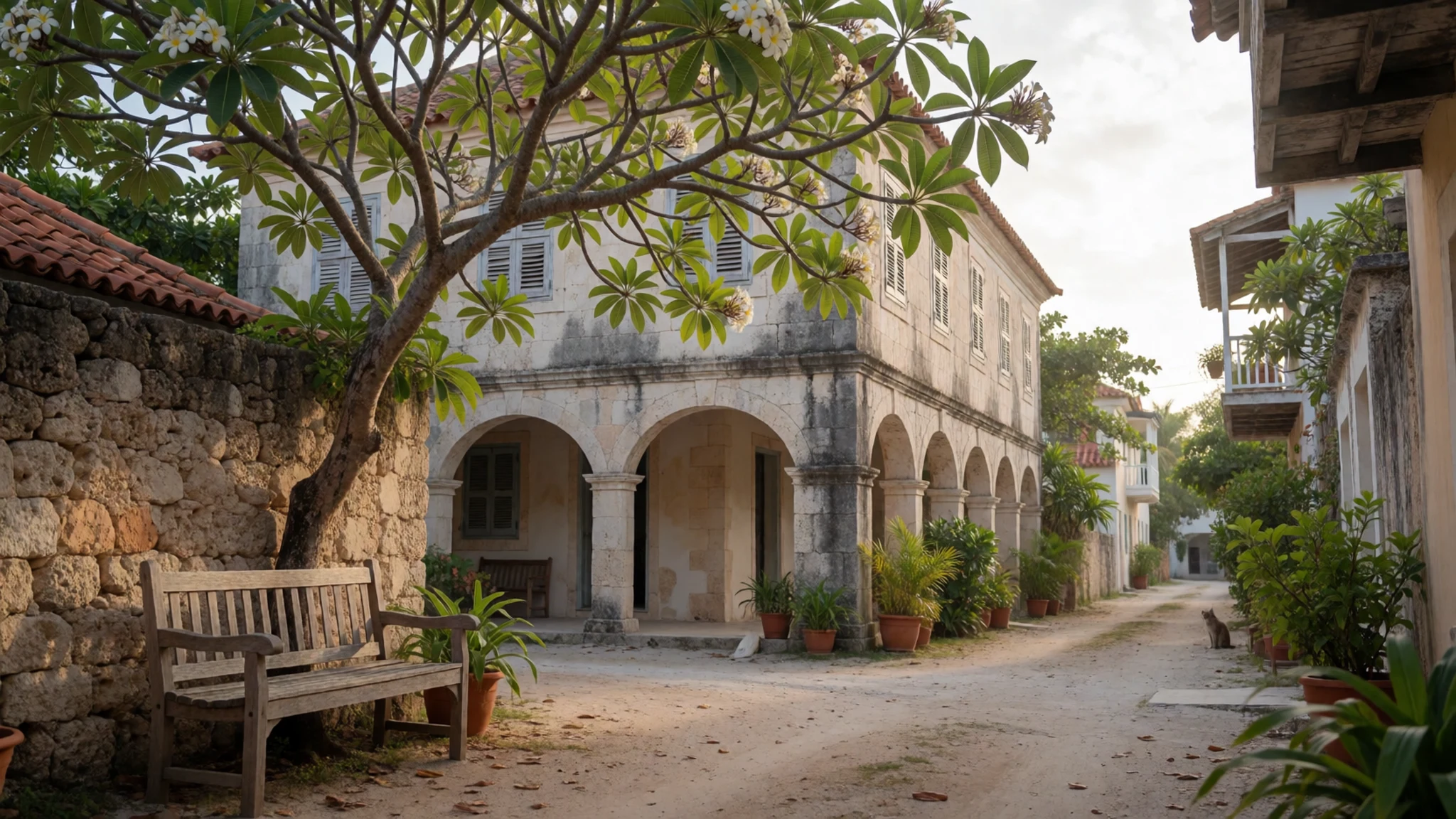
- Old Dispensary — Eastern side of the old town
Built between 1887 and 1894 as a charity hospital for the poor, the building was later used as a dispensary. Its long coral-stone front and carved balconies show the ornate side of late 19th-century public architecture. The detailing above the doors is worth a slow look, especially in the softer light of the afternoon.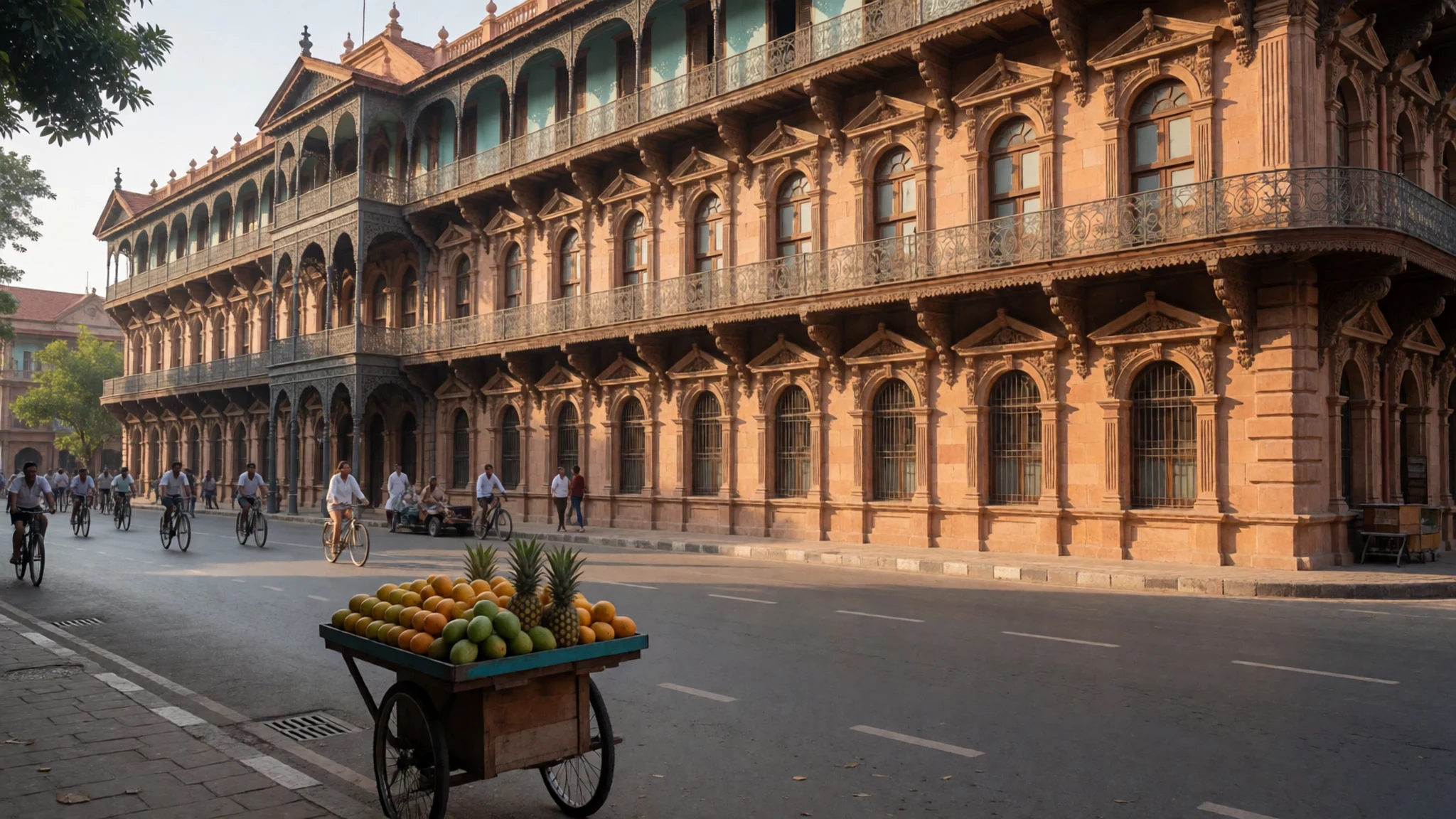
Culture
Stone Town is a predominantly Muslim town, and its daily rhythm follows the call to prayer from the mosques across the old town. Dress is the most visible courtesy: women are expected to cover shoulders and knees in the streets and to wear a headscarf inside mosques, and men should avoid shorts in religious spaces. Many locals welcome visitors who make the effort, and a simple greeting in Swahili opens conversations easily.
Hospitality is central to the town, and its markets, workshops and tea-drinking spots are social places. Haggling is normal in souvenir shops and with some drivers, and it works best when it stays friendly and ends gracefully when a price is refused. Photographing people, especially women and children, is more sensitive than photographing buildings, so asking first matters.
The Palace Museum and the Old Fort are working cultural sites, so keep voices low and follow signs about photography. During Ramadan, eating and drinking in public during daylight is considerate to avoid. The town holds a long history of trade and slavery, and local guides often discuss it openly; listening respectfully to those accounts is part of visiting well. Remove shoes before entering any mosque or private home, and keep to the outer areas of a mosque unless invited further in.
What to wear
Traditional dress in Stone Town reflects the Swahili coast's long contact with the wider Indian Ocean. Men have traditionally worn the kanzu, a long white robe usually made of cotton, often with a small embroidered cap. Women have traditionally worn the kanga, a printed cotton cloth sold in pairs and often carrying a Swahili proverb along its border, and some wear a black buibui, a loose cloak that covers the body. Kitenge, a bright wax-print cotton, is also widely used for wraps and dresses.
What people wear now is mixed. Many women still wear a kanga or a long skirt with a headscarf, especially for prayer or visits to family, while others dress in Western clothes in town. Men often wear trousers and shirts on weekdays and the kanzu on Fridays and for religious occasions. Modest dress is the norm across the old town, whatever the cut.
For a visitor, lightweight cotton or linen in loose cuts is the most practical choice for the heat and humidity. Long trousers or skirts, and tops that cover the shoulders, suit the lanes and the mosques. A light scarf is useful to cover the head inside a mosque and to shade the neck. Footwear should have grip and be easy to slip off, since the coral-stone pavements can be uneven and slippery after rain.
What to eat
- Zanzibar pizza — Evening food stalls along the seafront
A thin dough folded around minced meat, egg, onion and chilli, then fried on a hot griddle until crisp. Despite the name it is closer to a stuffed pancake, and it is a snack that suits a walk through the town. It is usually made to order and eaten hot from paper.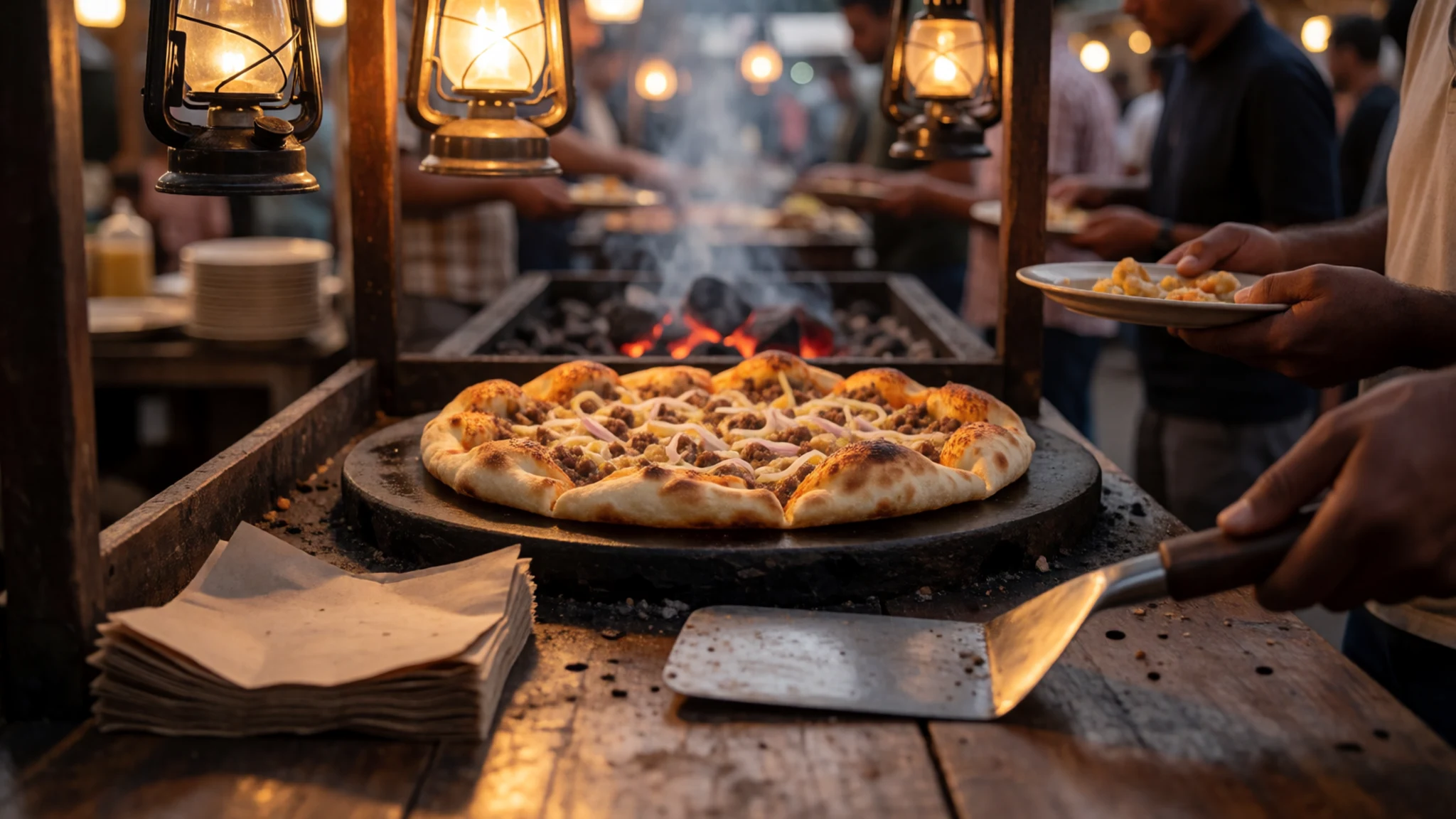
- Urojo — Morning stalls near the central market
A Zanzibari street dish built from a spiced, thick broth with potatoes, bhajia fritters and a mix of tangy and hot sauces. It is a filling breakfast or lunch, and it reflects the Indian influence on the island's cooking. Vendors often serve it in small bowls from carts.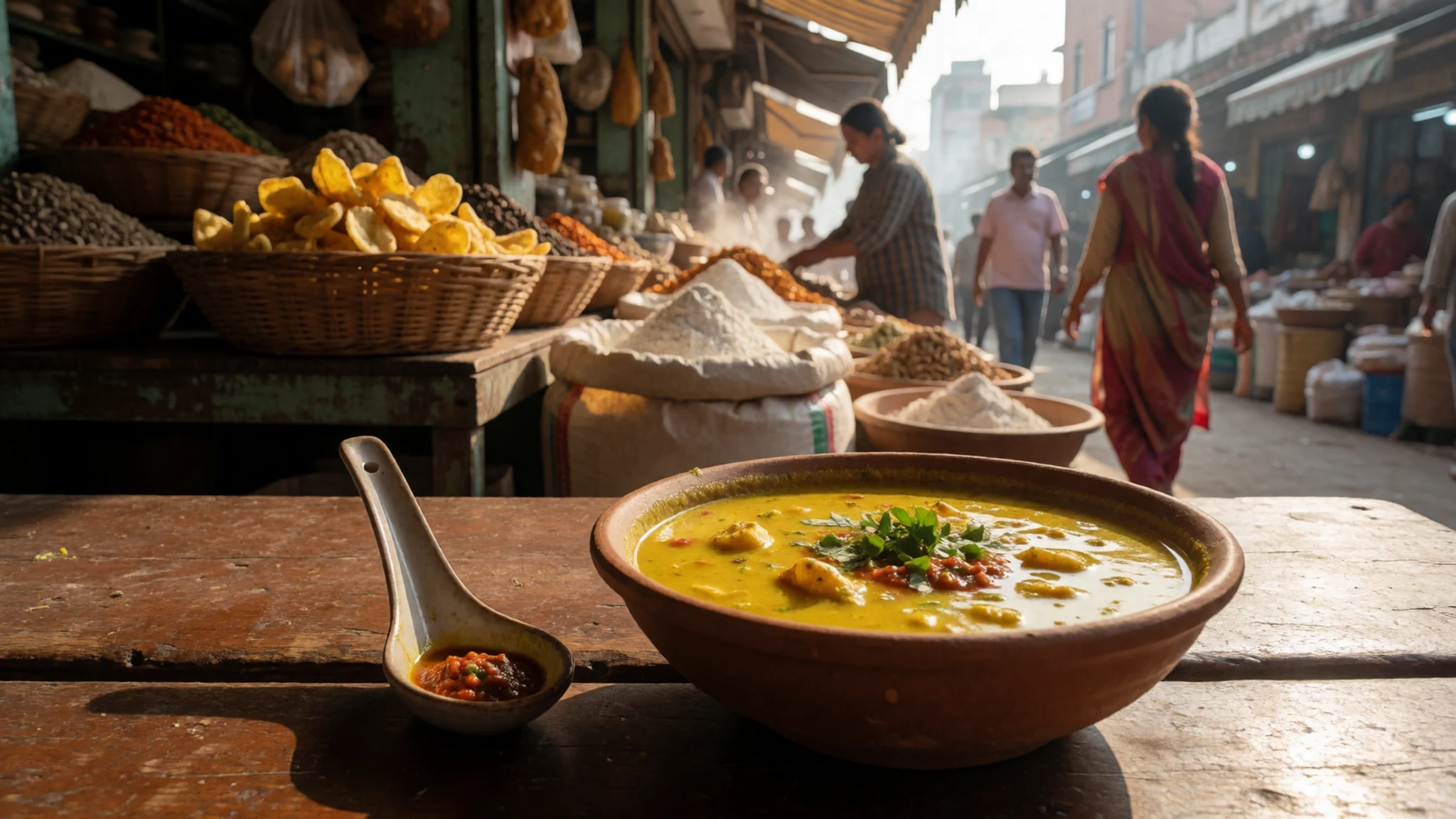
- Seafood in coconut sauce — Seafront restaurants and the waterfront cafes
Fish, prawns or octopus simmered in a mild sauce of coconut milk, tomato, onion and local spices. The dish is common on the island and well suited to the coast's catch. Seafront restaurants and cafes serve it with rice or bread, and the sauce is best eaten slowly. - Mishkaki — Charcoal grills at the evening food stalls
Chunks of marinated beef or chicken threaded on skewers and grilled over charcoal, often with a spiced, tangy marinade. Stalls usually sell them in the evening, and they pair well with chapati or a squeeze of lime. They are a good way to try local flavours on the move. - Zanzibari pilau — Small local eateries near the markets
Rice cooked with meat or vegetables and a warm blend of cardamom, cloves and cinnamon, served with a side of kachumbari, a fresh tomato and onion salad. It is the everyday lunch of many households and appears on most local menus. Small local eateries serve it cheaply by the plate.
Plan it
Best time. June to August is the drier, cooler period, with the most comfortable walking weather and the busiest tourist season. Stone Town is hot and humid all year, with February and March the hottest months, a long rain season from March to May, and a shorter one in November and December.
How long. 2–3
Getting there. Zanzibar International Airport (ZNZ) is the island's only airport, and the last leg into town is by taxi or by dalla dalla minibus. Most dalla dallas leave from Creek Road at Darajani Market and carry destination signs. Boats to Stone Town also run from Dar es Salaam and Pemba.
Budget. mid
Tips
- Walk the old town in the early morning or late afternoon, when the heat eases
- Carry cash in small notes, since many small shops and drivers do not take cards
- Hire a local guide for the first walk to make sense of the lanes
- Drink bottled water and keep sun protection to hand, as the humidity is high
- Check the current status of the House of Wonders before planning around it
Etiquette
- Dress covered in the old town and remove shoes before entering a mosque
- Ask before photographing people
- Agree on a fare before getting into a taxi or boat
Nearby
Sources
- Wikidata Q844417 (CC0)
- Wikipedia: Stone Town (CC BY-SA 4.0)
- Wikivoyage: Stone Town (CC BY-SA 4.0)
- Zanzibar sultan palace, Brocken Inaglory (CC BY-SA 2.0)
- Cine Afrique, Adam Jones (CC BY-SA 2.0)
- Renovated Wall Coral Stone Town, Timothy A. Gonsalves (CC BY-SA 4.0)
- Plan der Stadt Sansibar, Oscar Baumann (Public domain)
- Sansibar, Sultanspalast (Public domain)
- Zanzibar stone town, missy (CC BY 2.5)
- Aerial picture of Stone Town, Wegmann (CC BY 3.0)
- Beit al Ajaib, Willem van der Horst (CC BY 2.5)


