Statue of Liberty
Statue of Liberty, United States
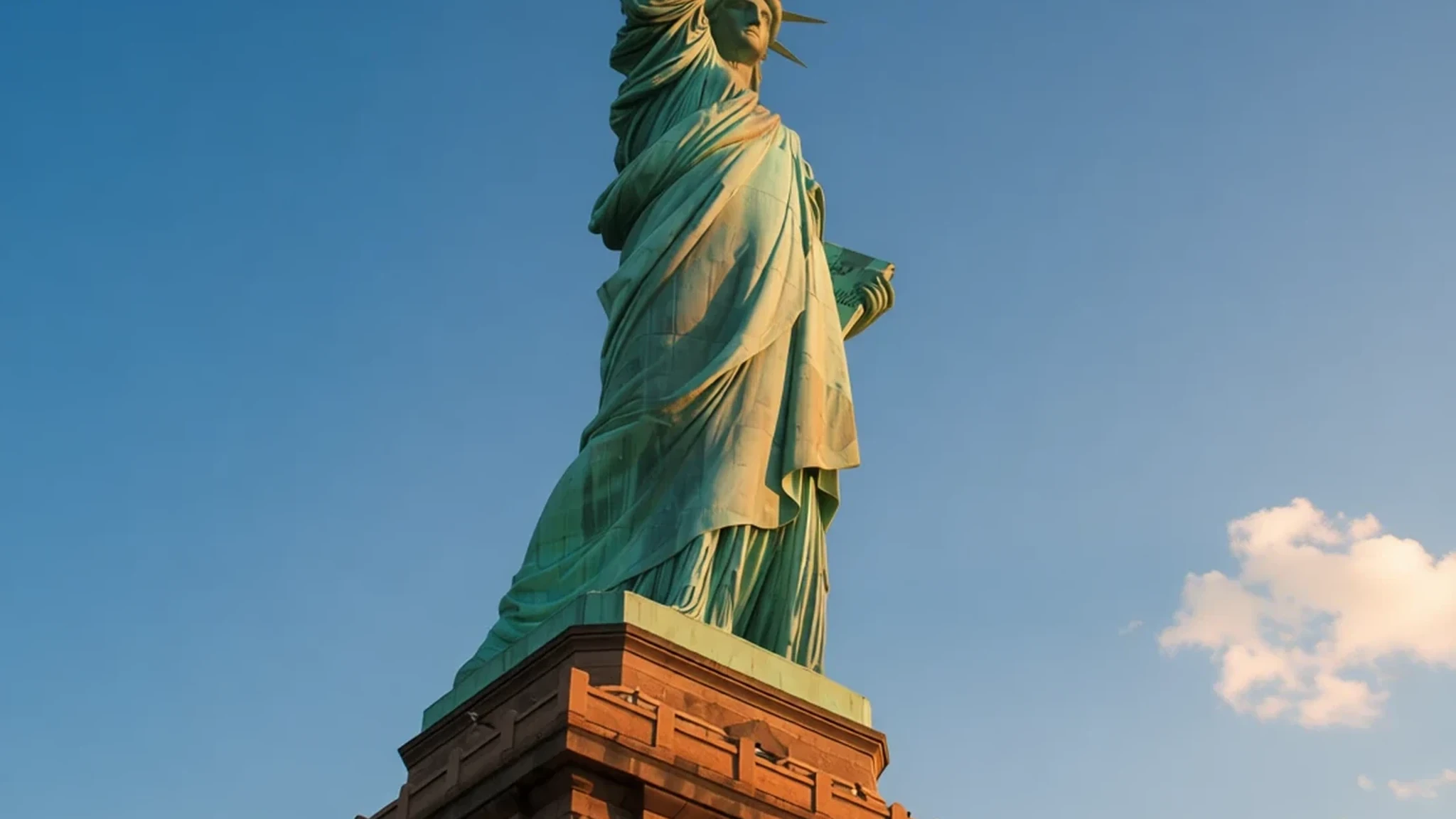
Visit the Statue of Liberty to stand beneath a towering neoclassical masterpiece that has welcomed millions to New York Harbor for generations.
The place
Formally named Liberty Enlightening the World, the Statue of Liberty is a massive neoclassical figure of a crowned woman in robes, standing on Liberty Island in New York Harbor. Clad in hammered copper sheets, the monument was conceived as a gift to the United States from the people of France. French sculptor Frédéric Auguste Bartholdi designed the exterior figure, while the structural iron framework was engineered by Gustave Eiffel. Dedicated in the late nineteenth century, the statue has since become an enduring international emblem of freedom, democracy, and opportunity.
The sculpture portrays a robed female figure modelled after Libertas, the Roman goddess of freedom. In her raised right hand, she holds aloft a gleaming torch, while her left arm cradles a tabula ansata inscribed with the date of the United States Declaration of Independence in Roman numerals. Beneath her robes, her left foot steps forward onto a broken shackle and chain, symbolising the abolition of slavery. Visitors arriving by ferry step onto Liberty Island to view the monument from close quarters, taking in the scale of the copper drapery and the sweeping views across the harbour toward the Manhattan skyline and New Jersey.
The surrounding waters and island grounds offer a distinct vantage point on the geography of New York City, separating the bustling urban core from the open Atlantic approaches. Ferries glide across the bay carrying travellers who come to walk around the monumental pedestal and study the intricate details of Bartholdi's design up close. Whether viewed from the deck of a passing vessel or from the promenade of the island itself, the statue remains a commanding presence in the maritime landscape of the harbour.
Its story
The creation of the Statue of Liberty began as an ambitious idea proposed by French historian and abolitionist Édouard de Laboulaye in eighteen sixty-five. He envisioned a grand monument to celebrate the upcoming centennial of American independence, honour the endurance of democracy, and mark the abolition of slavery following the American Civil War. Political upheaval in Europe, specifically the Franco-Prussian War, delayed progress until eighteen seventy-five, when Laboulaye proposed a joint effort: the French people would fund and build the statue, while the United States would provide the site and construct the supporting pedestal.
Following its dedication in eighteen eighty-six, the monument steadily accumulated formal recognition across local, national, and international registers. President Calvin Coolidge designated the statue as part of the Statue of Liberty National Monument, and the site was later expanded to incorporate nearby Ellis Island. The complex earned listing on the National Register of Historic Places and gained designation as a UNESCO World Heritage Site. UNESCO's official assessment honours the structure as a masterpiece of the human spirit that continues to inspire contemplation, debate, and protest regarding fundamental human rights.
Over the decades, the monument has witnessed sweeping changes in migration, urban development, and global politics. Millions of sea voyagers caught their first glimpse of the copper figure as their ships entered the harbour toward Ellis Island, turning the statue into a deeply personal symbol for generations of newcomers. Preservation efforts over the years, including major centenary restorations, have ensured that Bartholdi's metalwork and Eiffel's internal skeleton remain secure against the salty marine air and harsh winter weather of the Atlantic coast.
What to see
- Liberty Island Promenade
Walk the paved pathways surrounding the base of the monument for unobstructed angles of the copper drapery, the torch, and the Manhattan skyline across the harbour waters.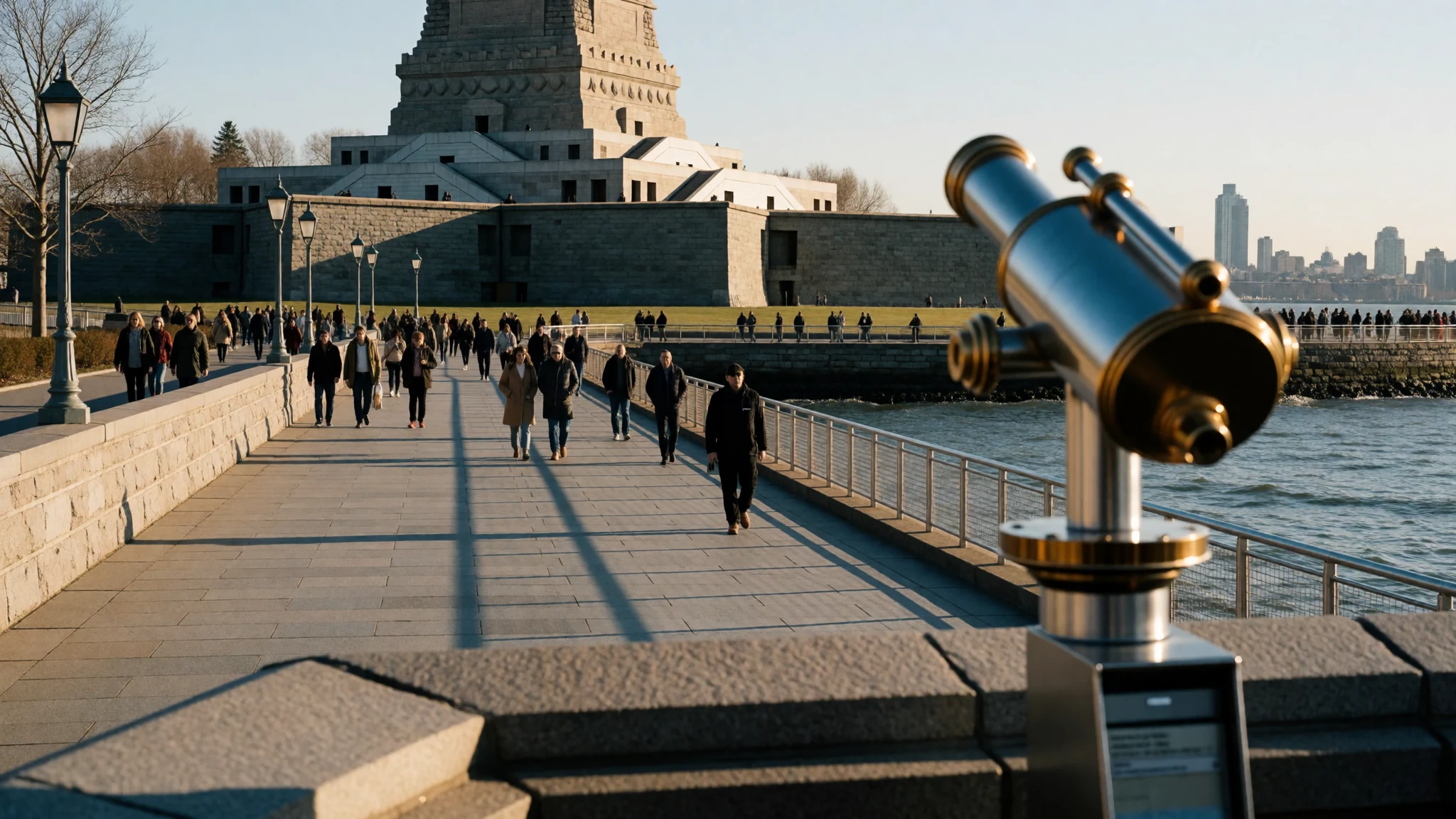
- The Pedestal and Museum
Ascend the granite base to explore the interior museum exhibits detailing the engineering collaboration between Bartholdi and Eiffel, featuring original construction models and early copper panels.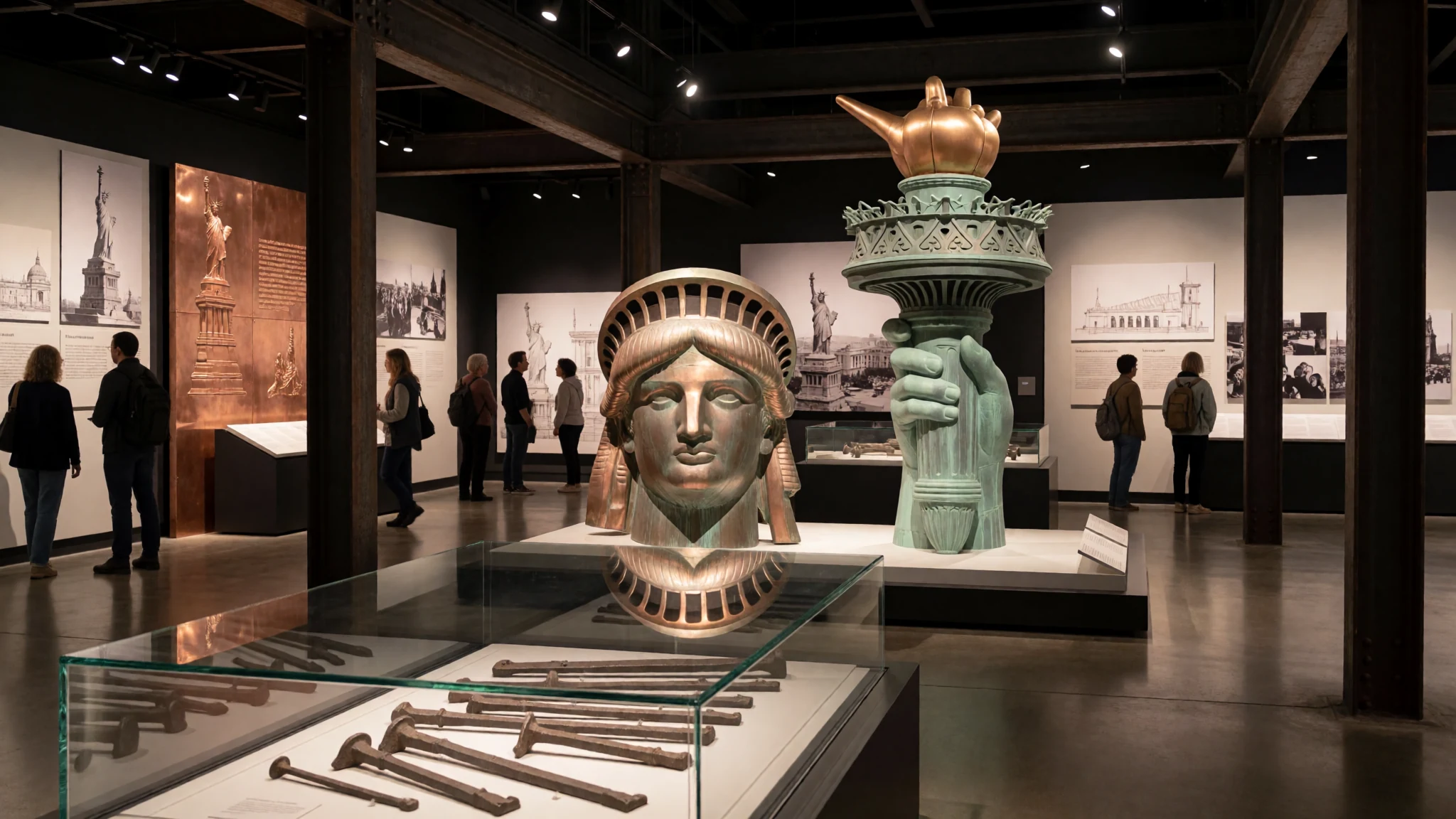
- Staten Island Ferry
Board this free municipal passenger ferry connecting Manhattan and Staten Island for a dependable maritime shortcut that passes close to Liberty Island without paying for a tour boat.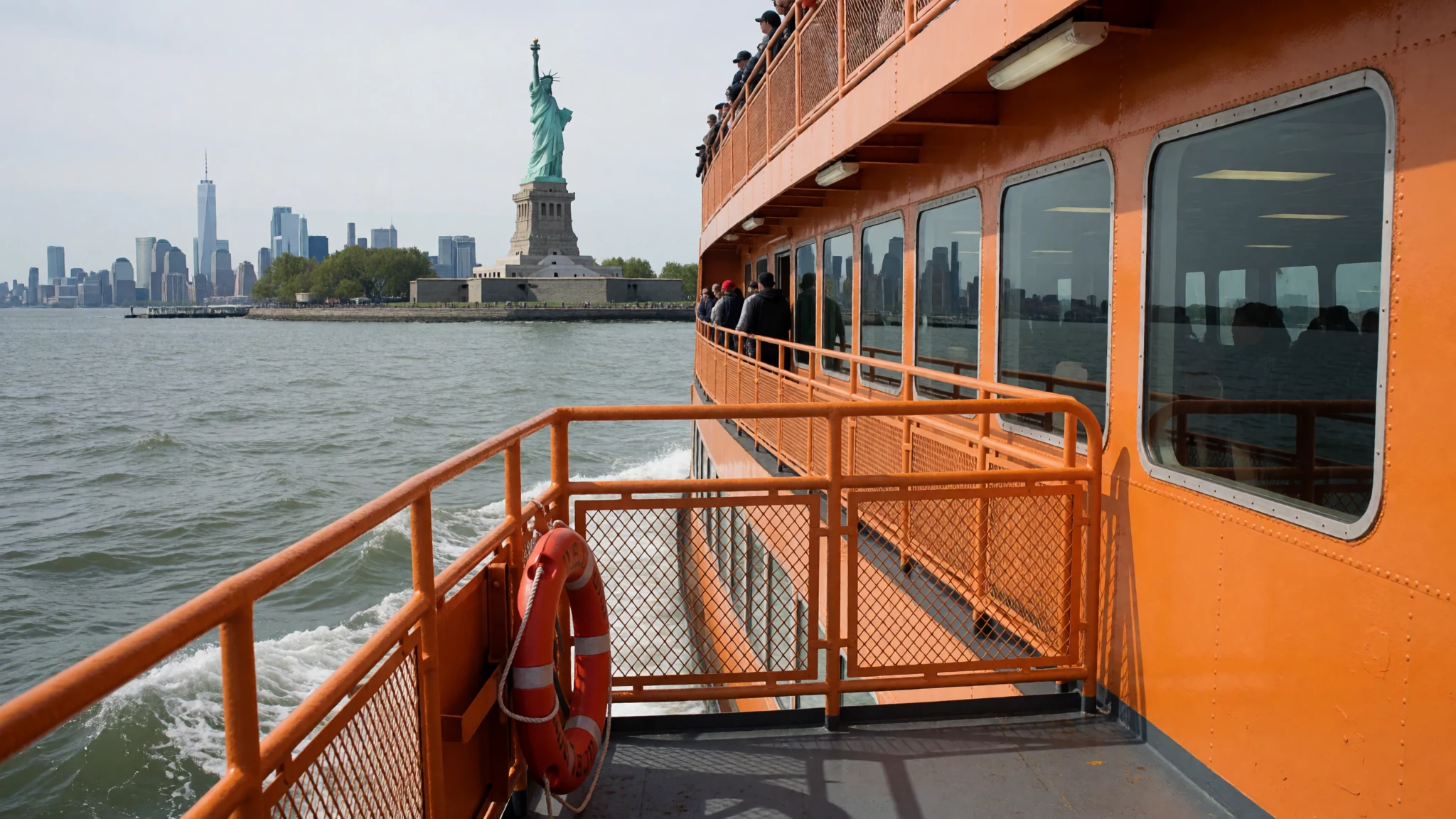
- Ellis Island National Museum of Immigration
Take the connecting ferry across to the historic immigration station where millions of arrivals were processed, now operating as a deeply moving museum dedicated to family histories.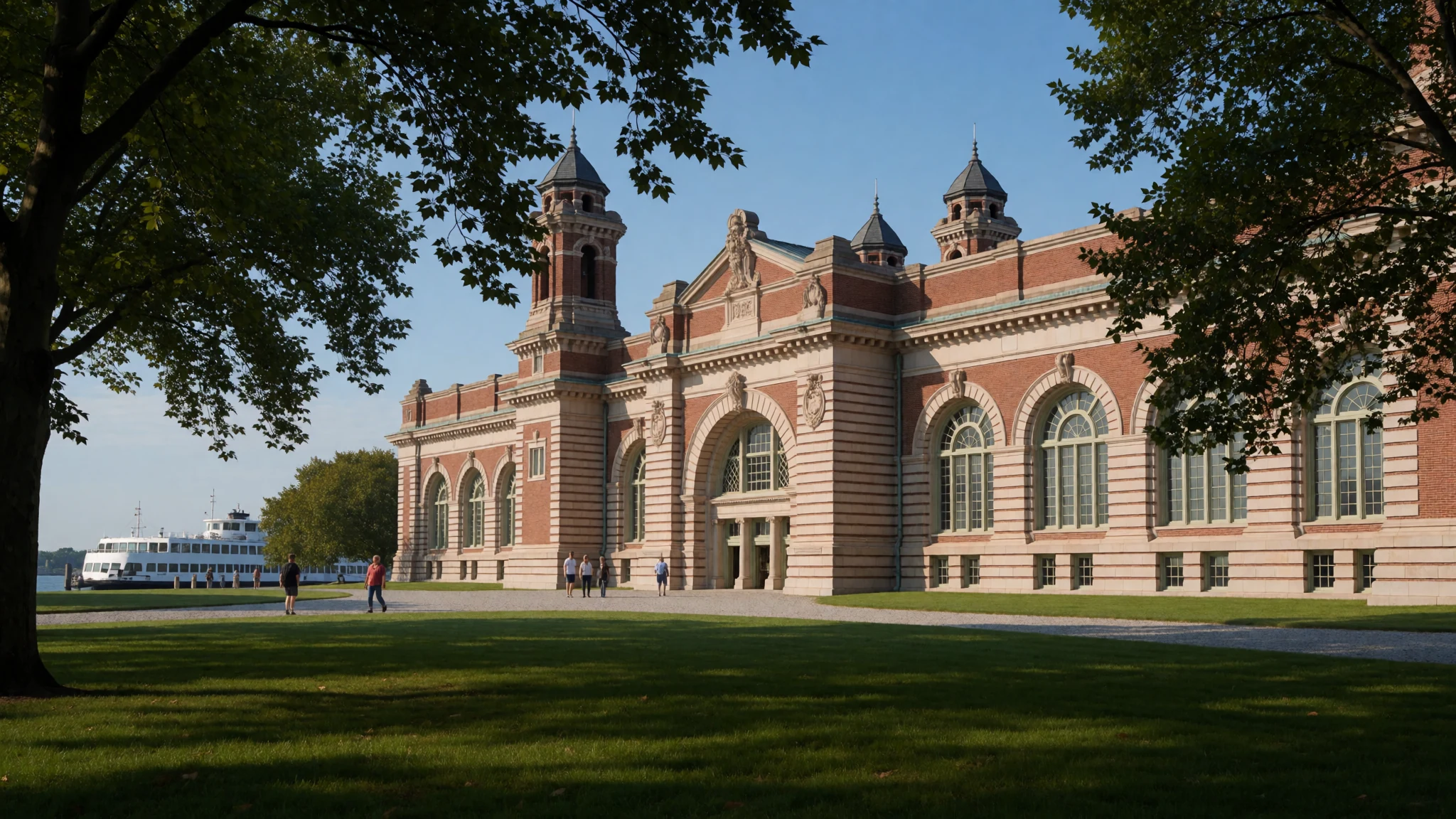
Culture
New York culture is famously fast-paced, direct, and wonderfully diverse, shaped by waves of migration from every corner of the globe. Visitors will encounter a society where people value efficiency, personal space on crowded pavements, and straightforward communication. When navigating public transport or busy sidewalks, locals appreciate travelers who keep moving and avoid blocking pedestrian flow. Tipping is standard practice across eateries, bars, and taxi rides, generally expected at fifteen to twenty percent for attentive service. The city's museums, parks, and neighbourhoods reflect a restless artistic energy that welcomes curiosity and rewards independent exploration. Always stand to the right on escalators so that hurried commuters can pass unhindered on the left.
What to wear
New York City has no single traditional folk costume, though its contemporary style is renowned worldwide for its sleek, urban edge. Everyday dress leans heavily toward practical versatility: dark palettes, comfortable denim, tailored outerwear, and durable walking shoes are staples for navigating miles of concrete and subway stairs. Winters demand heavy wool coats, thermal layers, beanies, and waterproof boots against freezing winds and slush, while humid summers call for lightweight, breathable fabrics like cotton and linen. Visitors should prioritise comfort above all else, especially footwear, as exploring the city involves extensive walking. Smart casual attire is appropriate for most dining rooms, theatres, and cultural venues, though very few places enforce strict dress codes outside of private clubs.
What to eat
- New York Style Pizza Slice — Any traditional corner pizzeria across the city
Grab a wide, foldable wedge of thin-crust pizza topped with mozzarella and tomato sauce from any classic neighbourhood slice joint found on nearly every street corner.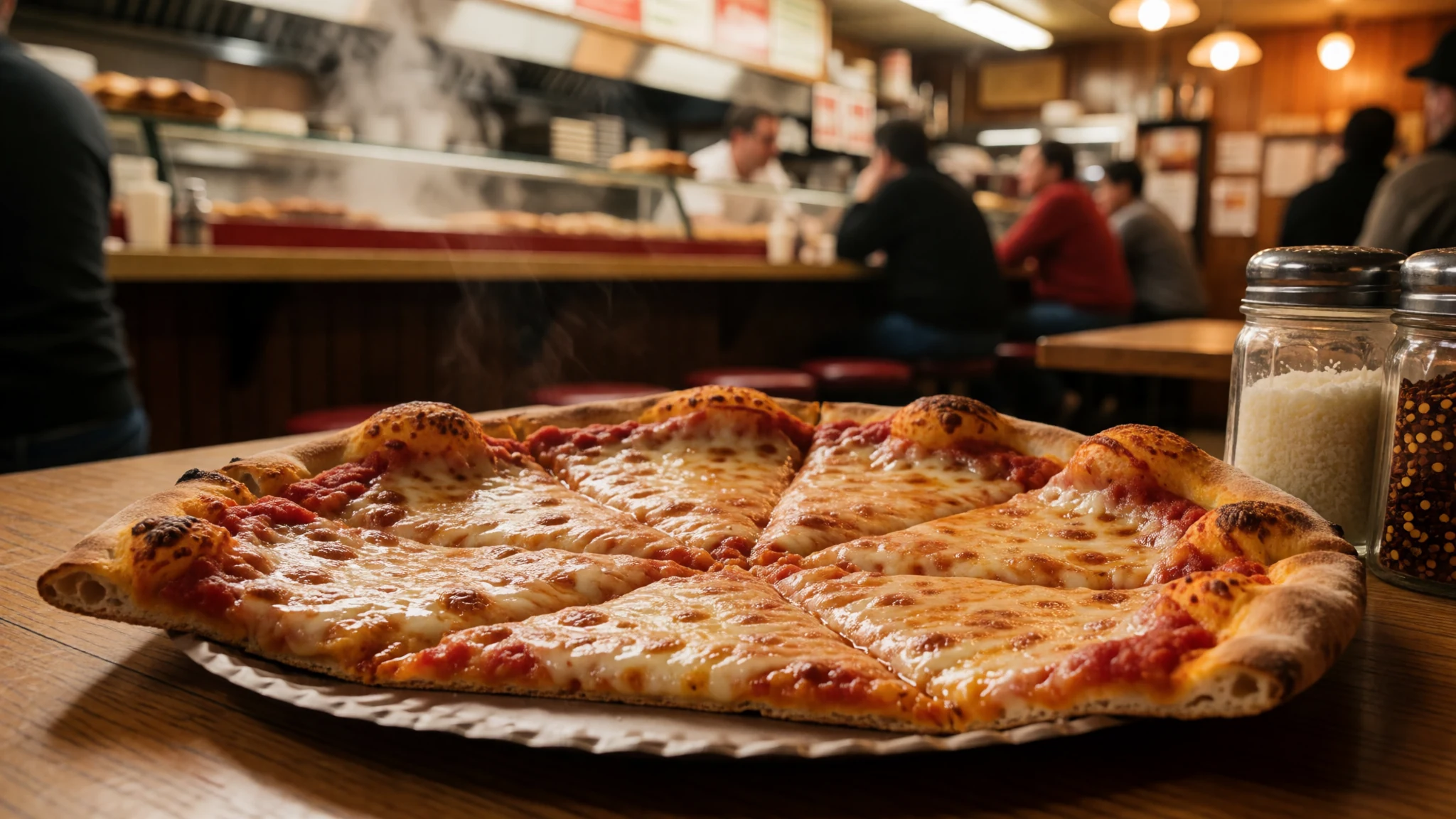
- Classic New York Hot Dog — Midtown street corners and park paths
Sample a grilled or steamed all-beef frankfurter served in a soft bun, traditionally topped with yellow mustard and sauerkraut from a street cart vendor.
- Pastrami on Rye — Traditional delis across Manhattan and Brooklyn
Savour thick layers of cured, smoked brisket piled high on caraway rye bread with spicy brown mustard at a historic Jewish deli.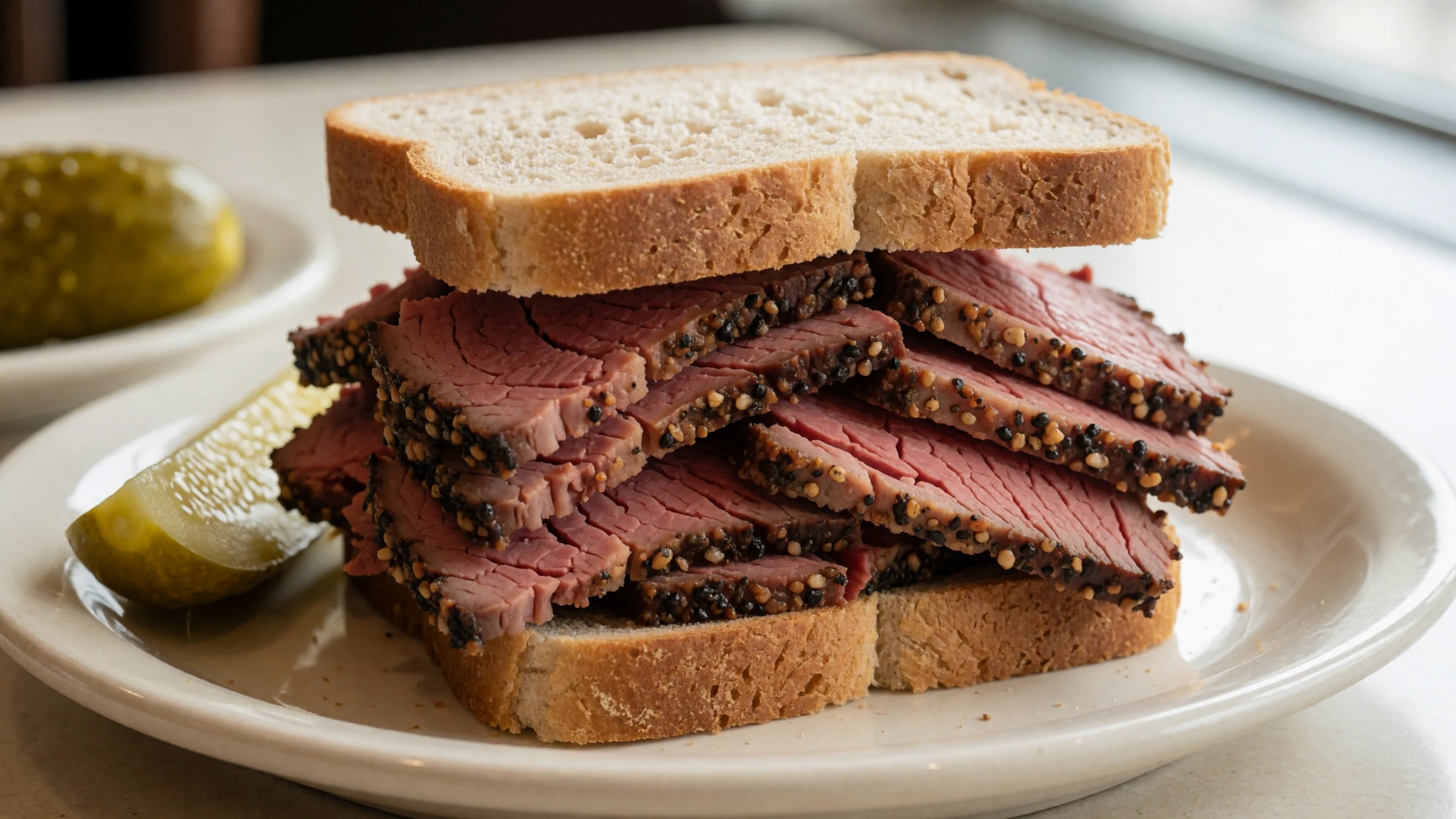
- Middle Eastern Falafel and Halal Platters — Midtown and downtown street carts
Enjoy spiced meat or crispy chickpea fritters over seasoned yellow rice with white sauce and salad from bustling sidewalk food trucks. - Fresh Market Fruit — Street intersections across the city
Pick up ready-to-eat strawberries, apples, and bananas from the outdoor fruit stalls that appear at street intersections during the warmer months.
Plan it
Best time. Spring and autumn bring pleasant walking temperatures, while summer brings high humidity and winter brings freezing winds.
How long. 2–3
Getting there. Fly into John F. Kennedy International Airport, Newark Liberty International Airport, or LaGuardia Airport, then connect via airport buses, subways, or taxis into Manhattan.
Budget. mid
Tips
- Book ferry tickets to Liberty Island well in advance during peak holiday seasons
- Arrive for the earliest morning ferry departures to avoid the heaviest midday crowds
- Wear sturdy walking shoes for exploring both Liberty Island and the wider city
- Allow extra transfer time when moving between different regional airports
- Keep card payment ready as many venues operate cashless systems
Etiquette
- Stand to the right on escalators to let hurried commuters pass on the left
- Tip fifteen to twenty percent for standard restaurant and taxi service
Nearby
Sources
- Wikidata Q9202 (CC0)
- Wikipedia (CC BY-SA 4.0)
- Wikivoyage (CC BY-SA 4.0)