St Ives, Cornwall
St Ives, Cornwall, United Kingdom
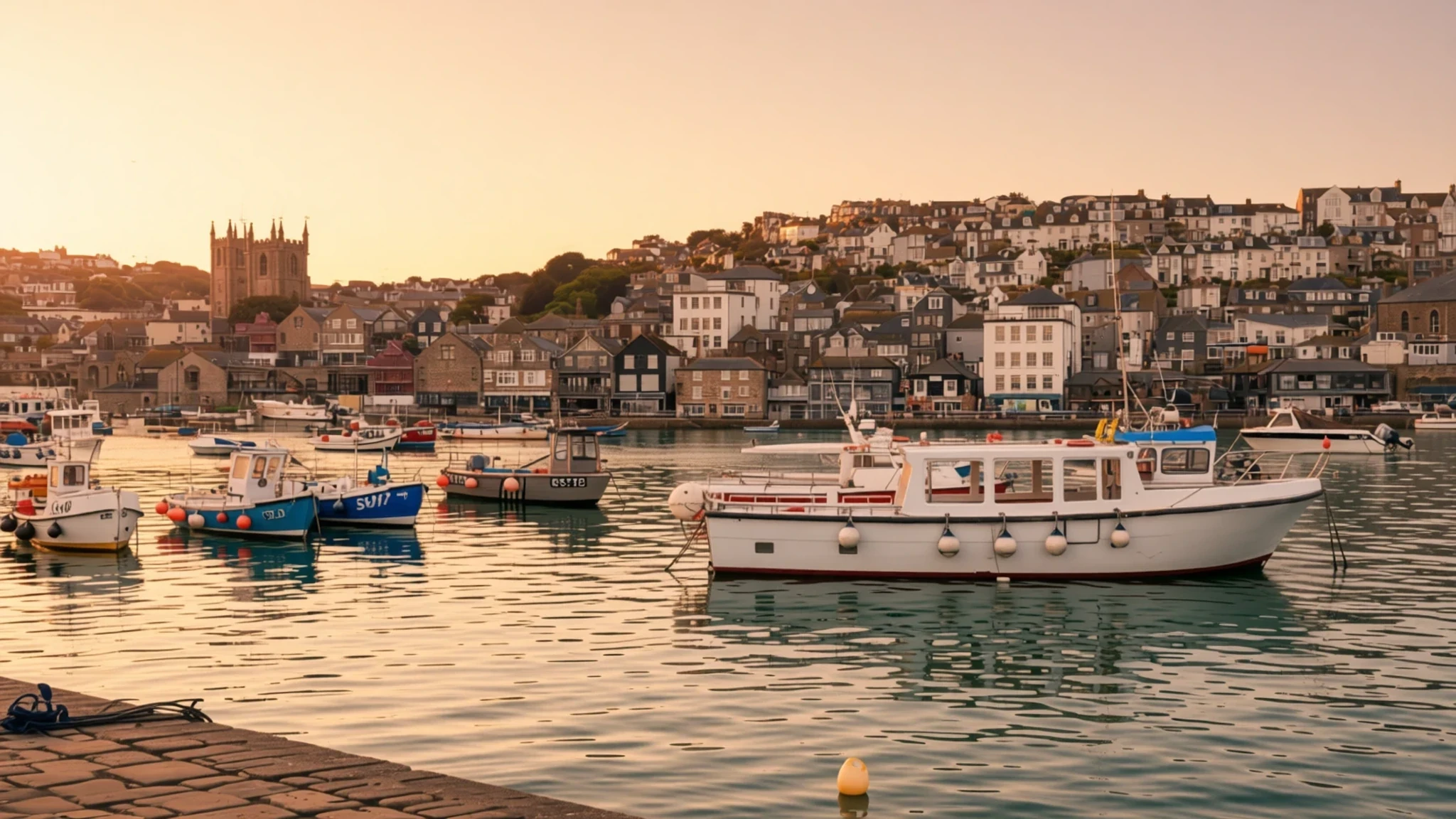
A working fishing harbour turned artists' town, with Atlantic beaches, a major gallery and a light that has drawn painters for generations.
The place
St Ives sits on the western shore of St Ives Bay in Cornwall, at the far south-west of England. Its harbour is sheltered by a headland and a long stone pier, and the older streets close to the water are narrow and uneven, while newer housing climbs the rising ground behind. The town once lived by fishing. That trade has faded, and today St Ives works mainly as a seaside resort, with Atlantic beaches on its doorstep and a summer crowd that swells the streets. Around 10,700 people live in the wider parish, which takes in Carbis Bay, Lelant and surrounding countryside. The built-up town itself is much smaller.
The light is the reason many painters came, and St Ives has built a reputation as an artists' town. The Tate St Ives gallery on the north side is the best-known sign of that, showing work by Cornish painters and sculptors alongside a wider modern collection. Smaller galleries, studios and ceramics workshops fill the lanes near the harbour.
The beaches are the other draw. Porthmeor faces the open Atlantic and suits surfers when the swell is up. Porthminster, on the east side, is calmer and easier for families with small children. Carbis Bay, a little way south, offers a long sweep of sand.
Expect crowds in high summer. The streets near the harbour fill quickly, parking is tight, and the cliff paths are busy at weekends. The town is at its most relaxed in the shoulder months, when the galleries are quieter and the crowds have thinned.
Its story
The town's story begins with legend. It is said that an Irish holy woman named Ia came ashore here, and the name St Ives, like the parish church, carries her name. Whether or not that landing happened, the harbour grew up as a community of fishing families who depended on the sea and on each other.
Fishing shaped everything that followed. The Sloop Inn on the harbour wharf served the men who worked the boats for centuries, and it is generally counted among the oldest inns in Cornwall. Its low rooms are a reminder of how long the trade ran.
Trade was formalised when the crown granted the town a market charter in the late fifteenth century, allowing a weekly market and a pair of yearly fairs. Market rights were one thing, but the town also saw a darker episode during the Prayer Book Rebellion in the mid sixteenth century. A royal officer, Anthony Kingston, dined with the town's portreeve, John Payne, and had gallows built while they ate. Afterwards the two men walked to the gallows, and Payne was made to climb them and was hanged as a rebel. A memorial to him now stands in the town.
The sea brought other visitors, too. During the Armada period, two Spanish vessels sought shelter in the bay after a storm scattered their fleet. Rough weather was a constant part of life here, and the harbour's shelter made it a natural refuge.
The decline of fishing in the twentieth century changed the town's direction. Painters and sculptors arrived, and a new economy of galleries and visitors grew up around the older harbour life. The boats are still a visible part of the view, but they now share the bay with a summer trade the old fishermen would not have recognised.
What to see
- Tate St Ives — North side of town, near Porthmeor Beach
The Tate's outpost on the north side of town concentrates on artists with Cornish connections, including Alfred Wallis, Terry Frost and Barbara Hepworth. The displays often include work by painters who lived and worked along this coast, so it gives useful context before you walk the town. Check the official Tate site for opening times and whether booking is needed, as these change through the year.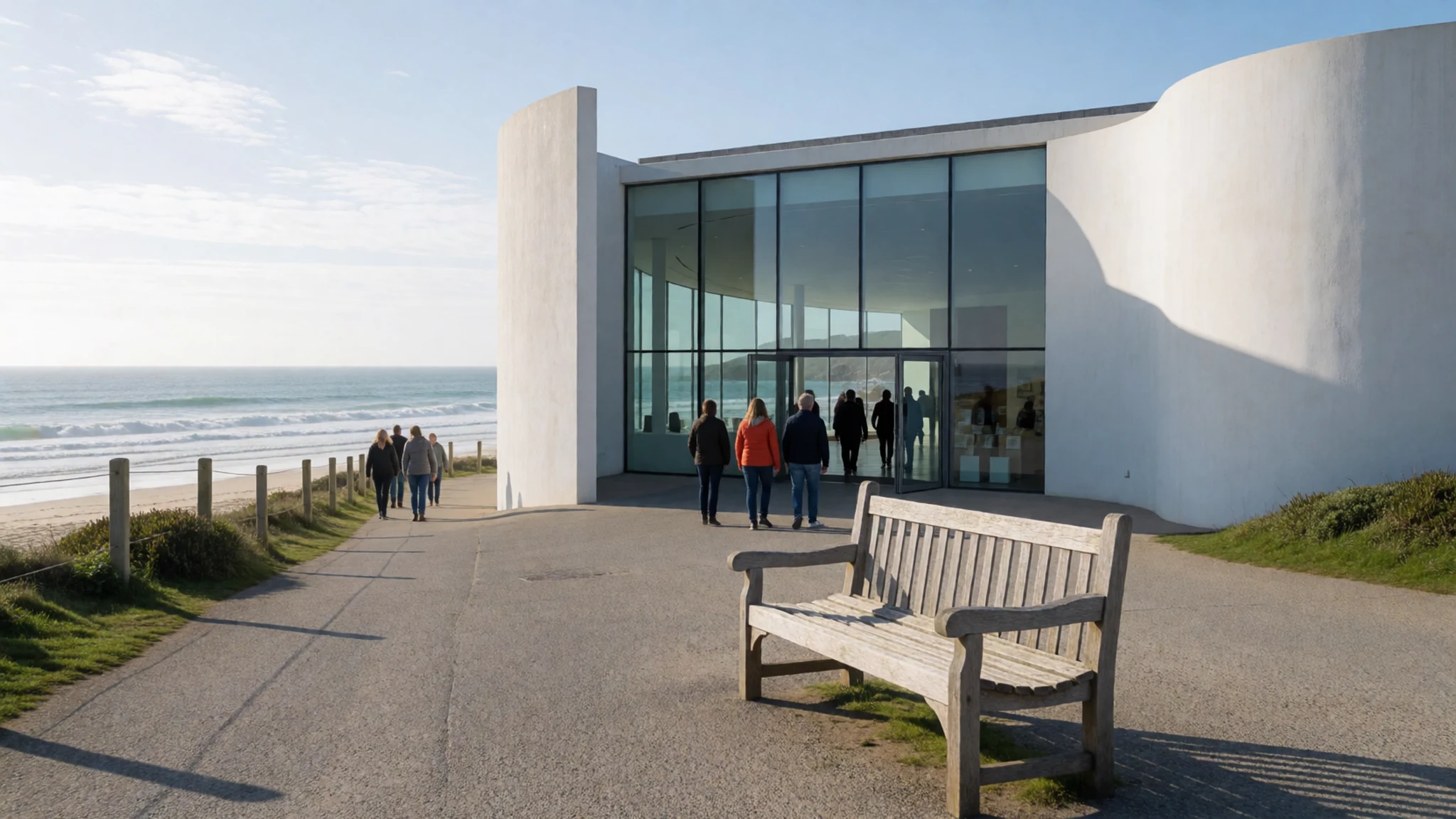
- Barbara Hepworth Museum and Sculpture Garden — Barnoon Hill, above the harbour
Hepworth worked in bronze, stone, wood and other materials, and this indoor gallery, garden and studio show how her ideas developed. The sculpture garden is the highlight, with pieces set among plants that frame the sky and the bay. The studio gives a feel for how she worked, and it is a quieter stop than the beaches on a busy afternoon.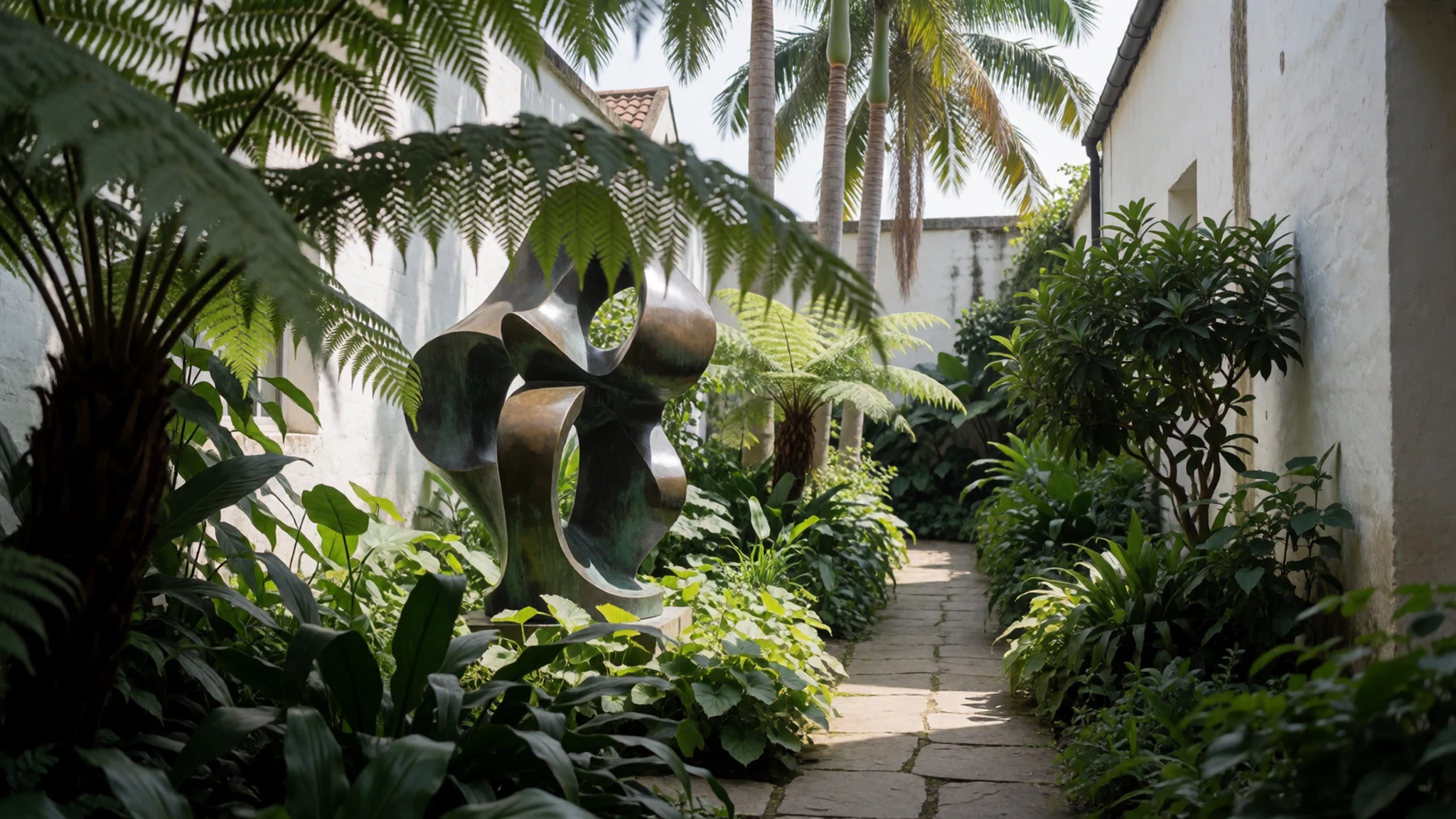
- The St Ives Museum — The old town, within walking distance of the harbour
A small local history museum housed in a building that has been a pilchard-curing factory, a chapel, a laundry and a cinema. Its displays explain the fishing trade, the town's trading past and the people who shaped it. Visiting it first gives the harbour and old streets a clearer story, and it is an easy hour when the weather turns.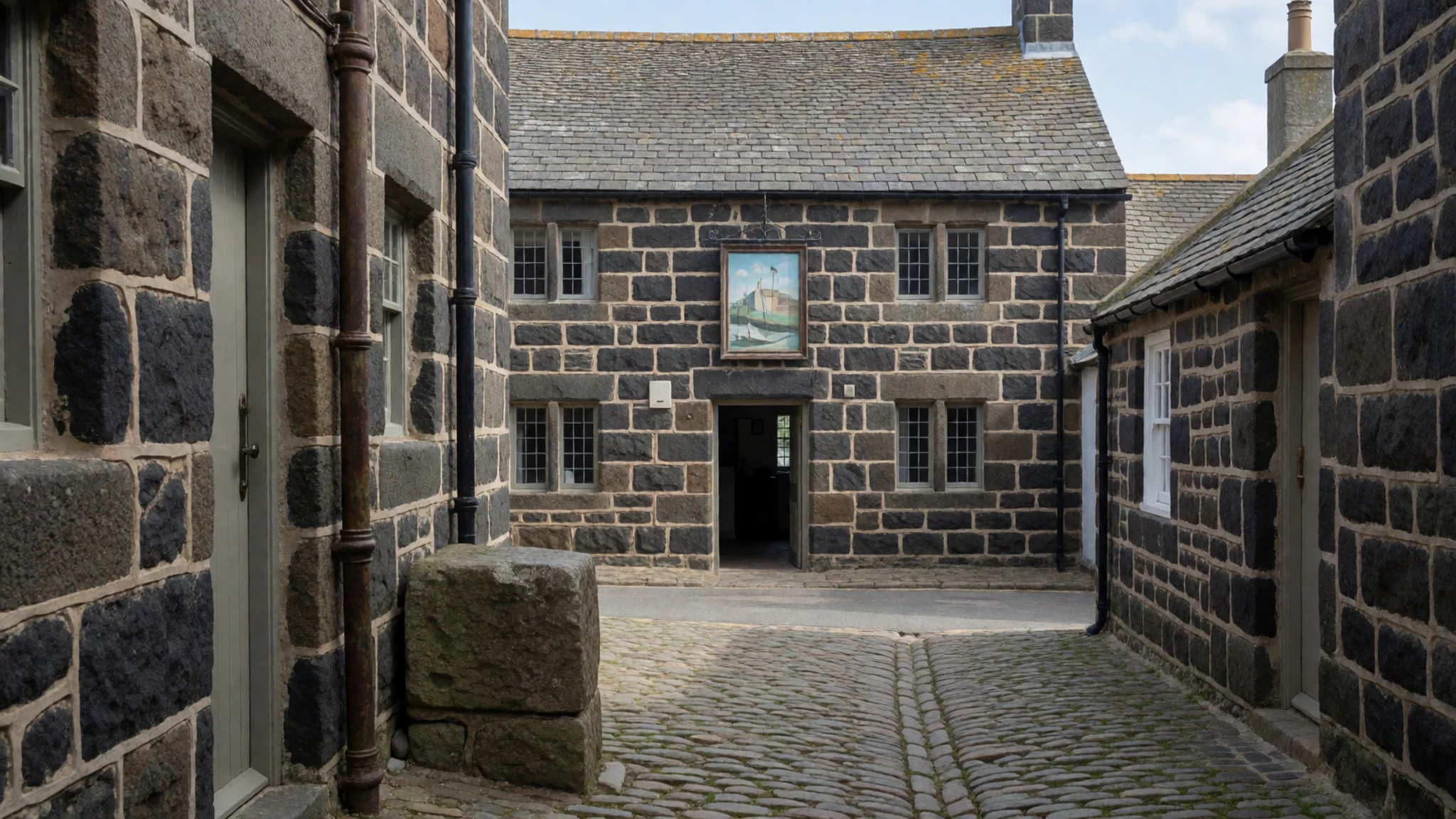
- Anima-Mundi — Close to the harbour
A gallery with rotating exhibitions of modern fine art and ceramics. Because the shows change, it is worth checking what is on before you go, and the work often reflects the same modernist concerns that brought painters to the town. It is a good place to see newer work from artists who are still active, away from the big-name collection.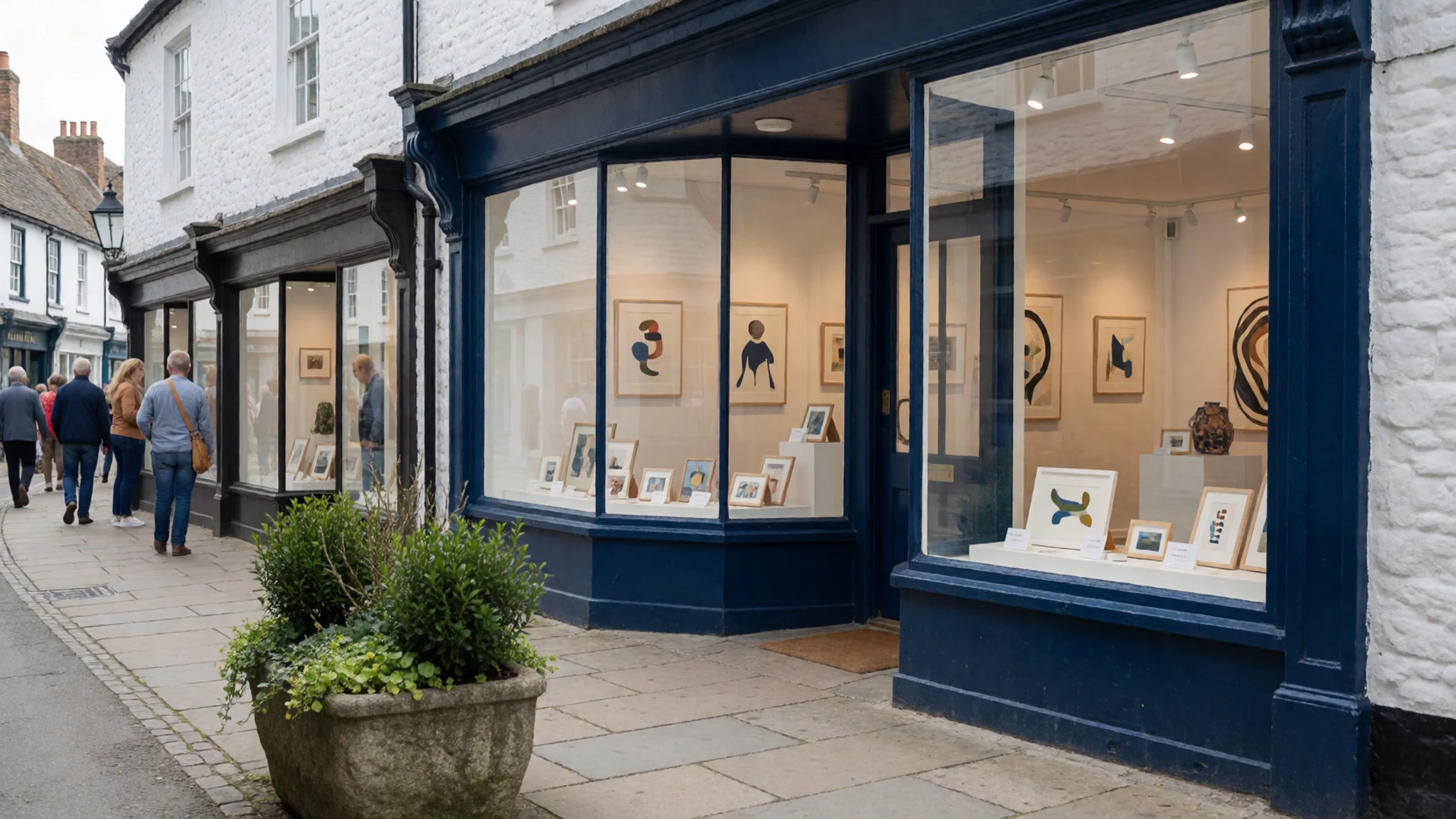
- Porthmeor Beach — North side of town, facing the Atlantic
A long stretch of sand on the town's northern edge looking out over the Atlantic, with firm sand and waves that surfers often seek out when conditions are right. The water is open and can be rough, so check conditions and any lifeguard cover before swimming. It is the place to watch the surf roll in, and the galleries are only a short walk away.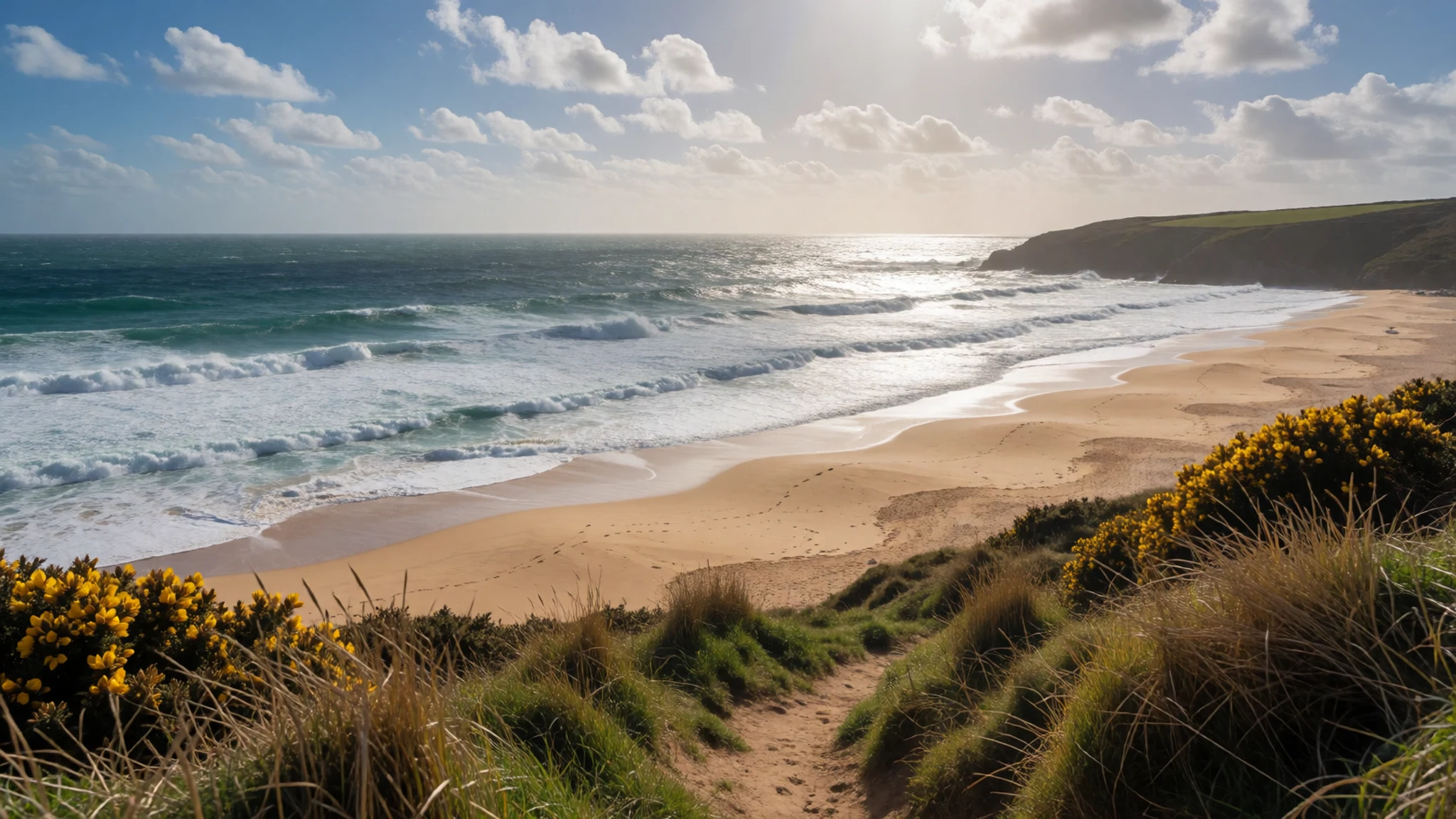
- Porthminster Beach — East side of town, below the station
A sheltered, east-facing beach that suits small children and anyone who wants calmer water. The beachside café is a bistro rather than a shack, with good seafood and sea views. It can get busy at midday in summer, so an early start or a late afternoon visit makes for a more relaxed day.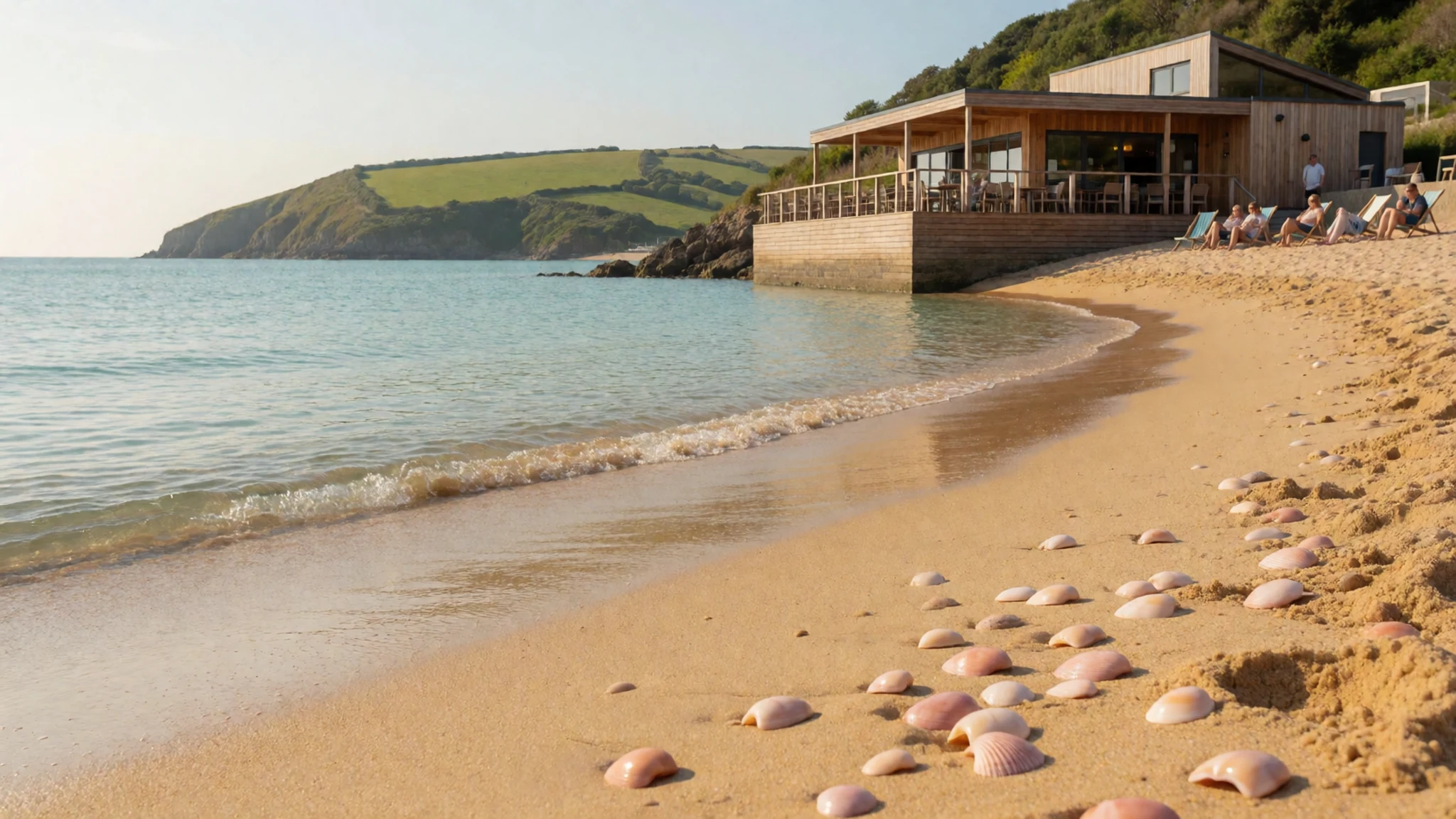
Culture
The parish church stands above the old town and is dedicated to Ia, the Irish holy woman linked to the town's name, with St Andrew as patron of fishermen. The building took a long time to reach its present form. The townspeople had to fight for the right to bury their dead and to baptise their children in their own church, because it was administratively tied to Lelant. They built it as a chapel of ease, won a font, and eventually gained a consecrated graveyard after long disputes with the vicars across the bay.
That history of persistence still shapes the town's sense of itself. Fishing families remember who worked the boats, and the harbour remains a working place, with lifeboat crews and fishing boats coming and going beside the leisure traffic.
Respect is mostly common sense here. Sit quietly inside the church during services, and do not treat the graveyard as a place for picnics. Keep off the harbour steps and slipways when boats are being launched or landed, and ask before photographing fishermen at work or residents on their doorsteps.
What to wear
Traditional working dress in St Ives was the dress of the fishing community. The heavy knitted jumper, the gansey, was worn at sea. Its close patterns of cables and diamonds were knitted by hand, and the wool was tough and kept its warmth when wet. Oilskins, the waterproof coats made from cotton canvas treated to repel water, and the wide-brimmed sou'wester hat completed the outfit for a day on the boats. Wool and cotton were the materials, and what people wore on the quay reflected what they did there.
Today the town dresses much like other British seaside towns. Locals wear practical layers: waterproof jackets, fleece, jeans and trainers. Gansey-style jumpers are sold in shops by the harbour, and many are bought as keepsakes rather than work clothes. Surfers wear wetsuits around the beaches, and in summer the promenade fills with light cotton and sun hats. Nobody dresses up for dinner in the pubs.
For a visitor, the sea and the wind decide. Pack a windproof, waterproof outer layer even in summer, since Atlantic weather can change quickly. Wear shoes with grip for the steep, uneven streets, the cobbles and the rock platforms near the coast, and choose flat soles over heels. A sun hat and sunglasses help on the beaches. No sight requires formal dress, though sensible cover is appreciated in churches and during services. A swimsuit worn under clothing is the easiest way to be ready for a dip at Porthminster or Porthmeor.
What to eat
- Cornish pasty — Bakeries and takeaway counters around the harbour and main streets
The pasty is the obvious starting point. A shortcrust case is folded around beef, potato, swede and onion and crimped along one edge. It was built as a portable meal for people who worked away from home, and it still suits a day on the cliffs. Buy one from a bakery in the morning and eat it on the harbour wall.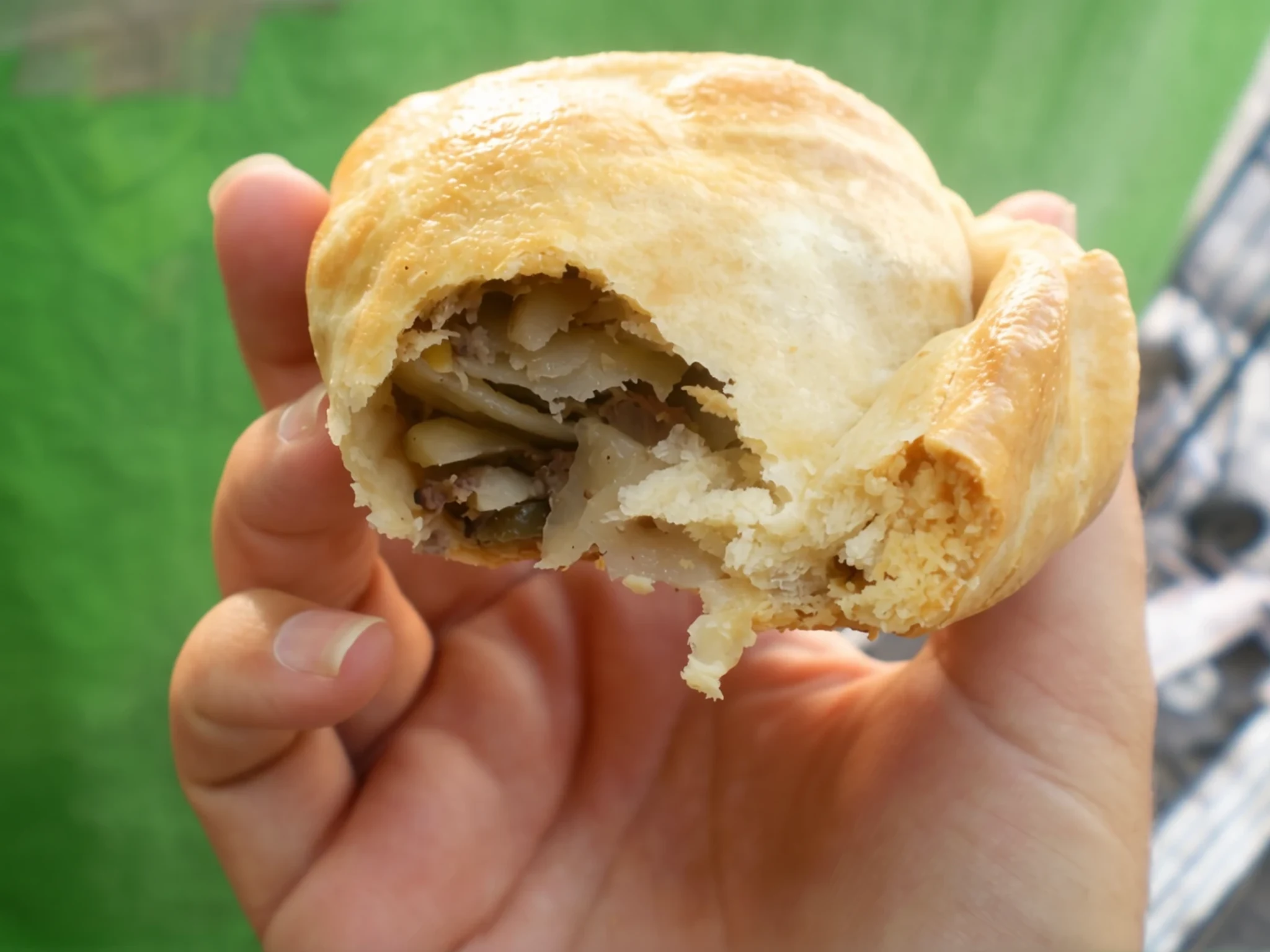
- Fresh seafood — Bistros on Porthminster Beach and restaurants along the harbour front
Cornwall's catch is the reason many people eat well here. Look for the dish of the day listing, which often features local fish with simple sauces and salad. Seafood bistros with sea views are the most pleasant way to eat it, and the terraces are busy at lunchtime in summer.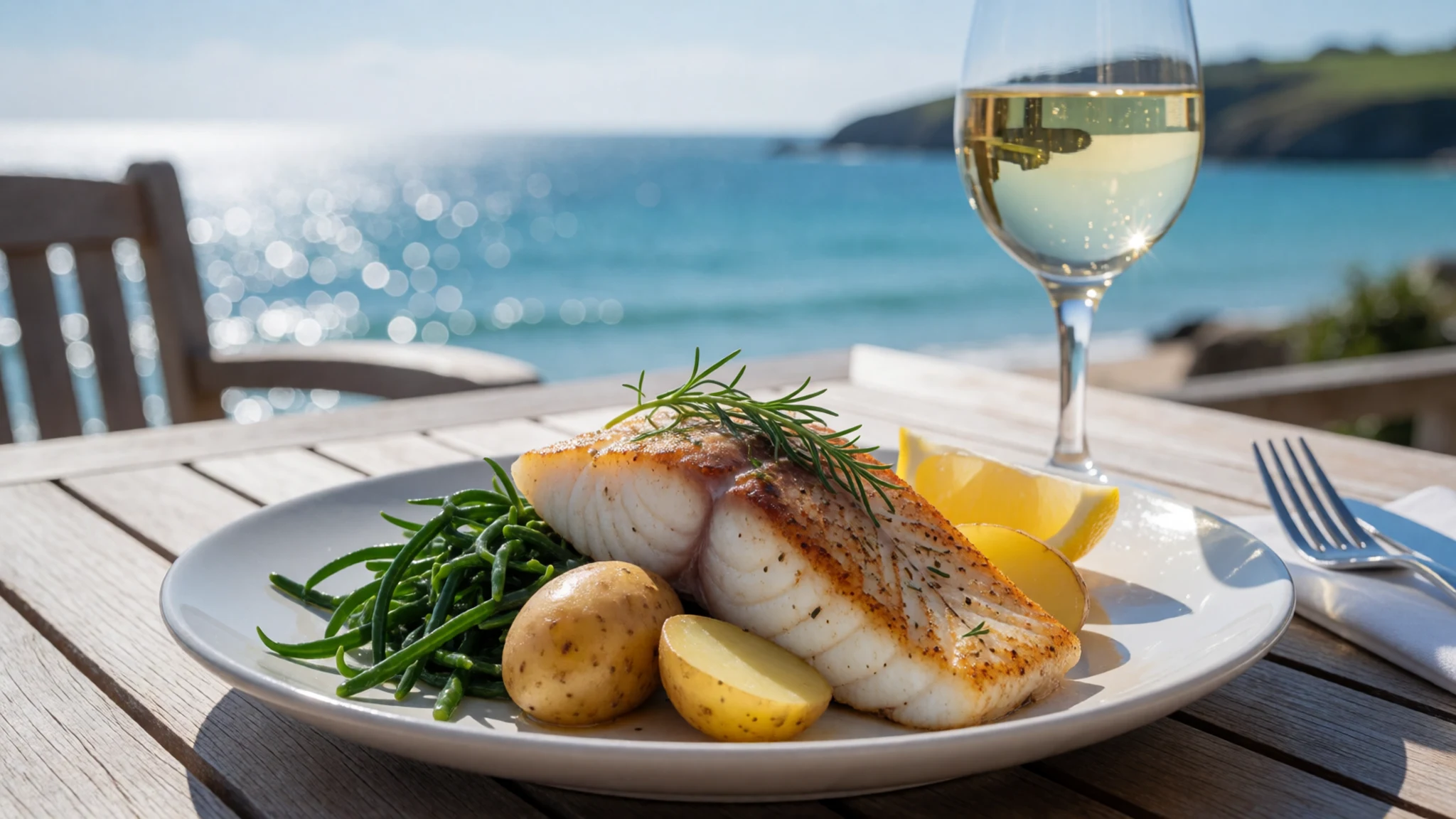
- Fish and chips — Takeaway counters on the harbour front
A classic British takeaway, and an easy meal on a windy day. Eat it from paper on the harbour wall, watching the boats come in. Gulls are bold, so keep a close eye on your plate and hold on to the chips.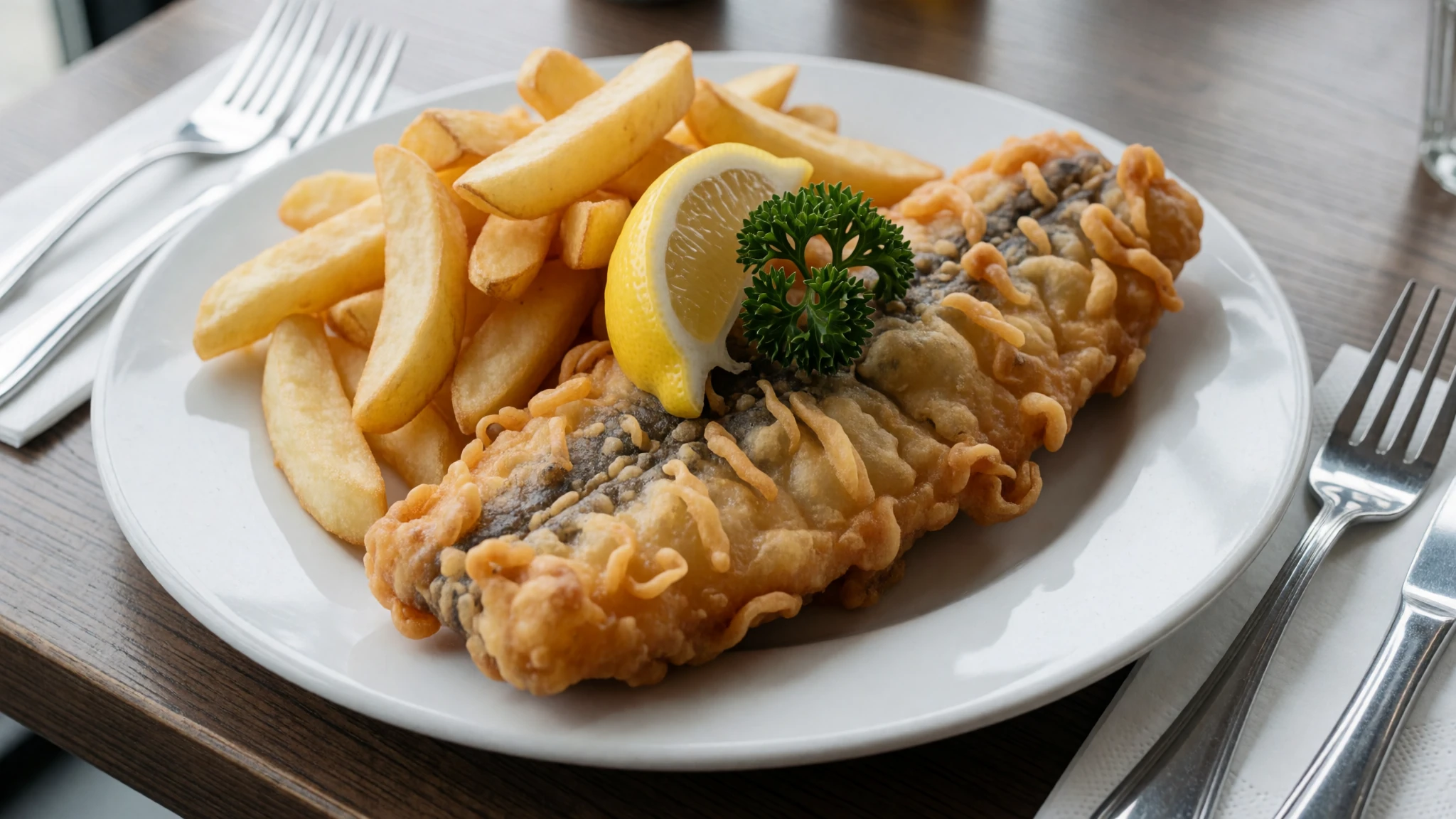
- Vegetarian and vegan meals — Cafés and restaurants in the town centre and on the edge of the old streets
The town has straightforward veggie cafés and a burger restaurant that offers vegetarian options. Meals are simple and the portions are generous. Booking is advisable for dinner in summer, when the best-known spots fill early. - Cornish gin — A gin school in the town, with classes held in season
The St Ives School of Spirits runs gin blending classes, and you take home a bottle of your own creation. It is a fun way to learn about botanicals and to spend a rainy afternoon. Book ahead, and check the school's website for current sessions and prices.
Plan it
Best time. Late spring and early autumn suit the town best. The beaches are warm enough for a swim without the full summer crush, and the galleries are quieter. Midsummer brings the most visitors and the busiest parking. Winter is mild for Cornwall, but many small businesses run shorter hours.
How long. 2–3
Getting there. Exeter Airport has more year-round flights, then mainline trains run to St Erth, from where a branch line train, bus or taxi reaches St Ives. Direct trains run from London Paddington to St Erth. Newquay airport is closer but has mostly summer flights and a tricky bus connection.
Budget. mid
Tips
- Book accommodation early for summer weekends, when the town fills quickly
- Park on the edge of the centre and walk in, as the lanes are narrow and parking is tight
- Carry some cash for small cafés and kiosks, although cards are widely accepted
- Pack warm, windproof layers even in summer, since the weather can turn quickly
- Check the official website for opening times, which change through the year
Etiquette
- Keep clear of harbour slipways when boats are being launched or landed
- Do not feed the gulls, and keep food out of their reach
- Keep noise down in the narrow residential lanes after dark
Nearby
Sources
- Wikidata Q724182 (CC0)
- Wikipedia: St Ives, Cornwall (CC BY-SA 4.0)
- Wikivoyage: St Ives (CC BY-SA 4.0)
- St. Ives - Harbour and Porthminster Beach - Cornwall - UK (Public domain)
- April in St. Ives (CC BY 3.0)
- The memorial to John Payne, Portreeve of St. Ives (Public domain)
- Rocky coast (CC BY 3.0)
- St. Ives, Porthminster Bay, Cornwall, England (Public domain)
- H I Babbage - Waiting for the Tide (St Ives Fishing Fleet) (Public domain)
- St Ives Lifeboat Station viewed across the harbour (CC BY 3.0)
- St Ives Cornwall Harbour promenade (CC BY-SA 4.0)


