Srinagar
Srinagar, India
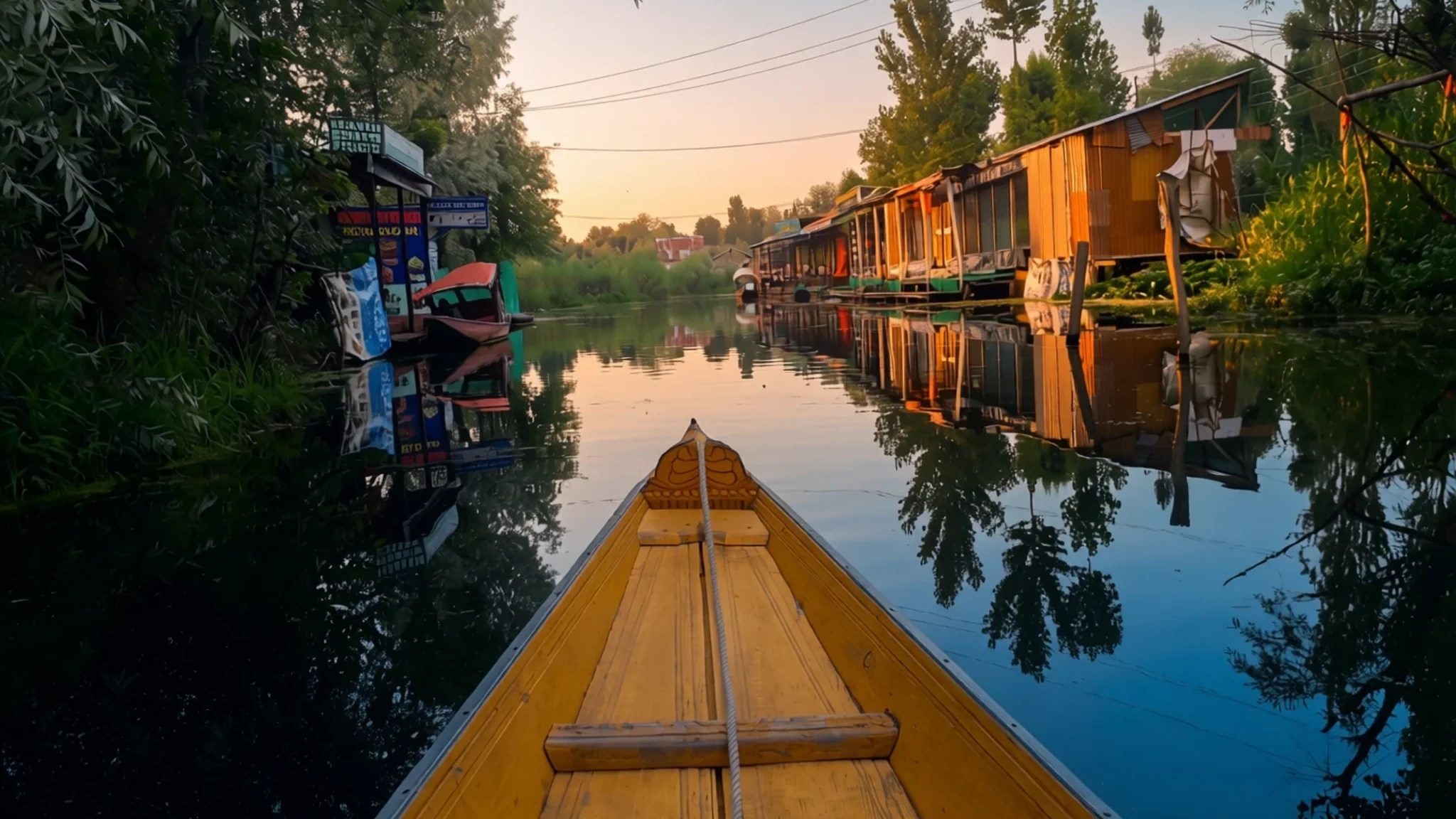
Srinagar is a city of lakes, gardens and houseboats in the Kashmir Valley, and a slow few days on the water is its real appeal.
The place
Srinagar is the largest city in Indian-administered Jammu and Kashmir and its summer capital, set in the Kashmir Valley on the Jhelum River. Its shores take in Dal Lake and the Anchar Lakes, and the city sits between the Hari Parbat and Shankaracharya hills, so high points give a view over water and rooftops. At about 1,585 metres above sea level, the air stays cooler than in the plains, and summer evenings can feel sharp.
Most visitors come for the water. Houseboats moored along the lake edges are places to stay as much as sights, and shikara boats cross between the lake's islands and gardens. The city is also known for its crafts: pashmina and cashmere wool shawls, papier-mâché, carved wood, woven carpets and jewellery making. Dried fruit is another local speciality, and you will see it sold in shops across the centre.
Srinagar is busy in the main season, and the lake fills with boats and sellers by midday. Security is visible in the city and especially near the airport, because the wider region is disputed. Check current travel advice before you go, keep your papers close, and remember that foreigners must register on arrival at the airport, hotel or houseboat. Three or four days gives you time for the lake, the old town and a day in the hills without rushing.
Its story
Srinagar's written history starts with a chronicle. Kalhana's Rajatarangini, a history of the valley's kings, places an older capital at Pandrethan, a short distance south-east of the modern centre, and links it to the Mauryan emperor Ashoka. The city proper is credited to a later ruler, Pravarasena of the Gonanda dynasty, who is said to have founded Pravarapura around the 6th century on the right bank of the Jhelum, at the foot of Hari Parbat. The chronicle describes markets, timber houses, grand temples and canals, and it mentions the lake and the river that still shape the place today. Pravarasena also built an embankment along the Jhelum against floods, and sections of it still stand. A Chinese traveller, Xuanzang, arrived in 631 CE and stayed in a monastery that Pravarasena's uncle had founded, offering an outside glimpse of the city in its early centuries.
Under Hindu rulers Srinagar remained the leading centre of the valley and a place of learning. Over the 1300s to the 1500s, the old quarter grew substantially, most notably during the Shah Mir line's rule, when its monarchs took turns basing their court in different neighbourhoods. The Mughals later added gardens and pavilions along the lake. One of the islands, Rupa Lank, was built by Sultan Zain-ul-Abidin of the Shah Mir line in the 15th century, long before the Mughal period. Those layers are still visible: old wooden lanes, shrines from several faiths, and gardens set against the water.
What to see
- Dal Lake — Central Srinagar
Dal Lake draws most visitors and sits almost at the city's centre. The lake covers about 21 square kilometres, including roughly 3 square kilometres of wetland, and its shoreline runs to around 15.5 kilometres. Take a shikara in the early morning, when the mist lifts and the water is still, and expect crowds and flower sellers by midday.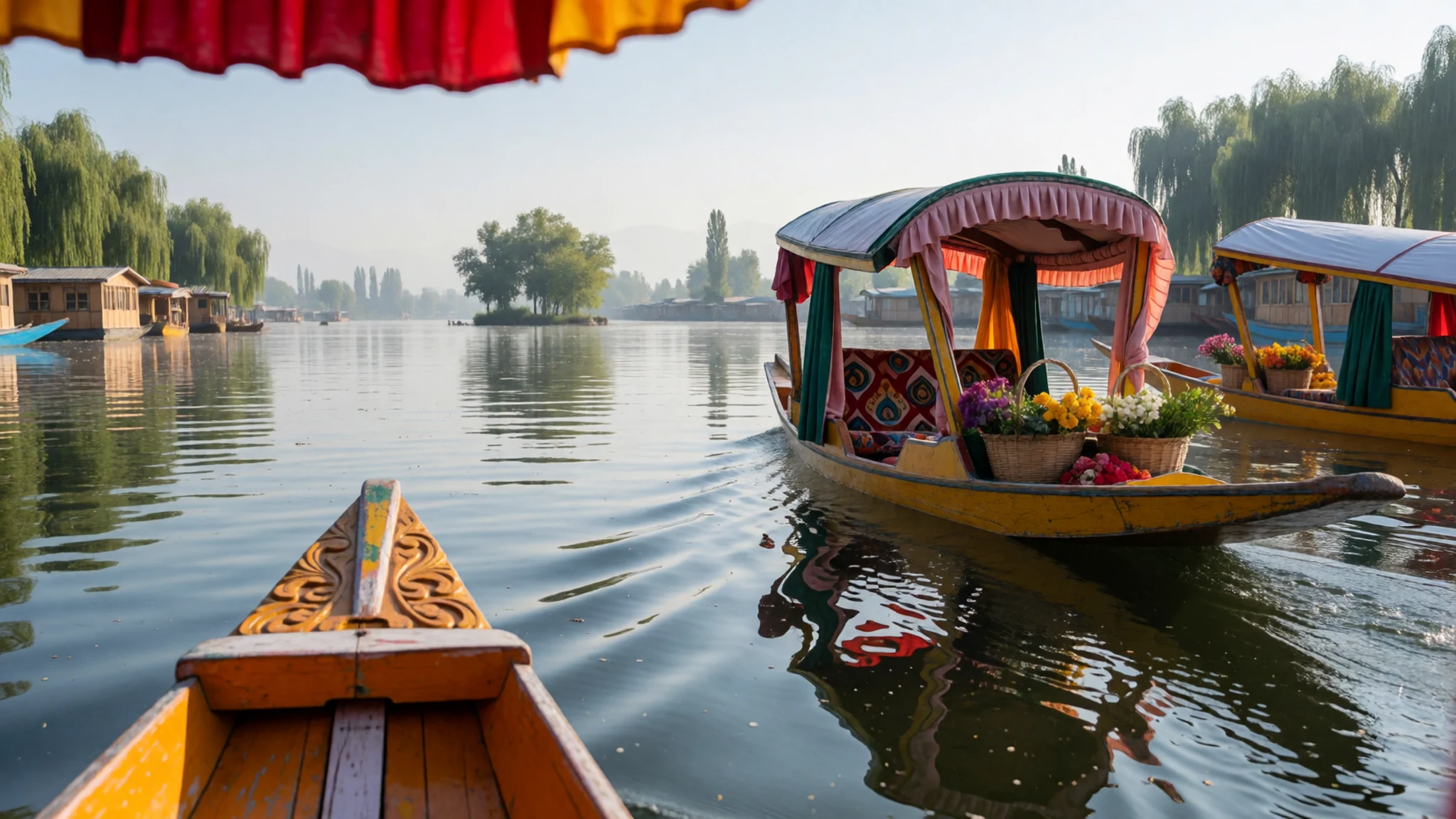
- Nagin Lake — Western side of Dal Lake, at the foot of Hari Parbat
Nagin Lake is a separate lake joined to Dal by a narrow water channel. It lies on the western side of Dal, at the foot of Hari Parbat hill. It is apart from the main basin, so it is usually calmer. Hire a shikara, cross the channel slowly, and allow time to look back at the hill and the water.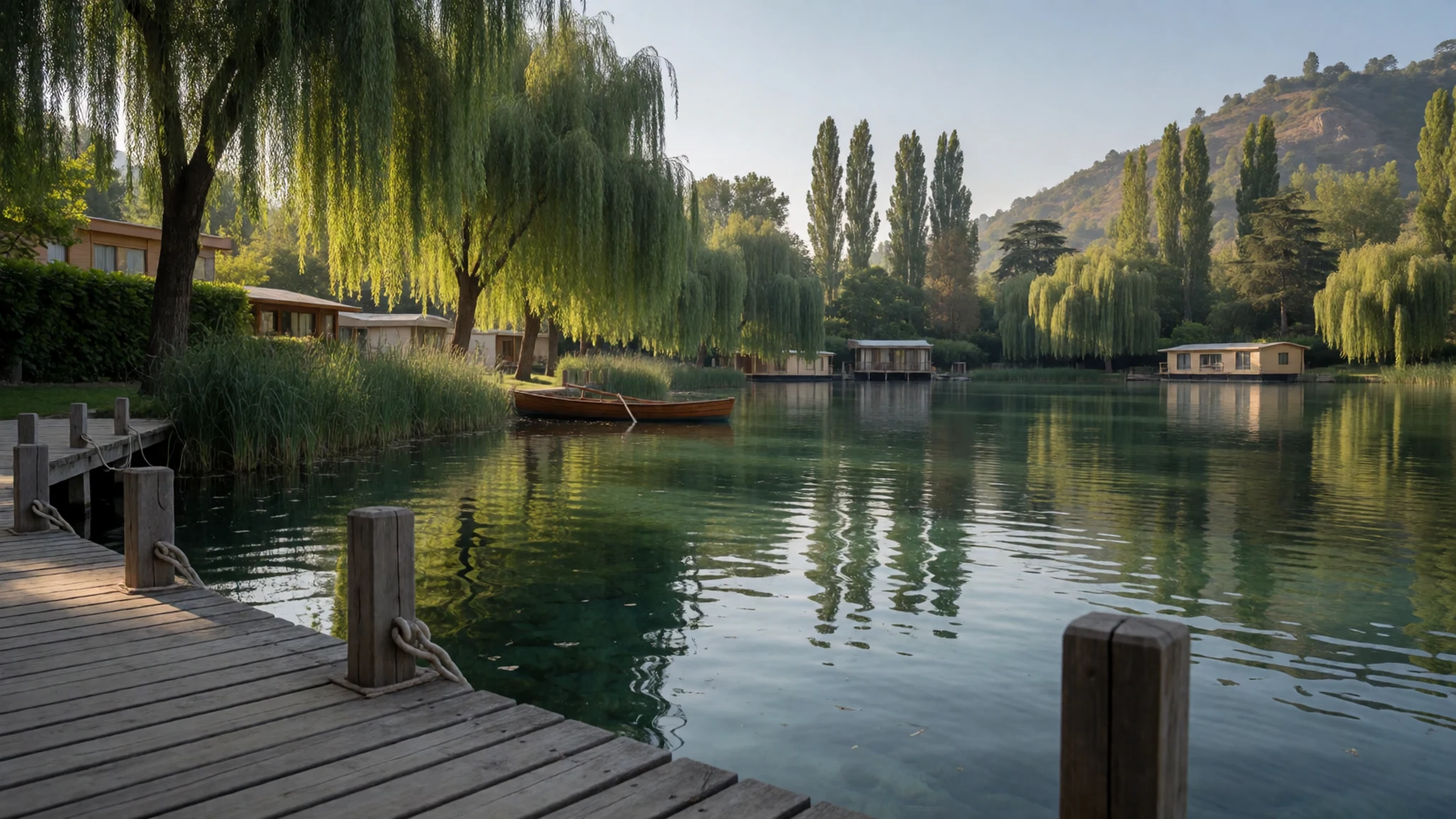
- Mughal Gardens — Along the edge of Dal Lake
The Mughal Gardens line the edge of Dal Lake, laid out with colourful flowers, fountains and mighty chinar trees. Walking along them gives a formal, almost royal feel, especially in spring and early summer when the beds are in flower. Go in the morning or late afternoon, since the midday sun is strong and the paths are busy with families.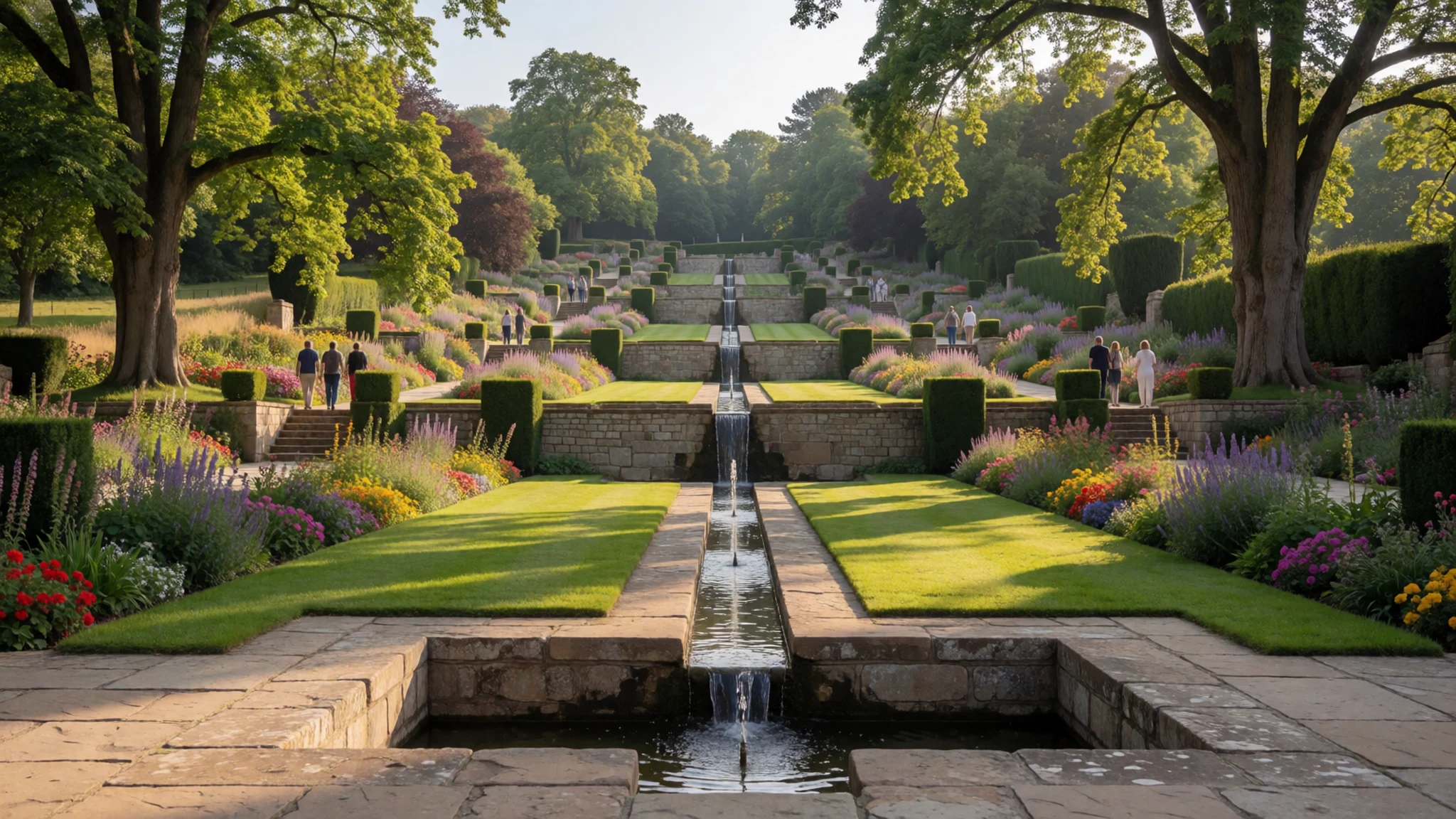
- Rupa Lank — Dod Dal, central Dal Lake
Rupa Lank, whose name means silver island, is a man-made island in the central part of Dal Lake, known as Dod Dal. It was built in the 15th century by Sultan Zain-ul-Abidin of the Shah Mir line. It is reached by boat, so plan a shikara ride and agree with the boatman a time for your return.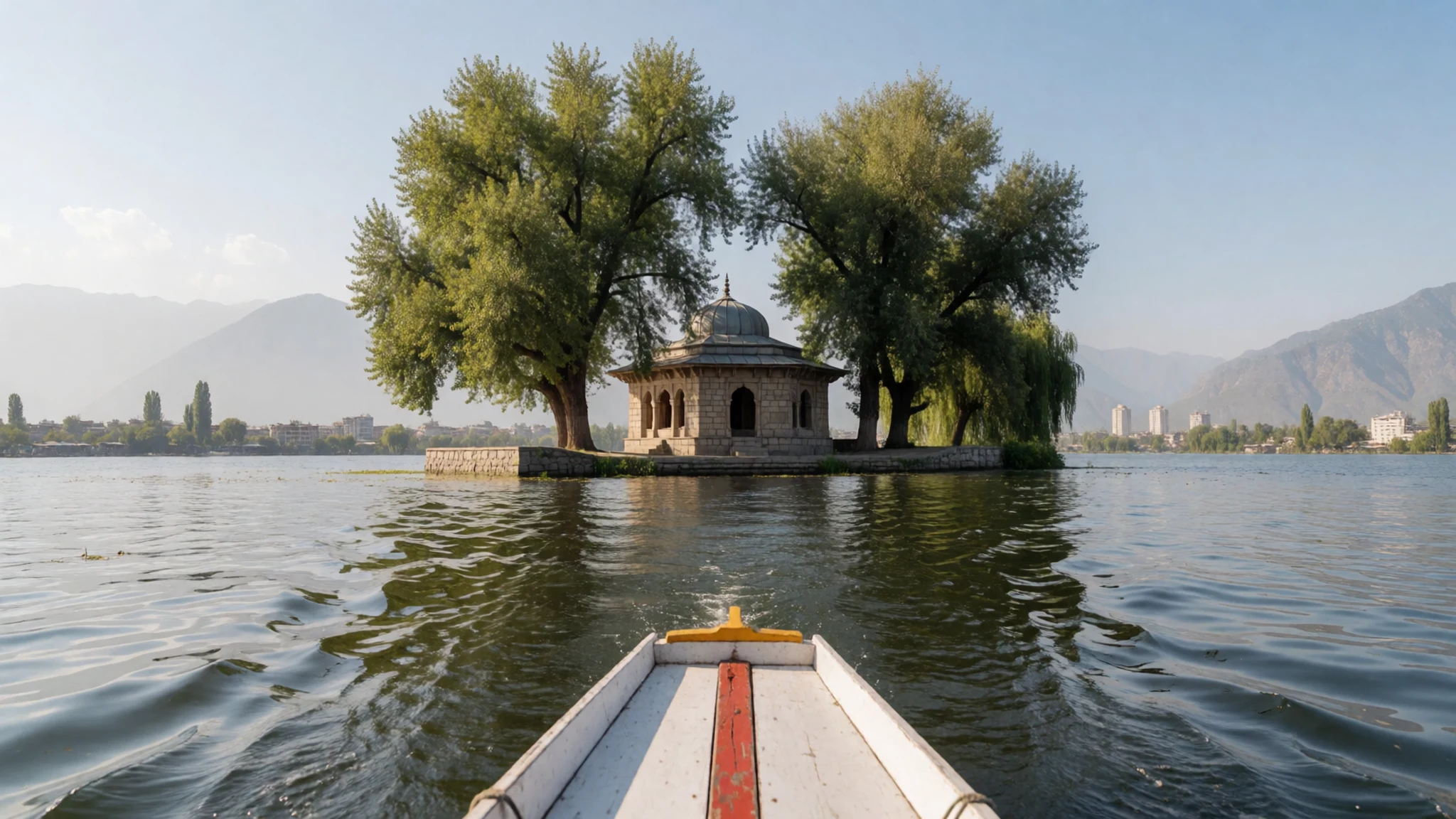
- Sona Lank — Lokut Dal, northern Dal Lake
Sona Lank, or gold island, lies in Lokut Dal in the northern part of the lake. It is a quieter spot than the central islands and a good place to see the wider reed beds and open water. Go with a boatman who knows the northern channels, and go early when the water is calmest.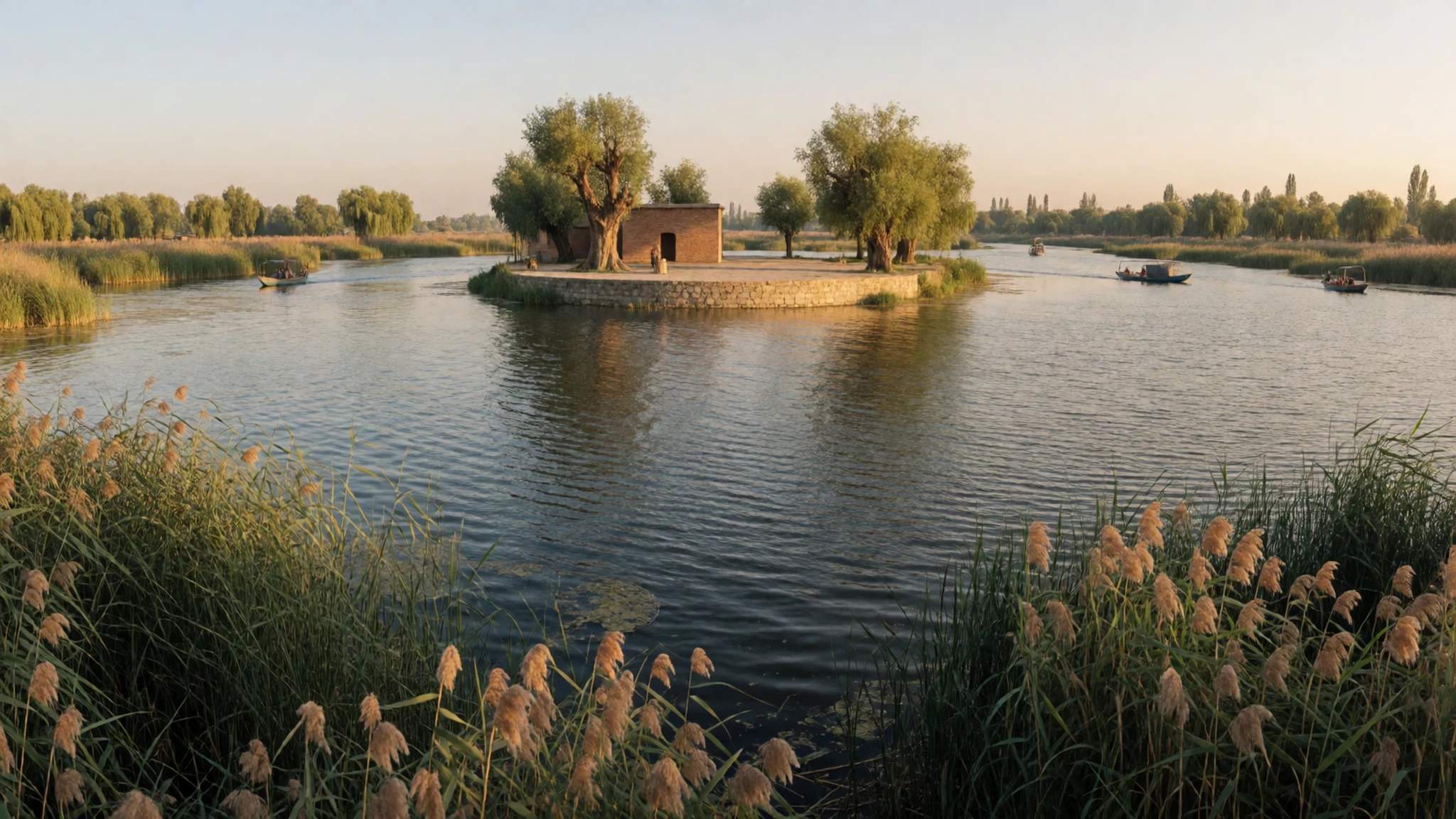
Culture
Srinagar's religious life reflects the valley's long mix of faiths, and its holy places show it. Hazratbal Mosque is notable as the city's sole domed mosque, and Jama Masjid is one of the oldest mosques in Kashmir. The Khanqah-e-Moula Mosque is regarded as the first Islamic centre in the valley, and Pathar Masjid, the Stone Mosque, is another landmark. On Hari Parbat hill stands the Sharika Mata temple, and the Zeashta Devi shrine is holy to Kashmiri Hindus. Sikh, Christian and Sufi sites also belong to the city, including Gurdwara Chatti Patshahi, All Saints Church and the Khanqah of Shah Hamadan.
Many of these places are active, so a visit is more than sightseeing. Friday prayers at the mosques draw large crowds, and some shrines are busiest on festival days. Keep your voice low, step aside for worshippers, and ask before photographing anyone at prayer or in a shrine courtyard. Dress modestly, and if you are invited into a home or a houseboat, ask whether shoes should come off before you step inside.
Remove your shoes before entering any mosque, shrine or gurdwara, and cover your head and shoulders where asked.
What to wear
In Srinagar, traditional dress is closely tied to the valley's wool and weaving. The long woollen pheran, a loose tunic worn over other clothes, is the classic winter garment, and in cold months many people carry a kangri, a small firepot tucked under it. Kashmir shawls, woven from pashmina and cashmere wool, are the city's best-known textile, and embroidered versions, often called sozni work, have long been made here. Men may wear a skullcap, and women a shawl or dupatta over the head at prayer.
Day to day, people in Srinagar dress much as they would in any Indian city. Jeans, shirts and kurtas are common, and many young women wear western clothes alongside salwar kameez. In winter the pheran returns, and you will see knitted hats and heavy shawls everywhere.
For a visit, dress for the altitude and the time of day. Layers are the answer, with a light jacket for evenings even in summer. Cover shoulders and knees at mosques and shrines, and carry a scarf that can cover your head. Choose shoes that are easy to slip off and grip well on wet jetties and steps, since you will take them off often. A hat and sunglasses help on the lake.
What to eat
- Kahwa — Tea stalls and small eateries around Lal Chowk, and cafés along the Boulevard by Dal Lake
Kahwa is a pale green tea brewed with saffron, cardamom and sometimes almonds or cinnamon, and served in small cups. Locals drink it all day, especially in cold months. It is a comforting drink after a cold walk on the lake.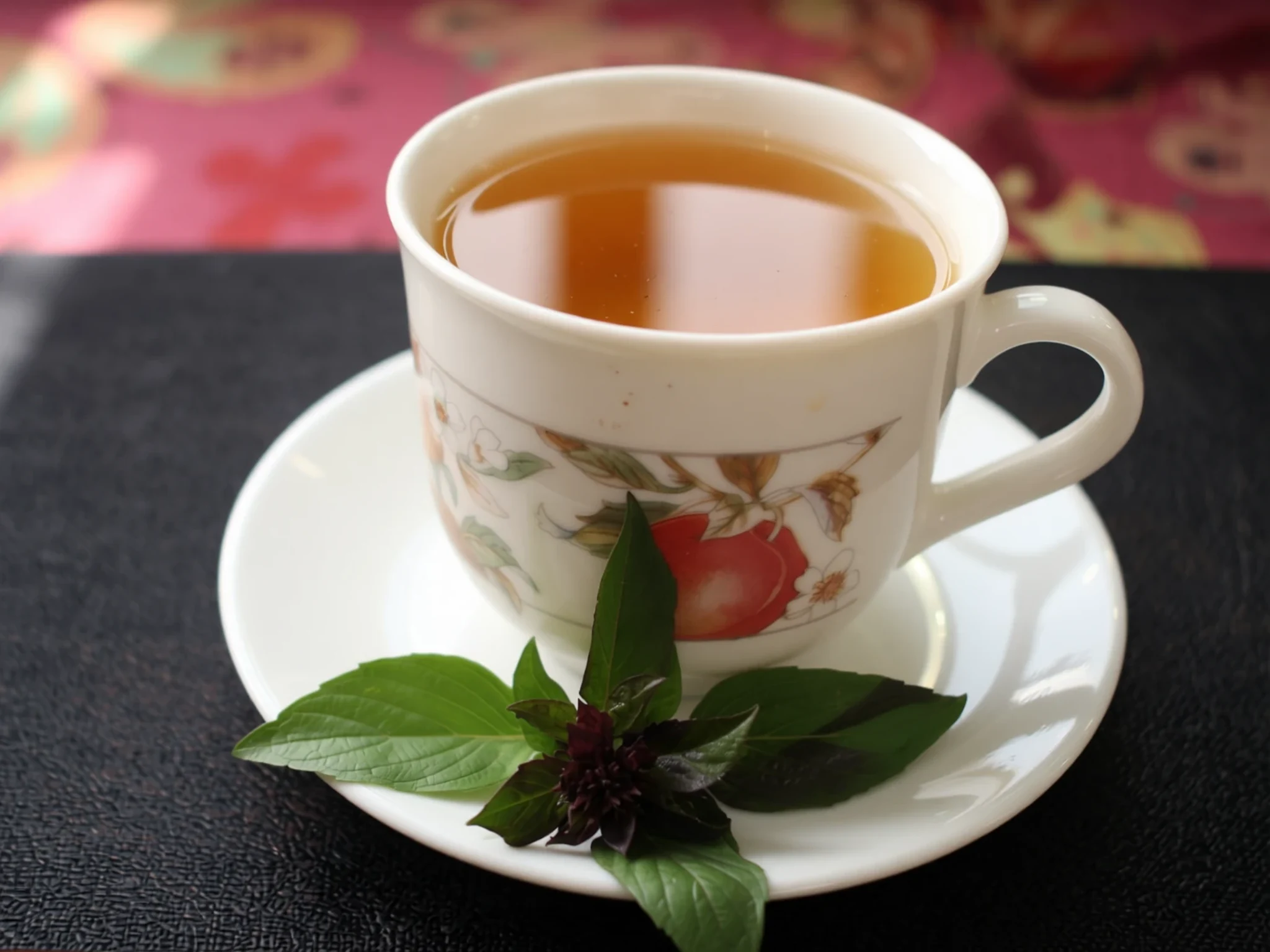
- Wazwan — Older eateries in the old town; or ask a local family about an invitation
Wazwan is a multi-course Kashmiri feast served on large shared platters, traditionally for weddings. Dishes such as rogan josh and meatballs come in a spiced gravy, and the meal is eaten slowly, in company. It is a feast to plan for, rather than a quick lunch.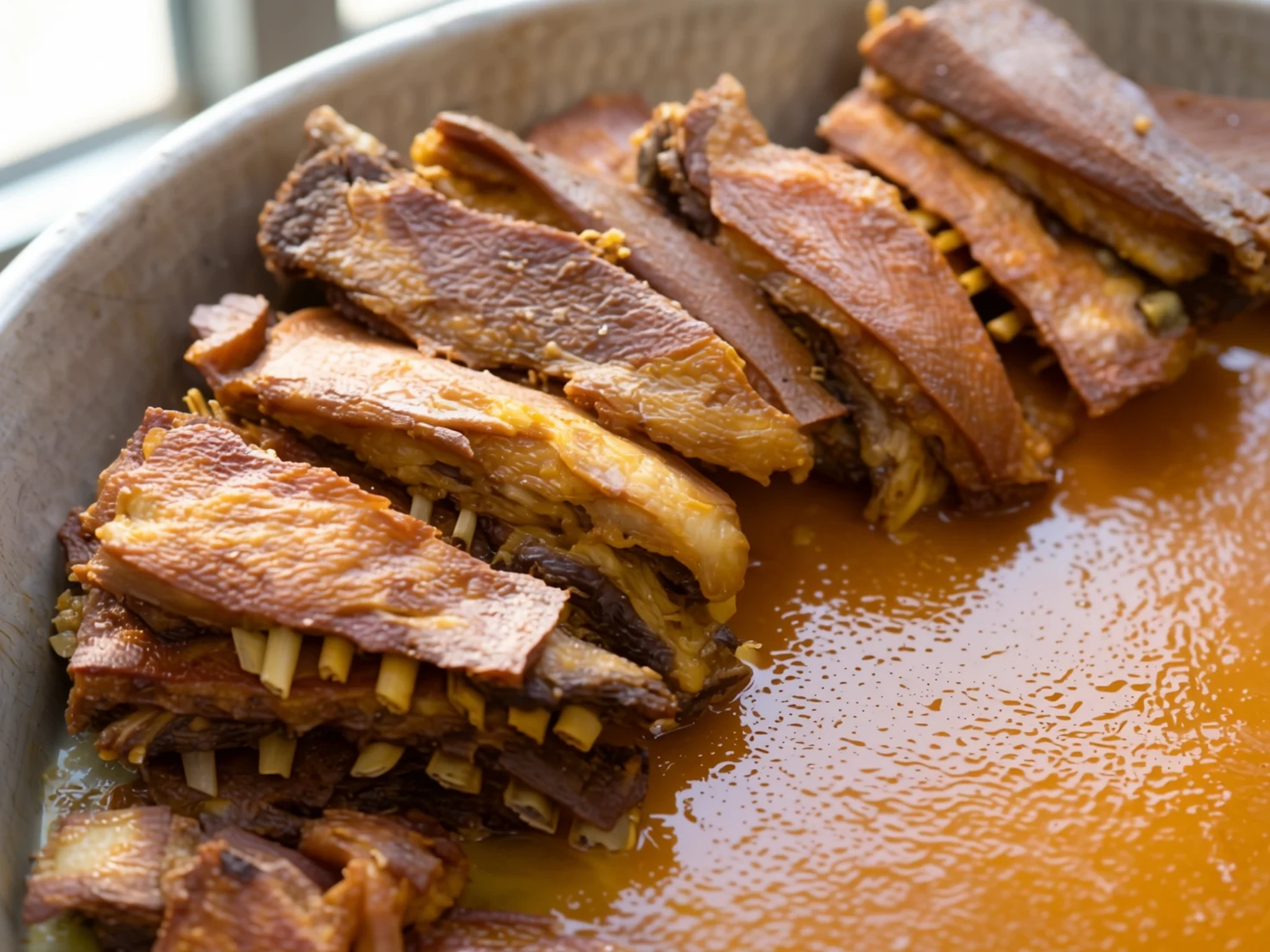
- Nun chai — Bakeries and tea stalls in the old town
Nun chai is a salted pink tea, made with milk and a pinch of baking soda, and usually eaten with a bread roll for breakfast. It is a taste you will find in many bakeries and street stalls. - Bakery pastries and themed cakes — Bakeries on Nallahmar Road and across the city centre
Bakeries are a big part of daily life here, and the pastry shops fill up before festivals and weddings. Some specialise in themed and wedding cakes, and a few sell sweets and chocolates, so go early for the best choice. - Dried fruit and nuts — Dry-fruit shops in the main bazaars and around Lal Chowk
Dried fruit is one of the valley's best-known exports, and walnuts, almonds and dried apricots are sold by weight in most bazaars. Buy a small bag to try before you commit to a larger one.
Plan it
Best time. April to May for mild weather and spring flowers, and September to October for clear skies. Winter brings snow and cold, and flights can be cancelled because of weather. June to August is the busiest time, when the city is at its fullest.
How long. 3–4
Getting there. Fly into Srinagar airport, which has a minibus to the Tourist Reception Centre near the lake, or take a taxi into town. The rail line into the valley is not yet complete, so many travellers take the train to Jammu and continue by taxi or bus, which is slower but safer.
Budget. mid
Tips
- Book flights early and check that yours is still running on the day, since winter weather can cancel services
- Print a copy of your ticket for the return flight, because the airport needs it to let you in
- Register on arrival at the airport, hotel or houseboat, as foreigners are required to
- Go out on the lake early in the morning, when the water is calm and the crowds have not yet arrived
- Agree shikara and houseboat prices in advance, and carry cash for small shops
- Carry water and sun protection, since the altitude makes the sun strong even on cool days
Etiquette
- Keep your ID and registration papers with you at all times
- Dress modestly at mosques and shrines, and remove your shoes before entering
- Ask before photographing people, particularly women and anyone at prayer
- Avoid political debate in public and follow advice from your hotel or houseboat host
Nearby
Sources
- Wikidata Q170115 (CC0)
- Wikipedia (rev 1382357495) (CC BY-SA 4.0)
- Wikivoyage (rev 5388879) (CC BY-SA 4.0)
- Srinagar pano, KennyOMG (CC BY 3.0)
- Red and Yellow Tulips, Abdars (CC BY 3.0)
- Shankaracharya Temple under snow, Didier Lamouche (CC BY-SA 4.0)
- Jama Masjid, Srinagar, Mike Prince (CC BY 2.5)
- A view of Pari Mahal, Basharat Alam Shah (CC BY 2.5)
- Houseboats, Dal Lake, Madhumita Das (CC BY-SA 4.0)
- Kashmir region map, US CIA via Wikimedia Commons (Public domain)
- Pandrethan Shiva Temple, H. Grobe (CC BY 3.0)


