Spiš Castle
Spiš Castle, Slovakia
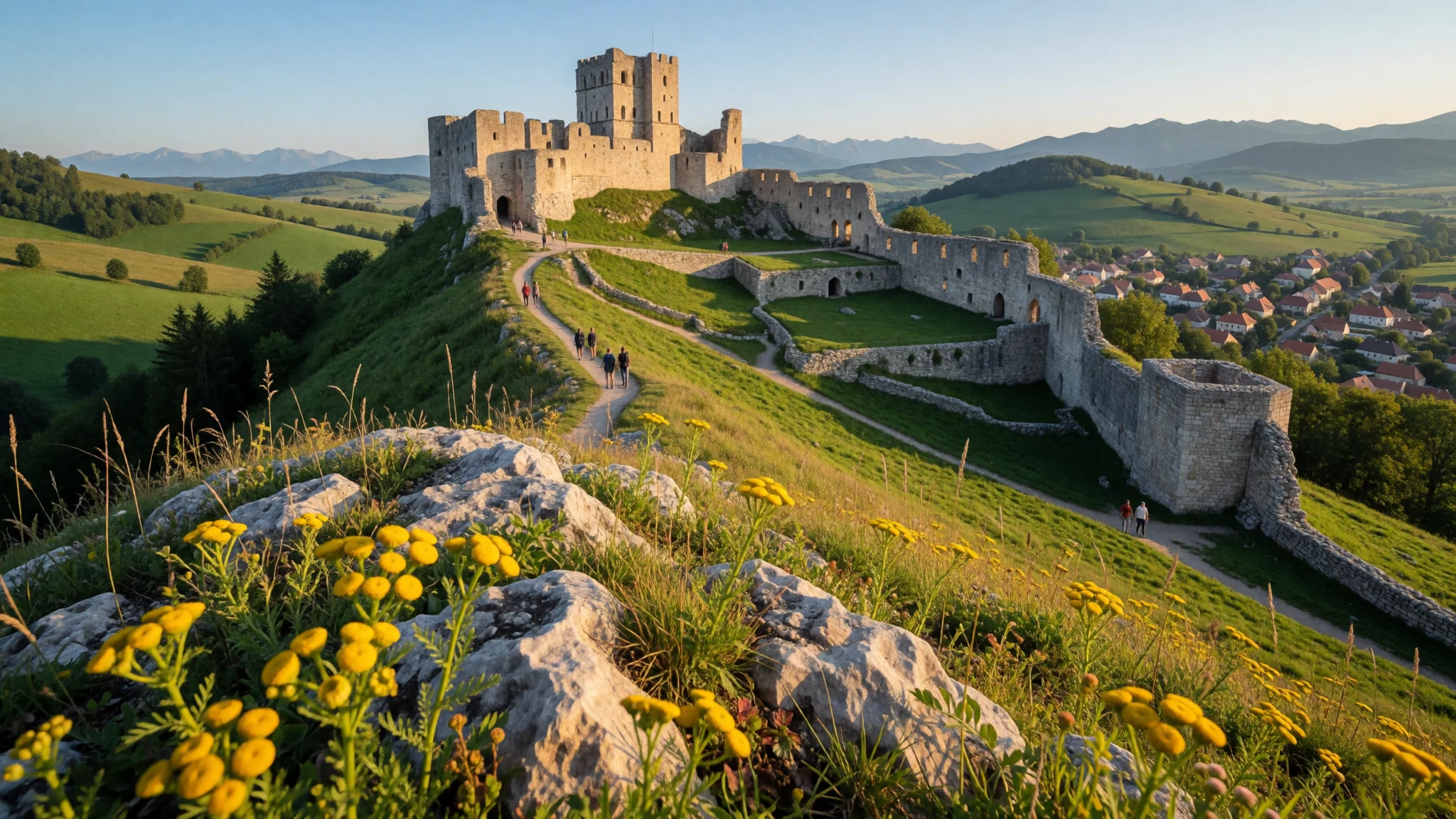
Spiš Castle is a big, layered ruin complex in eastern Slovakia, where Romanesque, Gothic and Renaissance touches sit on a commanding hill.
The place
Spiš Castle (Spišský hrad) is a ruin complex in eastern Slovakia, perched above the town of Spišské Podhradie and the village of Žehra. It sits in the wider Spiš region (Szepes in Hungarian; Zips in German; Spisz in Polish), a place with a patchwork of historical influences—so the castle itself feels like a history lesson written in stone and re-stated by each new era.
What makes the site click is how the landscape and the architecture talk to each other. The castle occupies a hill and its defences, then expands into multiple “zones” over time—fortifications at the core, palatial buildings and churches within, and settlements laid out around the walls when the centre’s role grew. Even as a ruin, the layout is readable: you can see why it functioned as a stronghold and why it mattered politically, administratively, economically and culturally for the county of Szepes.
Spiš Castle is also tied into the UNESCO World Heritage listing (together with the nearby ecclesiastical site and Žehra). In practice, that means the visit isn’t just about walls and viewpoints; it’s also about the adjacent story of medieval life across this area.
Crowds are usually manageable compared with the headline sites of Central Europe, but it’s still worth going early: the paths can be exposed, and the climb makes late-morning heat feel sharper than it should. The site is compact enough to enjoy in a couple of hours, yet deep enough to keep wandering as details reveal themselves—arches, stretches of wall, and the quiet scale of a fortress designed for centuries.
Its story
Spiš Castle’s timeline reads like a series of rebuilds driven by shifting power and changing tastes. It started out as a boundary fort in the early 12th century, built over the spot where a previous castle once stood. Over time it became the seat of authority for Szepes county within the Kingdom of Hungary, so decisions about governance and trade effectively ran through these walls.
The early phases leaned Romanesque: a stone castle with fortifications, a two-storey palace, and a substantial church layout built by the later 13th century. Then, as the medieval economy and population orbiting the fortress grew, extra settlement areas appeared beyond the original walls, doubling the castle’s footprint. That’s when the site stops feeling like a single strongbox and starts reading as a working centre.
In the 15th century the entire castle was rebuilt again, with taller walls and a third extramural settlement. A late Gothic chapel was added around 1470, and later noble ownership shaped how comfortable the upper parts could be—especially under the Zápolya family, whose transformations made the upper castle resemble a family residence of the Renaissance period.
Eventually, the long story turns to decline. The last owners, the Csáky family, left the castle in the early 18th century because it was too uncomfortable to live in. Even then, the site didn’t vanish; it just became what many ruins are: a place where the past isn’t preserved by keeping it intact, but by letting later generations see how the layers were stacked.
What to see
- Spiš Castle (Spišský hrad)
Spiš Castle is the main ruin complex above Spišské Podhradie, with defences, palatial remains and church fabric spread across the hill. It’s currently listed as closed for reconstruction, so check conditions before planning a long walk.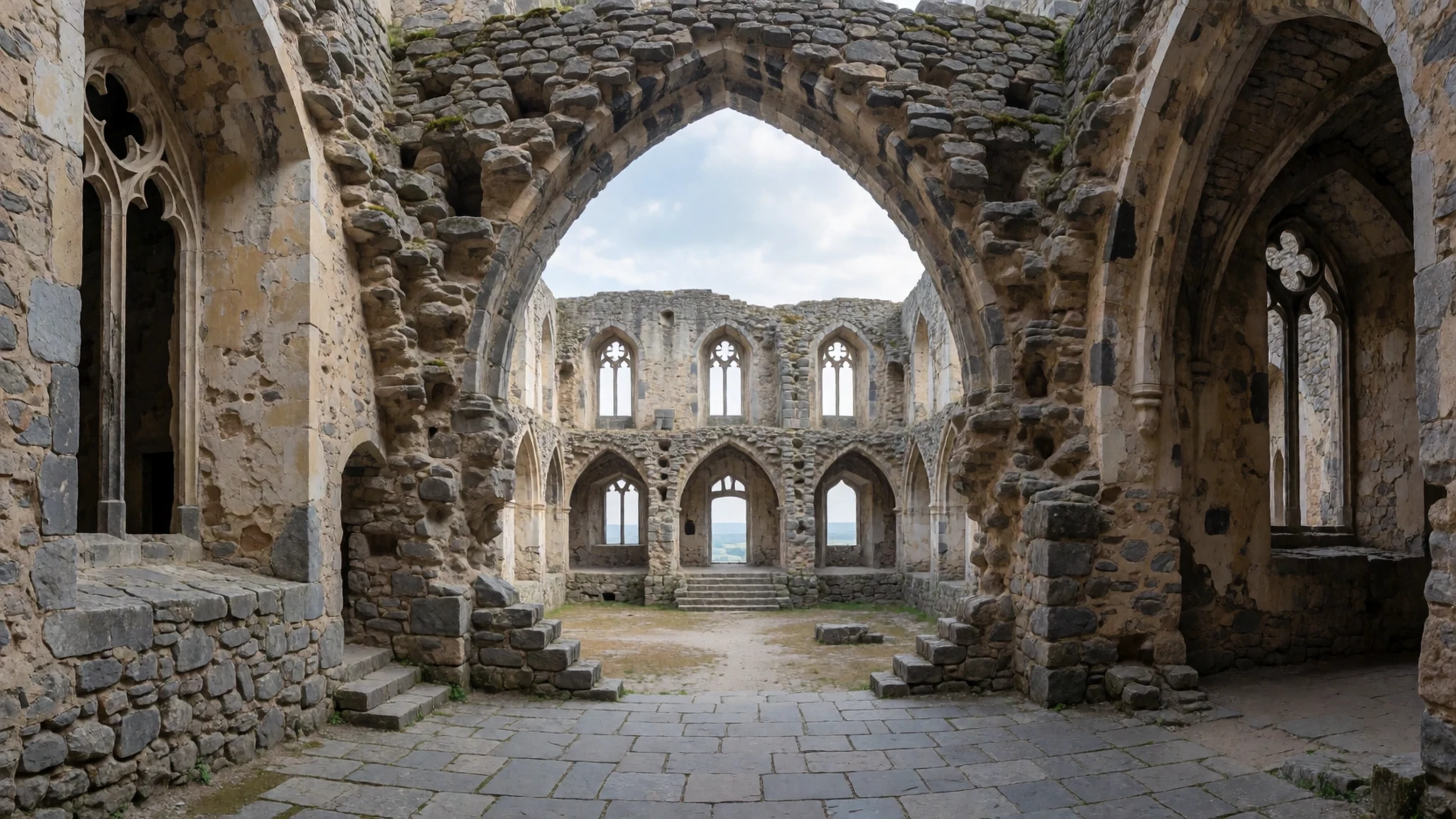
- Spišská Kapitula
Spišská Kapitula is the ecclesiastical town in the broader Spiš area, with a former monastery and St. Martin’s Cathedral. Expect a different pace to the castle—more stone, more sacred architecture, and a setting that helps place the region’s medieval power.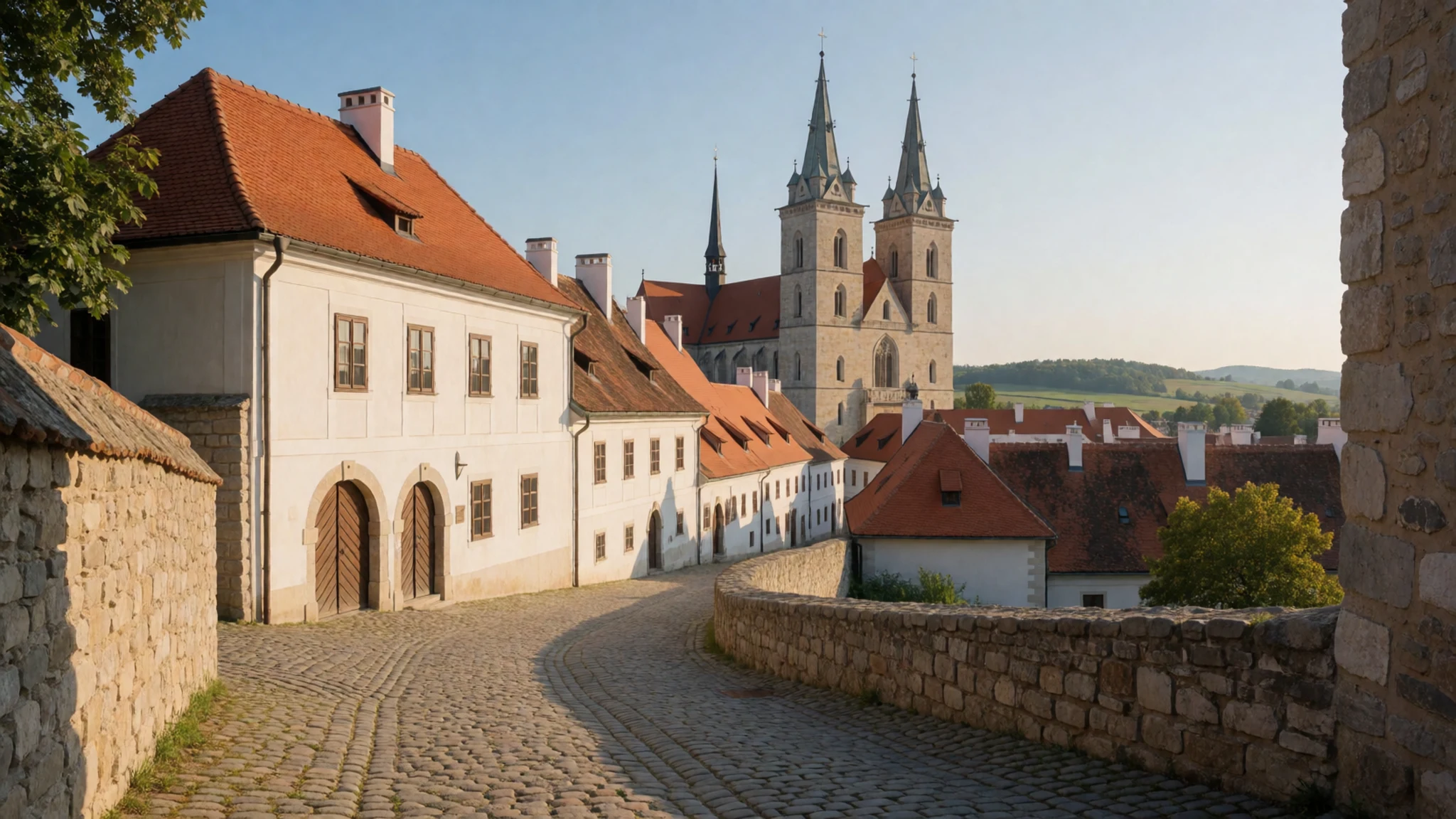
- Kostol Narodenia Panny Márie
Kostol Narodenia Panny Márie is a church built in 1825 on the site of an earlier church damaged by the 1813 earthquake. Visiting links the ruin-focussed day with the practical reality of how communities rebuilt after shocks.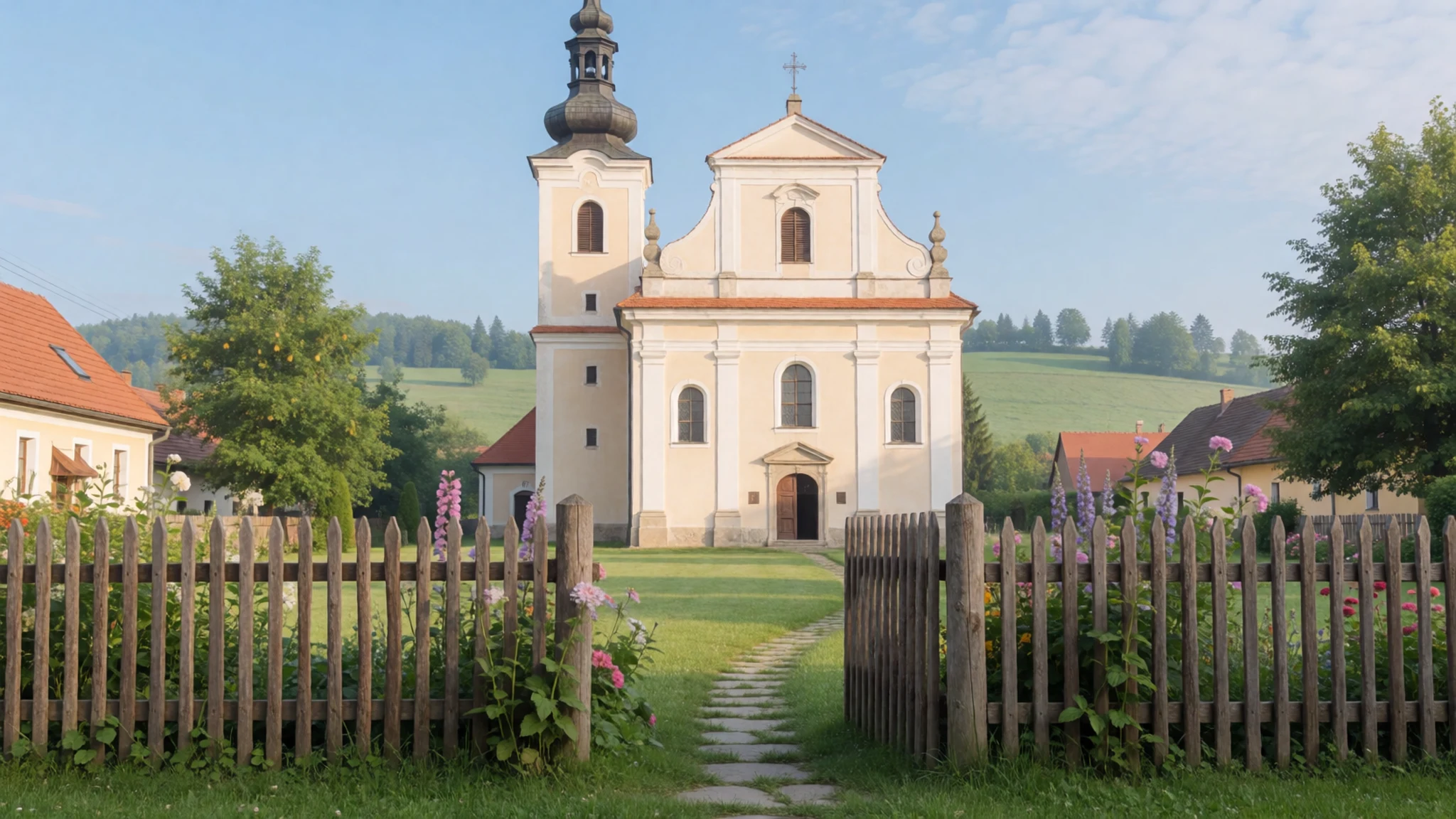
- Sivá Brada
Sivá Brada is a travertine mound with a mineral spring at the top, forming a small lake. It’s a quick but memorable nature stop that contrasts with the hard geometry of walls—more earthy textures, gentle stepping, and water-fed colours.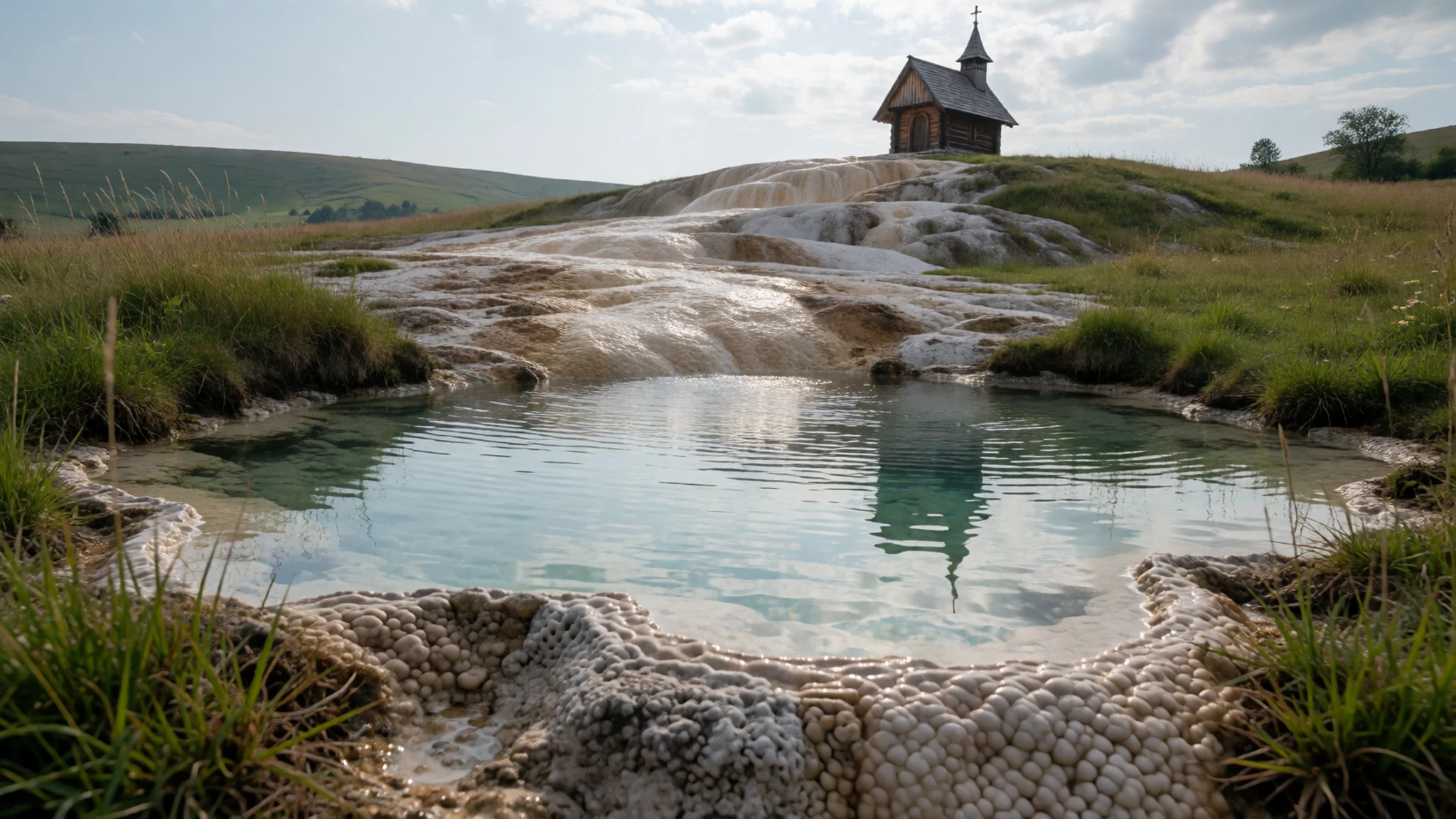
- Rajtopíky
Rajtopíky is a nature reserve tied to the Slovak Paradise National Park. It’s for the moments between monuments: woodland edges, calmer footpaths, and time to look beyond the fortress view-lines into the wider landscape shaping the region.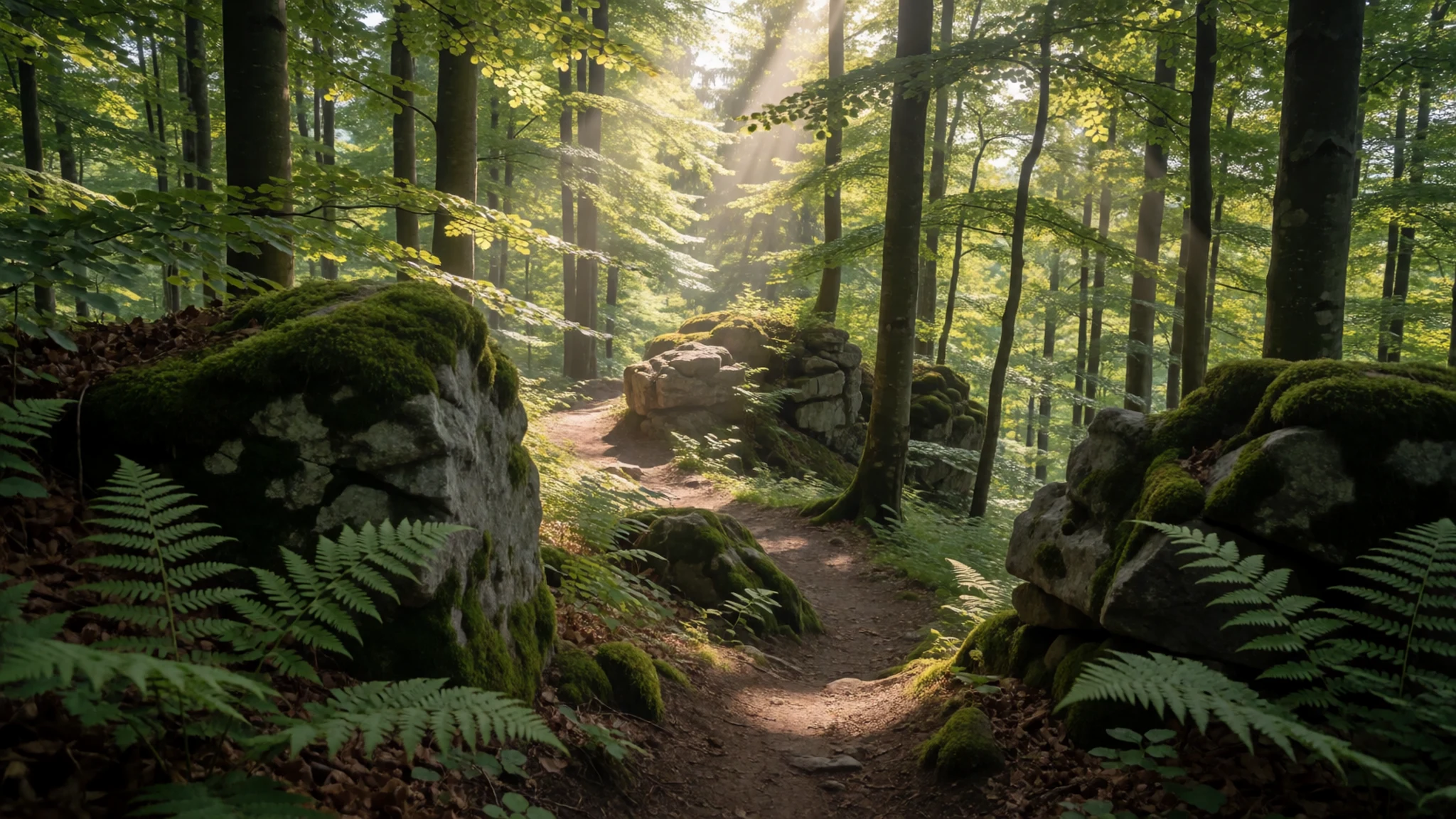
Culture
Spiš Castle sits inside a World Heritage landscape, but the day-to-day visitor experience is still about simple, practical behaviour. The site is on a hill above Spišské Podhradie, and even on cool days the paths can be uneven—so sturdy footwear matters more than speed. Where the castle is closed for reconstruction, the atmosphere shifts from exploring “inside” to appreciating the contours from permitted viewpoints, which can be just as absorbing if time is spent looking slowly.
In this part of Slovakia, multilingual history is normal: Hungarian, German and Polish names have all been used for the same places, because the region’s political borders changed. That historical layering makes reading plaques a little more rewarding, even when information feels sparse. It also helps to remember that churches and ecclesiastical sites nearby are not just background props; they’re active parts of community life.
If the weather turns, the advice is the same as in any historic hilltop setting: expect slippery patches after rain, keep to marked routes, and don’t climb onto unstable stonework. The best photos tend to come from standing still and framing wider views rather than scrambling.
Visitor etiquette: stick to marked paths, avoid restricted areas during reconstruction, and keep voices low near church grounds.
What to wear
Spiš Castle is a ruin on a hillside, so outfit choices should start with comfort and traction. Traditional dress in the Spiš area reflects wider Central European folk styles, with embroidered blouses, decorative vests, and patterned skirts or trousers often worn during cultural festivals, weddings and commemorations rather than everyday sightseeing. The materials are usually heavy enough for seasonal comfort—wool, linen and cotton blends—plus belts and handmade details that show up especially well in photos.
Day-to-day, local visitors and travellers dress similarly to anywhere in Europe: jeans or trekking trousers, comfortable tops, and a light jacket when evenings cool. For visitors, the smart move is to wear layers: daytime can feel mild, then the hilltop air changes. Bring a rain layer if weather is unsettled.
For the castle approach, footwear is the big decision. Choose trainers with grip or walking shoes, because surfaces around ruins and viewpoints can be dusty, stony or wet. If heading to churches in the area, modesty norms are basic: shoulders covered where possible and avoid very short, beach-style clothing.
A practical extra: carry a small scarf or hat, because the open viewpoints can get breezy, and the sun can be unforgiving even when temperatures aren’t extreme.
What to eat
- Cafe stop in the castle grounds — Spiš Castle grounds, just beyond the entrance
Spiš Castle has a very basic cafe in the grounds, just beyond the entrance. It’s the convenient option when the walk makes lunch feel urgent, and it helps keep the day flowing even if full meals aren’t planned.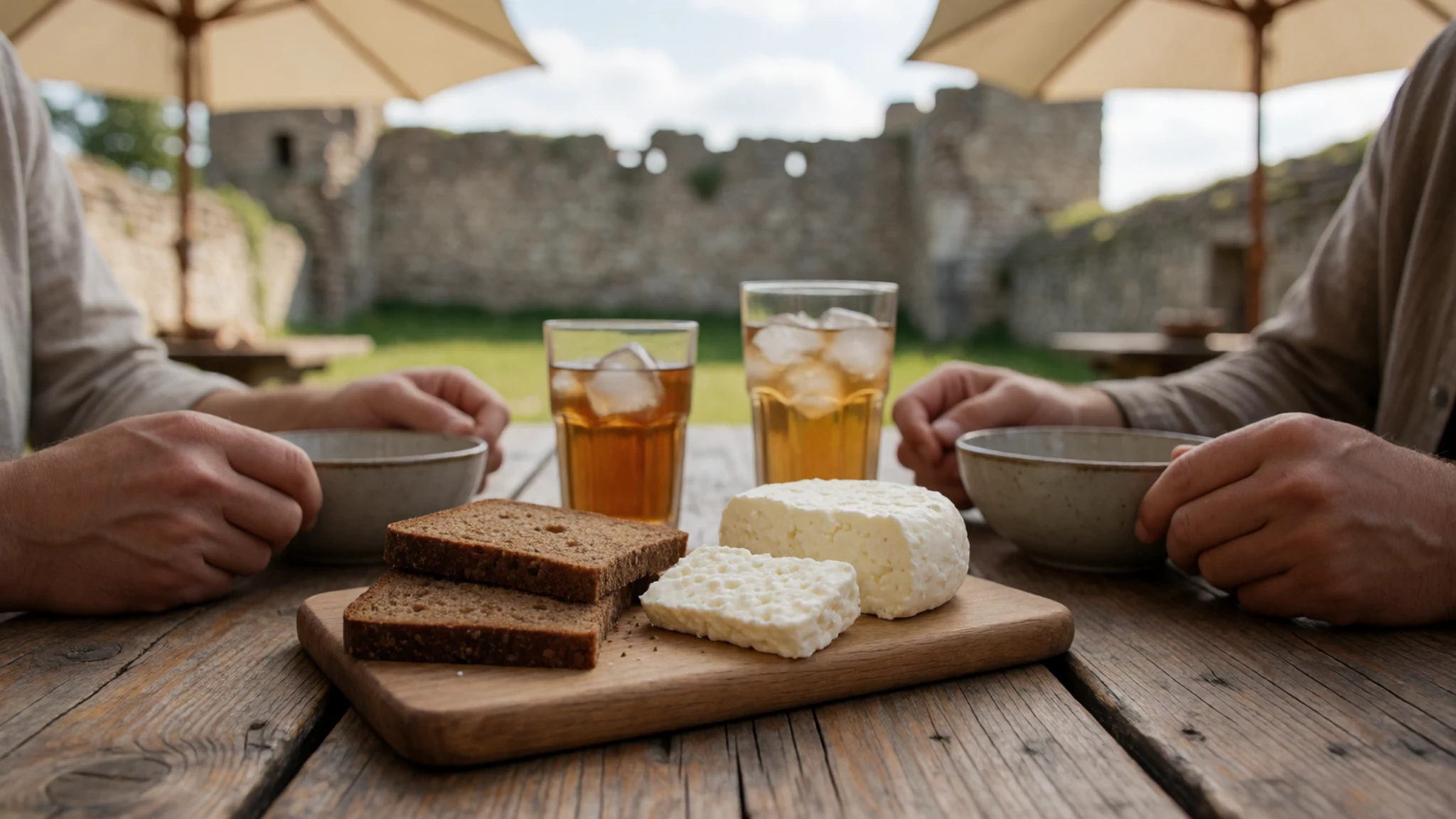
- Local Slovak comfort plates — Ubytovanie u Kastelana (Spišské Podhradie area)
At Ubytovanie u Kastelana, expect straightforward Slovak comfort-food style dishes in a small restaurant setting. It’s useful for a sit-down meal after castle viewpoints, especially when day-trip timing limits options.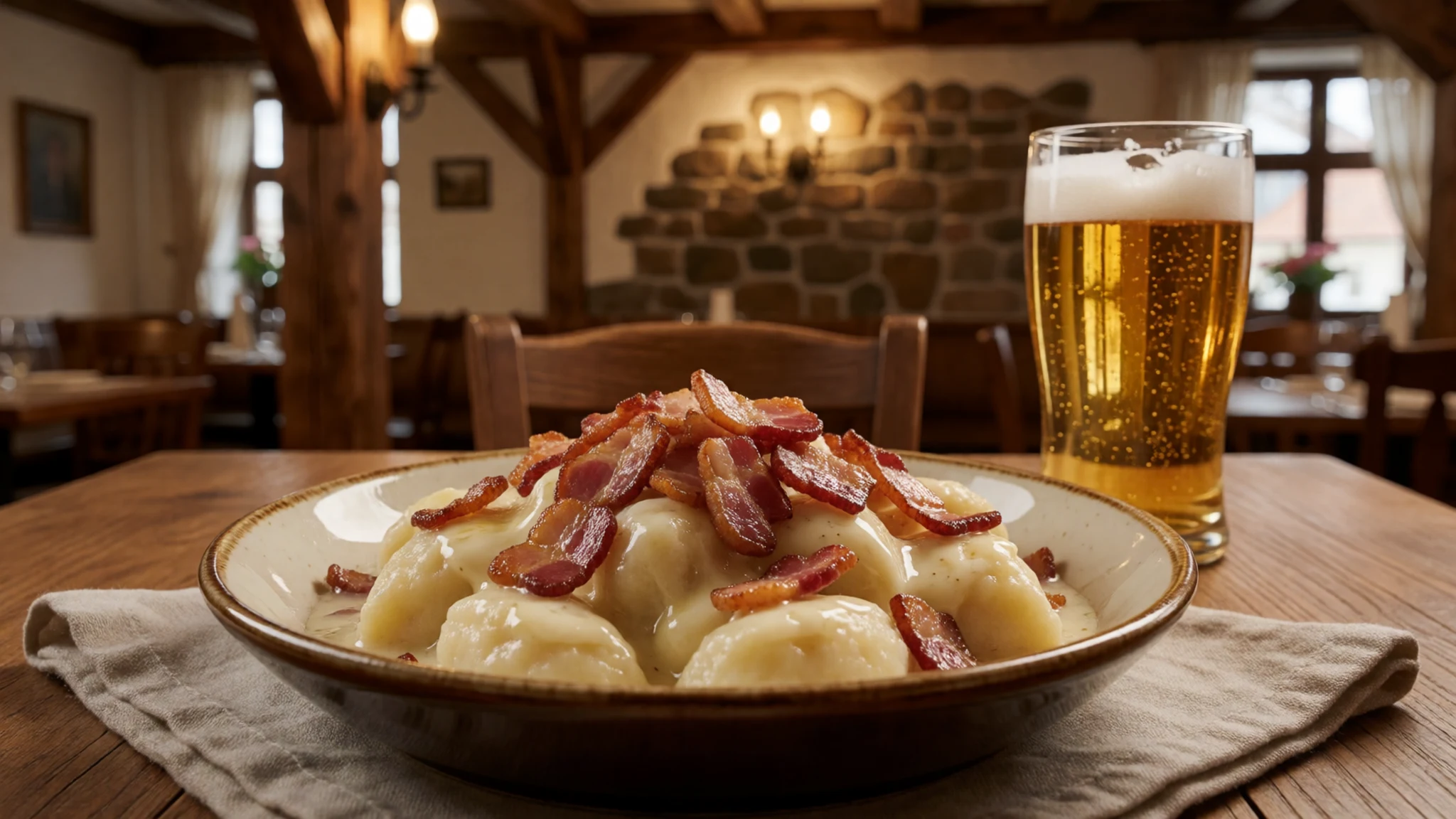
- Bakery treats around Spišské Podhradie — Spišské Podhradie centre
For something sweet, look for local pastries and simple cake-style treats around Spišské Podhradie. It’s easy to snack between stops, and the choices are usually the kind you’d expect at regional bakeries rather than tourist-only counters. - Market-style snacks in the region — Markets and street-side stalls in the Spiš region
In the Spiš area, market-style snacks help with an on-the-go itinerary. Think quick bites you can eat outdoors between viewpoints—handy when timing matters and the weather changes quickly.
Plan it
Best time. March–April for blossom, late October–November for maple colour; June is the rainy season and August is hot and humid.
How long. 3–4
Getting there. Spišské Podhradie is reachable by bus connections from Poprad; rail service has stopped. From there, the last leg is local transport or a regional transfer into the Spiš area around the castle and nearby towns.
Budget. mid
Tips
- Check access updates before going: Spiš Castle is listed as closed for reconstruction.
- Build the day around early light to avoid the strongest heat on the hill approach.
- Pack a rain layer in June; sudden showers can turn paths slippery.
- If travelling from Poprad, allow time for the bus connection into Spišské Podhradie.
Etiquette
- Keep to marked areas and don’t test boundaries around unstable ruin sections.
- In nearby churches, dress modestly and keep voices low.
- Don’t linger on steps or narrow doorways when visiting religious sites.
Nearby
Sources
- Wikidata Q205558 (CC0)
- Wikipedia (Spiš Castle) (CC BY-SA 4.0)
- Wikivoyage (Spiš Castle) (CC BY-SA 4.0)