Speyer Cathedral
Speyer Cathedral, Germany
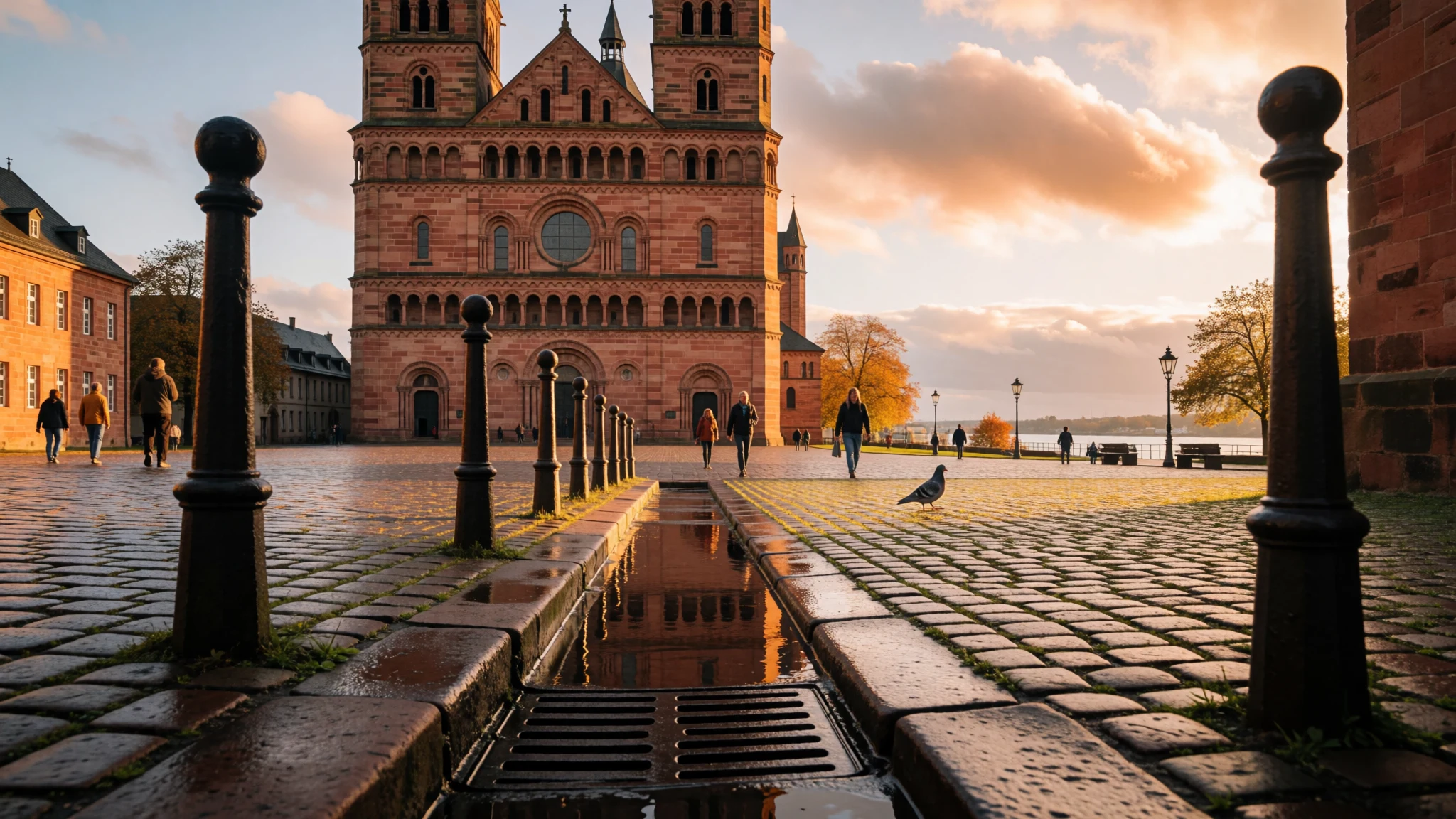
Speyer Cathedral is a big red-sandstone Romanesque statement tied to emperors, crypt burials, and generations of building.
The place
Speyer Cathedral (Domkirche St. Maria und St. Stephan zu Speyer, also known as Kaiserdom zu Speyer) sits in the German city of Speyer and works on two levels at once: as a living Roman Catholic cathedral and as a heavyweight piece of early Romanesque architecture. Its official name is the Imperial Cathedral Basilica of the Assumption and St Stephen, and it honours St Mary (Patrona Spirensis) and St Stephen.
The building’s look is instantly recognisable—massive, symmetrical, and made from red sandstone. Inside, the layout is built for ceremony: a triple-aisled vaulted basilica plan that feels ordered even before you start spotting details. The cathedral also functions as a spiritual hub. It is the seat of the Roman Catholic Bishop of Speyer and sits within the wider church structure as a suffragan see.
What pulls travellers here isn’t only its age, but what the place represents. The cathedral is closely associated with imperial power, because it is linked with the burial of Salian, Staufer, and Habsburg emperors and kings. Even if you’re not a history specialist, you can sense how deliberately it was made to last—this is architecture that was meant to impress, guide worship, and anchor memory.
Crowd levels are usually manageable compared with Germany’s biggest cities, but do expect the usual church-traveller flow on weekends. The cathedral is best approached slowly: arrive with time to stand back outside, then go in and let the scale register before you hunt for artworks and inscriptions.
Its story
Speyer Cathedral’s origin story starts with ambition—and with politics written in stone. In 1025, Conrad II set in motion the construction of a monumental Christian church in Speyer, intended to be his last resting place. Work began in 1030 on an elevated site near the Rhine, chosen to keep the building safer from high water.
The building carried on beyond Conrad II himself. He died in 1039 and was buried while the cathedral was still under construction; Henry III was laid beside him in 1056. That mix of construction and burial is unusual in feeling: you can almost see the cathedral becoming a vault for both devotion and dynasty while it grows.
Construction moved in phases. One important consecration phase, often described as Speyer I, included the westwork, a nave with two aisles, a transept, and towers flanking the choir. Over time, the cathedral’s vaulting and shape helped define what later Romanesque builders would understand and repeat.
The materials tell another part of the story. Red sandstone came from the mountains of the Palatine Forest and was transported via the Speyerbach stream system toward the Rhine. That practical detail matters because it explains the cathedral’s colour and weight—the building looks the way it does because the region supplied it.
Today the cathedral also signals continuity: its role as a major seat of worship continues, and it remains closely tied to the idea of imperial legacy. It’s easy to turn it into a pure architecture stop, but the cathedral still behaves like a place where real people come to pray, light candles, and mark quiet moments.
What to see
- Kaiser und Mariendom (Speyer Cathedral) — Dominsel / Cathedral area
Start with the cathedral itself: a Romanesque imperial church in red stone with a crypt linked to the Salian emperors. If you only have a short visit, spend your time first on the overall interior rhythm and then on the spots you can’t stop staring at—the vault lines and the solemn layout.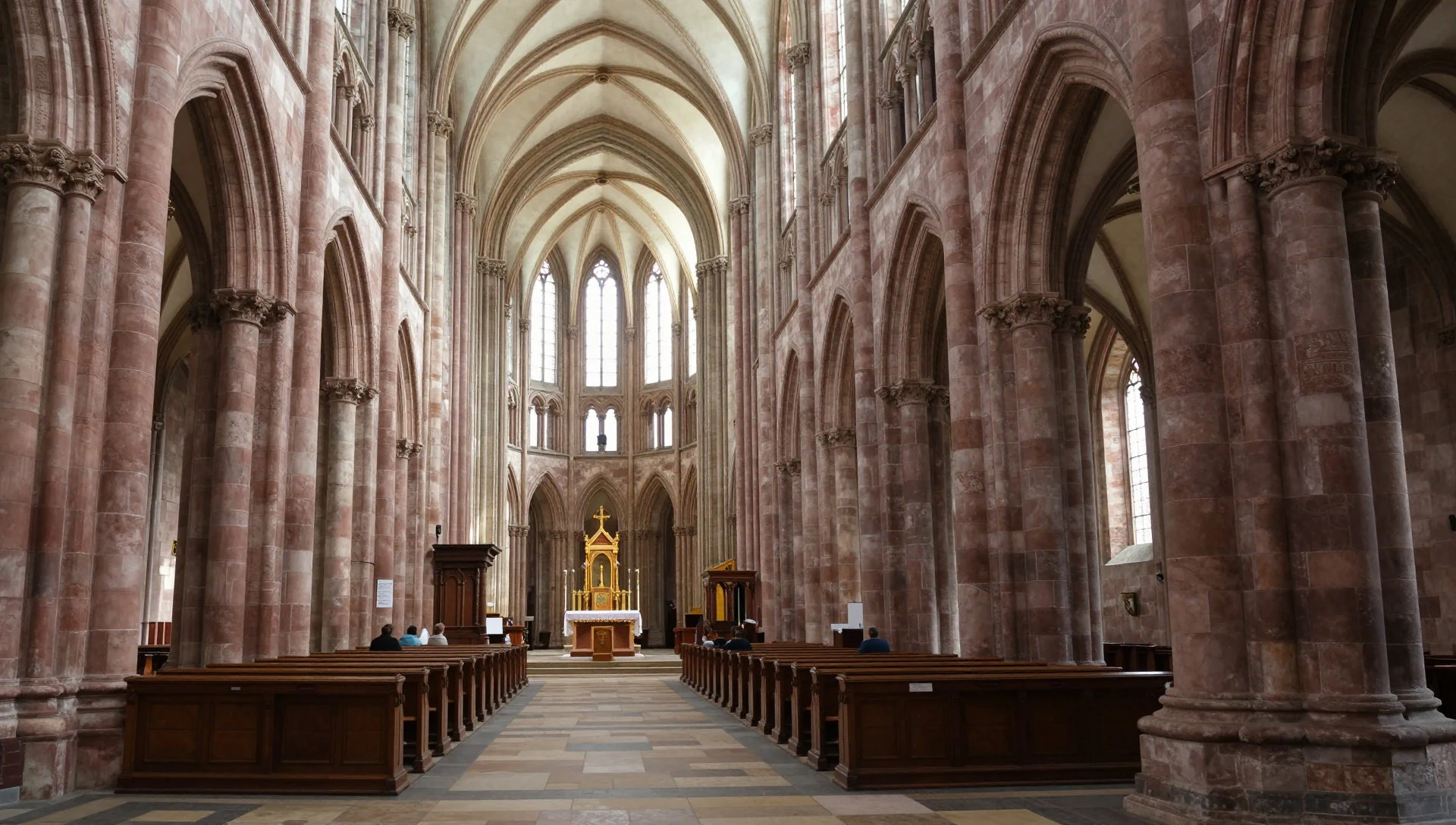
- Historic Old Town — Old Town
Walk away from the cathedral into Speyer’s older streets. The historic centre gives context for the cathedral’s scale: smaller buildings, older street patterns, and the sense of a city built around long-term religious and civic life. It’s also a good place to catch calmer moments than directly by major façades.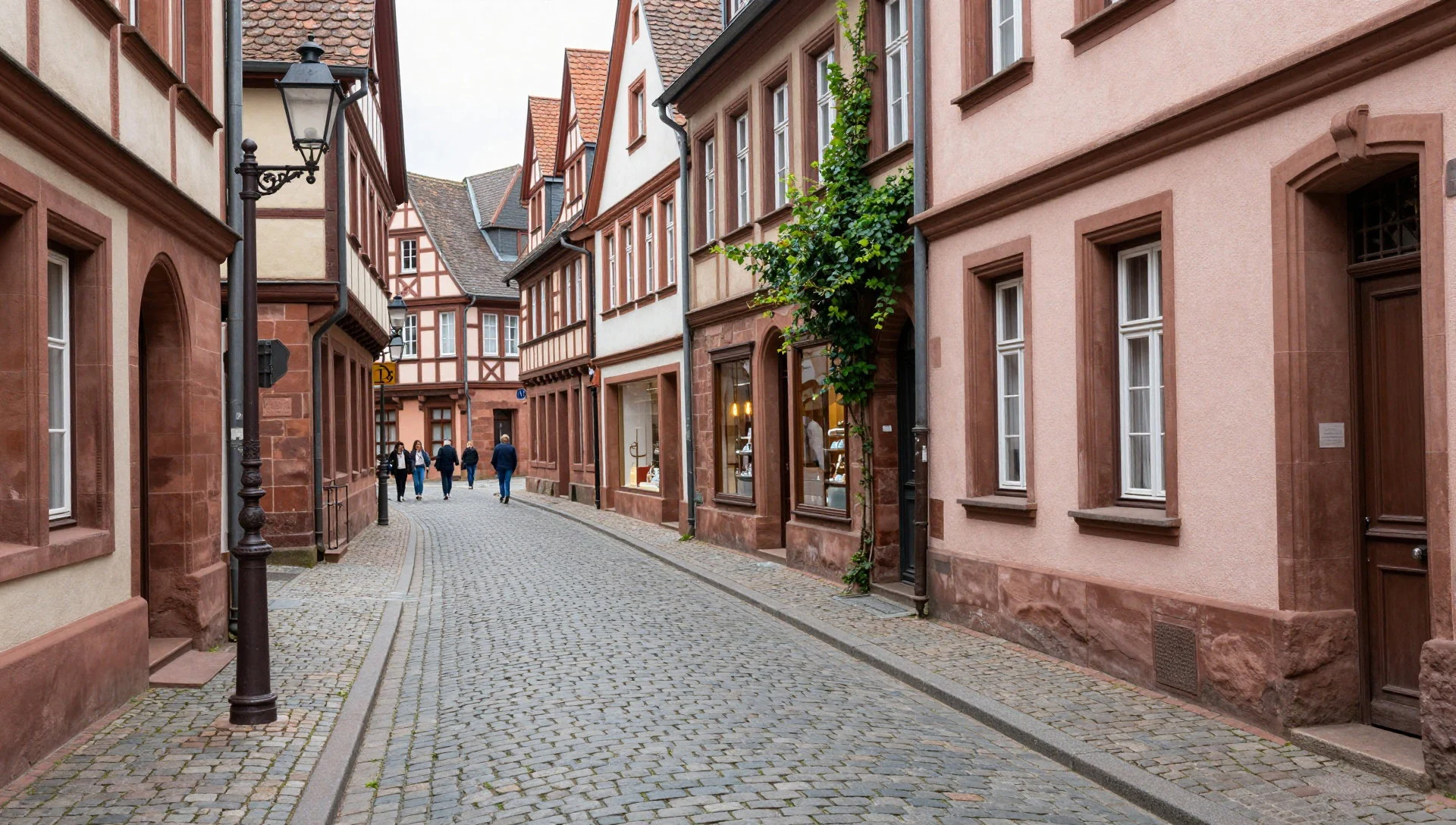
- Altpörtel — Fortifications / Altpörtel area
Look for Altpörtel, a former fortification gate tied to the city’s medieval defences. It’s a compact reminder that Speyer’s story is not only religious. From here, the city’s medieval defences become part of the same conversation as the cathedral.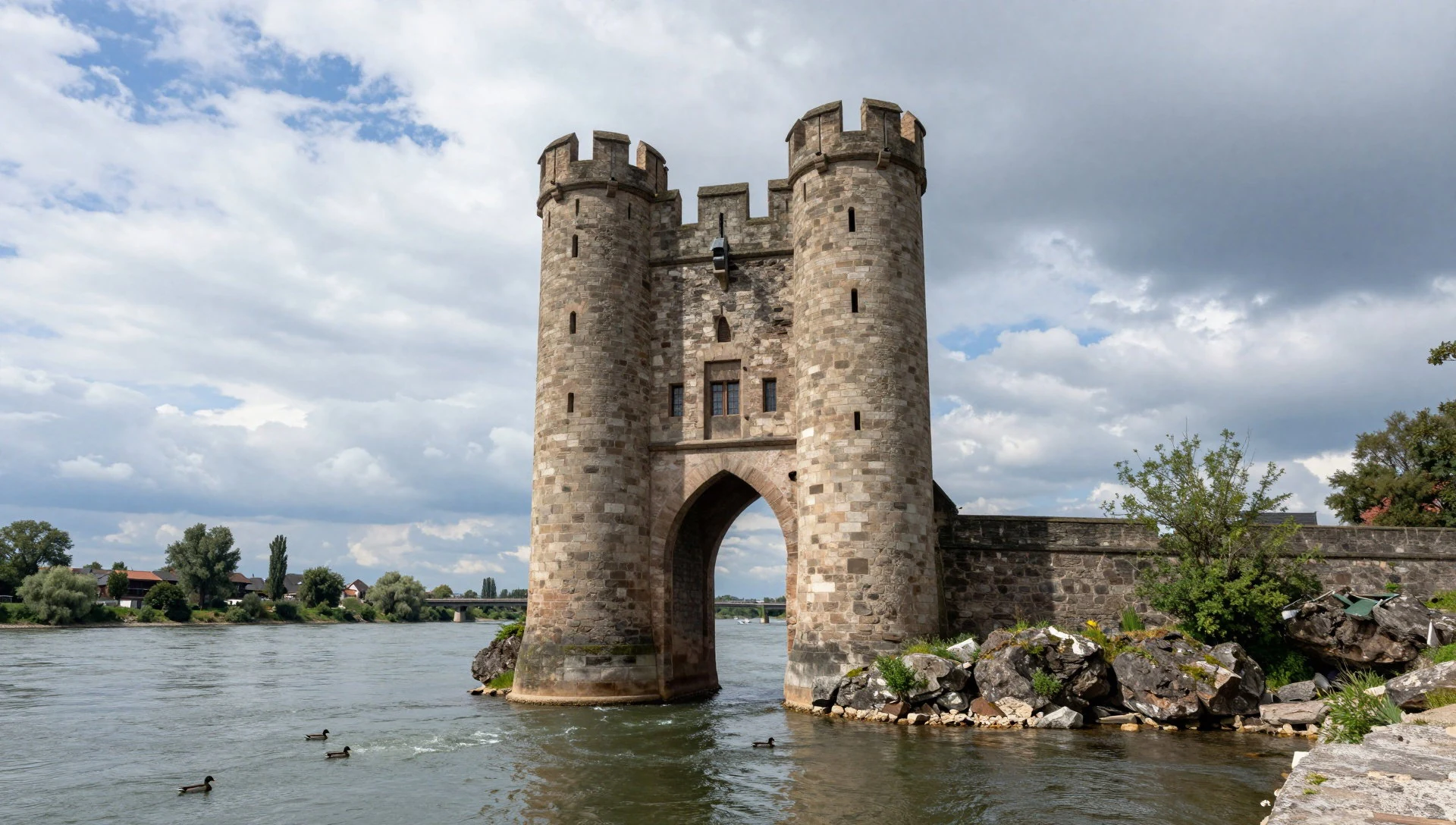
- Judenbad — Historic Jewish heritage area
Judenbad is a historic mikvah site that’s tied to Speyer’s Jewish heritage. Even if your visit is brief, it’s worth stepping in with respect—this is where heritage and lived religious practice intersect. Nearby streets make it easy to pair with a cathedral-focused morning.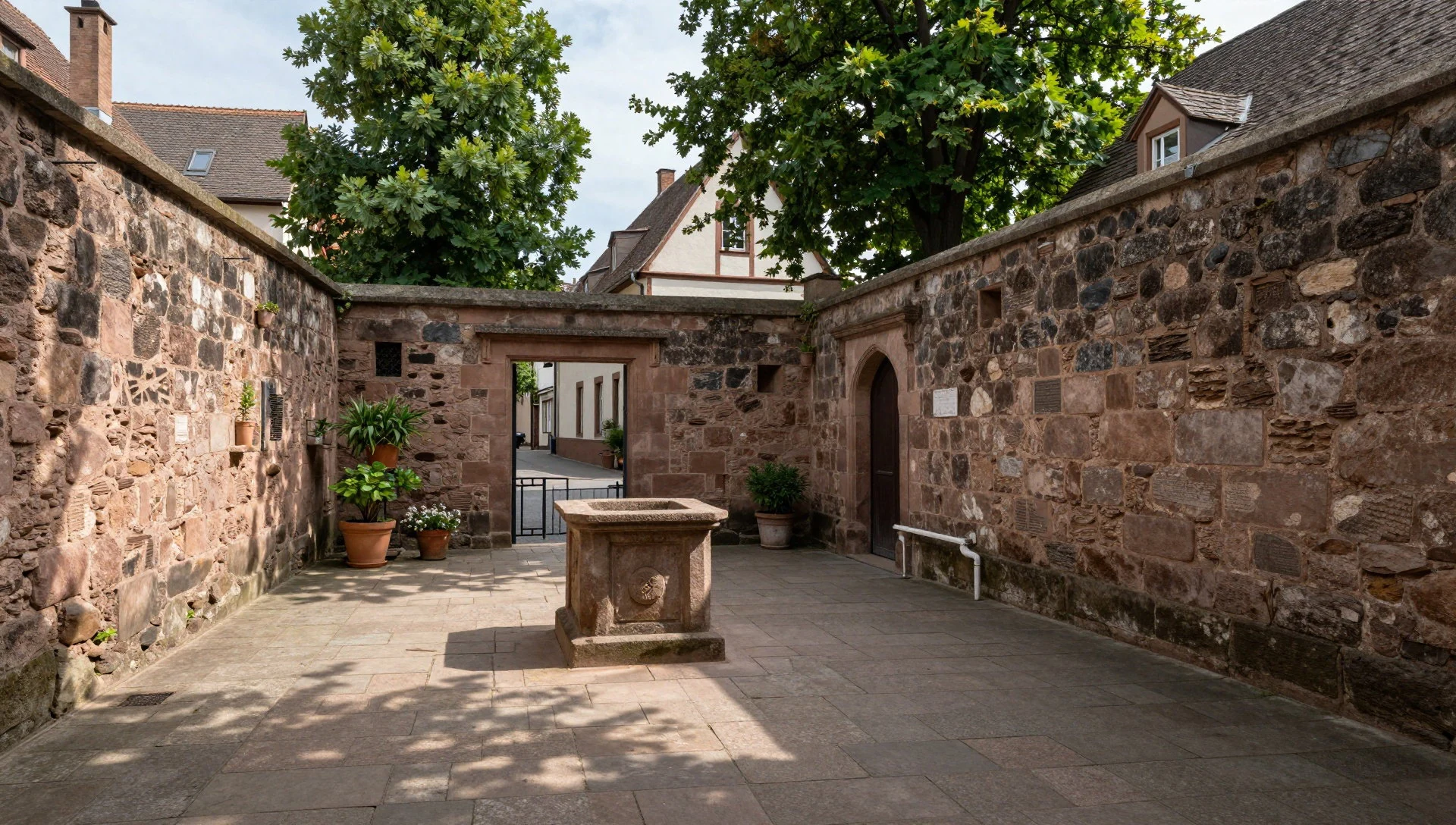
- Historisches Museum der Pfalz — Museum district
If the cathedral makes you hungry for background, the Pfalz history museum fills in the wider canvas. Think of it as a practical “what was happening here?” stop—local history, regional context, and the sort of museum browsing that makes architecture feel less abstract.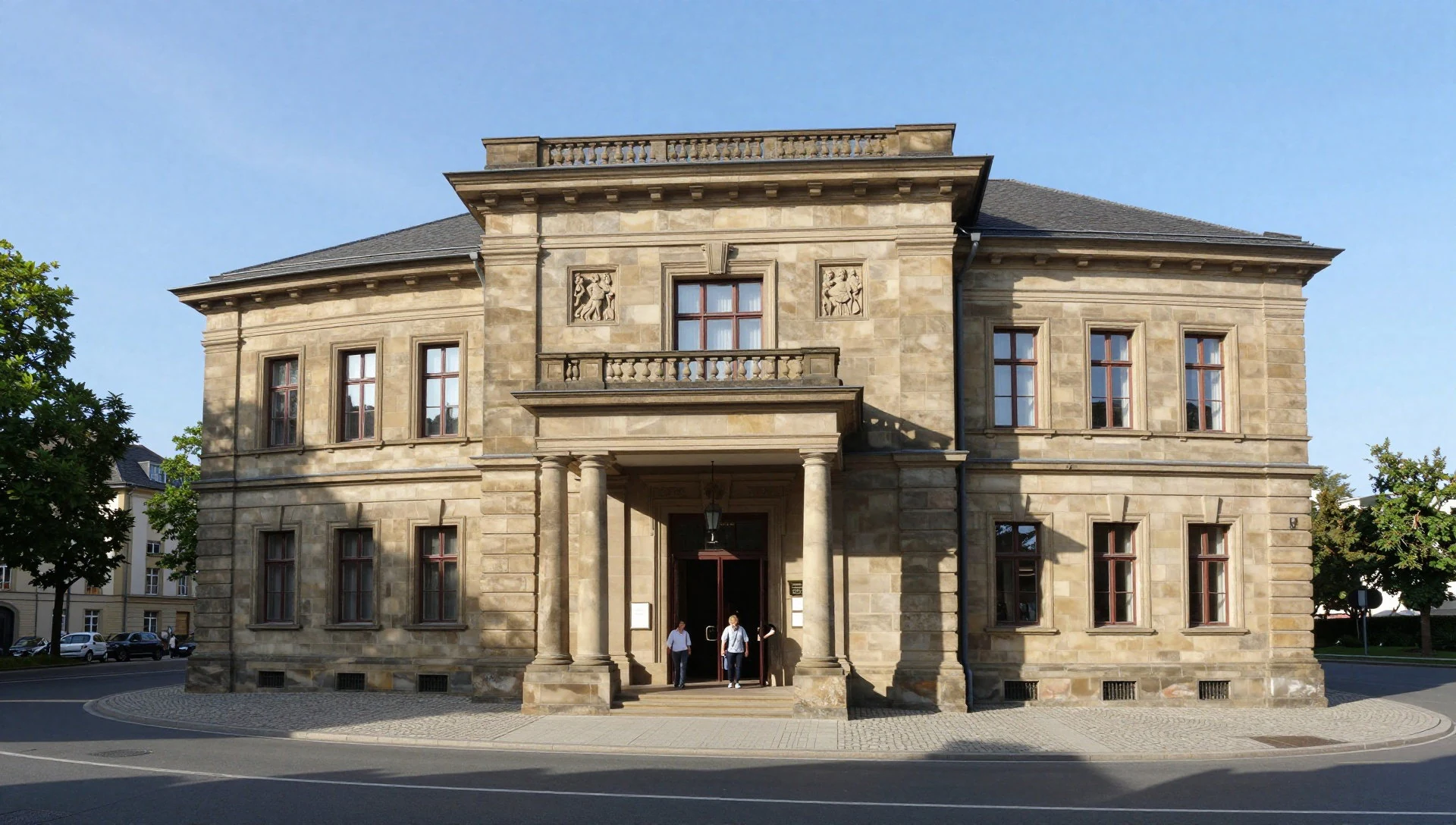
Culture
Speyer Cathedral is a working Roman Catholic cathedral, and that shapes the vibe: visitors tend to keep their voices down, move with intention, and respect where people are praying or gathering. Even on busier days, it doesn’t feel like an open-air tourist show—more like a place where your curiosity needs to share space with worship.
Photography can be a bit hit-and-miss in churches, depending on the exact area and any ongoing services. A good rule is to watch what other visitors are doing, avoid blocking sightlines, and keep your camera time brief—especially around altars and the crypt-related areas, where the atmosphere often becomes more reflective. Dress also matters in a way that feels straightforward: cover shoulders and opt for modest lengths.
If you’re visiting alongside the old town, remember that “historic” here means still-in-use streets and buildings. That’s when you’ll see the cathedral’s importance in daily life: people walk past it as something permanent and familiar, not just as a photo subject.
Visitor etiquette: Keep voices low, dress modestly, and follow any signs about photography and coverings inside the cathedral.
What to wear
For Speyer Cathedral, fashion is mostly about practical modesty. The cathedral is a place of worship, so cover shoulders and keep hemlines reasonably conservative—think a lightweight top with sleeves and trousers or a skirt that doesn’t feel overly short for a long sit/stand inside.
You’ll also want footwear that’s comfortable for Romanesque stone and lots of standing. Even if the cathedral floor is manageable, cathedral visits usually stretch into a slow wander of the surrounding old town, and stones can be uneven. In spring and autumn, bring a layer: German weather near the river can shift during the day.
What people wear now is fairly typical for Germany: coats, scarves, and everyday shoes when the weather demands it. If you’re travelling from warmer countries, a light jacket or cardigan is the easiest win—air inside can feel cooler than you expect, especially near stone walls.
For traditional dress, you’re unlikely to see formal “performance” outfits inside day-to-day, but you will see regional styling cues outside—simple, clean lines and sensible layers. If you want to look respectful without overthinking it, choose neutral colours, avoid overly sporty beachwear, and keep a scarf or light shawl handy for quick shoulder coverage.
What to eat
- German café & light meals — Near the city centre
For an easy sit-down break near Speyer’s centre, look for a café-and-restaurant-style stop like Cafebar maximilian. It’s the kind of place that works well after a long cathedral visit—coffee, simple dishes, and a breather before you head back out.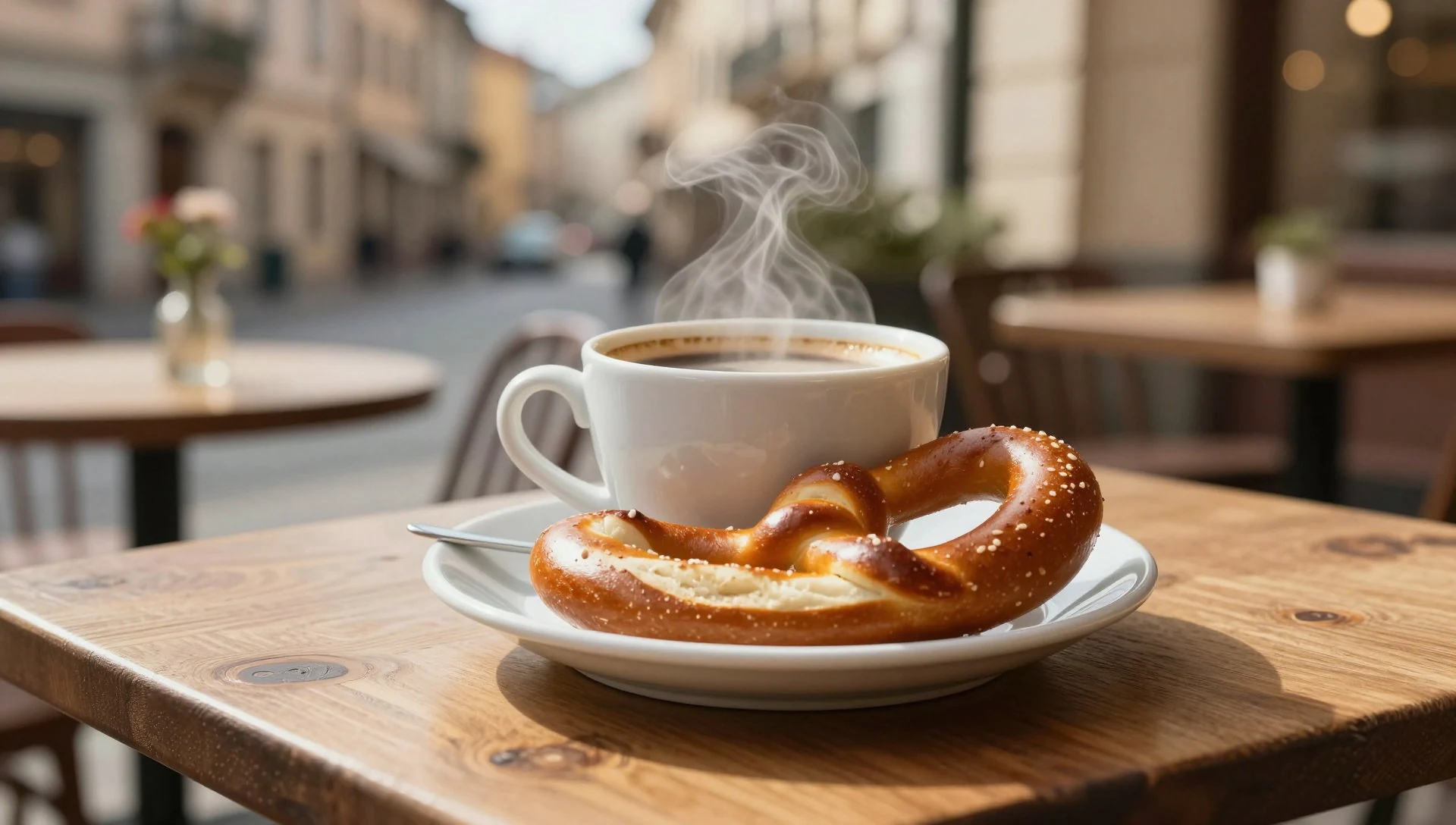
- Palatine-style classics — City streets and local eateries
Speyer sits in the Palatinate region, and you’ll often find hearty, regional comfort foods around town. Weinstube Eulenspiegel is listed as serving vegan reproductions of traditional Palatine dishes, which is a good option when you want local flavours without meat-based plates.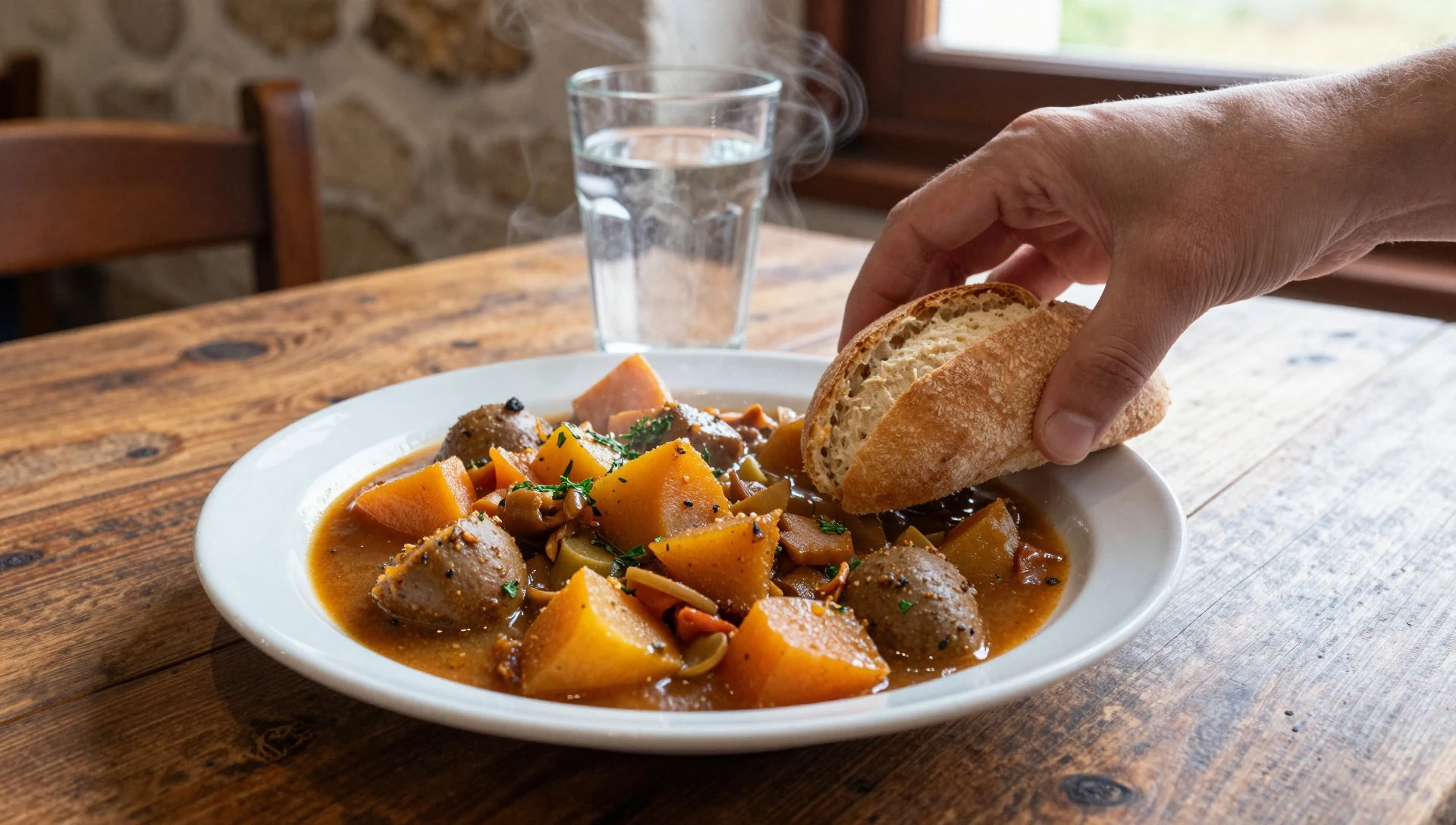
- Traditional-style dinner at a restaurant — Central Speyer
When you want a more proper meal, Zum Goldenen Hirsch is one of the classic-sounding restaurant options listed around the cathedral area. It’s suited to evenings when you’re done wandering and want something filling after walking all day. - Restaurant and bar with casual energy — Main dining streets
For a relaxed stop that still feels like a “real” meal, try the kind of restaurant-and-bar format shown by Sux - Restobar. It’s a practical choice if your group wants options and you don’t want to time your day around a strict sit-down schedule. - River-side beer garden — Riverside area
Alter Hammer is listed as a popular beer garden right next to the river. This is the sort of place to aim for on calmer afternoons: a casual German vibe, cold drinks, and a slower pace after history-heavy sightseeing.
Plan it
Best time. For comfortable touring, aim for April through June and again for September and October, when daytime highs are milder than in July and August; those mid-summer months are warmest. Rainfall is generally fairly spread through the year, with the wettest months typically being January, May, June, August, and December.
How long. 2–3
Getting there. Fly or train to a major hub in the region, then connect to Speyer by rail: Speyer has two stations (Speyer main station and Speyer North-West). From there, the cathedral area is a straightforward local journey on foot or by short local transport.
Budget. mid
Tips
- Plan a cathedral-first morning so the interior light and atmosphere feel calm before tour groups build up.
- Combine Speyer Cathedral with Old Town walking to keep transitions easy rather than hopping between distant stops.
- If arriving by train, buffer time for station-to-centre travel and for the ticket-office schedule at Speyer main station (closed on weekends and holidays).
- Carry a mix of payment options for smaller stops around historic streets, where card facilities can vary.
Etiquette
- Keep voices low and follow any signs about where people are praying.
- Dress modestly and cover shoulders inside the cathedral.
- Be careful with photography—don’t block views and follow local rules.
Nearby
Sources
- Wikidata Q22720 (CC0)
- Wikipedia (CC BY-SA 4.0)
- Wikivoyage (CC BY-SA 4.0)