Soltaniyeh
Soltaniyeh, Iran
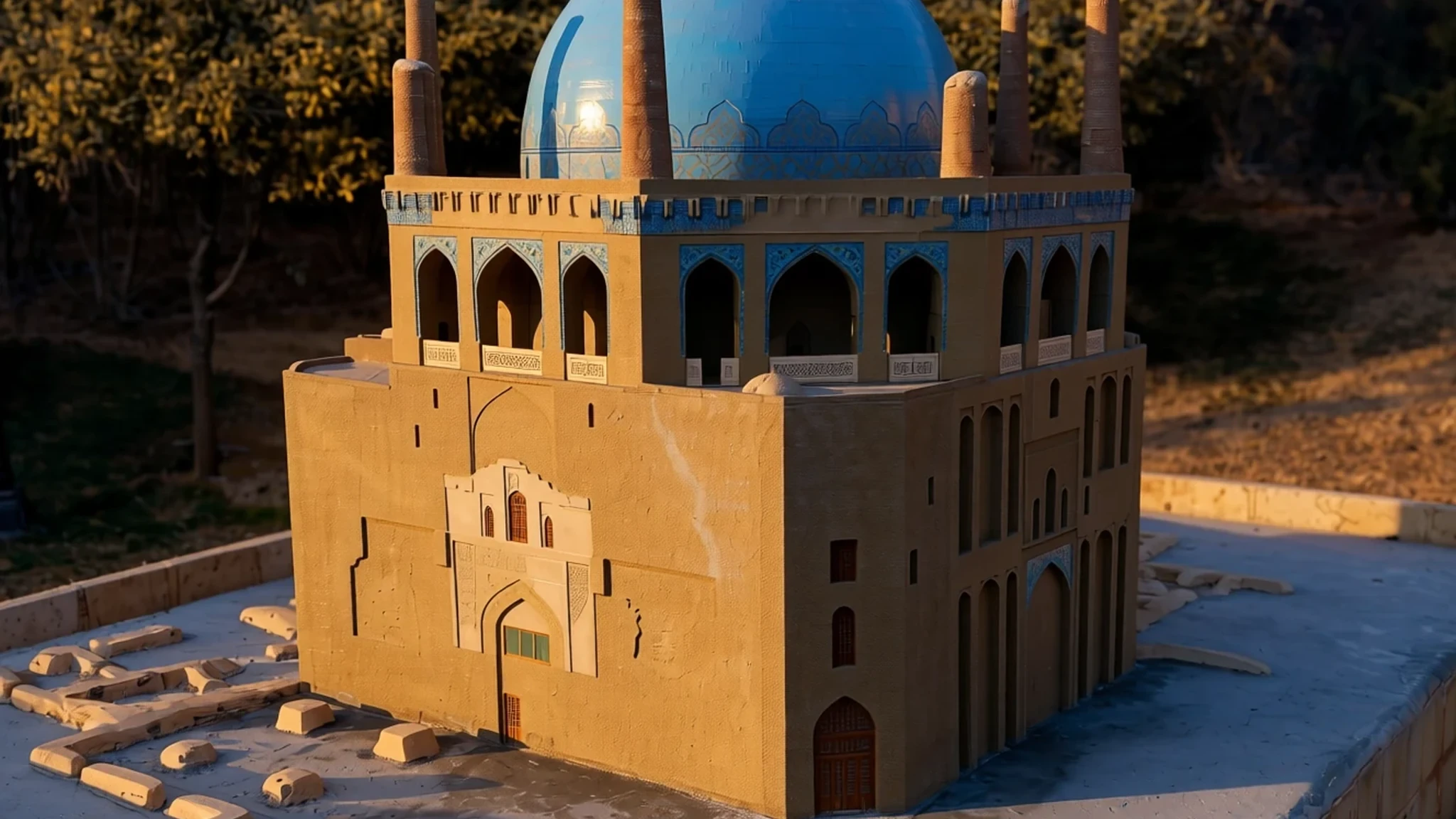
Soltaniyeh holds the soaring turquoise dome of a forgotten Mongol capital, standing in quiet fields as an architectural marvel.
The place
Soltaniyeh sits within the Zanjan province of Iran, elevated high above sea level in a landscape of open plains and surrounding agricultural land. Home to roughly 7,600 residents, the city today is a peaceful, rural settlement that bears little resemblance to its imperial past. Travellers arriving here find themselves surrounded by wide skies and the monumental brick skeleton of an ancient royal vision. The atmosphere is stark, quiet, and deeply reflective, far removed from the busier tourist circuits of Isfahan or Shiraz. Visitors come almost exclusively to stand beneath the vast dome that dominates the horizon, a structure that has outlived the palaces and markets that once crowded around its base. The surrounding countryside rolls away in muted tones of brown and gold, punctuated by traditional farming and distant mountain ridges. Walking through the ruins offers a rare encounter with fourteenth-century engineering set against an unchanging Iranian plateau, where the scale of the architecture dwarfs the quiet village that has grown up around its edges.
Its story
Soltaniyeh was founded in the fourteenth century as the capital of the Ilkhanid dynasty, the Mongol rulers of Persia. Its name translates loosely as the regal or imperial city, reflecting the grand ambitions of its patron, the ruler Öljaitü. Historical accounts from foreign travellers, such as the Spanish envoy Ruy González de Clavijo, recorded the settlement as a major commercial intersection where merchants traded silks and precious goods from across Asia. Öljaitü intended Soltaniyeh to eclipse all other urban centres of the era, filling it with palaces, colleges, and administrative quarters designed to project supreme power. Yet this golden age was fleeting. As the Ilkhanid dynasty fractured, the fortunes of the capital waned rapidly. Writers like William Dalrymple observed that the city essentially died alongside its founder, leaving behind a crumbling expanse of ruins that slowly surrendered to the elements. In the modern era, international recognition arrived when UNESCO inscribed the site, cementing its status as a masterpiece of Persian-Islamic architecture and preserving the skeletal remains of a vanished empire for future generations.
What to see
- Dome of Soltaniyeh — Central Soltaniyeh
This immense structure forms the mausoleum for the fourteenth-century Ilkhanid ruler Öljaitü. Its soaring turquoise exterior crowns a massive octagonal brick hall that stands among the finest achievements of medieval engineering, serving as a direct precursor to later masterpieces across the region.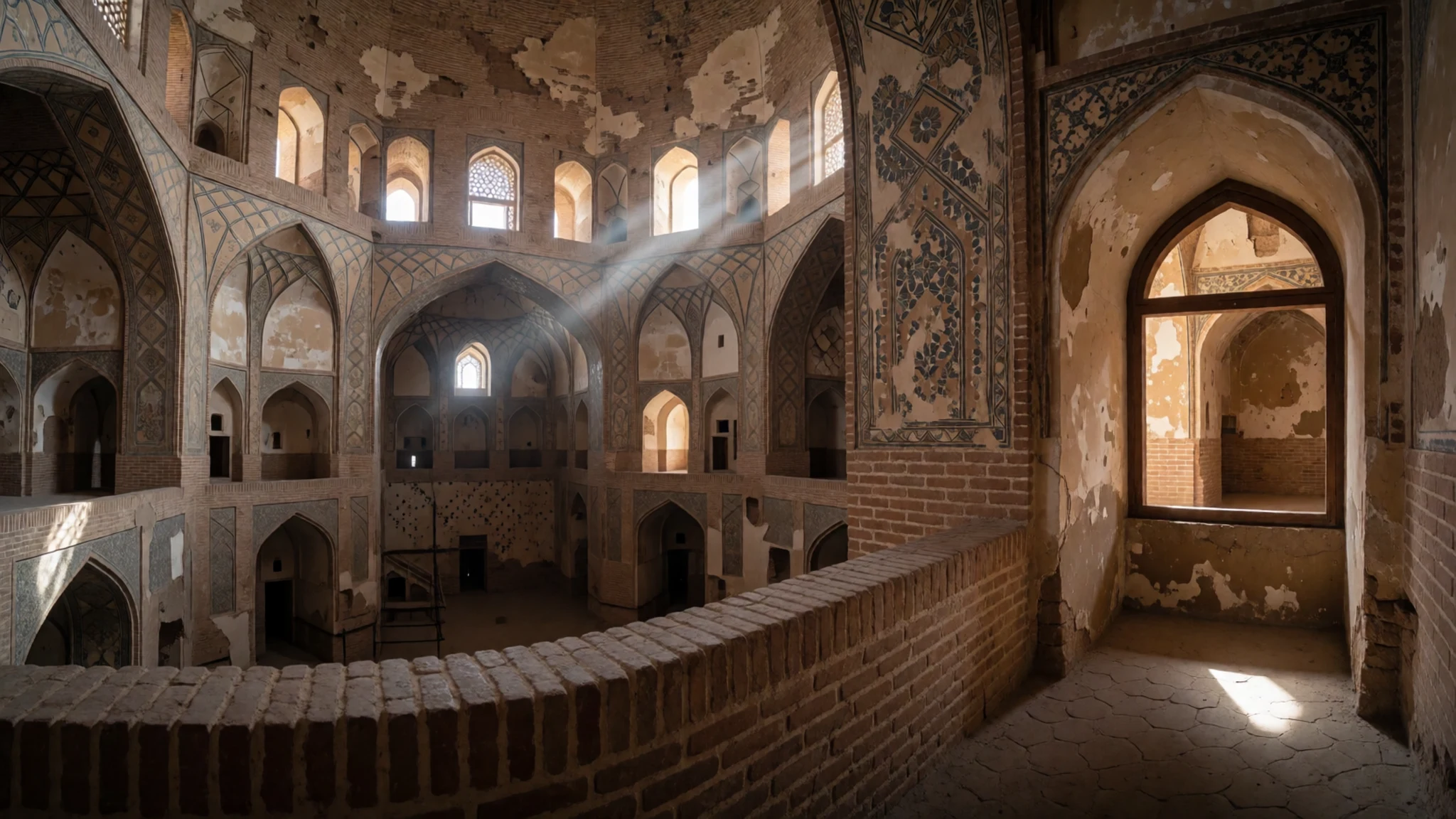
- The Mausoleum Crypt — Ground level of the main dome
Beneath the main floor lies the burial chamber where Öljaitü originally planned to house sacred relics before altering his architectural vision. Walking through these vaulted brick chambers reveals the raw construction techniques and hidden weight-bearing arches that support the monumental roof above.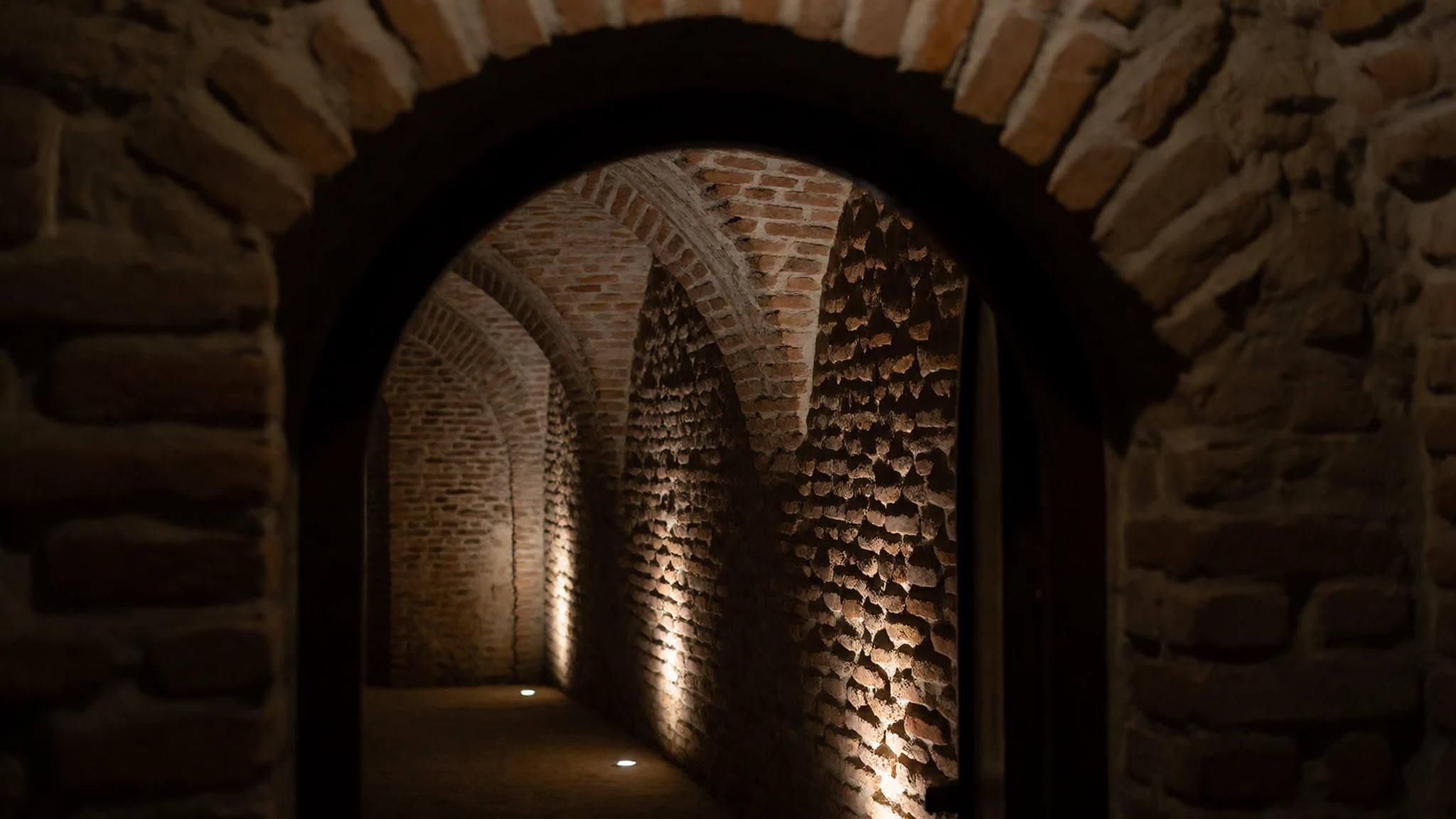
- Surrounding Archaeological Mounds — Perimeter of the main monument
Sprawling across the open plains around the central monument, these earthen ridges conceal the foundations of the ancient Ilkhanid capital. Walking among the depressions and broken pottery scatters gives a tangible sense of the vast urban footprint that once housed thousands of merchants and courtiers.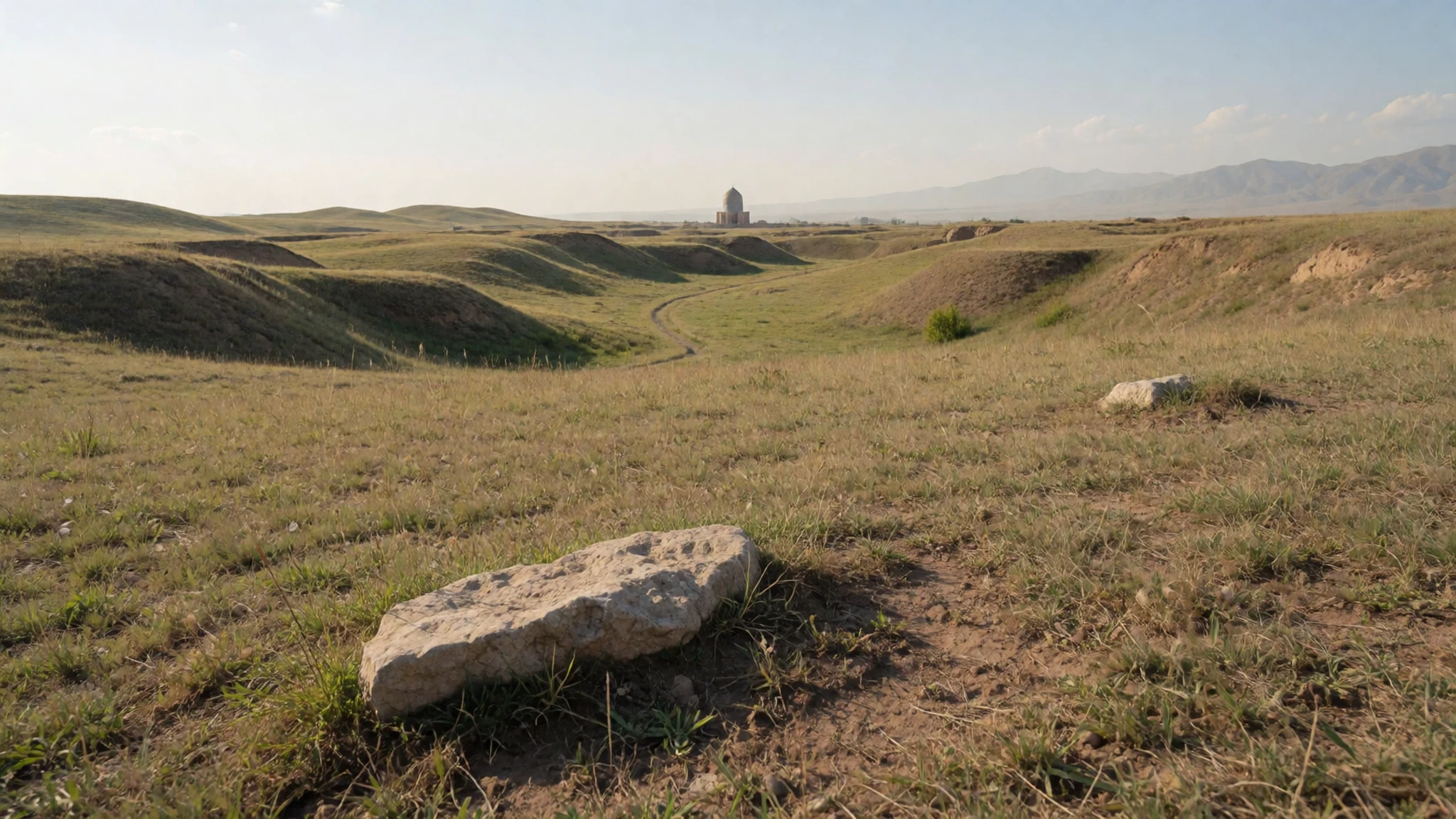
- Katale Khor Cave — South of Soltaniyeh via regional roads
Located along the regional road network extending south from Zanjan toward Soltaniyeh, this extensive limestone cavern system features intricate stalactites and subterranean chambers formed over millions of years. It provides a striking natural contrast to the ruined architectural monuments of the plain.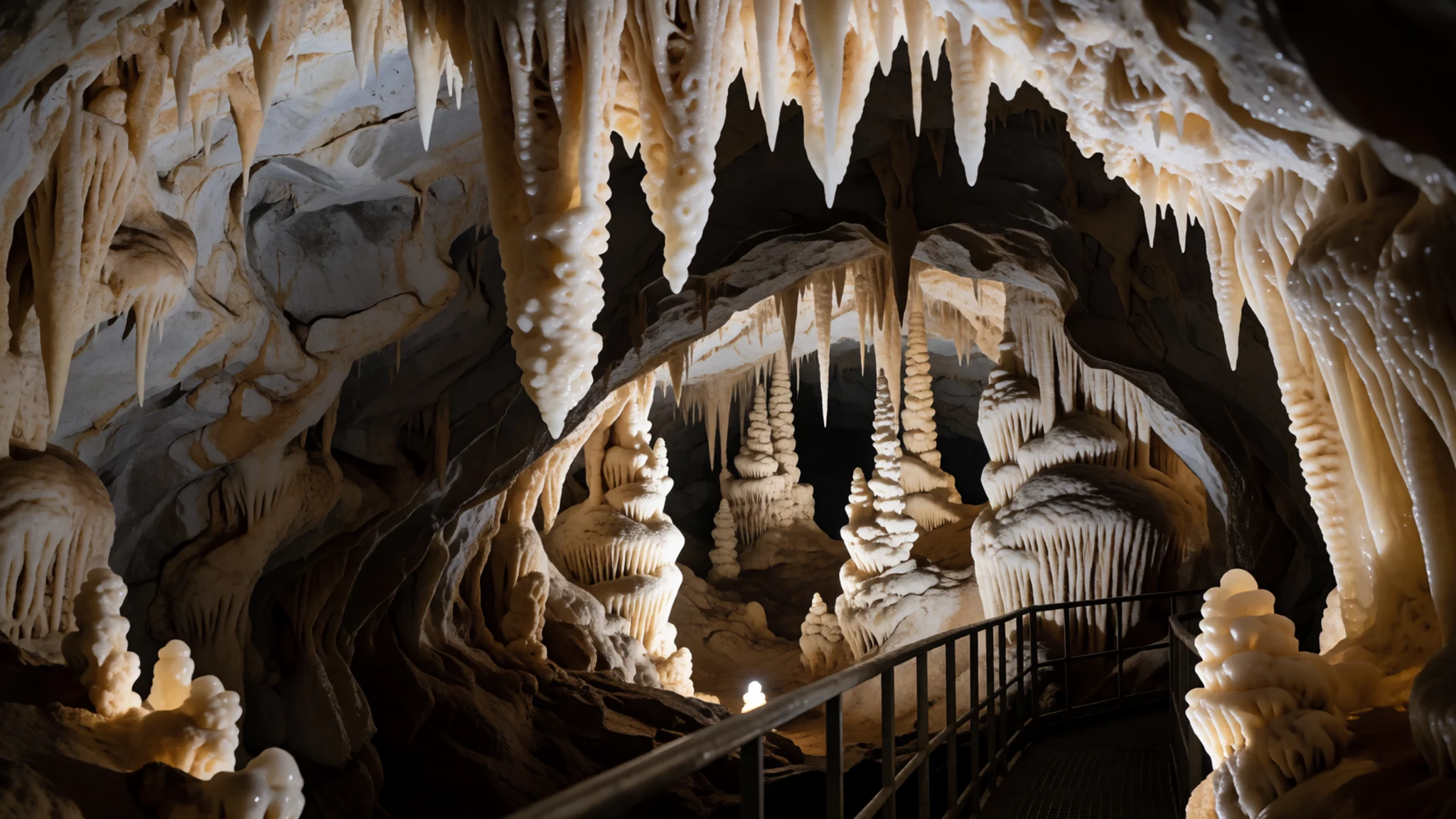
Culture
The cultural fabric of Soltaniyeh is deeply rooted in rural Iranian traditions, shaped by centuries of agricultural life on the high plateau. Hospitality is a cornerstone of daily interactions, with locals often greeting visitors with warmth and curiosity in equal measure. The community remains closely tied to traditional crafts, seasonal farming, and local folklore passed down through generations. Islamic traditions guide the rhythm of the town, influencing community gatherings, holy days, and daily etiquette. Visitors will notice a strong sense of respect for elders and conservative social norms that prioritize modesty in dress and public behaviour. Engaging with residents in local tea houses or village shops reveals a quiet pride in living alongside one of the world's great architectural monuments. When entering religious sites or interacting with local families, always dress modestly and accept offers of tea or hospitality with a respectful nod and your right hand over your heart.
What to wear
In Soltaniyeh, everyday dress reflects standard Iranian rural and provincial norms, blending practicality with modern casual wear beneath religious requirements. Local men typically wear lightweight trousers, shirts, and occasionally traditional vests or jackets suited to the variable climate of the high plateau. Women in the town wear loose-fitting coats or tunics known as mantous, paired with trousers and headscarves that cover the hair and neck. For visitors, adherence to local dress codes is essential. Female travellers must wear a headscarf at all times in public spaces, alongside a loose tunic or coat that reaches past the hips, with full-length trousers or skirts. Male travellers should avoid shorts and sleeveless shirts, opting instead for long trousers and collared shirts. Sturdy walking shoes are vital for exploring the uneven terrain, unpaved archaeological mounds, and dusty paths surrounding the main monuments. Bringing layers is also recommended, as temperatures on the high plateau can shift dramatically from warm midday sun to chilly evening winds.
What to eat
- Dizi (Abgoosht) — Traditional roadside eateries and local teahouses
A hearty traditional stew made from lamb, chickpeas, white beans, potatoes, and tomatoes cooked slowly in small clay pots. Diners mash the solid ingredients together and eat the rich broth separately with pieces of flatbread.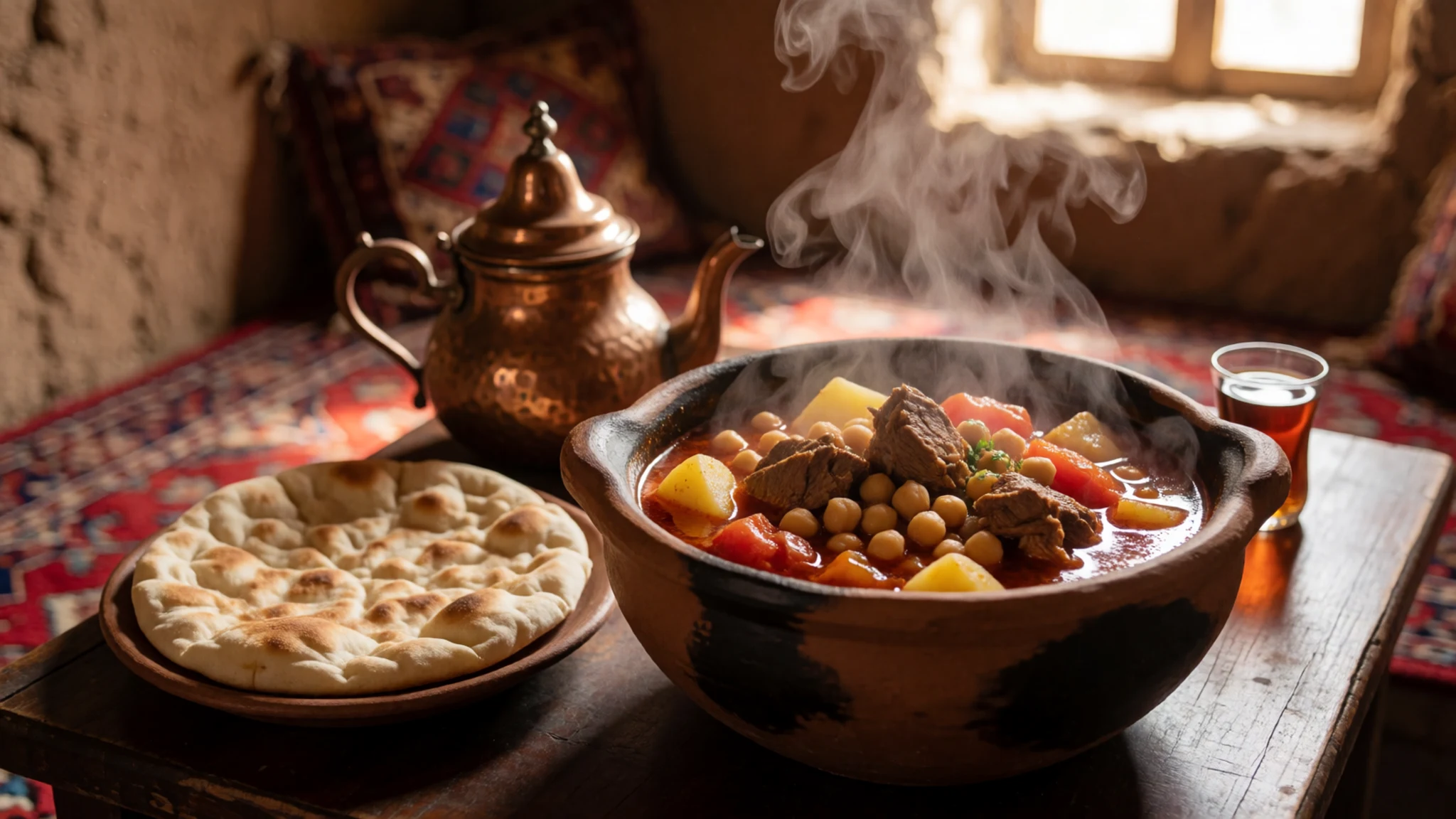
- Chelow Kabab — Small family-run restaurants around town
The national dish of Iran featuring skewers of succulent, charcoal-grilled minced lamb or marinated chicken served over a generous mound of saffron-infused Persian rice topped with a pat of butter.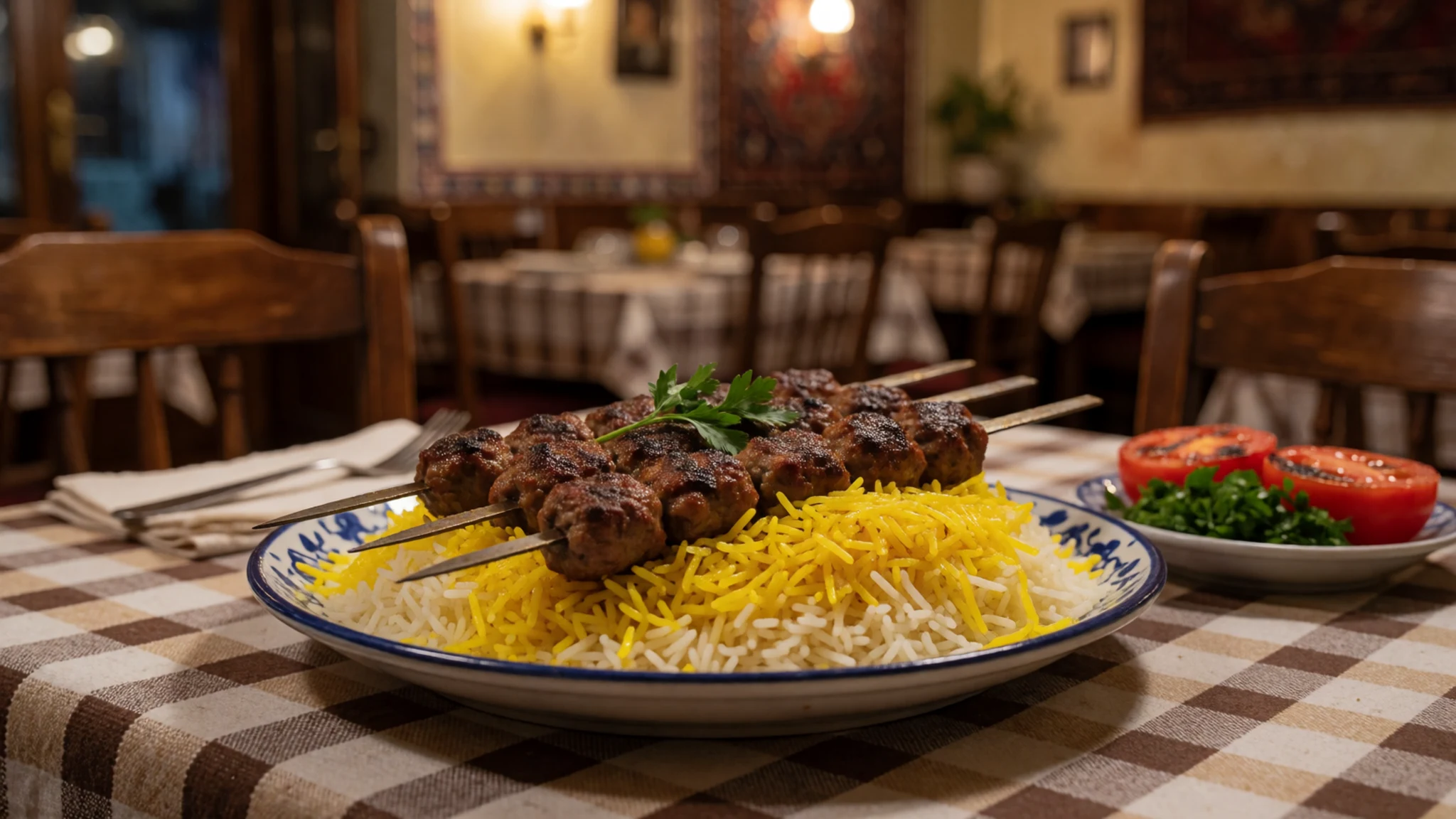
- Ash-e Reshteh — Local morning markets and community food stalls
A thick, comforting soup packed with wheat noodles, pulses, and an assortment of fresh mountain herbs such as spinach, parsley, and coriander, finished with fried onions, garlic, and fermented whey. - Sangak Bread — Traditional village bakeries
A large, rectangular whole-wheat flatbread baked on a bed of hot river stones in traditional ovens, resulting in a chewy texture and a distinctive dimpled crust that pairs well with local cheese and herbs.
Plan it
Best time. May to June and September to October offer pleasant daytime temperatures and comfortable weather for exploring the open archaeological site, avoiding the freezing winters and scorching summer heat.
How long. 1–2
Getting there. Access is primarily by road from Zanjan, which features the nearest major railway station and regional airport, located about 40 kilometres to the west.
Budget. low
Tips
- Arrange a reliable taxi driver in Zanjan for a half-day return trip to cover the distance efficiently
- Wear sturdy walking shoes to navigate the uneven ground and dusty paths around the ruins
- Carry sufficient Iranian Rial cash, as international credit cards are not accepted locally
- Bring sun protection and a windbreaker, as the high-altitude plain experiences strong elements
Etiquette
- Dress modestly in accordance with local Islamic norms, ensuring headscarves are worn by women
- Ask permission before photographing local residents or agricultural workers in the fields
Nearby
Sources
- Wikidata Q4531 (CC0)
- Wikipedia (rev 1376879187) (CC BY-SA 4.0)
- Wikivoyage (rev 5161510) (CC BY-SA 4.0)
- Photo 02-soltaniyeh-dome.jpg (CC BY 3.0)
