Škocjan Caves
Škocjan Caves, Slovenia
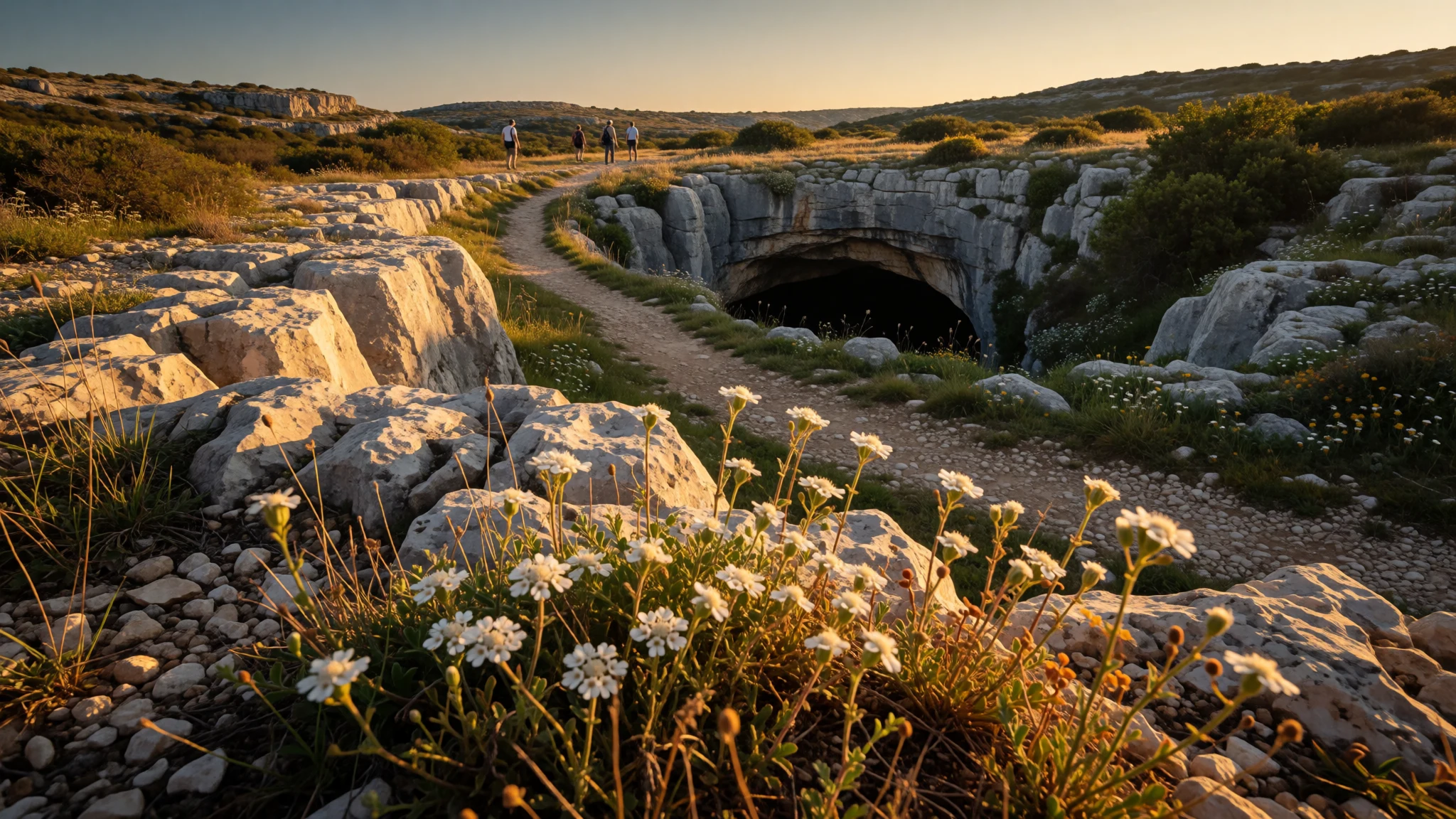
Go for Slovenia’s underground water theatre on the Karst plateau, where river, sinkholes and cave systems feel like a single living landscape.
The place
Slovenia’s Karst Plateau holds the Škocjan Caves, an Italian-named system called Grotte di San Canziano, built around impressive underground waterways. The main thing visitors notice quickly isn’t just the rock formations—it’s how the landscape seems designed around flow: the Reka river vanishes underground and the caves shape themselves around that movement.
Part of what makes Škocjan different from many “walk-through” show caves is the scale of water-driven spaces. The park area is managed as a regional park, so you’re generally guided along marked cave routes rather than improvising your way. Outside, the surroundings are very much Karst country: limestone hills, sinkhole terrain, and a patchwork of paths that lead to the big openings.
Crowds can be noticeable in peak months in Europe, especially at the start of the day when guided groups converge. The good news is that the caves are extensive enough for the experience to feel more spacious once you’re moving—still, expect busier pockets at viewpoints. Weather also matters: the wider park is outdoor walking plus stairs, and the ground can be slick after rain.
For a first visit, plan around a cave route that includes the river-focused sections and the dramatic sinkhole areas. The best moments tend to be when the light catches the walls and when the sound of water turns from background to presence. The overall vibe is calm and observant—less theme-park, more nature doing its thing, with just enough infrastructure to keep it safe.
Its story
Škocjan Caves has a paper trail almost as long as the limestone story itself. Early written references date back to antiquity and are linked to Posidonius of Apamea. The caves also appear on older regional maps, including the 1561 Lazius–Ortelius map and Mercator’s 1637 Novus Atlas. That recurring cartographic attention says a lot: even before modern cave science, the underground Reka river system was a landmark worth documenting.
Interest didn’t stop at maps. In the 18th century, the French painter Louis-François Cassas was commissioned to paint landscape scenes, and his work included visits to the bottom of the Big Collapse Doline—an artistic way of showing how people experienced the sinkhole as a dramatic natural amphitheatre. Scholarly descriptions followed too: in 1689, Johann Weikhard von Valvasor wrote about the sink of the Reka river and the idea that it continued underground.
As for exploration, attempts were made to trace the underground course of the Reka river for practical reasons, including the hope of supplying drinking water to Trieste. Systematic speleology began in 1884, and explorers reached the banks of Dead Lake later. The pattern across the timeline is clear: Škocjan kept pulling people in, first as a curiosity, then as a problem worth solving, and eventually as a protected natural and cultural site.
What to see
- Velika Dolina (Big Collapse Doline) — Velika Dolina / main sinkhole viewing zone
Velika Dolina is the huge sinkhole space where the Reka’s underground story becomes visible through scale and light. Stand in the designated viewing areas for the sense of height and the dramatic “open to sky” effect around the cave entrances.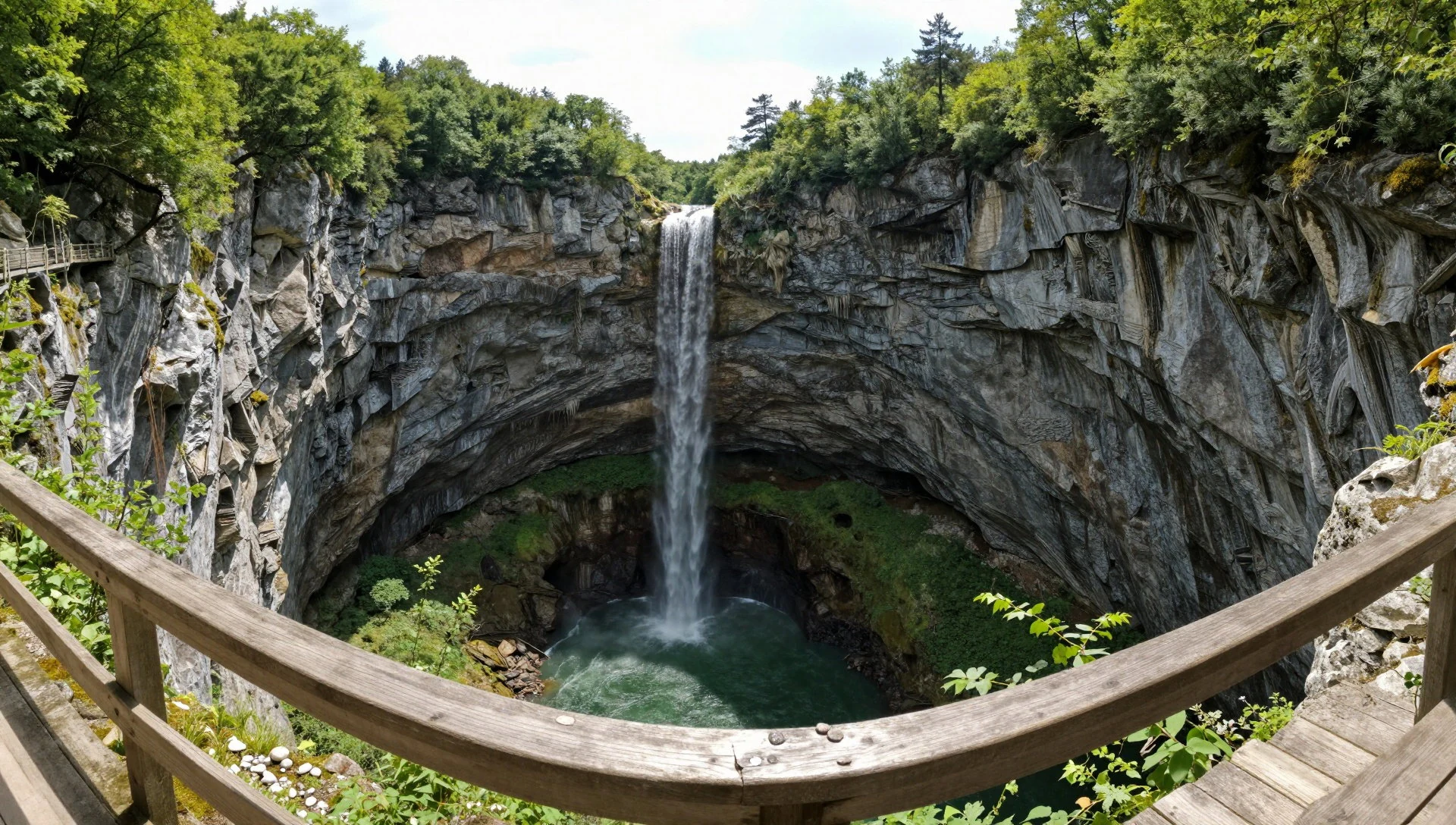
- The river’s subterranean course (Reka) — Traditional cave route sections
The Reka river disappears underground and then travels within the cave system, giving Škocjan its signature rhythm of sound and movement. Follow the traditional route sections that bring you close enough to feel the water presence rather than just see rock.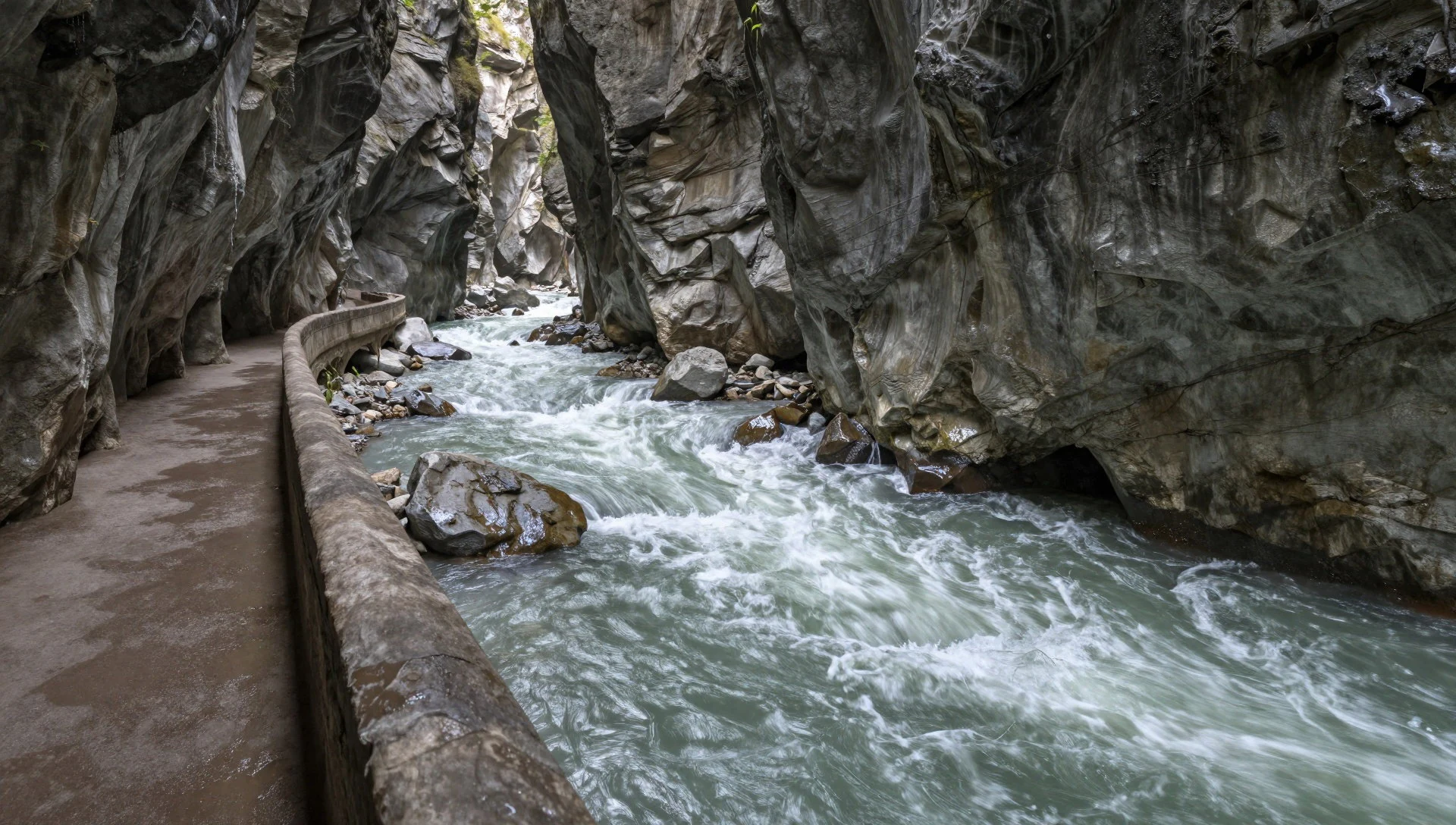
- Mrtvo jezero (Dead Lake) — Dead Lake area within the cave route
Mrtvo jezero is reached via cave paths that highlight the quiet contrast to the water’s louder sections. The area feels still and “sealed,” so it’s a good stop to slow down, look up at the ceiling textures, and let the atmosphere sink in.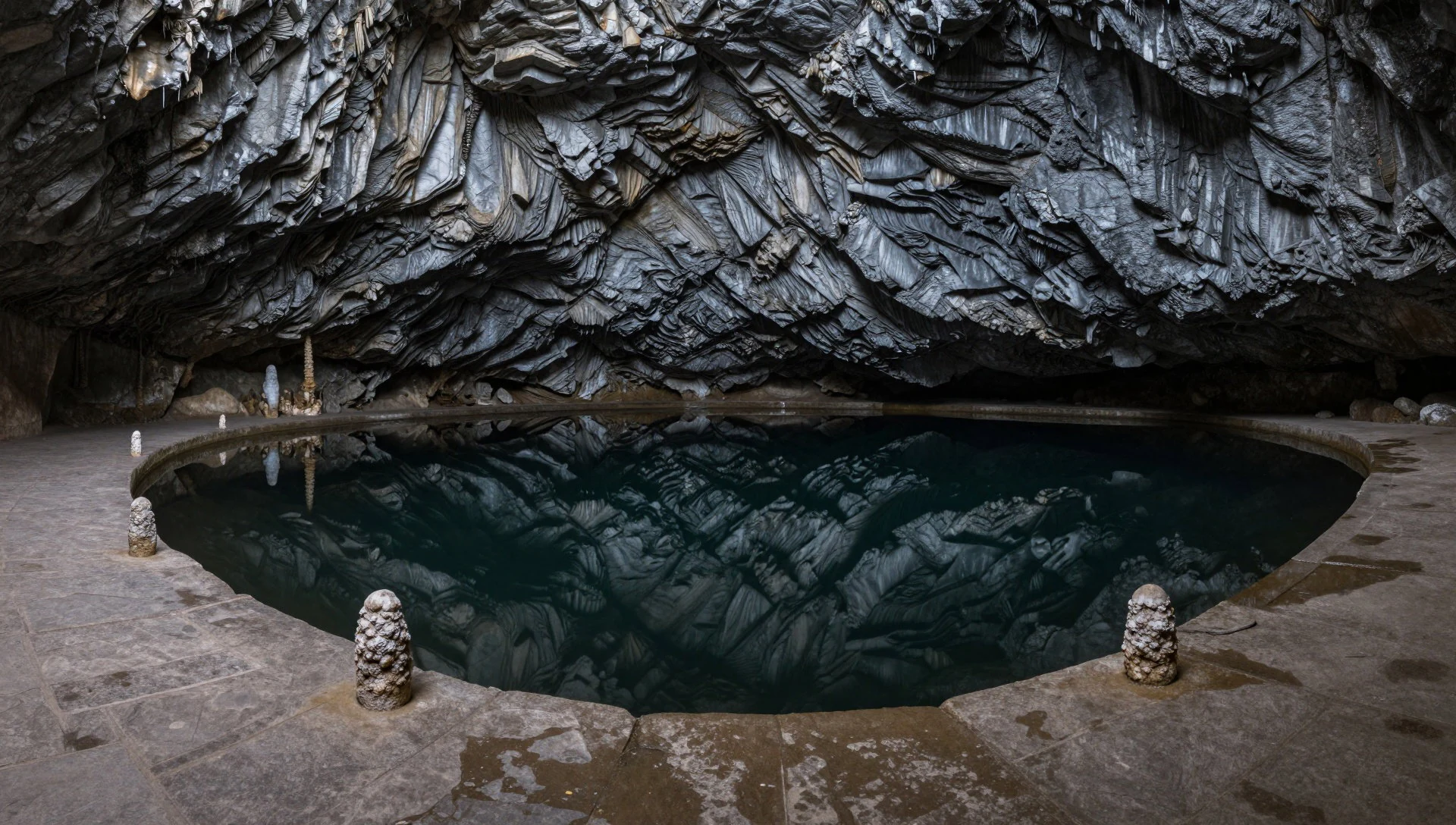
- Müllerjeva dvorana (Müller Hall) — Müller Hall chamber zone
Müllerjeva dvorana is one of the key interior spaces connected to major discoveries. The route brings you through passages that lead to broad chambers, where you can see how the cave walls hold onto moisture and time as the geology forms open rooms.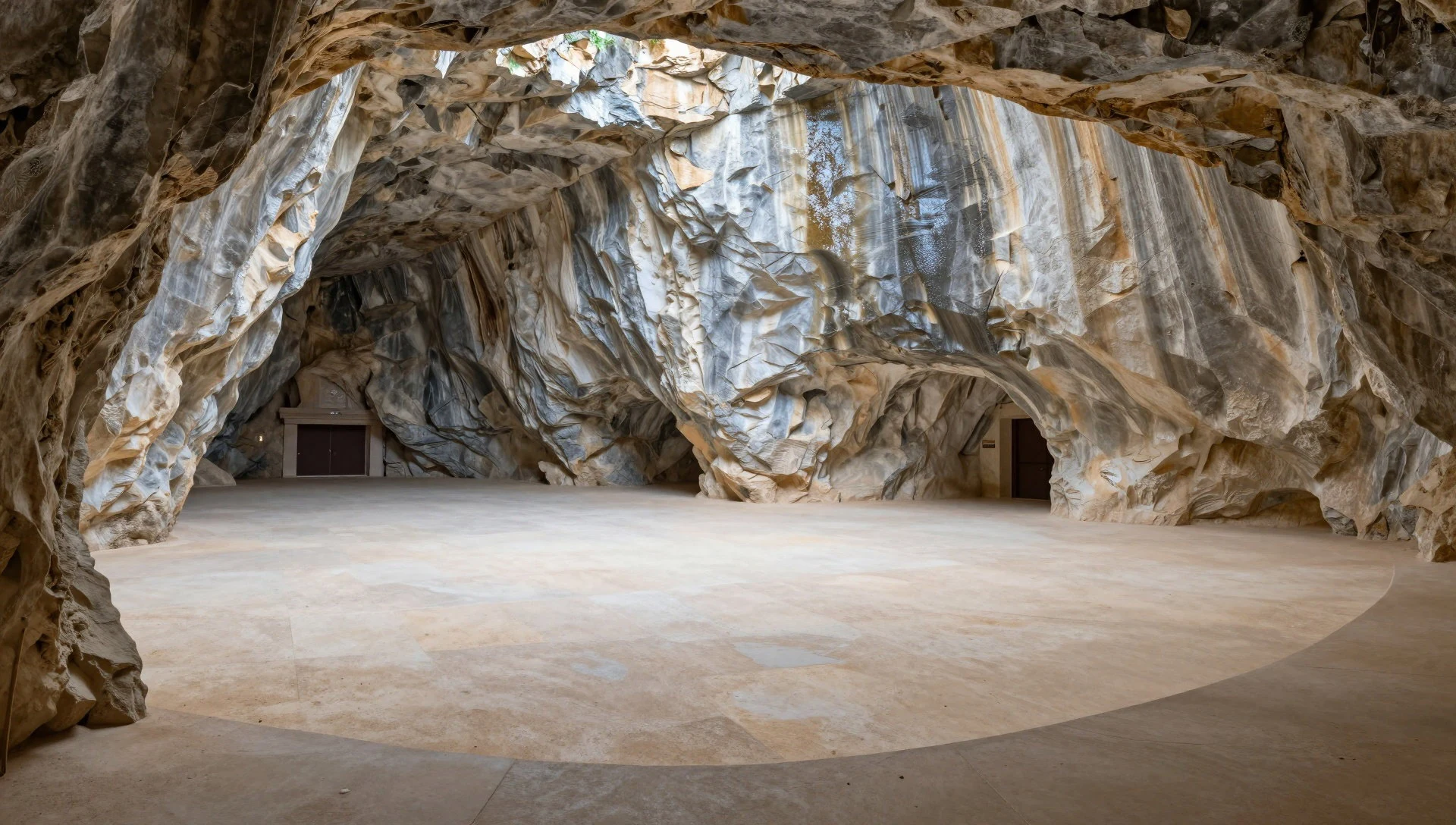
- Cave route viewpoints and exits — Route viewpoints and main exit area
Škocjan Caves is set up so the route alternates between enclosed sections and momentary viewpoints. Use the pauses to understand what you’ve walked through, then watch how the cave “traditional route” turns back into daylight at the exit.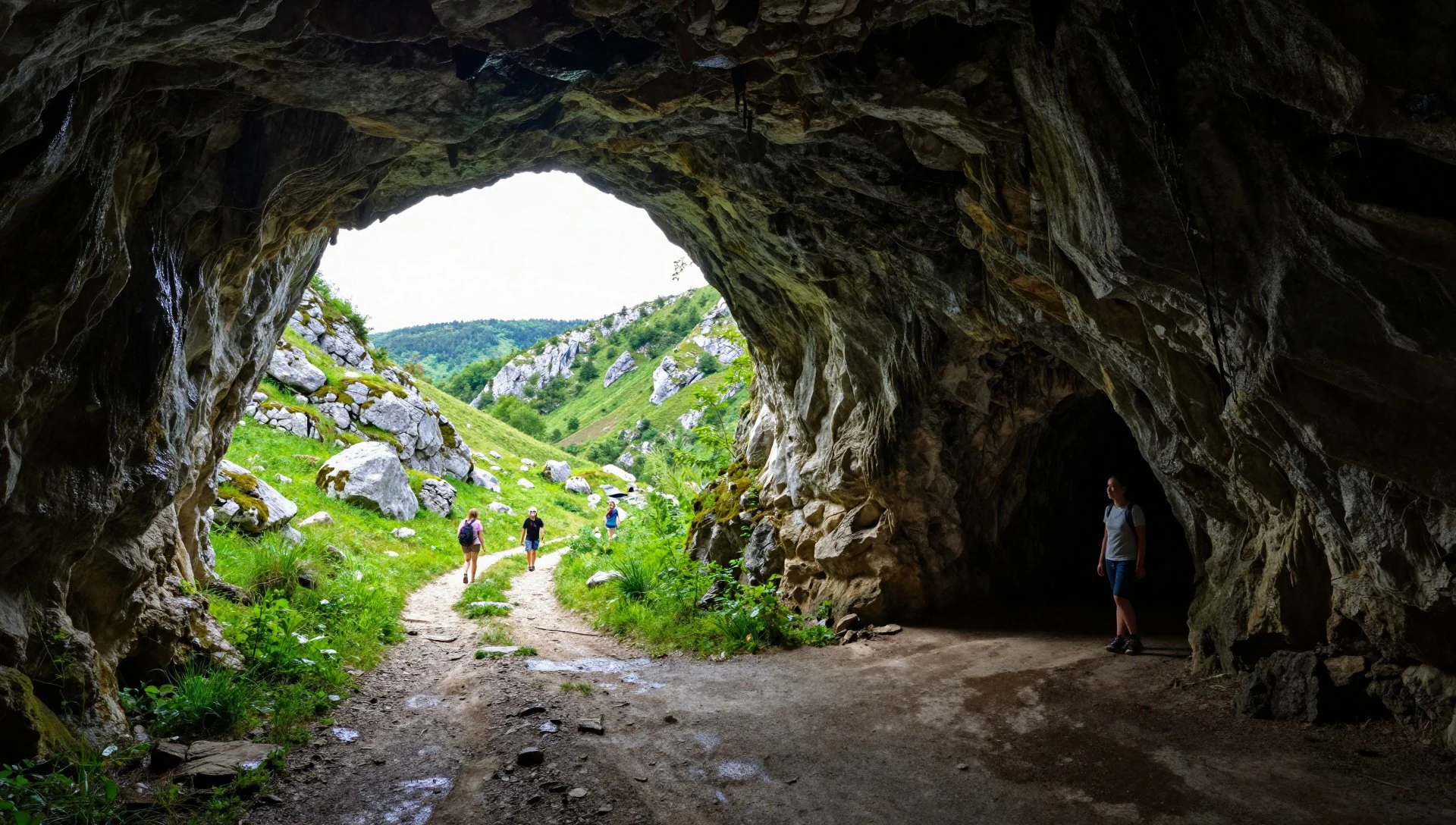
Culture
Škocjan Caves sits in Slovenia, and the country’s broader visitor culture is generally open and friendly. English is often understood by people under 50, and locals tend to be willing to help if you ask politely and clearly. Trying a few basics in Slovenian can go a long way—small effort reads as respect rather than performance.
When it comes to interaction, expect a little insistence in everyday exchanges: if someone offers assistance or something small, refusing once may not be treated as a final answer in the way it can elsewhere. It’s fine to be firm, but a gentle, calm tone works better than sharp refusals.
Finally, remember you’re in a protected natural setting with national pride around identity and language. The aim is to enjoy the place without treating it like a backdrop. Keep your voice down in quiet cave sections, follow staff directions immediately, and don’t rush ahead of the group.
Visitor etiquette: keep to marked routes, stay quiet in interior chambers, and follow staff instructions for photography and spacing.
What to wear
In and around Škocjan Caves, practical clothing matters more than styling. Traditional Slovenian dress varies by region, but common elements you’ll see in museums or folk events include linen and wool fabrics, embroidered details, and layered looks shaped for seasonal weather—often finished with headwear and distinct folk patterns. These are usually worn for cultural performances, not for daily modern life.
What people actually wear now is much simpler: everyday jackets for changing weather, comfortable trousers or walking leggings, and closed shoes. In a cave park the ground can be damp and the route includes stairs and uneven surfaces, so footwear with good grip is the real “accessory”.
For a visitor, wear layers (cave air feels different from the outside), a jacket with a hood or light rain protection, and socks that won’t mind slippery paths. Avoid sandals or anything that slips. If visiting in cooler months, bring something warmer under the outer layer; if going in spring or autumn, light layers help because the outdoor approach can shift from sun to shade quickly.
What to eat
- Juha (soup) — Restaurant menus across Slovenia, especially in the Trieste–Kras travel corridor
Start with a simple soup, often based on beef or chicken broth with egg noodles. It’s a comfort-food opening that fits well after walking outdoors in the Karst landscape.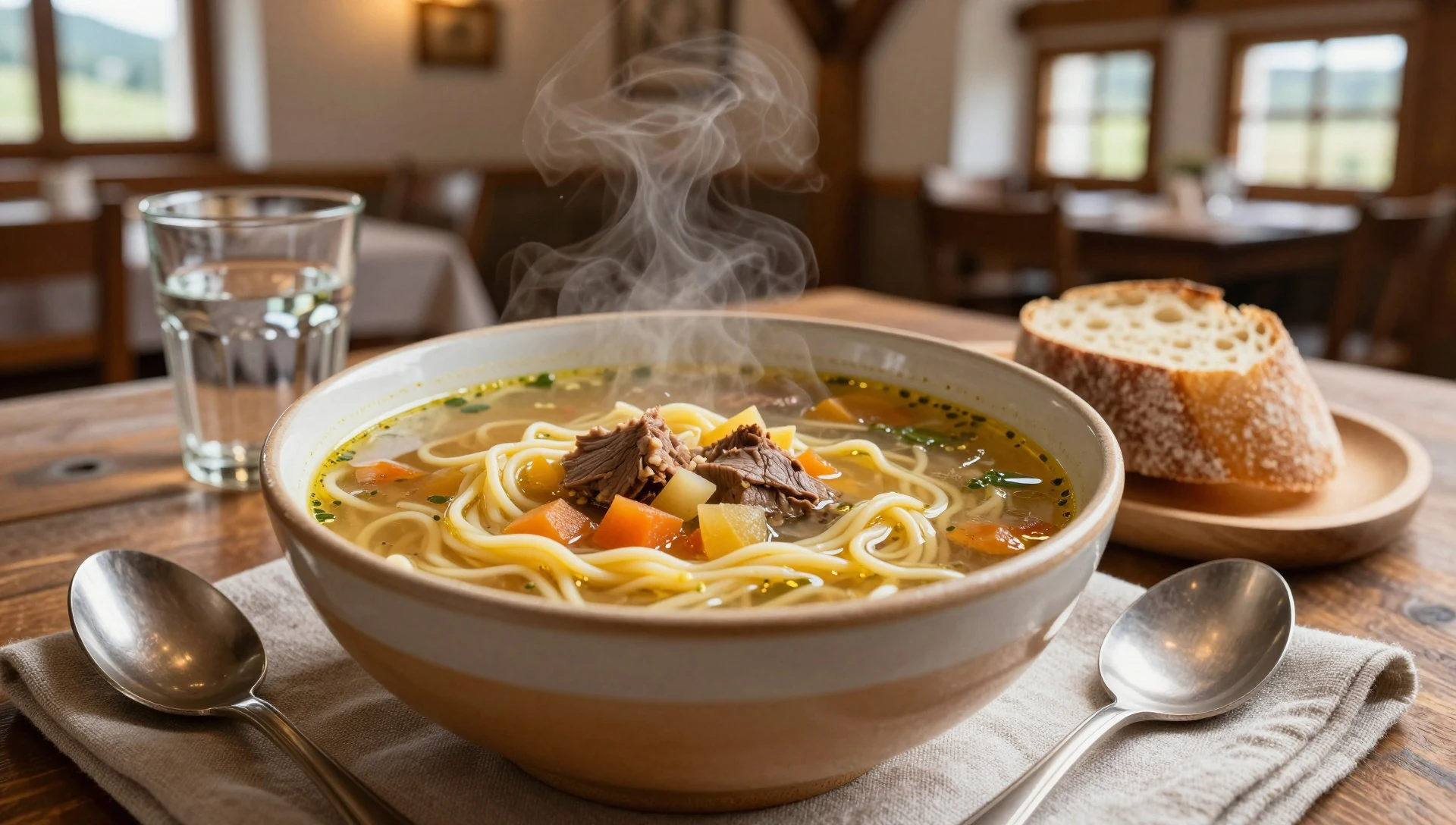
- Goveja (beef) — Country-style eateries and family restaurants
Expect hearty beef dishes, usually cooked as a main course and served with sides rather than light, small portions. It’s the sort of meal that balances a day that involves plenty of standing and stair climbing.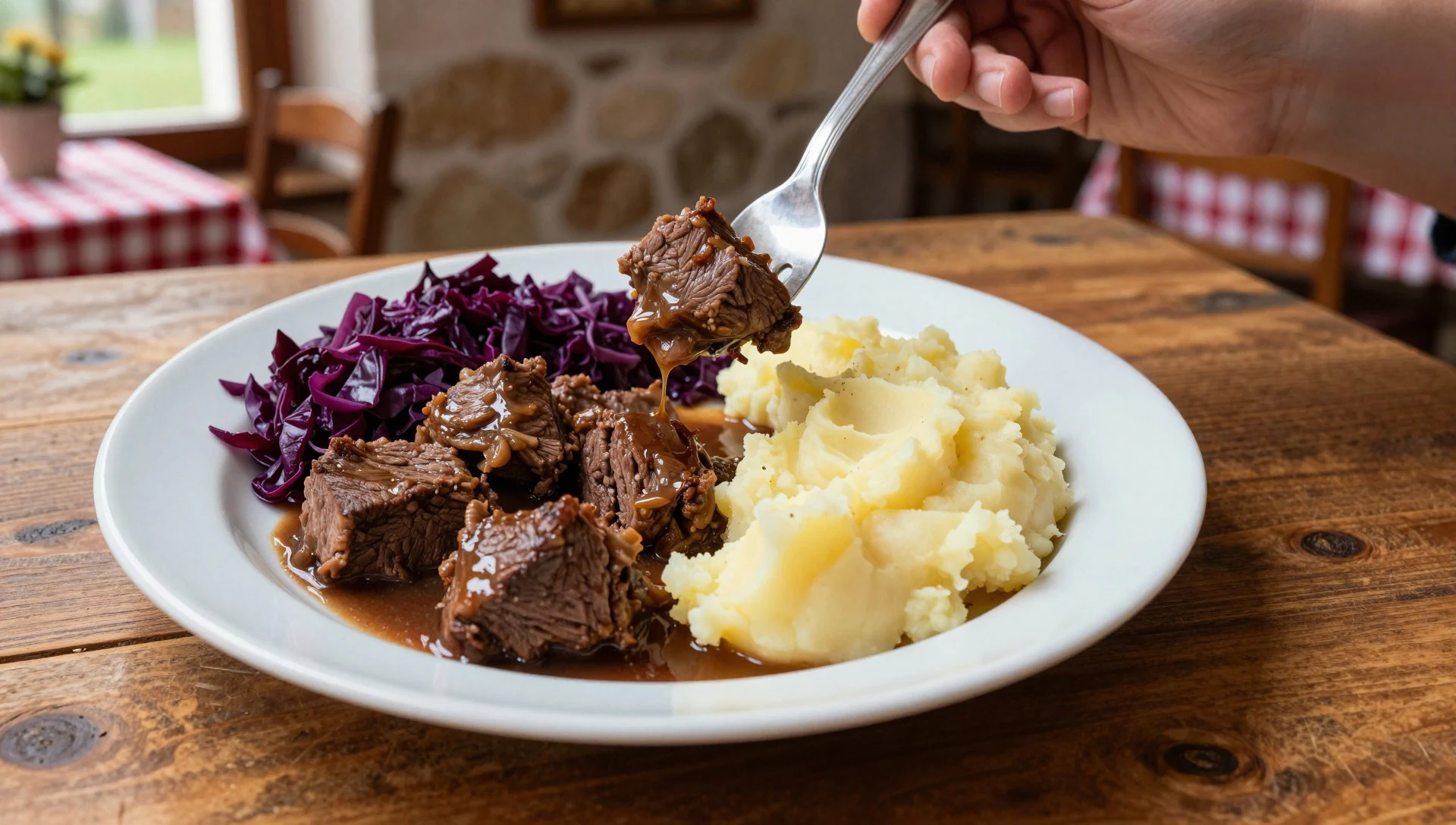
- Piščančja (chicken) with rezanci — Traditional restaurants in Slovenia
Chicken-based main dishes often come alongside egg noodles (rezanci), giving you that filling, traditional rhythm of a three-course meal. A good option if beef feels a bit heavy. - Krompir (potatoes) plus vinegary salad (solata) — Common set-menu style across Slovenian dining
Many meals pair meat with potatoes (krompir) and a fresh, vinegary salad (solata). The tang cuts through the richness, which helps after a slower, cooler day underground. - Slovenian-style pizza — Local pizzerias and casual eateries
Pizza is widely enjoyed, and people in Slovenia often claim it rivals nearby Italy. Look for it on the menu at casual pizzerias for an easy, satisfying lunch between sightseeing stops.
Plan it
Best time. March–April for blossom, late October–November for maple colour; June is the rainy season and August is hot and humid.
How long. 2–3
Getting there. Fly to the nearest major airport serving the region, then take a bus or train to the park area; the last leg is typically by local transport or pre-booked transfer to reach the visitor facilities.
Budget. mid
Tips
- Aim for a morning slot so the cave routes are less congested
- Wear grippy shoes and keep a light layer for cooler air underground
- Check the official website before you go for any route changes
- Bring some cash for small purchases around the park (cards are not always everywhere)
Etiquette
- Stay on the marked cave path and follow staff instructions
- Keep voices low in quieter chambers and viewpoints
- Avoid rushing past groups when photographers are stationary
Nearby
Sources
- Wikidata Q500376 (CC0)
- Wikipedia (rev 1381283900) (CC BY-SA 4.0)
- Wikivoyage (rev 5405631) (CC BY-SA 4.0)
- Photo photos/01-skocjanskejame-2013jpg.jpg (CC BY 3.0)
- Photo photos/02-skocjan-caves-map.jpg (CC BY 3.0)
- Photo photos/03-reka-timavo-karta.jpg (CC BY-SA 4.0)
- Photo photos/04-kocjan-diva-a-naravni-most-med-veliko-in-malo-dolino.jpg (CC BY-SA 2.0)
- Photo photos/05-kocjan-caves-111168.jpg (CC BY-SA 3.0 igo)
- Photo photos/06-kocjan-cave-exit.jpg (CC BY 3.0)
- Photo photos/07-reka-pri-kocjanu-1815.jpg (Public domain)
- Photo photos/08-2134-skocjan-caves-27802955942.jpg (CC BY 2.5)


