Skellig Michael
Skellig Michael, Ireland
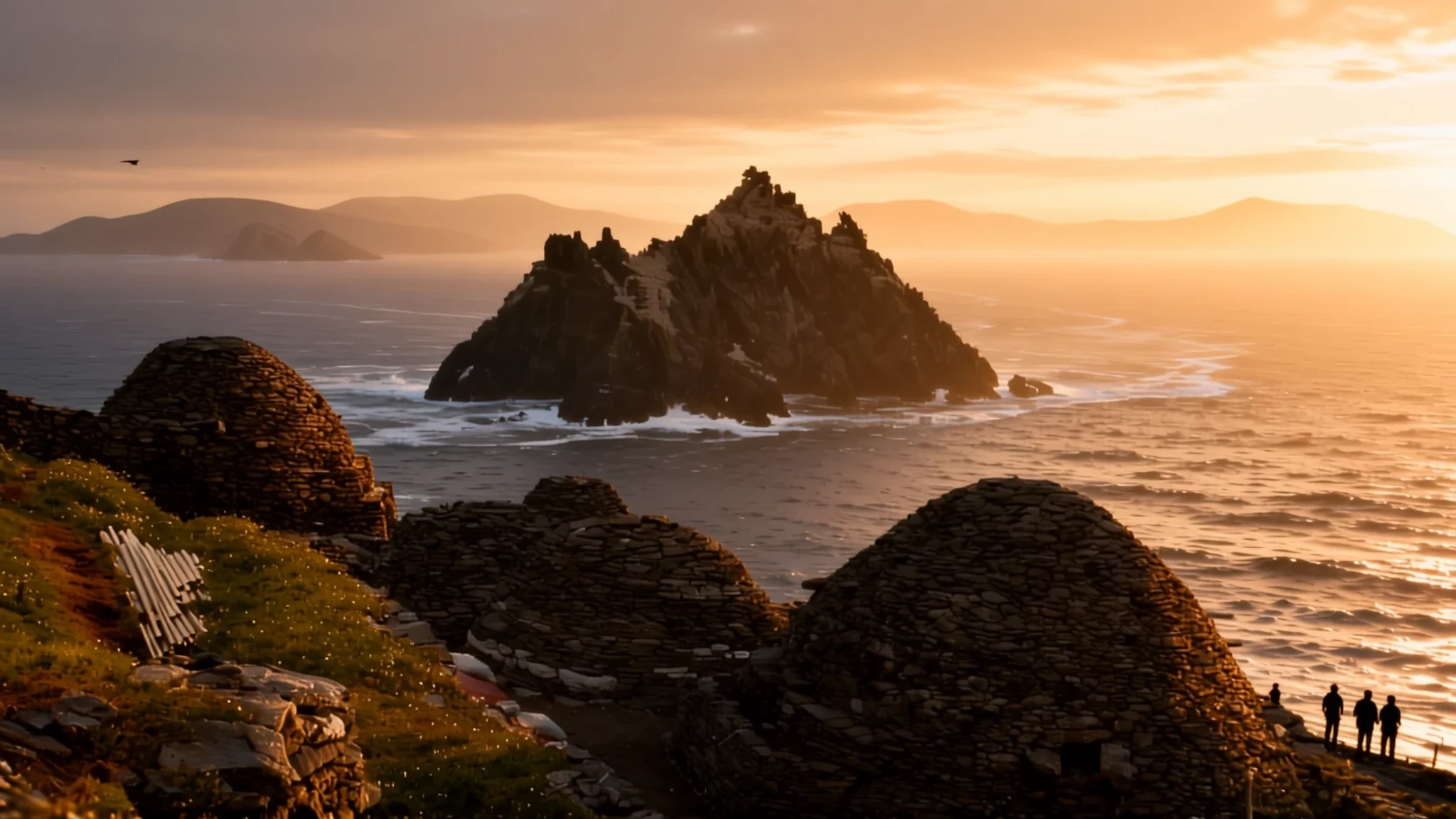
Skellig Michael is a remote Atlantic crag where early Christian monks built a remarkably preserved stone monastery on sheer cliff terraces.
The place
Skellig Michael rises as a twin-pinnacled crag off the coast of County Kerry, exposed to the full force of the Atlantic weather. The island consists of rocky terrain defined by its twin peaks and a central depression known as Christ’s Saddle. Its steep and inhospitable landscape leaves little room for flat ground, yet it supports a thriving ecosystem of seabirds including gannets, puffins, razorbills, and a resident colony of grey seals. The geology of the island was shaped millions of years ago during a period of mountain formation, later separated from the mainland by rising seas.
The most striking feature of the island is its monastic settlement, perched high on the northern peak. Built entirely of dry-stone masonry, the complex includes beehive-shaped huts, oratories, and terraced walkways that required immense physical labour to construct on such vertical ground. Approachable only via narrow, precipitous flights of stone stairs, the site demands complete focus from anyone making the ascent. Weather conditions dictate every visit; sudden squalls, heavy swells, and fierce gales can cut the island off from the mainland for days at a time, making any journey here entirely dependent on the mercy of the ocean.
Its story
Monks of the Celtic Christian tradition established a monastery on Skellig Michael sometime between the sixth and eighth centuries, seeking ultimate isolation in the Atlantic wilderness. The region was favoured by ascetic communities due to its extreme remoteness and the abundance of hard stone for building. Historical records of the island are scarce, though the annals of the era note various raids and the deaths of successive abbots. Vikings attacked the monastery in the ninth century, plundering the settlement and carrying off the abbot Eitgal, who subsequently died of hunger.
Despite such violence and the punishing climate, the monastery remained continuously occupied until the late medieval period, housing a small community of monks and an abbot who relied on vegetable gardens and seabird eggs to supplement their sparse diet. After the monks departed, the island transitioned into a site of pilgrimage, drawing devoted travellers who scaled the perilous stone stairs to do penance. Today, the ruins stand as an extraordinary testament to early medieval asceticism, preserved by their very inaccessibility and the deep devotion of those who chose to live at the edge of the known world.
What to see
- The Monastery and Beehive Huts
Clustered near the East Peak, these dry-stone beehive cells and oratories showcase brilliant early medieval engineering built directly into the steep rock terraces.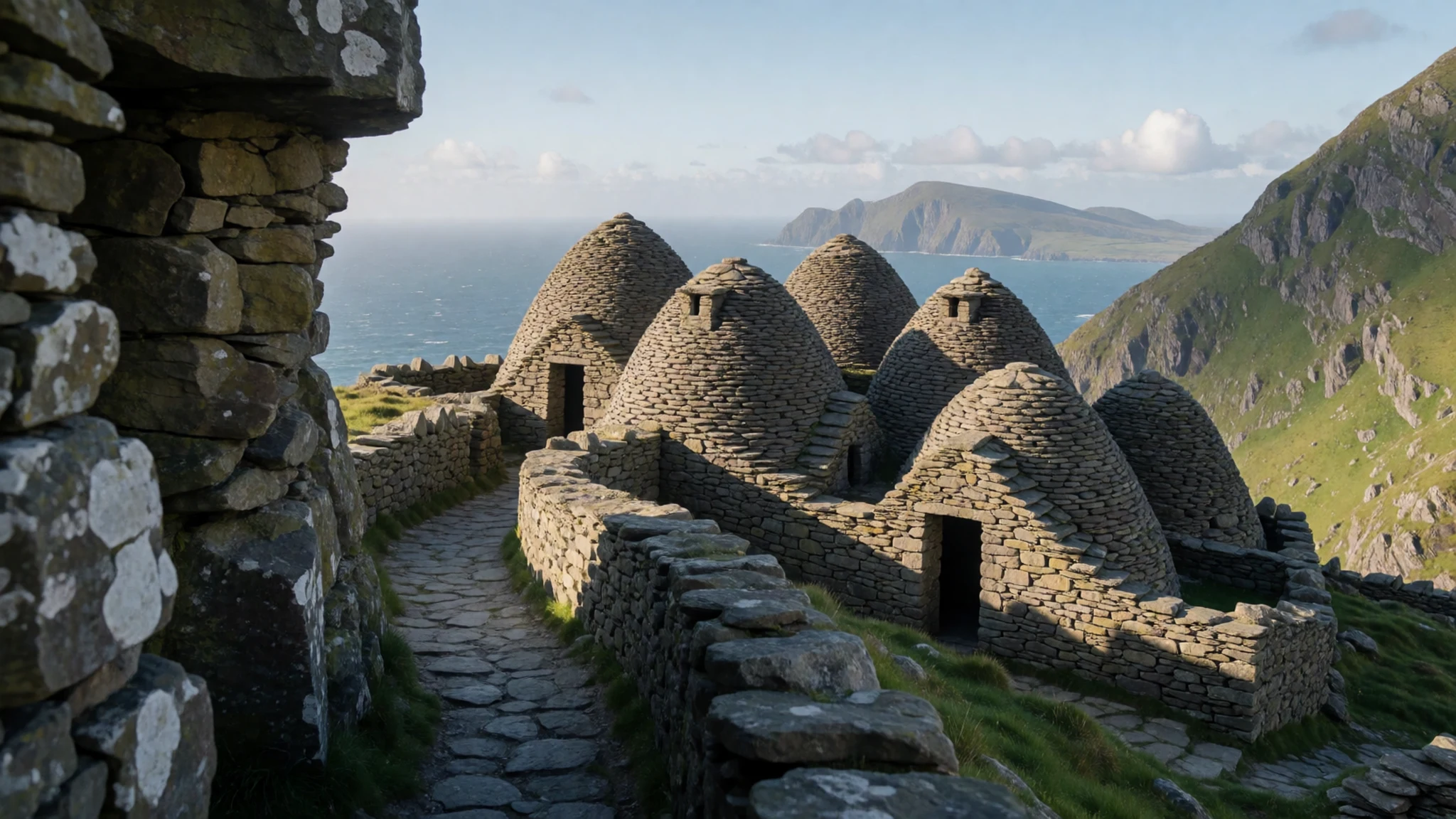
- Christ's Saddle
This central valley between the twin peaks offers dramatic, windswept views across to the South Peak and down toward the crashing Atlantic surf far below.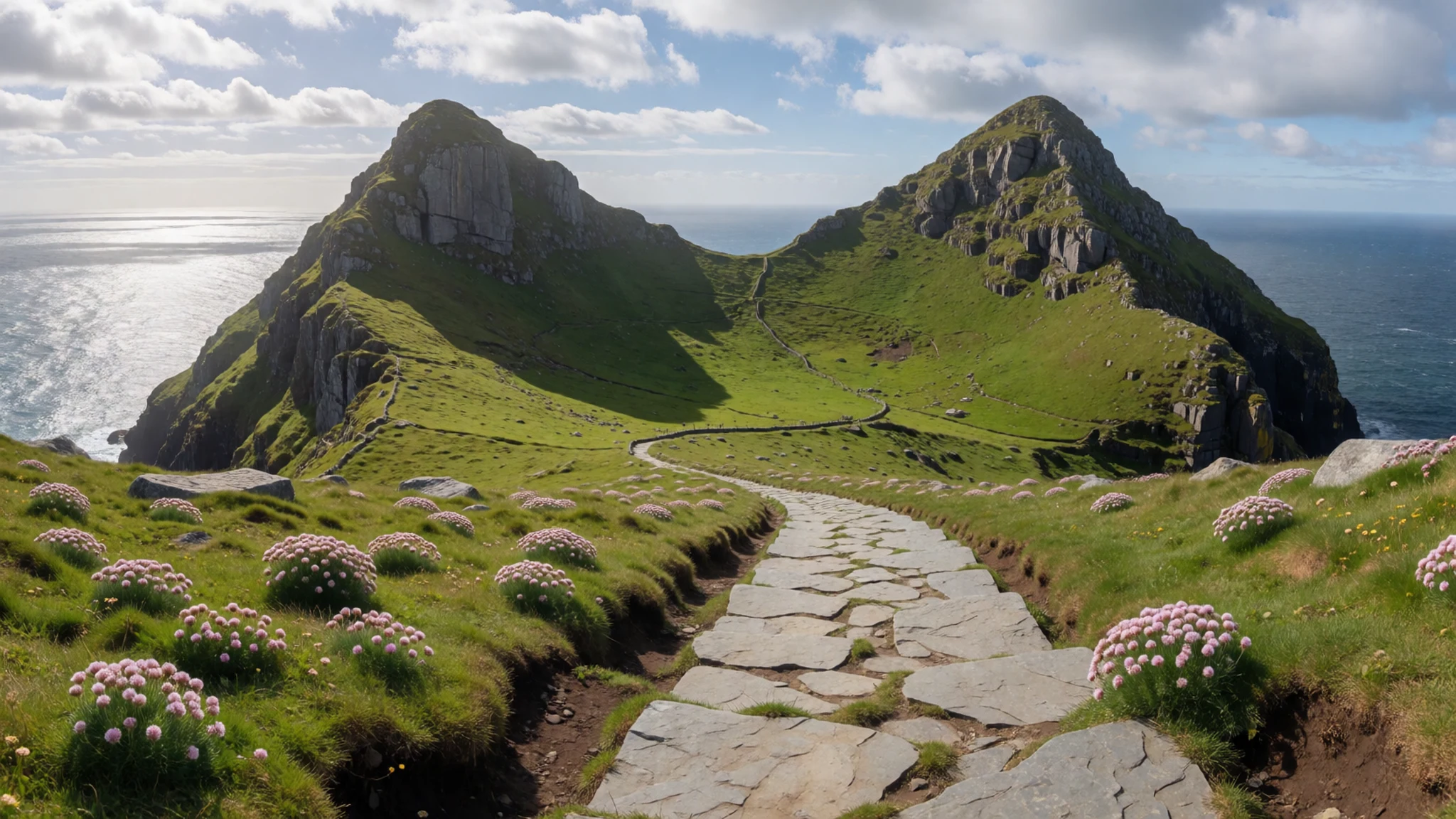
- Little Skellig
Visible from the waters and neighbouring paths, this sheer islet hosts tens of thousands of nesting gannets and remains completely closed to human landing.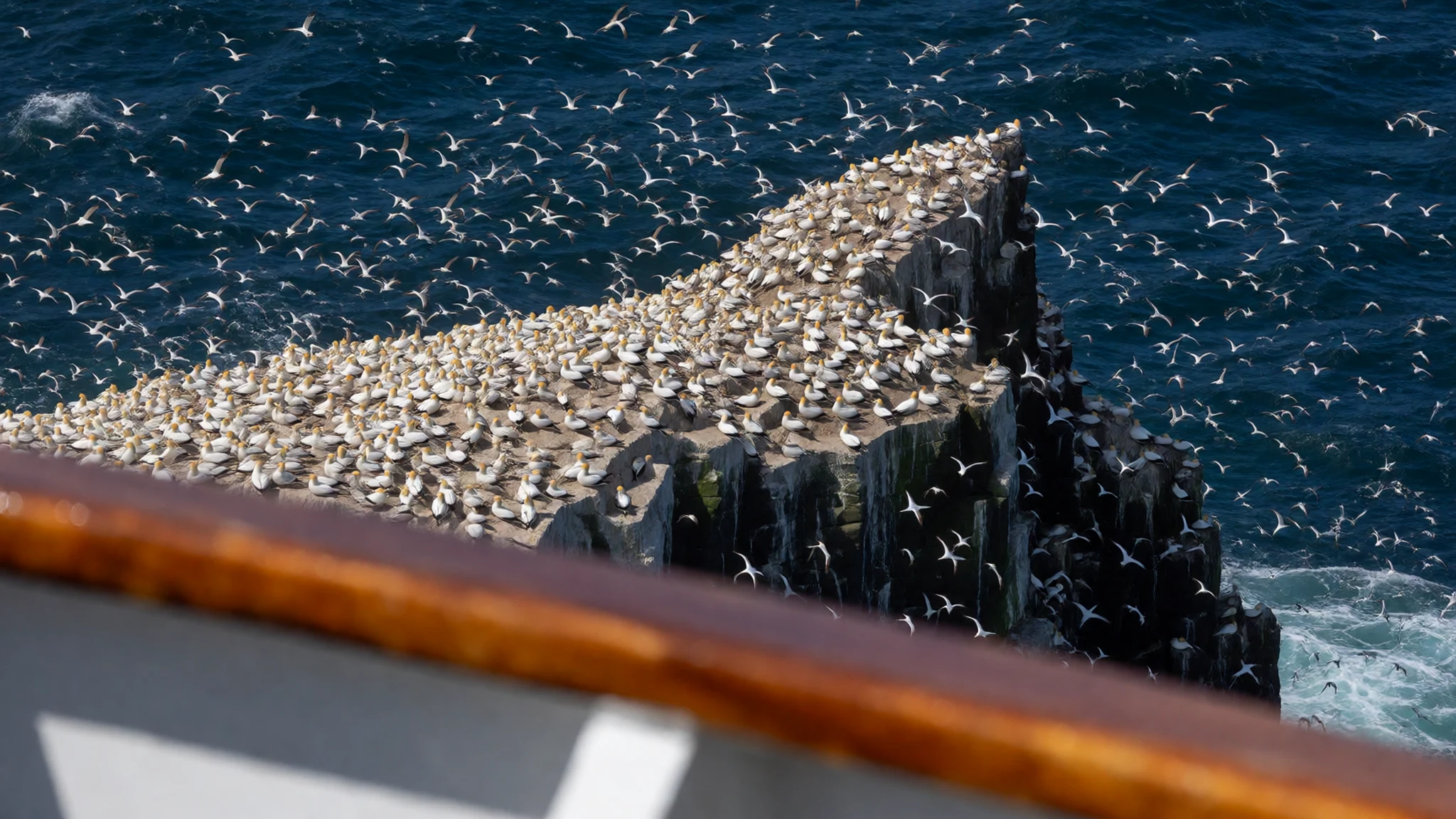
- Puffin Slopes
During the summer nesting months, comical puffins burrow along the grassy slopes near the lower paths, darting past visitors with bills full of small fish.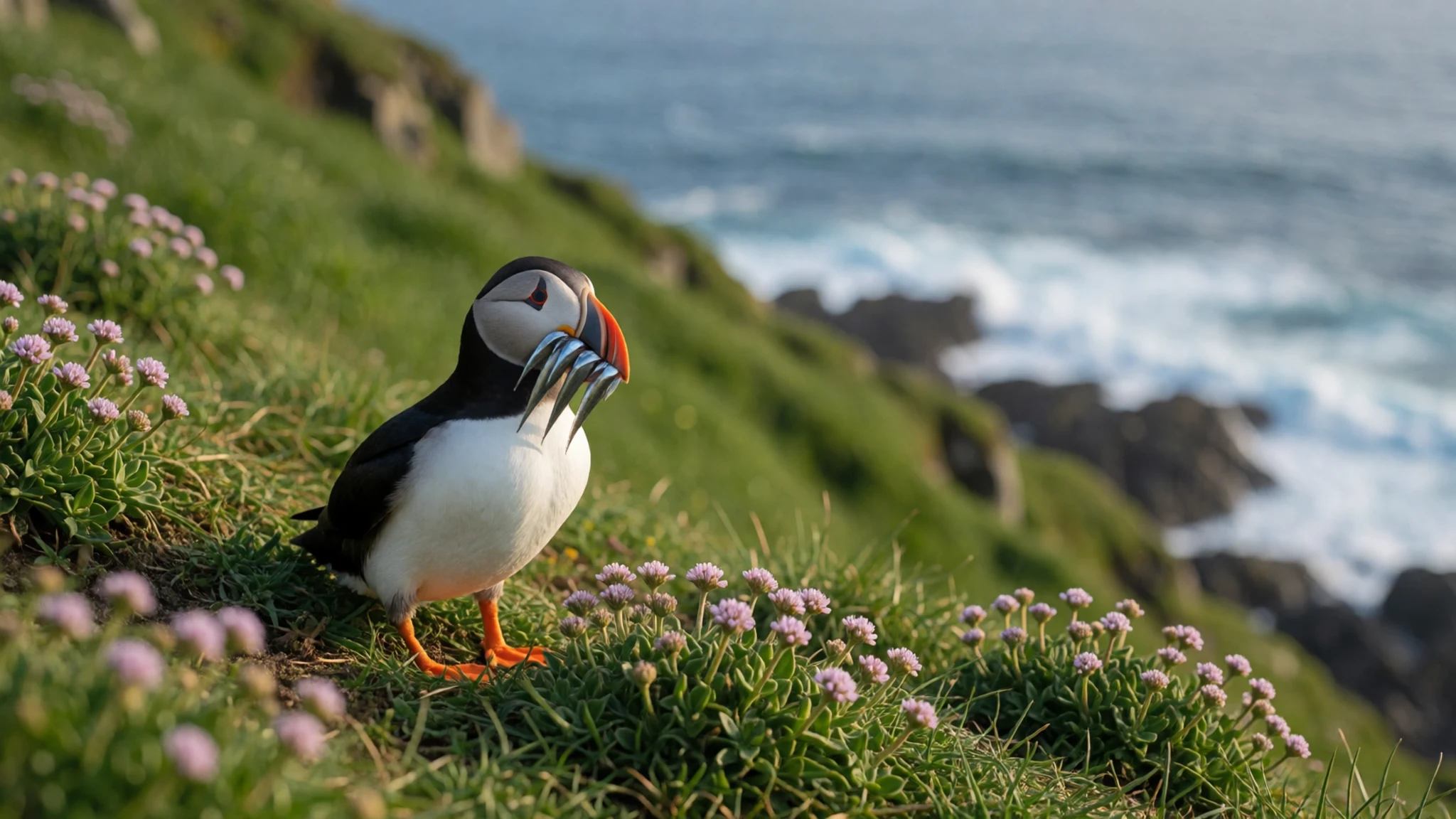
Culture
The cultural legacy of Skellig Michael is rooted in the early Irish monastic tradition, where isolation from worldly distractions was considered the highest form of spiritual devotion. The monks who settled here embraced hardship, silence, and prayer in an environment where survival depended entirely on communal cooperation and endurance. This austere way of life left an indelible mark on Irish folklore and maritime heritage, transforming a barren rock into a sacred landscape.
In modern times, the local coastal communities of County Kerry preserve this heritage through seafaring traditions, boat-handling skills, and storytelling passed down through generations. Boat skippers possess an intuitive understanding of the Atlantic tides and winds, honed by years of navigating the dangerous crossing. Visitors are asked to respect the profound fragility of the archaeological remains and the nesting seabirds by staying strictly on the designated stone paths and never disturbing the dry-stone structures.
What to wear
Traditional dress in this part of Kerry evolved to withstand relentless maritime weather, historically relying on thick hand-knitted woollen jumpers, heavy tweed trousers, and sturdy leather footwear capable of resisting peat mud and driving rain. While locals today wear standard modern casual clothing for everyday life, traditional aran knitwear remains a cultural staple throughout the county.
For a visitor heading out to Skellig Michael, traditional fashion is largely replaced by high-performance outdoor gear. The island microclimate demands waterproof layers, windproof jackets, thermal base layers, and robust walking boots with reliable ankle support and deep treads. Because the ancient stone stairs can become slick with sea spray and rain, smooth-soled trainers or fashion footwear are entirely unsuitable and unsafe for the terrain.
What to eat
- Fresh Kerry Seafood — Any traditional pub or eatery in Portmagee or Valentia Island
Local harbours and coastal pubs serve daily catches including fresh Atlantic cod, haddock, and Dublin Bay prawns, caught by fishermen working the same turbulent waters surrounding the islands.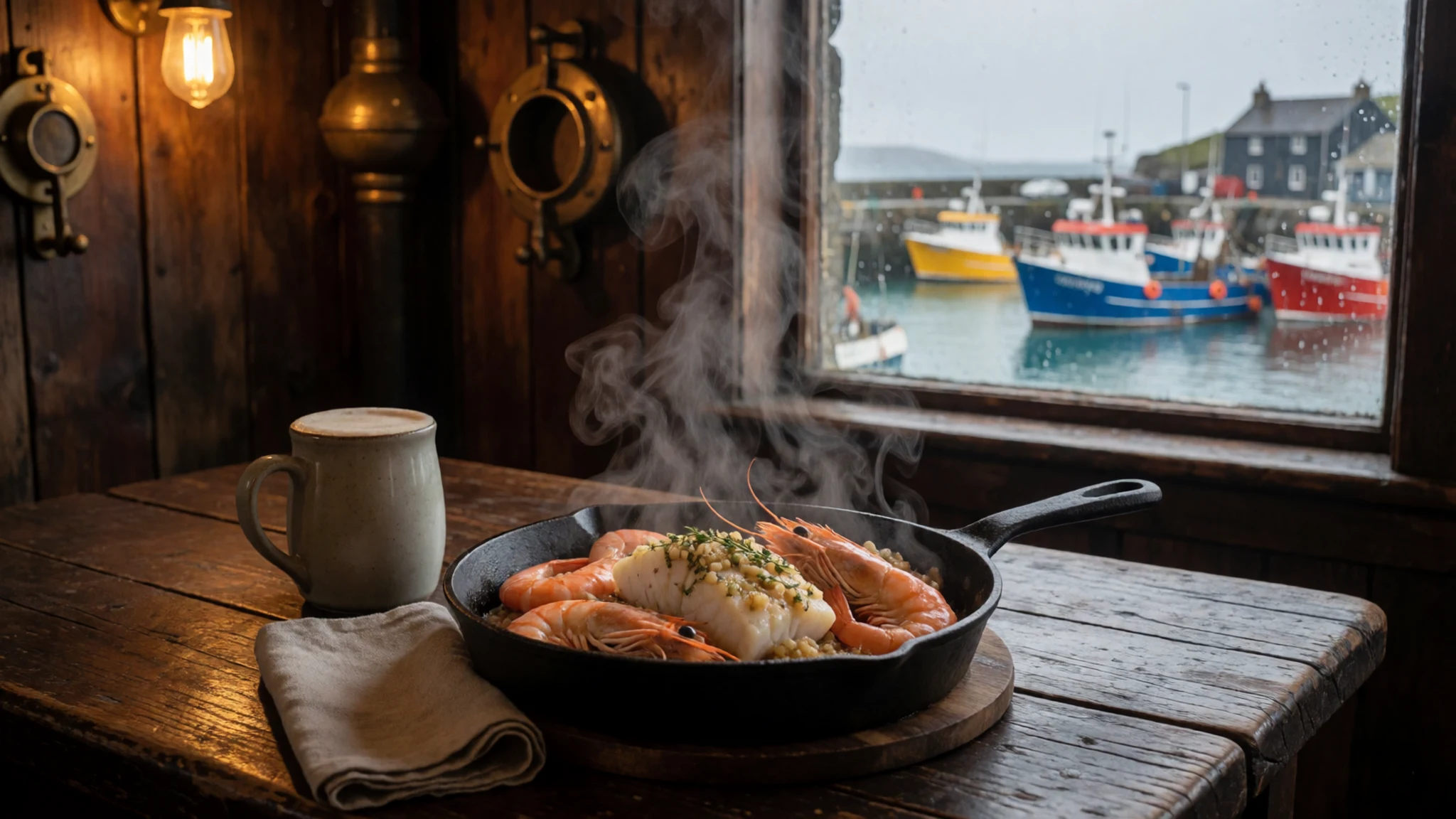
- Irish Soda Bread — Local bakeries and cafes across the Iveragh Peninsula
A dense, hearty loaf traditionally baked daily with buttermilk, wholemeal flour, and a pinch of baking soda, commonly served alongside hearty seafood chowders.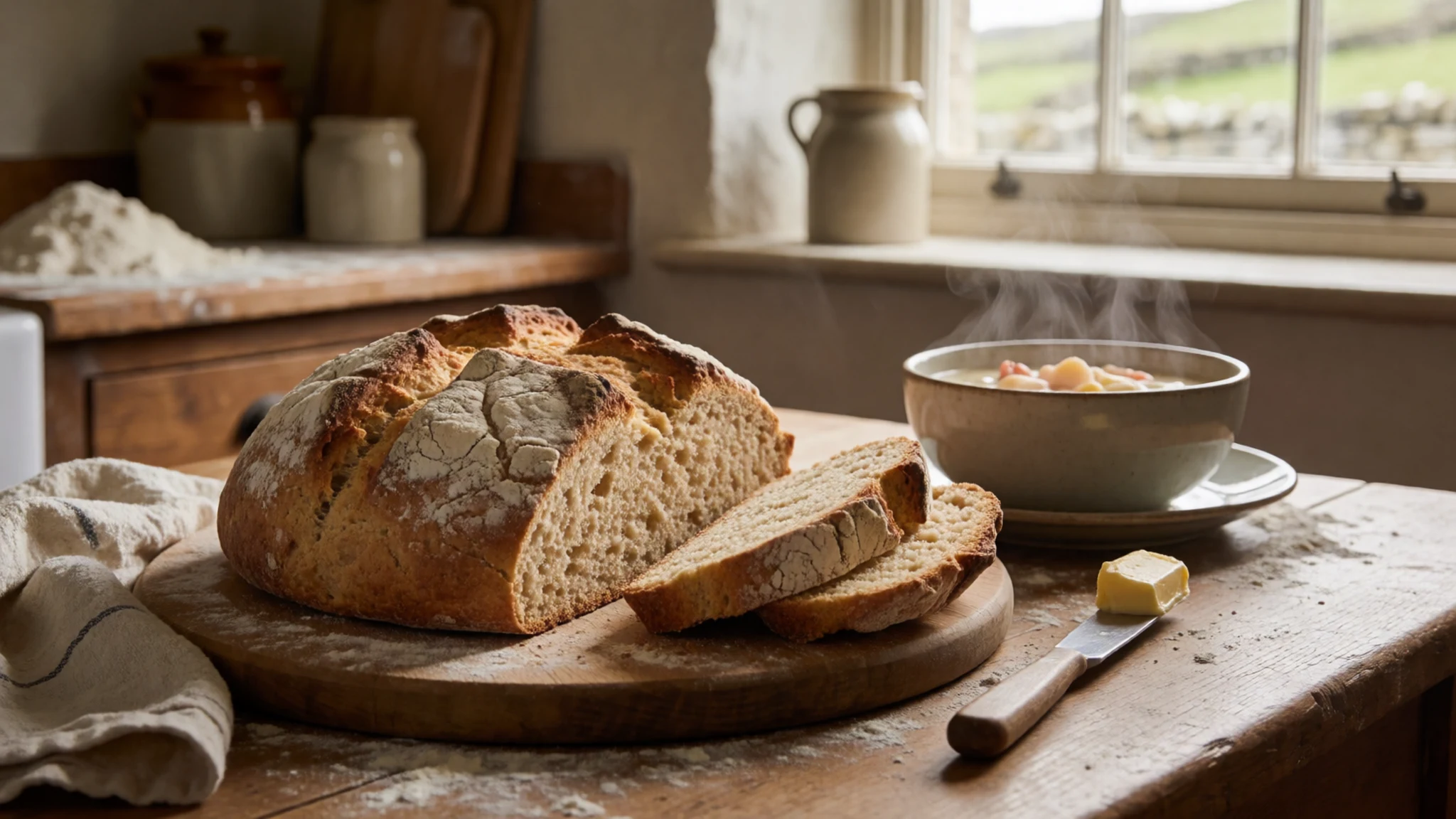
- County Kerry Lamb — Traditional restaurants in Waterville and Caherciveen
Free-range hill lamb raised on the rugged pastures and sea-salt meadows of the peninsula, offering a distinct and robust flavour featured on dinner menus throughout the region. - Artisanal Farmhouse Cheeses — Local food markets and farm shops in south-west Ireland
Craft cheeses produced by small dairies across County Kerry, featuring rich raw-milk cheddars and tangy goat cheeses made using traditional methods.
Plan it
Best time. May to September, when boat operators run licensed passenger sailings and summer weather provides the calmest sea conditions.
How long. 1–2
Getting there. Fly into Kerry or Cork airport, travel by road to Portmagee on the Iveragh Peninsula, and board a licensed small passenger boat for the 45-minute ocean crossing.
Budget. mid
Tips
- Book boat tickets months in advance due to strict daily passenger caps and high summer demand.
- Prepare contingency days in your itinerary, as rough Atlantic swells frequently cancel sailings at short notice.
- Wear sturdy, waterproof hiking boots with deep grip for the steep, uneven medieval stone steps.
- Pack a secure backpack with drinking water and a picnic lunch, keeping food sealed away from opportunistic gulls.
- Bring motion sickness remedies, as the boat crossing can be notoriously choppy.
Etiquette
- Stay strictly on the marked stone paths to protect fragile archaeological structures and nesting bird habitats.
- Never climb or touch the ancient dry-stone beehive huts and monastic walls.
Nearby
Sources
- Wikidata Q207193 (CC0)
- Wikipedia (CC BY-SA 4.0)
- Wikivoyage (CC BY-SA 4.0)