Siquijor
Siquijor, Philippines
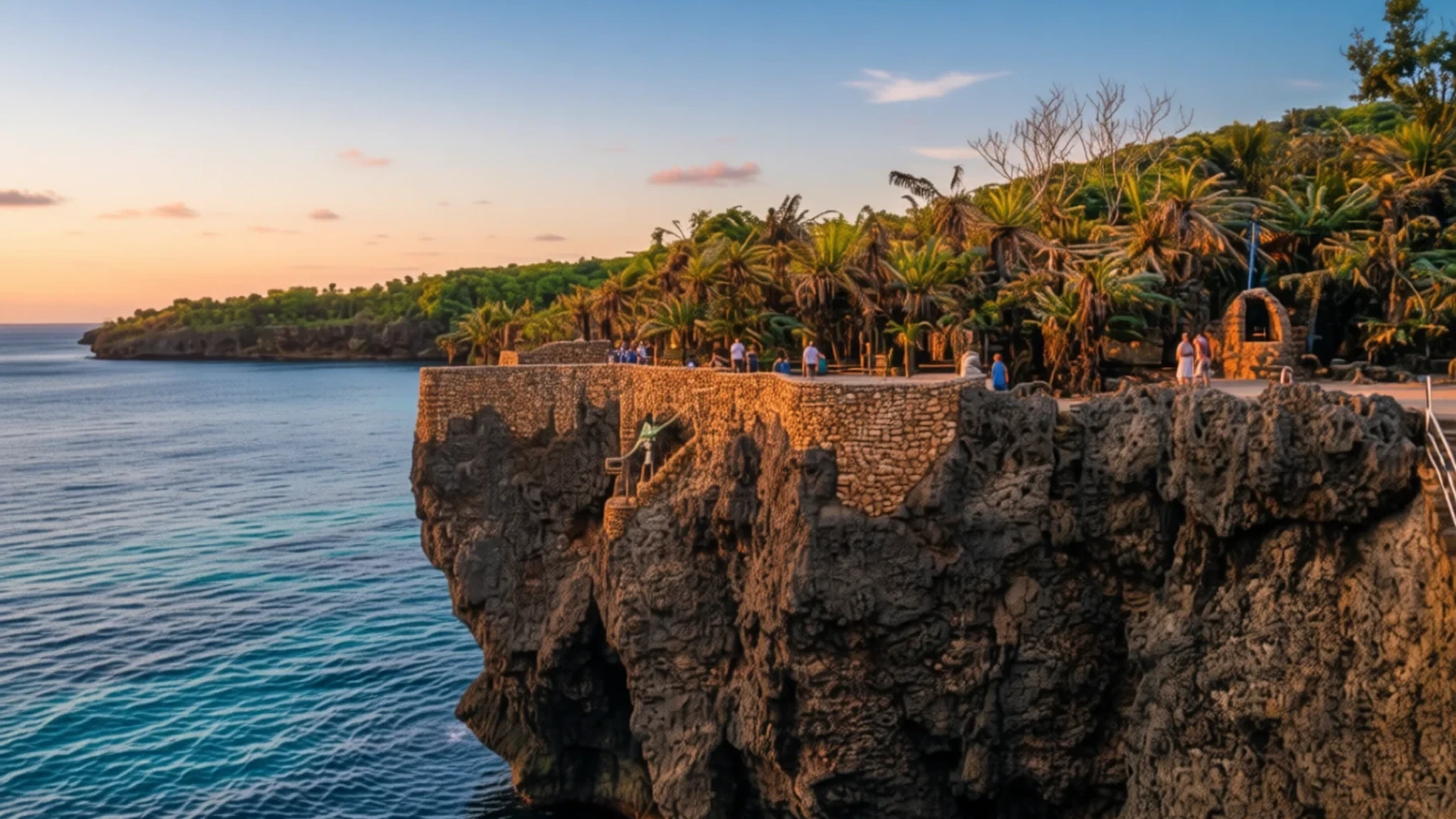
Siquijor is a small Philippine island of hills, cliffs and quiet beaches, best for slow days and cool waterfalls.
The place
Siquijor is an island province in the Philippines, lying in the Bohol Sea between Cebu, Negros, Bohol and Mindanao. It is one of the smallest provinces in the country by both population and land area, so it feels more like a collection of villages than a destination. The capital and largest town shares the island's name, and most daily life runs along the coastal roads that loop around it.
The interior is hilly, and in many places the hills drop straight into the sea, forming steep cliffs and small coves rather than long flat sand. The highest point is Mount Malabahoc, also called Mount Bandila-an, which sits within a national park. Inland you find farms, coconut groves and the remaining molave trees that gave the island one of its older names.
Beaches vary a lot. Stretches near San Juan have resort frontages and good snorkelling and diving. Salagdoong is loved by local families for swimming and jumping from rocks. Waterfalls such as Cambugahay and Lugnason offer cool freshwater swims after a hot morning.
Getting around is the main thing to plan. Roads are reasonable by regional standards, but distances are short, so a motorbike or a hired vehicle lets you cover the island in a day. Expect a relaxed pace, a few rough patches and plenty of pauses for fresh coconut.
Its story
Siquijor's origins are told as legend before they are told as history. The story goes that a storm and an earthquake raised the island out of the sea in the Visayas, and farmers on the higher ground have reportedly turned up giant seashells beneath their plots, which locals take as support for the tale.
Before colonial times the island was known as Katugasan, after the tugas, a molave tree that once covered it. Its timber was prized for house posts that could withstand typhoons and monsoon winds, and it was also shaped into wooden ploughs for working the stony soil with draught cattle. Earlier residents lived in caves. Pottery and stone tools from the Sam-ang caves show that, and Chinese ceramics found on the island point to trade contact long before Europeans arrived.
Traditional healing and folk belief systems took shape in this period as well, and they remain part of the island's reputation today. When Spanish expeditions reached the region, the local ruler was Datu Kihod, named in the chronicles of Legazpi's voyage. Spaniards first sighted the island in 1565 and called it Isla del Fuego, the Island of Fire, after the fireflies that gathered in the molave trees at night.
Under Spanish rule, churches and convents were built, many from local limestone and coral, and their stone walls still shape the towns. Siquijor later became a province in its own right, a status it has held since 1971. Its history is less about grand events than about a community that adapted its trees, caves and faith to a hard, rocky landscape.
What to see
- St. Francis of Assisi Church — Siquijor town
The church in Siquijor town is a limestone building, and its front facade shows the pale stone it was made from. The separate belltower stands right beside it and is worth a look from several angles. Go in the morning, when the light falls across the front, and dress modestly because this is a working parish church.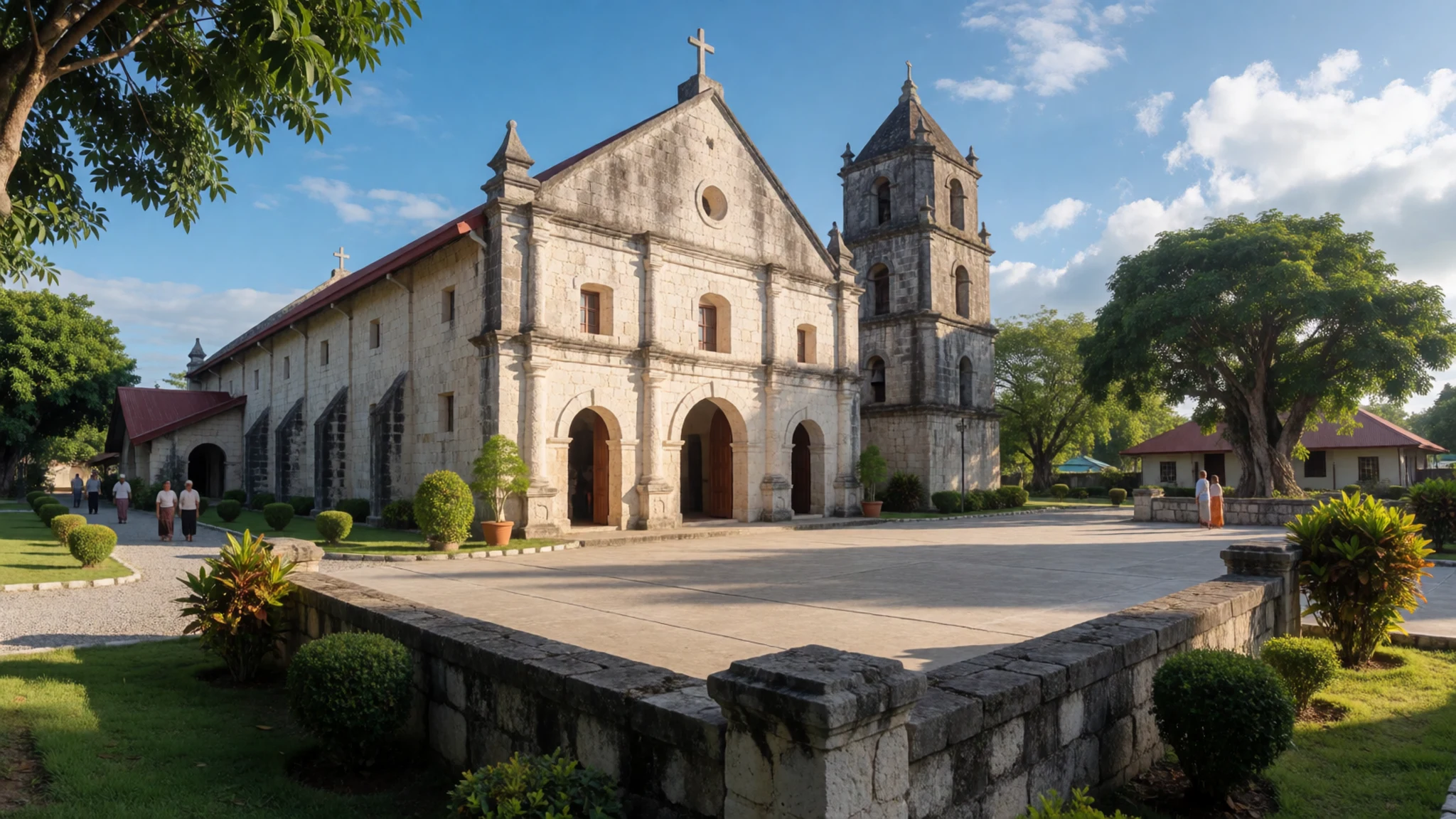
- San Isidro Labrador Convent — Lazi, east of the island
Travel listings describe this convent in Lazi as one of the biggest and oldest in the Philippines. Building began in the late nineteenth century under Spanish rule. Its thick walls and quiet courtyards make it a good place for a slow walk, and the parish church in the town is worth seeing alongside it. Keep voices low and avoid climbing on the old stonework.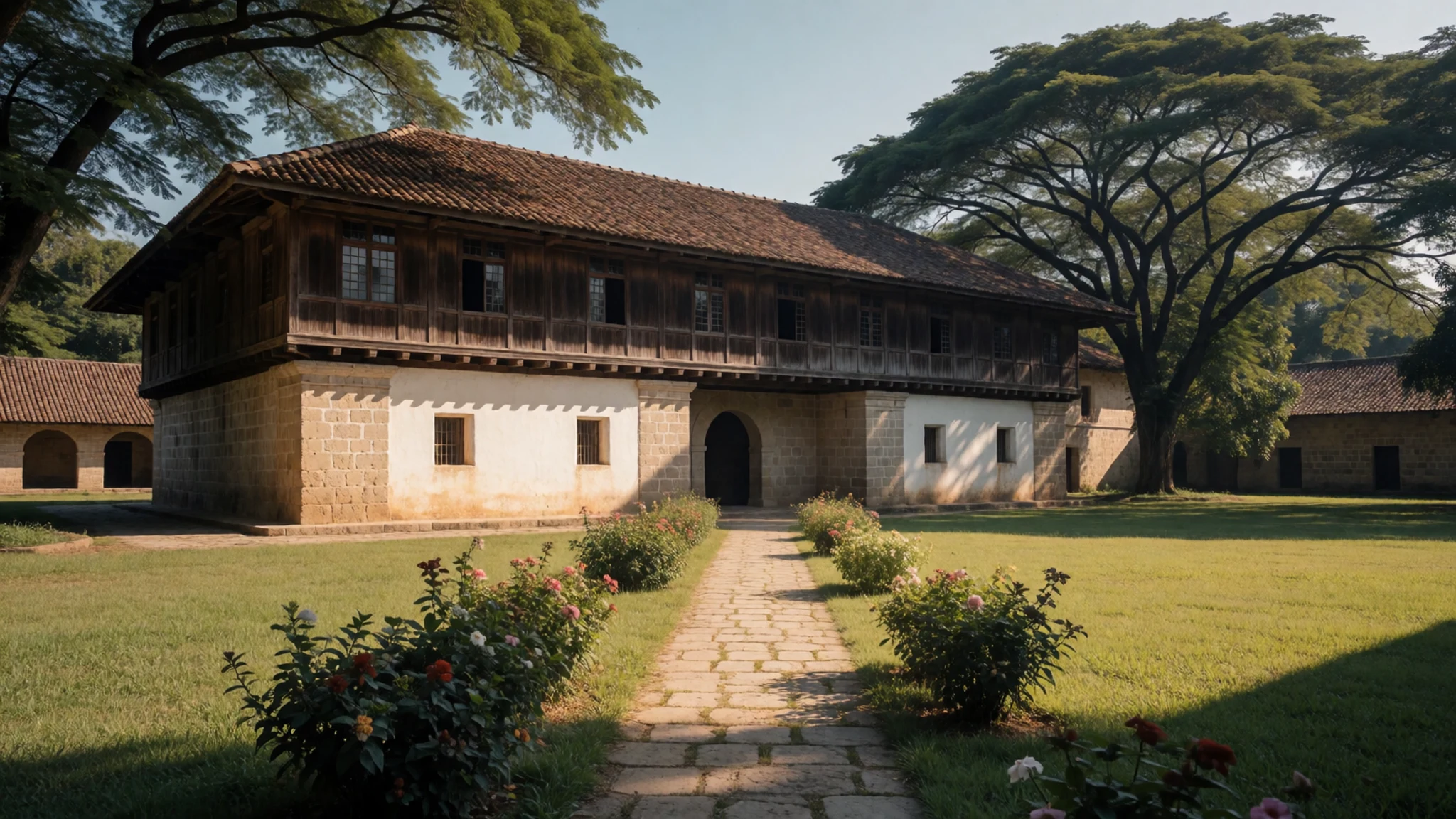
- Cambugahay Falls — Outskirts of Lazi
These falls sit just outside Lazi, dropping through stepped tiers into clear pools that suit a swim. Steps and paths lead down to the water, and the rocks can be slippery after rain. Bring water shoes, leave valuables with someone dry, and go early to enjoy the pools before tour groups arrive.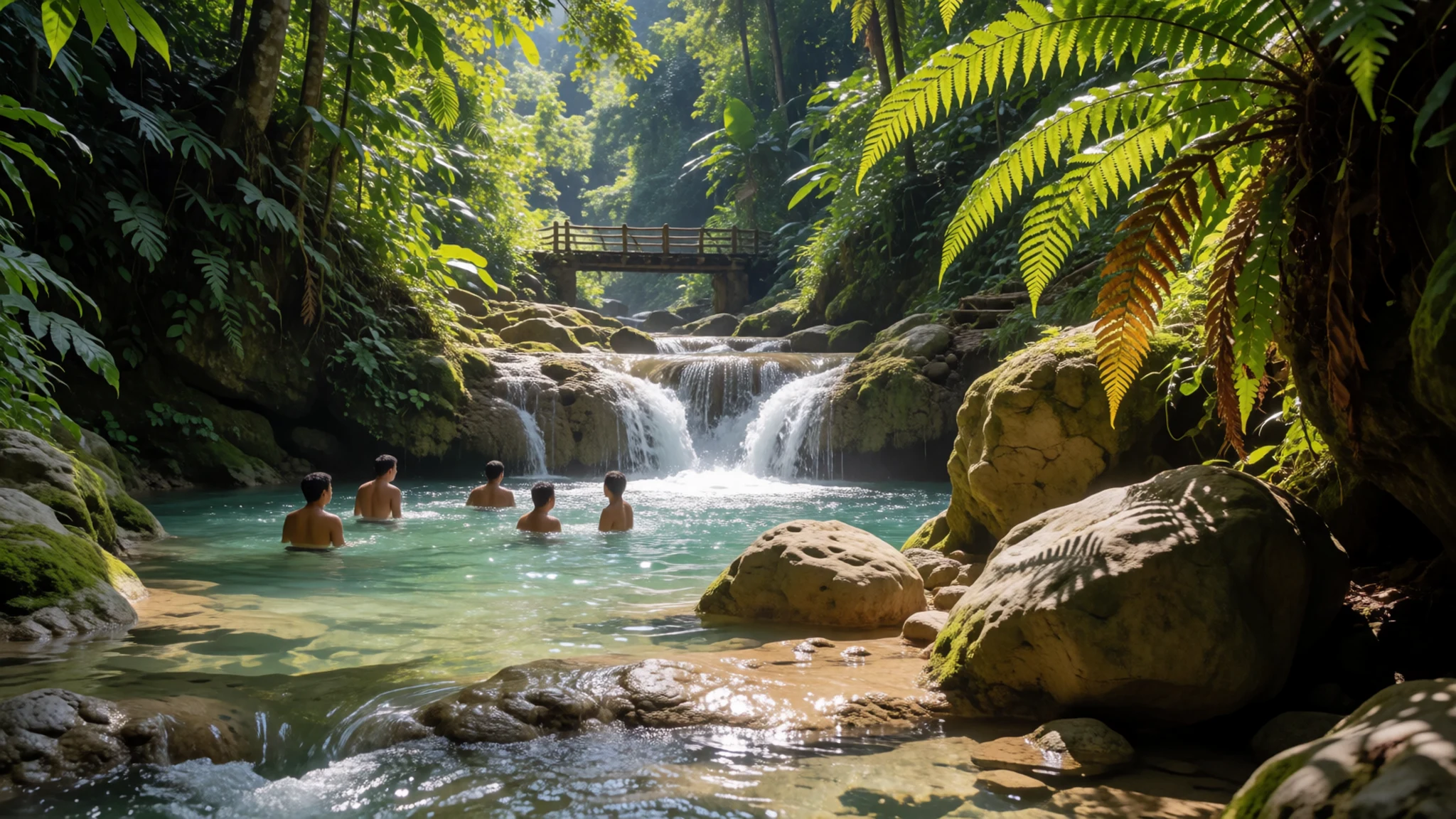
- Salagdoong Beach — North-east coast
This beach on the north-east coast is a favourite with local families for swimming and snorkelling. It has water slides, rock ledges for jumping into the sea and simple places to eat. Weekends are busiest, so arrive early if you want a quieter swim, and be sensible about jumping, since the depth can vary.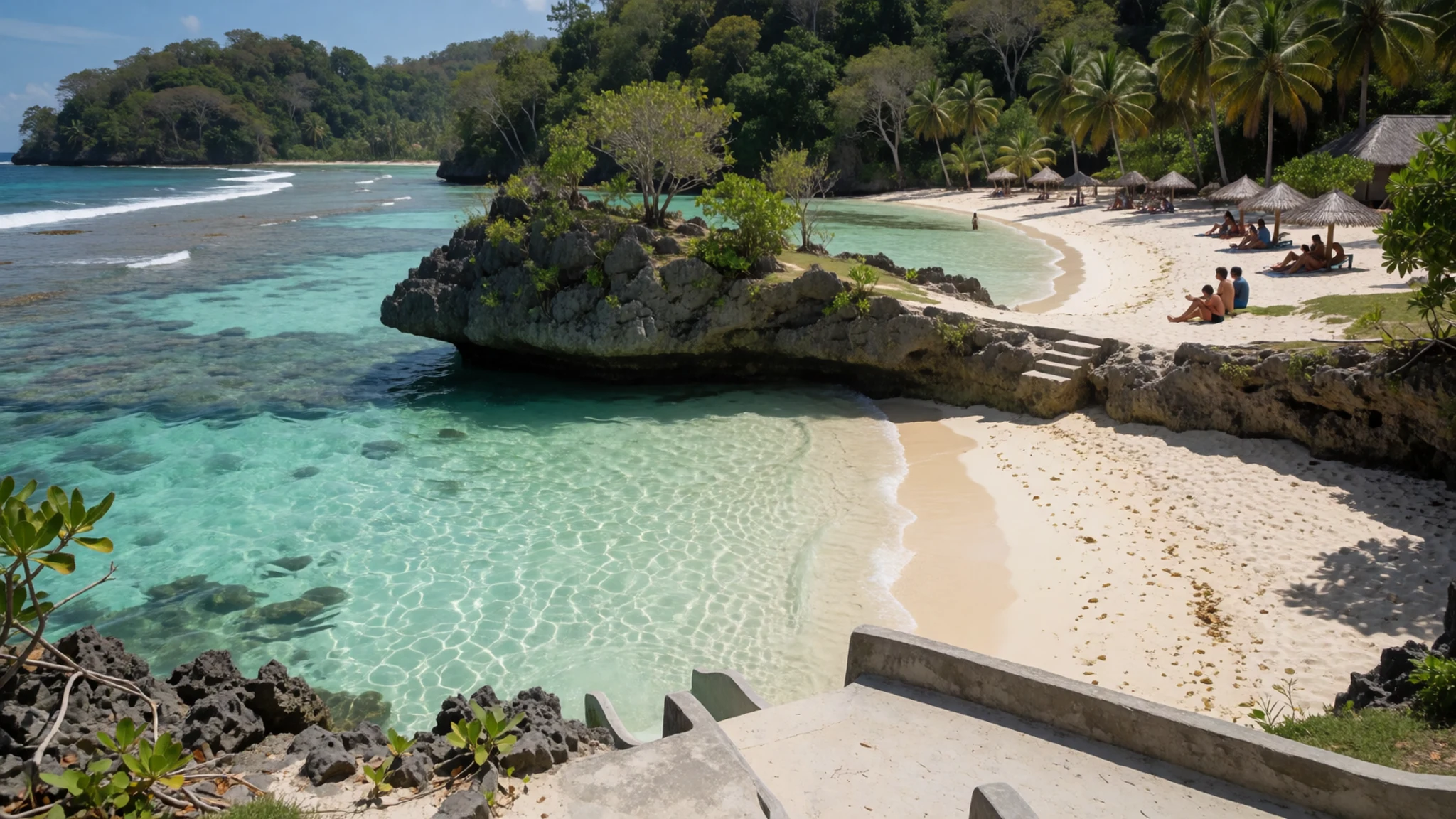
- Capilay Spring Park — Centre of San Juan
In the centre of San Juan, a natural spring feeds a swimming pool that stays cool even on hot afternoons. Locals gather here at weekends, so weekdays are calmer. It is a good contrast to the sea, and the shady edges make it an easy stop between beach visits.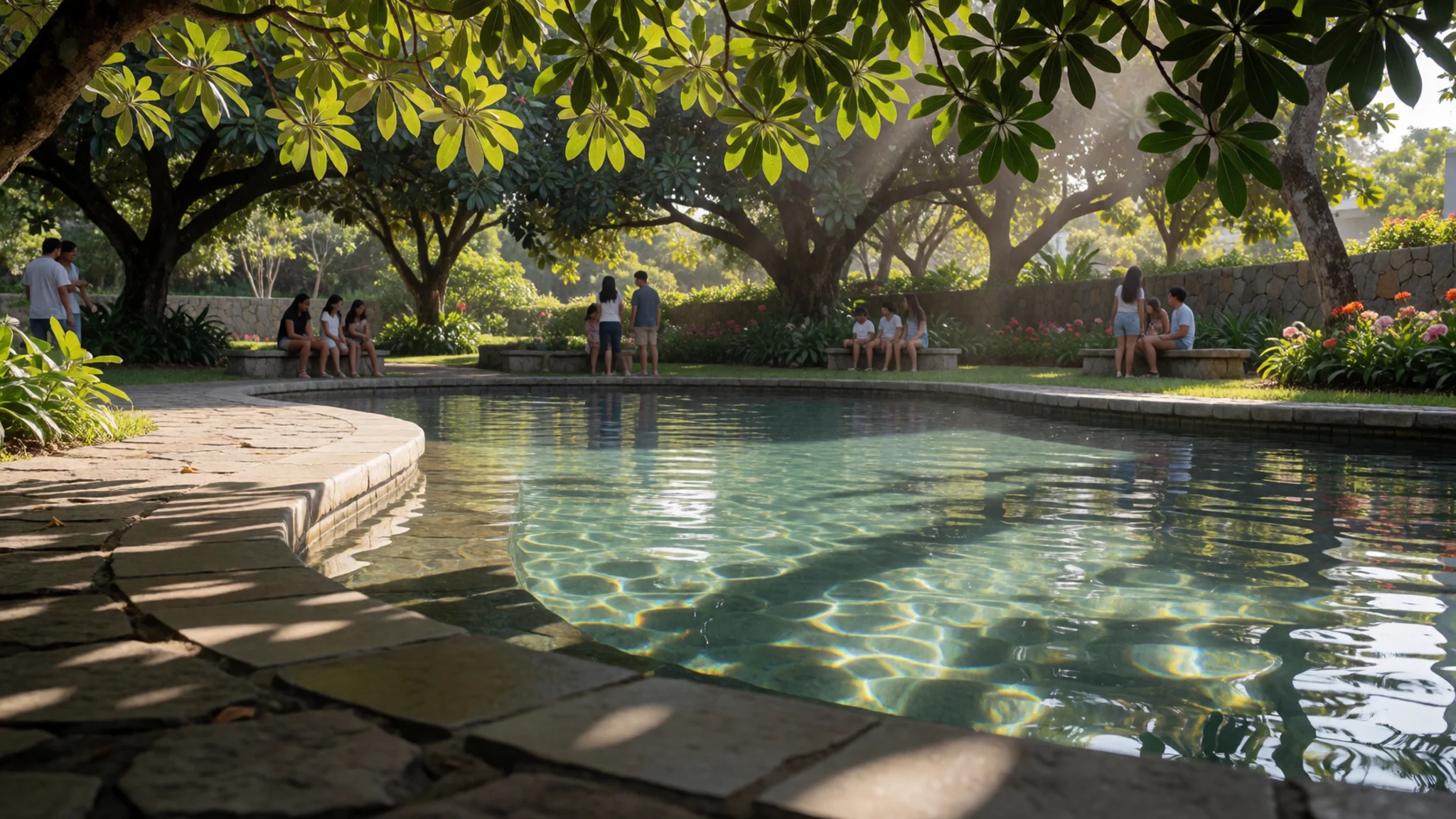
- Mount Bandilaan National Park — Central hills
This park in the middle of the island contains its highest peak, Mount Bandila-an, also called Mount Malabahoc. The paths are shaded in places but mostly exposed, so start early and carry plenty of water. Local guides can help with the route, and the views across the island are the main reward.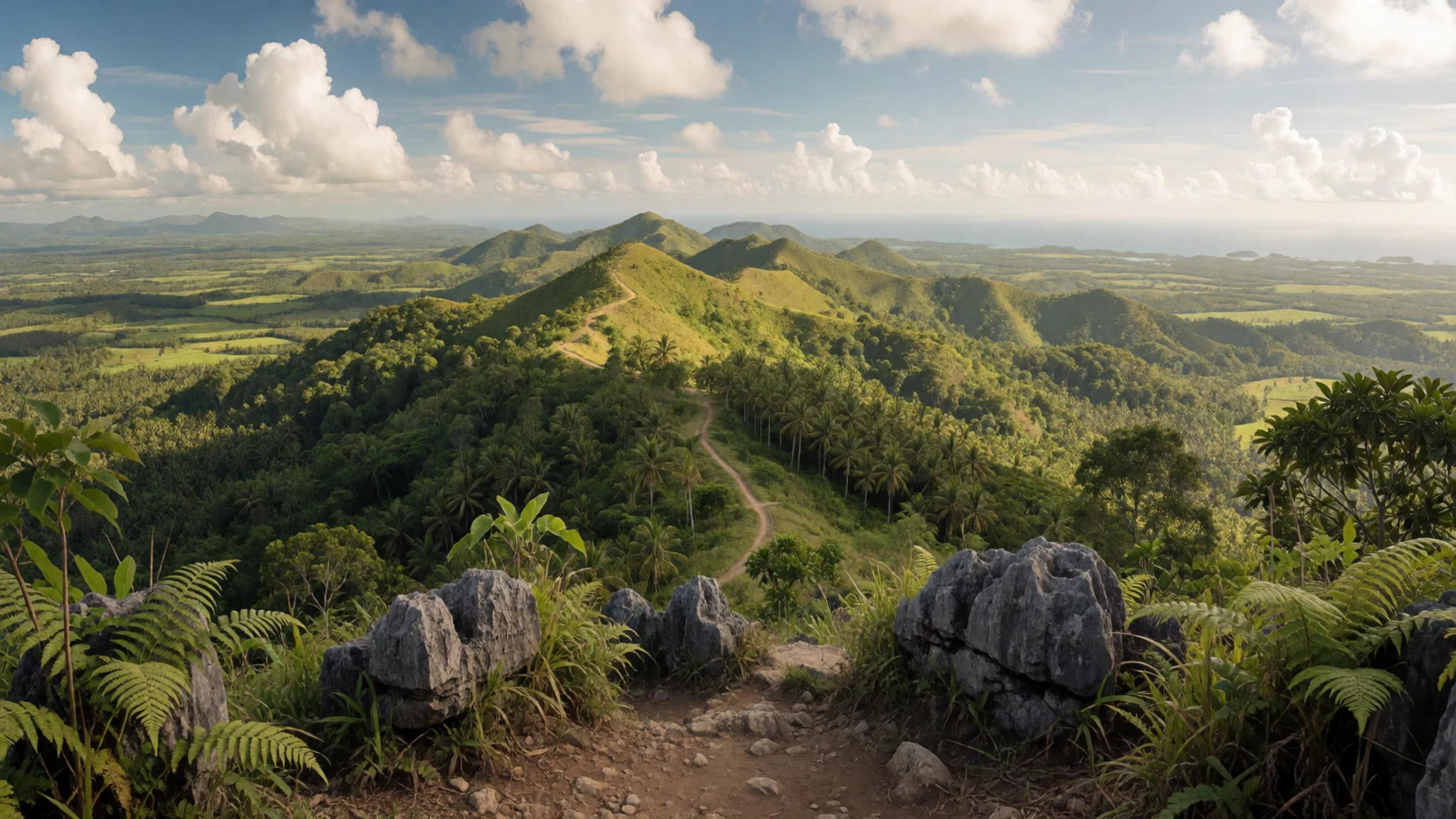
Culture
Siquijor is largely Catholic, and its towns are built around churches, many of them old stone buildings from the Spanish period. Sunday mass draws families in their best clothes, and the parish churches are working places of worship before they are sights. Keep your voice low inside and sit quietly if a service is under way.
Alongside the church calendar, the island keeps older traditions of healing and folk belief. Visitors sometimes hear stories about enchanted places, such as the old balete tree in Lazi. Treat these as living local belief rather than entertainment, and do not ask to watch a healing session.
Hospitality matters here. People often greet you with a smile, and a simple 'magandang umaga' (good morning) goes a long way. Shop prices are usually fixed, but tricycle and boat fares are often agreed before you set off. Rural roads pass through family homes, so slow down near houses and children.
Ask before photographing people, their homes or any healer, and cover your shoulders and knees when you enter a church.
What to wear
Siquijor's traditional dress is part of the wider Filipino wardrobe rather than something unique to the island. The barong Tagalog is an embroidered formal shirt worn outside the trousers. It is made from pineapple-leaf fibre (piña) or sheer jusi, and it appears at weddings, baptisms and town fiestas. Women traditionally wear the baro't saya, a fitted blouse with a long wrap skirt, often in piña or abaca cloth.
Day to day, people dress simply. Shorts, t-shirts, sleeveless tops and flip-flops are common in towns and in the fields, and many people wear jeans. School uniforms are a neat visual cue on weekday mornings. Churchgoers tend to dress up for Sunday mass, with collared shirts and dresses that cover the shoulders.
For a visitor, the heat decides most things. Choose loose cotton or linen, a sun hat and a light long-sleeved layer for boat trips. Cover shoulders and knees at churches and convents. Wear sandals with a good grip for village roads and rocky waterfall paths, and bring water shoes for Cambugahay. Swimwear is fine on the beach, but change before you walk into town.
What to eat
- Grilled fish and seafood — Beachside stalls and seafood eateries along the coast
Eaten at beachside stalls and simple seafood eateries along the coast. Fish is usually chosen from the morning catch and grilled over charcoal with garlic and salt, then served with a dip of calamansi or vinegar. It is cheap, filling and best eaten with rice at a table near the water.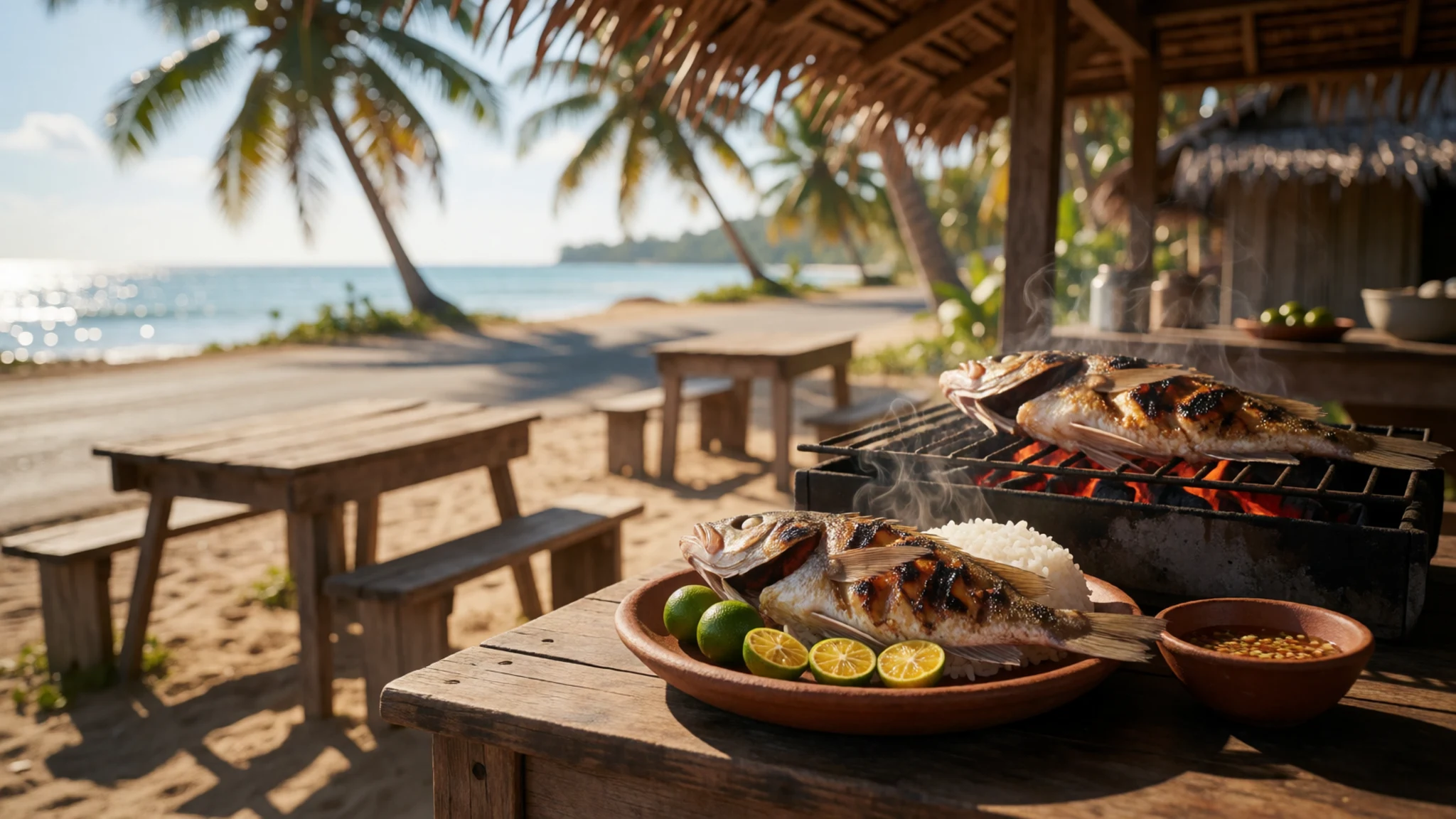
- Fresh young coconut — Roadside stalls and beach vendors
Sold from roadside stalls and by vendors on the beach, who open a young coconut with a blade. Drink the water first, then ask for the soft flesh scraped from the shell. It is a cheap way to cool down on the hot coast road, and the stalls are easy to spot.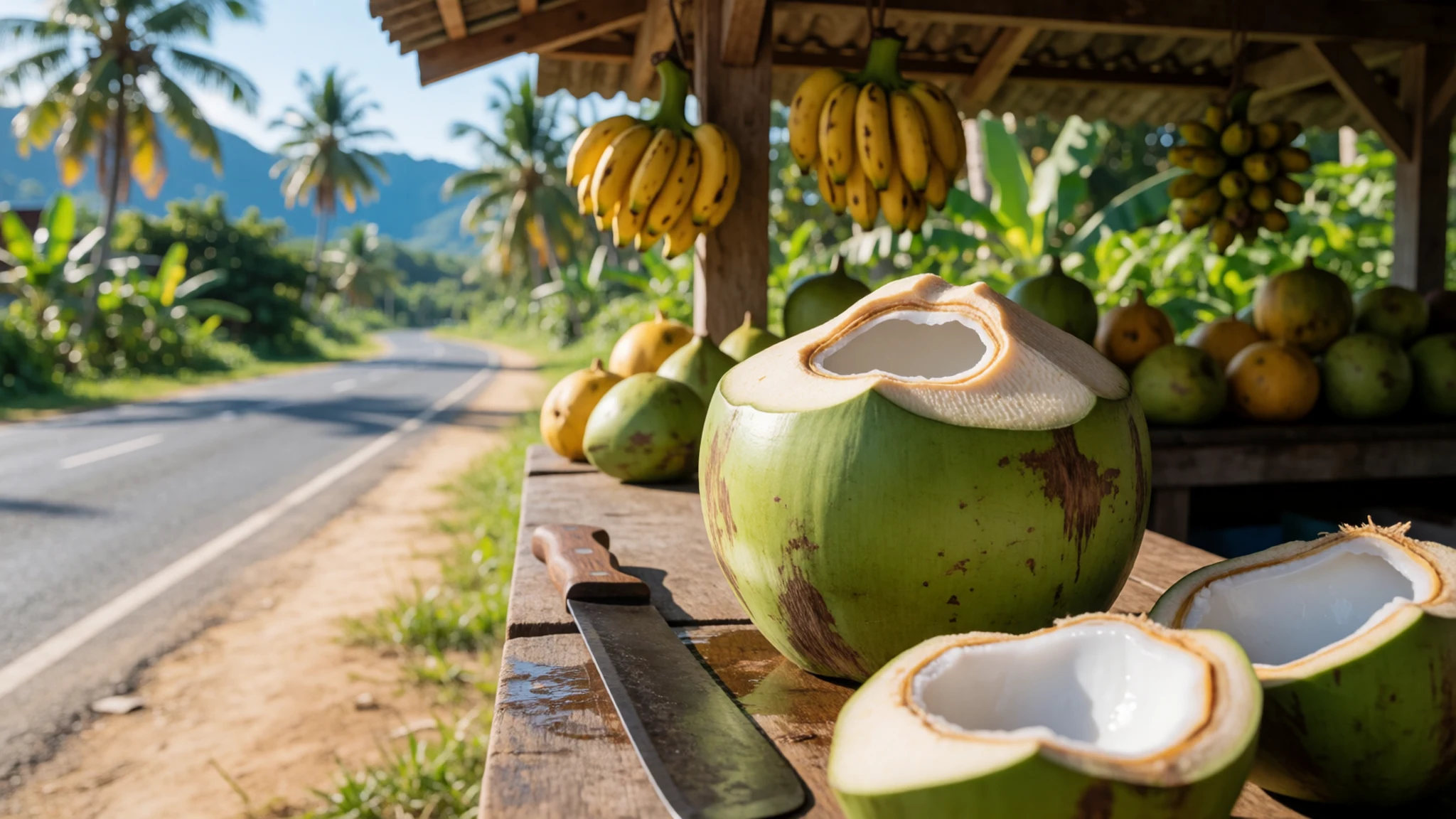
- Chicken or pork adobo — Home-style eateries around the Siquijor town public market
Found in the home-style eateries around the public market in Siquijor town. The meat is simmered in soy sauce, vinegar, garlic and bay leaf until tender, then served with rice. Lunchtime is the best time to ask, when cooks have a full pot on the stove. - Grilled meat skewers — Evening stalls near the Siquijor town market and roadside carts
Sold at evening stalls near the town market and from roadside carts. Pork or chicken pieces are marinated in a sweet soy and garlic sauce and grilled over coals. Eat them standing at the cart with a spicy vinegar dip for extra bite. - A long lunch at Villa Marmarine — Restaurant on the road north of Siquijor town towards Larena
Villa Marmarine lies on the road north of Siquijor town towards Larena. Travel listings describe its food as among the best on the island, and it makes a good lunch stop after a morning on the coast. Check current opening times before you go, as they may change.
Plan it
Best time. The drier stretch from roughly February to May suits beach days and boat trips, though afternoons are hot and humid. The wetter months bring heavy rain and typhoon risk, and ferries can be cancelled, so keep a spare day in reserve.
How long. 3–4
Getting there. Fly into Dumaguete, Panglao on Bohol or Mactan-Cebu, then take a ferry. Siquijor has its own small airport with limited flights, mainly from Cebu. Ferries run to Siquijor town port from Dumaguete, with fast boats from Cebu City and slower services from Tagbilaran and Plaridel, which dock at Larena.
Budget. low
Tips
- Book ferries ahead in busy periods and check timetables, since slow boats keep fixed schedules
- Rent a motorbike only if you are confident on steep hills and gravel roads
- Carry cash, as small resorts, eateries and tricycle drivers may not take cards
- Visit Salagdoong and Capilay early to avoid weekend crowds
- Bring water and sun protection, because the hill walks have little shade
- Keep a spare day for weather, since rough seas can disrupt ferries
Etiquette
- Dress modestly when visiting churches and convents
- Ask before photographing people, homes or healers
- Take your rubbish away from beaches and waterfalls
Nearby
Sources
- Wikidata Q13879 (CC0)
- Wikipedia: Siquijor (rev 1383196423) (CC BY-SA 4.0)
- Wikivoyage: Siquijor (rev 5241226) (CC BY-SA 4.0)
- Photo: Siquijor, RM Bulseco (01-siquijor-11052533034.jpg) (CC BY 2.5)
- Photo: St. Francis of Assisi Church, Franz Miko Verzon (02) (CC BY-SA 4.0)
- Photo: St. Francis of Assisi Church Belfry, Franz Miko Verzon (03) (CC BY-SA 4.0)
- Photo: Lazi Convent, Carmelo Bayarcal (04) (CC BY 3.0)
- Photo: Salagdoong Beach, Harry Fozzard (05) (CC BY 2.5)
- Photo: Cambugahay Falls, Lawrence Ruiz (06) (CC BY-SA 4.0)
- Photo: Siquijor provincial flag, Brad-XXVII (07) (CC BY-SA 4.0)
- Photo: San Isidro Labrador Parish Church, Herbertkikoy (08) (CC BY-SA 4.0)


