Sinharaja Forest Reserve
Sinharaja Forest Reserve, Sri Lanka
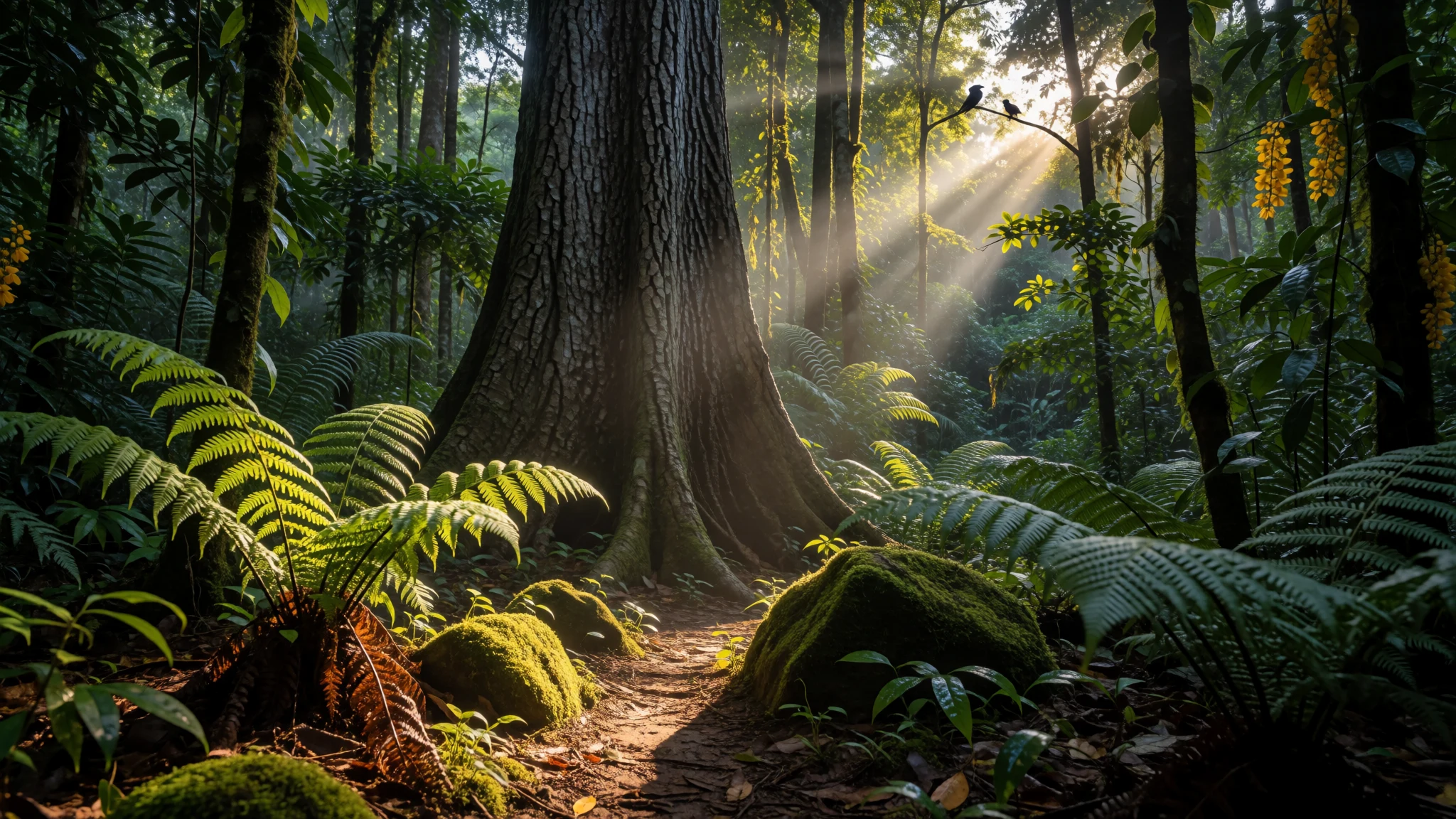
Sinharaja Forest Reserve is Sri Lanka’s last stretch of intact rain forest, where endemic birds and wildlife live quietly behind the trees.
The place
Sinharaja Forest Reserve is Sri Lanka’s last “virgin” rainforest, tucked into the Kalu Ganga basin with a smaller slice reaching into the northern Gin Ganga. Most of the protected area sits in Rathnapura District, with portions also in Galle and Kaluthara districts, so the forest feels like a journey through several landscapes rather than one neat viewpoint.
The atmosphere is what stays with people: layered green light, constant damp air, and a dense understory that makes the forest look almost stitched together. The reserve is recognised as a UNESCO site, and it’s home to many endemic species—plants and animals that occur only in Sri Lanka. There’s also a deep-time storyline to the place. The rainforest ecosystem is associated with Jurassic-era formation, and the forest is often described in terms of how crowded plant life is across the land.
Logistically, Sinharaja is not like a city park you can pop into for an hour. The entrances are spread out, and getting in and moving around usually means working through local guides and following the access rules. It’s also not a “wear what you like” destination: the ground can be muddy, the trails can be narrow, and the air can be heavy with rain or fog. Leeches are part of the reality too, so proper clothing and repellent are not optional.
Crowds tend to be manageable compared with Sri Lanka’s big coastal hotspots, but on peak days the main entry routes can feel busy—especially with groups arriving together.
Its story
Sinharaja Forest Reserve feels like stepping into a living archive. The canopy holds onto moisture, the air muffles sound, and the forest doesn’t open up into big, easy panoramas. Instead, it reveals itself in interruptions: a flash of movement on a branch, a leaf texture close enough to count the ridges, or the sudden clarity that comes when you stop walking and just listen.
The reserve’s conservation rules shape the experience. Access is generally through main entrances, and visitors enter with licensed guidance—partly for safety, partly to protect the habitat and keep human impact low. That guidance matters because the forest is big, paths can be narrow, and there are risks you don’t see until you’re already on the ground.
Wildlife sightings happen, but they’re never guaranteed. You may spot signs rather than the animal itself, and birdwatching is often where people get the most “direct” pay-off: calls overhead, movement through the canopy, and endemic species that make the effort feel worthwhile.
There’s also the practical rhythm of a rainforest day: rain can arrive without warning, temperatures can feel sticky, and getting out is not the same as getting lost—so staying with your group and doing what your guide recommends is part of travelling well here. In the evenings, the outside world (roads, rooms, meals) feels very far away. Then the next morning comes with a familiar soundscape: rustle, insects, and the steady hush of dense forest.
What to see
- Birdwatching moments — Forest trails and entry routes
Sinharaja Forest Reserve is a core place for endemic birds in Sri Lanka, so bring binoculars. Often the best sightings come from patience—watch canopy movement, listen for calls, and let your guide point out likely spots.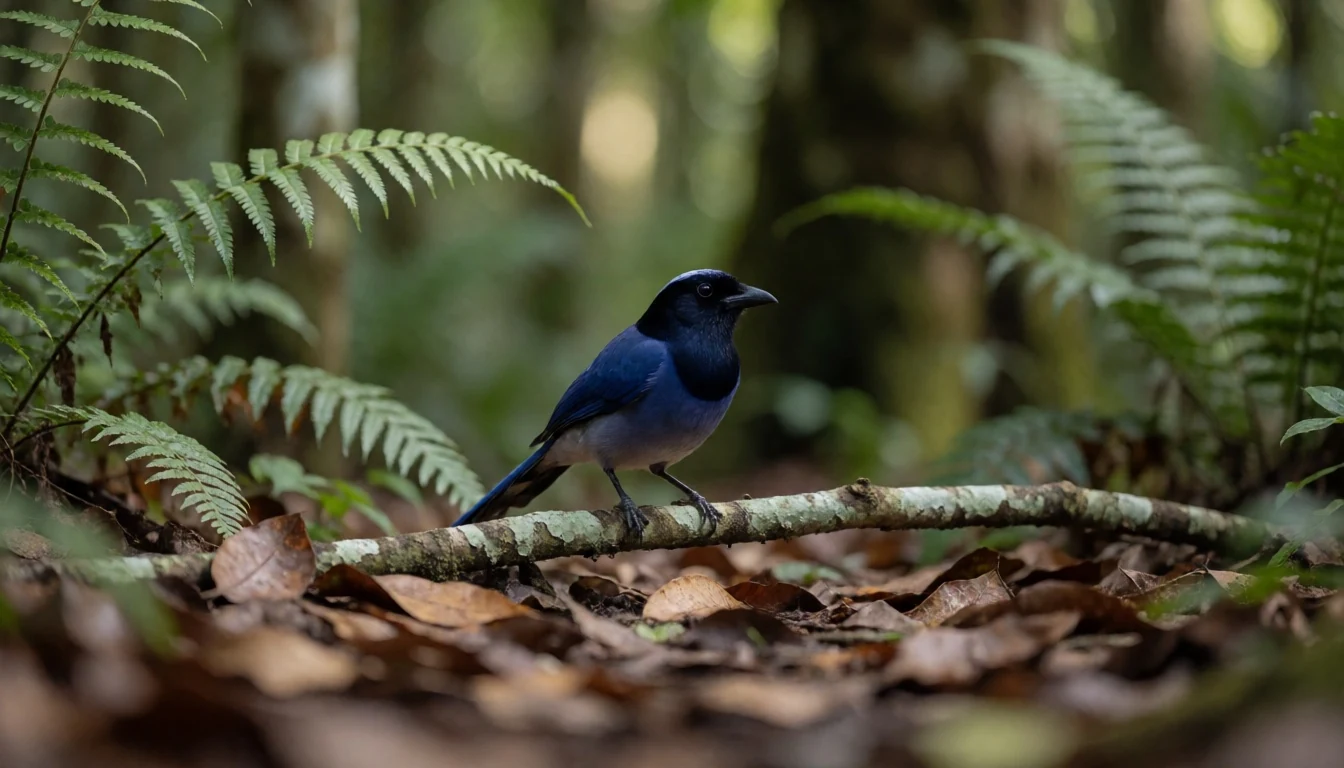
- Giant rainforest trees (Shorea) — Primary jungle areas
Sinharaja Forest Reserve is packed with big forest giants, including Shorea trees. You get that old-growth feeling in the way branches and bark fill your view, even when you’re only walking a trail.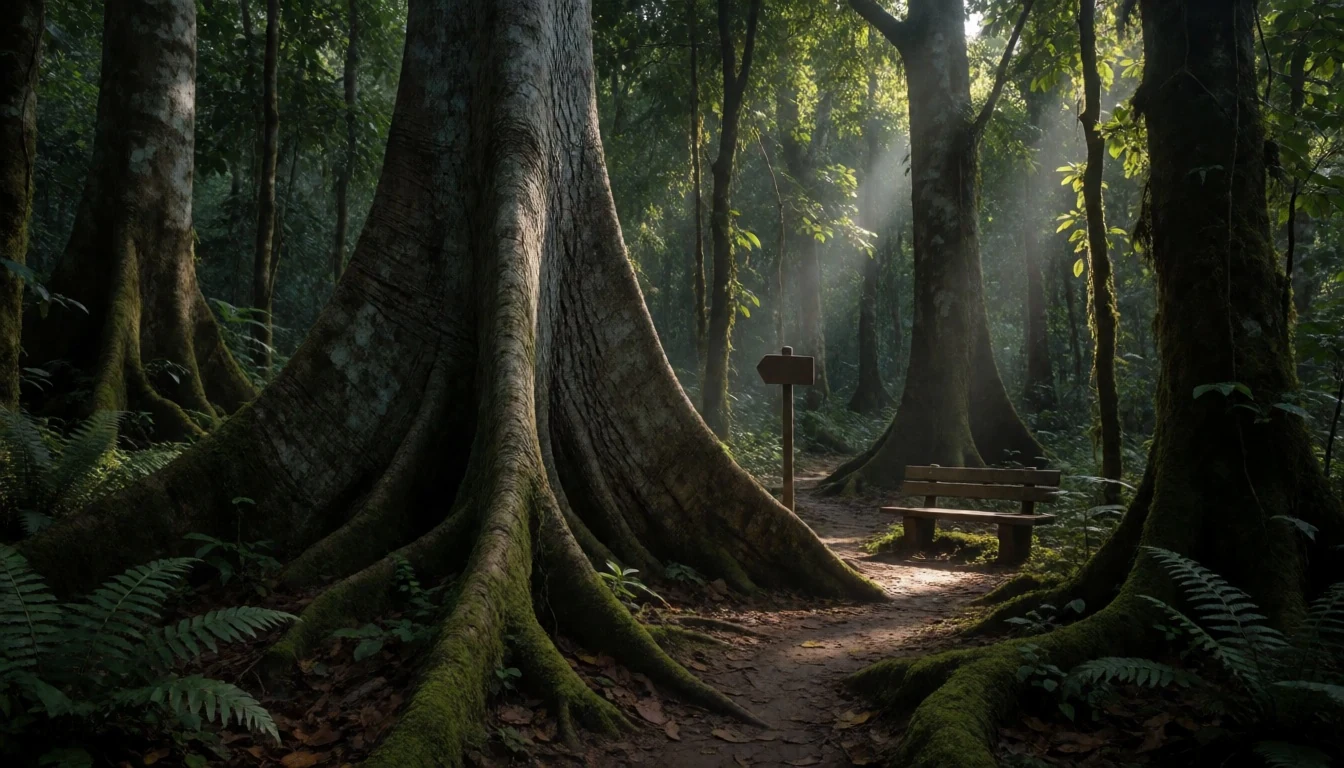
- Fern understory and fern scrub — Fern-scrub and trail sides
Sinharaja Forest Reserve has striking fern life, including places where fern scrub dominates the ground layer. Types of ferns like Cyathea add a sculptural look when you stop to look down along the trail edges.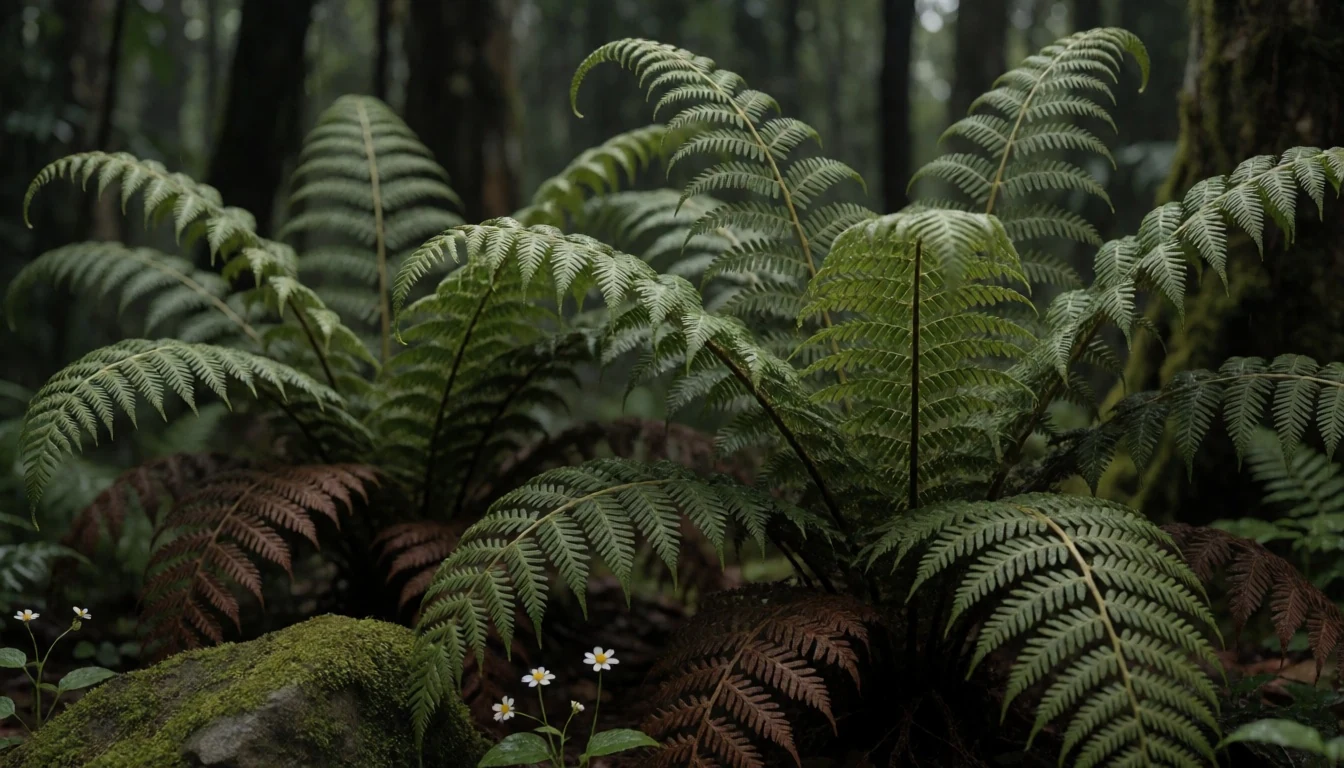
- Hidden wildlife chances — Along narrow paths
Sinharaja Forest Reserve sometimes delivers wildlife sightings, including possible large animals. The forest can hide everything at first glance, so slow down, keep quiet, and rely on your guide’s local knowledge.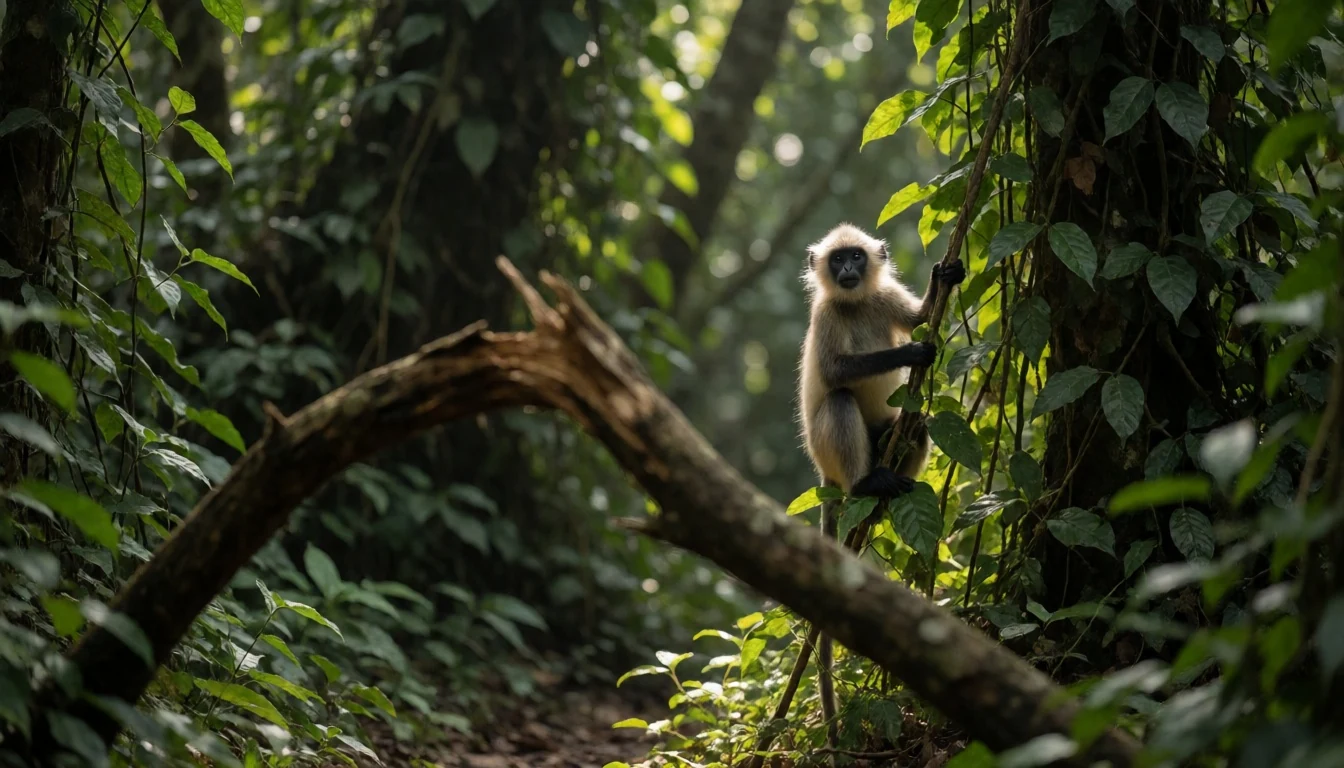
- Seasonal blooms—some are invasive — Forest edges and clearings
Sinharaja Forest Reserve landscapes can include non-native plants alongside native rainforest growth. You may see vivid flowering trees in openings and edges—interesting, but not a sign that the ecosystem has stopped being dynamic.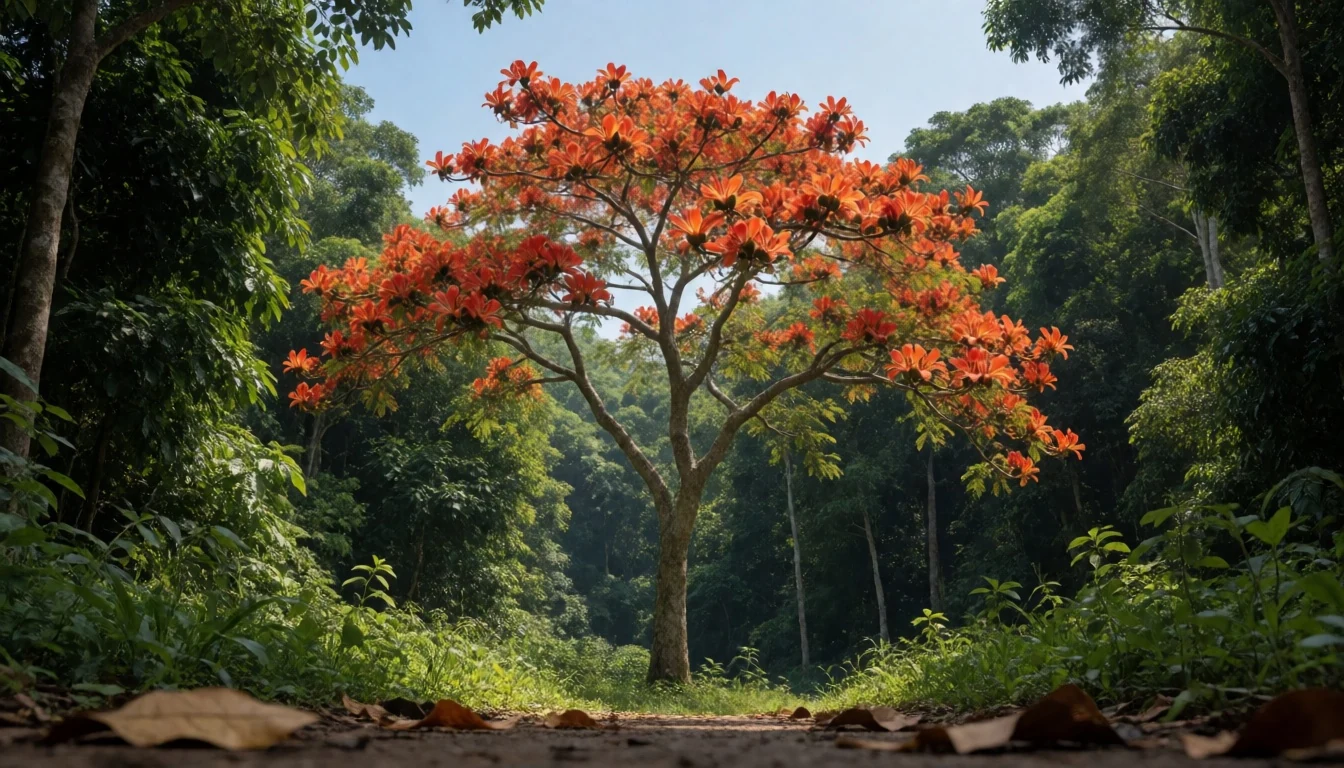
Culture
Sinharaja Forest Reserve is a protected forest that works only when visitors follow conservation rules. Entry is typically through defined entrances, and being accompanied by a licensed guide is part of how the reserve stays intact. That guidance also helps you navigate safety realities like narrow paths and the presence of venomous snakes.
Expect leeches to be a factor in the experience. Long clothing plus leech repellent with picaridin or DEET are recommended, because the rainforest’s wet conditions make quick stops and “just rolling up your socks” a poor strategy. Eating is also controlled: there’s no restaurant or shop inside the forest area, and eating is possible only in rest huts. Picking fruit and carrying packaging you might be tempted to drop is prohibited, so plan for rubbish to stay with you.
Photographs and wildlife watching should be done without disruption—stay with your group, keep movements slow, and don’t push for close contact with animals. The aim is to pass through the forest lightly, not to treat it like a backdrop for fast, noisy sightseeing.
Visitor etiquette: keep to the trail with your guide, avoid littering (including fruit packaging), and use long clothing and appropriate repellent to deal with leeches.
What to wear
Sinharaja Forest Reserve doesn’t require special “dress codes”, but the terrain and wildlife risks do require smart kit. There’s no one traditional outfit you need to wear here; instead, think functional.
Traditional dress is common around Sri Lanka’s countryside, but inside the rainforest you’ll mainly see practical clothes chosen for humidity and rain. Because leeches are part of the experience, long, breathable trousers and long-sleeved tops are the baseline, not rolled-up legs. Closed footwear with grip matters—boots or sturdy trainers help on damp, narrow paths.
What people wear now in the area is usually simple: lightweight shirts, long trousers, and rain-ready outer layers when weather turns. Many visitors also carry a small day bag for water and supplies.
What a visitor should wear: long clothing to reduce leech exposure, socks that stay up, and a hat or hood for rain. If you’re using repellent, follow the product instructions and keep it on your skin rather than in ways that risk staining everything you’ll later wear. If you’ll be birdwatching, bring binoculars rather than packing extra “just in case” items that weigh you down in the humid forest.
What to eat
- Picnic-style supplies (bring your own) — Before entry / along the approach roads
Sinharaja Forest Reserve has no restaurant or shop inside the forest area, so plan a packed meal and snacks outside the reserve. Keep food sealed and carry rubbish out; eating is only possible in designated rest huts.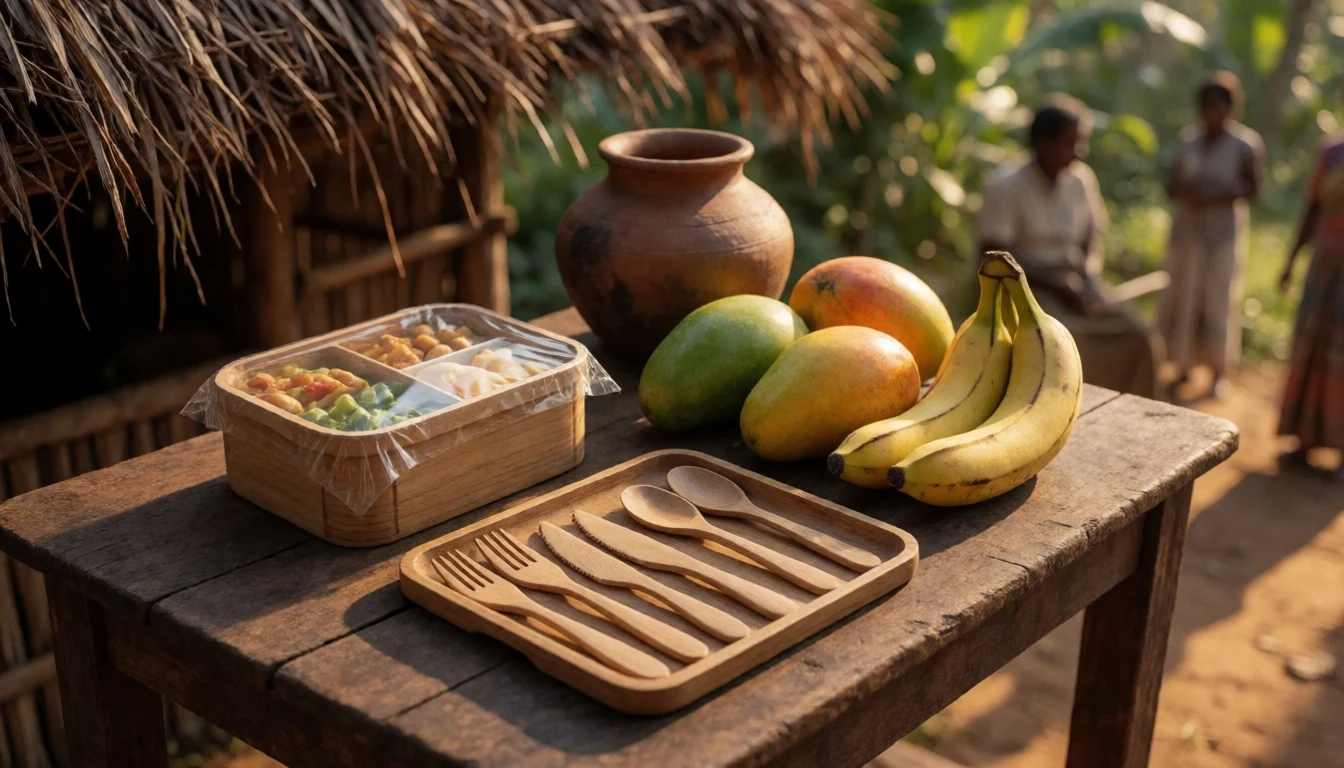
- Water in a reusable bottle — At your accommodation and before the hike
Sinharaja Forest Reserve drink rules are strict: bring plenty of water in a reusable bottle only. “Temporary” soft-drink style bottles are not allowed inside the forest area.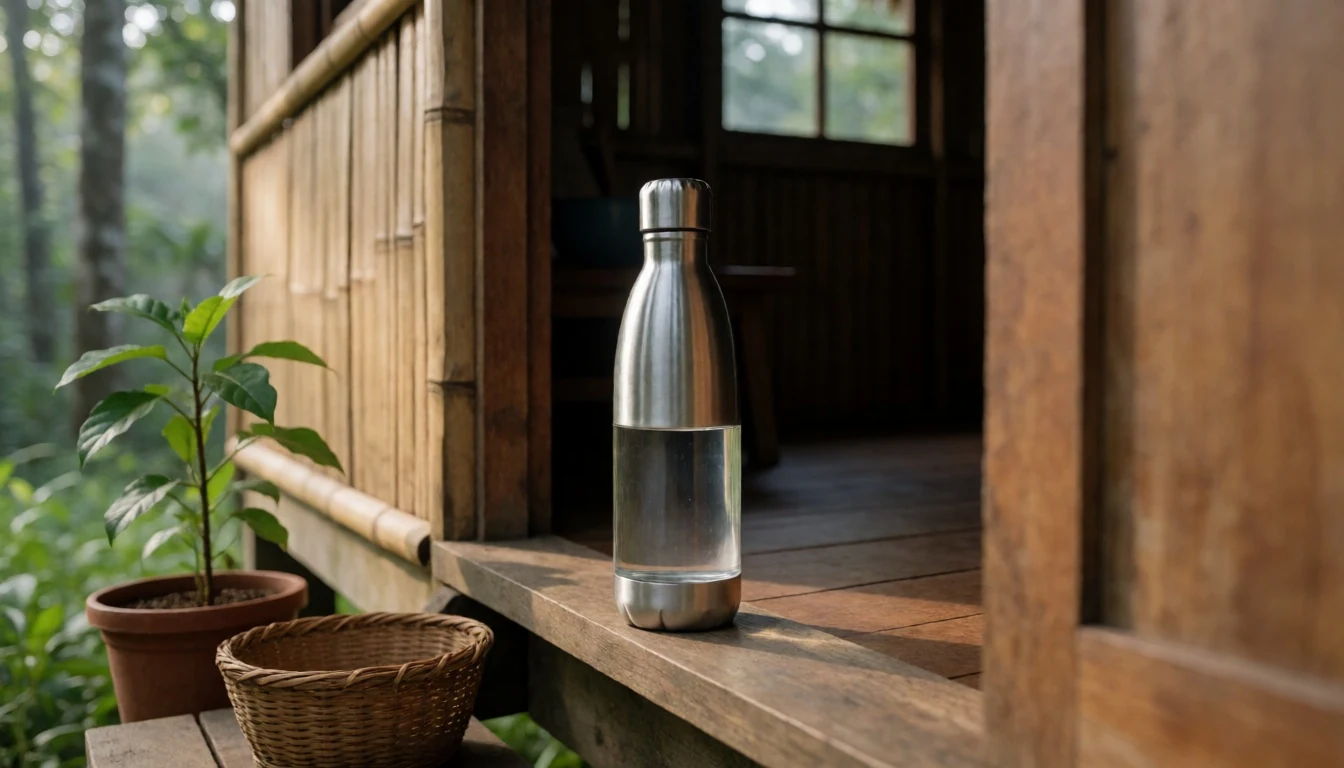
- Meals at nearby rest houses and hotels — Outside the reserve, around the entry areas
The area around Sinharaja Forest Reserve contains some rest houses and hotels. After a walk, these places are typically where you eat proper meals, since there’s no in-forest shop to rely on for replacements. - Rest-hut eating — Designated rest huts inside the forest
In Sinharaja Forest Reserve, eating is possible only in rest huts. If you plan snacks, time them for when rest hut stops are practical, and keep everything tidy so you don’t attract insects or break the litter rule.
Plan it
Best time. March–May are among the wetter months for forest walking, while January–February and July–August are drier; October–December are the wettest. Temperatures are highest in February and September, and lowest in July. For the most comfortable conditions by the numbers, look to January–February and July (warm but cooler and comparatively less rainy); June is wetter than most months, and October–November are also very wet.
How long. 3–4
Getting there. Fly into Colombo, then make your way to the nearest major rail or road connection for the south-west access routes. From the Hatton area, bus links are used to reach the Hatton–Avissawella corridor, then onward by bus towards Rathnapura and the entry area.
Budget. mid
Tips
- Use a licensed guide and build your day around the forest walk rather than trying to “race” through it.
- Start early within your entrance window so you’re not pushing deep into the day’s wet, dim conditions.
- Carry plenty of water in a reusable bottle, and treat repellent and long clothing as essential kit.
Etiquette
- Stay with your group on narrow paths and follow your guide’s safety calls.
- Don’t bathe in streams unless your guide says it is safe.
- Take all rubbish home and avoid bringing packaging you might later discard.
Nearby
Sources
- Wikidata Q375634 (CC0)
- Wikipedia (rev 1383872126) (CC BY-SA 4.0)
- Wikivoyage (rev 5418259) (CC BY-SA 4.0)
- Photo photos/01-20160128-sri-lanka-4132-sinharaja-forest-preserve-srgb-25674.jpg (CC BY-SA 2.0)
- Photo photos/02-2023-sinharaja.jpg (CC BY-SA 4.0)
- Photo photos/03-shorea-stipularis-2.jpg (CC0)
- Photo photos/04-cyathea-sinuata-1.jpg (CC0 1.0)
- Photo photos/05-sinharaja-elephants-2.jpg (CC0)
- Photo photos/06-20160127-sri-lanka-4068-3-4-sinharaja-forest-reserve-srgb-25.jpg (CC BY-SA 2.0)
- Photo photos/07-20160127-sri-lanka-4078-0-3-sinharaja-forest-reserve-srgb-25.jpg (CC BY-SA 2.0)
- Photo photos/08-20160128-sri-lanka-4099-4135-7-sinharaja-forest-reserve-srgb.jpg (CC BY-SA 2.0)


