Sijilmasa
Sijilmasa, Morocco
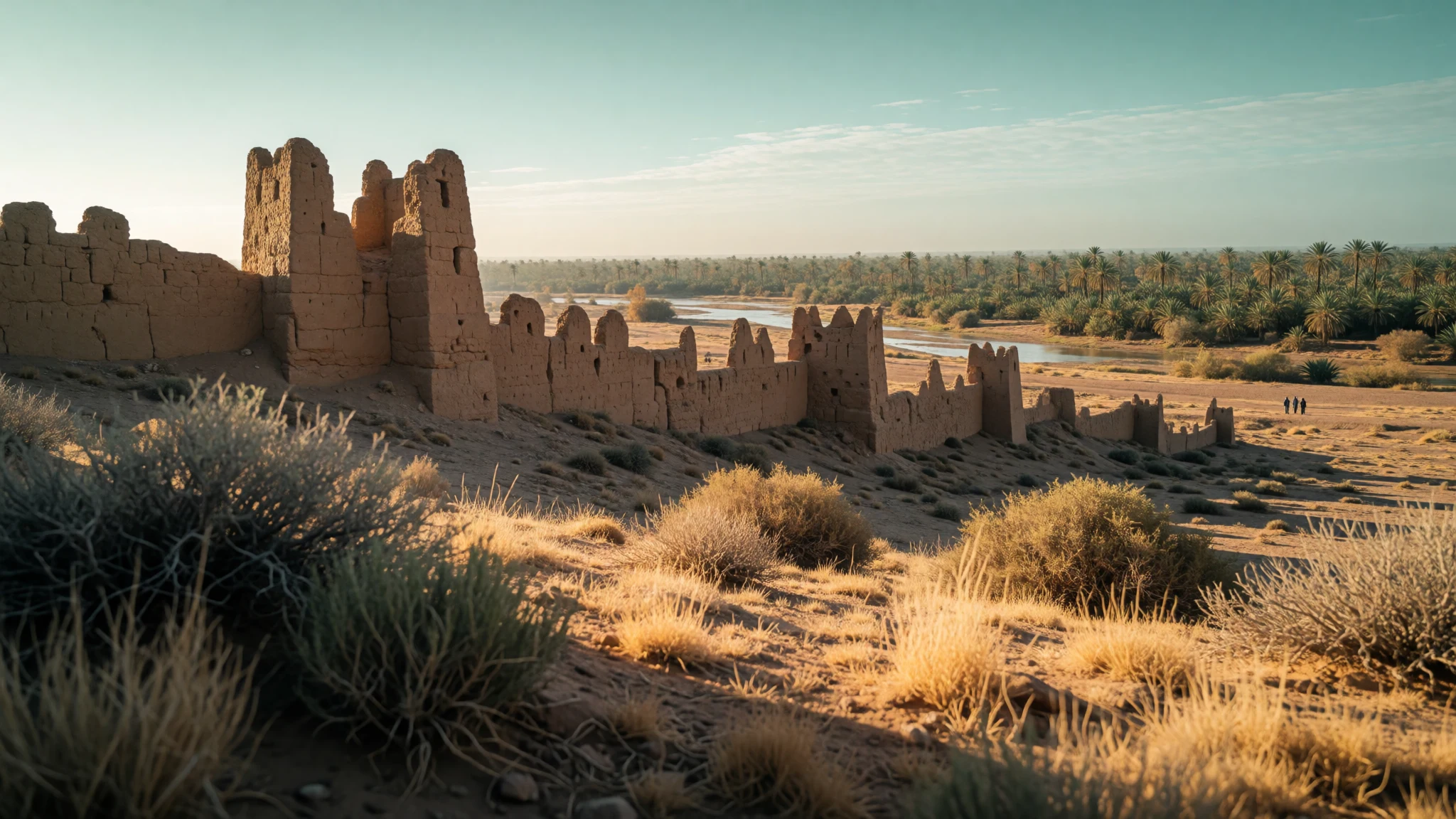
Explore the quiet earthen remnants of a legendary medieval caravan hub where trans-Saharan gold once built an empire.
The place
Sijilmasa stands as an archaeological treasure located at the northern fringes of the great African desert in Morocco. The extensive ruins stretch for miles alongside the River Ziz within the verdant expanse of the Tafilalt oasis, close to the town of Rissani. Established long ago in the medieval era, this settlement functioned as a vital northern terminus for western trans-Saharan trade routes. Caravans laden with goods converged here after enduring harsh desert crossings, connecting the wider Maghreb with regions further south. The economic prosperity and agricultural capacity of the area relied heavily upon an intricate network of ancient canals that brought life-giving water from the river into the arid earth. Over successive centuries, the settlement saw various Berber dynasties rise and fall, each leaving physical marks on its fortifications and urban layout. Today, travellers journey to these quiet remnants to witness where merchants once traded precious metals, textiles, and spices in the heat of the desert winds. While visitors will not find towering palaces intact, the sprawling earthen mounds and fragmented gates offer a profound sense of historical scale, inviting quiet contemplation about the vast trade networks that once linked distant corners of the medieval world under the intense North African sun.
Its story
The origins of Sijilmasa trace back to the eighth century when a group of Kharijites sought refuge in the region following revolts against the Umayyads. According to medieval chronicles, these early settlers joined forces, laid the foundations of the town, and chose a local leader to guide their community through its formative years. As trade routes shifted away from direct desert crossings toward safer western paths, the settlement grew immensely wealthy. Caravans carrying gold and merchandise poured through its gates, and financial transactions reached scales that astonished visiting scholars from distant lands. This vast wealth allowed the local dynasties to assert independence from major caliphates, maintaining autonomy despite shifting political alliances with powerful rulers in Córdoba and Ifriqiya. Legends and chronicles record that prominent figures seeking sanctuary from persecution found their way to these protective oasis walls, fulfilling prophecies and altering the course of regional politics. The city minted gold coins from metal brought up from the south, cementing its reputation as an economic powerhouse. Although time, conflict, and shifting trade routes eventually brought an end to its golden age, the historical narratives recorded by medieval travellers preserve the memory of an extraordinary desert metropolis that commanded the respect of empires.
What to see
- The Northern Gate of Sijilmassa — Northern archaeological zone near Rissani
These striking earthen archaeological remains mark the defensive perimeter of the ancient medieval city. Standing quietly near the River Ziz, the weathered mud-brick arches provide a tangible sense of the grand scale that once greeted weary caravan travellers arriving from across the harsh desert routes.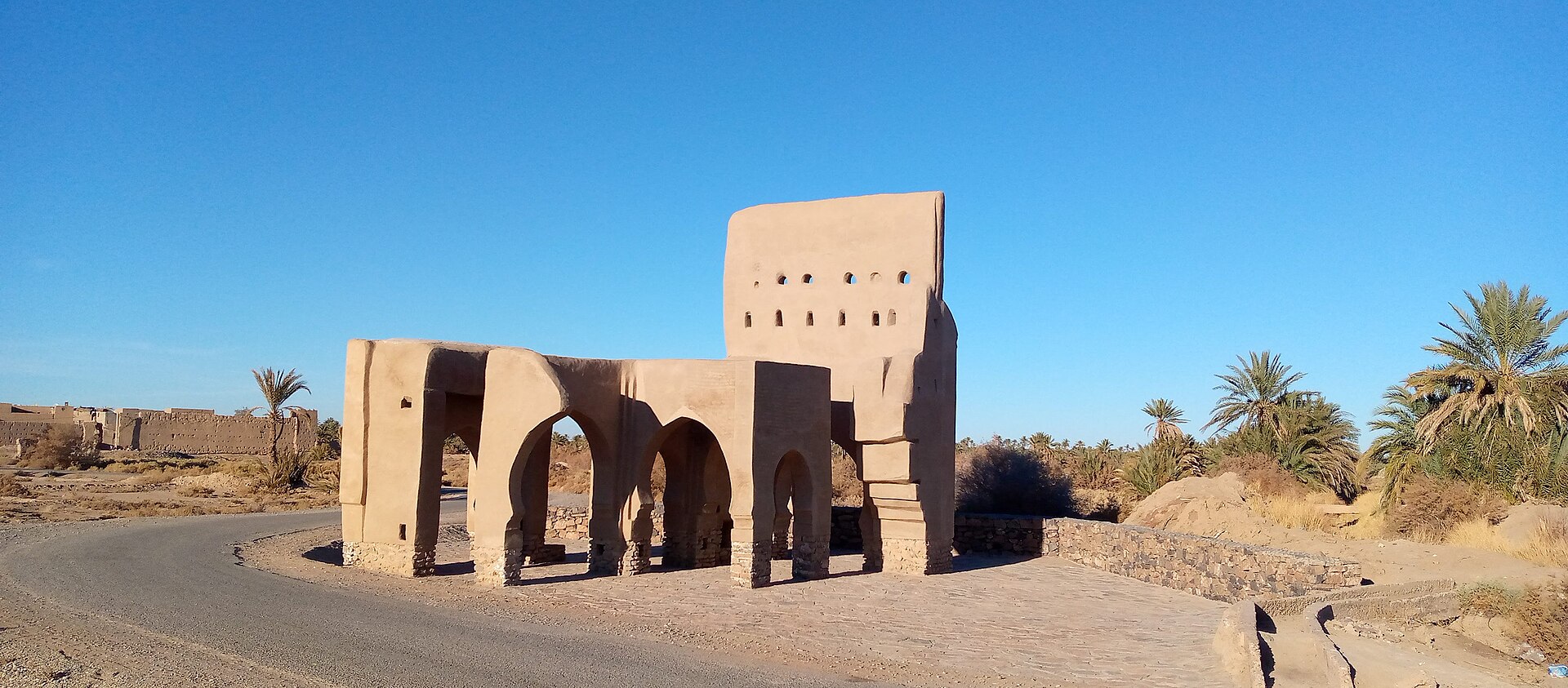
- Sijilmassa Museum — Rissani town centre
Though operations can pause for periodic maintenance, this cultural institution houses fascinating photographic archives documenting the old caravan trade. Visitors can examine traditional textiles, everyday domestic artifacts, and an exquisite collection of intricately carved wooden doors crafted by local Berber artisans. - La Source Bleue Oasis — Tafilalt oasis area
This remarkable natural water source emerges from within a shaded cavern setting, offering a cool respite from the surrounding arid heat. The crystal-clear spring highlights the vital subterranean hydrology that has sustained human settlement and agriculture in the Tafilalt basin for centuries.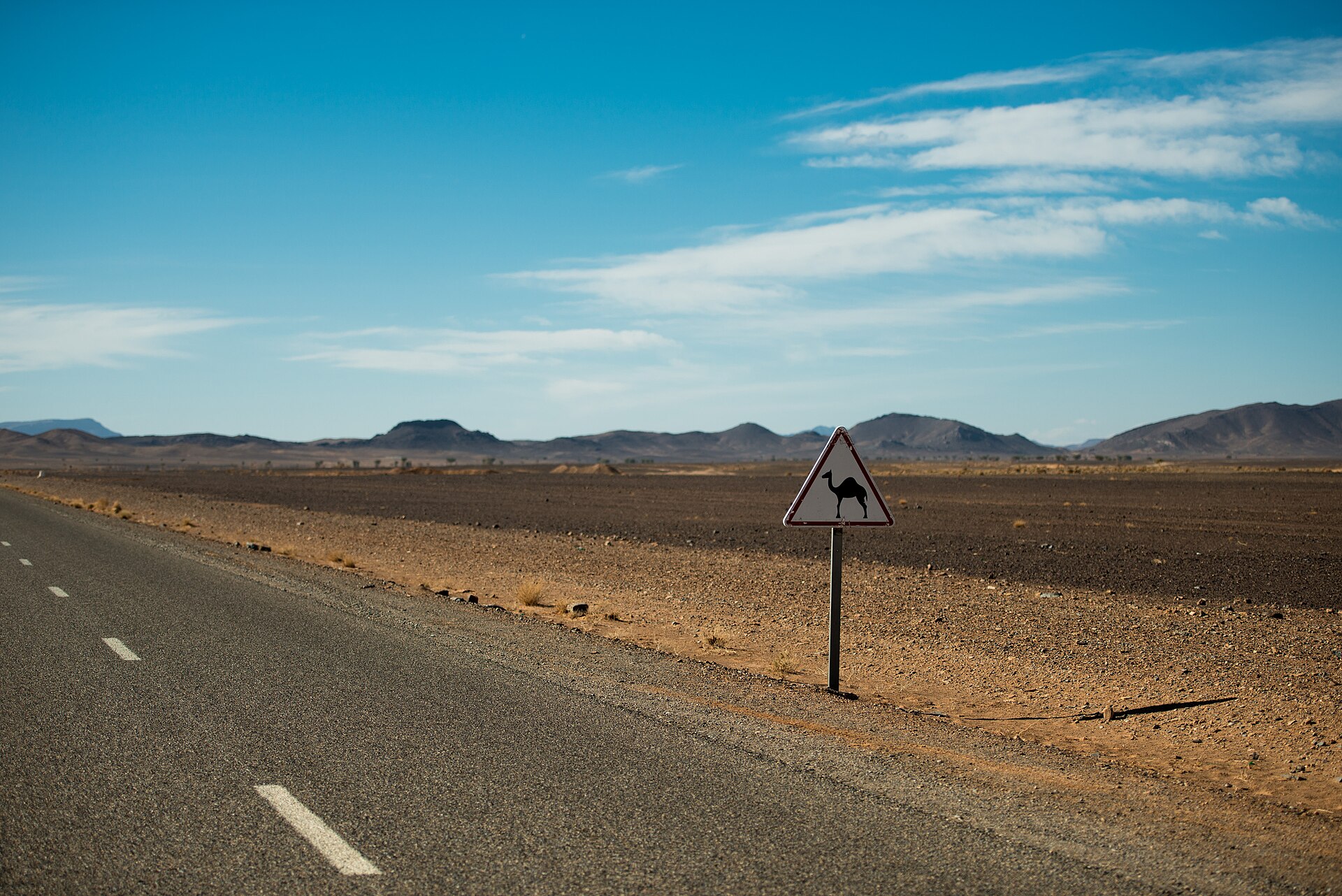
- River Ziz Valley Road — Regional road connecting Errachidia and Rissani
Winding southward through dramatic desert landscapes, this scenic route follows the ribbon of green date palms flanking the riverbanks. Driving or taking local transport along this ancient corridor reveals the stunning contrasts between barren rock formations and lush agricultural valleys.
Culture
The cultural fabric of the Tafilalt region is deeply rooted in traditional Amazigh and Arab heritage, shaped by centuries of oasis agriculture and caravan trade. Communities here place a high value on hospitality, often welcoming travellers with glasses of sweet mint tea served as a gesture of peace and mutual respect. Local music, storytelling, and craftsmanship are passed down through generations, keeping alive the memory of the desert routes that once connected diverse peoples. Traditional dress remains common, particularly among older residents, reflecting practical adaptations to the desert climate alongside religious modesty norms. Markets serve as vibrant social hubs where locals gather to trade goods, catch up on news, and maintain community ties. When visiting local villages or sacred spaces, dress modestly by covering shoulders and knees, and always ask permission before taking photographs of residents.
What to wear
Traditional attire in the region reflects practical adaptations to the intense desert sun and shifting temperatures. Locals frequently wear flowing garments such as the traditional djellaba, a long, loose-fitting hooded robe made from breathable wool or cotton that provides protection against both daytime heat and cooler desert nights. Traditional headwear and scarves are also common for shielding against blowing sand and sun exposure. In daily life today, many people combine these traditional silhouettes with modern casual wear, particularly younger generations in the nearby towns. For travellers exploring the arid terrain and dusty archaeological ruins, loose-fitting cotton or linen trousers, long-sleeved shirts to prevent sunburn, and sturdy, closed-toe walking shoes or boots are essential. Lightweight layers work best to manage the dramatic temperature shifts between sunny afternoons and chilly desert evenings. Always pack a scarf or lightweight wrap for added sun protection and modesty when entering local communities or religious sites.
What to eat
- Tafilalt Date Tagine — Traditional family-run eateries in Rissani and Erfoud
A rich, slow-cooked stew combining tender lamb or chicken with the prized sweet dates harvested directly from the local oasis groves, balanced with warm aromatic spices. - Medfouna (Saharan Pizza) — Local bakeries and roadside food stalls throughout the Tafilalt region
A unique local specialty consisting of leavened bread dough stuffed with a savory filling of minced meat, onions, hard-boiled eggs, almonds, and spices, baked in a traditional clay oven. - Moroccan Mint Tea — Every cafe, market stall, and guesthouse across the oasis
The quintessential social beverage of the region, prepared with green tea leaves and fresh spearmint, poured from a height to create a light foam. - Couscous with Seven Vegetables — Local restaurants and weekly market food spots
Steamed semolina grains served generously with a hearty broth of seasonal root vegetables, squash, and chickpeas, traditionally prepared for Friday gatherings.
Plan it
Best time. March to April and October to November offer pleasant daytime temperatures, avoiding the extreme summer heat of the Sahara.
How long. 2–3
Getting there. Fly into Casablanca with year-round connections, or take seasonal flights to Errachidia or Marrakech, then continue south by bus or grand taxi along national road 10.
Budget. mid
Tips
- Carry sufficient cash as card acceptance is limited in smaller oasis villages and markets
- Start your explorations early in the morning to avoid the strongest midday desert sun
- Drink plenty of bottled water to stay hydrated in the arid climate
- Wear sturdy footwear for walking across uneven, dusty archaeological terrain
Etiquette
- Always ask for permission before photographing local residents
- Dress modestly with shoulders and knees covered out of respect for local traditions
Nearby
Sources
- Wikidata Q1334331 (CC0)
- Wikipedia (rev 1377241881) (CC BY-SA 4.0)
- Wikivoyage (rev 4797518) (CC BY-SA 4.0)
- Photo 01 (CC BY-SA 4.0)
- Photo 02 (CC BY 1.0)
- Photo 03 (CC BY 3.0)
- Photo 04 (CC BY 3.0)
- Photo 05 (CC BY-SA 4.0)


