Sigiriya
Sigiriya, Sri Lanka
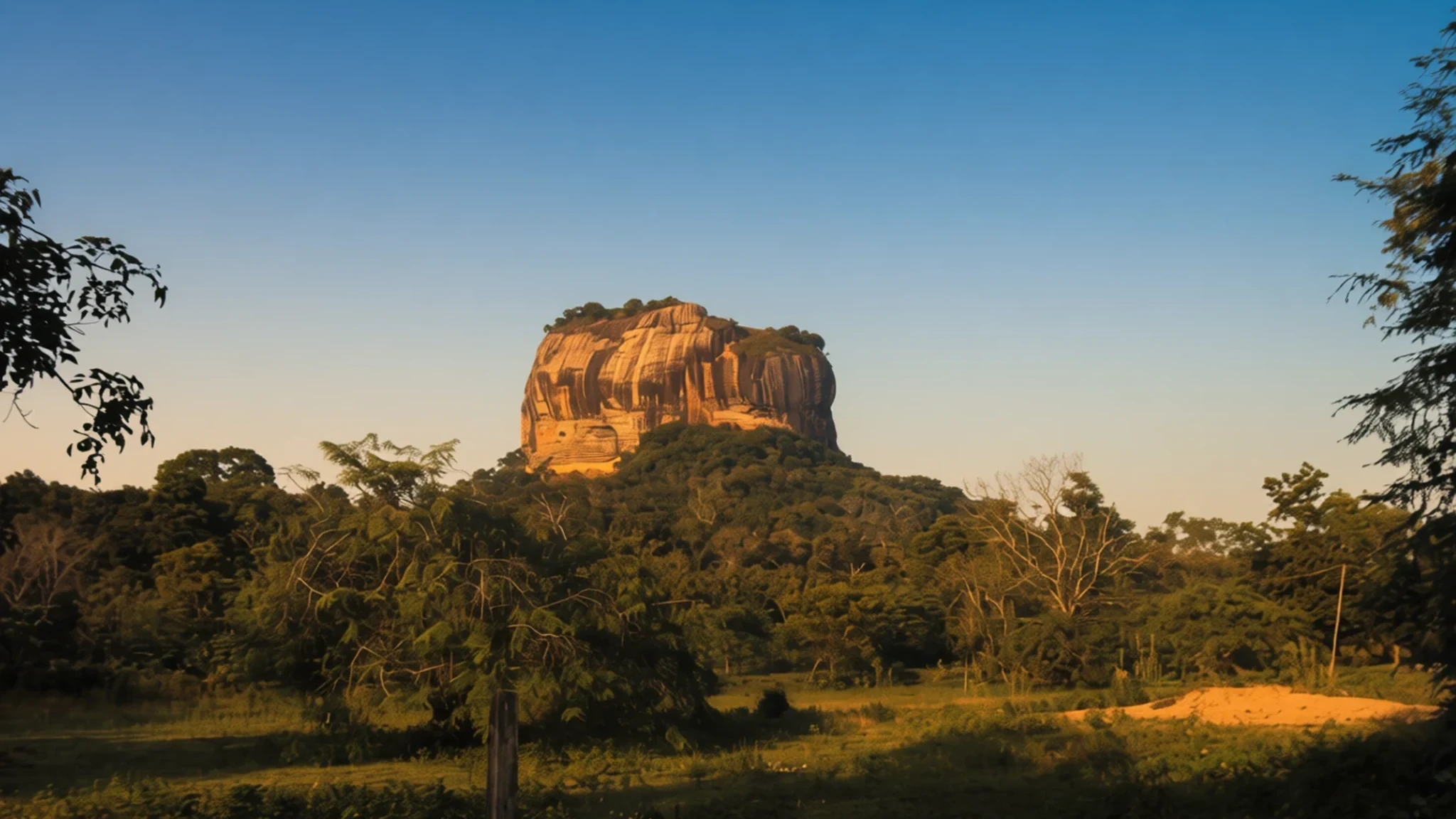
Sigiriya is an extraordinary ancient rock citadel featuring ruined royal palaces, landscaped water gardens, and exquisite rock paintings preserved from antiquity.
The place
Rising from the Central Province near Dambulla, Sigiriya is a historic citadel perched high on a massive rock in the northern Matale District. Dominated by a massive column of granite, the site is a prominent historical and archaeological landmark set amidst low-lying plains extending from the central mountain range. This striking natural landform is an inselberg, formed from the solidified magma plug of a former volcano. Rising abruptly from the surrounding forest canopy, the granite monolith commands sweeping views over the surrounding woods, reservoirs, and distant hills. Below the summit, the archaeological complex unfolds across an extensive terrain characterised by symmetrical water gardens, boulder courtyards, moats, and ancient stonework. The grounds demonstrate advanced principles of ancient urban planning and landscape architecture, integrating natural boulders and water channels into a harmonious royal estate. Visitors approach the rock through elaborate symmetrical garden pathways before beginning the ascent up stairways attached to the stone face. The surrounding landscape remains largely rural, dotted with small settlements, agricultural plots, and forest patches where wildlife such as elephants roam freely through regional corridors. Despite the tropical heat and occasional heavy rains, the enduring stone architecture and sophisticated hydraulic systems continue to captivate travellers interested in ancient engineering and island history.
Its story
Sigiriya has a deep chronicle of human habitation stretching far back into antiquity. Archaeological investigations indicate that the surrounding rock shelters and caves were occupied by prehistoric communities during the Mesolithic Period, long before any royal capital was established. By the early centuries BCE, Buddhist monks and ascetics utilised the natural caves around the base of the granite pillar as meditative dwellings, carving drip ledges above the entrances and leaving Brahmi inscriptions that record donations to the monastic community. The dramatic transformation of the site into a fortified royal citadel occurred during the fifth century. According to the ancient Sri Lankan chronicle known as the Cūḷavaṃsa, Prince Kashyapa seized the throne in a violent coup after murdering his father, King Dhatusena. Fearing reprisal from his disinherited half-brother Moggallana, who had fled to South India, Kashyapa relocated his royal court and capital away from traditional Anuradhapura to the nearly impregnable summit of the granite rock. Upon this elevated platform, royal architects constructed an elaborate palace, adorned the sheer western cliffs with vibrant painted frescoes of celestial maidens, and engineered a monumental gateway carved in the likeness of a colossal lion. This fierce guardian structure gave the citadel its traditional Sinhala name, Sinhagiri, or Lion Rock. Following Kashyapa's defeat and death, the royal capital was abandoned as a seat of power, and the complex reverted to monastic use as a Buddhist sanctuary until the fourteenth century.
What to see
- Sigiriya Lion Rock Fortress — Central summit
Sigiriya Lion Rock Fortress is the central archaeological attraction, featuring the ruined palace summit, sheer cliff faces, and the famous painted frescoes of celestial figures. Visitors climb steep metal stairways attached to the rock wall past the monumental lion paws, experiencing firsthand the remarkable engineering required to build a royal capital upon an isolated granite precipice.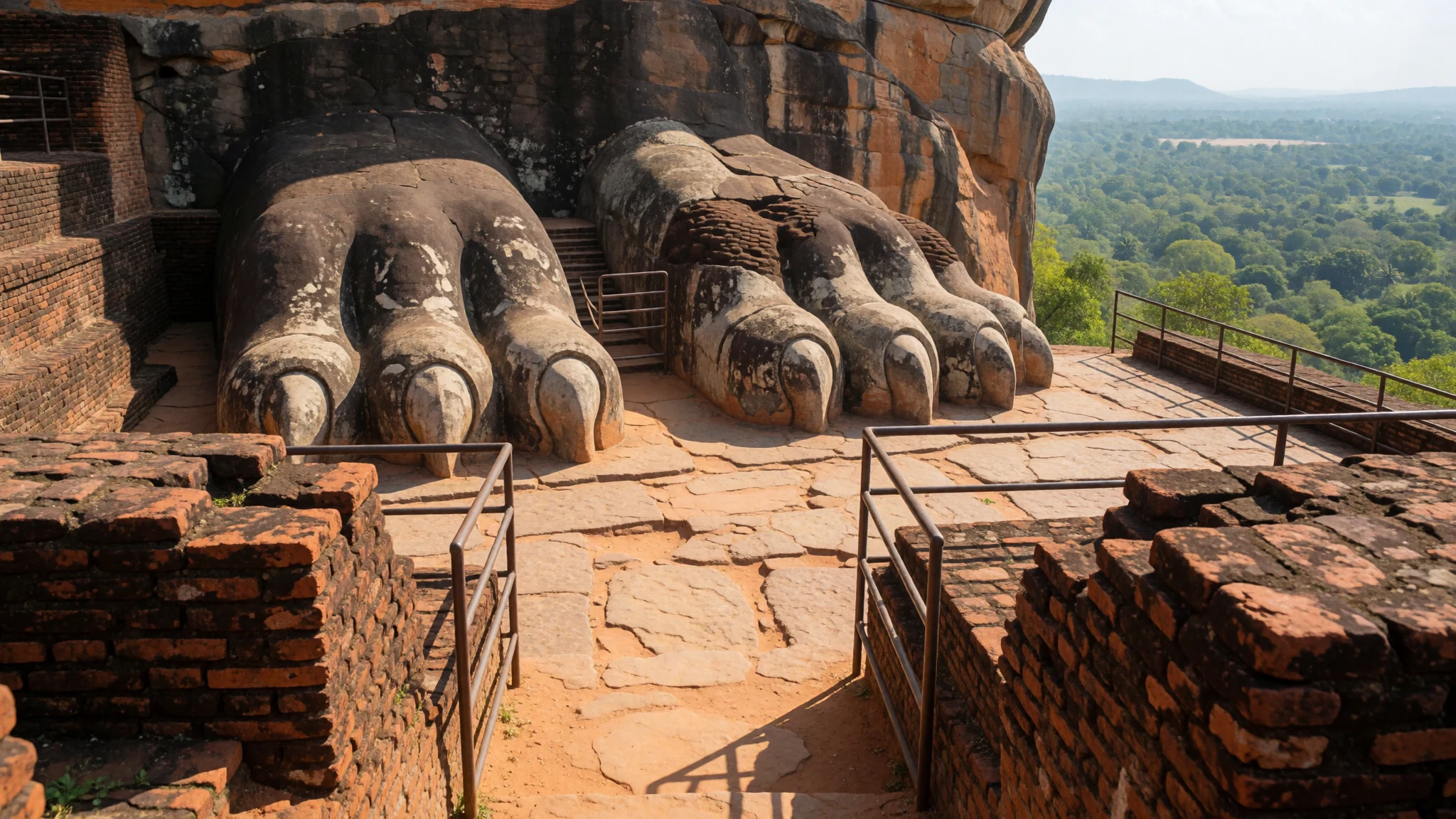
- Water Gardens — Lower archaeological zone
The Water Gardens represent an exceptionally preserved masterpiece of ancient landscape design encountered immediately upon entering the lower archaeological complex from the main gates. This symmetrical network incorporates interconnected bathing pools, stepped courtyards, subterranean conduits, and stone pavilions arranged in strict geometric harmony across several terraced levels.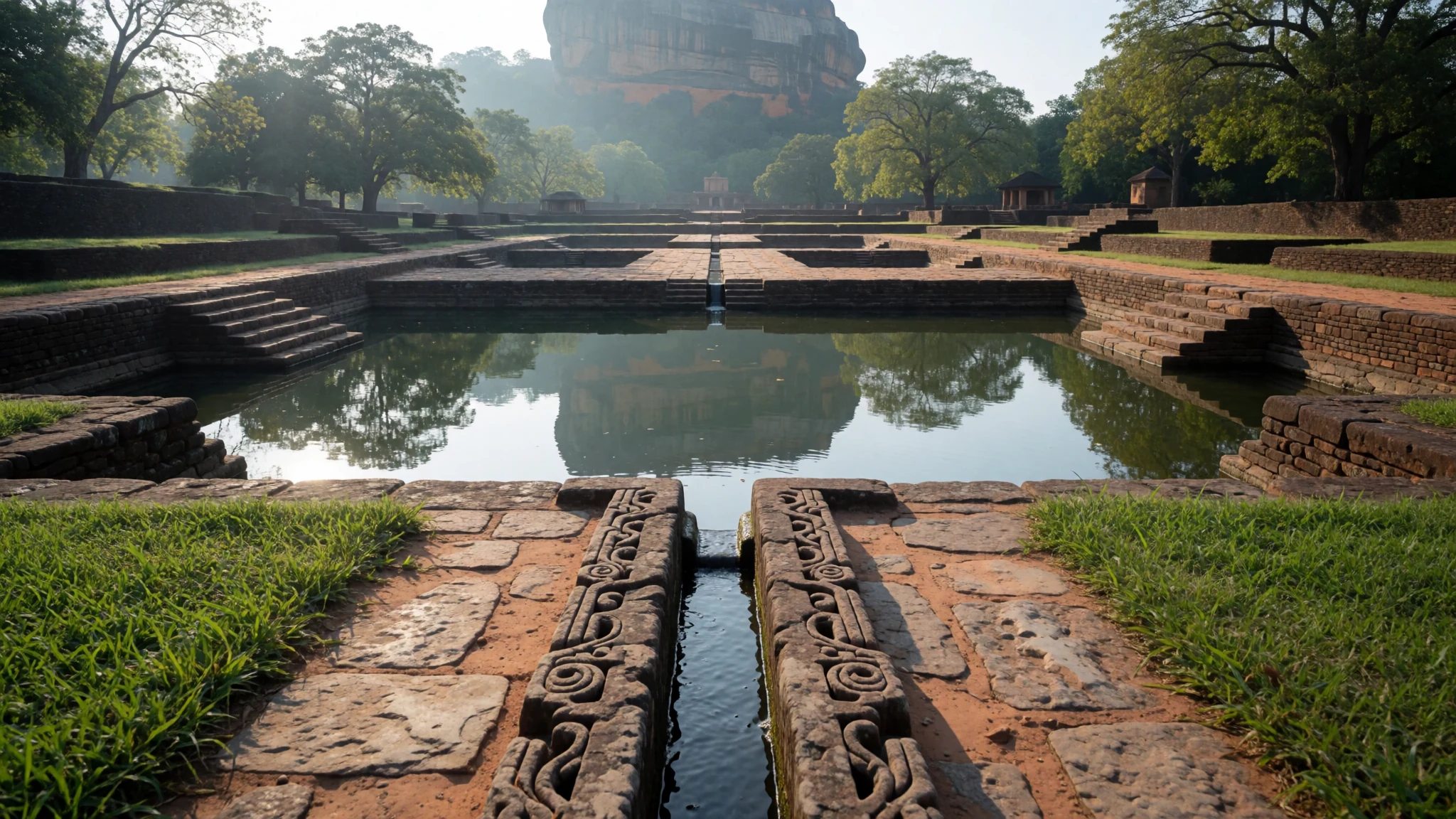
- Boulder Gardens — Base of the main rock
The Boulder Gardens wind naturally among the massive fallen granite stones scattered at the base of the main rock. Numerous boulders feature carved stone staircases, resting platforms, and ancient Brahmi inscriptions detailing the names of early benefactors who dedicated these peaceful rock shelters to wandering ascetics and monks.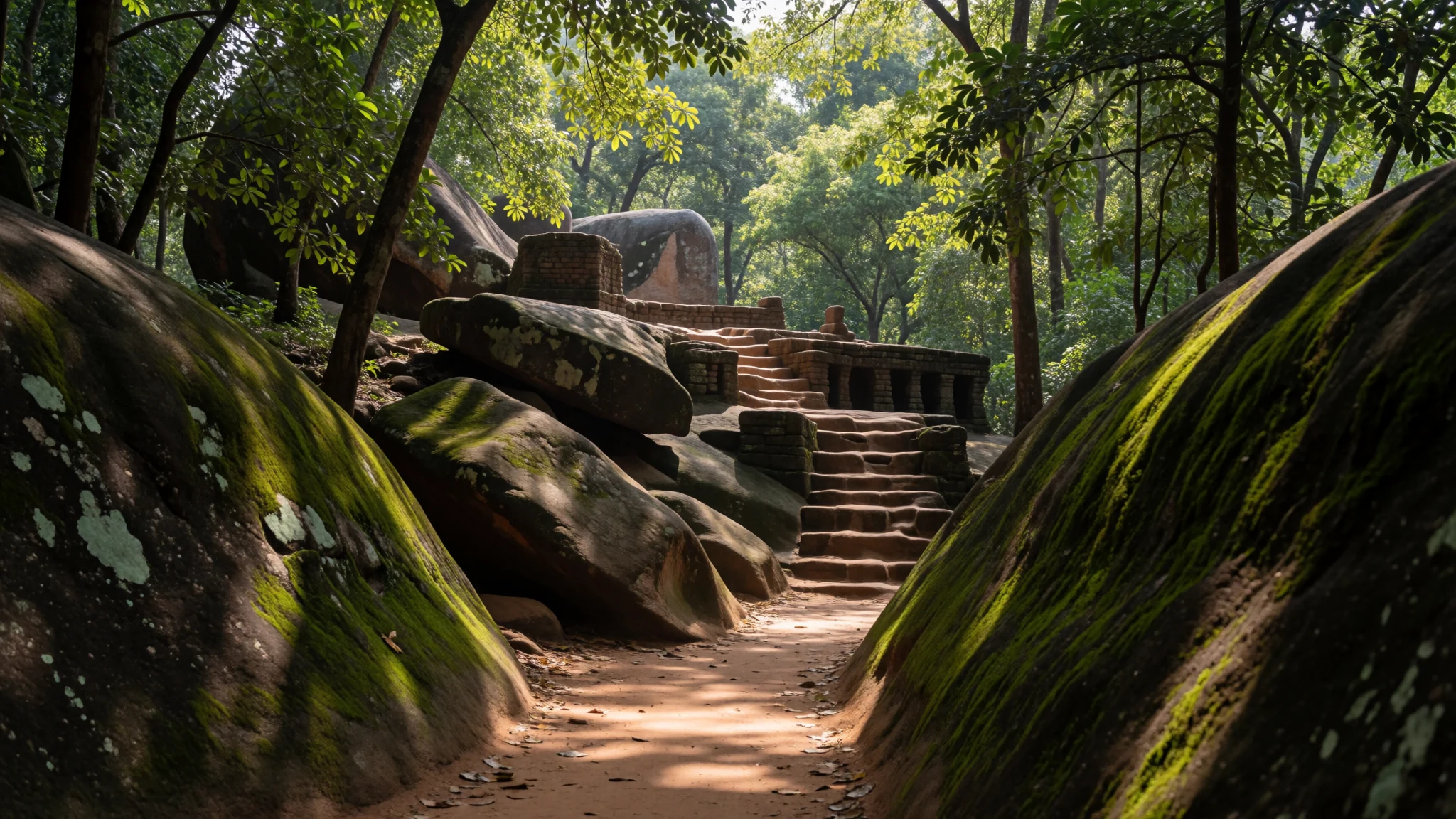
- Cobra Hood Cave — Lower southern slope
The Cobra Hood Cave is a distinctive natural rock shelter named for its unusual geologic formation resembling an extended serpent hood. The interior surface preserves remnants of ancient plaster and faded wall paintings, offering a tangible link to the early ascetic hermits who once inhabited the forested slopes before the royal palace was constructed.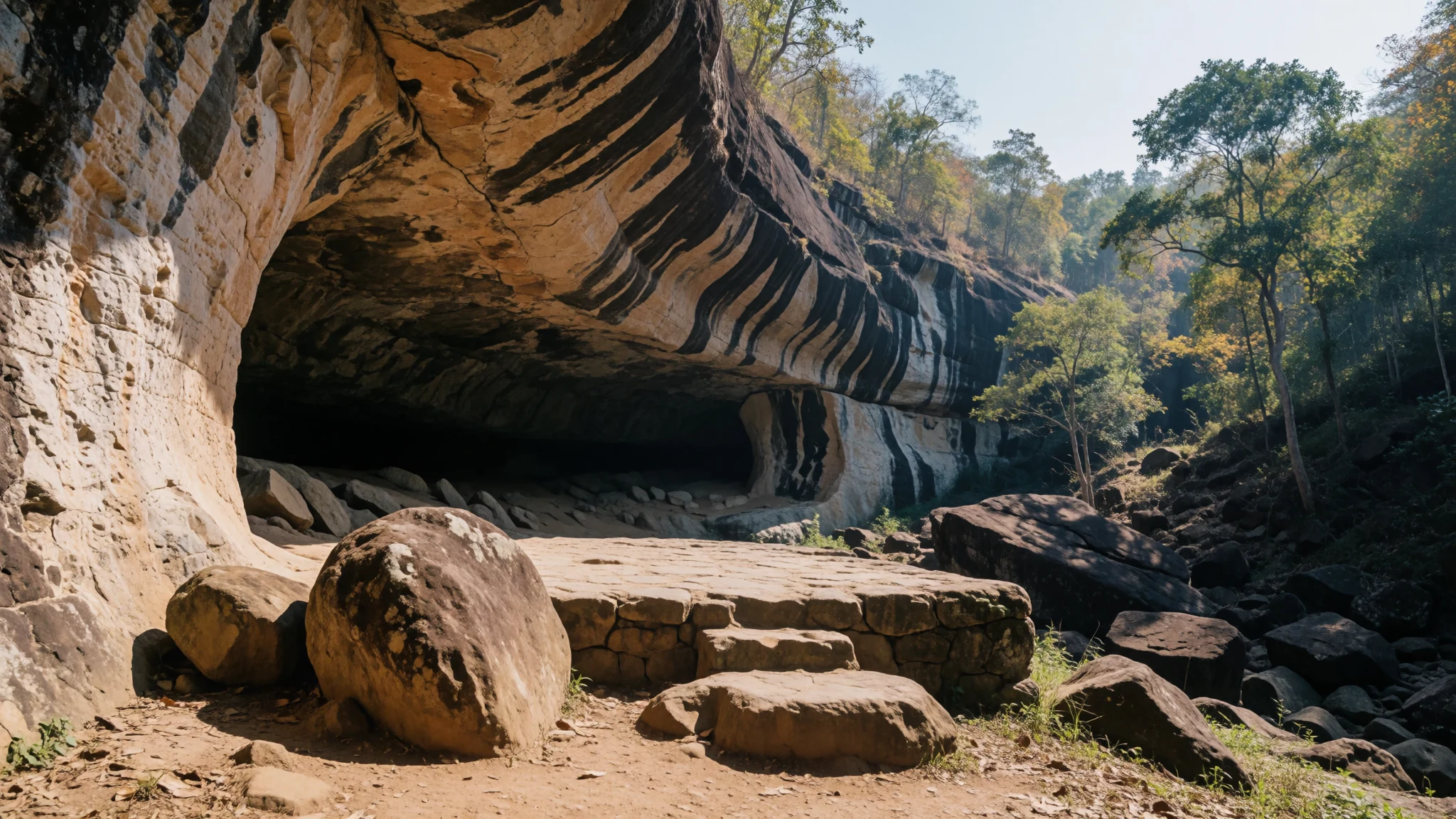
- Pidurangala Rock — Northern sector
Pidurangala Rock is a towering granite outcrop situated a short distance to the north of the main fortress. Offering a strenuous trekking route through forested trails and boulder scrambles, the summit rewards climbers with sweeping, unobstructed panoramic views directly across the valley toward the imposing silhouette of Lion Rock.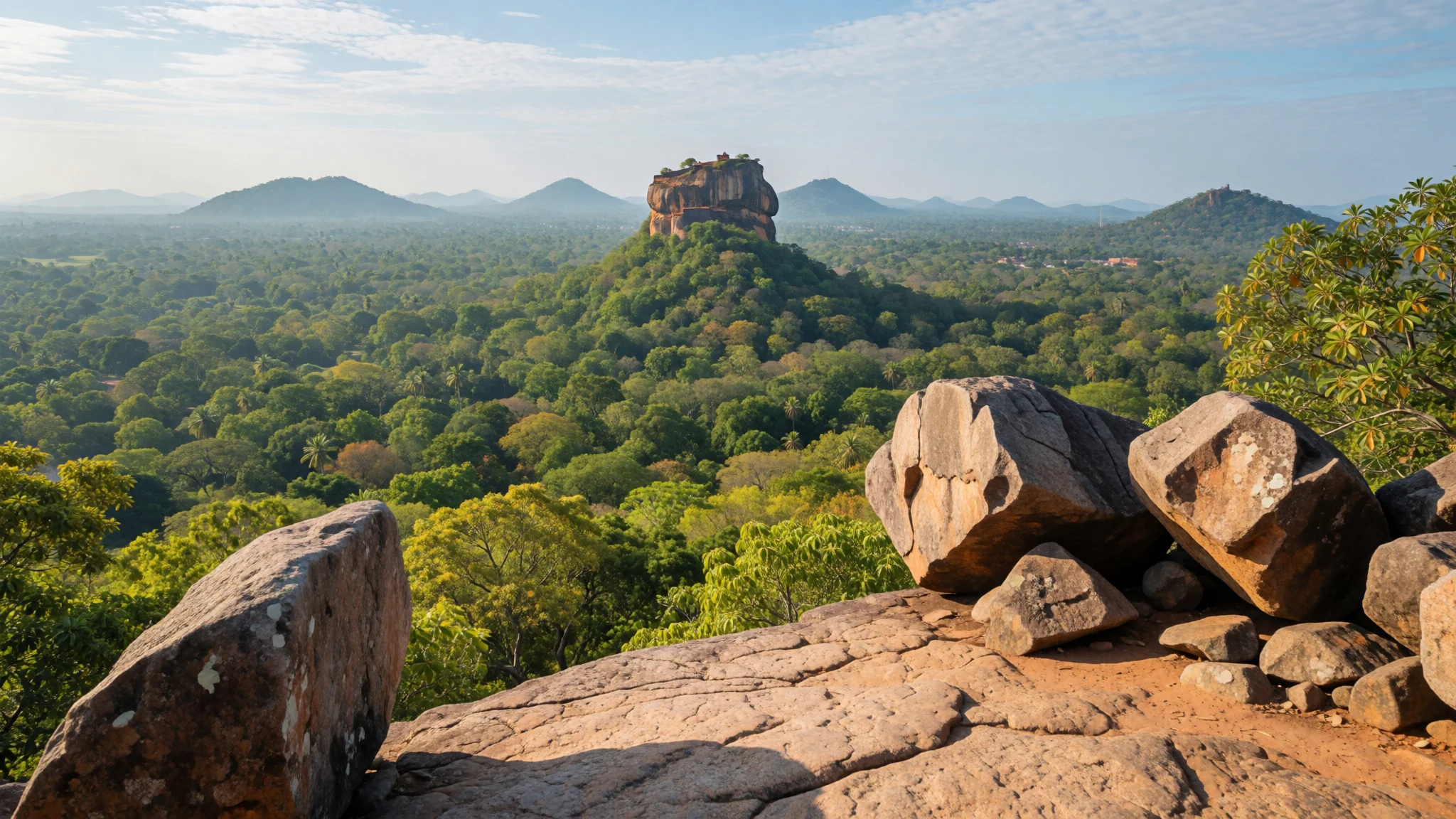
Culture
Sigiriya occupies a profound place in the cultural consciousness of Sri Lanka, revered both as an architectural marvel of the ancient Sinhala kingdom and as a historic sanctuary deeply intertwined with early Buddhist monastic traditions. Local communities maintain a deep respect for the archaeological heritage of the region, viewing the ancient citadel not merely as a tourist attraction but as a monumental testament to ancestral craftsmanship and ingenuity. Visitors will encounter warm hospitality from residents in nearby villages, guesthouses, and family-run eateries who take immense pride in sharing regional stories and culinary traditions. Traditional customs across the Central Province emphasise modest attire, gentle courtesy, and respectful behaviour, particularly when interacting with elders or visiting nearby places of worship and monastery ruins. Travellers should always dress respectfully with shoulders and knees covered when exploring sacred spaces, and remove hats and footwear before entering temple precincts or monastic platforms. When photographing local residents or working artisans, always ask for permission first to maintain polite cultural exchange. Please remove your shoes and hats before entering any temple or sacred monastic area within the archaeological zone.
What to wear
Traditional fashion in Sigiriya and the surrounding rural districts of Sri Lanka reflects tropical weather requirements and conservative cultural norms. Traditional garments include the wrap-around sarong worn by men and the elegant Kandyan saree or modest cotton blouses and skirts worn by women, typically fashioned from breathable, lightweight cotton and handloom fabrics suited to the warm climate. In daily life around town, local residents generally wear comfortable, modest contemporary clothing such as casual trousers, shirts, and loose tunics. For visitors exploring Sigiriya, practical attire is essential due to the outdoor terrain, intense sunshine, and strenuous physical climbing involved. Lightweight, breathable clothing that covers the shoulders and knees is strongly recommended to ensure comfort during long walks through the gardens and adherence to local modesty expectations at heritage sites. Sturdy walking shoes or supportive trainers with good grip are necessary for navigating uneven stone steps, damp pathways, and steep metal staircases, particularly during sudden tropical downpours. A wide-brimmed hat, sunglasses, and high-factor sun protection are indispensable items for daytime excursions under the equatorial sun.
What to eat
- Rice and Curry — Any traditional village restaurant or streetside eatery
Rice and Curry is the quintessential Sri Lankan meal served across local eateries in Sigiriya, featuring a generous mound of steamed rice accompanied by an array of spiced vegetable dishes, lentils, and fiery sambols cooked with fresh coconut milk.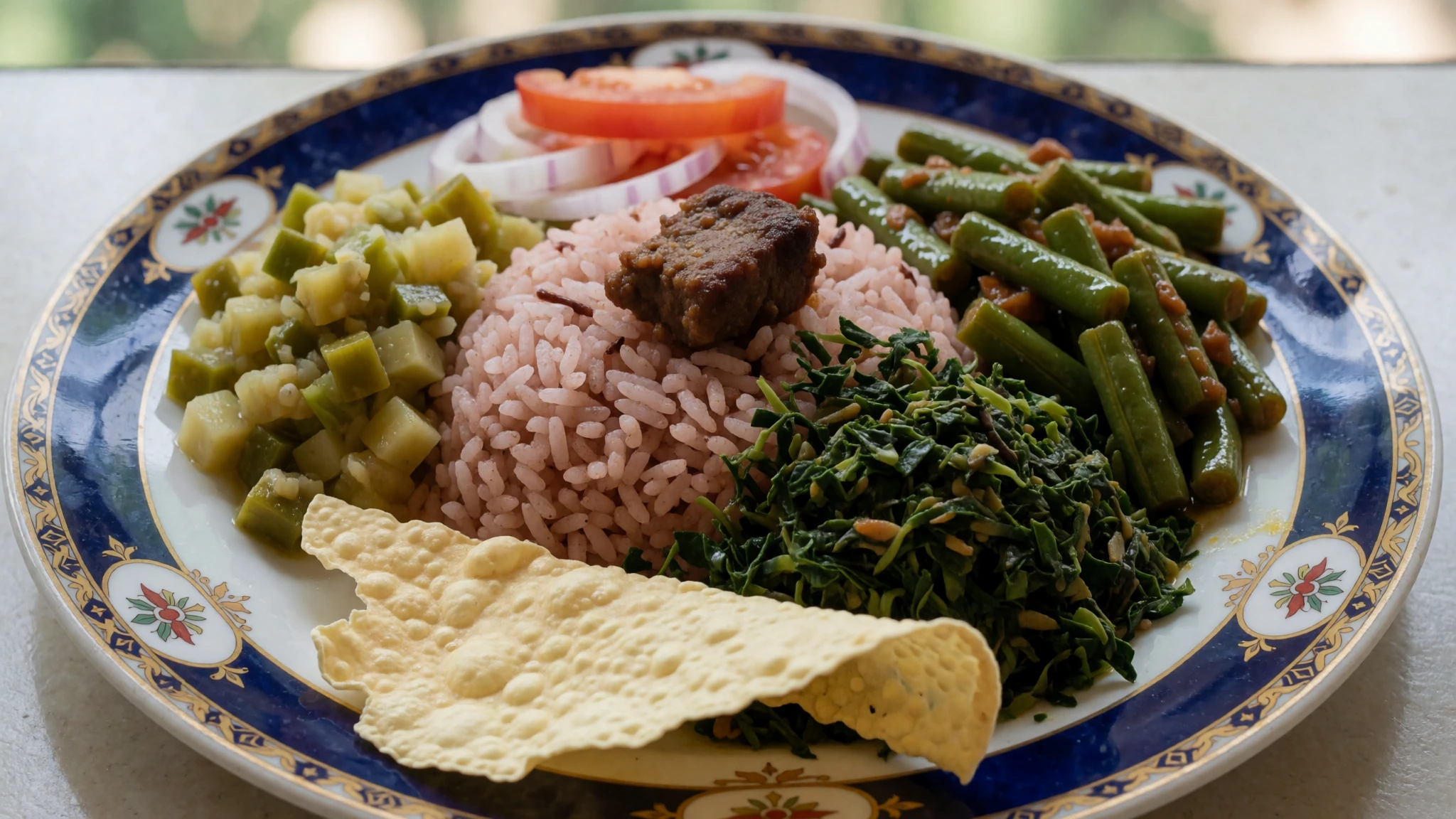
- Pol Roti with Lunu Miris — Local roadside tea shops and morning breakfast stalls
Pol Roti is a thick, rustic flatbread made from wheat flour and freshly grated coconut, grilled on a hot plate until crisp and charred, served alongside a fiery paste of ground red chillies, onions, and Maldive fish.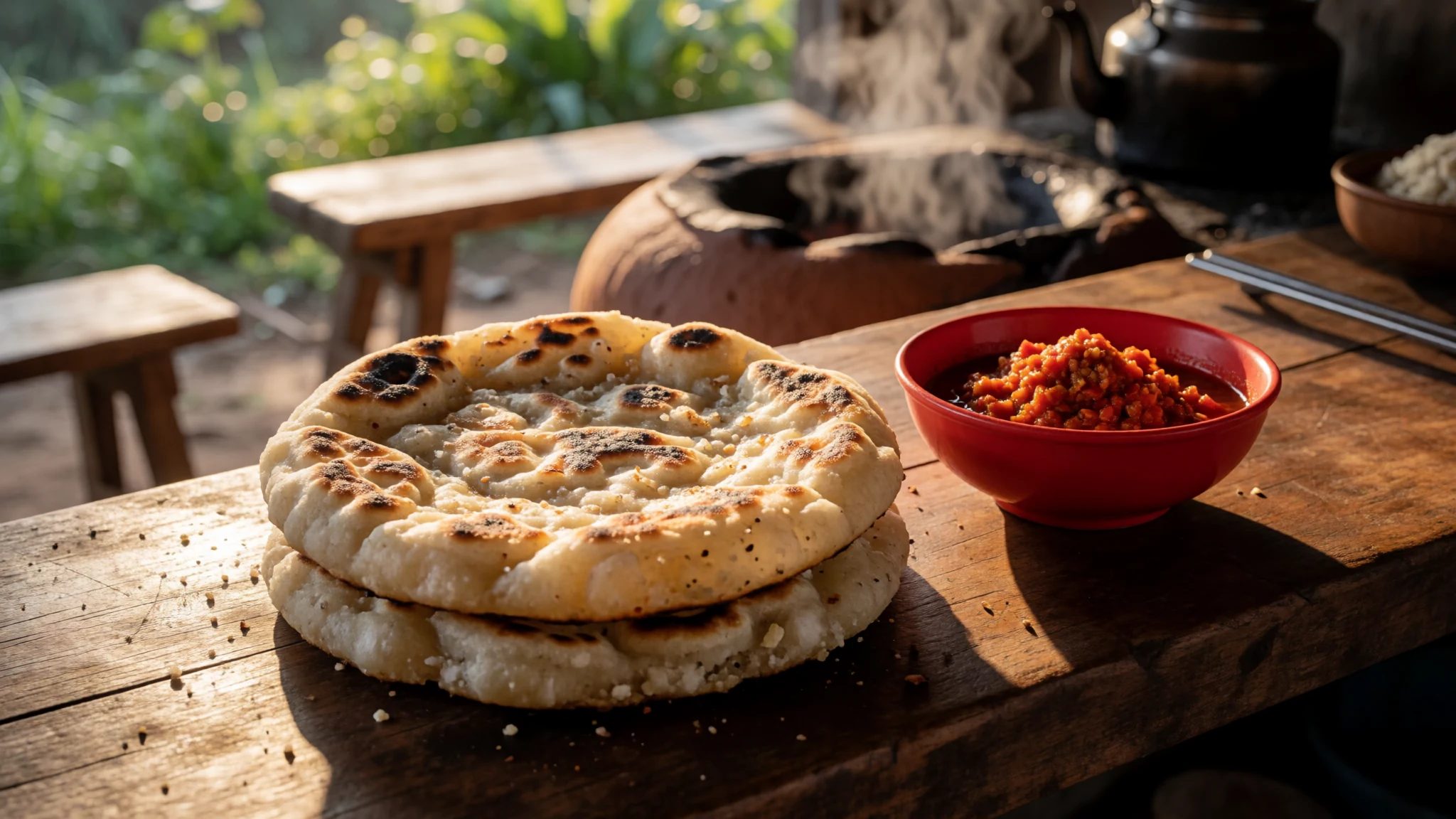
- String Hoppers — Morning markets and local neighbourhood canteens
String hoppers, known locally as idiyappam, consist of delicate coils of pressed rice-flour noodles steamed on woven mats, typically served alongside spicy coconut gravy and aromatic seeni sambol for breakfast.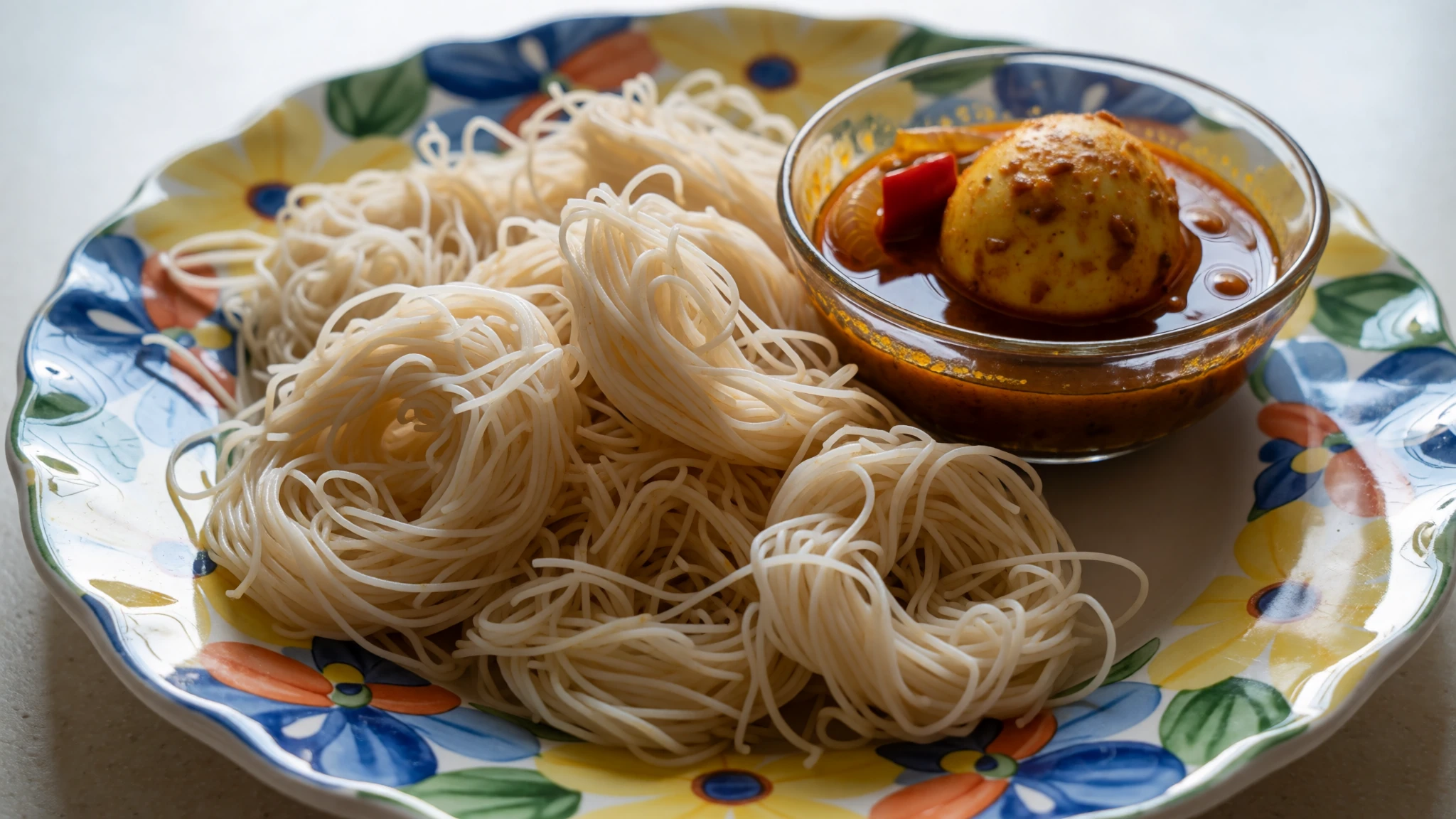
- Kottu Roti — Evening food stalls and roadside canteens
Kottu Roti is a popular street food dish prepared by chopping flatbread on a heated metal griddle alongside vegetables, eggs, or meat, rhythmically beaten with heavy metal blades to create a savoury, comforting meal. - Watalappam — Local guesthouse dining rooms and traditional sweet shops
Watalappam is a rich, spiced custard dessert traditionally prepared using jaggery made from palm sap, coconut milk, eggs, and aromatic spices including cardamom and nutmeg, baked until firm and silky.
Plan it
Best time. June to August offers the most stable dry weather for climbing the rock fortress, with the least rainfall of the year, while October to December brings the heaviest rain and slippery stone pathways.
How long. 2
Getting there. Arrive via Dambulla by local bus or auto-rickshaw from major transport hubs like Kandy or Colombo, then take a connecting local bus or tuk-tuk along the B162 highway to Sigiriya.
Budget. mid
Tips
- Start your climb early in the morning before 8 am to avoid intense midday heat and large tour groups
- Carry plenty of drinking water as supplies are unavailable along the main climbing route up the rock
- Keep local currency in cash for small bus fares, market stalls, and entry tickets
- Watch for warning signs regarding wasps along the rock stairways and maintain a calm, quiet demeanor
Etiquette
- Always cover your shoulders and knees when visiting sacred ruins and temples
- Remove your hat and footwear when entering monastic precincts or temple grounds
- Demand a printed ticket and receipt when paying conductors on local buses
Nearby
Sources
- Wikidata Q272153 (CC0)
- Wikipedia (CC-BY-SA 4.0)
- Wikivoyage (CC-BY-SA 4.0)