Sighișoara
Sighișoara, Romania
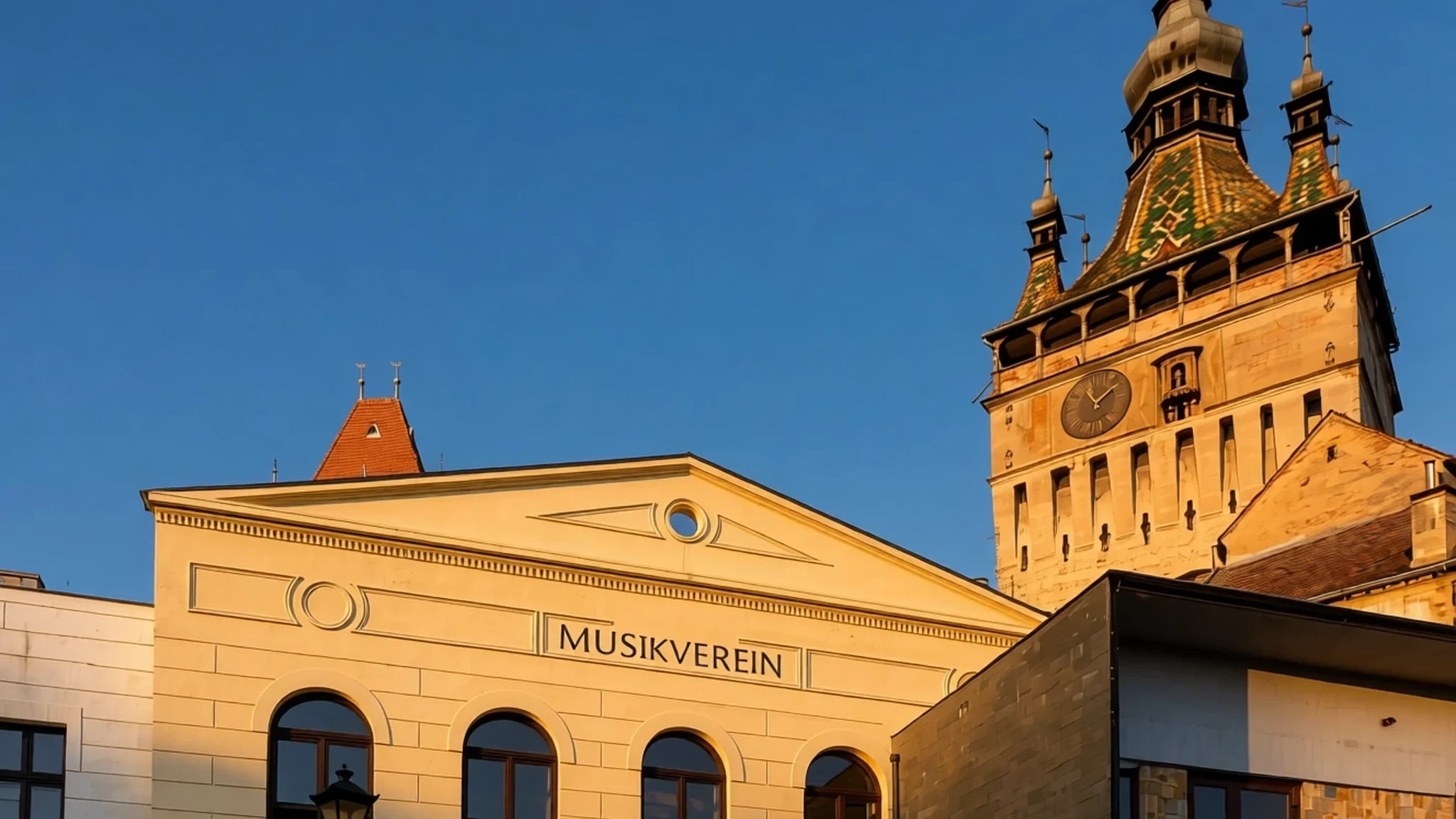
Go for a walled medieval hilltop town that is still lived in, with towers named after the guilds that once defended it.
The place
Sighișoara sits on the Târnava Mare river in Mureș County, in the hills of central Romania. It is a small town of about 24,000 people, and most visitors come for one thing: the walled medieval citadel on the hill above the river. Its streets climb past painted façades, tower gates and church spires, and the old centre is compact enough to walk end to end easily. Outside the citadel the town is more ordinary, with a railway line and apartment blocks on the flatter ground to the north.
The citadel is still lived in, and that changes the feel of the place. Families hang washing from balconies, shopkeepers sell embroidery and souvenirs in the lower lanes, and children cut across the square after school. You can climb the Clock Tower for the view or drift into the side streets where the tour groups thin out. Expect the most people around midday in peak summer, when coaches arrive, and go early or stay late for quiet.
The town is layered in its names and its culture. Romanian, Hungarian and German forms all appear on signs and in old records, and the Lutheran church on the hill is a reminder that a German-speaking community once shaped the place. Walk slowly, look up at the roofs, and give the walls a morning and the lanes and hill church an afternoon.
Its story
Sighișoara began as a frontier settlement. In the mid 12th century the Hungarian king invited German-speaking craftsmen and merchants, known as the Transylvanian Saxons, into the region to guard its edges and build up its trade. Saxons settled here by 1191, and a 1280 record describes the town rising from footprint of a Roman fort. Its name then, Castrum Sex, refers to the irregular six-sided shape of that old fort.
By the 1330s the town was a royal centre, and it received urban status in 1367. For several centuries it sat at the commercial edge of Central Europe, drawing artisans from across the Holy Roman Empire. Local guilds made the town rich, and the craft towers that still stand on the citadel wall are a physical record of that organisation. Sixteenth and seventeenth-century sources count as many as fifteen guilds and twenty handicraft branches.
The town has a more dramatic story too. The Wallachian ruler Vlad Dracul, father of Vlad the Impaler, lived here in exile and had coins struck in the town, a privilege normally reserved for the Hungarian kings. A house in the citadel is linked to his family, which is why the legend of Dracula attracts visitors. Later the town saw occupation, fires and plague in the seventeenth and eighteenth centuries. The battle of 1849 was fought on the plain nearby, and the Russian general who died there has a monument on the outskirts.
What to see
- Clock Tower — Citadel hilltop
The Clock Tower is the landmark you will see from almost everywhere in the lower town. It was built in the 13th century and rises 64 metres high. Climb the stairs to the balcony for the best view over the rooftops and the river. Inside is a small local history museum, with most of the labels in Romanian, so it is worth taking a phone translation app if you want the detail.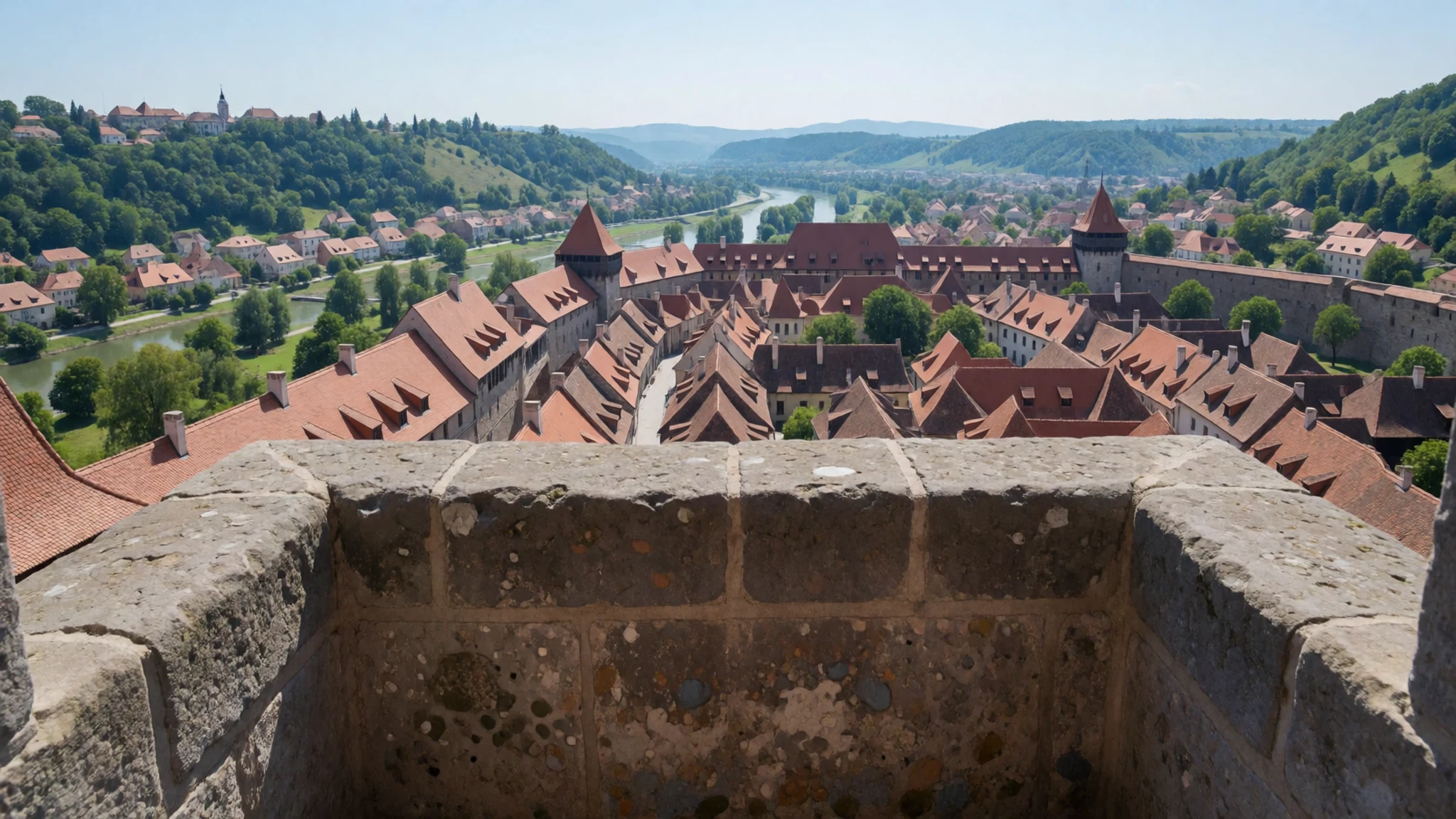
- Covered Staircase — Between the lower town and the citadel
The Covered Staircase is a stone staircase with a wooden roof running its full length, and it is the most atmospheric way up the hill. It leads to the hill church, the old cemetery and the Joseph Haltrich school, often called the School on the Hill. Take it slowly, since the steps are worn and steep in places, and the roof keeps the stairs cool on a hot afternoon.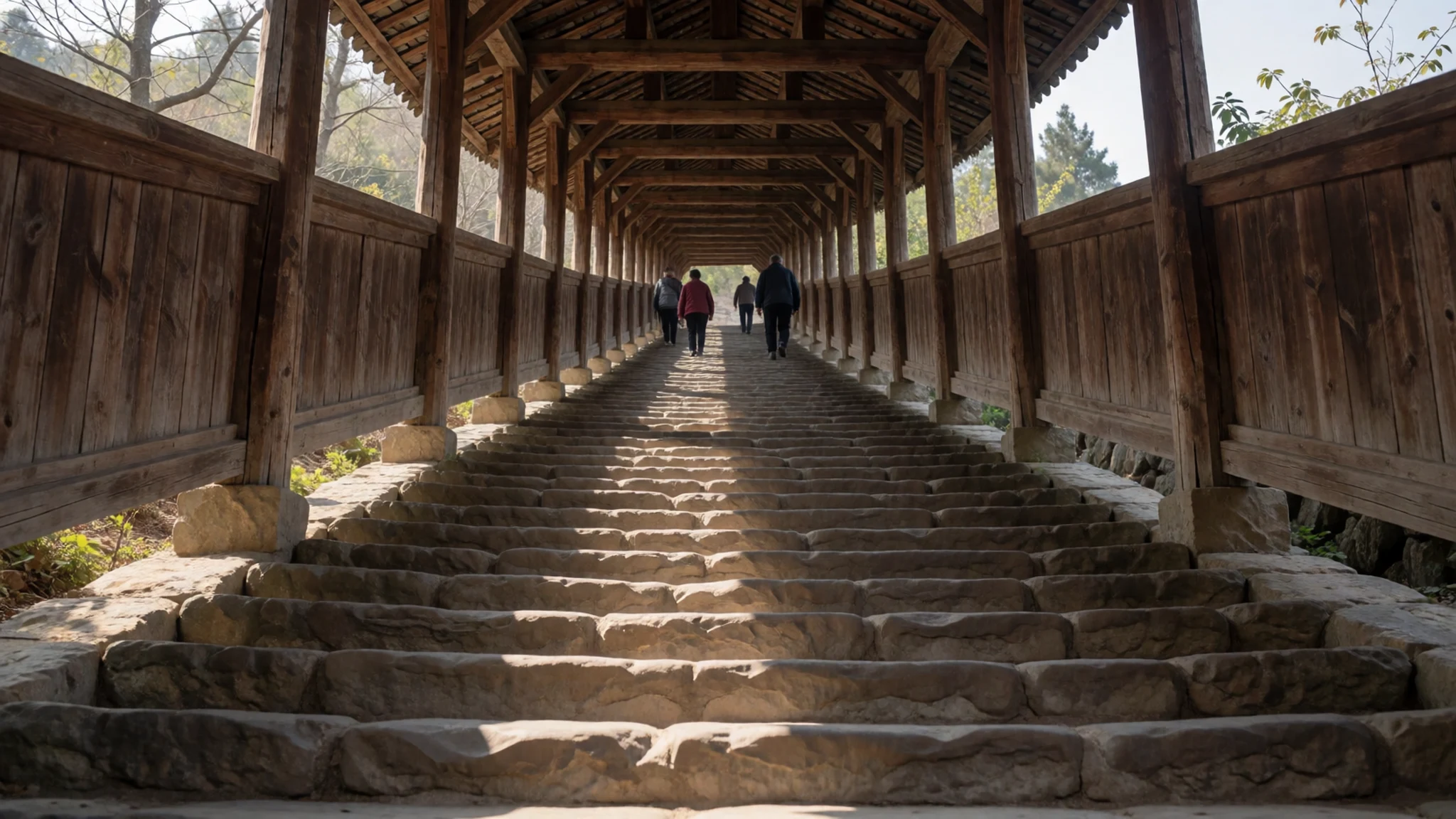
- Church on the Hill — Upper citadel, reached by the Covered Staircase
The Lutheran church on the hill, set above the Covered Staircase, has a late Gothic character and a churchyard full of older stones. Its tower gives a quieter view of the citadel and the surrounding hills. Visit in the morning when the light is good and the crowds are thin, and go in only when a service or visit is not under way.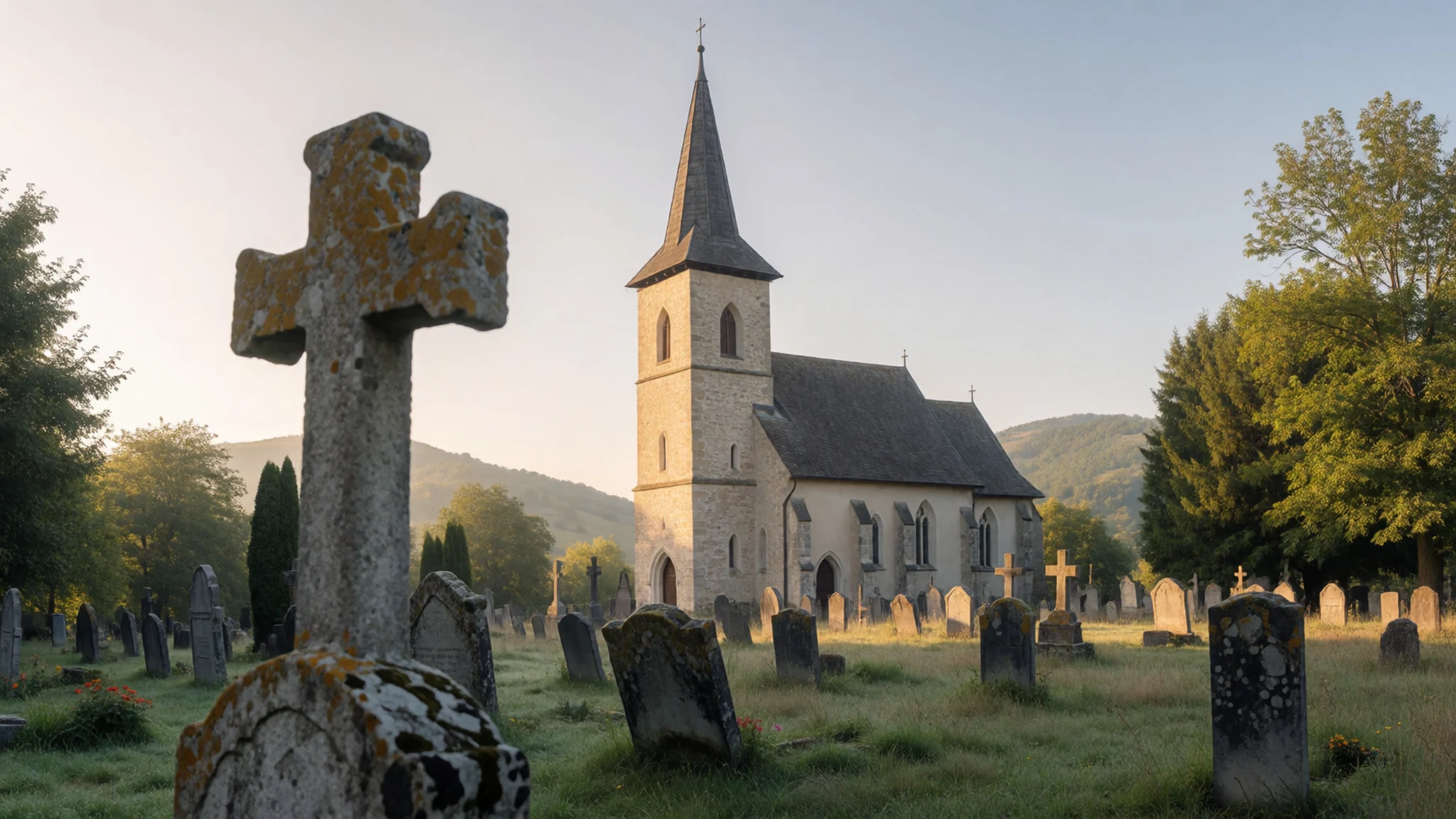
- Monastery Church — Citadel, next to the Clock Tower
The Monastery Church stands beside the Clock Tower and is a Lutheran church in late Gothic style. Its construction began at the beginning of the 13th century under the Dominican Order, so the building has many centuries of change in its walls. It is a good place to see how the citadel layers its history, from the medieval monastic site to the later Saxon congregation.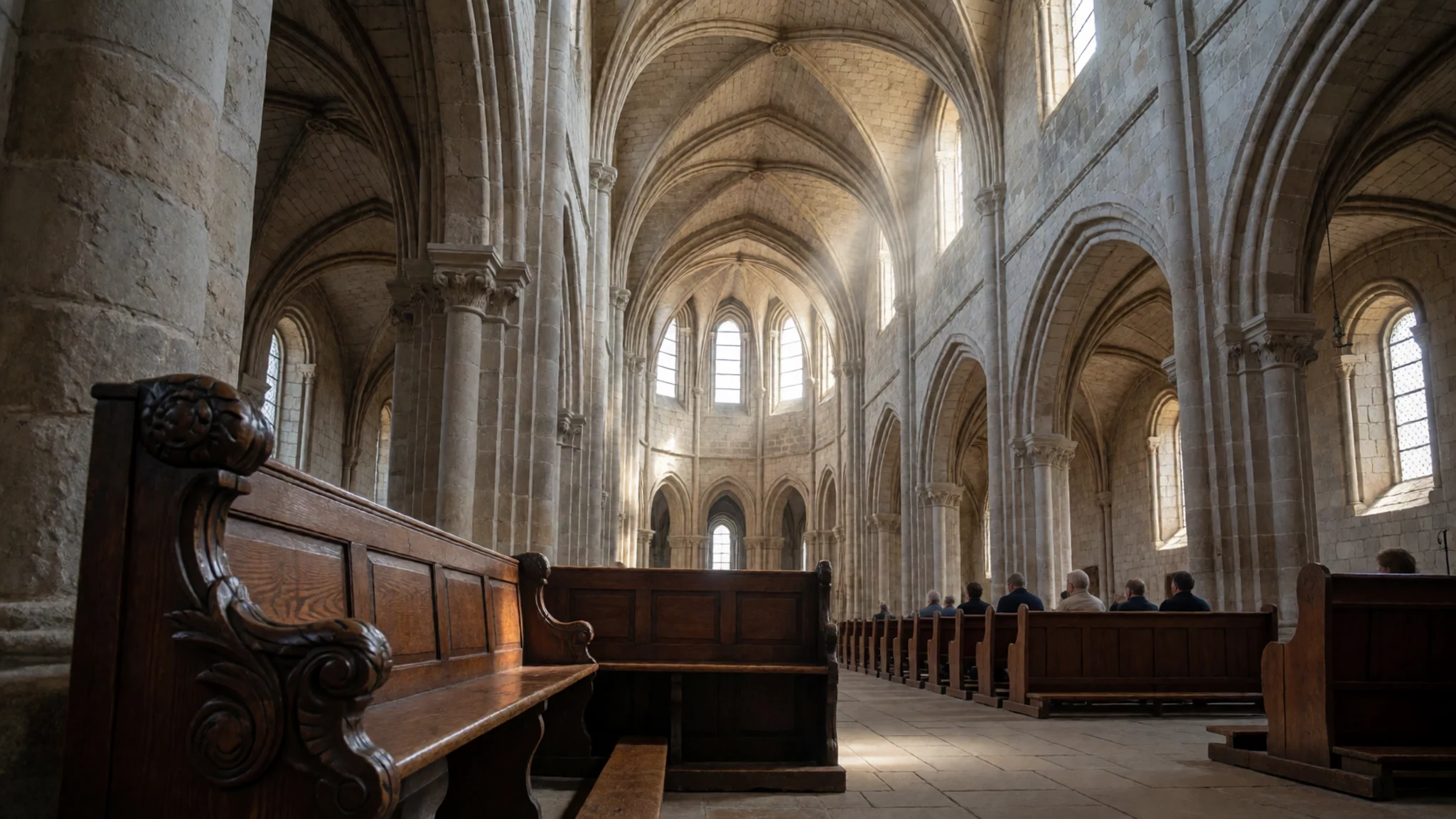
- Medieval Weapon Museum — Citadel, near the Clock Tower
This museum is very small, but it holds a useful selection of medieval weapons, including swords and arrowheads, with some explanation of how they were used. It takes only a short time, so it suits a rainy hour or a stop between towers. Check opening times on the official site before you plan around it, as small museums here can change their hours.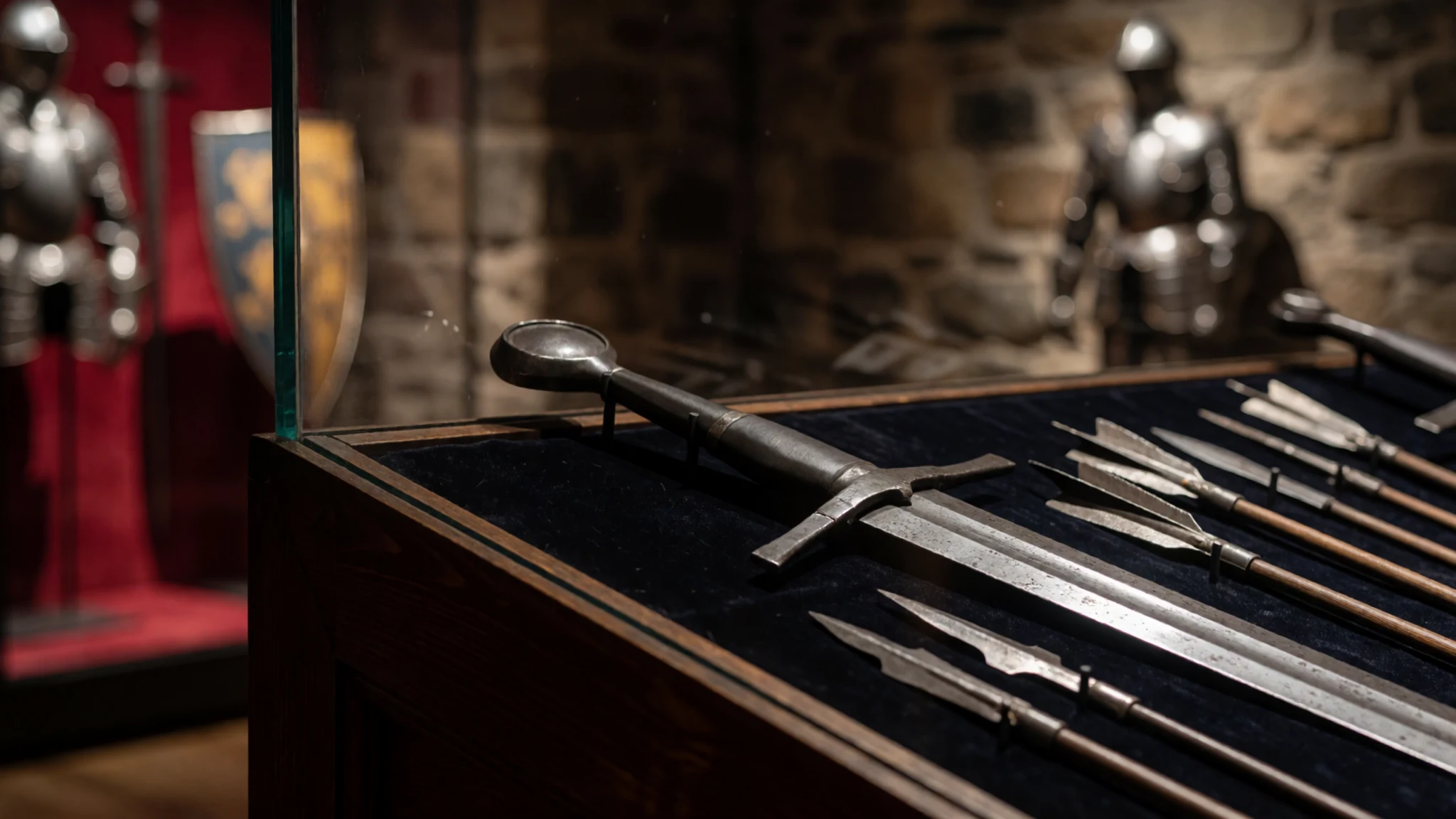
- Tailors' Tower — Citadel walls
The citadel wall has a ring of towers, each named after a guild that once took responsibility for its defence, and the Tailors' Tower is one of them. Walking the wall lets you see how the towers connect and how the town's craft life was organised. Read the names as you go, since they explain more about the town than any single monument.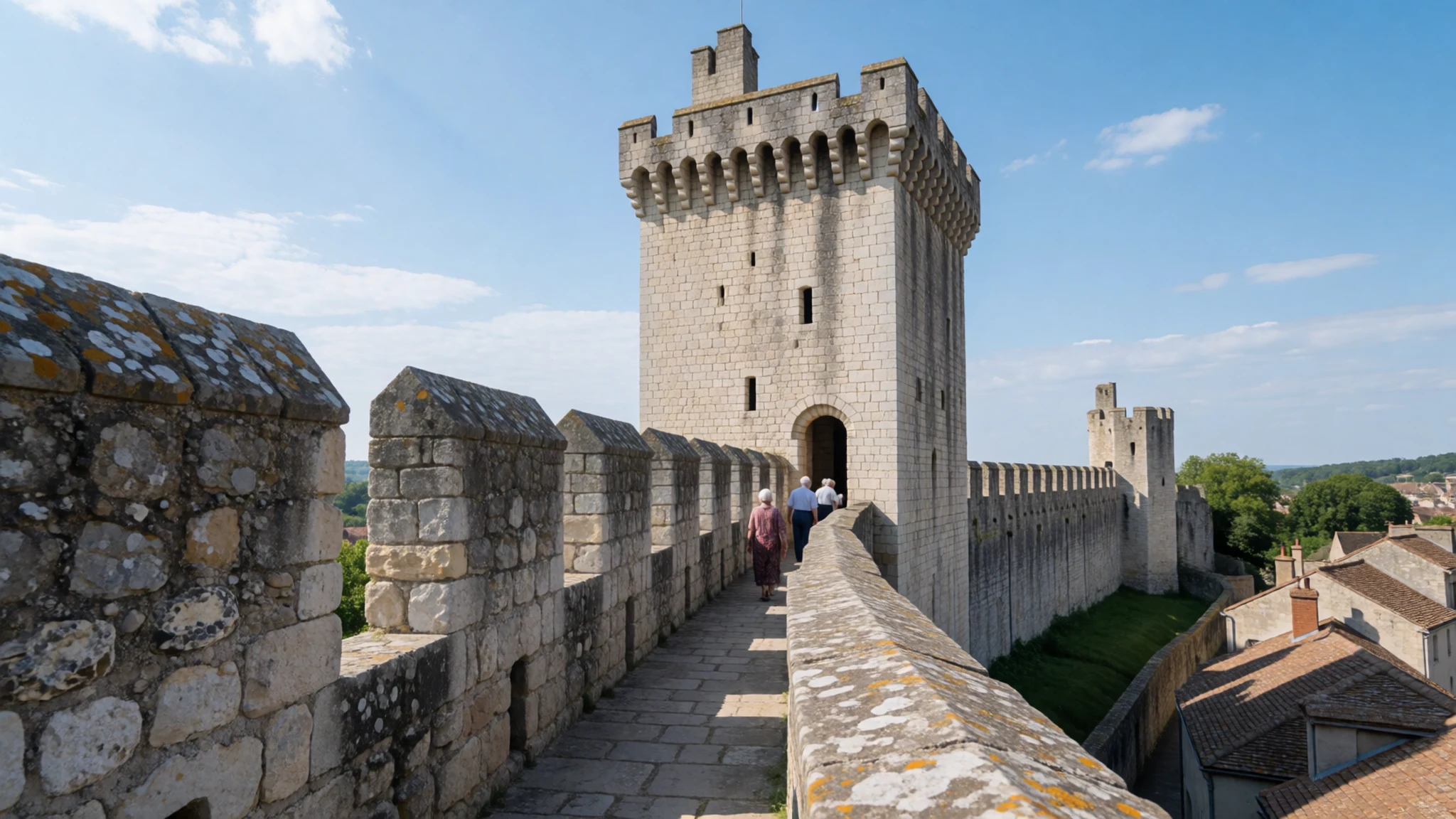
Culture
Sighișoara's identity is Romanian at its core, but for centuries the town was run and built by German-speaking Saxon craftsmen, and Hungarian is still widely spoken in the wider region. Many of the old churches on the hill are Lutheran, while Romanian Orthodox churches follow a different liturgy and calendar. The citadel is also a living neighbourhood, with families, schoolchildren and shopkeepers going about their day behind the walls, so the streets are shared spaces rather than a stage set.
Locals are generally relaxed about visitors, but a few courtesies help. Greetings are appreciated in Romanian, even a simple bună ziua. Dress modestly when you enter a church, and cover your shoulders and knees at any service. Do not step off the path into gardens or onto private courtyards to get a photograph, and ask before photographing people, especially the women in traditional dress who sometimes offer tourist information in the square. When you enter a church or museum, keep your voice low, since visitors walking loud through a quiet cemetery or sanctuary are noticed. Please keep to the marked routes near the cemetery, and leave the graves undisturbed.
What to wear
Traditional dress in the Sighișoara area draws on the rural Romanian and Transylvanian Saxon traditions that met here. Romanian women's costume centres on a white cotton or linen blouse, the ie, embroidered at the neckline and sleeves in red, black and blue thread, worn with a woven wraparound skirt and an apron. Men wore white wool or linen trousers and shirts, with a sheepskin or woollen vest for winter. Saxon women's costume, which you see in older photographs of the town, was darker and more structured, with fitted bodices and heavy woollen skirts and headdresses.
Day to day, most people in town dress much as they would anywhere in Europe: jeans, jackets and trainers in the lanes, with more formal clothes for church and weddings. Traditional costume appears at festivals, folk events and in the costumes of the guides and staff who appear in the square for tourist events. Embroidered blouses and woven textiles are sold in the lower town, and a good hand-embroidered blouse is a real piece of work rather than a souvenir.
For your own clothes, plan for stone steps, cobbles and the hill. Wear shoes with grip and good ankle support, since the Covered Staircase and the citadel lanes are slippery in wet weather. In summer carry a light layer for the evening and a hat for the walls, which have little shade. In church or at a service, cover your shoulders and knees, and bring a scarf for women to cover their hair if you enter an Orthodox church.
What to eat
- Ciorbă — Family-run restaurants in the lower town
Ciorbă is the sour soup at the heart of everyday Romanian cooking, usually made with vegetables, meat and a tang from fermented wheat bran, borș, or lemon. Try a bowl at lunch in a family-run restaurant in the lower town, where it is often the dish that the cook is proudest of. Order it as a starter, since it is filling enough to be a meal with bread.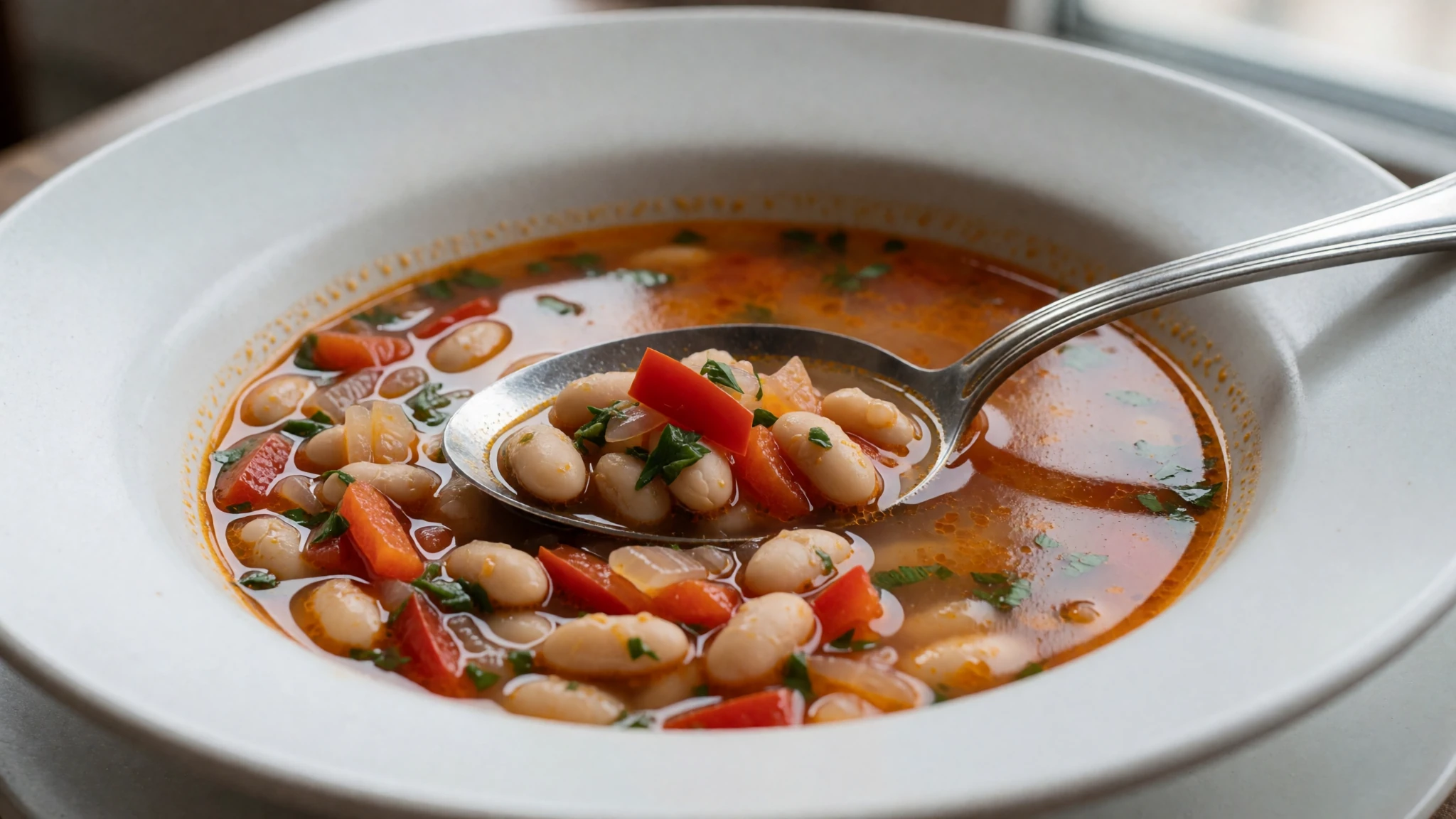
- Sarmale — Traditional restaurants near the main square
Sarmale are cabbage or vine leaves rolled around a filling of minced pork and rice, then simmered slowly with sour cream on the side. They are a winter staple and a sign of a good Romanian kitchen. You will find them on the menus of traditional restaurants near the main square, where they are usually served hot.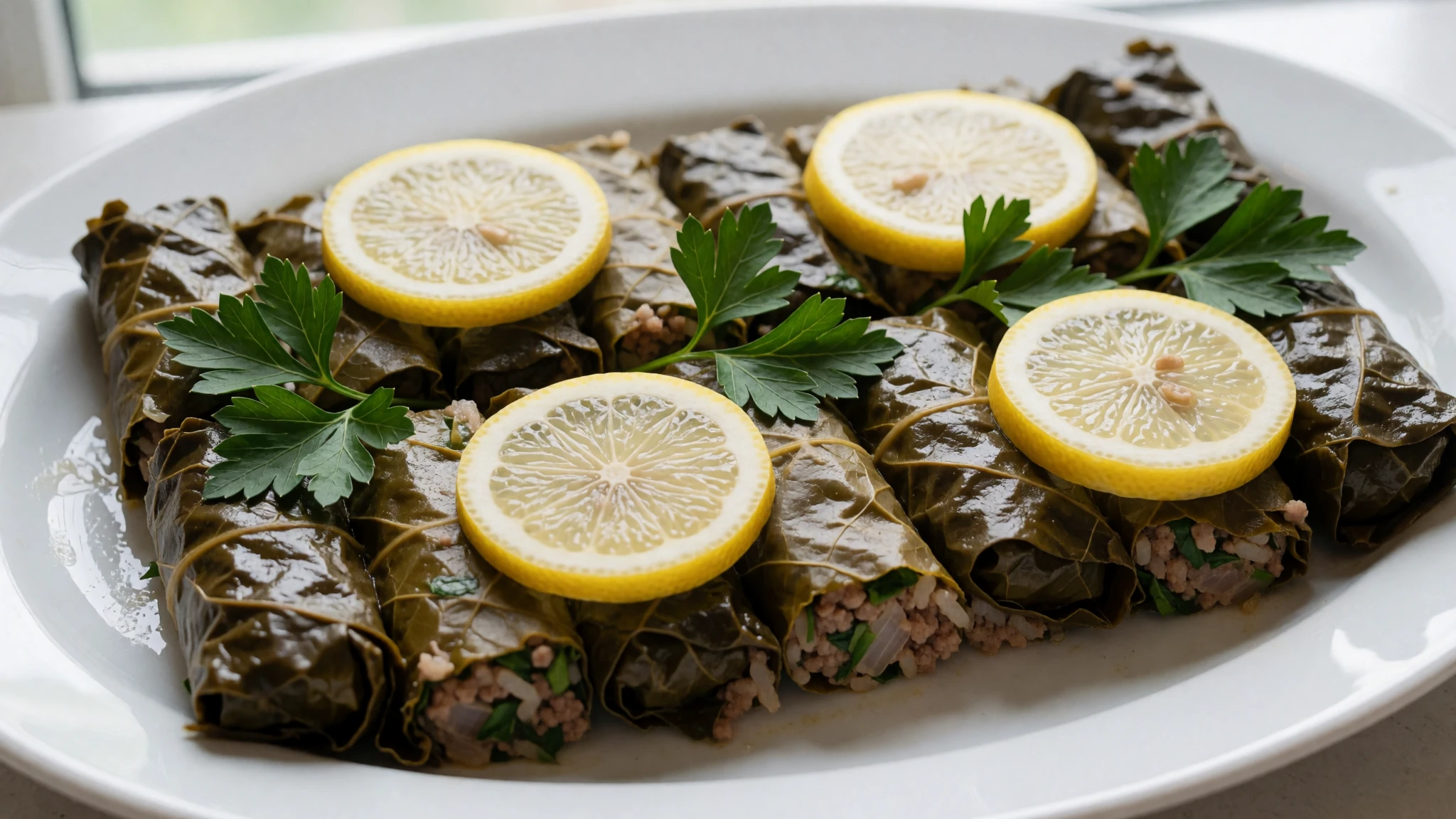
- Mămăligă — Grill-and-stew restaurants across the old town
Mămăligă is a thick polenta made from maize flour, often served with sour cream, cheese or a sharp brined cheese on top. It is a simple, filling side dish that goes well with stews and grilled meats. Ask for it at any table where grilled meats are on the menu, and treat it as the base of the meal rather than an extra.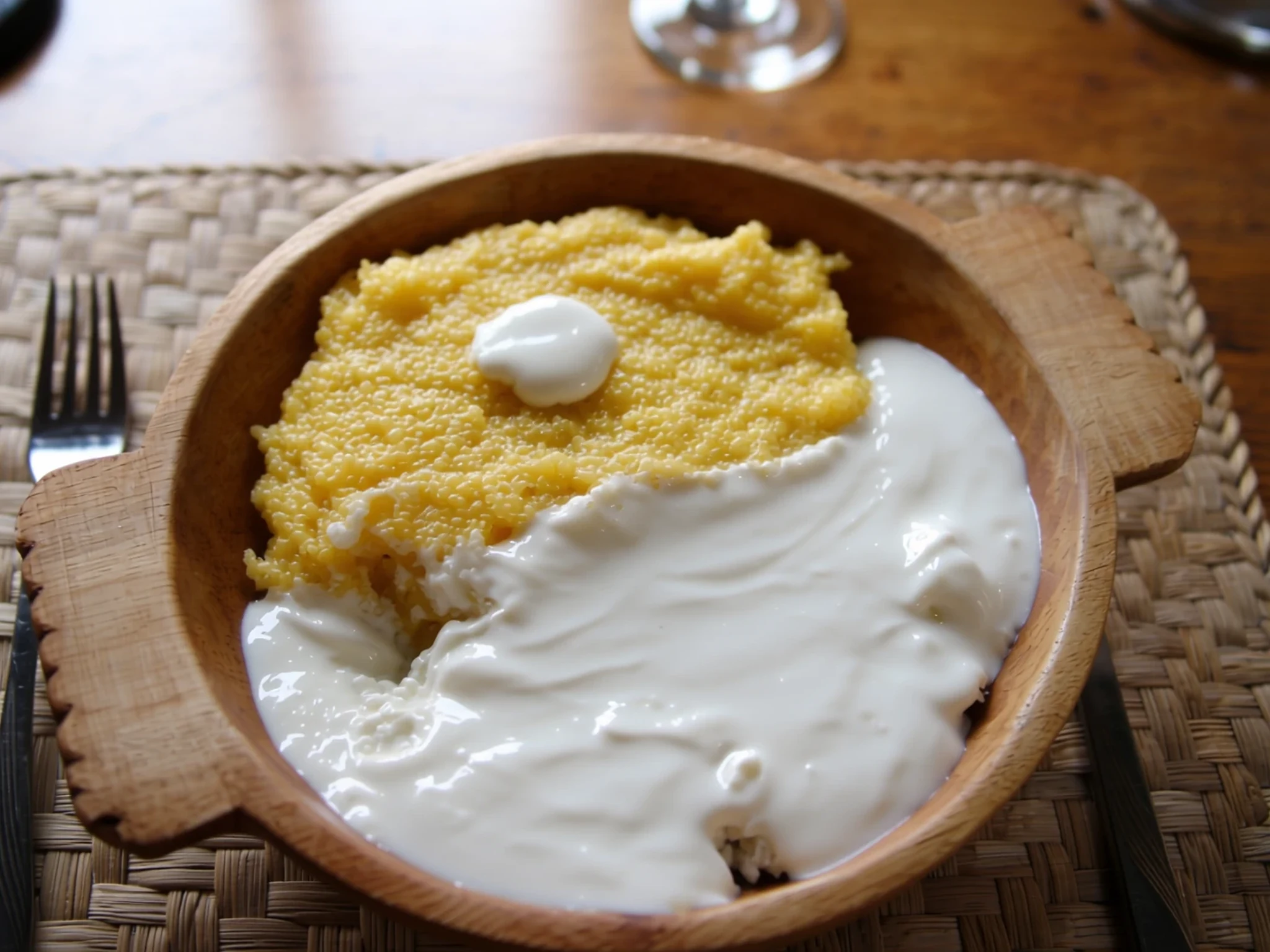
- Local sweet and sour pies — Cafés on the main square (Piața Cetății)
The café on the main square bakes sweet cakes and sour pies locally, and these make a good mid-morning break after the climb. Savoury placinta, with cheese or cabbage filling, are a common Romanian pastry. Ask what is baked fresh that day, since the selection changes through the morning. - Papanași — Cafés and family restaurants in the centre
Papanași are fried or baked cheese doughnuts, served warm with sour cream and jam. They are a traditional dessert and a comforting end to a long day of walking the walls. Look for them on dessert menus in cafés and family restaurants in the centre, and order one to share if you are not sure how much you can eat.
Plan it
Best time. March, April and November suit a visit best, with mild days for walking the walls and fewer coach groups than peak summer. July and August are warm and busy, and winters are cold, so the citadel can be icy underfoot.
How long. 2–3
Getting there. Târgu Mureș airport lies about 48 km away and is the closest option, with Sibiu and Cluj-Napoca further off. The direct train from Bucharest takes about 6 hours, and there are also trains from Sibiu and Târgu Mureș. From Budapest an overnight direct train leaves at 19:00 and arrives at 07:00. The train station lies roughly 1 km north of the historic heart, right by the coaches, so you will finish the journey via a quick cab ride or on foot.
Budget. low
Tips
- Book the overnight train from Budapest in advance if you want a bed in the carriage
- Visit the citadel early in the morning or late in the afternoon to avoid coach groups
- Carry cash for small museums and cafés, and check whether a card is accepted before you order
- Bring water and sun cover for the walls, since there is little shade in summer
- Check the timetable on the official rail site, as Romania is an hour ahead of western Europe and last trains leave earlier than you might expect
Etiquette
- Dress modestly and cover your shoulders and knees when you enter a church
- Ask before photographing people, particularly those in traditional dress
- Keep to the marked routes near the cemetery and do not walk over graves
Nearby
Sources
- Wikidata Q193001 (CC0)
- Wikipedia: Sighișoara (rev 1376861724) (CC BY-SA 4.0)
- Wikivoyage: Sighișoara (rev 5387033) (CC BY-SA 4.0)
- Sighișoara 178, Bogdan Muraru (CC BY-SA 3.0 ro)
- Romania Transylvania Sighisoara Medieval Fortress Panorama 2, MarculescuEugenIancuD5200Alaska (CC BY-SA 2.0)
- Sighisoara, May 2018 787, XeresNelro (CC BY-SA 4.0)
- Casa cu cerbi, Fridolin68 (CC BY-SA 4.0)
- Biserica Manastirii, Mister No (CC BY 3.0)
- Gerberturm in Schäßburg, GerritR (CC BY-SA 4.0)
- Uphill Lutheran church in Sighișoara 04, Superchilum (CC BY 4.0)
- Vlad Dracul House in Sighișoara, Cezar Suceveanu (CC BY-SA 4.0)


