Shirakami-Sanchi
Shirakami-Sanchi, Japan
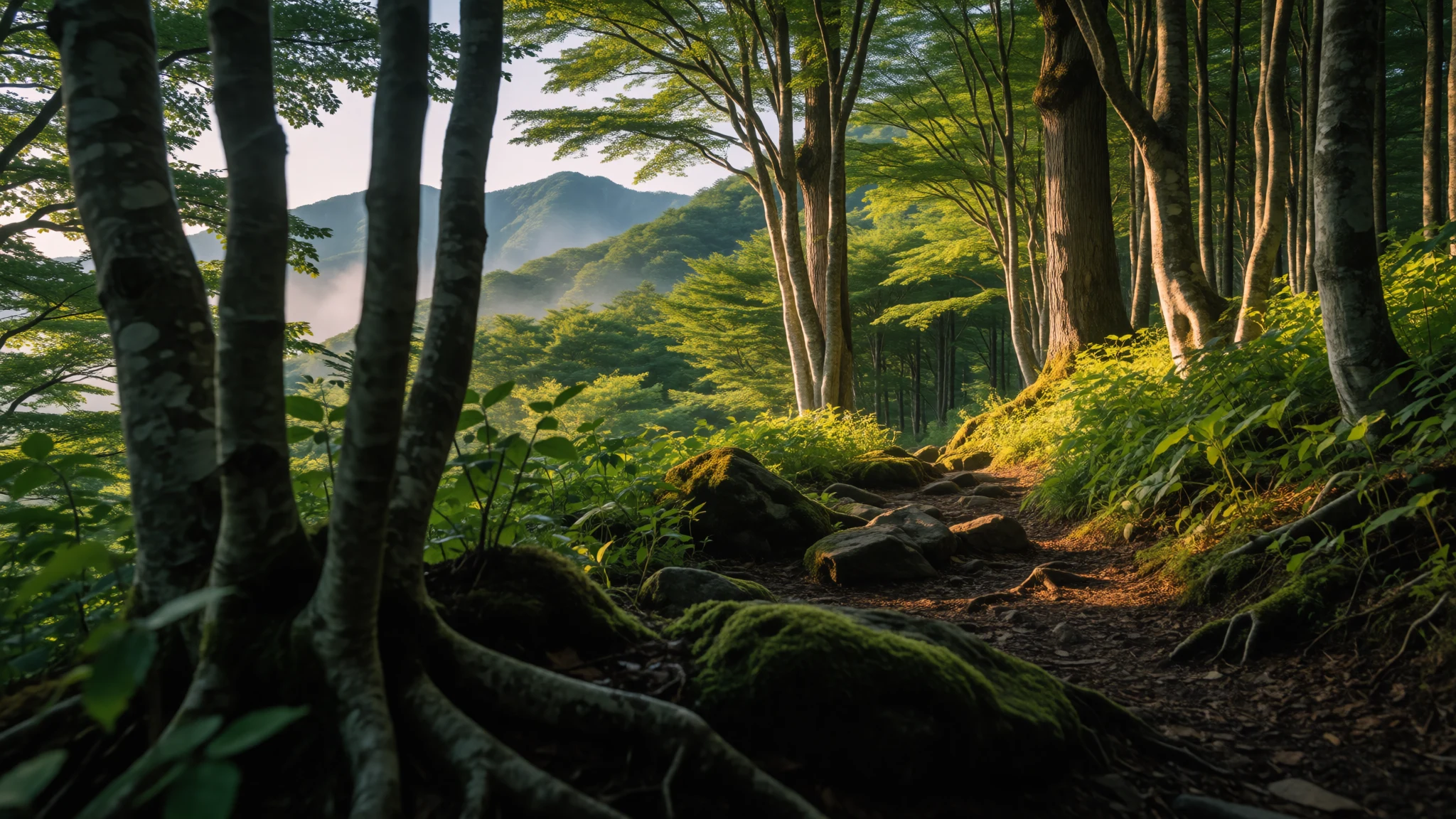
Shirakami-Sanchi is Japan’s beech-forest wilderness, where heavy snow and limited access preserve an ecosystem you feel rather than see.
The place
Shirakami-Sanchi (白神山地, Shirakami-Sanchi) sits in northern Honshū’s Tōhoku region and is a UNESCO World Heritage Site wilderness area. It stretches across Akita and Aomori prefectures, and most of it lies in Aomori. This is not a landscape built around viewpoints and car parks; it’s the kind of place where the forest itself is the attraction.
The headline here is the beech forest: the area includes long-protected, mature woodland associated with Japanese beech ecosystems. In plain terms, the forest is dense, cool, and alive with seasonal change—greens in warmer months, darker, heavier woods as autumn settles in, and a snowbound stillness when winter arrives. Because the site sits near the Sea of Japan, the weather can be intense, and that matters for how the ecosystem holds together.
Access is also part of the deal. You can visit areas outside the core, but entering the “heart” requires permission from forest management, so planning isn’t optional. Several local entry points and trails exist around visitor infrastructure, making it easier to experience waterfalls and forest edges without committing to the most restricted zones.
If the idea of walking among old beech trees in a remote, mountainous corner appeals, Shirakami-Sanchi is one of Japan’s most characterful natural destinations—quiet, physical, and seasonal in a way that feels honest rather than staged.
Its story
Shirakami-Sanchi feels like it’s been “running on northern rules” for a very long time. The forest here is tied to a climate shaped by heavy snow from the Sea of Japan, which helps keep the ecosystem stable and intact compared with places where beech woodland has changed or disappeared.
Wilderness in Japan often comes with a contradiction: “reachability” is built in, but the good parts still demand respect. Shirakami-Sanchi leans hard into that. It’s vast and mountainous, spread across Akita and Aomori, and it includes a core zone where entry is restricted. That permission requirement is a genuine conservation approach, not a tourist inconvenience.
Then there’s the human rhythm around it. Local towns and visitor centres exist because people do travel here—quietly, seasonally, often in small groups. You’ll notice that the best experiences tend to come from starting early and walking at a steady pace, letting the forest do the talking. Water features and forest trail heads give you something concrete to aim for, even when the bigger landscape is the real reward.
Crowds are usually nothing like the famous cities; this is more “companionable” than “packed”. The trade-off is logistics: getting to trailheads takes time, weather can shift quickly, and winter can make the region nearly inaccessible for months. If you like your trips to feel grounded—boots on paths, air that smells like wet leaves, the sense of being in a living system rather than a theme park—Shirakami-Sanchi delivers.
What to see
- Anmon-no-Taki Waterfall
Anmon-no-Taki Waterfall is a three-tier cascade with drops of 26, 37 and 42 metres. From the visitor centre it’s about 1 hr 30 min on foot, and the track through forested surroundings makes the walk feel like part of the waterfall itself.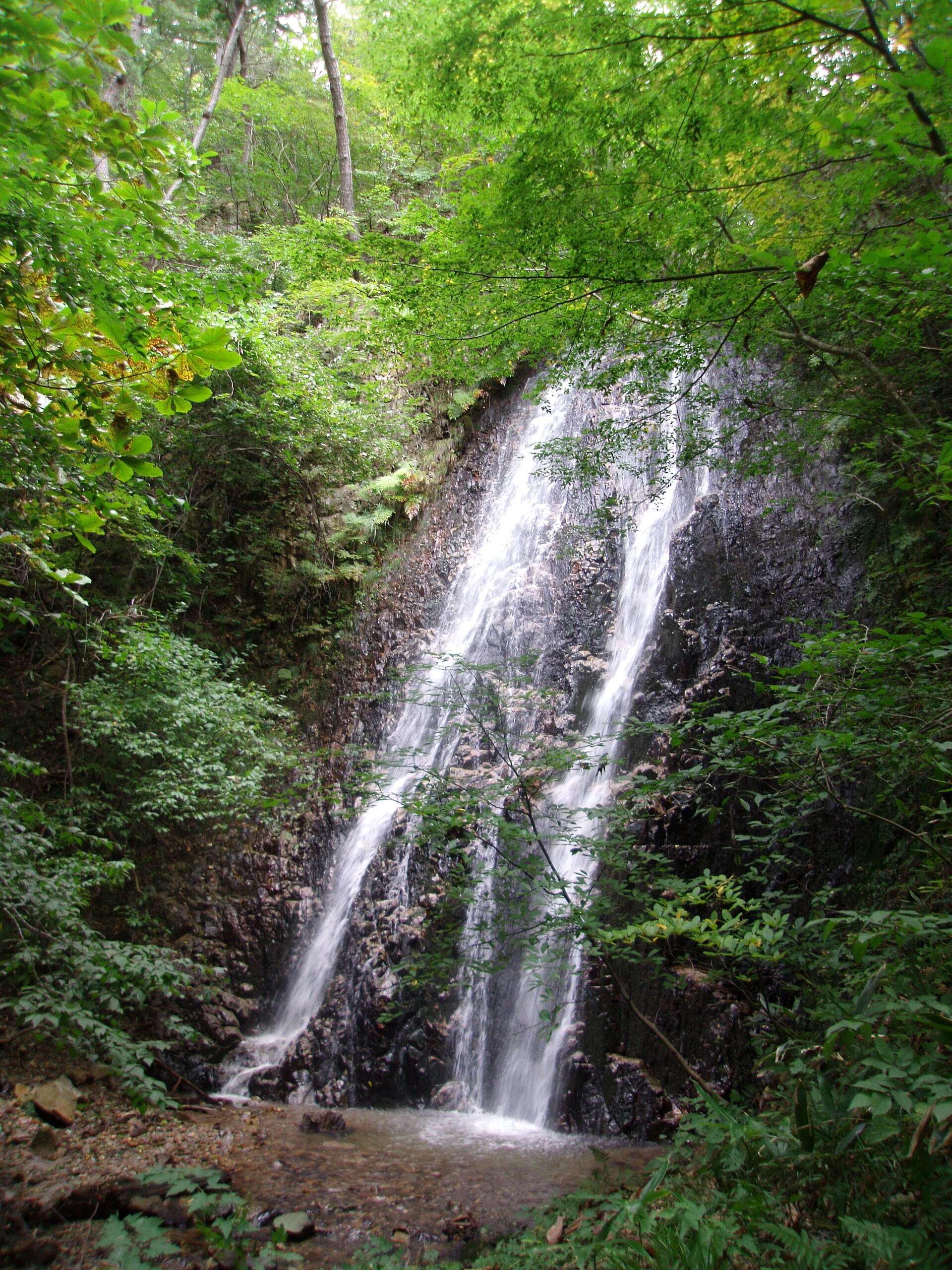
- Visitor Centre — Visitor centre area
The Shirakami-Sanchi Visitor Centre is the simplest place to orient yourself. Entry is free, and there’s an IMAX film about the park shown multiple times a day; it’s paid separately. It’s a good first stop if you want clarity before heading out. - Virgin beech forest landscape — Trail and core forest zones around the site
Shirakami-Sanchi is known for its remaining virgin beech forest—dense, cool woodland where the vegetation reads as “ancient” without needing any signs to explain it. In different months the understory changes, but the atmosphere stays hushed and distinctly forested. - 400-year-old beech (symbol tree) — Beech forest viewpoints and accessible trail areas
A famous Fagus crenata “Yonhyakunen-buna” (400 years old) is referenced as a symbol of Shirakami’s beech heritage. Seeing one tree up close gives scale to the wilderness idea—this is not a quick-growth landscape.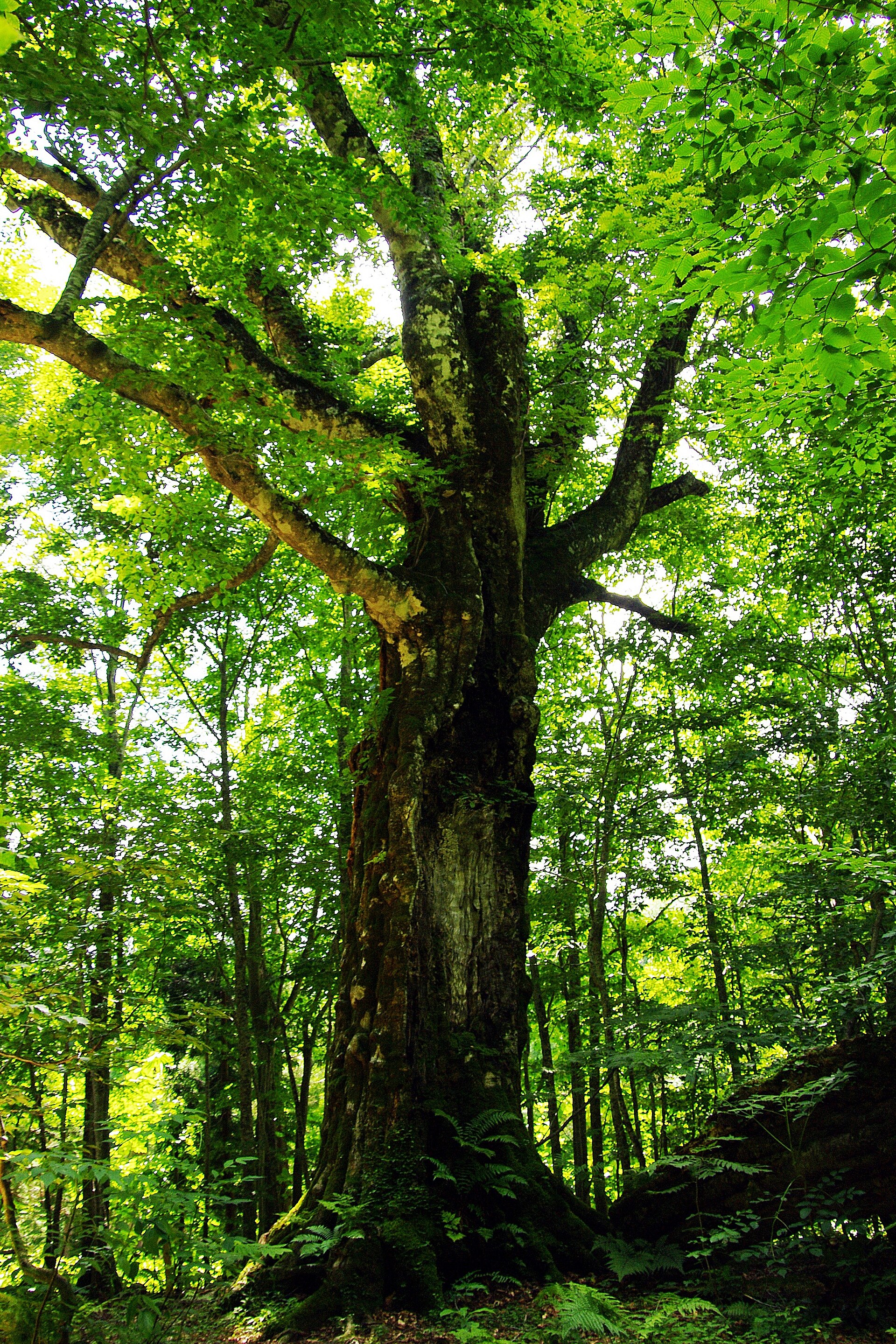
- Aqua Green Village ANMON base area — Anmon area and nearby access routes
Aqua Green Village ANMON is a practical base for visiting the Shirakami area, especially when you’re targeting routes connected to Anmon-no-Taki. It’s the sort of stop that helps you convert “remote mountains” into a workable day.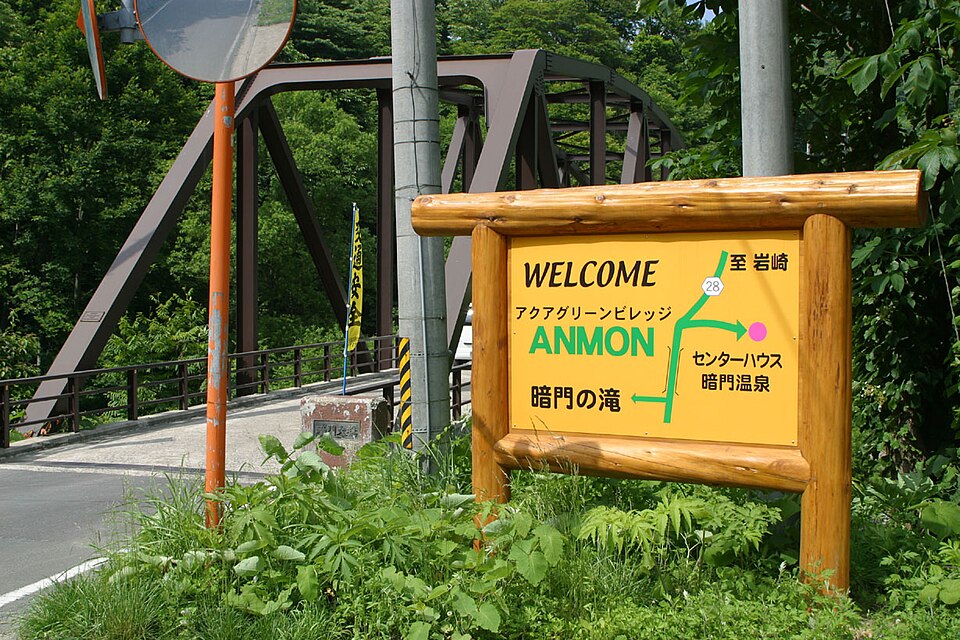
- Fudo Falls — Fukaura Town area
Fudo Falls sits within the broader Shirakami Mountains region (Fukaura Town). It’s a reminder that water features are scattered across this part of Tōhoku, so even when conditions are changeable, there’s often a trail-led option to keep the day moving outdoors.
Culture
Shirakami-Sanchi is set up for conservation and for moving carefully through a living forest. You need permission from forest management to reach the core of the area, which means the local culture is built around clear boundaries regarding accessible routes and careful treatment of trail and forest edges. In practice, visitors who have a good day tend to plan around weather, dress for cold or snow-season conditions, and keep to marked paths because vegetation and ground can be easily damaged.
Language doesn’t need to be perfect, but basic preparedness does: carry a charged phone, some cash for small purchases where needed, and a simple printed map from visitor information if you rely on it. The visitor centre is a sensible starting point because it helps match your expectations to what you can actually access.
Noise level is generally low; this is a place where the point is the walk and the forest mood, not conversation volume. If you’re taking photos, avoid blocking narrow paths and be mindful that others may be watching birds or just absorbing the quiet.
Visitor etiquette: keep to marked trails and quiet zones, and don’t enter restricted areas without the required permission.
What to wear
In Shirakami-Sanchi, clothing is less about style and more about staying warm and dry in a cold, snow-influenced mountain environment. There isn’t a single “local” traditional outfit you’ll see everyday, so practical dressing is the default.
For religious or formal moments, Japan commonly expects modesty—covering shoulders and wearing neat, clean clothing is appreciated. For day walks, people typically wear everyday outdoor layers: a moisture-wicking top, a warm mid-layer, and a waterproof shell if rain or fog rolls in. Footwear matters more than anything else. Trail sections can be muddy or slick, so choose grippy shoes or hiking boots and bring spare socks if the weather is changeable.
What to wear as a visitor: breathable base layers, an insulating layer for the cold woods, and a waterproof jacket; add gloves and a hat in shoulder-to-cold months. If you’re visiting early or in autumn, bring warmer outerwear than you think you need—the mountain air can feel sharper once you’re walking under dense trees.
What to eat
- Regional soba (buckwheat noodles) — Local restaurants in gateway towns around the Shirakami area
Look for soba in local eateries around the wider Tōhoku access points and towns near the visitor routes. It’s an easy, warming meal after a forest walk, often served simply, with broth and seasonal sides. - Miso soup with seasonal vegetables — Small restaurants and roadside eateries in nearby towns
A comforting bowl of miso soup is a common way to warm up in northern Japan. In this region, expect seasonal vegetables depending on what’s available when you visit, usually alongside rice and pickles in a simple set meal. - Simple set meals (teishoku) — Everyday restaurants near visitor access points
If you want something straightforward, search for teishoku-style set meals—rice, soup, a main dish, and small sides. They’re filling after hiking and tend to be easy to navigate when you don’t want to overthink ordering. - Seasonal local fruit and snacks — Convenience stores and local shops in nearby municipalities
In rural northern areas, small shops often carry seasonal fruit and boxed snacks that travel well. It’s a good option for a trail day when you want something light between longer walks. - Warm drinks at the visitor area — Visitor centre and nearby facilities
Before heading out, a warm drink can make a big difference in cold or windy weather. Visitor areas typically have basic refreshments, giving you a practical break without needing a full meal.
Plan it
Best time. March–April for comfortable walking before the deeper summer warmth; late October–November for autumn change when the forest atmosphere is at its most dramatic.
How long. 3–4
Getting there. Fly into Kansai International Airport, then continue to the northern approach by rail; from major rail links, use local bus connections to reach Aqua Green Village near Anmon-no-taki.
Budget. mid
Tips
- Start early on walking days to keep the experience peaceful and allow time for slow forest paths.
- Check which parts of Shirakami-Sanchi are restricted and whether you need permission before planning a “core” day.
- Keep a light emergency kit: waterproof layer, warm top, and a bit of extra water for long walks.
- If you’re using the bus for the Anmon area, arrive with buffer time—remote connections can be slower than city travel.
- Plan around snow: between November and May, the area can be snowed in and hard to access.
Etiquette
- Keep to marked trails and obey any boundary signs for restricted zones.
- Dress for cold and wet conditions so you don’t take unnecessary risks on slippery paths.
- Keep voices low and avoid blocking viewpoints or narrow trail sections when stopping for photos.
Nearby
Sources
- Wikidata Q501638 (CC0)
- Wikipedia (Shirakami-Sanchi) (CC BY-SA 4.0)
- Wikivoyage (Shirakami-Sanchi) (CC BY-SA 4.0)
- photo photos/01-sirakami-santi.jpg (CC BY 3.0)
- photo photos/02-shirakami-mountains-relief-map-srtm-1-with-unesco-world-heri.jpg (Public domain)
- photo photos/03-400-years-old-beech-400-panoramio.jpg (CC BY 3.0)
- photo photos/04-aqua-green-village-anmon-panoramio.jpg (CC BY 3.0)
- photo photos/05-dakedai-400-nen-buna.jpg (CC BY-SA 4.0)
- photo photos/06-fudo-fall.jpg (CC BY-SA 4.0)
- photo photos/07-fujisato-komagatake-2021.jpg (CC BY-SA 4.0)
- photo photos/08-futatumori.jpg (CC BY-SA 4.0)


