Shebenik National Park
Shebenik National Park, Albania
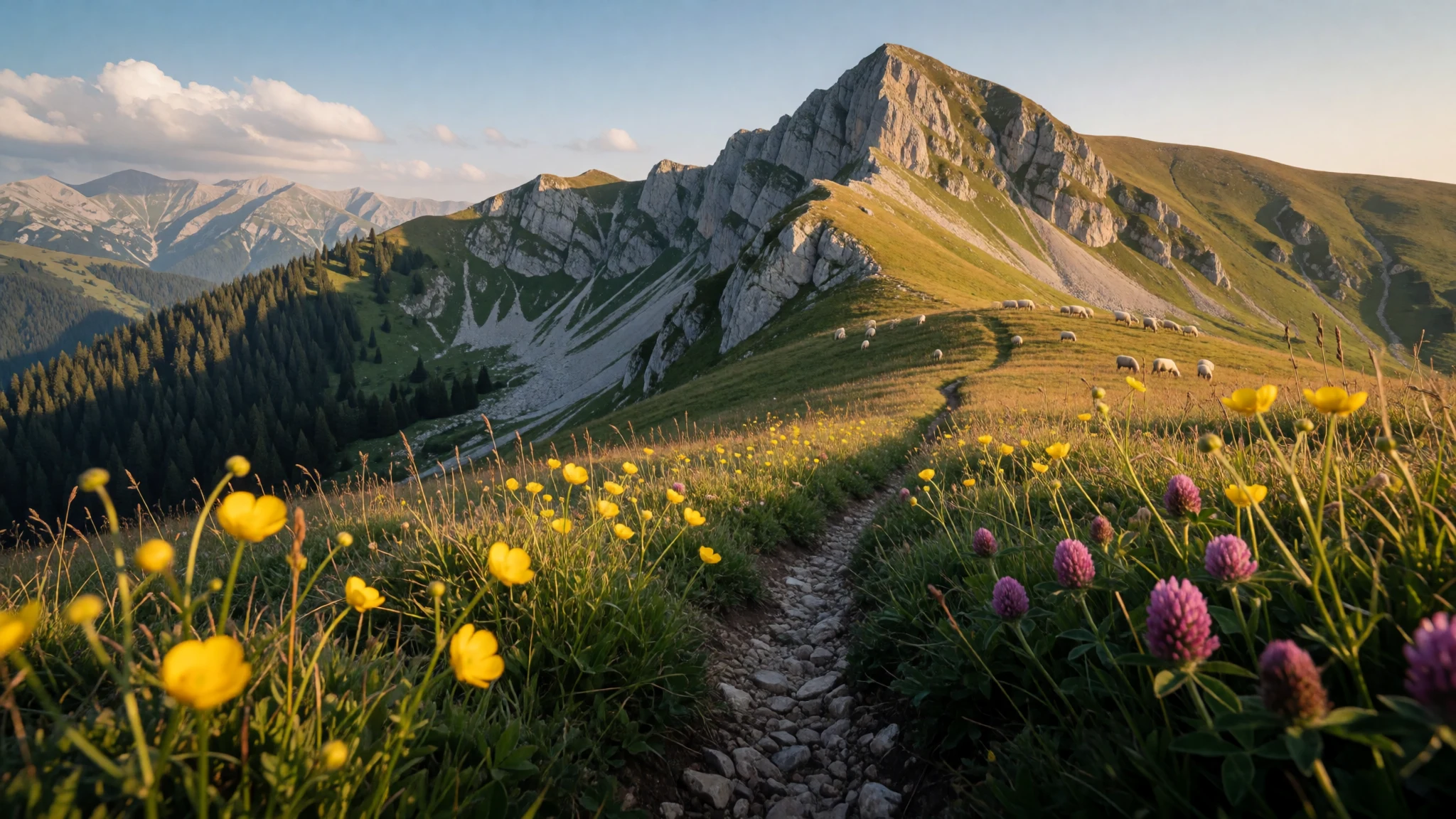
Shebenik National Park is a quiet corner of eastern Albania where glacial lakes, high pastures and forest still shelter bears, wolves and lynx.
The place
Shebenik National Park lies in eastern Albania, pressed against the border with North Macedonia, and protects a mountain landscape of glacial lakes, river valleys, conifer and broadleaf forest, and open alpine meadows. Altitude runs from about 300 metres in the lower valleys to over 2,200 metres on the summits of Shebenik and Jabllanica, which is why the area is often written Shebenik-Jabllanica. That spread of height explains much of the variety: bands of vegetation stack up the slopes, and the remote setting keeps human pressure modest. Brown bear, grey wolf and Balkan lynx all live here, species that have grown scarce across southern Europe. Ice shaped the high ground during the last ice age, and the park holds 14 glacial lakes, plus hollows on mountainsides where small cirque glaciers once sat. Two rivers, the Qarrishte and the Bushtrice, run through it. Ecologically the park belongs to the Dinaric Mountains mixed forests, home to rare and endemic plants, mammals and fungi. It is not a manicured park. Facilities are thin, the villages on its edge set the pace, and most visits are walks, swims in cold water and long looks across the Librazhd region. Tirana and Ohrid are within a few hours, yet the feel is of somewhere far from both.
Its story
Shebenik National Park is a young protected area on paper, established in 2008, but the landscape behind it is far older. The mountains were worked over by glaciers in the last ice age, which left the lake basins, steep-sided valleys and rounded hollows that walkers meet today. Those lakes and the meltwater that feeds two rivers give the forests and meadows their moisture, and the range of altitude lets many habitats sit close together. That mix is the reason conservationists value the park. It is thought to hold one of the remaining core ranges of the Balkan lynx, a subspecies of the Eurasian lynx, and it also shelters brown bear and grey wolf. The protected boundary has not been fixed since the start: in January 2022 the park was enlarged to 34,507.9 hectares, bringing more mountain ground under protection. Around the edges, villages such as Dorëz, Rrajc and Fushë Studën keep older rhythms of grazing and small-scale farming, and several hold festivals at the start of summer. The story here is therefore less about monuments than about a working mountain landscape slowly gaining formal protection, with people, livestock and large carnivores sharing the same slopes.
What to see
- Maja e Shebenikut — Central park, above Librazhd
The summit of Shebenik is the highest point in the park and the classic objective for a long day hike. On a clear day the outlook runs over the Librazhd region and across the border into North Macedonia. Start early, carry all water, and check the weather before committing.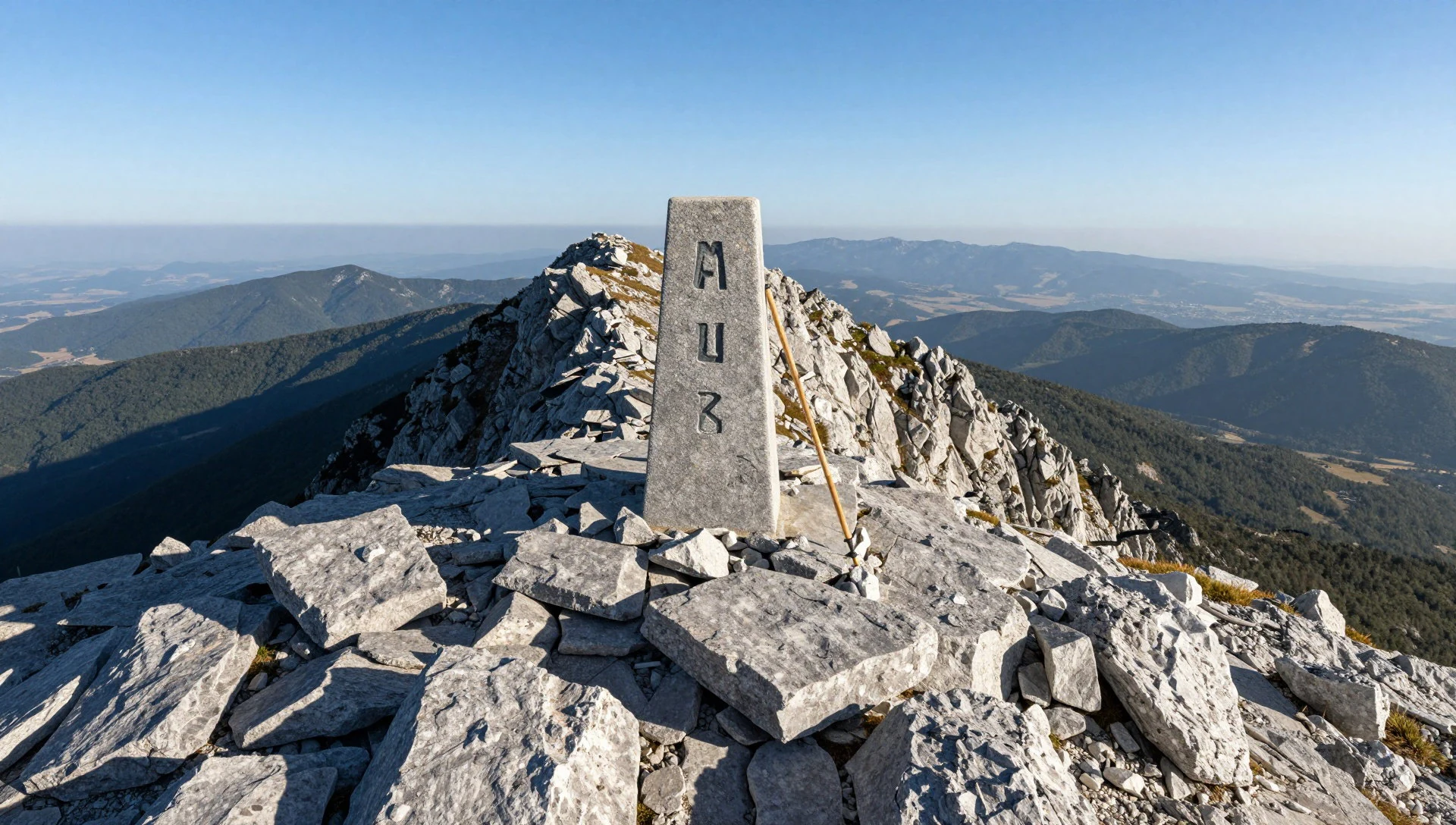
- Fushë Studën and its lake — Village on the park edge
Fushë Studën is a small village close to the park with a pleasant lake beside it. Wild camping is possible here, though it is wise to ask locally first. The surrounding alpine pasture is open, grassy walking country with wide views, suited to a slow afternoon rather than a big climb.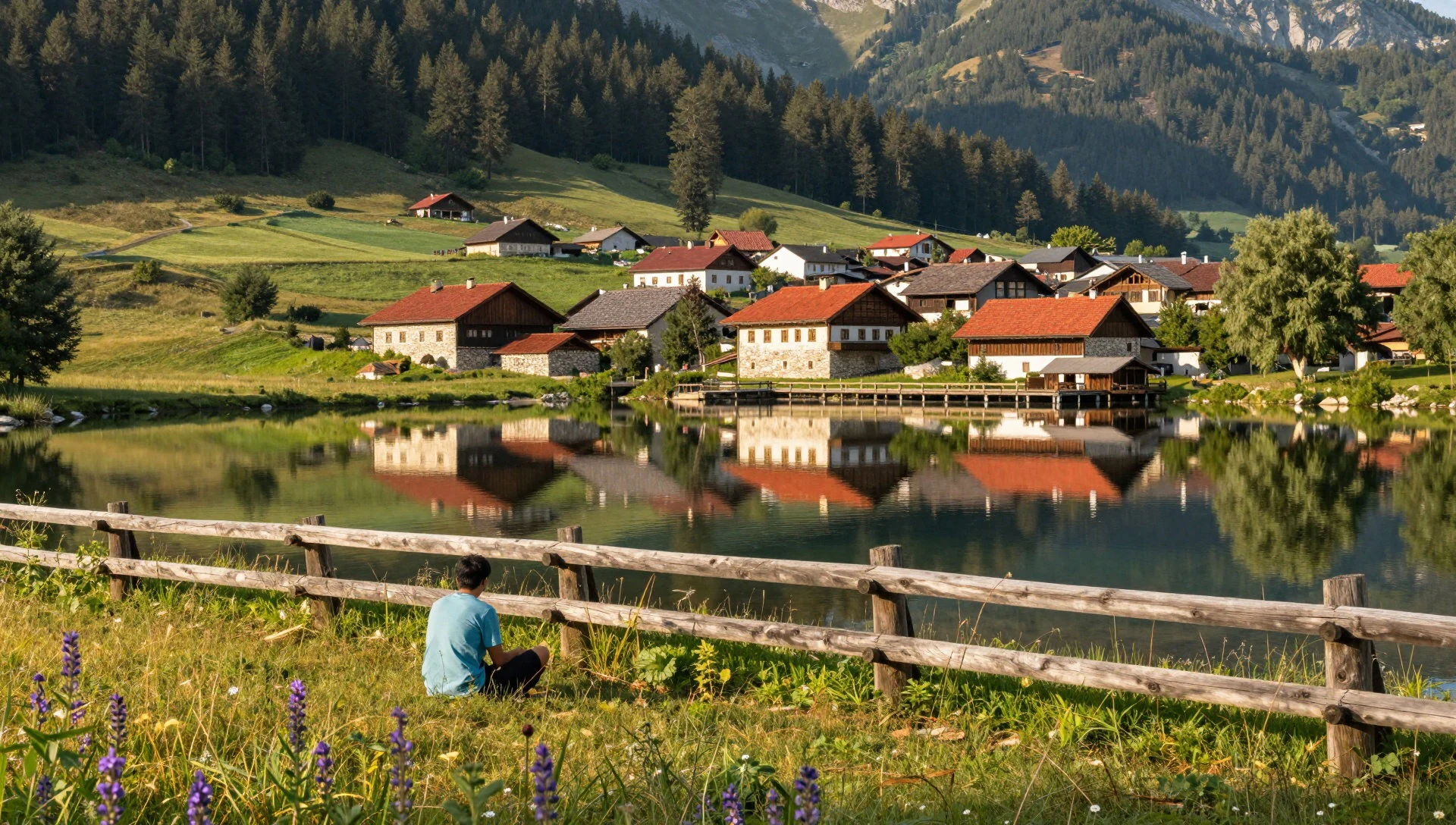
- Glacial lakes and ponds — High ground across the park
The park holds 14 glacial lakes, the highest sitting well up in the mountains, along with smaller ponds and streams. Swimming is part of the appeal in summer, though the water is mountain-cold. Reaching the higher lakes means proper walking, so plan time, footwear and a way back before dark.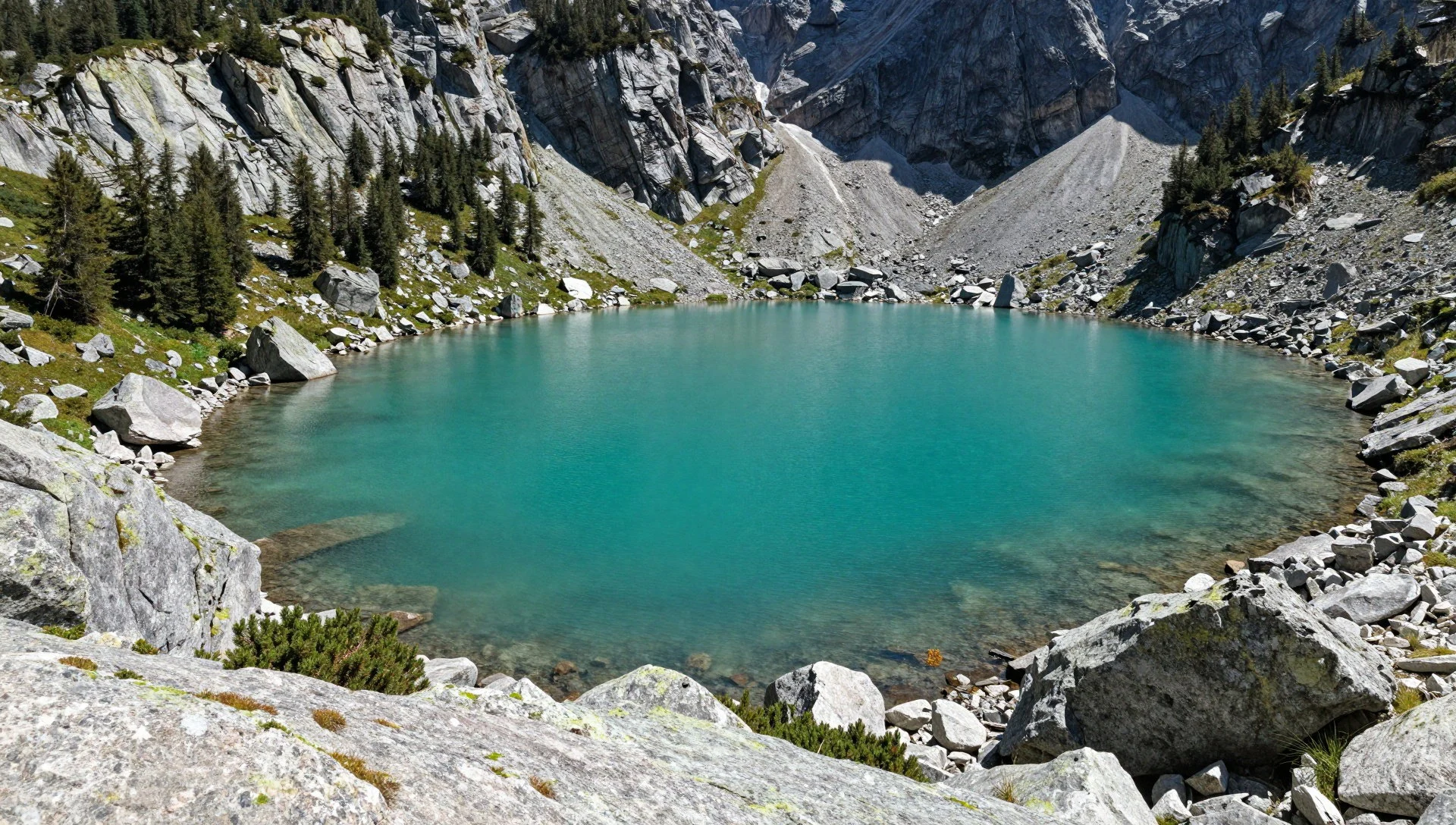
- Llangë valley and the park edge — Librazhd side
On the periphery near Librazhd, the valley around Llangë gives an easy first look at the mountains from below. Farmland, scattered houses and forested slopes make a gentle introduction for those who want views and village life before committing to a trail.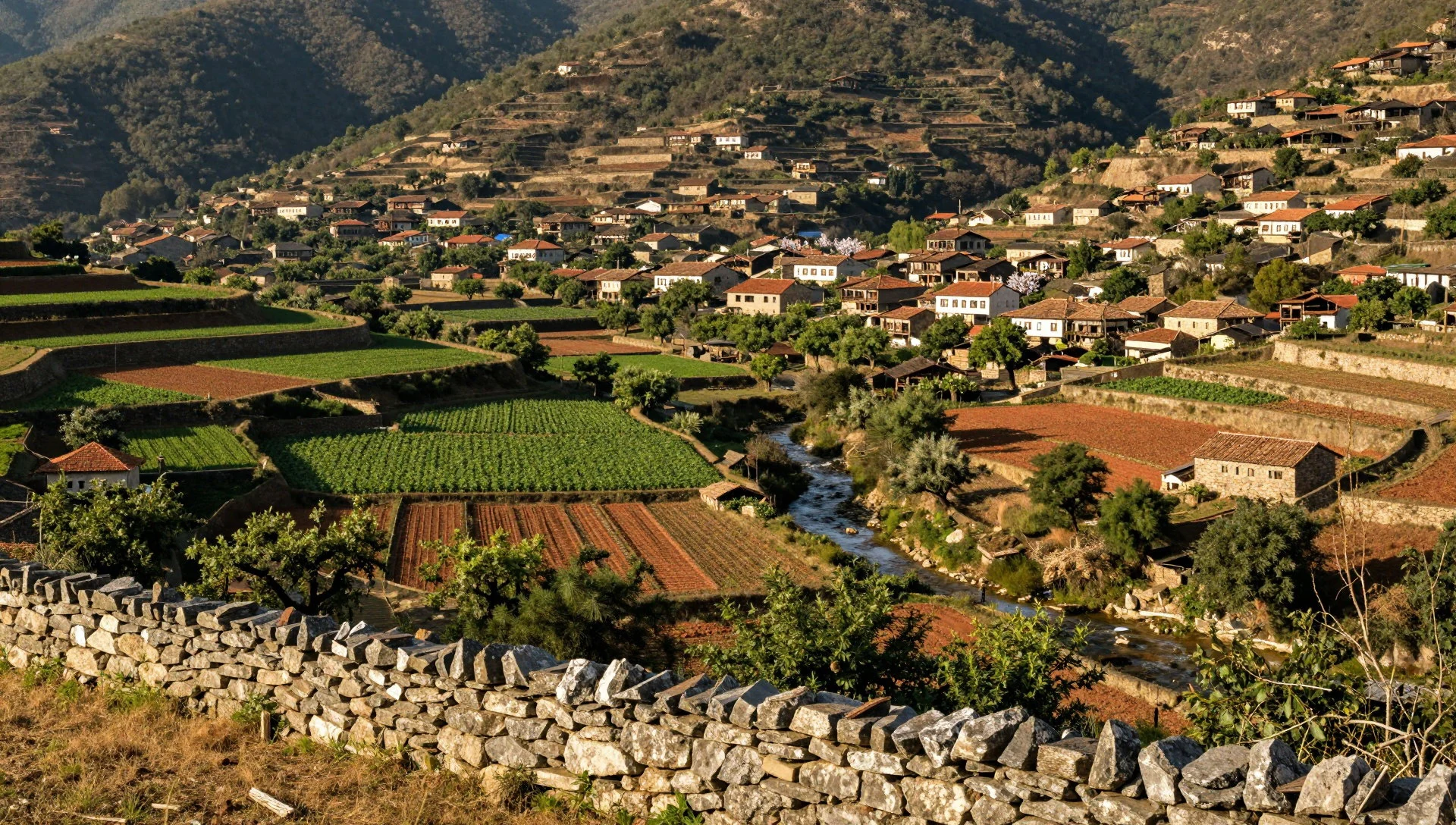
- Forest and wildlife country — Forested slopes throughout
Dense conifer and broadleaf forest covers much of the lower and middle slopes. Bears, wolves and lynx live here, but sightings are rare and nobody should hike expecting one. Tracks, quiet and plant life are the realistic rewards, and a local guide improves the odds of noticing them.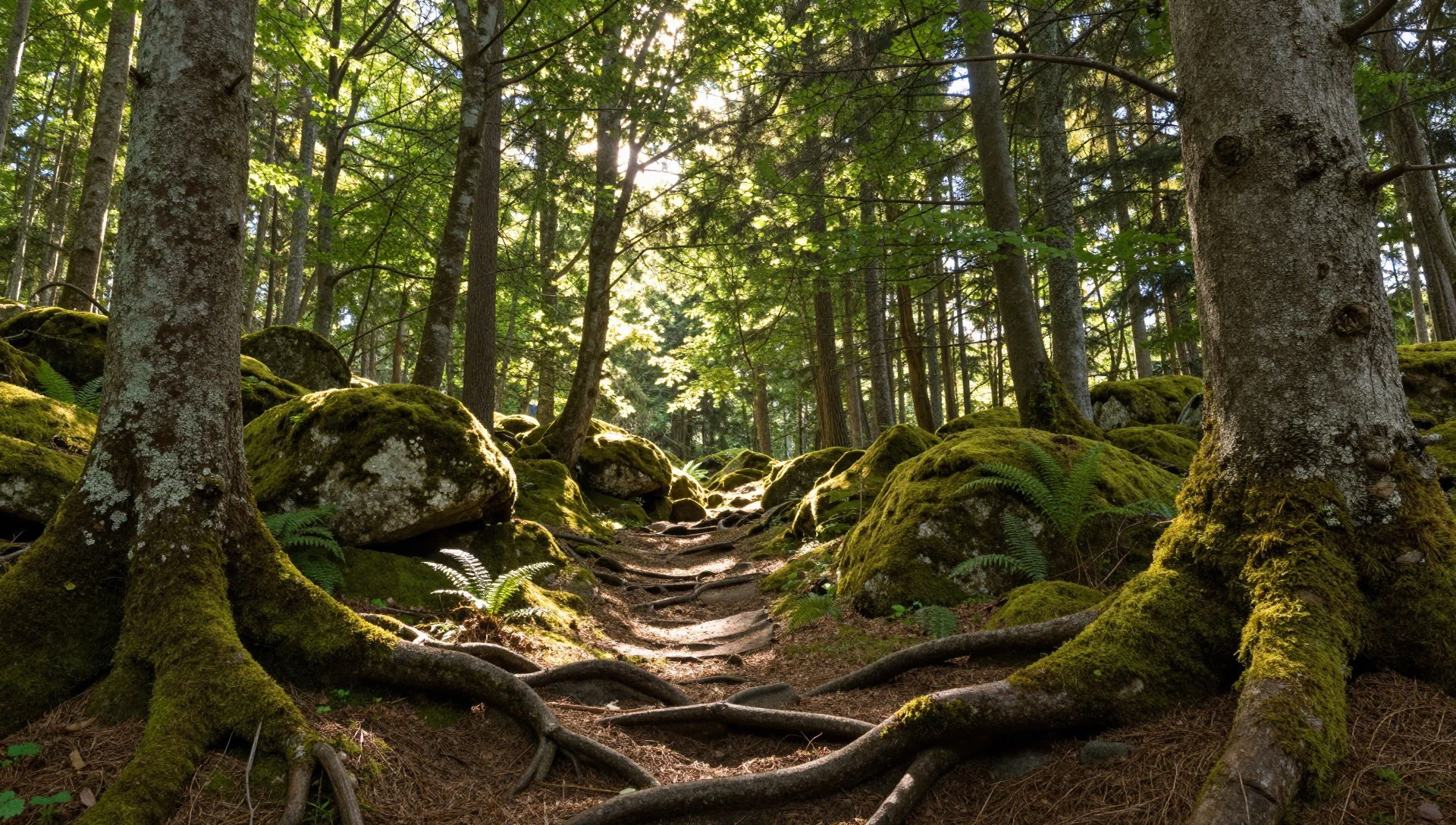
Culture
Shebenik National Park is mountain country where village life still shapes how the land is used. Communities on the edges of the park, around Librazhd, Prrenjas and Dorëz, live from farming, livestock and small local trade, and the pace is unhurried. Albanian hospitality is strong in places like this: an offer of coffee, fruit or a glass of raki is common, and refusing everything outright can feel curt, so a small taste and a thank-you goes a long way. Village bars double as meeting rooms, and sitting in one is the easiest way to hear about trail conditions, weather and whether a track is passable. Several villages in and near the park hold festivals at the start of summer, which are community events rather than staged shows, so visitors are guests and should behave like it. Because large carnivores live in the park, locals tend to be matter-of-fact about wildlife and quietly protective of grazing animals. Land near villages may be private, and the line between park and pasture is not always marked. Ask before pitching a tent, shutting any gate behind you, and leaving livestock and beehives alone, since fenced and farmed ground near villages can belong to someone.
What to wear
Shebenik National Park sits in rural eastern Albania, where older mountain dress is now mostly seen at festivals and family occasions rather than daily life. Traditional clothing in the region has leaned on wool and felt, such as the white felt cap known as the qeleshe, with embroidered waistcoats and woven belts, and it tends to come out for early-summer village celebrations and weddings. Day to day, people wear what any working rural community does: practical trousers, shirts, fleeces, sturdy shoes or wellingtons, and caps or headscarves against sun and wind. In Librazhd and Prrenjas the look is casual and modern, with jeans and trainers common. Visitors should dress for the terrain first. Trails run from forest to open ridges, so layers matter: a warm mid-layer, a waterproof shell, a sun hat and sunglasses, and ankle-supporting walking boots with a good grip for loose stone and wet grass. Shorts are fine on the trail, but in villages knee-length shorts or light trousers feel more respectful. Carry a swimsuit or quick-dry shorts for the lakes, and a dry change, as high water stays cold even in summer.
What to eat
- Raki me thanë — Small village bars around the park
Raki made from dogwood fruit, called thanë in Albanian, is the local drink worth asking about. Small bars in the villages around the park pour it. Expect it to be strong, served in small glasses, and best sipped slowly after a day on the trail.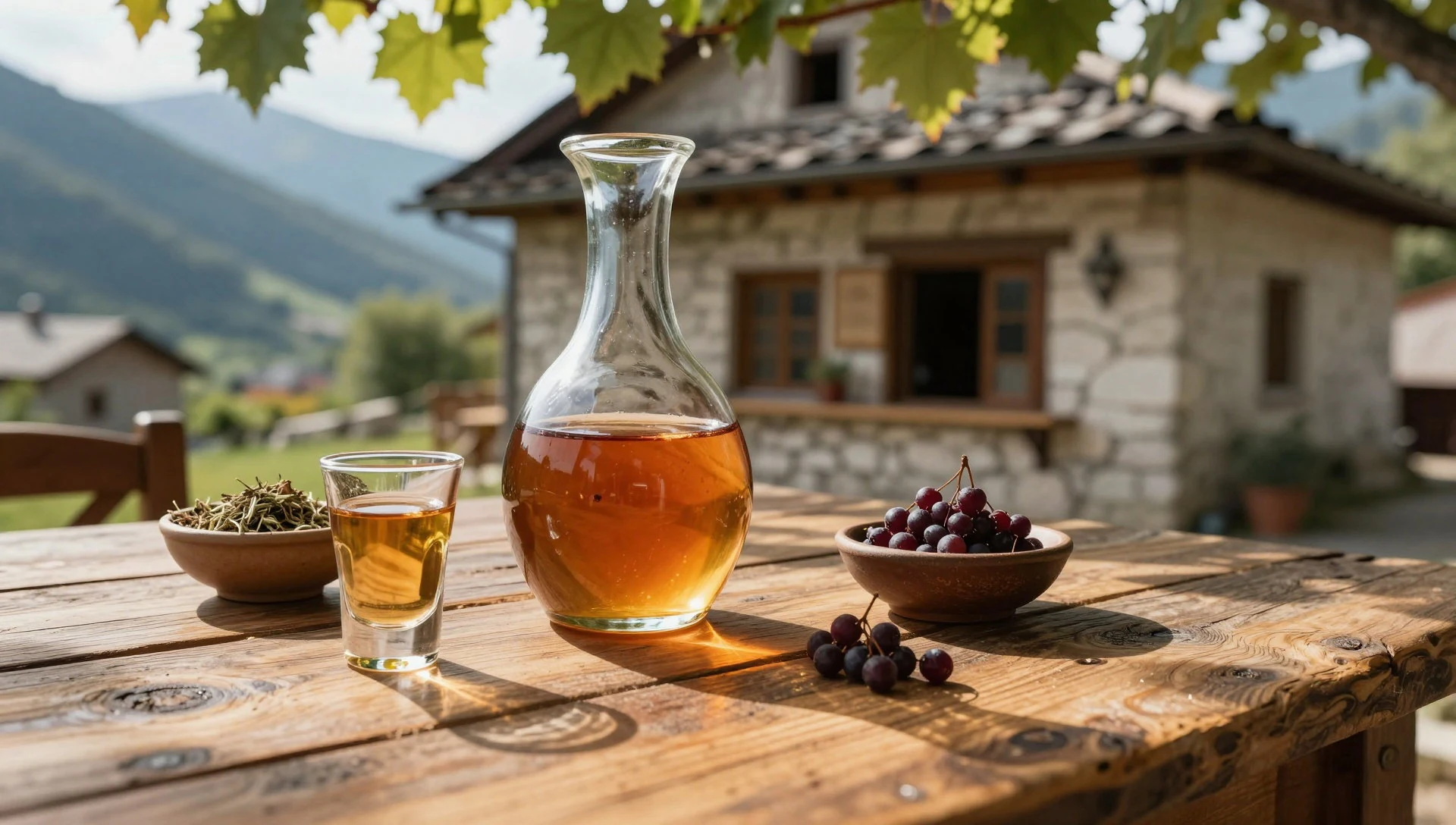
- Wild berries, plums and figs — Trail edges and village gardens
Wild blackberries, strawberries, plums and figs grow in and around the park and ripen through the warm months. They are picked rather than sold, so the easiest way to taste them is along a trail edge or from a village garden where someone offers.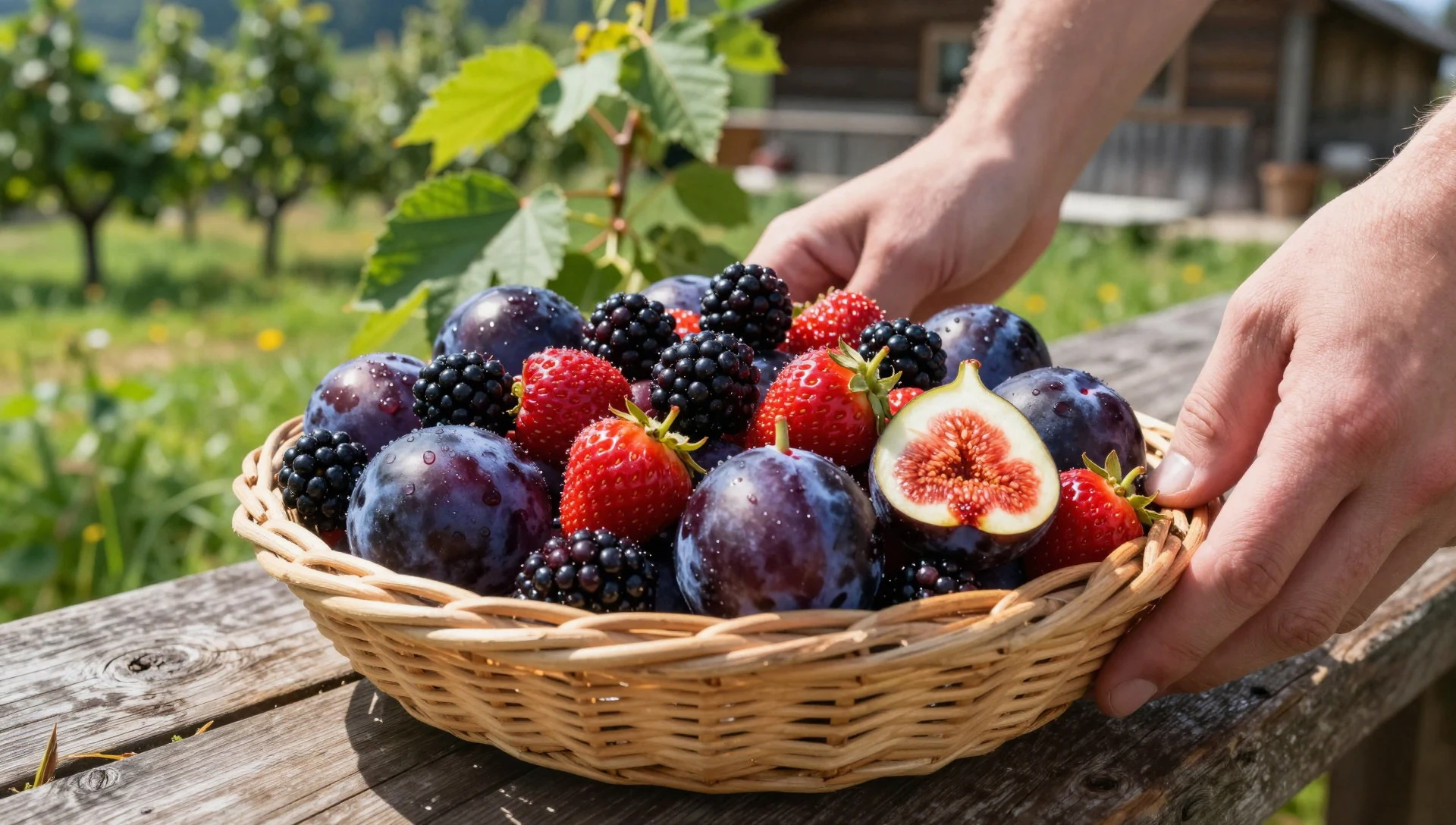
- Tavë kosi — Family-run eateries in Librazhd and Prrenjas
Lamb baked under a set topping of yoghurt and egg, a staple of Albanian home cooking. Look for it in family-run eateries in Librazhd, Prrenjas and along the main road, where it usually arrives still bubbling in its baking dish. - Byrek — Bakeries in Librazhd and Prrenjas
Flaky pastry filled with cheese, spinach or minced meat, sold warm from bakeries in the valley towns. It is cheap, packs well and makes a sensible trail lunch before the minibus or the drive up into the hills. - Village cheese and yoghurt — Village bars and guesthouses on the park edge
Mountain households in this part of Albania commonly make white cheese and sour yoghurt from sheep or goat milk. Availability varies, so ask at a village bar or guesthouse whether anyone sells homemade, and eat it with bread and tomatoes.
Plan it
Best time. June to September, when the high ground is most likely to be free of snow, the lakes are inviting for a swim and village festivals begin at the start of summer. Outside those months the upper slopes are harder going, so check local conditions before heading up.
How long. 2–3
Getting there. Fly into Tirana, then drive or take a bus towards Elbasan and Librazhd on the Tirana–Skopje highway. At Librazhd, follow signs for Peshkopi; park signs appear on the right near Dorëz after about 15 minutes. From North Macedonia, Pogradec or Korçë, the Rrajc entrance is just before Prrenjas. The Tirana–Pogradec railway stops at Librazhd and Prrenjas, and minibuses run from both to park entrance villages, usually early in the morning.
Budget. low
Tips
- Catch village minibuses early in the morning; they are infrequent, so confirm the return before setting off
- Carry cash, food and plenty of water, as services inside the park are minimal
- Rooms are in Librazhd and along the Tirana–Skopje road; there are no established campsites, though camping is allowed
- Bears, wolves and lynx live here, so keep a respectful distance from any wild animal and avoid hiking alone at dusk
- Download offline maps before leaving the valley, since mobile signal on the high ground is unreliable
Etiquette
- Check you are not camping on private land, and ask in the nearest village if unsure
- Take all rubbish back down with you
- Accept a cup of coffee or raki graciously, even if only a small sip
Nearby
Sources
- Wikidata Q1969017 (CC0)
- Wikipedia: Shebenik National Park (CC BY-SA 4.0)
- Wikivoyage: Shebenik-Jabllanice National Park (CC BY-SA 4.0)
- Liridon, Panoramic view of Shebenik-Jabllanicë National Park from Black Stone Peak (CC BY-SA 4.0)
- Danielabardhoshi, Liqeni i Fushë Studnës (CC BY-SA 4.0)
- Seth Pyenson, Valley near Llangë (CC BY 3.0)
- Christoph Anton Mitterer, Eurasian lynx (CC BY-SA 2.0)
- Spyenson, Alpine Pasture Shebenik Jabllanice (CC BY 3.0)
- Anja Shata7, Bukuri te magjishme (CC BY-SA 4.0)
- JoraK, Flowrishing Plant in Shebenik National Park (CC BY-SA 4.0)
- JoraK, Forest in Shebenik 3 (CC BY-SA 4.0)


