Shahr-e Sukhteh
Shahr-e Sukhteh, Iran
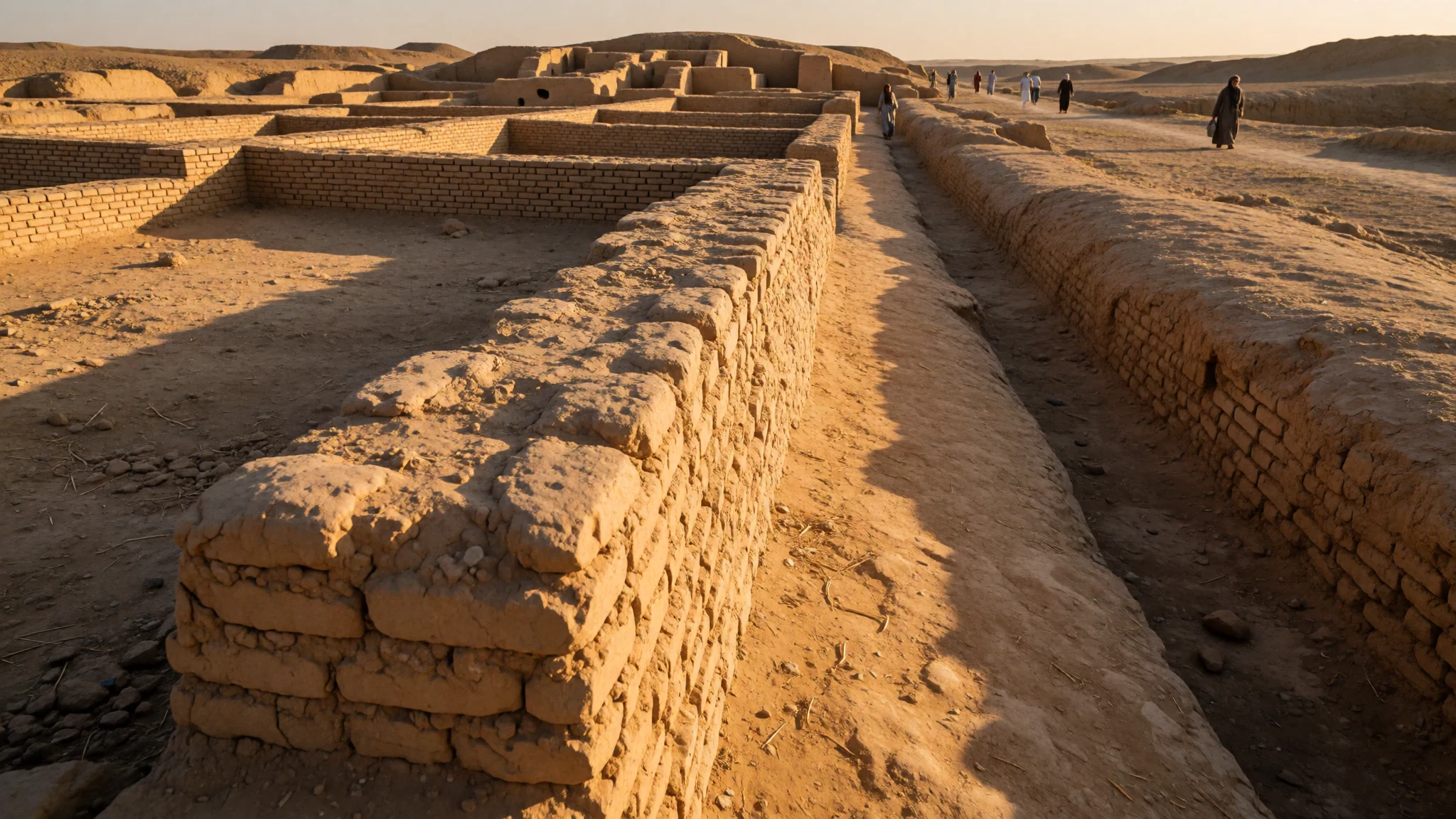
Shahr-e Sukhteh is a rare chance to walk through a Bronze Age city and look at the clues of why it vanished.
The place
Shahr-e Sukhteh (شهر سوخته, “Burnt City”) is an archaeological site in Iran’s Sistan and Baluchistan Province, in the country’s south-east. The main story here is scale: this wasn’t a scatter of huts, but a large Bronze Age city linked to the Helmand culture.
The site sits on the Helmand River, near the Zahedan–Zabol road, which makes it feel less like a remote desert ruin and more like something once anchored in a living landscape. Today the ground tells a quieter tale: walls, foundations, and the sense of streets that once connected homes, workshops and storage.
A big part of the draw is the “unexpected” nature of what archaeologists have found. The material recovered from the city doesn’t line up neatly with patterns seen in neighbouring civilisations, and that mismatch is part of why the site still triggers debate—could the region have had its own independent development rather than simply reflecting Mesopotamian influence?
There’s also the UNESCO angle: Shahr-e Sukhteh is on the World Heritage List, so you’ll usually find more interpretive material and more care in how the site is presented than you would at an ordinary ruin. That said, this is still the kind of trip where you plan for heat, long road legs, and logistics—don’t treat it like a weekend museum visit.
Practical note on experience: conditions in Sistan and Baluchistan can shift quickly with winds and dryness. In the warmest, sunniest months, plan around the midday conditions—March through April are milder, while May through September are hotter and drier. October and November are cooler again, with slightly more frequent showers than the driest months.
Its story
The “burnt city” name gives you a hook, but Shahr-e Sukhteh’s real story is about puzzles. The settlement is dated to the Bronze Age, and the site’s rise and fall is still wrapped in uncertainty. That uncertainty is not frustrating—on the contrary, it’s part of why people keep coming back with new questions.
Archaeologists have pulled together artefacts that show an intriguing mismatch with nearby cultures of roughly the same era. In other words: the things people made, used, and left behind don’t behave like a simple regional copy of the civilisations to the west. Some researchers have even floated the idea that Shahr-e Sukhteh could help prove a civilisation east of prehistoric Iran that developed with a degree of independence, rather than being wholly driven by Mesopotamia.
A site like this also makes you think differently about “trade” and “connections”. If communities are interacting, you’d expect clear overlaps in styles or technologies; if overlaps are uneven, the story might be about selective exchange—certain goods moving, certain ideas not. The Helmand cultural association adds another layer: Shahr-e Sukhteh isn’t just an isolated ruin in the desert; it’s tied to a wider network along the Helmand River system.
Then there’s the environmental backdrop. Sistan and Baluchistan is among Iran’s drier provinces, and the region is shaped by seasonal winds, including famously harsh periods like the “120-day wind” (Levar). When you imagine a city’s day-to-day life—water, crops, animals, storage—those winds and dry spells stop being background and become part of the reason a settlement might struggle or transform.
In short: Shahr-e Sukhteh isn’t a place where the mystery is an abstract headline. It’s written into the layout and the artefacts, and it turns every visit into a slow, wondering read of the past.
What to see
- Shahr-I Sokhta ruins (the burnt city) — main ruins area
Shahr-I Sokhta is the core archaeological area: the abandoned city remains that form the reason Shahr-e Sukhteh is talked about at all. You’re essentially reading layers of an urban settlement—house areas, structural traces, and the overall feel of how people lived, worked, and moved through the site.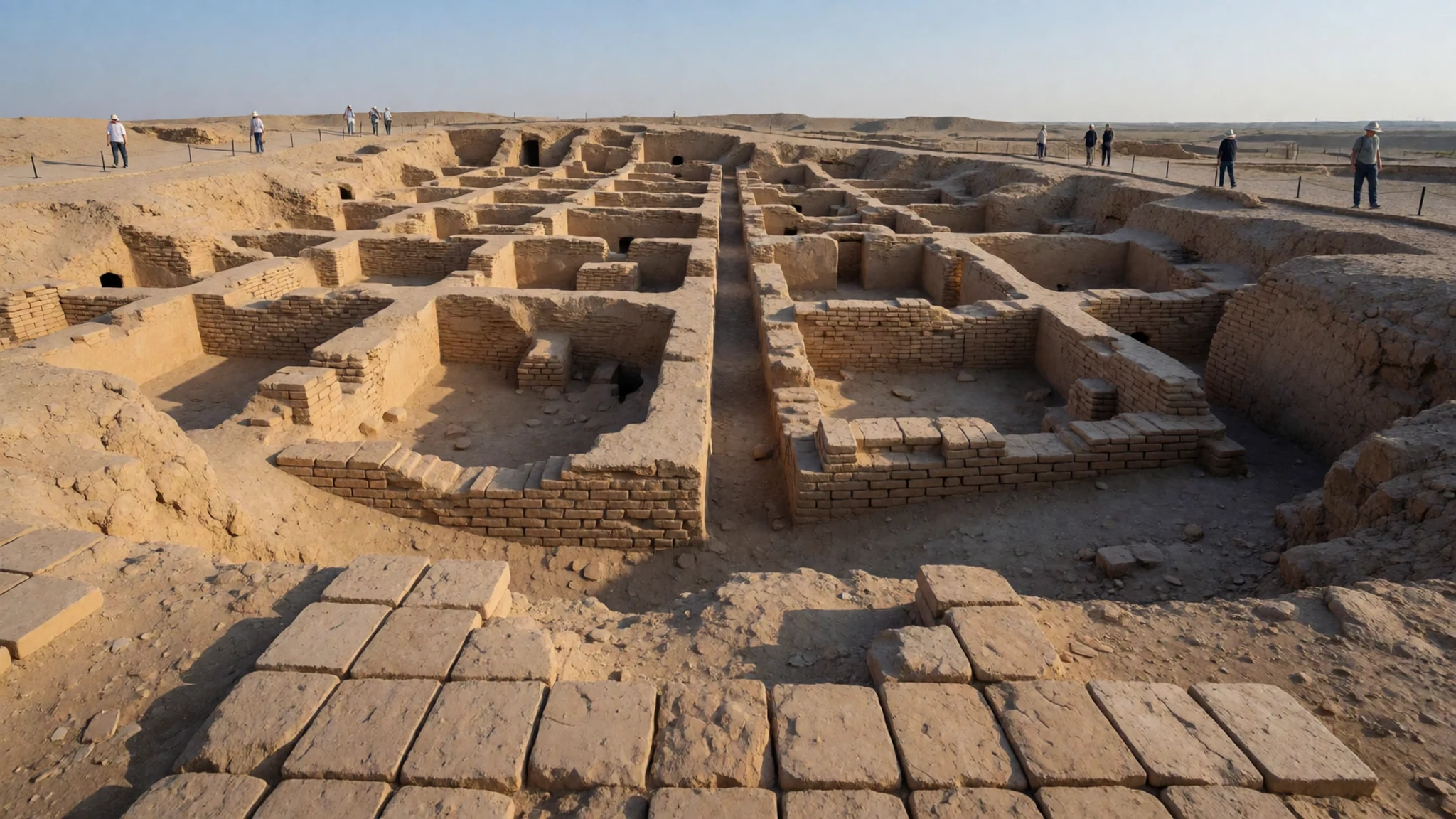
- Site entrance and approach areas — entrance area
The entrance zone sets expectations: it’s where you’ll orient yourself before stepping into the ruins. Photos often capture the stark contrast between preserved stone/earthwork edges and the surrounding landscape. This is also where you’ll notice how exposed the site can feel in wind and heat.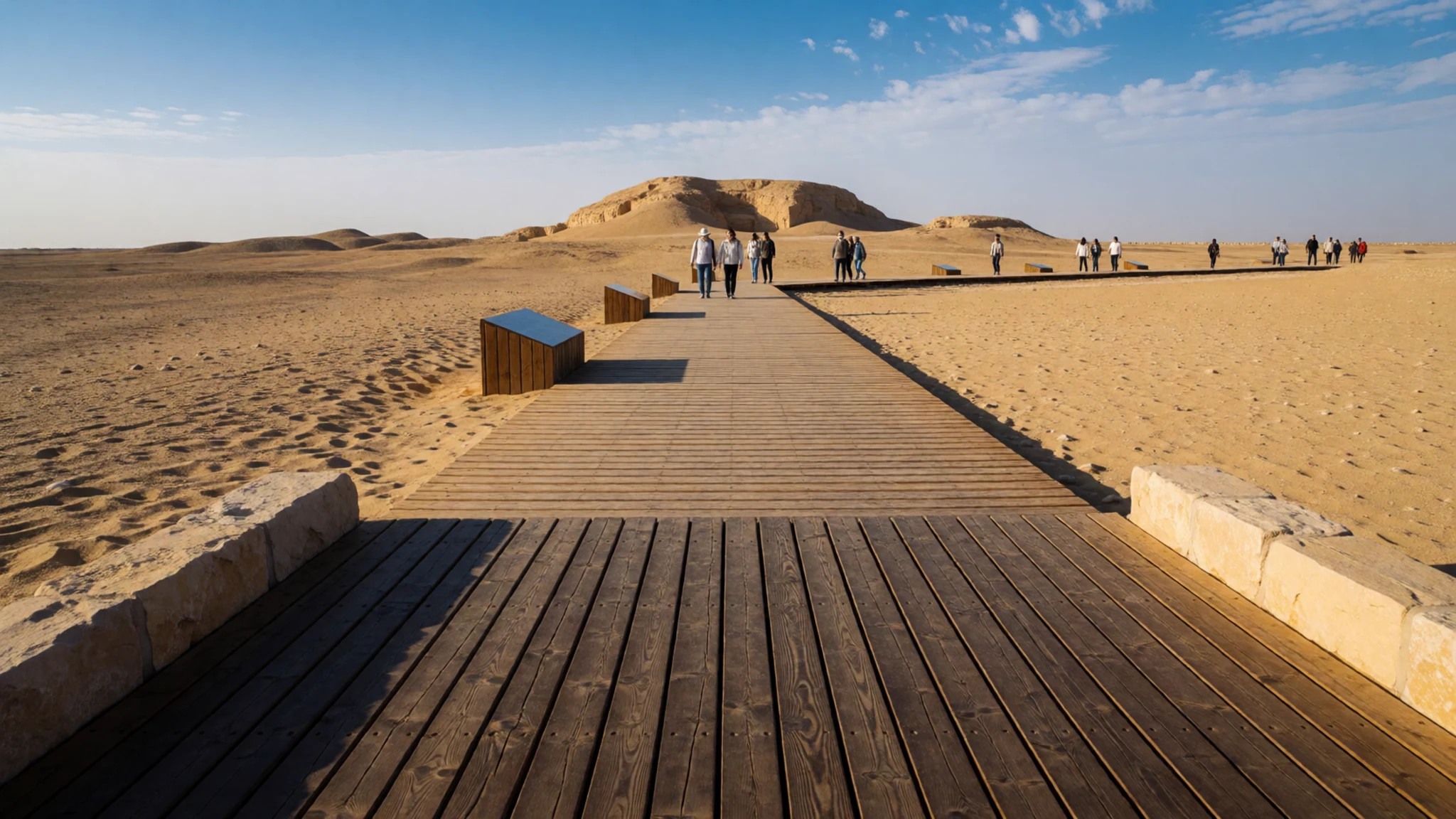
- Proto-Elamite Tablets (displayed artefacts context) — museum/display context
Proto-Elamite tablets connected with Shahr-i Sokhta come up in the site’s wider interpretation, helping visitors connect daily life and records to the Bronze Age world. Even if you can’t read the script, the point is tangible: writing systems and administration matter here, not just pottery and walls.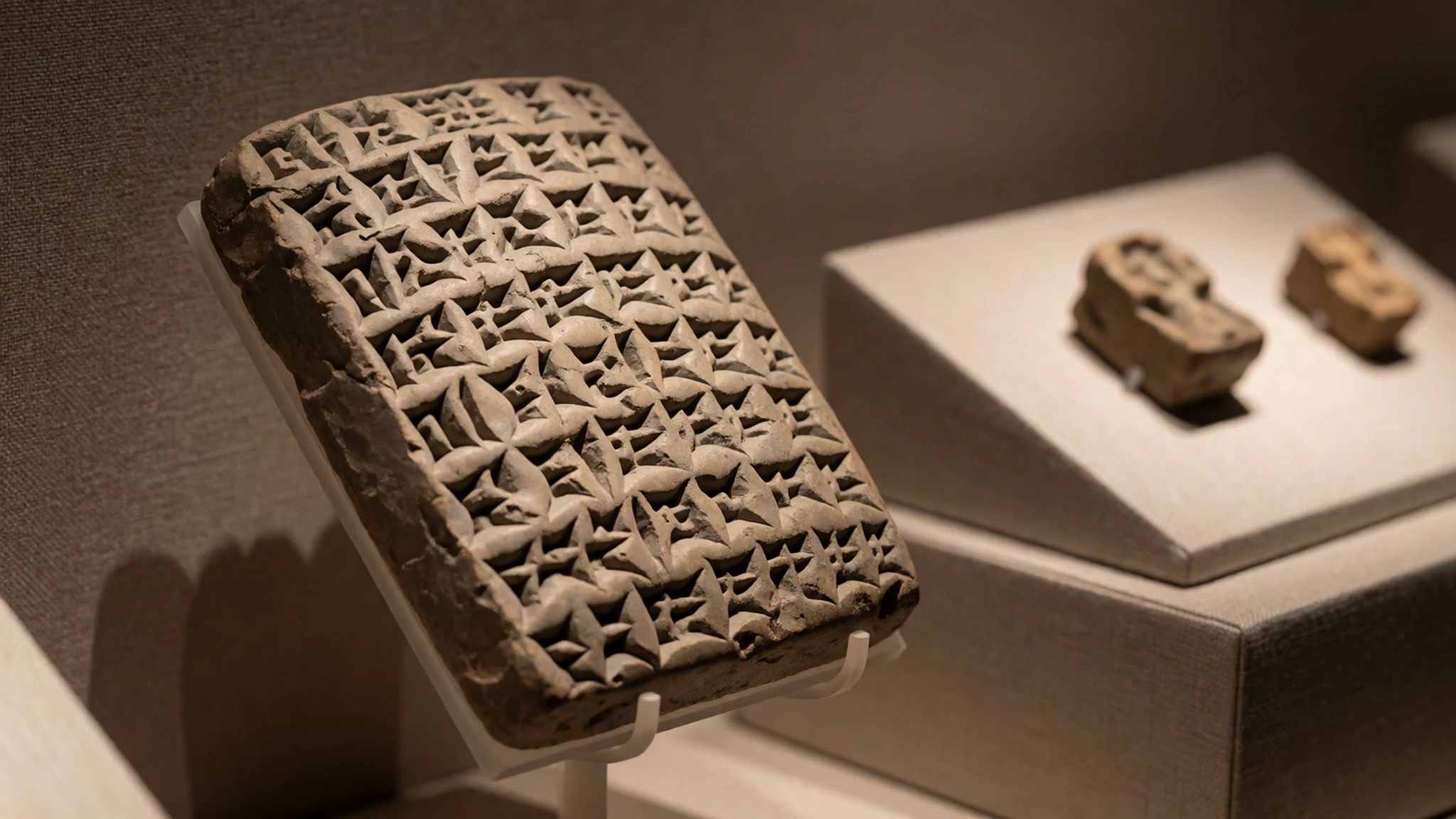
- Bronze Age ceramics (vase and polychrome jar context) — artefact display context
Look out for references to Bronze Age ceramics from Shahr-i Sokhta, including richly coloured jars and smaller vessels. These objects help you visualise craft traditions and everyday storage. They also underline the site’s “incongruity” theme—objects that don’t map cleanly to what you might expect nearby civilisations to share.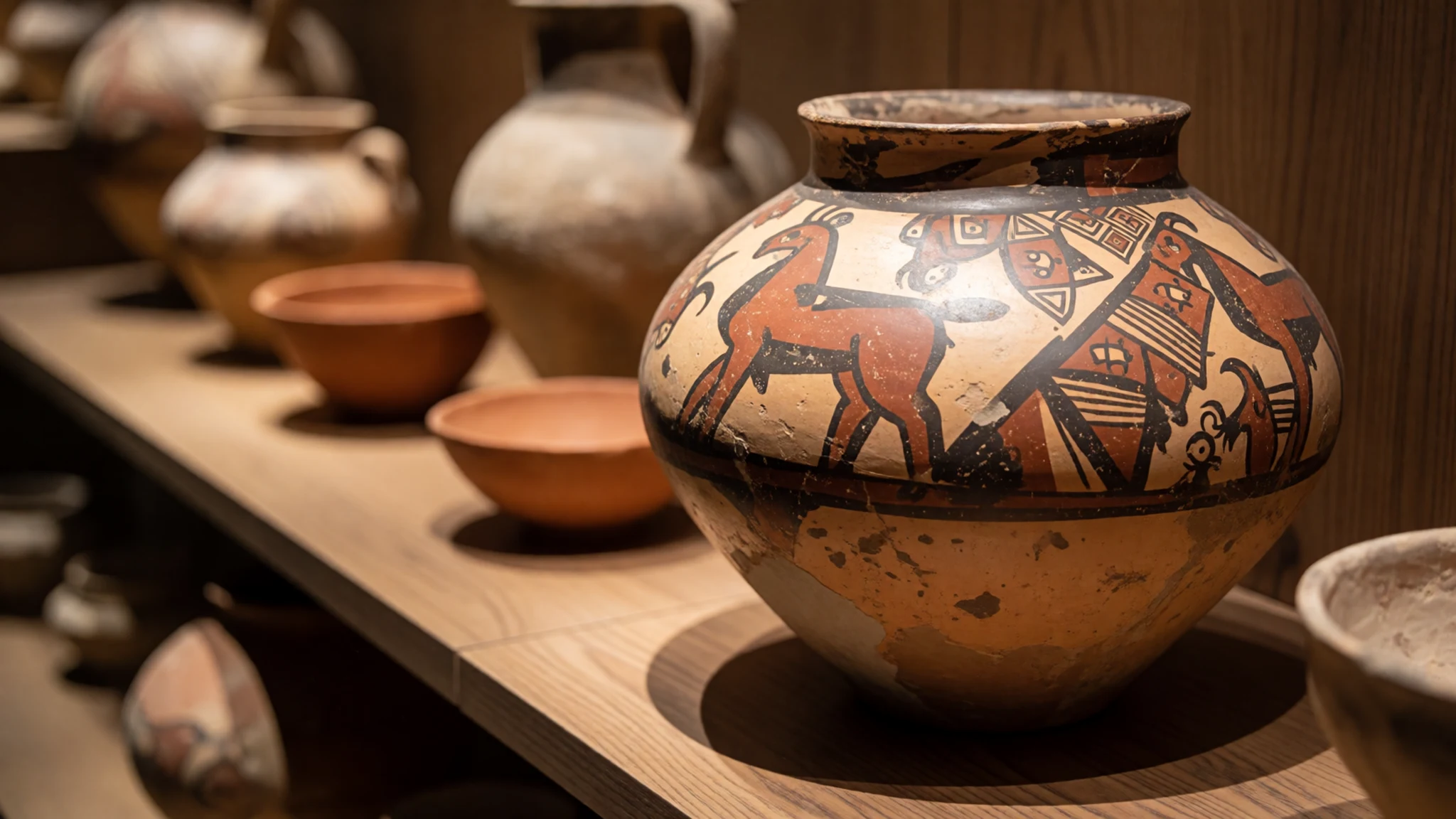
- The ancient seal (about 5,000 years old, as shown) — artefact display context
A seal tied to the burnt city’s ancient past is often presented as a standout object for visitors. It’s a small thing, but it carries weight: seals imply controlled access, records, and identity in a society that had systems beyond casual trade.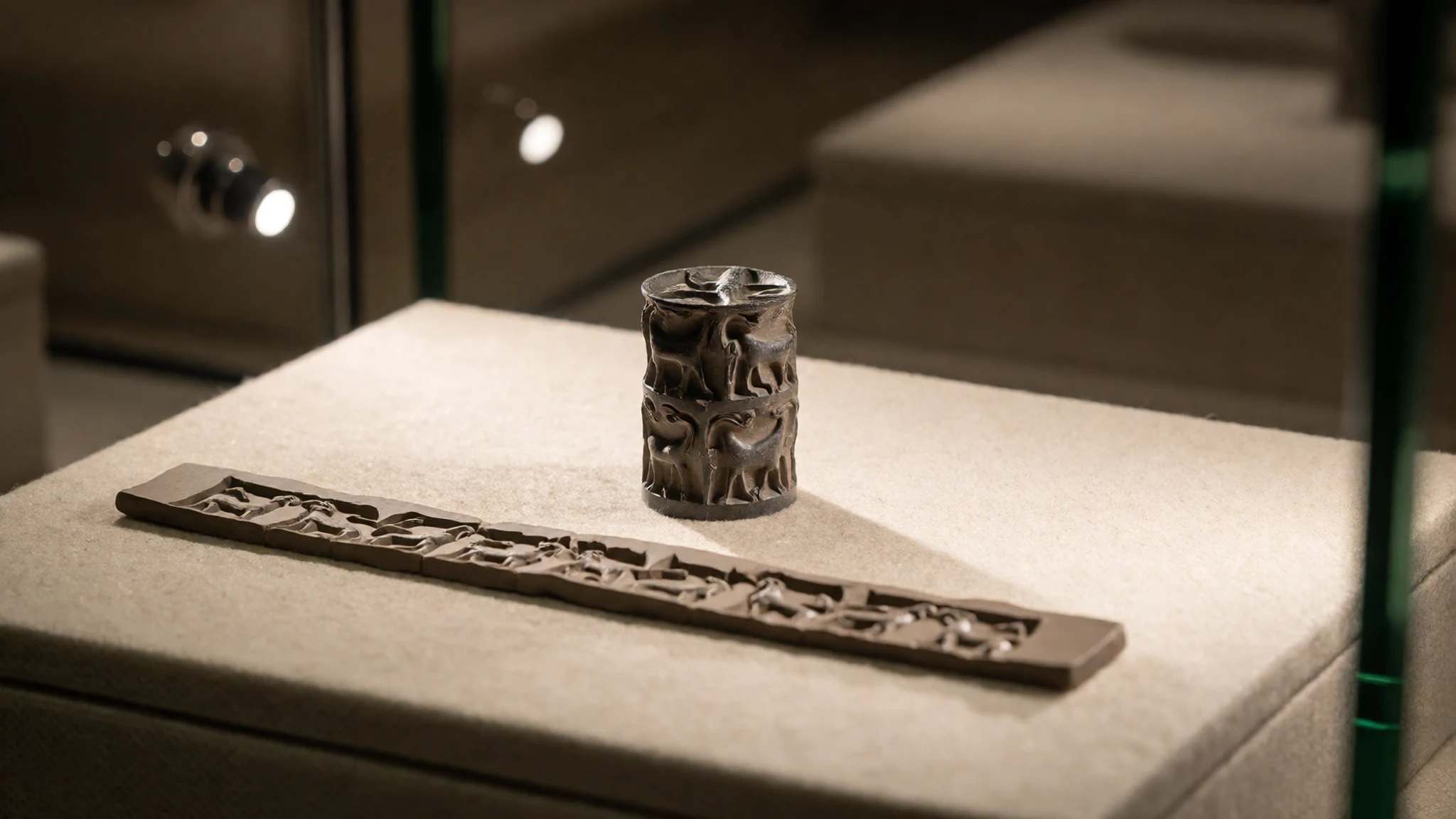
Culture
Shahr-e Sukhteh sits in Sistan and Baluchistan, a province where local life is influenced by a mix of regional history and the realities of the south-east Iranian climate. The wider area is mainly populated by the Baloch, with a Sunni Muslim majority; that matters for how people approach daily routines, religious space, and public behaviour.
For visitors, the biggest “culture shock” is usually not language—it’s pace and exposure. Wind and dryness can make outdoor walking feel sharper than you expect, so carrying water, taking shade breaks, and moving slowly through sun are part of being a considerate guest rather than just a comfort choice.
Because this is an archaeological site, treat it like a place of learning, not a backdrop for quick photos. Stay on approved paths, avoid climbing on fragile sections, and remember that artefacts are not props—photograph what’s presented, not what’s protected behind signage.
Also keep in mind that the region has seen dust events in recent years, including periods with public health impacts. If the sky looks hazy or visibility drops, that’s your cue to adjust plans: shorten time outdoors and focus on sheltered areas where available.
Visitor etiquette: dress modestly and keep voices low near staff and site signage, especially in enclosed viewing areas.
What to wear
At Shahr-e Sukhteh, fashion is mostly about staying comfortable in a hot, dry, windy environment while respecting local norms. In Sistan and Baluchistan, clothing is typically modest, so for a day at the archaeological site you’ll want a long, breathable top or tunic and trousers or a long skirt. Lightweight layers work well because conditions can feel different between morning and later hours.
Traditional dress in the region varies, but you’ll commonly see modest long garments with head coverings for women, and for men a long shirt or tunic paired with loose trousers. Textiles often reflect regional patterns and practical fabrics—think breathable weaves that can handle sun and dust. Many visitors will still notice local garments during everyday routines, even though the style for tourists is usually simpler.
What to wear now: for site walking, prioritise sun protection and dust resistance—light-coloured clothing, a hat or scarf, and sunglasses. Footwear matters: wear closed-toe trainers or sturdy sandals with grip, because the ground around ruins can be uneven.
Visitor checklist: carry a scarf for sun or wind, keep shoulders covered, and avoid anything too short or tight for religious and cultural spaces.
What to eat
- Local wheat-based bread and simple meals — town restaurants and local eateries on the route
Expect hearty local meals built around grains, often served alongside stews or grilled items. Look for places to eat in town before you head out towards the site, where you’ll usually find straightforward, seasonal choices.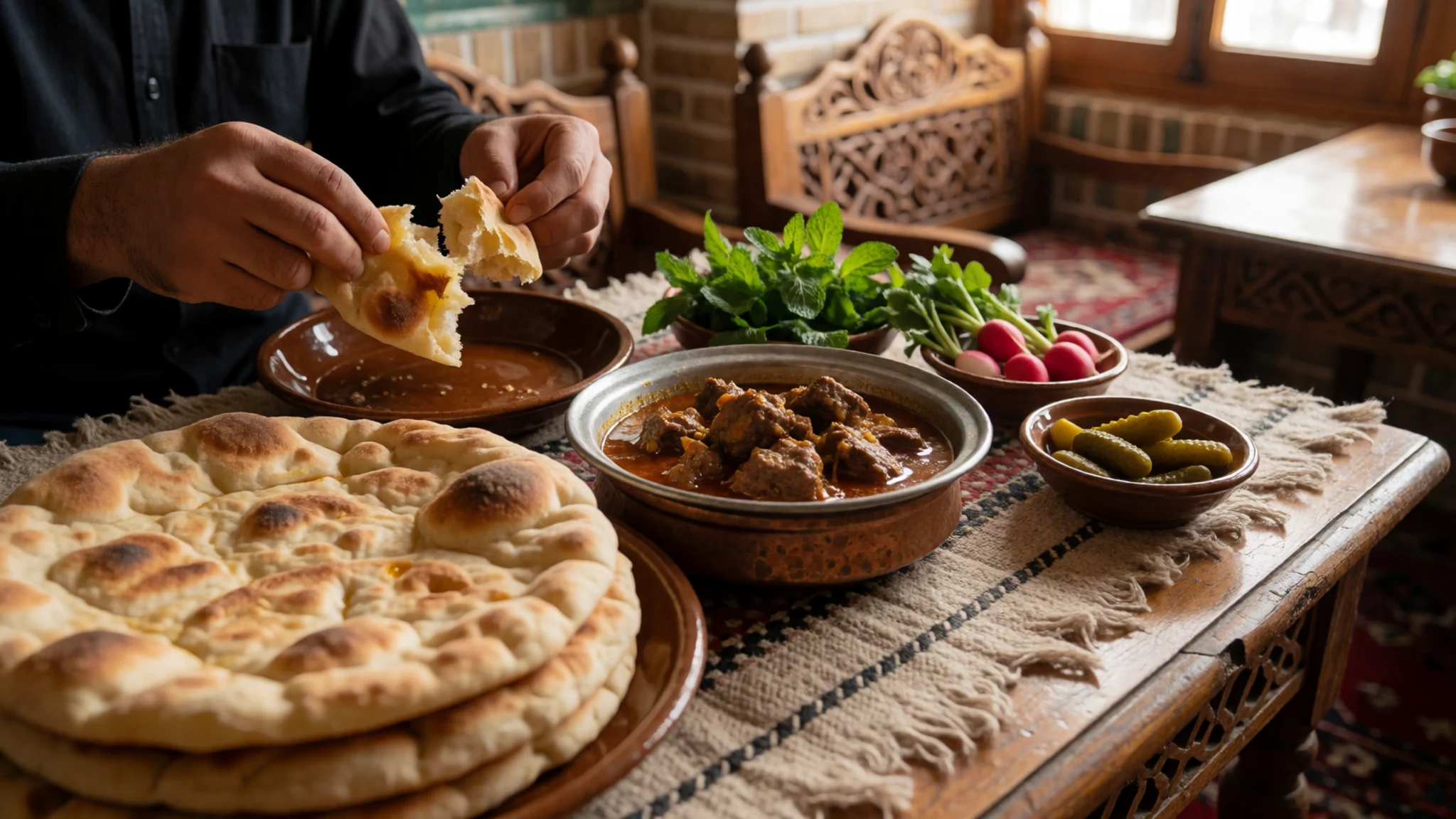
- Rice dishes and seasonal vegetables — local restaurants in the nearest towns
Rice is a common filling option, sometimes served with herbs and vegetables that match what’s available locally. A rice-based plate can be a good choice when you want something substantial before long travel legs.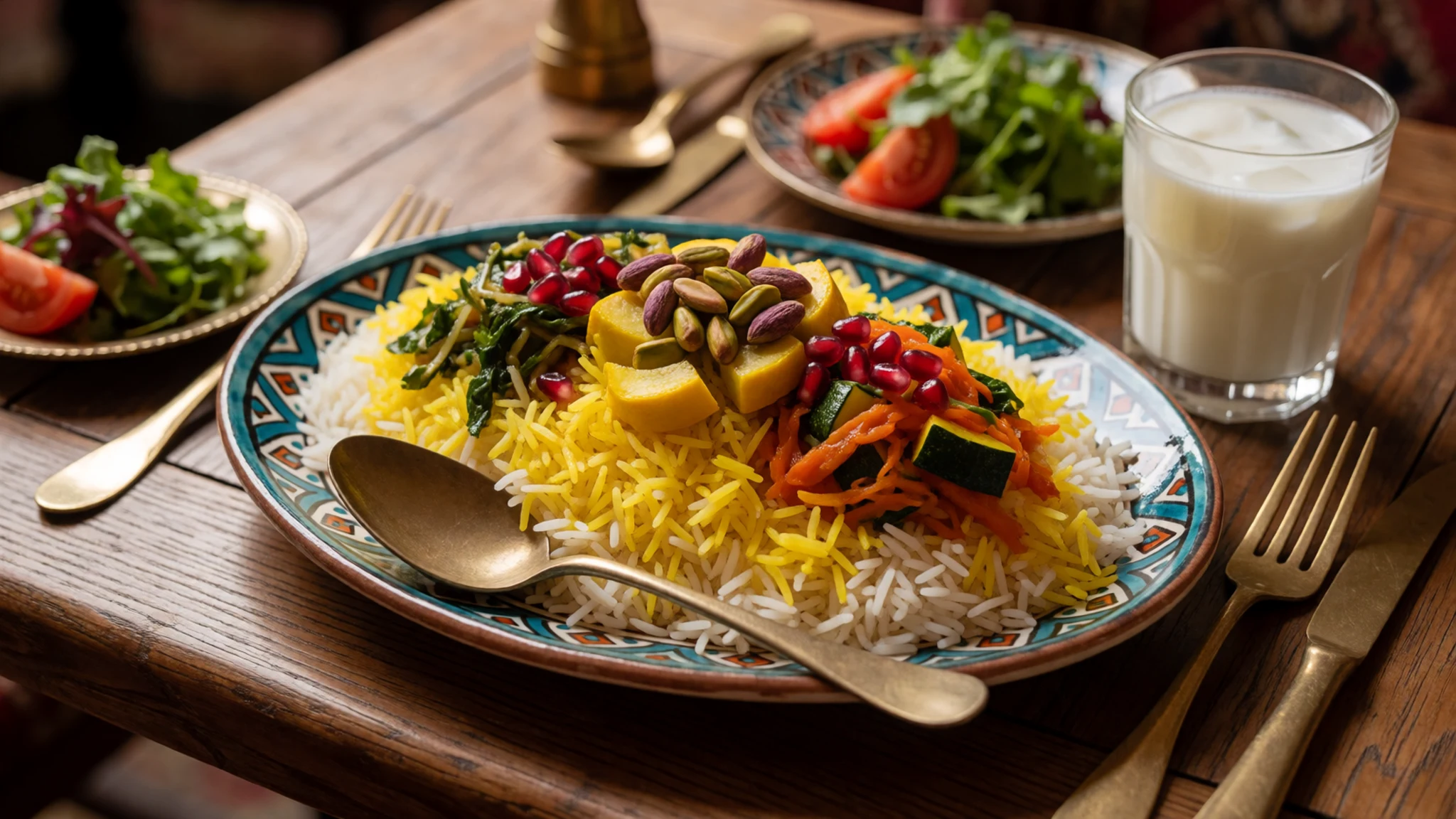
- Grilled kebabs and quick street snacks — busy roadside stalls and casual street food areas
For something fast between stops, grilled kebab-style dishes and simple accompaniments can be easier than multi-course meals. You’ll generally find these at everyday food stalls rather than formal dining rooms. - Yoghurt-based sides and sauces — restaurant sides and market eatery corners
Cooling sides—often yoghurt mixed with herbs or vegetables—show up alongside richer main dishes. They’re particularly welcome in warm weather, helping balance spice and giving a refreshing contrast. - Tea breaks and sweet pastries — tea houses and small shops near markets
Tea culture is a steady rhythm in the region, and you’ll often find small sweets to go with a break. It’s a good way to pause during windy afternoons when you need downtime.
Plan it
Best time. March–April for milder daytime temperatures; late October–November for cooler visiting. The region is driest in the middle of the year, so May through September can feel especially dry and hot, while July–August days can be hard work outdoors.
How long. 2–3
Getting there. Fly into Zahedan (ZAH) as a common gateway, then make the final road journey towards the site area in Sistan and Baluchistan Province; alternative regional airports include Iranshahr (IHR) or Chabahar Konarak (ZBR), depending on your route.
Budget. mid
Tips
- Plan for a lot of outdoor time: start early and build in shade breaks to avoid the harsh middle of the day.
- If dust or haze is in the air, shorten the walking portion and focus on sheltered interpretation first.
- Bring cash for small stalls and for any roadside stops; some places can be card-light.
- Carry water and a head covering—wind can make dry conditions feel sharper than the temperature suggests.
Etiquette
- Stay on marked paths and don’t climb onto fragile ruin edges.
- Dress modestly for the region and keep shoulders covered when moving through site facilities.
- Keep noise low around staff and in indoor viewing areas.
Nearby
Sources
- Wikidata Q1025825 (CC0)
- Wikipedia (rev 1379197586) (CC BY-SA 4.0)
- Wikivoyage (rev 5420788) (CC BY-SA 4.0)
- Photo photos/01-.jpg (CC BY-SA 4.0)
- Photo photos/02-c20r1002.jpg (CC BY-SA 4.0)
- Photo photos/03-.jpg (CC BY-SA 4.0)
- Photo photos/04-proto-elamite-tablets.jpg (CC BY-SA 4.0)
- Photo photos/05-.jpg (CC BY-SA 4.0)
- Photo photos/06-vaso-de-cer-mica-de-la-edad-del-bronce-shahr-i-sokhta-ir-n-m.jpg (CC BY-SA 4.0)
- Photo photos/07-jarra-policromada-de-la-edad-del-bronce-shahr-i-sokhta-ir-n-.jpg (CC BY-SA 4.0)
- Photo photos/08-5000.jpg (CC BY-SA 4.0)


