Seville
Seville, Spain
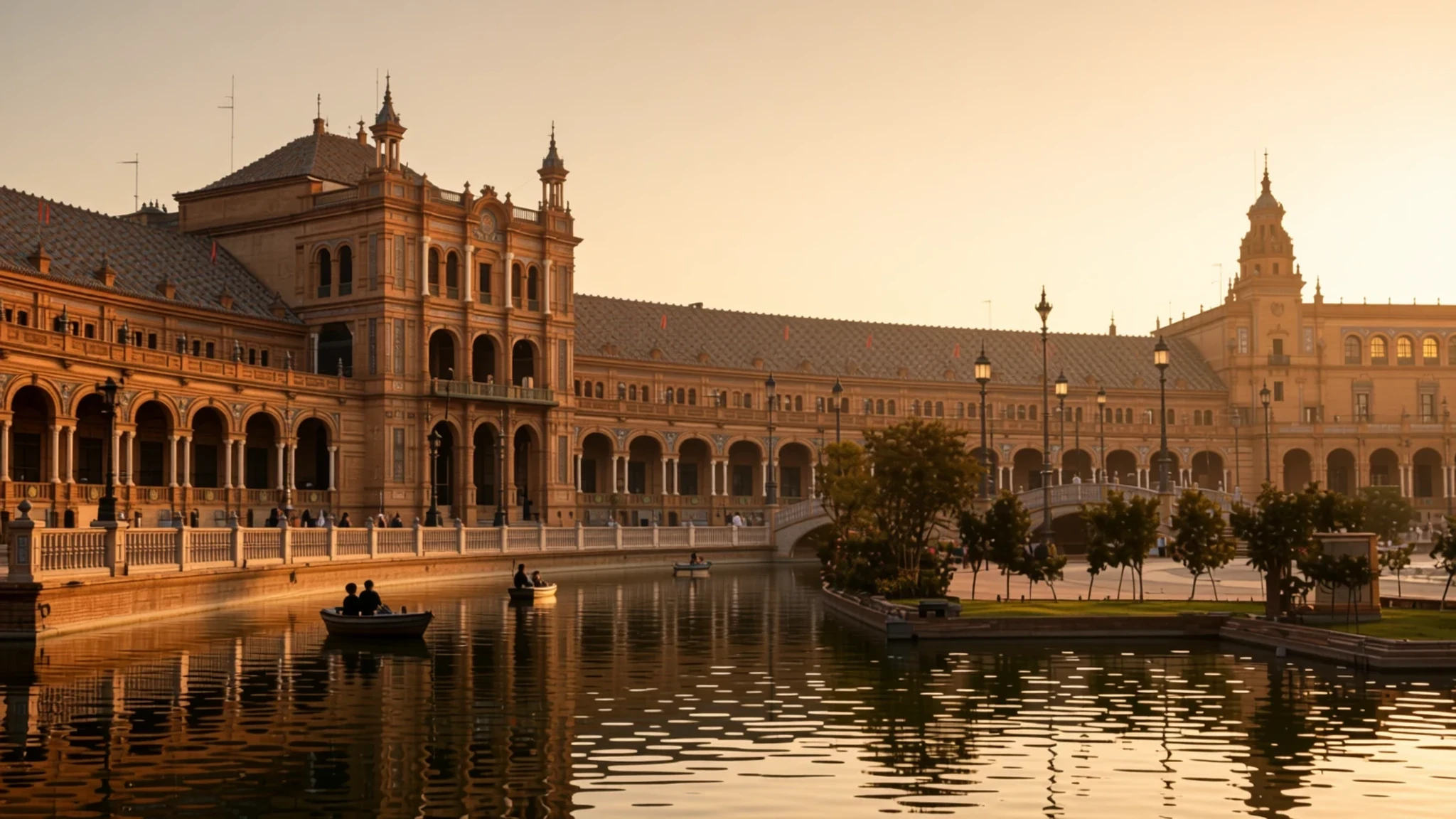
Seville combines sun-drenched Andalusian architecture, historic Moorish palaces, vibrant tapas culture, and leafy plazas along the Guadalquivir River.
The place
Seville rests on the banks of the lower Guadalquivir River in southwestern Spain, serving as the cultural heart and administrative centre of Andalusia. Sitting at an elevation of 18 metres above sea level, the urban landscape spreads outward from a dense historic core where narrow alleyways, whitewashed façades, and shaded courtyards frame centuries of architectural transformation. The river connects the city toward the Atlantic, allowing inland maritime trade to shape its development since antiquity.
The climate brings intense heat during midsummer months, when shade and thick masonry walls offer sanctuary from afternoon temperatures. Life adapts to these thermal rhythms: morning activity slows during peak daylight hours before regaining energy late into the evening. Sunlit squares lined with bitter orange trees open up into expansive public spaces, contrasting with the intimate scale of the old quarters.
Within the central districts, residential neighbourhoods surround landmark monuments, creating a living urban fabric rather than a static open-air museum. Tile-trimmed balconies overflow with bougainvillea, while stone gateways lead into cool interior patios designed to capture summer breezes. Beyond the riverbank lies Triana, a historic quarter renowned for its traditional pottery workshops and deep ties to local performance traditions. Across the city, broad avenues lined with palm trees connect historic districts to modern suburbs, reflecting a long history of expansion and renewal.
Its story
Seville traces its origins back through millennia of human settlement along the fertile plains of the Guadalquivir Valley. Ancient mythology attributes the founding of the early river trading post to Hercules, though archaeological records show indigenous Tartessian and Phoenician communities establishing settlements on islands in the river during antiquity. Under Roman rule, the settlement grew into the bustling market centre of Hispalis, flourishing alongside the nearby imperial city of Italica.
Following the eighth-century Islamic conquest, the city became known as Ishbiliyah. It grew into a powerful independent taifa state and later a prominent Almohad capital, leaving an enduring legacy of Islamic design, intricate tilework, and defensive architecture visible across the urban landscape. The Christian conquest in the thirteenth century incorporated the territory into the Crown of Castile, sparking a period of architectural blending known as the Mudéjar style, which combined Islamic craft traditions with Gothic structure.
During the era of transatlantic exploration, the city served as the primary European port for trade routes across the ocean. Wealth flowing through the river harbour transformed local architecture, financing grand public works, elaborate church interiors, and expansive administrative buildings. While subsequent centuries brought shifts in global trade routes, the built heritage from this prosperous period survived, preserving a rich historical record written in stone, brick, and glazed tilework.
What to see
- Cathedral of Seville — Santa Cruz
Built on the site of a former central mosque, this monumental Gothic cathedral features a soaring interior with a central nave rising to 37 metres. Inside, detailed woodcarvings, gilded altarpieces, and historic artworks lead to the grand tomb holding the remains of Christopher Columbus, framed by sculpted figures.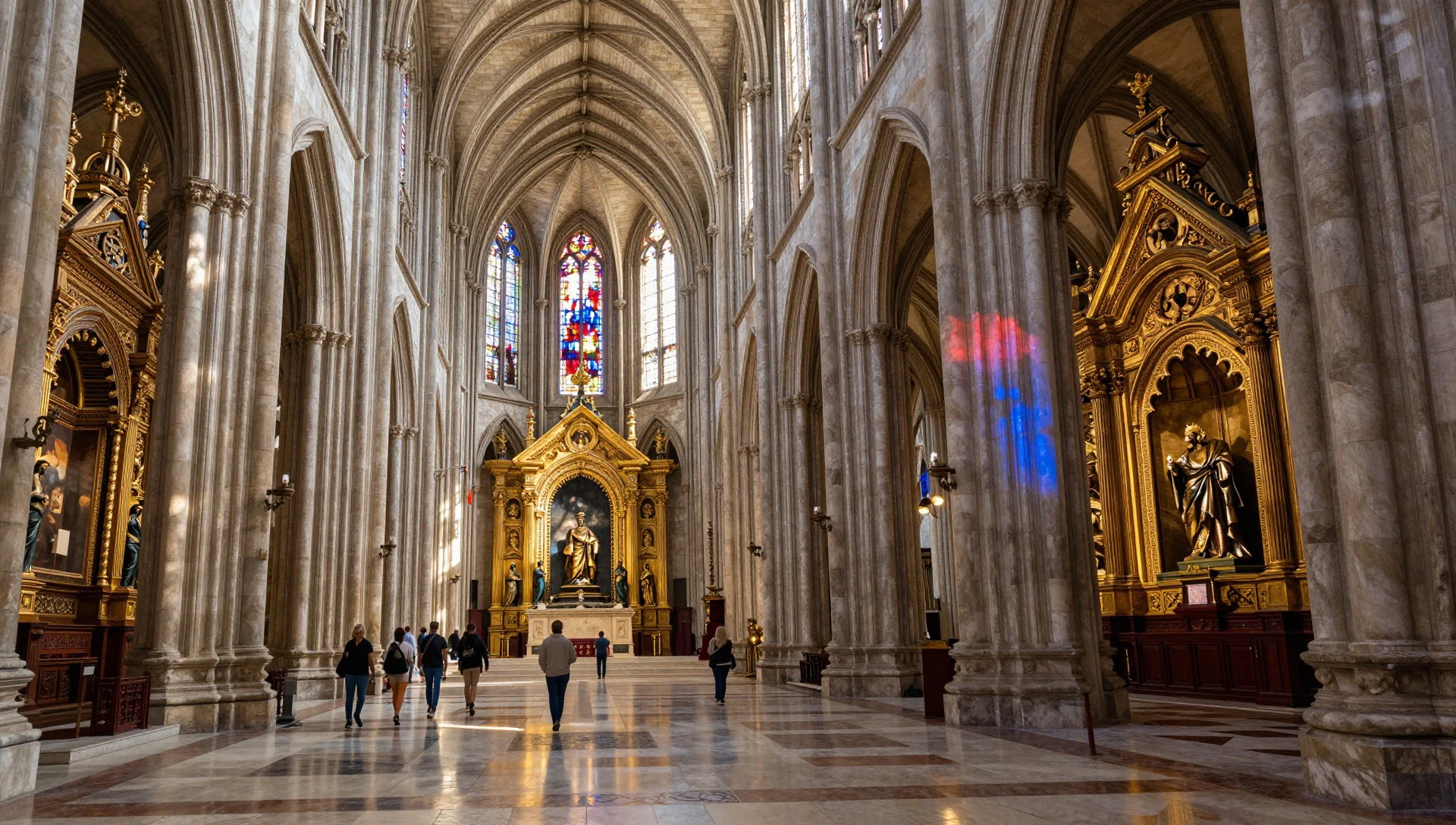
- Real Alcázar — Santa Cruz
This royal palace complex displays stunning Mudéjar architecture, featuring intricate plasterwork, carved wooden ceilings, and vibrant glazed tiles. Courtyards with tranquil reflection pools open into sprawling manicured gardens filled with orange trees, fountains, and stone arches constructed across successive centuries of royal occupation.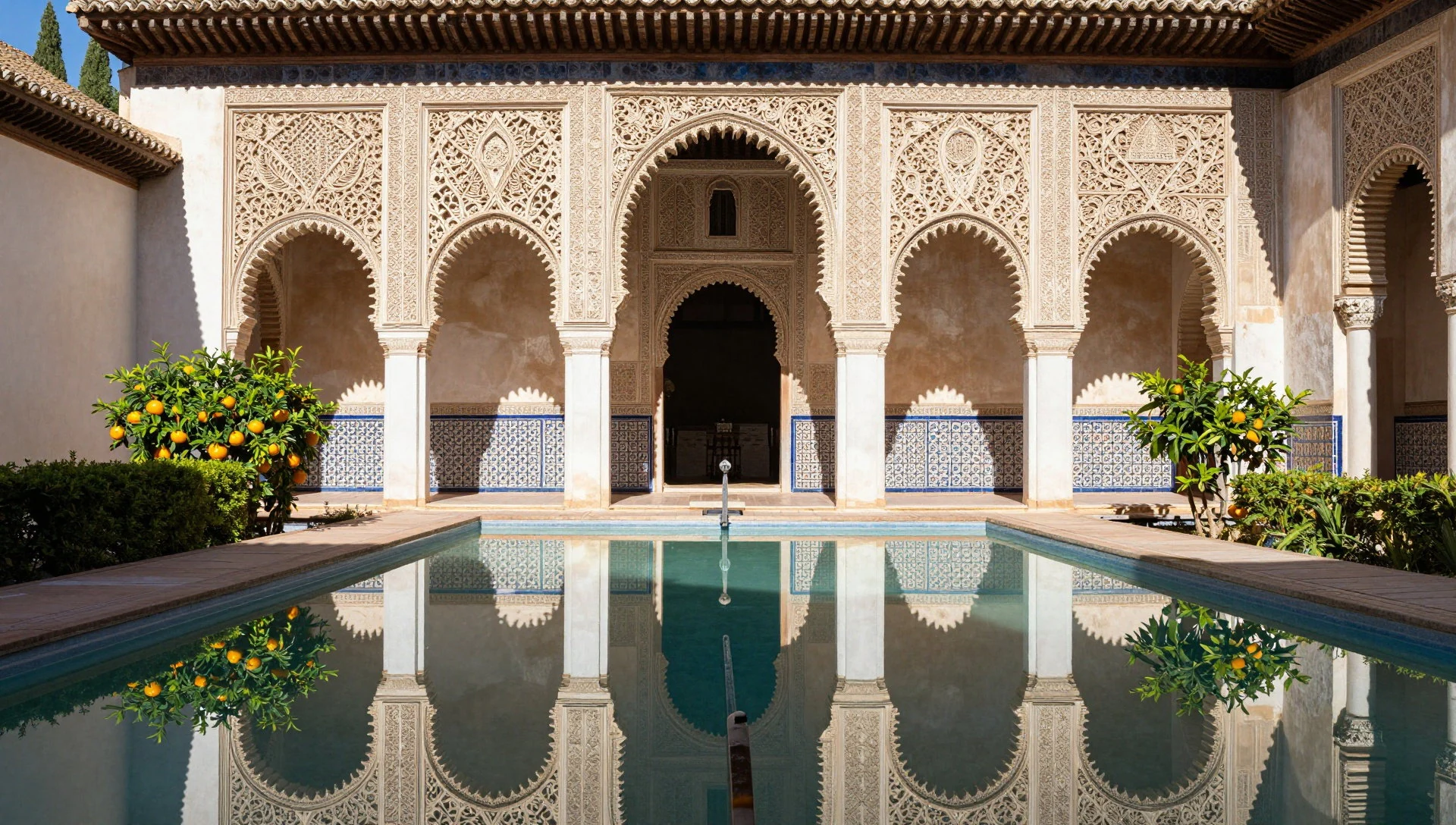
- Torre del Oro — El Arenal
Standing along the eastern bank of the Guadalquivir River, this military watchtower was constructed in the thirteenth century to protect the harbour. Its dodecagonal base and defensive walls once controlled river access, earning its name from local legends regarding golden reflections across the water.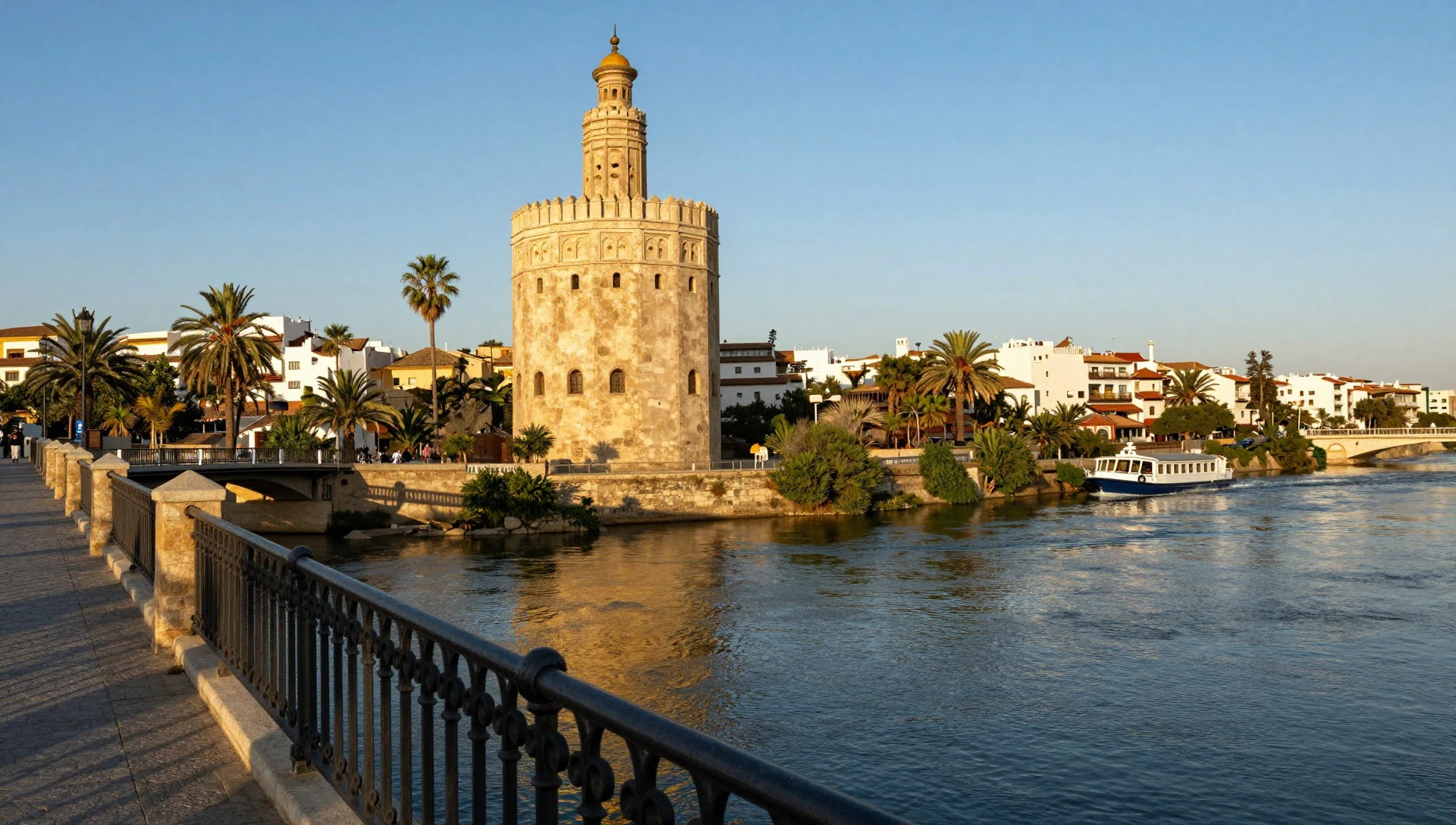
- Hospital de los Venerables — Santa Cruz
Located within the historic maze of Santa Cruz, this seventeenth-century complex was built as a refuge for elderly priests. The building features a classic Andalusian courtyard with sunken fountains, elegant arcades, and a decorated chapel housing fine Baroque religious paintings and detailed frescoes.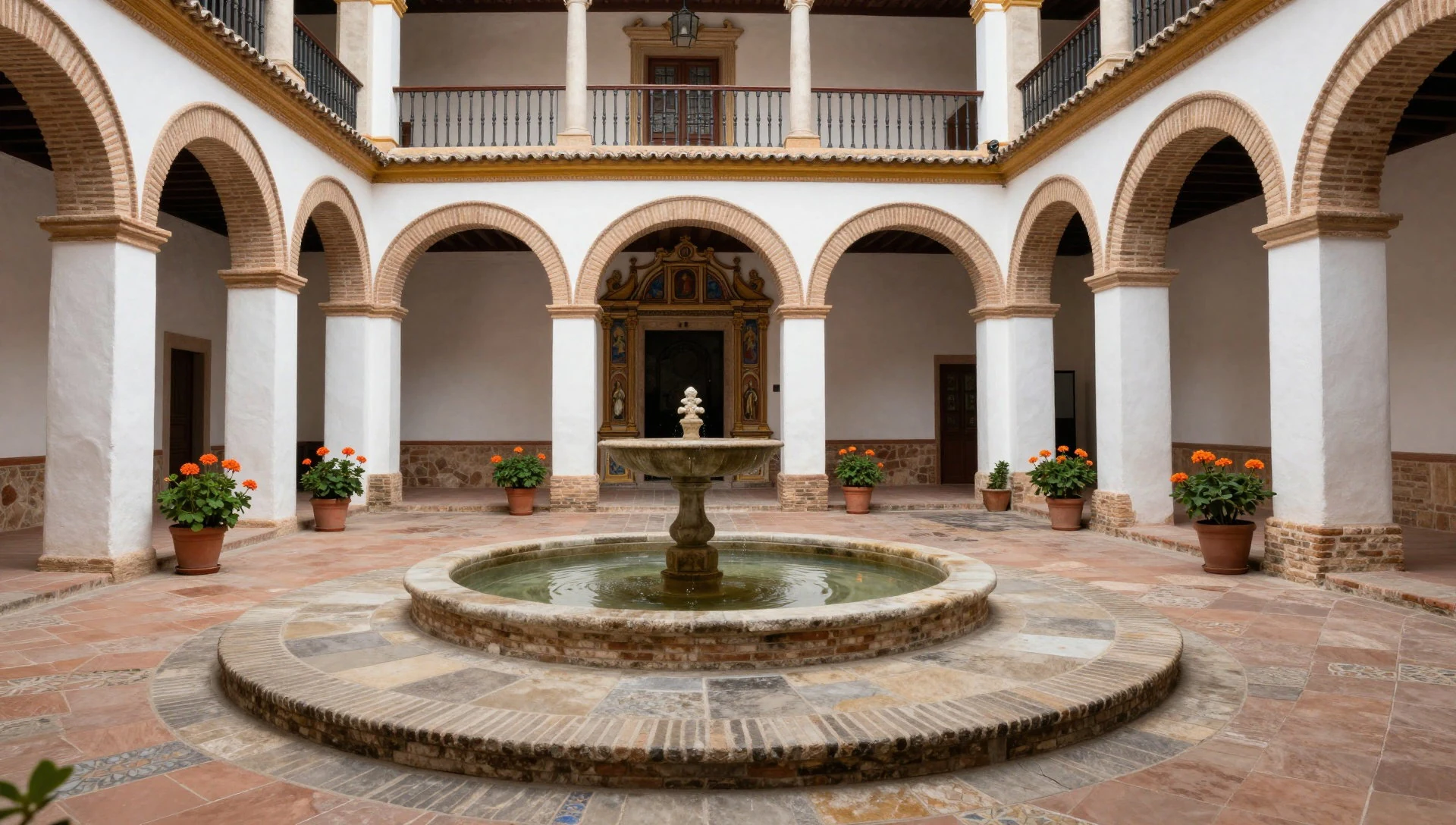
- Plaza de España — Parque de María Luisa
Designed for the Ibero-American Exposition of 1929, this sprawling semi-circular plaza showcases Renaissance and Neo-Moorish revival architecture. Curved tiled alcoves depict Spain's historic provinces, while a shallow canal spanned by ornate bridges wraps around the central building and marble courtyard.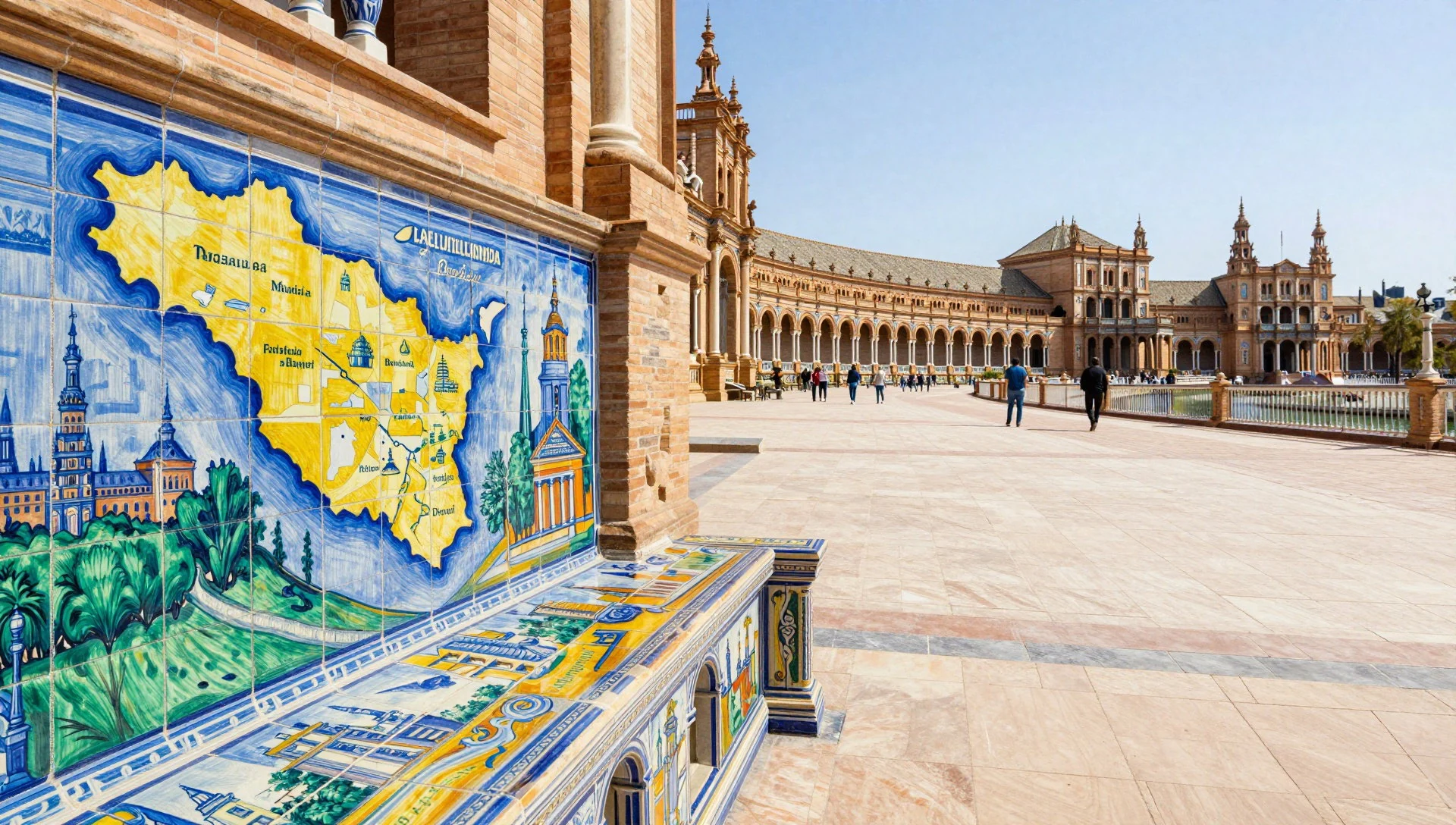
- Setas de Sevilla — La Encarnación
Soaring over Plaza de la Encarnación, this modern timber structure resembles a cluster of giant mushrooms. Winding walkways along the top level offer wide panoramic views across the tiled roofs of the historic centre, while an underground archaeological venue displays ancient Roman ruins discovered during construction.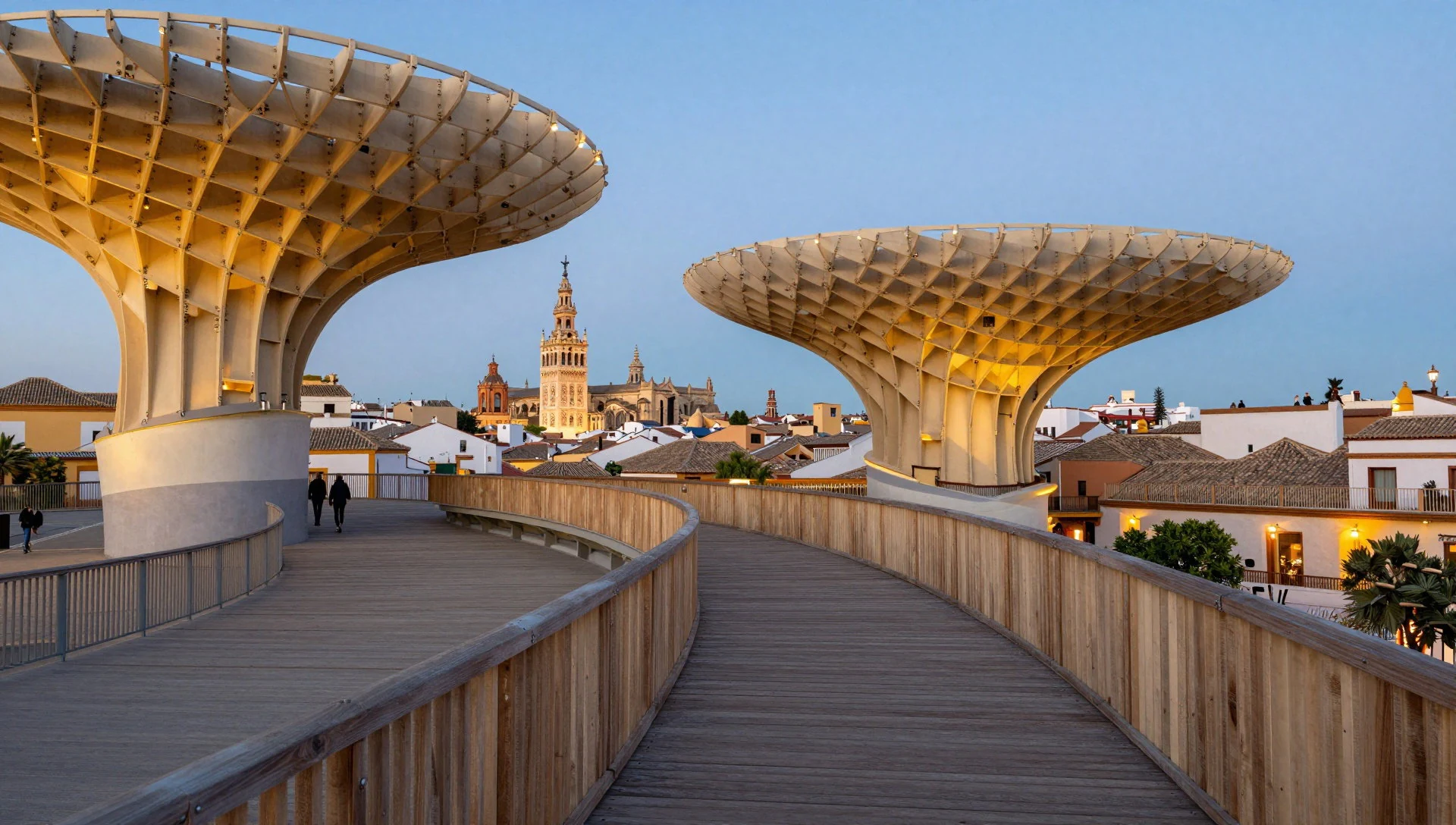
Culture
Seville expresses its cultural identity through a passionate devotion to traditional arts, seasonal celebrations, and neighbourhood community life. The city is widely recognised as a cradle of flamenco, an art form expressed in intimate tablaos, social gatherings, and historic quarters like Triana where singing, guitar performance, and expressive dance remain deeply rooted. Local life centres around public squares and neighbourhood taverns, where lingering over food and conversation forms the core of daily social rhythm.
Architecture and theatrical arts play a major role in civic pride. Venue spaces such as the Baroque Revival Teatro Lope de Vega, constructed for the 1929 Ibero-American Exposition near María Luisa Park, highlight the city's rich heritage in dramatic performance and musical staging. Springtime transforms the city with major cultural festivals, bringing traditional attire, horse-drawn carriages, and music into public spaces. During high-temperature afternoon hours, local rhythms slow considerably as businesses close for lunch and rest before reopening late into the night.
When visiting local churches or religious sites, cover your shoulders and knees to show respect for local customs.
What to wear
Seville possesses a distinctive style identity shaped by centuries of textile craftsmanship and warm southern weather. Traditional attire centres around the iconic *traje de flamenca*, a form-fitting ruffled dress adorned with polka dots (*lunares*), worn by women during the annual spring festival. Accompanying accessories include hand-embroidered silk shawls (*mantón de Manila*), decorative hair combs, and fine lace mantillas, representing a long heritage of regional needlework and silk trade.
In daily contemporary life, residents favour polished yet comfortable attire suited to the Mediterranean climate. Warm-weather wardrobes consist of breathable linens, tailored cotton trousers, crisp shirts, and light dresses, with locals dressing smartly for evening drinks and dinner. Shoes lean toward high-quality leather sandals, boat shoes, or stylish loafers rather than overly casual gym wear.
For visitors, light and airy natural fabrics are essential to handle the intense summer heat. Wide-brimmed hats, sunglasses, and high-factor sun protection keep daylight walking comfortable, while a lightweight scarf or shawl comes in handy to cover shoulders when entering historic cathedrals. Sturdy, comfortable walking shoes are vital for navigating the smooth cobblestones and brick plazas found throughout the historic quarters.
What to eat
- Salmorejo — Traditional taverns in Santa Cruz
A thick, velvety chilled soup made from blended tomatoes, garlic, extra virgin olive oil, and bread crumbs. Served cold in traditional neighbourhood taverns, it is typically topped with diced hard-boiled egg and savoury Iberian cured ham.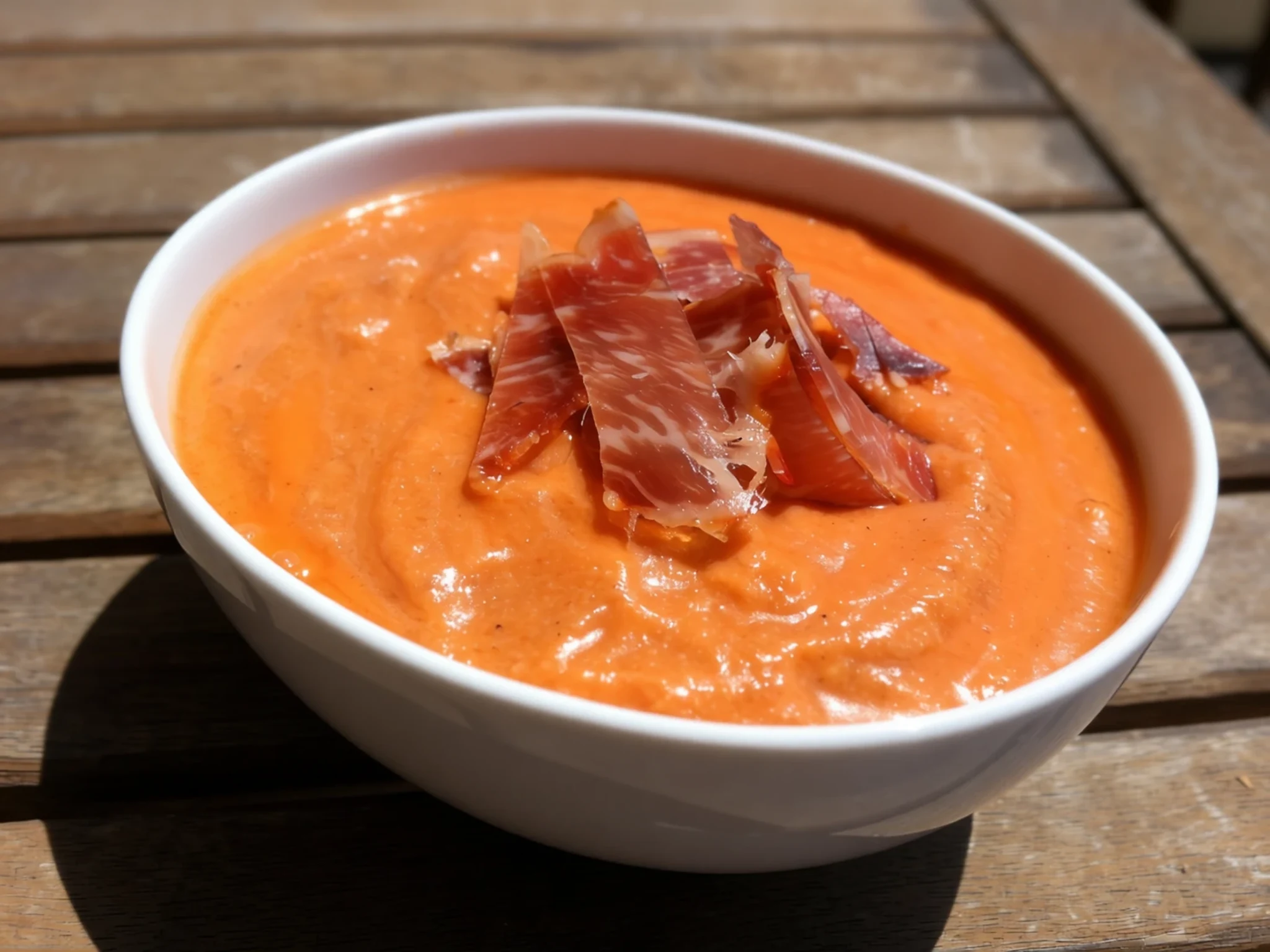
- Espinacas con Garbanzos — Bodegas in El Arenal
A classic tapas dish featuring spinach cooked slowly with chickpeas, garlic, ground cumin, and fried bread crumbs. Served piping hot in clay dishes across historic city bodegas, it highlights the region's enduring Moorish culinary influences.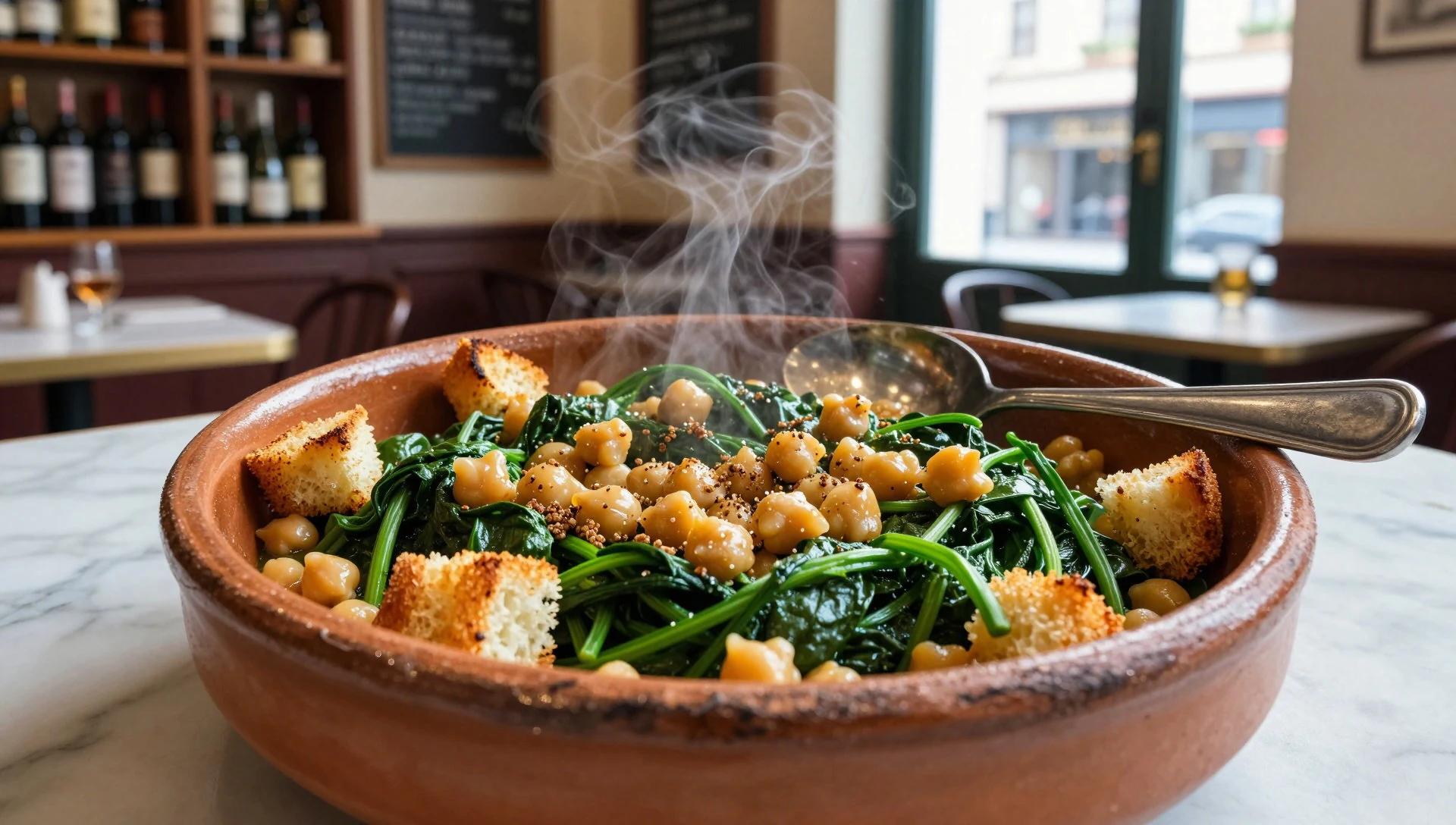
- Carrillada de Cerdo — Tapas bars in Triana
Tender pork cheeks braised for hours in red wine, port, garlic, and aromatic herbs until meltingly soft. Found on chalkboard menus in Triana's riverside tapas bars, this rich stew is usually served alongside crispy fried potatoes. - Cazón en Adobo — Fried fish shops near the river
Chunks of dogfish marinated in vinegar, garlic, oregano, and cumin, then lightly dredged in flour and deep-fried until golden. Enjoyed hot from paper cones at traditional *freidurías* and bustling riverside eateries. - Solomillo al Whisky — Old-town tapas bars
Pork tenderloin medallions seared and cooked in a tangy sauce of garlic, whisky, lemon juice, and olive oil. A staple offering in bustling old-town tapas bars, served hot alongside crusty bread to soak up the garlic-infused sauce.
Plan it
Best time. March, April and November bring warm, pleasant weather; July and August see extreme summer heat routinely exceeding 35 °C.
How long. 2–3
Getting there. Fly into Seville Airport (SVQ) and catch the EA airport bus (about 35 minutes) to the city centre, or take the high-speed train to Santa Justa Station from Madrid or Málaga.
Budget. mid
Tips
- Book cathedral and Alcázar tickets online well in advance to secure entry slots
- Sightsee early in the morning and rest indoors during peak afternoon sun
- Carry cash for small neighbourhood tapas bars and traditional food markets
- Take advantage of cooler evening hours when tapas bars open for dinner
Etiquette
- Cover shoulders and knees when entering religious sites like the cathedral
- Wait until at least 8:30 pm or 9:00 pm for evening dining
- Greet shopkeepers and bartenders with a polite 'hola' upon entering
Nearby
Sources
- Wikidata Q8717 (CC0)
- Wikipedia (rev 1380090690) (CC BY-SA 4.0)
- Wikivoyage (rev 5392555) (CC BY-SA 4.0)
- Photo photos/01-sevilla-luft-120308.jpg (CC BY-SA 2.0)
- Photo photos/02-sevilla-cathedral-southeast.jpg (CC BY-SA 4.0)
- Photo photos/03-gold-tower-guadalquivir-seville-tower-arabic.jpg (CC0 1.0)
- Photo photos/04-patio-de-las-doncellas-edited.jpg (CC BY 2.5)
- Photo photos/05-monumental-plaza-de-espa-a-de-sevilla-retouched.jpg (CC BY-SA 3.0 es)
- Photo photos/06-metropol-parasol-de-la-encarnaci-n-sevilla.jpg (CC BY 3.0)
- Photo photos/07-puente-de-triana-iluminado.jpg (CC BY 3.0)
- Photo photos/08-tesoro-del-carambolo-museo-arqueol-gico-de-sevilla.jpg (CC BY-SA 4.0)


