Seri Bahlol
Seri Bahlol, Pakistan
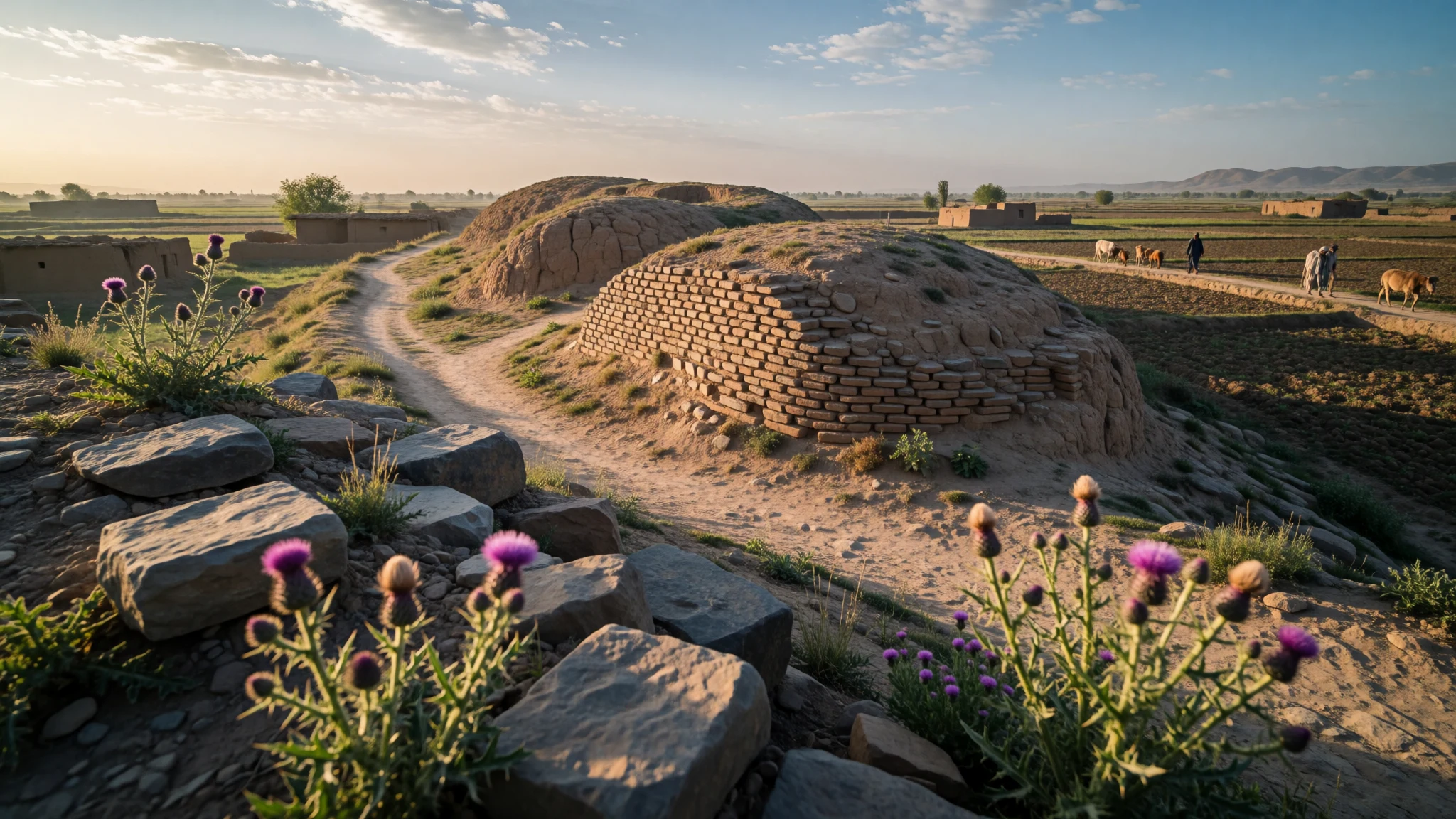
Seri Bahlol offers a quiet encounter with Gandharan history through its ancient Kushan ruins and rural Pashtun settlement.
The place
Seri Bahlol is an ancient settlement and archaeological site positioned in the Mardan District of Khyber Pakhtunkhwa, Pakistan. Located near the better-known monastic complex of Takht-i-Bahi, the site sits on an elevated rocky spur that rises gently above the surrounding flat plains. Approaching Seri Bahlol reveals a landscape where modern agricultural plots, small farmhouses, and dusty village lanes sit directly atop layers of deep antiquity. The air carries the dry warmth of the northern plains, softened by seasonal breezes that sweep down from the surrounding hills. Visitors walking through the settlement will notice how organically the modern rural community has integrated with the protected ancient mounds. Old brickwork and weathered grey stone fragments occasionally peer out from earthen banks beside pathways where farmers lead their livestock. Unlike heavily curated museum zones, Seri Bahlol remains a living village where daily life unfolds against a backdrop of ancient heritage. The surrounding fields are farmed with traditional methods, creating a patchwork of green crops and dry earth that shifts in colour with the passing seasons. Though the site holds immense historical value, it remains relatively quiet, inviting those who make the journey to explore its layers at a deliberate, contemplative pace without the pressure of mass tourism crowds.
Its story
The story of Seri Bahlol is deeply intertwined with the ancient Gandhara civilisation, which flourished at the crossroads of South and Central Asia. The settlement dates back to the Kushan period, an era when trade, art, and Buddhist philosophy converged in this strategic valley. The original inhabitants constructed a sophisticated stone wall around the hilltop to protect the community and its holdings from external threats and raiding parties. Over centuries, as political dynasties shifted and trade routes evolved, the fortified town gradually changed character, leaving behind stratified layers of habitation. Systematic archaeological work at Seri Bahlol took place during the colonial era under the direction of archaeologist John Marshall, revealing exceptional remnants of Buddhist sculpture, fine schist carvings, coins, and everyday domestic utensils. Many of the finest sculptural pieces recovered from the mounds eventually found their way into major museum collections in Lahore, Peshawar, Kolkata, and beyond, representing the distinct Greco-Buddhist aesthetic of Gandhara. In recognition of its outstanding universal value, Seri Bahlol was designated as a UNESCO World Heritage Site. Despite this official status, the archaeological mounds face ongoing challenges from erosion and unauthorised digging, making the preservation of these fragile historic strata an ongoing concern for heritage authorities and local communities alike.
What to see
- The Hillock Ruins — Central Seri Bahlol hillock
At Seri Bahlol, the primary archaeological focus is the elevated hillock holding the ancient town's remains. Walking across the mound reveals scattered fragments of ancient brick and stone masonry embedded directly into the earth among modern village dwellings, offering a tangible sense of multilayered history.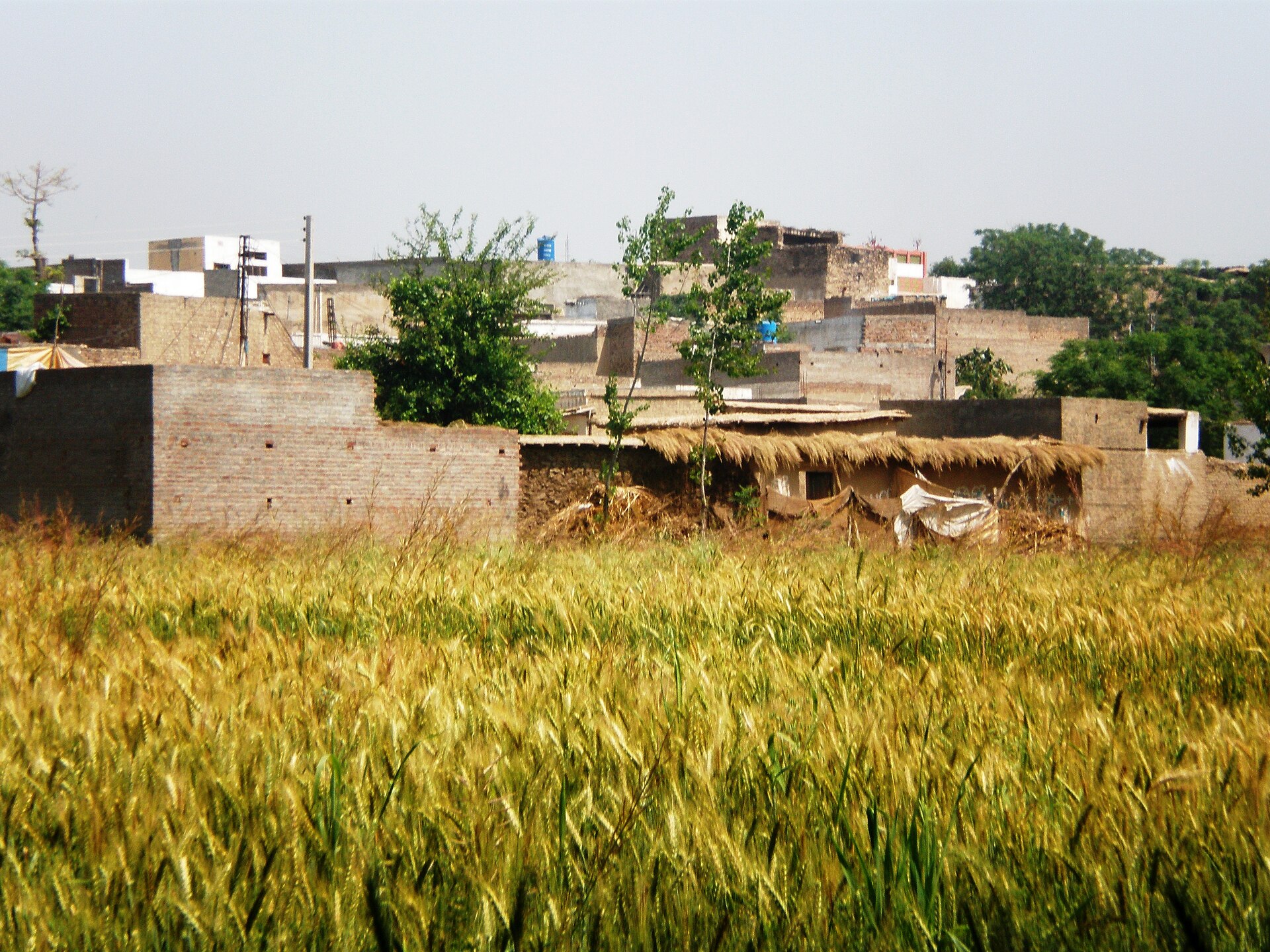
- Ancient Fortified Wall Remnants — Perimeter of the historic mound
Constructed during the Kushan period, the ancient defensive stone wall protected the settlement atop the hillock. Visitors can observe sections of these weather-worn defensive structures wrapping around the contours of the terrain, demonstrating advanced ancient military architecture adapted to the local topography. - Agricultural Terraces — Surrounding valley fields
The flat lands surrounding the archaeological mound are intensively farmed by local residents using time-tested agricultural practices. Walking along the field borders provides a peaceful perspective on how rural Pashtun agrarian life coexists with protected ancient heritage zones across the district. - Gandharan Sculpture Galleries (Regional) — Peshawar Museum and regional galleries
While artifacts from Seri Bahlol were dispersed to institutions such as the Peshawar Museum and the Indian Museum in Kolkata, viewing these schist carvings of Buddha and bodhisattvas provides vital context for understanding the stone artistry once produced at the site.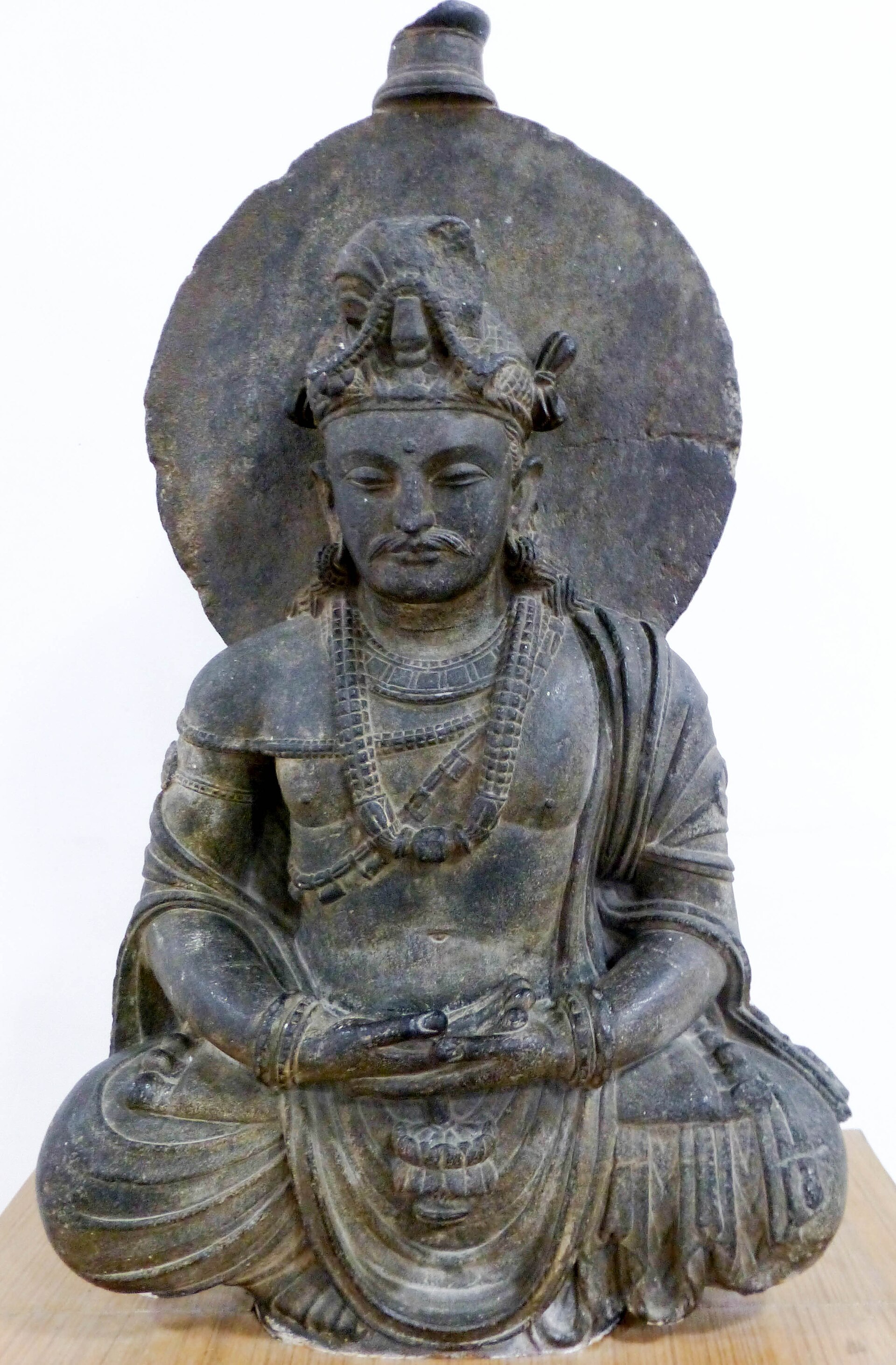
- Takht-i-Bahi Monastic Complex — Takht-i-Bahi ridge, Mardan District
Located just a short distance away, this spectacular sister UNESCO site features extensive monastic ruins, courtyards, and stupas perched dramatically on a high ridge. Combining Seri Bahlol with Takht-i-Bahi offers a complete picture of ancient Gandharan urban and religious life.
Culture
The cultural fabric of Seri Bahlol is rooted in traditional Pashtun society, where hospitality, community loyalty, and respect for elders guide daily interactions. Pashto is the primary language spoken throughout the villages and rural districts of Khyber Pakhtunkhwa, accompanied by customary greetings and a strong sense of local pride. Traditional crafts, agricultural rhythms, and family-centered customs shape the passing of the seasons in the valley. Visitors are often struck by the genuine warmth and curiosity of local residents, who are accustomed to travellers exploring the historic ruins. When visiting Seri Bahlol, dress modestly in loose-fitting garments that cover your shoulders and knees to respect local conservative norms.
What to wear
Traditional dress in Seri Bahlol and the surrounding Mardan District consists of the shalwar kameez for both men and women, usually crafted from breathable cotton fabrics suited to the regional climate. Men often pair their outfits with a traditional pakol cap or a folded turban, while women typically wear long kameez tunics paired with matching trousers and a lightweight dupatta scarf draped over the shoulder or head. Modern daily wear largely follows these same traditional garments, though younger generations in nearby towns may occasionally mix western items like jackets into their wardrobes. For visitors exploring Seri Bahlol, lightweight, modest clothing is essential. Travellers should wear loose trousers and long shirts or tunics, sturdy walking shoes for navigating uneven earthen tracks and rocky mound surfaces, and a hat or scarf to protect against the strong sun.
What to eat
- Chapli Kebab — Local roadside eateries and market stalls in Mardan
A celebrated specialty of the Khyber Pakhtunkhwa region, these minced beef patties are mixed with crushed spices, coriander, tomatoes, and onions, then shallow-fried in animal fat on a large iron griddle until crisp on the edges. - Peshawari Naan — Traditional bakeries and village tandoors
Large, soft leavened flatbread baked in a traditional clay tandoor oven, often brushed with butter and sprinkled with sesame seeds, perfect for pairing with spicy meat dishes and lentil stews. - Lamb Karahi — Local roadside restaurants across Mardan District
A rich, tomato-based meat curry simmered in a deep iron wok with ginger, green chillies, and freshly ground black pepper, cooked over an open flame until the meat is tender. - Green Tea (Qahwa) — Tea stalls and village gathering spots
A fragrant brew flavoured with cardamom pods and sometimes crushed almonds, served piping hot in small glass cups to welcome guests and conclude meals. - Kabuli Pulao — Traditional restaurants in nearby Mardan city
A fragrant rice dish cooked with tender mutton broth, sweet carrots, raisins, and warm spices, representing the historical culinary links between the northern mountain passes and the plains.
Plan it
Best time. March to April and October to November offer pleasant, moderate weather for exploring outdoor archaeological sites, while summer months can be intensely hot.
How long. 1–2
Getting there. Fly into Peshawar or Islamabad, then travel by road to Mardan District and continue by local taxi or private car to Seri Bahlol.
Budget. low
Tips
- Hire a local guide in Mardan or at the site to fully understand the historical significance of the mounds
- Wear sturdy walking shoes suitable for dusty, uneven terrain and climbing ruins
- Carry sufficient cash for local transport, refreshments, and tips
- Bring bottled water and sun protection as shade is limited on the open archaeological mounds
- Check current security advisories for Khyber Pakhtunkhwa before planning your journey
Etiquette
- Dress modestly in loose-fitting clothing that covers shoulders and knees
- Ask permission before photographing local residents or children
- Respect private agricultural lands and village pathways while exploring
Nearby
Sources
- Wikidata Q1511531 (CC0)
- Wikipedia (rev 1375527738) (CC-BY-SA 4.0)
- Wikivoyage (CC BY-SA 4.0)