Seokguram Grotto
Seokguram Grotto, South Korea
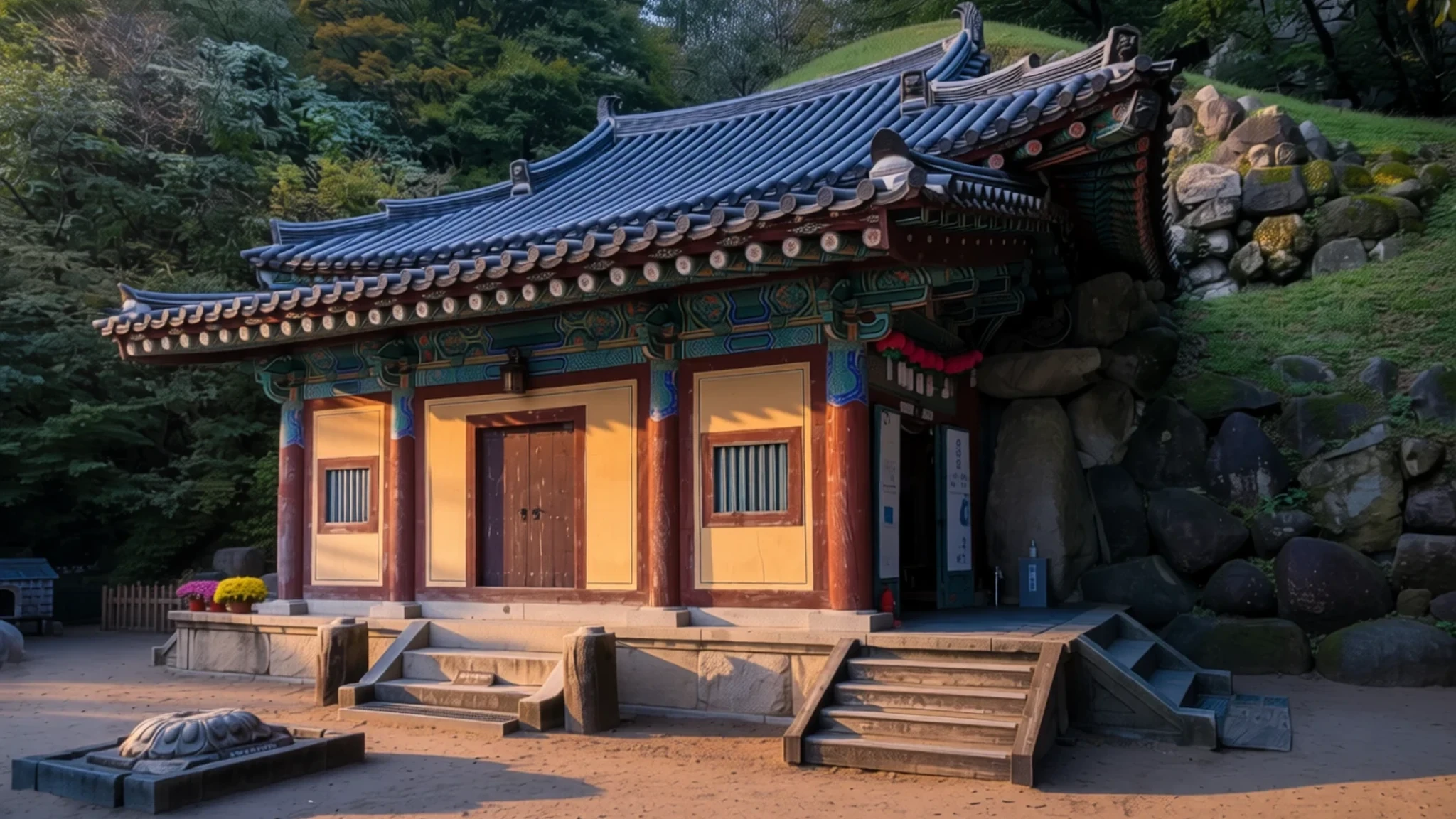
Seokguram Grotto is a hillside Buddhist shrine above the East Sea near Gyeongju, worth the climb for its stone Buddha and sunrise.
The place
Seokguram Grotto sits on Tohamsan, a mountain above Gyeongju in south-eastern South Korea, at about 750 metres above sea level. Its front opening faces the East Sea, so the hall works as a viewpoint as much as a shrine. It is a hermitage that belongs to the wider Bulguksa temple complex, although the two sites lie around 3 kilometres (1.9 mi) apart, and most visitors treat them as separate outings. Bulguksa and the grotto were added to the UNESCO World Heritage List together in 1995, and the grotto had already been designated a National Treasure of South Korea in 1962.
The grotto is a constructed space rather than a natural cave. Visitors pass through a short entrance corridor and an antechamber, then view the main rotunda through a glass wall that protects the room from crowds and temperature change. The dome above is built from more than 360 carefully fitted stone slabs. Inside, the seated Buddha faces the entrance and the sea beyond it. The room is cool and dim, lit mainly by daylight from the front and by lamps around the figure, so photographs taken indoors tend to look soft and muted.
The hall is small and fills quickly in the early morning, when many people come for the sunrise. Outside the peak hours it feels calm. The path up from the car park is steep enough to notice, and the viewpoint has little shelter from the wind, so bring a layer even in warmer months.
Its story
Seokguram Grotto was, according to tradition, planned by Kim Daeseong, who first named the project Seokbulsa, or Stone Buddha Temple. Construction began in 751, during the cultural high point of the kingdom of Unified Silla, when Gyeongju was a wealthy capital with a strong Buddhist court. Kim died before the work was finished, and the Silla court completed the grotto in 774. The later name is written with characters meaning stone, cave and hermitage, which reflects the shift from a temple to a retreat.
The story of the place is also a story about stone. Builders had to shape and fit hundreds of slabs so that the dome and corridor would hold together, and the result was not designed as a public monument. It was a place for devotion and meditation, with the seated figure looking out over the sea. That orientation explains why sunrise became central to the site, and why modern visitors still come to watch it.
In the modern era the grotto has been protected and studied closely. Its designation as a National Treasure in 1962 and its inclusion on the World Heritage List in 1995 brought it wider attention, and it is now one of South Korea's best-known cultural sites. Many of the people who climb the hill come for the view as much as for the statue, and the site's history gives the sunrise its meaning.
What to see
- The seated Buddha — Main rotunda, Tohamsan, Gyeongju
The seated Buddha is the focal point of the main rotunda, carved in pale stone and placed so that the figure faces the entrance and the sea beyond. Stand at the glass wall and look at the proportions and the calm expression, which many visitors find more striking than photographs suggest. The room is small, so take your time at the glass and keep moving so others can see.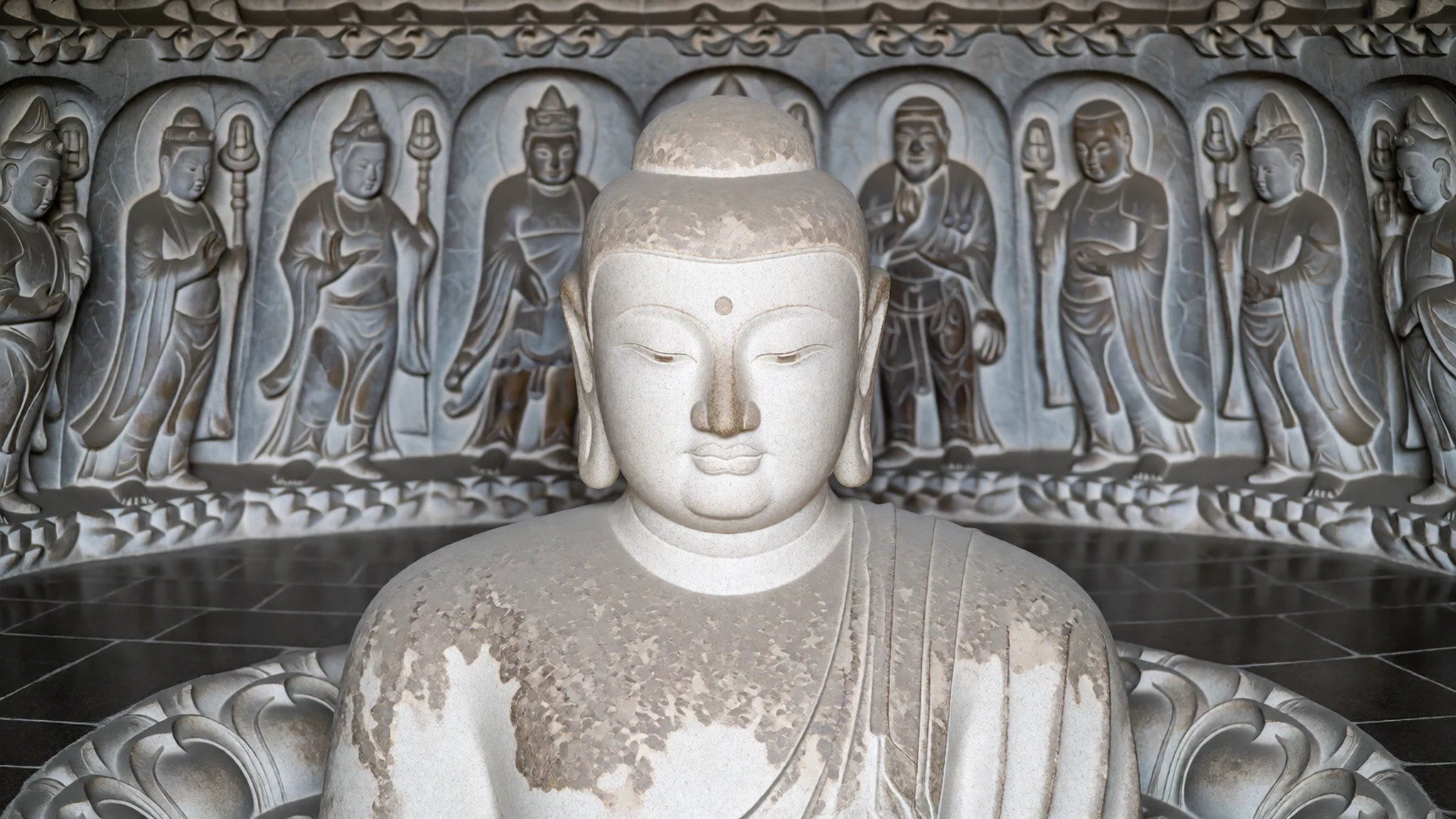
- The domed hall — Main rotunda, Tohamsan, Gyeongju
The domed ceiling above the Buddha is built from more than 360 stone slabs fitted together into a curved roof. Look up to see how the courses narrow toward the top, which is the most impressive engineering detail in the hall. The dome is best appreciated in quiet moments, so visit outside the busiest hours if you can.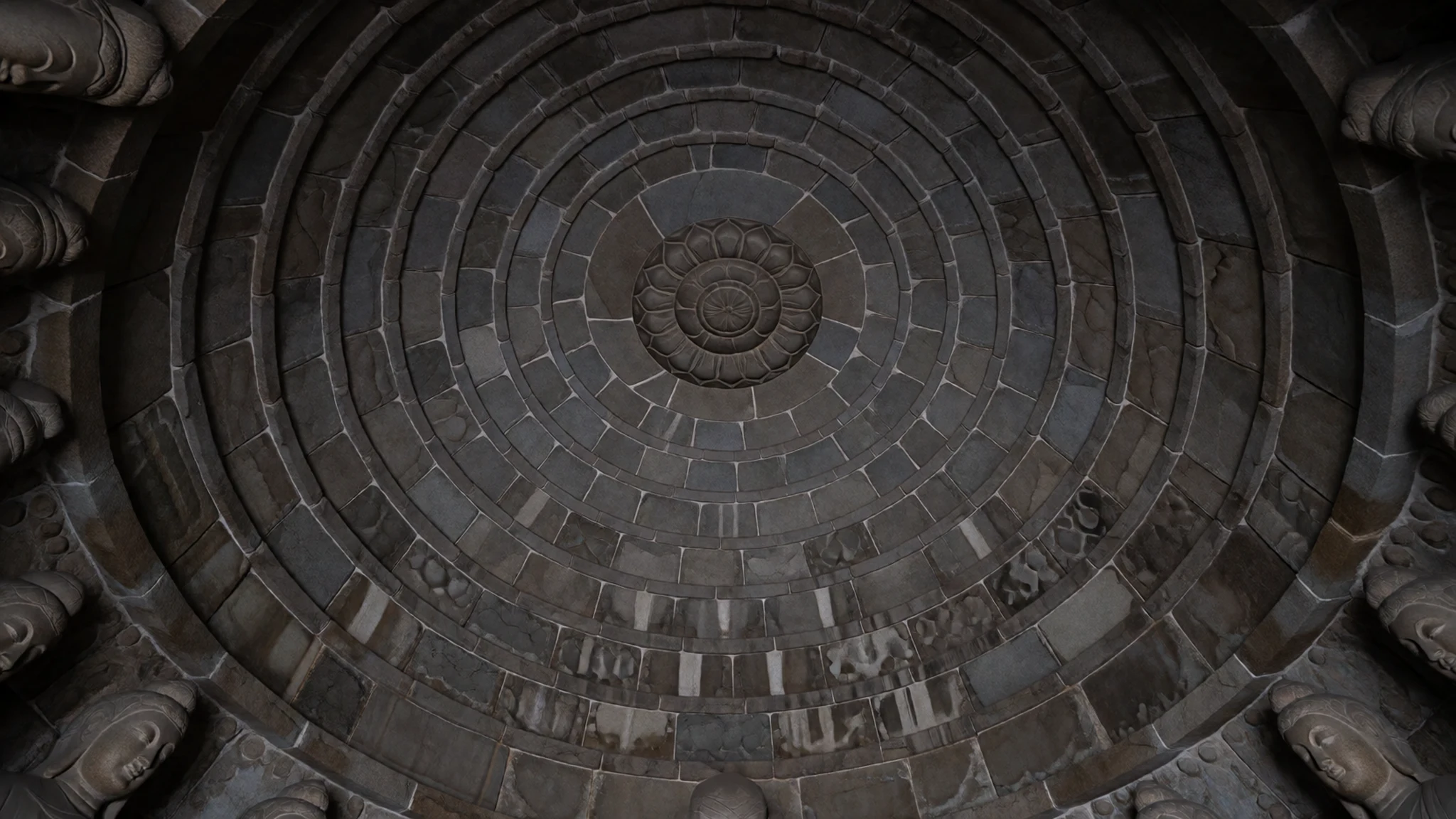
- The entrance corridor and antechamber — Entrance route, Tohamsan, Gyeongju
Before reaching the glass wall in front of the rotunda you pass through a short corridor and an antechamber, which act as a gradual transition from the outdoor path into the dim interior. The walls and passage give a sense of how the building was designed as a route, not just a room. Allow a few minutes here to adjust your eyes to the lower light.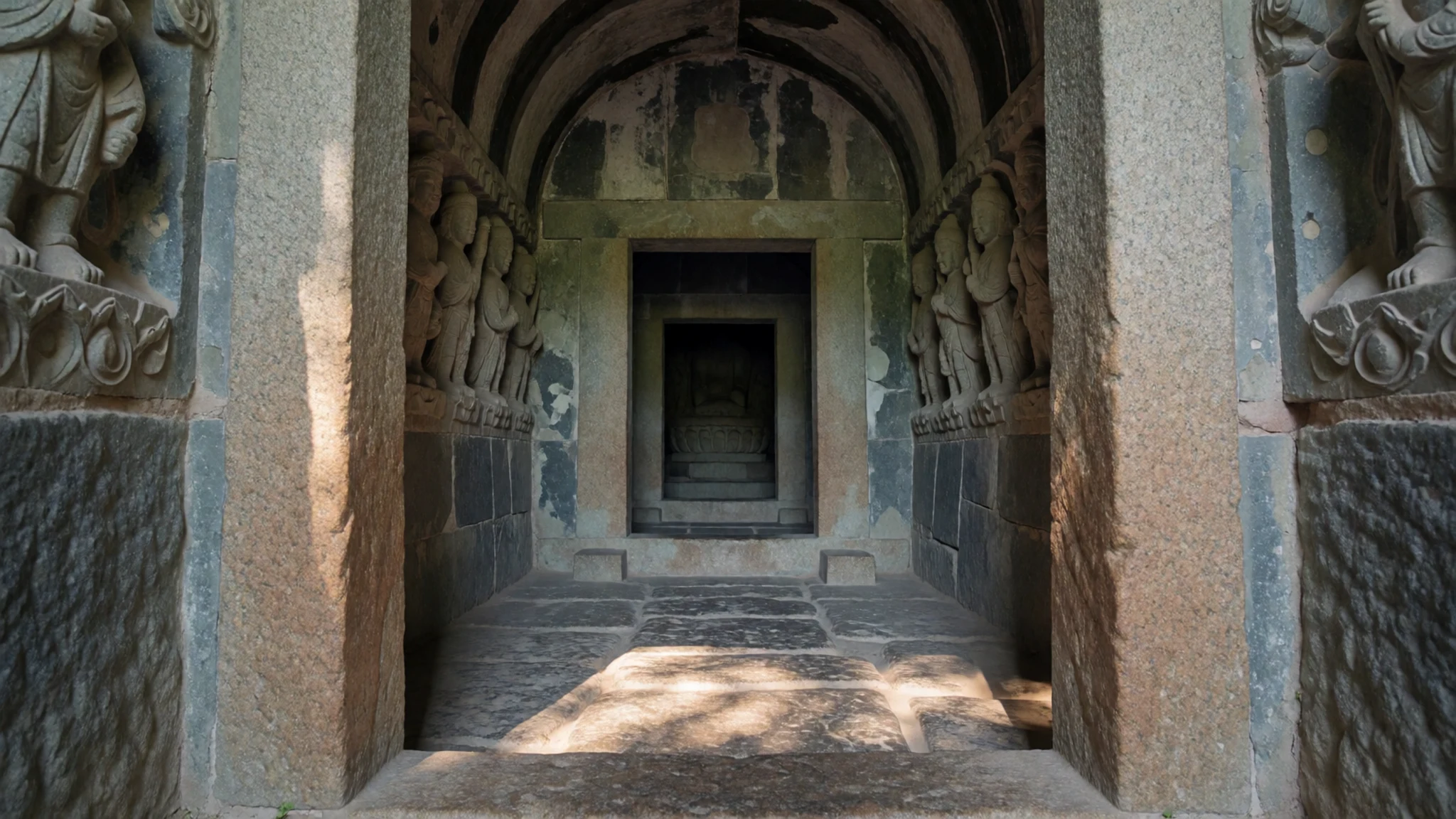
- The sunrise viewpoint — Hillside above the grotto, Tohamsan, Gyeongju
The area near the front of the grotto gives a wide view over the East Sea, and it is where people gather for sunrise. Arrive well before dawn to find a space, since the platform is small and busy on clear mornings. Dress warmly, because the wind can be strong on the hillside even when the valley below is calm.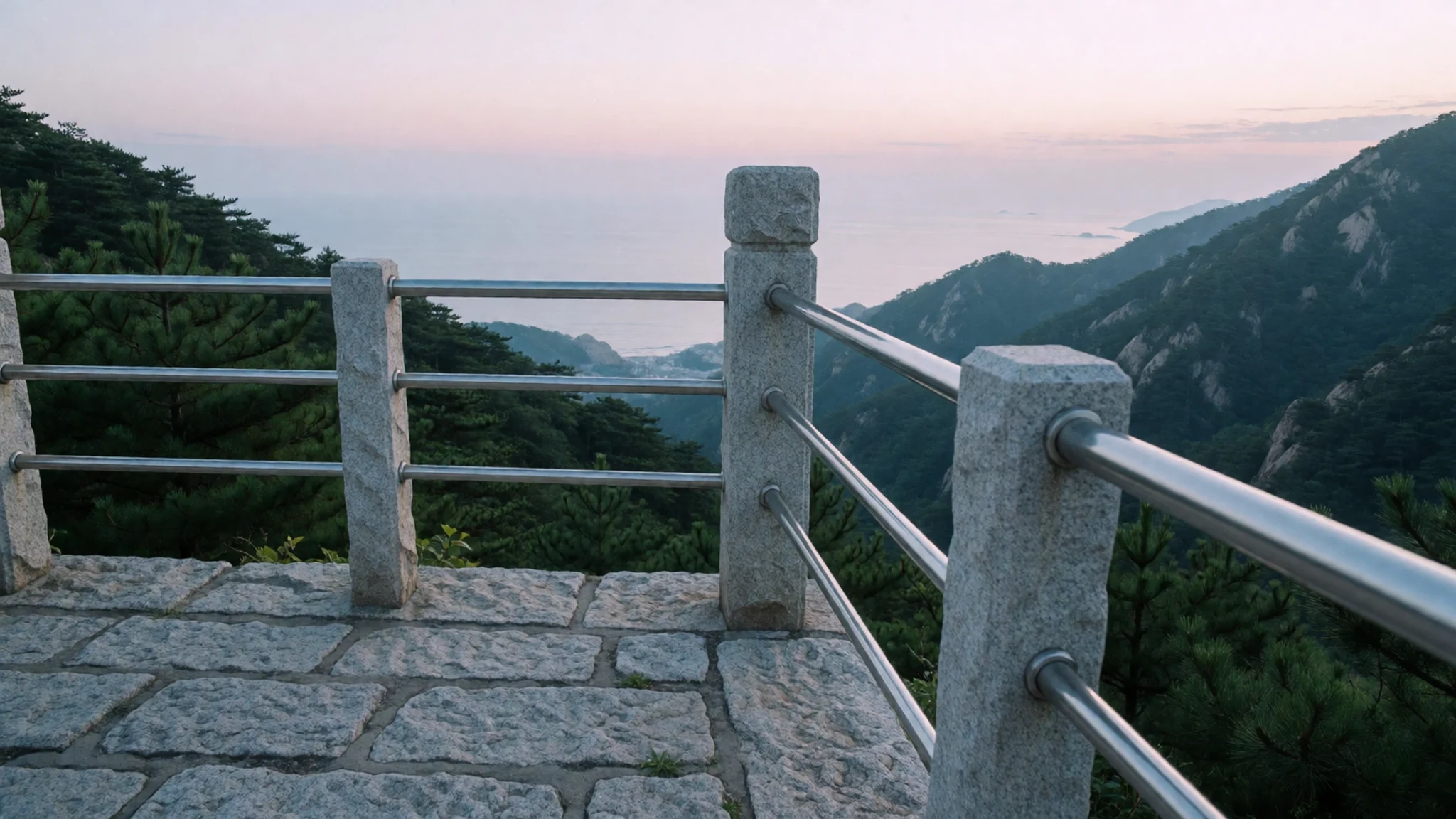
- Bulguksa Temple — Bulguksa, Tohamsan, Gyeongju
Bulguksa Temple lies about 3 kilometres (1.9 mi) from the grotto and forms part of the same World Heritage listing. It is a larger complex with courtyards, stone bridges and multi-storey pagodas, and it makes a good half-day companion to the grotto. Allow extra time for the journey between the two, since the road is winding.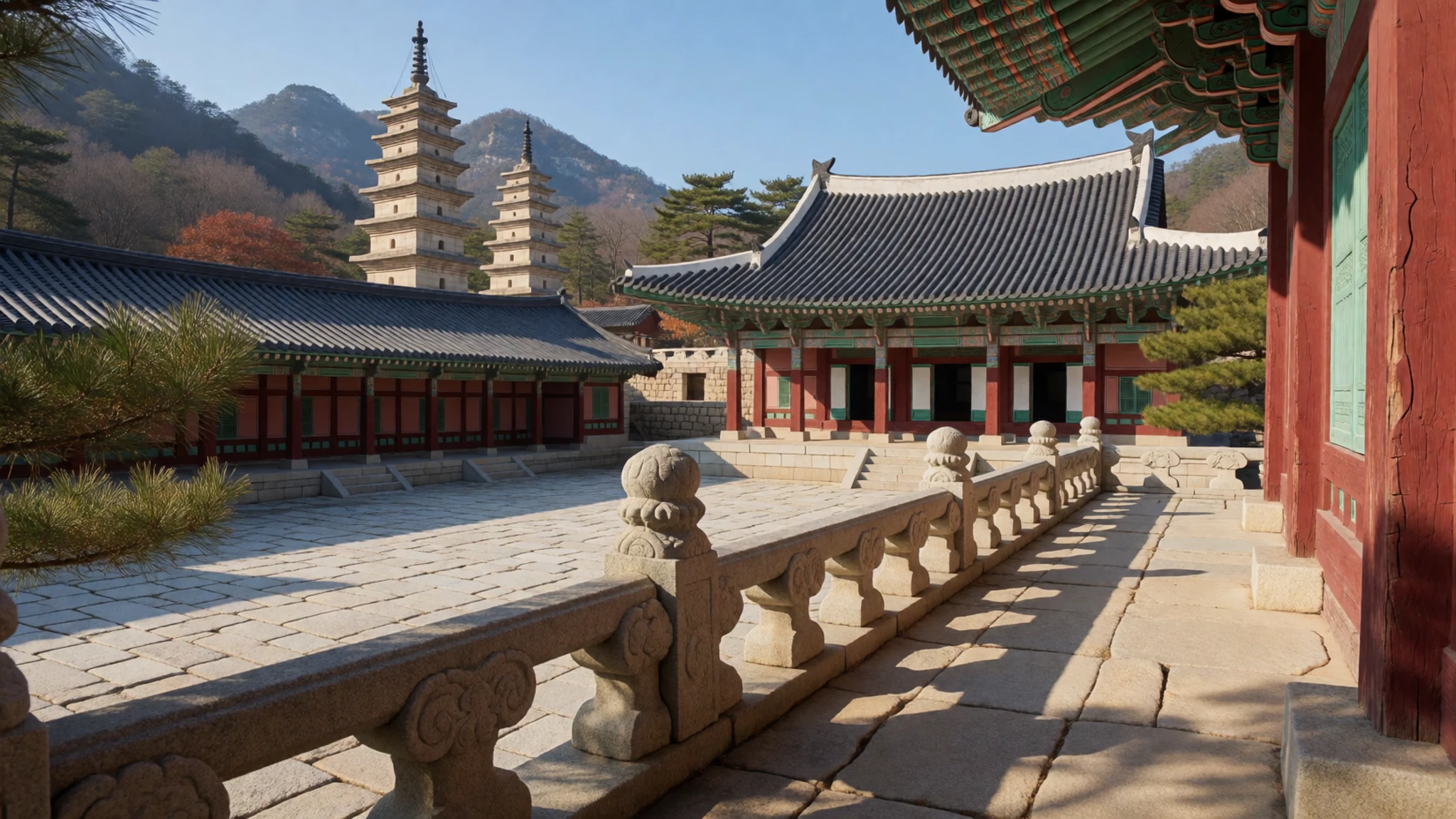
Culture
Seokguram Grotto is a Buddhist hermitage and an active place of worship as well as a popular viewpoint, so behaviour inside the hall matters. The seated Buddha is the focus of devotion, and many people come to bow, to sit quietly for a few minutes or to pray. Visitors are expected to keep their voices low and their movements unhurried in the rotunda, and because the room is small, a loud group can change the mood for everyone. Sunrise draws the largest crowds, and the first light over the sea is a shared moment, so keep to the marked areas and avoid pushing forward for a better angle. Photography is generally allowed in the open areas, but check the signs before using flash or filming inside the hall. Queuing at the viewpoint is informal, so wait your turn and make space for those who came to pray. Keep your voice low and do not use flash inside the hall.
What to wear
Seokguram Grotto has no formal dress code, but it is an active Buddhist site on an exposed hillside, and the weather and the walk shape what works. Traditional Korean dress is the hanbok, a high-waisted outfit with a short jacket called a jeogori and a full skirt called a chima, traditionally made from silk, ramie or cotton in bright colours. Hanbok are worn today for festivals, weddings, ceremonies and visits to royal palaces, and rented versions are popular with visitors in Gyeongju's old town.
Day to day, people in Gyeongju wear jeans, jackets, knitwear and trainers, with heavier coats in winter. For a visit, dress for a cool stone hall and a windy hillside. Choose layers that can be added or removed, bring a warm top for sunrise, and take a jacket that handles wind and damp grass. Modesty is simple: cover shoulders and knees out of respect, and avoid very short shorts or vests inside the grotto. Wear shoes with proper grip, because the path up from the car park is steep and can be slippery in the early morning, so flat trainers work better than sandals or smart shoes.
What to eat
- Gyeongju bread — Bakeries and souvenir shops in the old town near the Daereungwon tomb park
Gyeongju bread is a soft, sweet bun with a filling, sold as a local souvenir and eaten warm with coffee or tea. It is a good snack to carry up the hill, though it is better eaten soon after buying. Buy a box to take home if you want something easy to pack.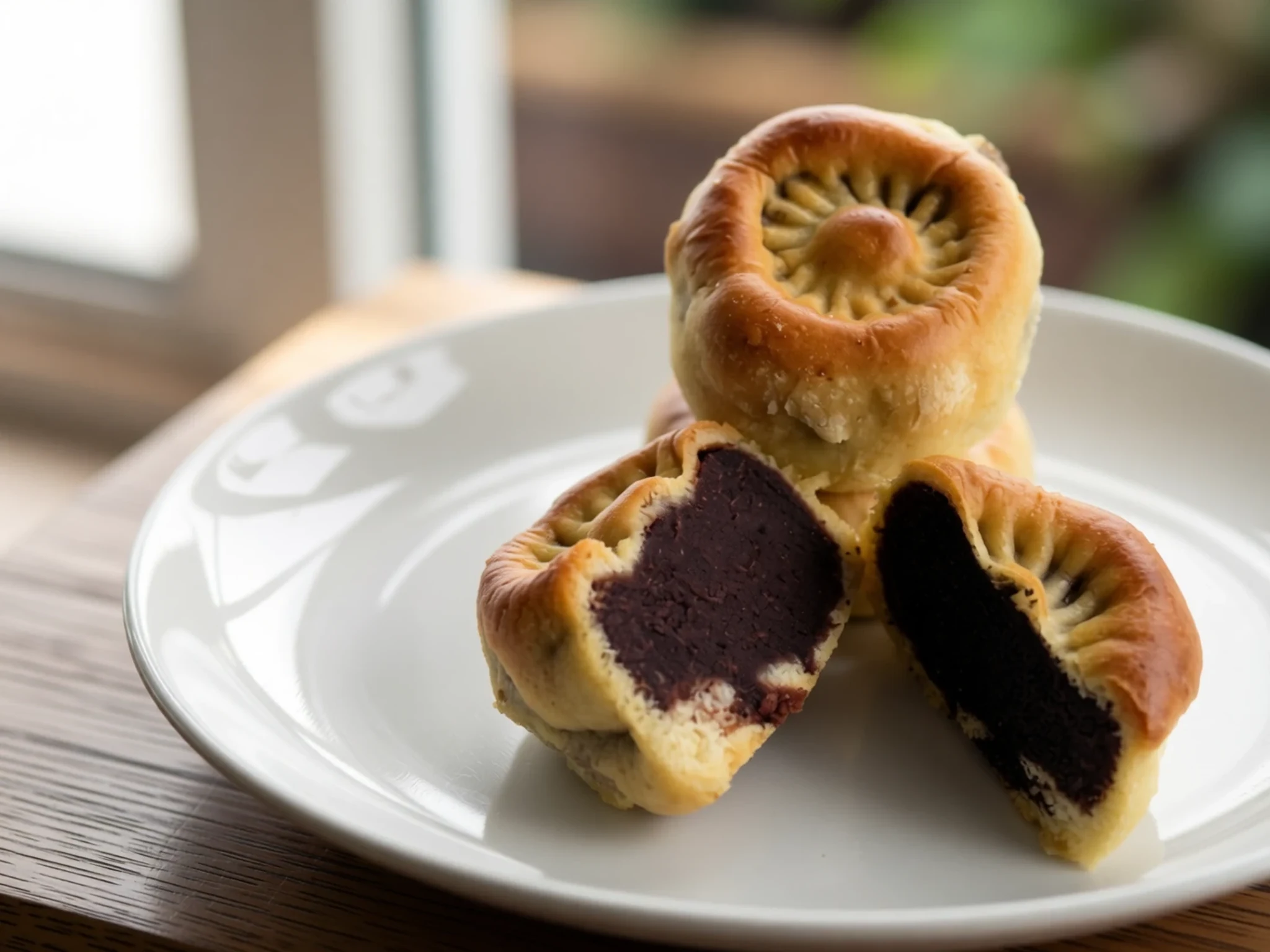
- Ssambap — Neighbourhood eateries and lunch counters in central Gyeongju
Ssambap is a set meal in which steamed rice, grilled meat or fish, and fresh leaves such as lettuce and perilla are wrapped together in a single bite. Side dishes of kimchi and seasoned vegetables come with it, and you assemble each mouthful yourself. It is a filling lunch that suits a day of walking.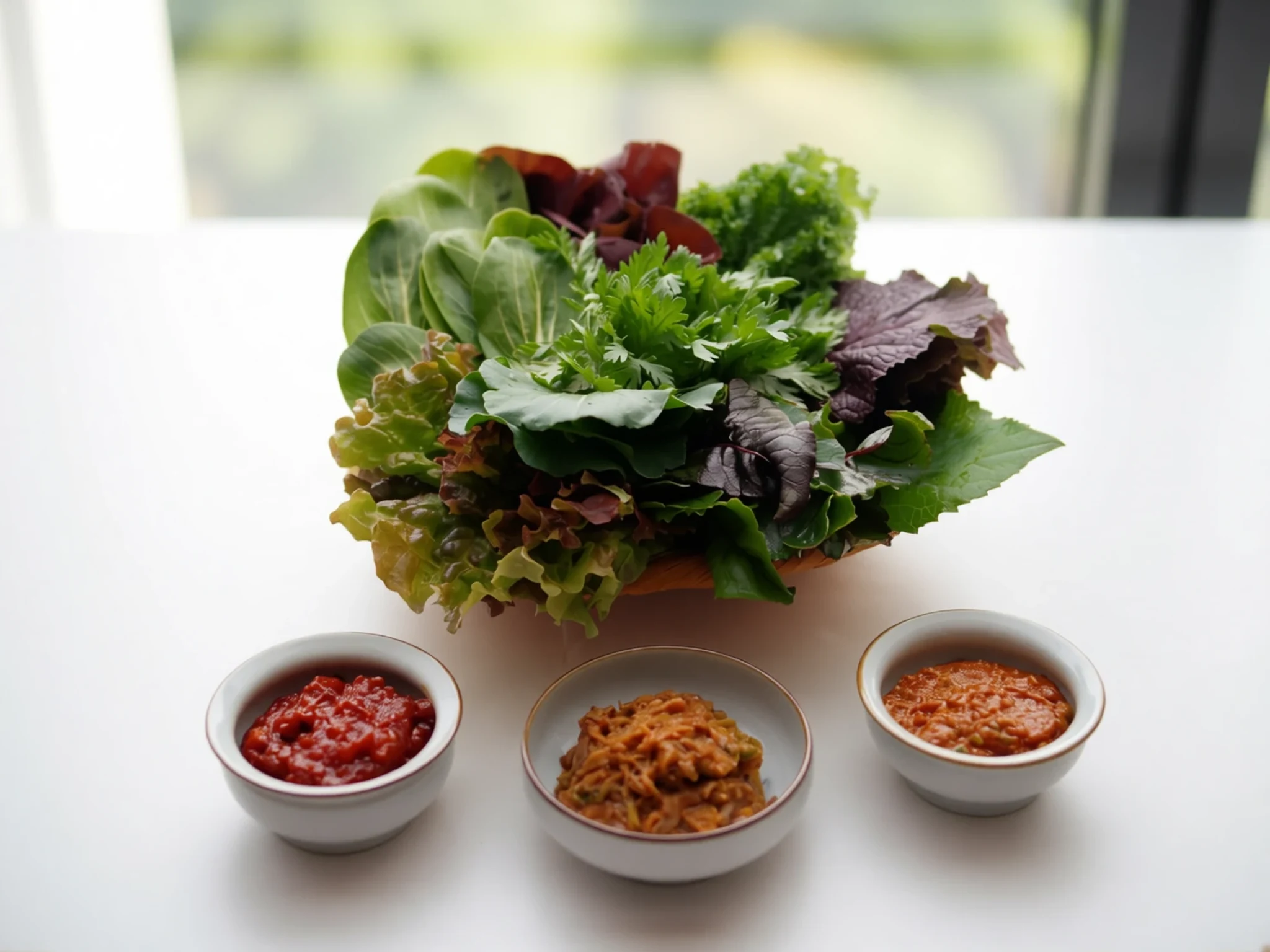
- Kalguksu — Noodle restaurants in the city centre, especially at lunchtime
Kalguksu are hand-cut wheat noodles served in a clear broth, often with clams, vegetables or chicken. The dish is simple and comforting, and it is a good choice on a cool day after the climb. Expect a bowl that arrives quickly and costs little.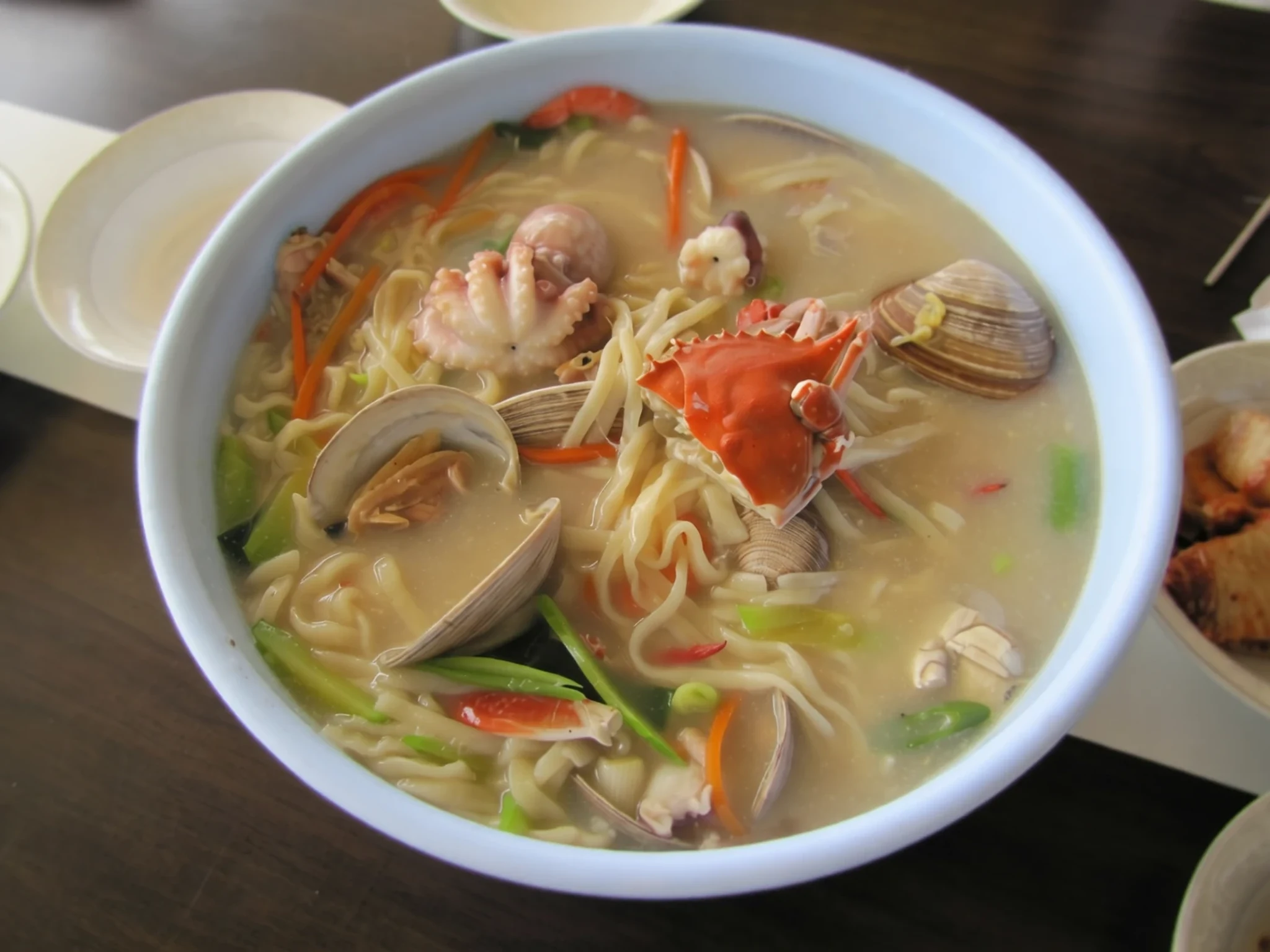
- Grilled fish on the east coast — Small harbour restaurants at the fishing ports along the east coast road
Fresh fish grilled over charcoal is served at small harbour restaurants along the east coast road, close to the sea that the grotto overlooks. Ask what is landed that day, since the menu changes with the catch. Eating here after a morning visit makes a fitting end to the day by the water.
Plan it
Best time. October–November for mild, drier weather and clear autumn air, and April for spring greenery; winter is cold and windy on the hill, and July–August is the hottest and wettest time, with heavy rain and haze.
How long. 1–2
Getting there. Reach Gyeongju by train or express bus from Seoul or Busan, then take a local bus or taxi to Tohamsan for the final stretch up to the grotto.
Budget. low
Tips
- Arrive before dawn if you want sunrise, and allow time for the walk from the car park
- Book a taxi for the early morning trip, since buses may not run at the hours you need
- Carry cash for small stalls and vending machines, and check the official site for current opening times
- Bring water and a warm layer, because the hilltop is exposed even on mild days
- Pair the grotto with Bulguksa Temple on the same day to make the trip worthwhile
Etiquette
- Keep your voice low inside the hall and in the rotunda
- Do not use flash inside the grotto and follow staff instructions on photography
- Wait your turn at the sunrise viewpoint and leave space for people who came to pray
Nearby
Sources
- Wikidata Q16912957 (CC0)
- Wikipedia: Seokguram Grotto (CC BY-SA 4.0)
- Wikivoyage: Gyeongju (CC BY-SA 4.0)
- Seokguram Buddha, Richardfabi, via Wikimedia Commons (CC BY 3.0)
