Sarlat-la-Canéda
Sarlat-la-Canéda, France
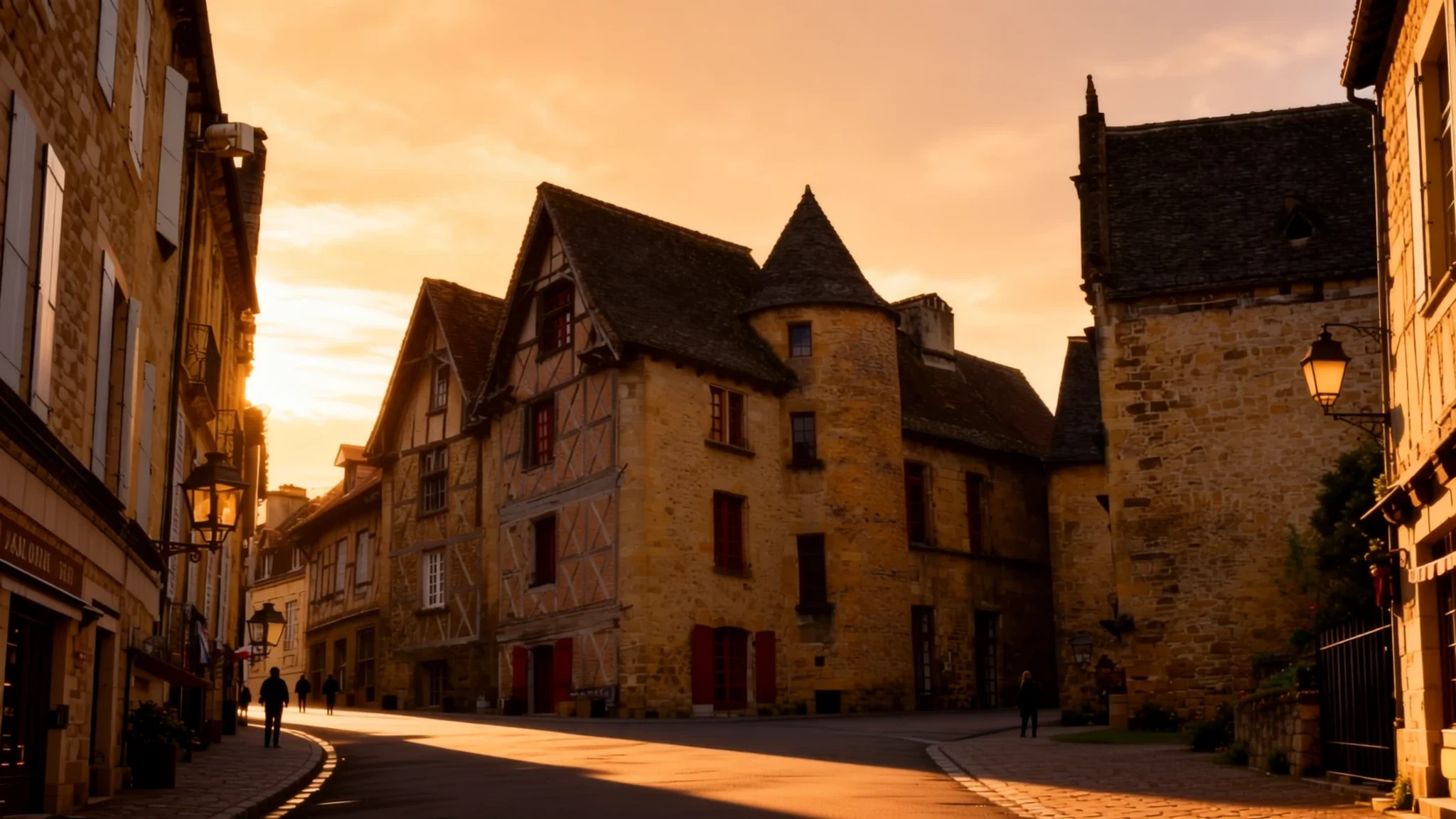
Go for an old stone town that has kept its medieval shape, at the heart of the Dordogne's duck, walnut and truffle country.
The place
Sarlat-la-Canéda sits in the Périgord Noir, the south-eastern part of the Dordogne département in south-west France. It is the capital of the area, a town of about 9,000 people that feels smaller once inside its old centre, which is compact and largely closed to cars. Sarlat and La Canéda were two separate towns until they were merged into one commune in recent history, and the newer suburbs on the edges show that joining. The old core is where almost everyone spends their time. Its streets are narrow and climb gently, lined with honey-grey stone houses, carved doorways, and small squares where cafés set out tables in summer. The River Dordogne lies about 7 km to the south, and from its banks a string of castles and cliff-top villages can be seen, which makes Sarlat a useful base for a day in the countryside. Rail service is limited: the line reaches Sarlat from the west and stops at the end of the track, so many visitors arrive by bus or hire a car. July and August are the busy months, when the lanes fill and prices rise. Spring and autumn offer quieter streets and easier parking, and the town is at its most pleasant when the markets are running.
Its story
Sarlat began as a settlement around a large Benedictine abbey founded in the Carolingian period, and the town grew up in its shadow. The abbey appears in medieval records from 1081 and was one of the few religious houses in the region that escaped raids by Viking fleets, which helped it keep its wealth and its standing. By the early fourteenth century the abbey church was known as the church of Saint Sacerdos, the saint whose relics gave the building its name. The church was later raised to cathedral status in the twentieth century, a title it still holds. The town's history was not without conflict. Sarlat was besieged in 1370 during the Hundred Years' War, when French forces pressed the region, and the walls and towers of the period survive in part. Over the following centuries the town's fortunes shifted, but its economy stayed rooted in farming, markets and trade in the valley. What makes Sarlat unusual is that modern development passed it by. Its historic centre holds 77 protected monuments and was placed on France's tentative list for future World Heritage nomination in 2002. Much of the credit for its condition goes to the novelist and politician André Malraux, who as culture minister had many historic towns in France restored, and Sarlat was among them. Its stone buildings were cleaned and repaired rather than replaced, which is why the centre reads as one period piece today.
What to see
- Saint-Sacerdos Cathedral — Old centre, near the cathedral square
The cathedral is the town's main building and the reason the old centre has its shape. It grew in stages over several centuries, from the twelfth into the fourteenth, and stands near the site of the earlier cemetery. Inside, the nave and side chapels are plain compared with larger French cathedrals, and that restraint suits a town of this size. Go in the morning, when the light through the windows is strongest and the interior is quiet. The square outside is a good place to sit and watch the town go about its day.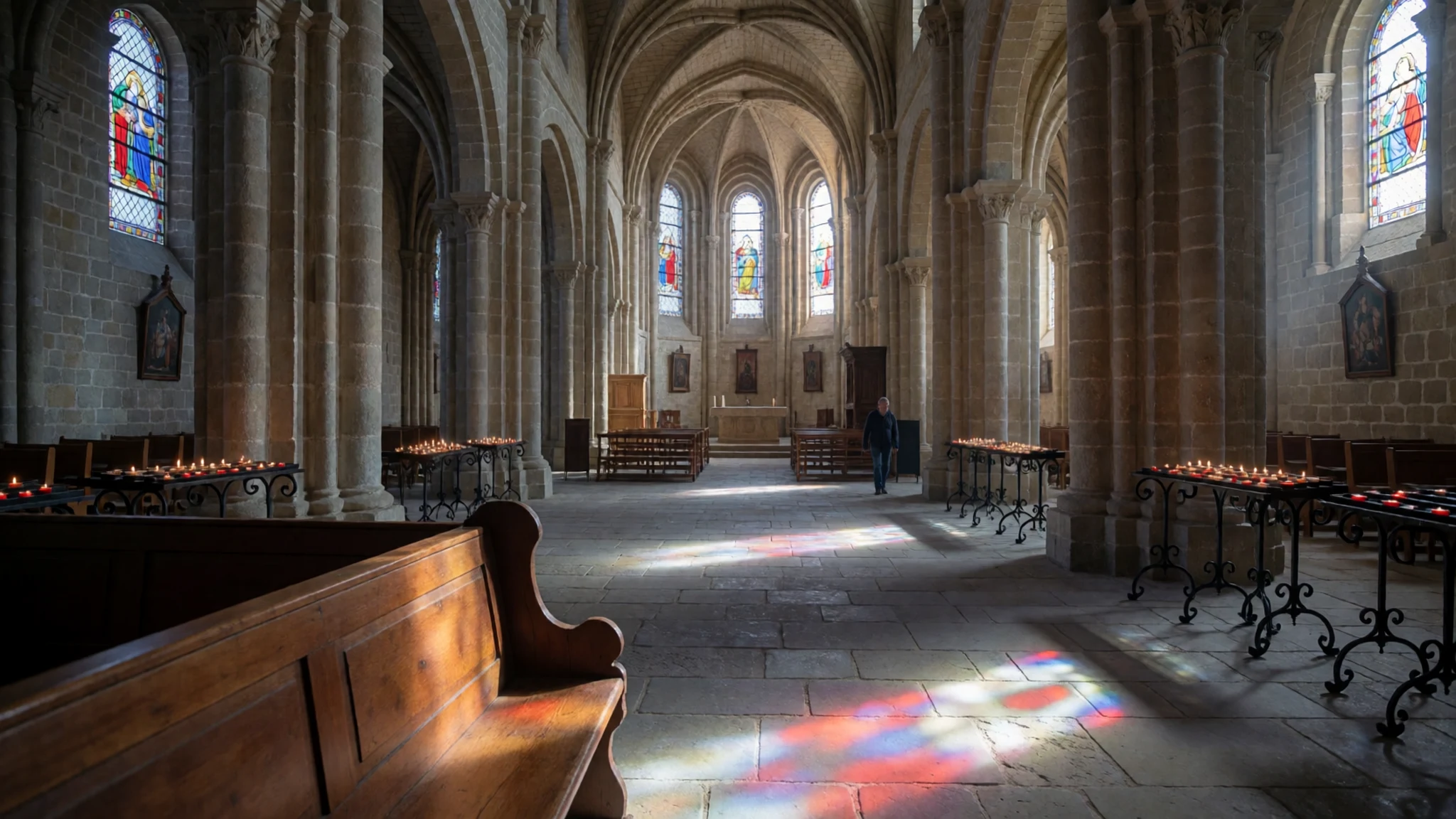
- Sainte-Marie church and covered market — Central old town, near the market square
Sainte-Marie was closed as a church during the Revolution and later turned into a covered market, with a design by the architect Jean Nouvel. The building keeps its stone shell while the interior serves stalls for food and local goods. The bell tower has a glass panoramic lift that carries visitors up for a wide view over the rooftops and the surrounding countryside. Check the lift's opening hours on the official town site before you plan the climb.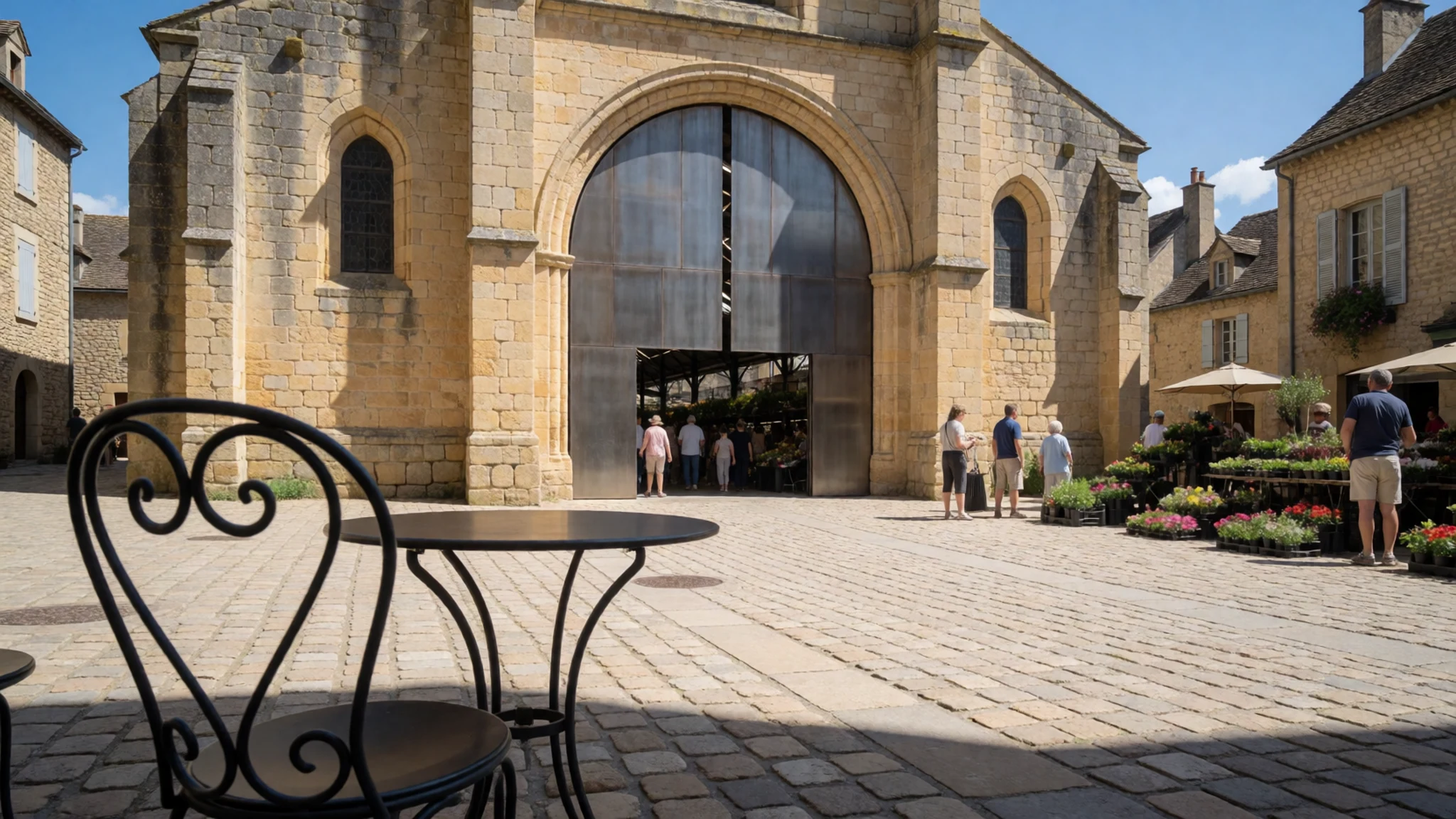
- Place des Oies and the bronze geese — Central old town
The square takes its name from three bronze geese set in the middle of it, a nod to the region's foie gras and goose farming. Visitors often photograph the sculptures before walking into the surrounding streets. The square is lined with old mansions and is a fine spot to pause on a walk, especially in late afternoon when the stone turns warm. Expect the square to be busy at midday in summer, when tour groups pass through.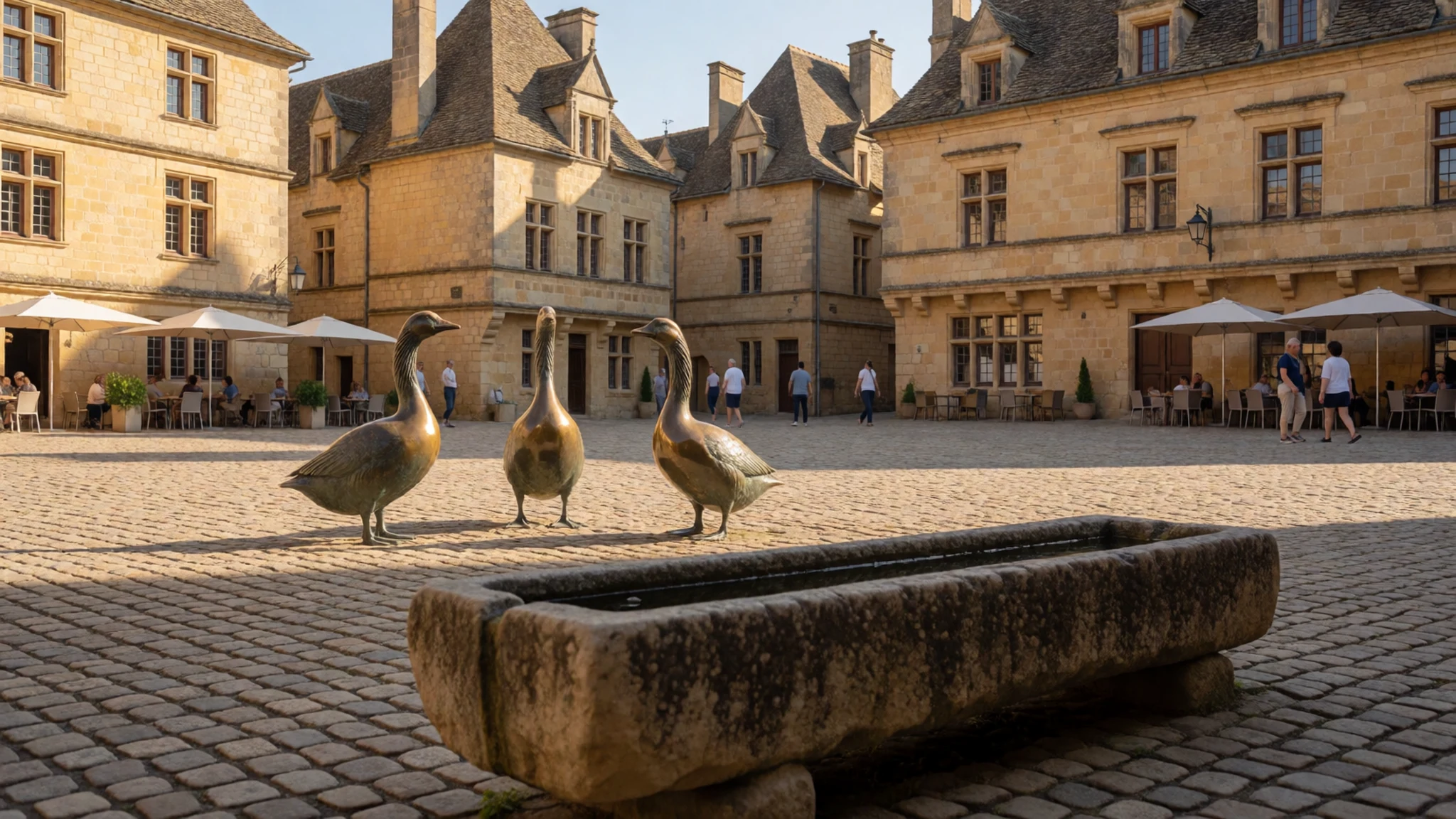
- Rue des Consuls — Old centre, pedestrian lanes
This pedestrian street is one of the best-preserved medieval lanes in the centre. Its stone houses, carved lintels and shopfronts show how the town traded and lived. The Sainte-Marie fountain, with a shrine to the Virgin Mary at the back of its grotto, sits along this street. Shops here sell local produce and crafts, and the street fills quickly in the middle of the day. Early and late in the day it is calmer and better for photographs.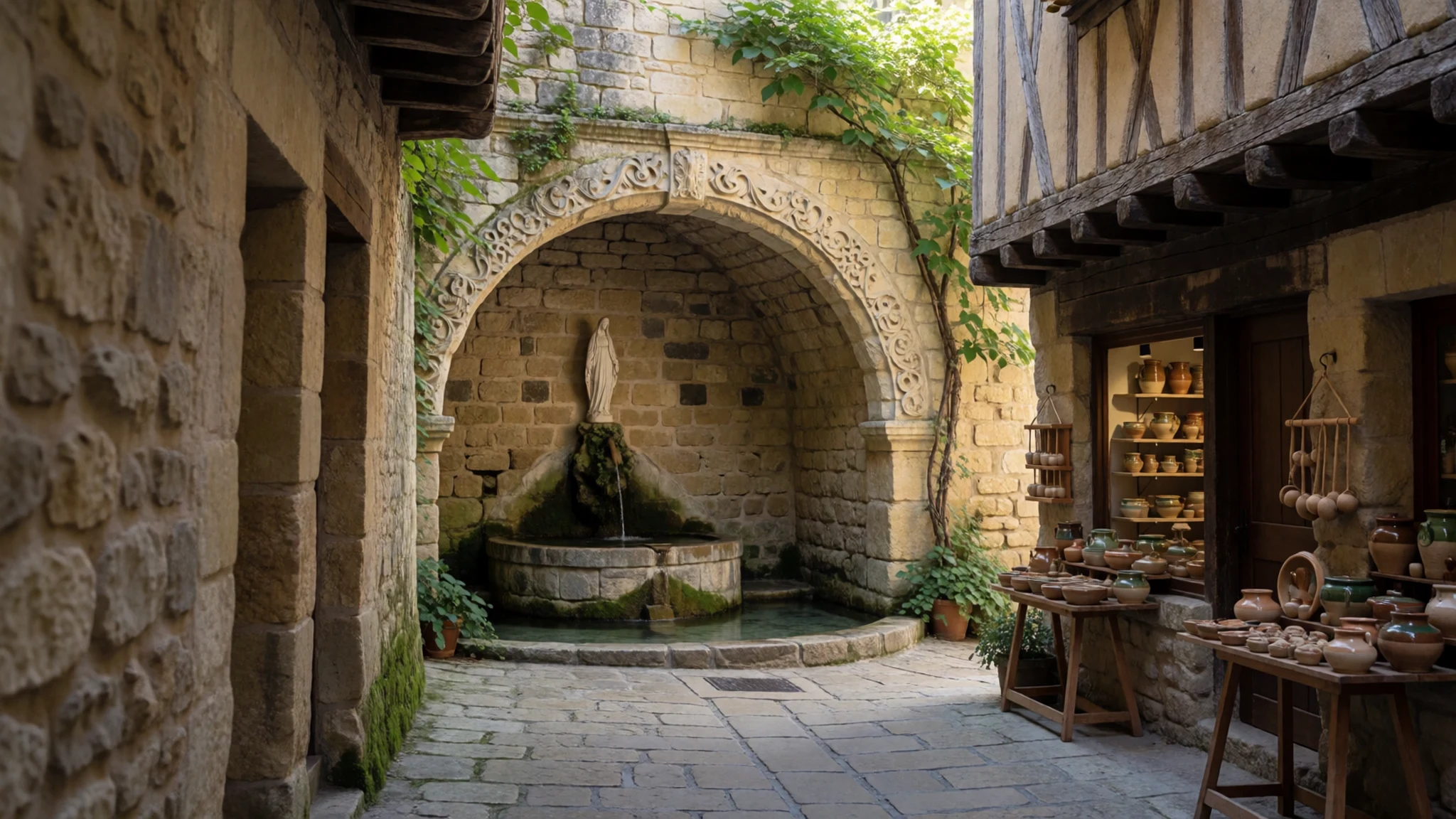
- Town hall and Liberty Square — Central old town, Liberty Square
The seventeenth-century town hall has a western façade that is the most formal in the centre, and the square in front of it is one of the main open spaces in town. The mansions around the square include a house associated with the sixteenth-century writer Étienne de La Boétie. The square works well as a meeting point and a place to sit with a coffee. It is best seen on foot, since the streets around it are car-free and the square is easy to reach from any side of the old town.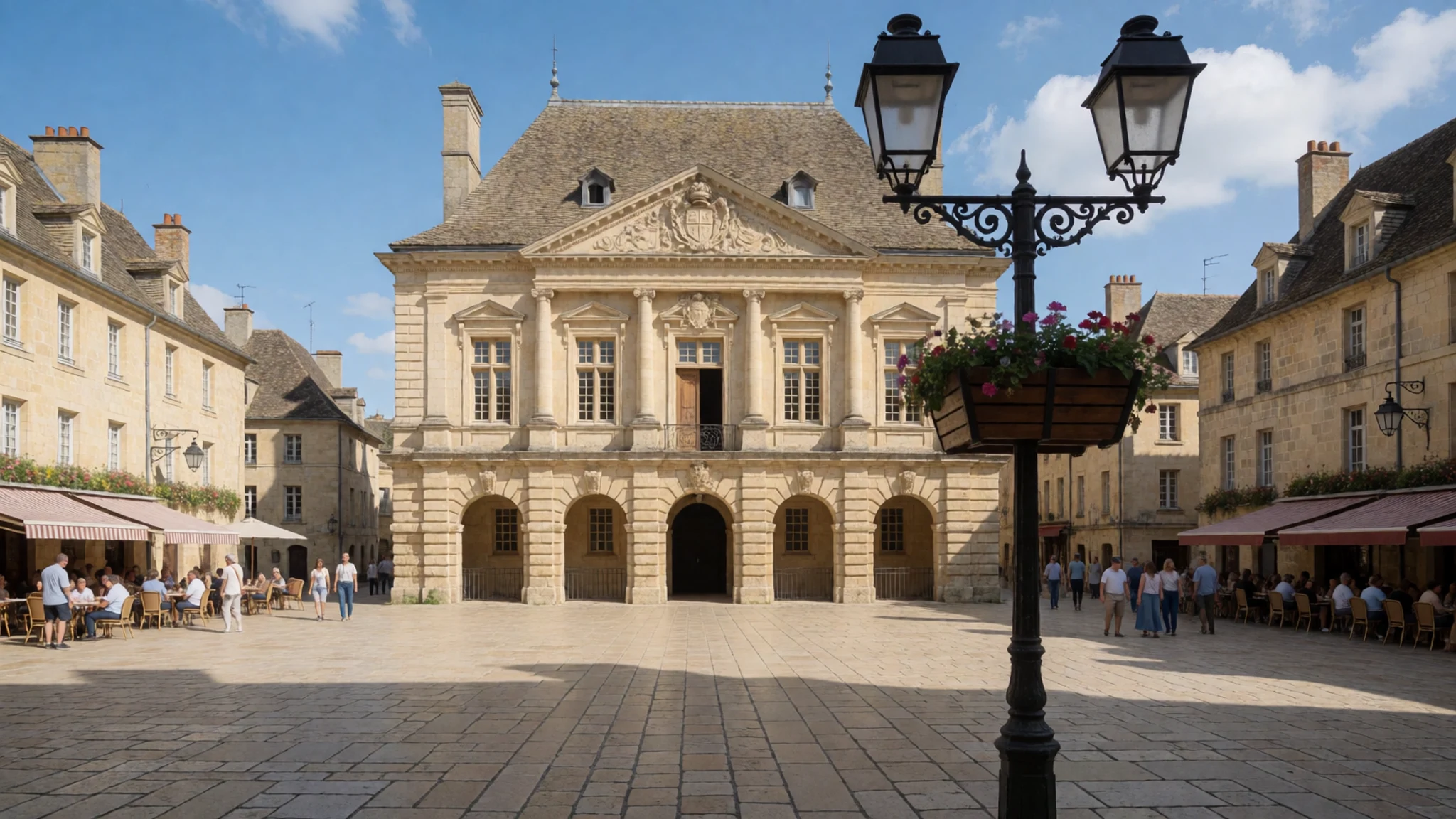
Culture
Sarlat's identity rests on its stone, its markets and its long habit of hospitality toward visitors, and the town has learnt to balance tourism with daily life for its residents. Many people who live in the old centre are older families, shopkeepers and some newcomers who settled from abroad, so the lanes are both home and destination. Meals are a serious matter here: lunch is often long and dinner starts late by British or Indian standards, and staff expect guests to take their time. Greetings matter. Entering a shop or café, a polite bonjour before any request is expected, and a simple merci when leaving is appreciated. The region's food traditions, from the goose farms to the walnut groves, are part of local pride, so questions about how things are made are welcome. Churches and the cathedral are working places of worship as well as monuments, so speak quietly and keep to the side during services. Photography is fine in the streets, but ask before photographing people at the market stalls or in shop doorways, and never ask someone to pose for a picture in a private courtyard. Keep your voice low in the churches, and ask before taking photos of anyone at the market stalls.
What to wear
Sarlat has no costume of its own that survives in daily life, but the rural dress of the Périgord, worn at festivals and village gatherings in the past, was practical rather than decorative. It used hard-wearing wool for coats and skirts, linen for shirts and aprons, and dark cotton or wool for everyday work, with aprons and shawls adding warmth and protection. Some older women in the countryside still wear a plain dark dress and headscarf for church. What people wear now in Sarlat is simple and smart: jeans or trousers, knitwear and light jackets, leather shoes or sensible trainers for the cobbles. Dress is relaxed but tidy, and visitors are noticed when they wander in beachwear. For a visit, comfortable flat shoes with good grip matter most, because the old streets are stone, uneven and in places steep. In summer the sun is strong, so carry a hat and light layers, and a cotton shirt with sleeves works well for churches. Covered shoulders are a good idea when entering the cathedral, and a light scarf in a bag can cover bare arms quickly. Pack a light waterproof for spring and autumn showers.
What to eat
- Foie gras — Specialist charcuteries and farm shops in the old town
Foie gras is the region's most famous product, a rich pâté or whole-liver preparation from duck or goose. Sarlat is the centre of the trade, and many small producers and larger factories nearby supply shops in the old town. Buy it at a specialist charcuterie or a farm shop, served cold on bread or warm as a seared slice. Ask about the producer, since quality varies widely.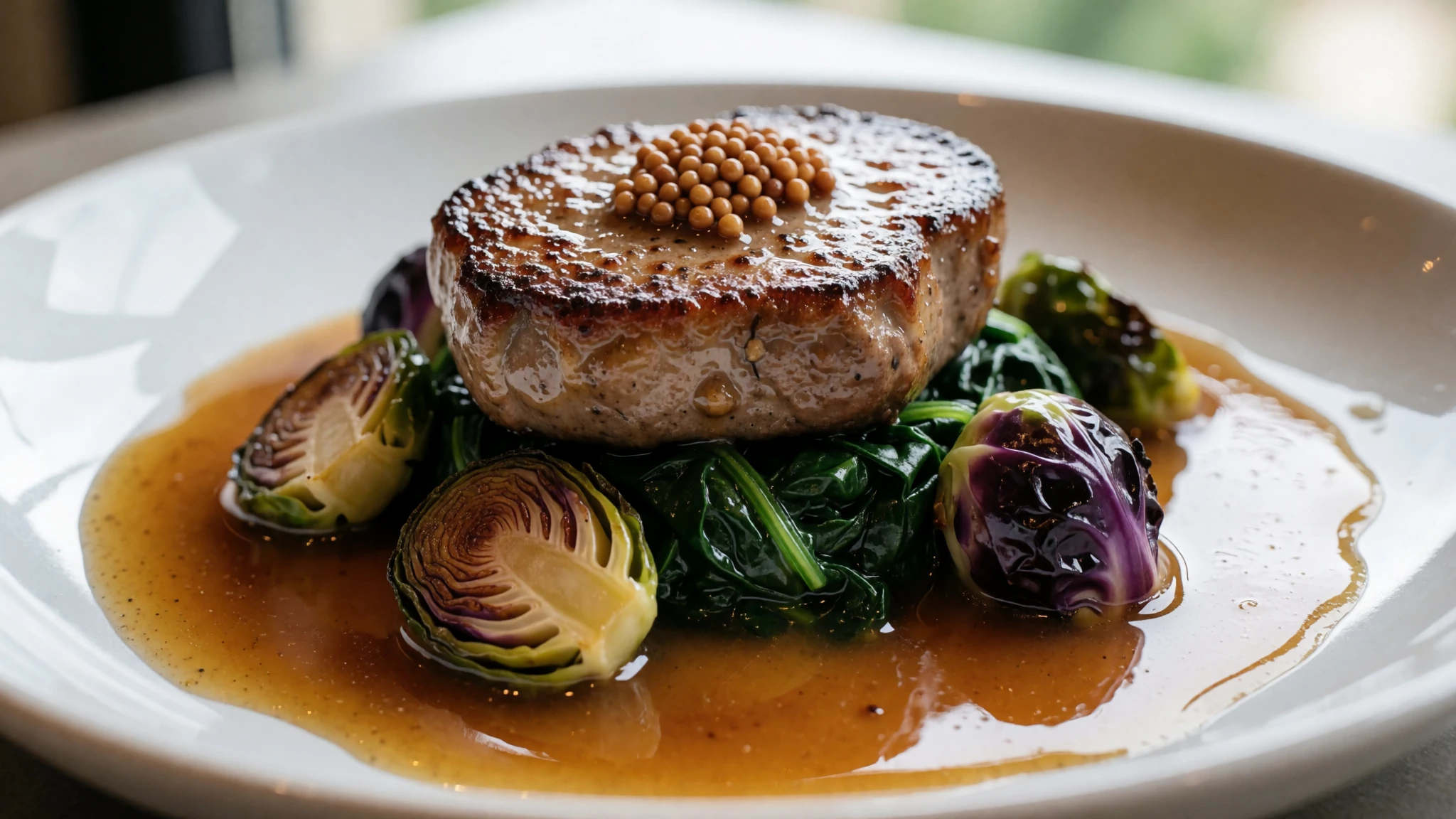
- Cèpes — The weekly market on the central square, in season
Cèpes are wild porcini mushrooms that appear in the autumn woods around the town. They are often sold fresh at the markets and cooked simply in butter, garlic and parsley, or added to omelettes and stews. Buy them from a stall that sells local foraged produce, and stick to stallholders who can say where they were picked.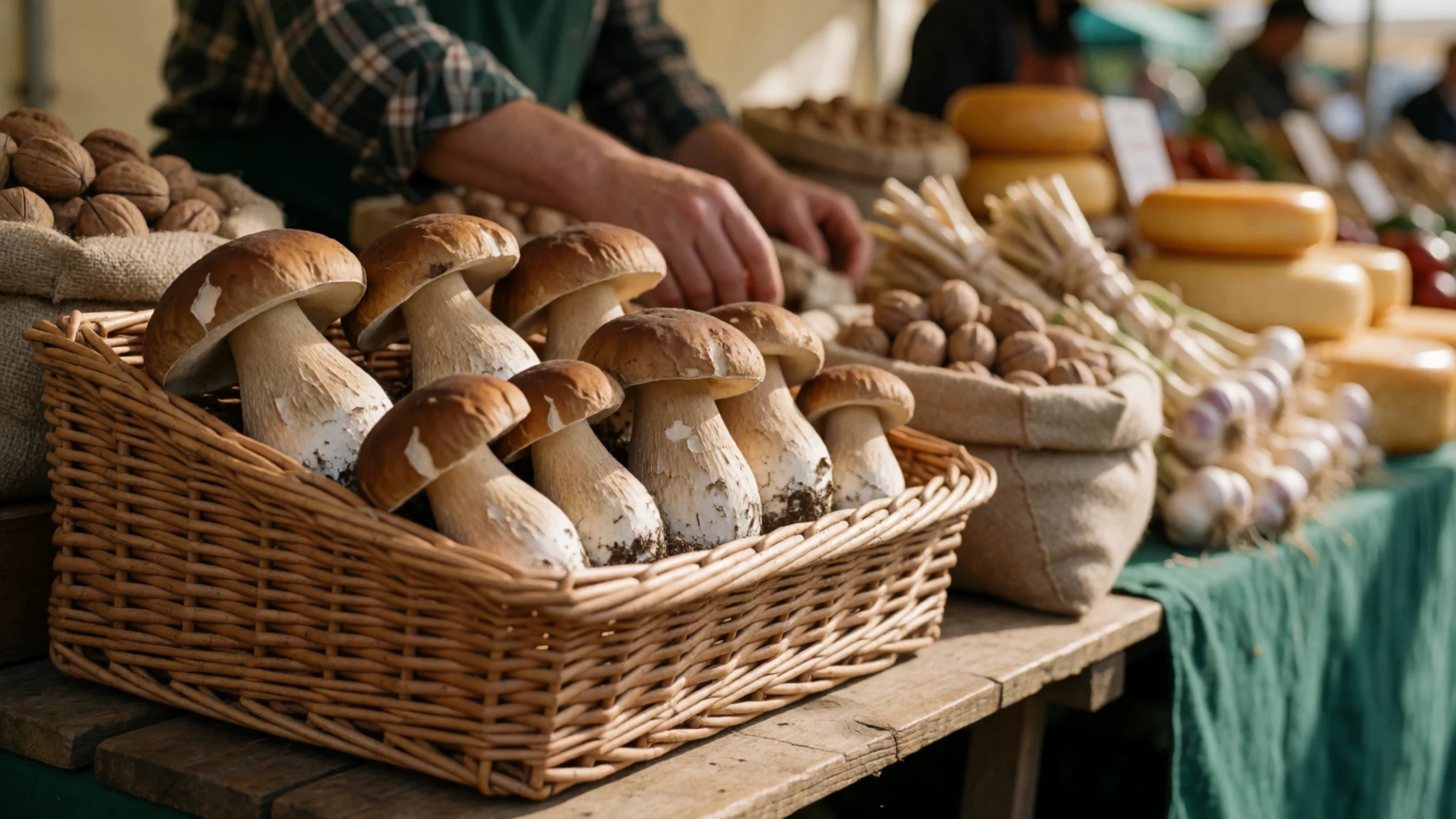
- Confit de canard — Bistros and small restaurants in the medieval centre
Duck confit is duck leg cooked slowly in its own fat and then crisped in a pan, often served with sautéed potatoes. It is a staple of the region and can be found on menus across the centre. Go to a bistro in the old town that lists the dish on a simple board, where it is usually made in-house from local birds.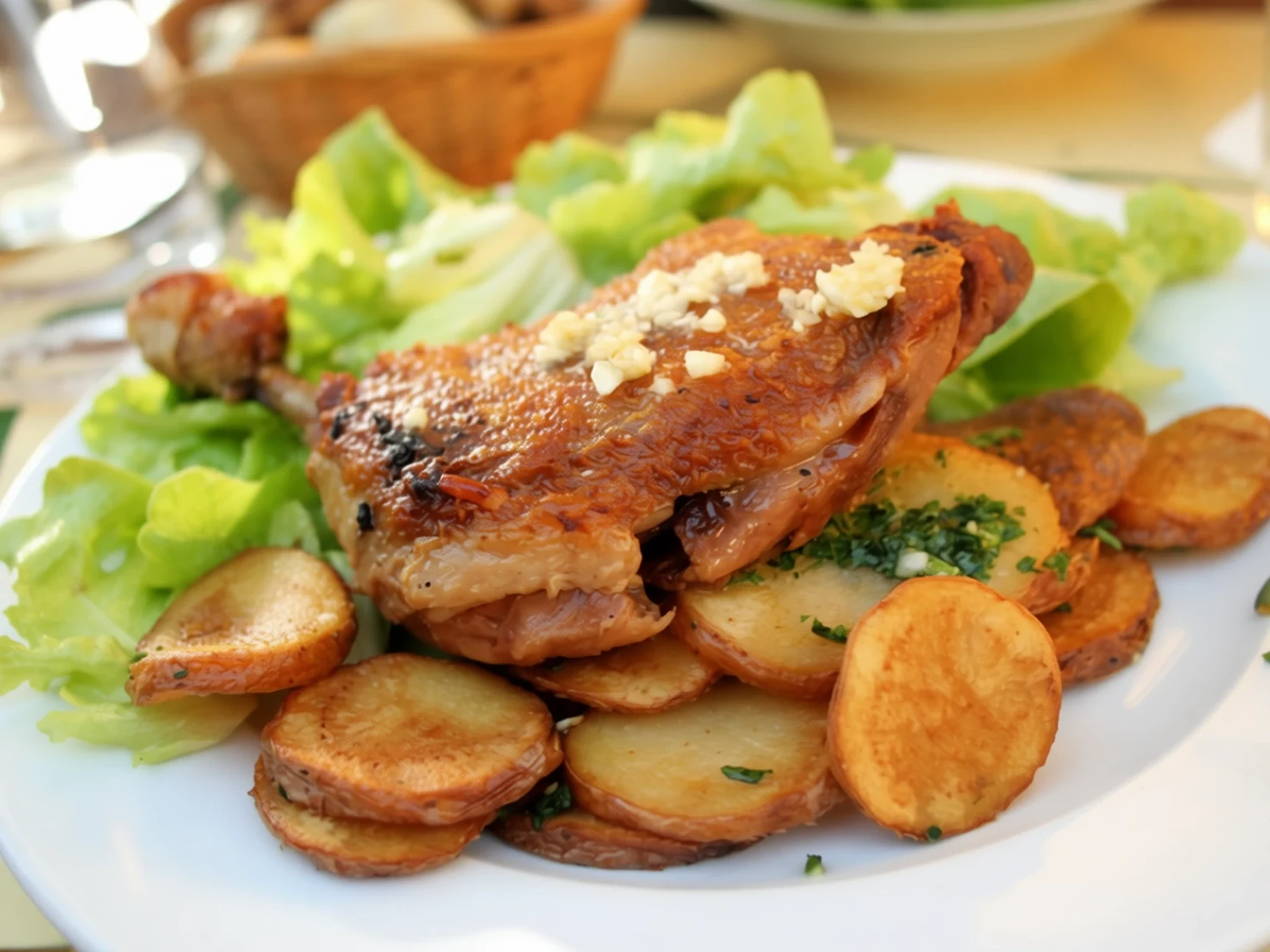
- Walnuts and walnut oil — Market stalls and local food shops
Walnuts grow throughout the wider Dordogne, and the oil pressed from them is strong and aromatic, good with salads and bread. The walnut trees give the region's cooking a nutty depth that appears in cakes, dressings and some sauces. Stalls at the market sell the nuts in shell and bottled oil, and small shops stock both for the journey home. - Local cheeses and Périgord wine — Weekly market and wine shops in the old centre
Goat and cow cheeses from farms in the area are sold at the market and in cheese shops. The wines of the wider region, both reds and dry whites, are served in the town's restaurants and sold in wine merchants. Pair them with cheese and bread at a picnic in one of the squares, or ask a shop to recommend a bottle that suits the cheese you choose.
Plan it
Best time. May to June and September to October give warm days and smaller crowds than the high season of July and August. Summer is hot and busy, and some visitors find the lanes crowded by midday. Winter is quiet and some shops and restaurants close, though it is a good time for a slow visit to the centre.
How long. 2–3
Getting there. Fly into Brive Vallée de la Dordogne, about 50 km away, or Bergerac, about 70 km away. Rail from Bordeaux or Périgueux ends at Sarlat station, and from there a local bus or taxi completes the journey into town. A car gives the most flexibility for the countryside around the town.
Budget. mid
Tips
- Book accommodation in the old centre early for July and August, since rooms fill quickly
- Visit the cathedral and the market in the morning, before the main crowds arrive
- Carry cash for small markets and some farm shops, as not every stall takes cards
- Drink plenty of water in summer and wear a hat for the walk through the lanes
Etiquette
- Greet shopkeepers with bonjour when entering, and say merci when leaving
- Dress with covered shoulders when going into the cathedral and other churches
- Ask before photographing people at market stalls or in private courtyards
Nearby
Sources
- Wikidata Q6381 (CC0)
- Wikipedia: Sarlat-la-Canéda (rev 1382030469) (CC BY-SA 4.0)
- Wikivoyage: Sarlat-la-Canéda (rev 4489686) (CC BY-SA 4.0)
- Chensiyuan, aerial shot of Sarlat la Caneda, Dordogne, France 2016 (CC BY-SA 4.0)
- Benjamin Smith, Rue des Consuls, Sarlat-la-Canéda (CC BY-SA 2.5)
- Gilbert Bochenek, Sarlat-la-Canéda place (CC BY 3.0)
- Benjamin Smith, Liberty square, Sarlat-la-Canéda (CC BY-SA 2.5)
- Benjamin Smith, Town hall, Sarlat-la-Canéda (CC BY-SA 2.5)
- Stefi123, Palais de justice de Sarlat (CC BY-SA 2.0)
- Sarlat.jpg (unknown author) (CC BY-SA 2.0)
- Pymouss, Maison de La Boétie, Sarlat-la-Canéda (CC BY 3.0)


