Sa Pa
Sa Pa, Vietnam
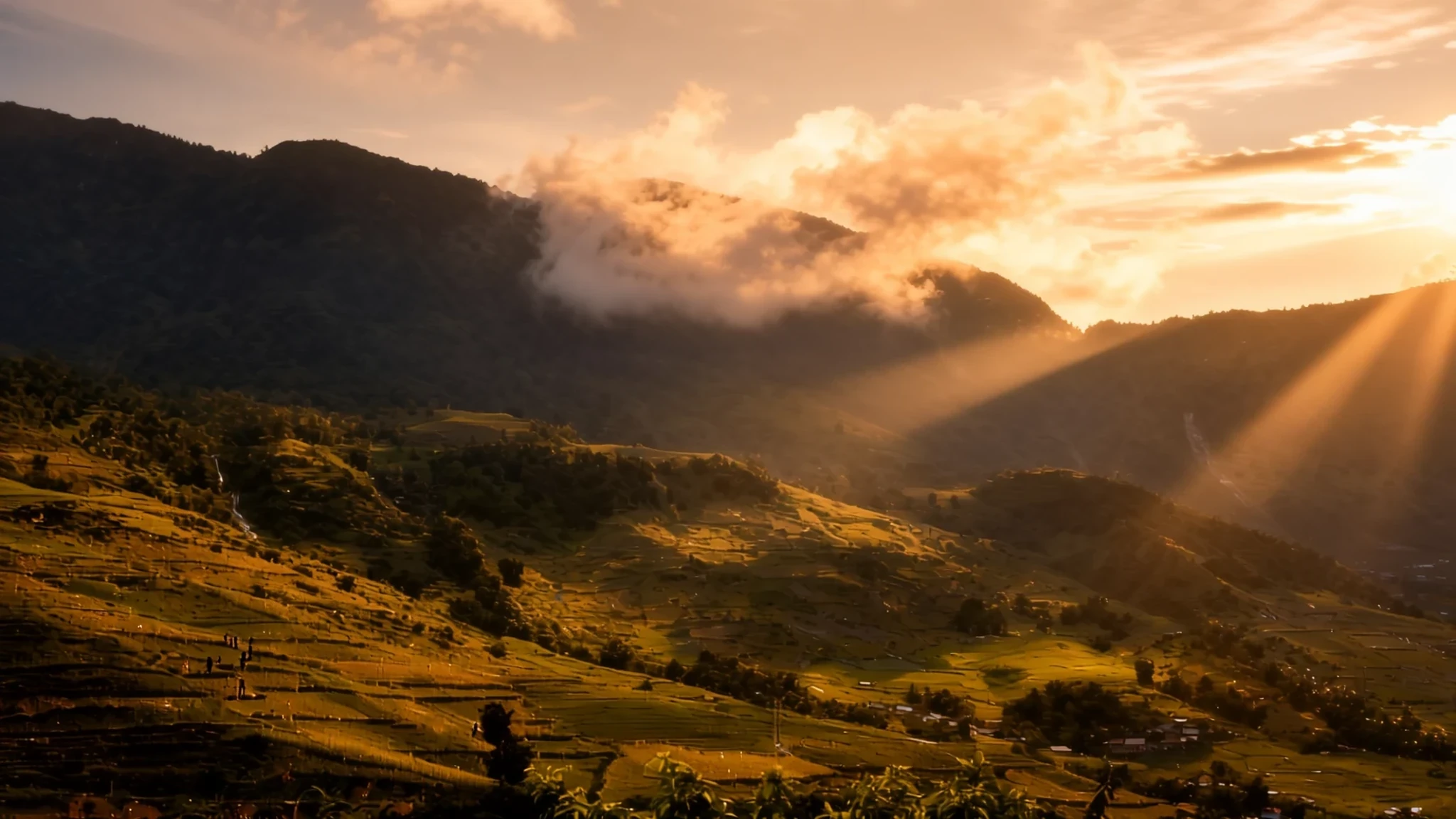
Sa Pa, at about 1,544 metres in Vietnam's north-west, offers terraced valleys, minority markets and cool air away from lowland heat.
The place
Sa Pa is a former district-level town in Lào Cai province, in the far north-west of Vietnam, about 250 km from Hanoi and only 20 km from the Chinese border. It works as a market centre and a hill resort, and most of the people in the surrounding district belong to ethnic minority communities, among them the Hmong, Dao, Giáy and Tày. The town had 70,663 people in 2022, and the district covers about 685 square kilometres.
The landscape is shaped by the Hoàng Liên Sơn range, which holds Vietnam's highest peak, Fansipan. The town sits at about 1,544 metres, and the wider area averages around 1,600 metres. Just outside town, the Mường Hoa valley runs between the mountain and the town and is laid out in terraced rice fields that look their best when they are flooded or freshly planted. Vegetation changes with height, from older forest on the lower slopes to stunted trees and then thin scrub with dwarf bamboo near the peaks. Much of the range to the south lies inside Hoàng Liên National Park, created in 2006.
The weather turns quickly. Mornings can be clear and warm in the valleys, yet cloud can sit on the ridges for days, and nights stay cool even in summer. Pack layers, and do not count on the views until you have seen a clear morning.
Its story
Sa Pa's early history is poorly recorded. Archaeologists have found engraved rocks in the Mường Hoa valley, carrying more than a hundred petroglyphs with geometric shapes, human-like figures and symbols. Who carved them, and why, remains unclear.
The groups living here today came later. Several minority peoples settled in the highlands over the centuries, and their descendants still farm the slopes and sell goods in the town's markets. Their presence is the reason the place feels so different from the Vietnamese lowlands.
The French arrived in the 1880s. After the Sino-French War of 1885, France took control of Tonkin, and French Indochina was formed in 1887. Colonial troops pushed into the northern highlands to suppress banditry and resistance, and in 1897 an expedition set out to study the minority peoples. In 1903 a geographical survey identified the valley and named it Lo Suoi Tung, meaning valley of the long stream. The cool climate and wide views made it an obvious place to build a retreat. A sanatorium opened in 1909, a garrison followed in 1912, a tourist office in 1917, and French residents began building villas from 1918. The Church of Our Lady of the Rosary, built between 1926 and 1935, still stands above the town as a reminder of that period.
What to see
- Church of Our Lady of the Rosary — town centre
Sa Pa's Roman Catholic church was built by the French between 1926 and 1935 and remains the town's most recognisable building. It is a useful landmark for orientation, and the church is lit at night, which makes it a good subject for an evening walk. Check the official site or ask at your guesthouse for current Mass times before you go, as they change.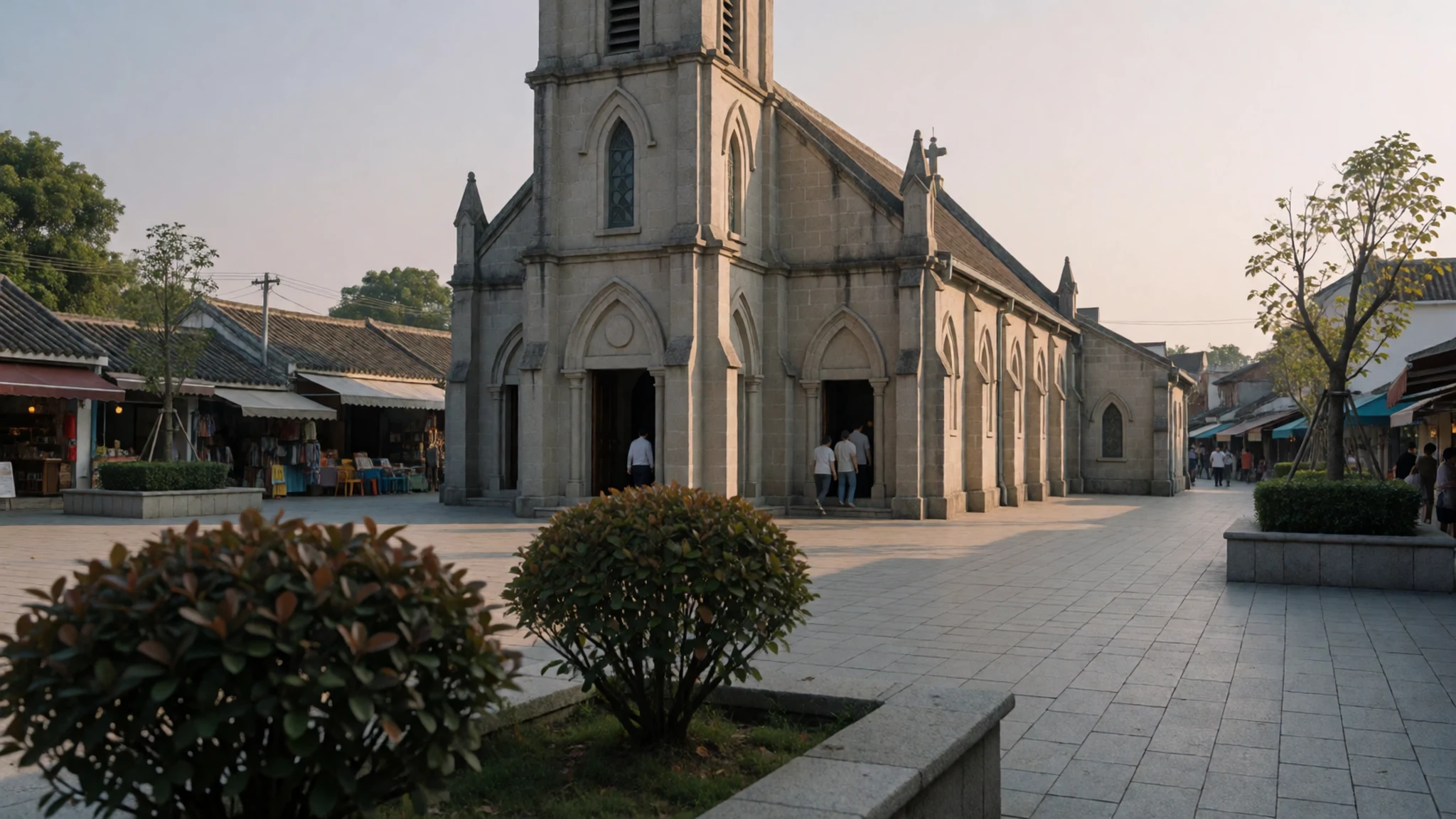
- Hàm Rồng hillside — north side of town
Hàm Rồng is a hill above the town with broad views over the rooftops and the valleys beyond. The hillside has gardens, including an orchid garden and a European-style garden, along with restaurants and occasional ethnic minority dance performances. Go in the morning, when the air is clearer and the crowds are thinner.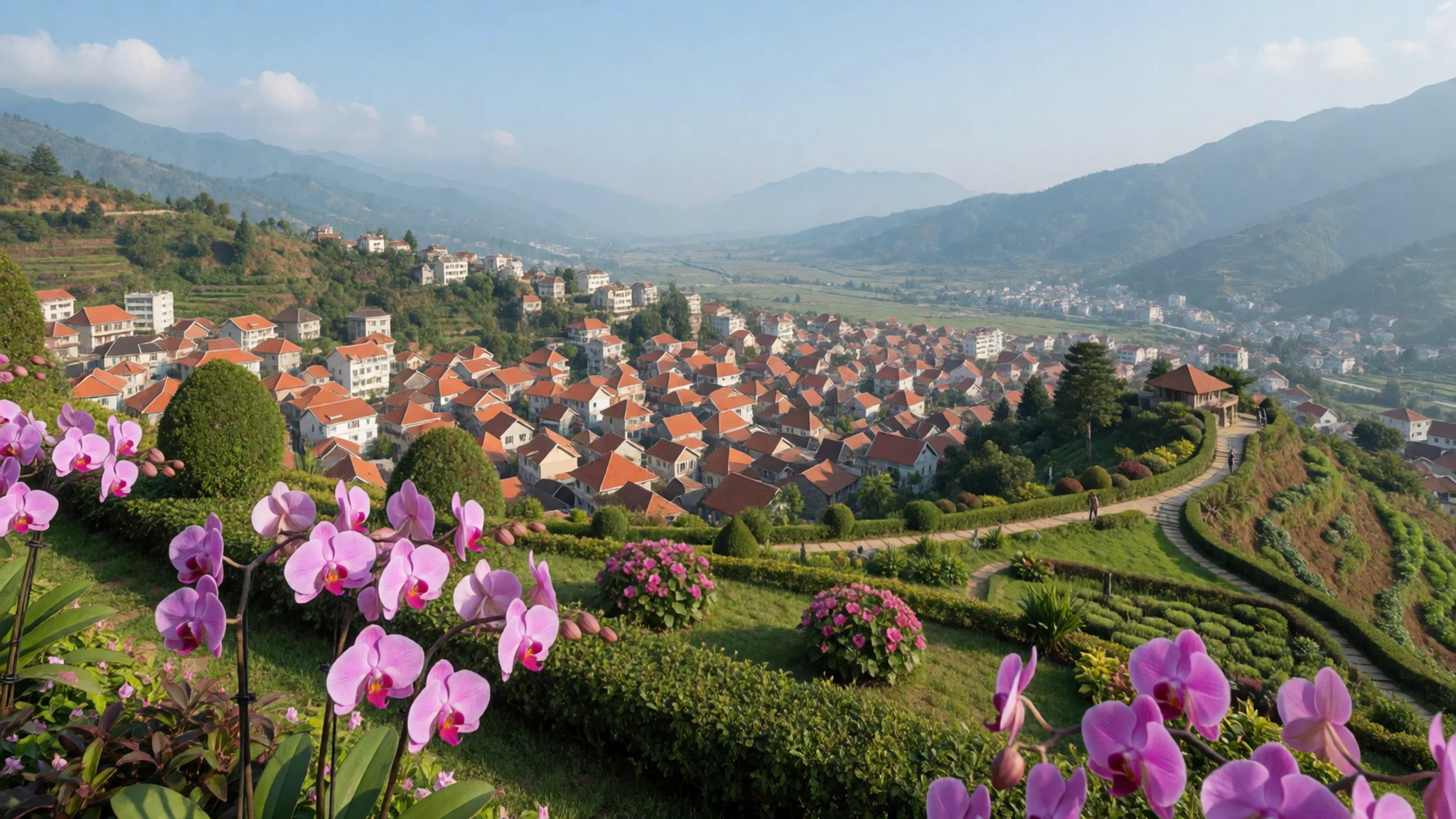
- Sa Pa Culture Museum — town centre
The museum covers the town's history and the costumes and traditions of the region's ethnic minorities. It is a sensible first stop if you want context before walking into the villages, and the textiles on display help you recognise the dress you will see in the markets. Allow about an hour, and check the official site for opening times.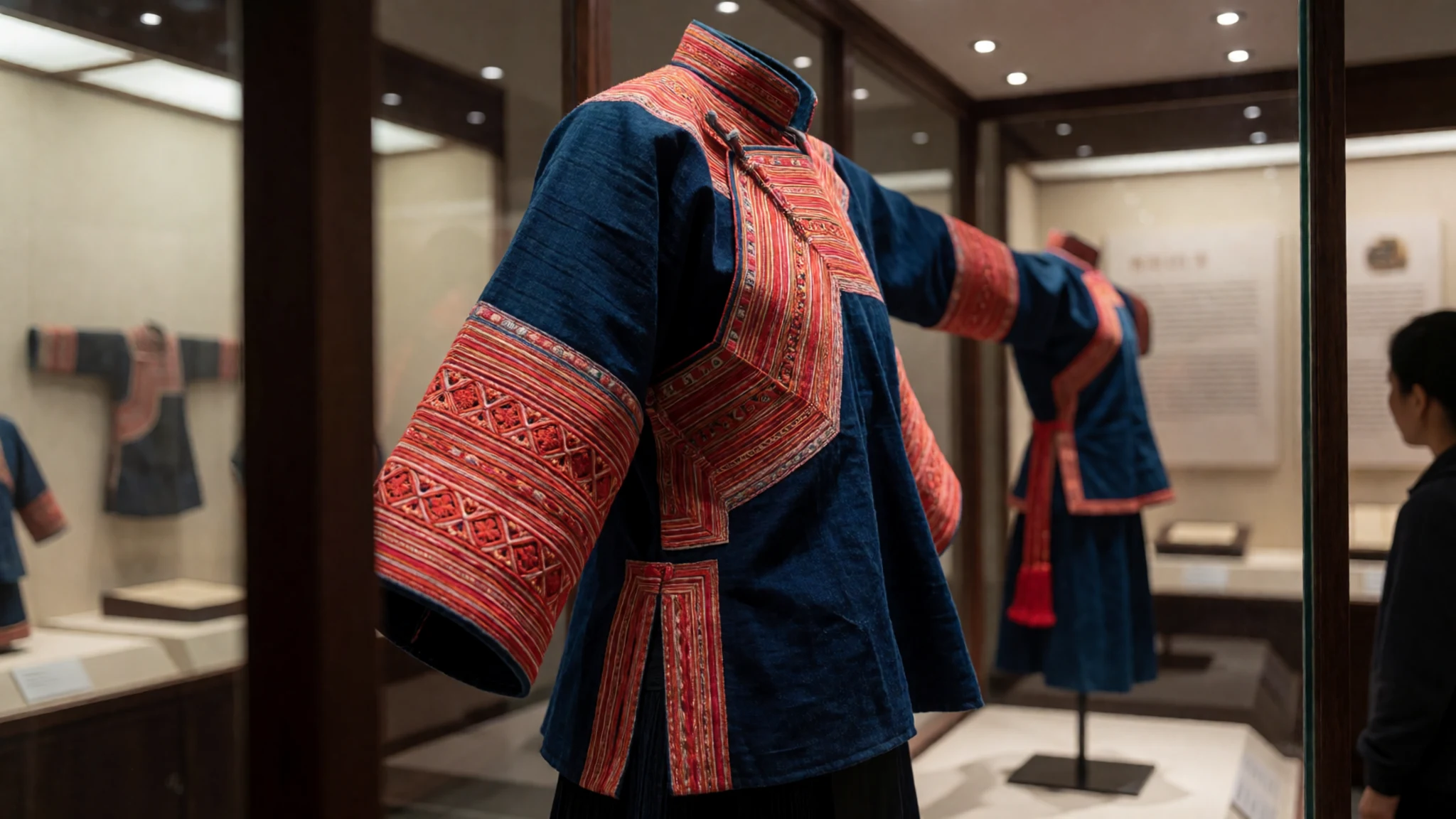
- Cát Cát village — about 2 km from town centre, down the valley
Cát Cát is a few kilometres' walk from town, and the path runs past terraced fields, farm animals and village houses. It offers a close look at everyday farming and some of the best valley views near Sa Pa. The walk is not hard, but the paths are steep and can be muddy, so good shoes matter more than fitness.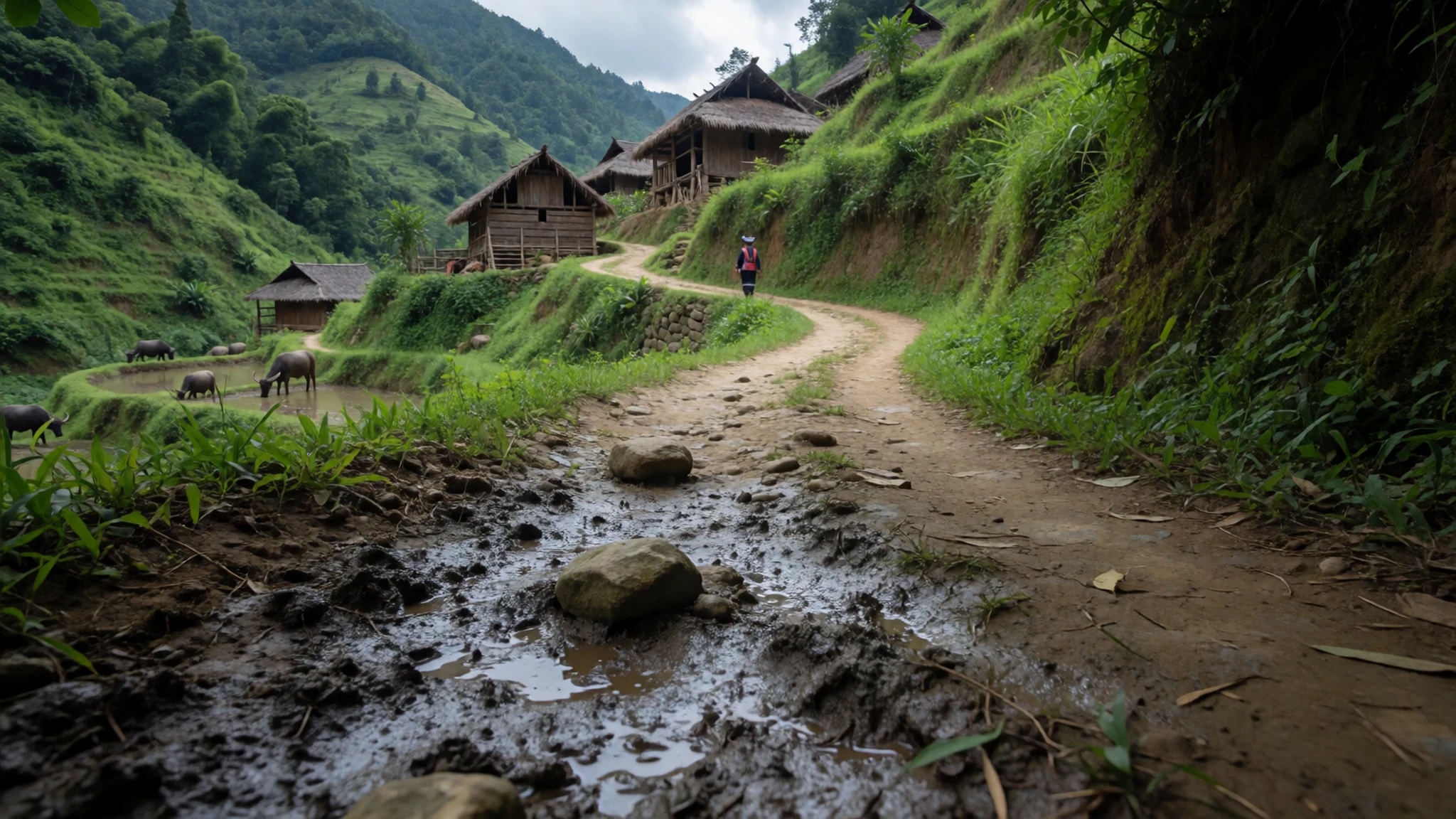
- Love and Silver waterfalls — Hoàng Liên National Park, near town
Both waterfalls lie within Hoàng Liên National Park, which is an ASEAN Heritage Park. Love Waterfall is about a 30-minute walk from the park entrance, and Silver Waterfall is a short distance away. Expect steps, wet rock and small stalls near the entrance. Visit after rain for the strongest flow, but take extra care on slippery paths.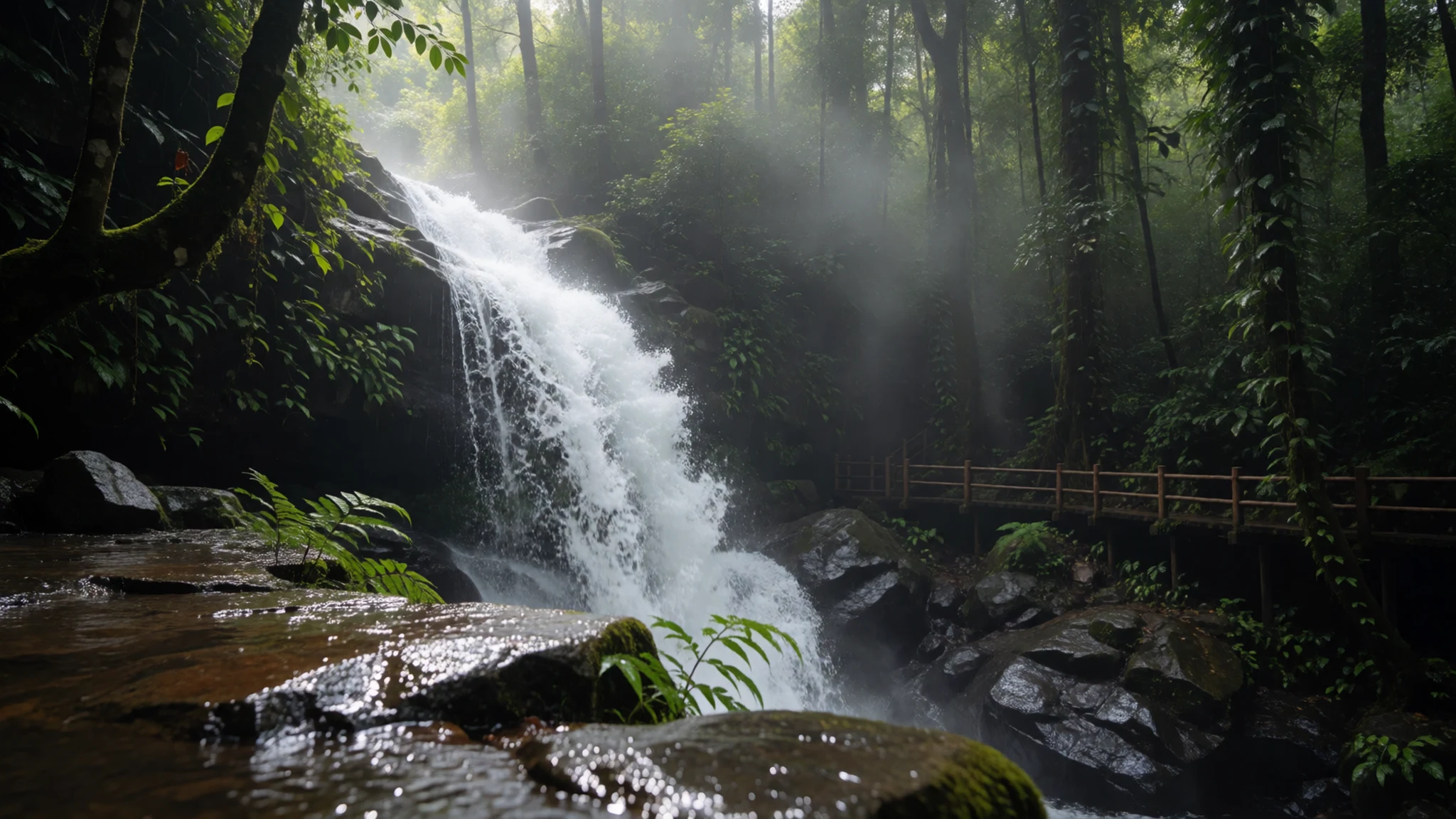
Culture
Sa Pa's culture is rooted in the everyday lives of its minority communities, many of whom still work the fields and bring goods to the town's markets. Hmong, Dao, Giáy and Tày households keep their own languages, festivals and dress, and you will meet women selling embroidery, wax-resist cloth and handmade goods in the square and along the main street. Much of the local economy depends on visitors, so friendly bargaining is normal, but it works best when it stays light and good-humoured.
Religion is part of daily life too. The Catholic church built under French rule still holds services for local congregations, and small shrines appear in houses and at roadsides. Treat these places with the same care you would give any active place of worship.
Trekking guides often take visitors into villages. Many families welcome guests, but they are not performers. Ask before photographing people, especially children and older women, and accept a refusal gracefully. When you enter a home or a shrine, remove your shoes if others do, and keep your voice low. Always ask before photographing someone close up, even when they are smiling at the camera.
What to wear
Sa Pa's minority communities are known for their traditional dress, which varies from group to group and is often made from home-grown hemp or cotton. Hmong women have traditionally worn pleated skirts and embroidered jackets, with silver jewellery and headwear that marks their group and status. Dao women are known for indigo-dyed clothing, often with red or bright embroidery at the cuffs and collars. Batik-style wax-resist designs appear on cloth in many households. The Culture Museum in town is a good place to see these textiles up close before you visit the villages.
Today, many people in the markets wear a mix of traditional and modern clothes. Younger women may wear jeans and trainers with a traditional headscarf or a short embroidered jacket. Older women are more likely to wear the full traditional dress, especially for festivals or market days. Some textiles are made for tourists, so ask if you want to know which pieces are handmade.
For a visit, dress for changeable weather. Layers, a waterproof jacket and a warm top suit the cool evenings. Pick sturdy trainers or walking shoes with good grip, since village paths and waterfall trails are steep and wet. Cover shoulders and knees when visiting the church or a shrine, and avoid very revealing clothes in the villages.
What to eat
- Raw trout — a small restaurant serving refined local food near the town centre
Trout from the mountain streams is sometimes served raw, sliced thin and seasoned with herbs and lime, in the style of local hill food. Availability depends on the day's catch, so ask whether the fish is fresh before ordering. Choose a busy restaurant in town where the turnover is high.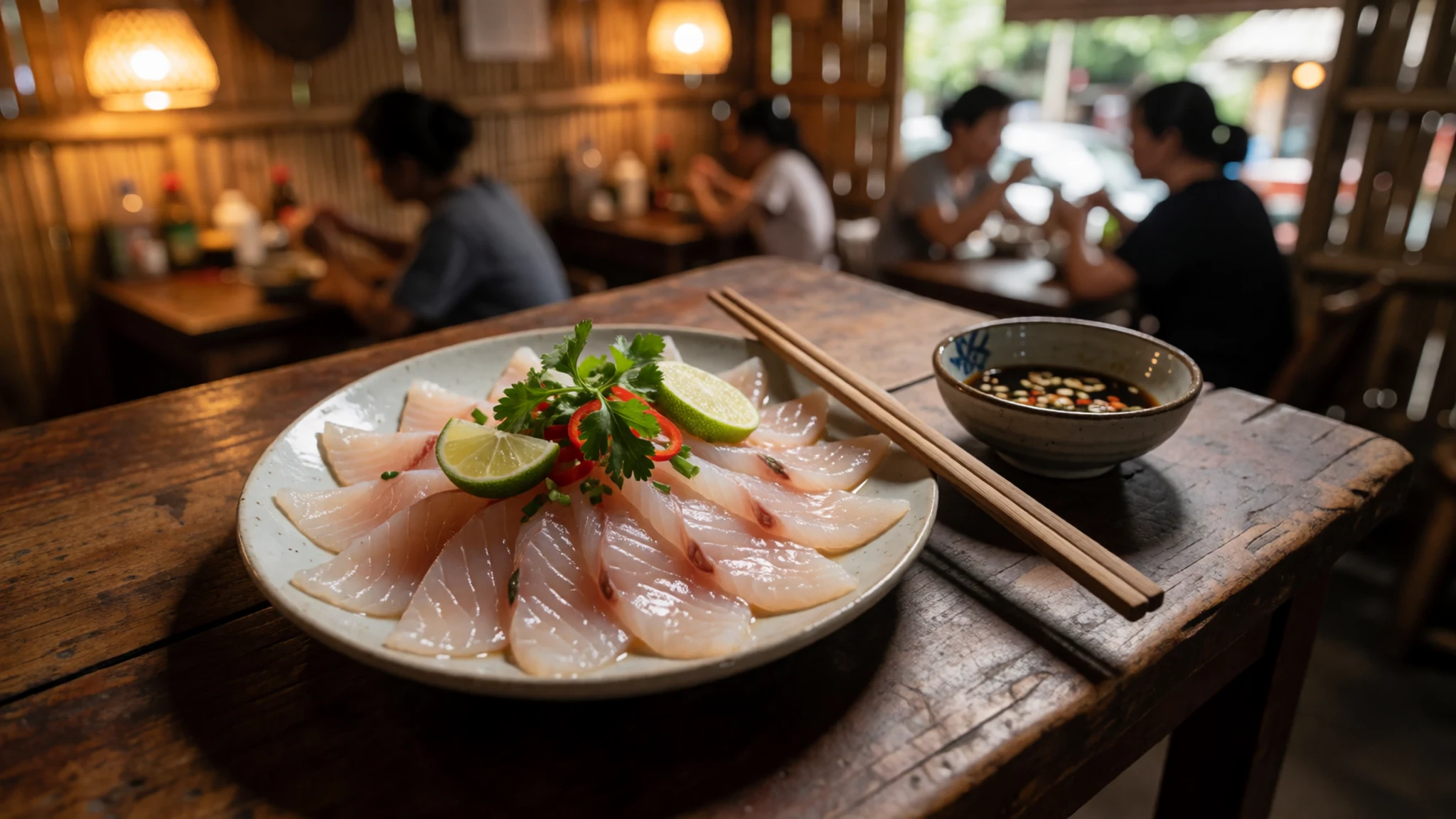
- Noodle soup — the morning market stalls in town
Pho and other noodle soups are the everyday meal for locals and visitors alike. A bowl of broth with rice noodles, herbs and sliced meat is cheap and filling, and it makes an easy breakfast before a morning walk. Stalls in the market serve it from early in the day.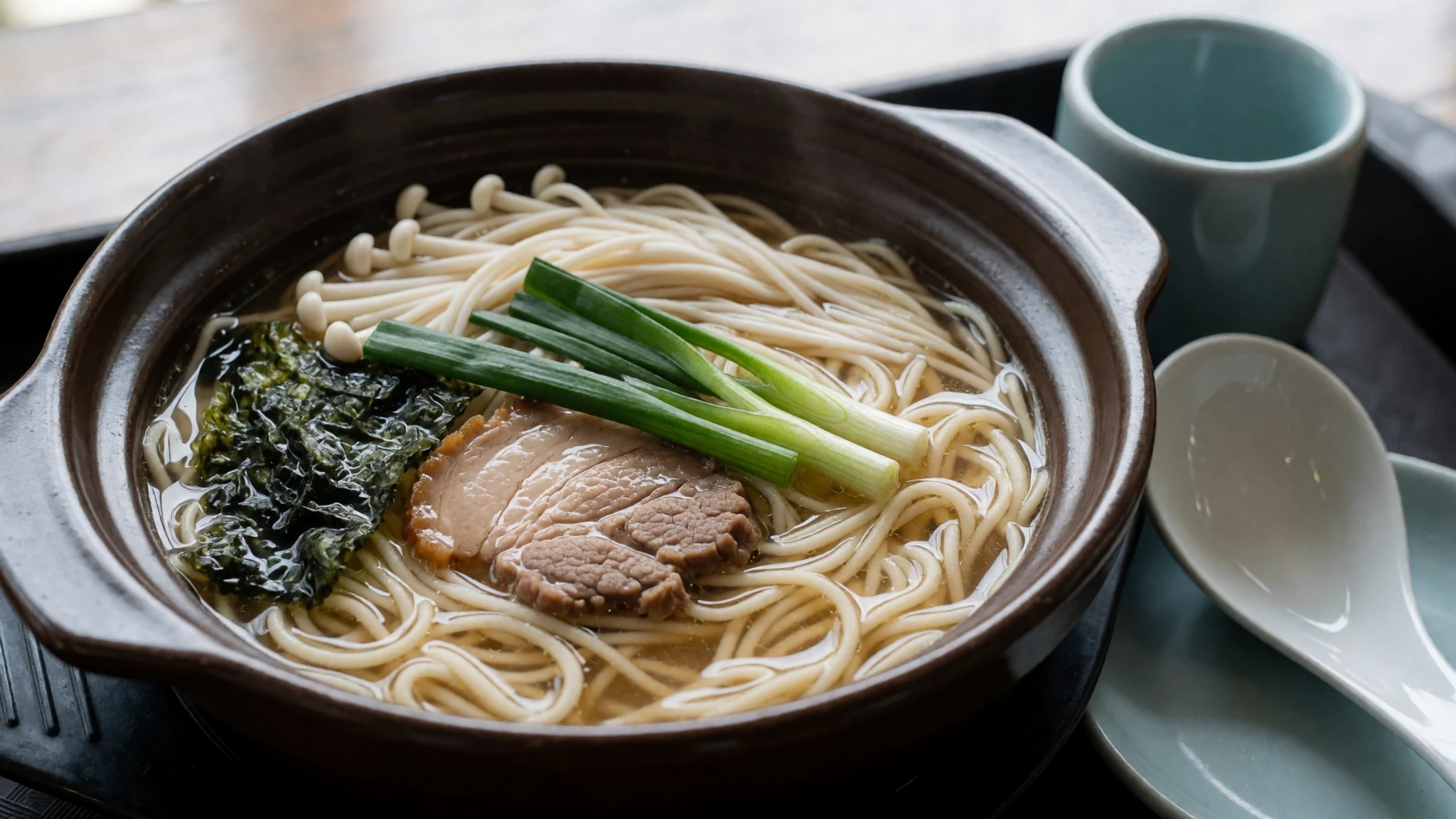
- Fried rice and home-style plates — the food stalls around the market
Fried rice with egg and vegetables is a simple, reliable dish, and most stalls serve it alongside other Vietnamese plates. Ask what the cooks are making that day, since many stalls cook only a few dishes and sell out by the afternoon.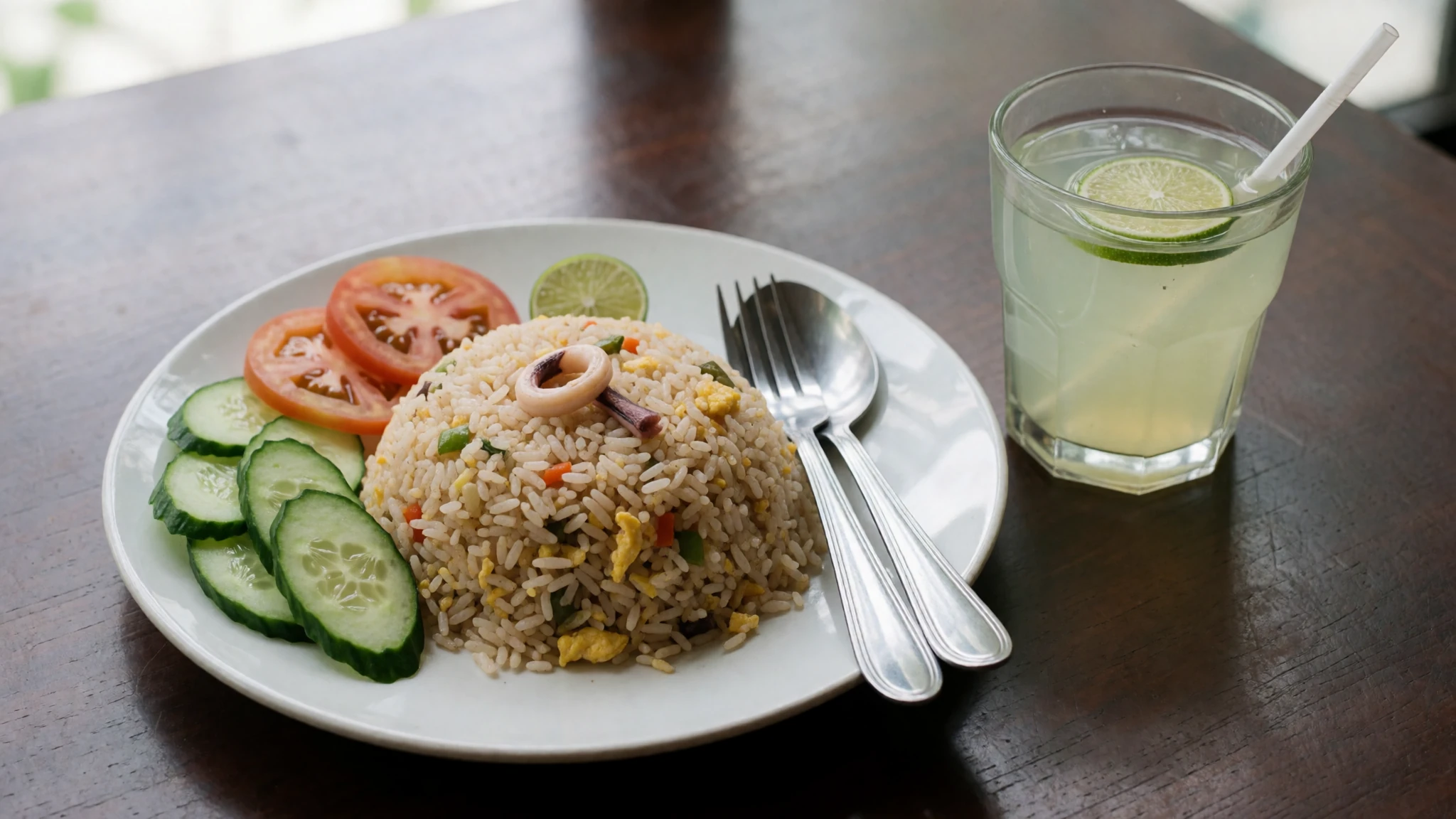
- Vegetarian dishes — a small vegetarian eatery in a side street near the church
Sa Pa has few vegetarian restaurants, so the one tucked down a set of stairs near the church is worth seeking out. The menu uses tofu, mushrooms and seasonal greens in Vietnamese-style dishes. Go at lunchtime, when it is easier to find a seat. - Fresh baguettes — the bakeries along the main street
The French left behind a taste for bread, and a few bakeries in town still sell crusty baguettes, often with cheese or cold cuts in the afternoon. They make a good picnic lunch for a walk to the valley viewpoints. Buy them early, as they sell out.
Plan it
Best time. Late March to April brings clearer skies and green terraces, and October to November is good for harvest-time light and dry walking. May to September is the rainy season, peaking in July and August, with frequent landslide risk on mountain roads, and winter can be cold and misty.
How long. 2–3
Getting there. Fly into Hanoi, the nearest airport, since the Sa Pa airport project began in 2022 but is still years from completion. Then take a train of about nine hours from Hanoi to Lào Cai, followed by a separate transfer to Sa Pa.
Budget. low
Tips
- Book the train from Hanoi a few weeks ahead, especially for tourist carriages, which are easier to reserve in advance.
- Start walks early in the morning, when the views are clearest and the markets are busiest.
- Carry cash for market stalls and small shops, since card payment is less common outside larger hotels.
- Bring a refillable water bottle and sun protection, because the sun is strong at altitude even when the air is cool.
- Expect slow roads and check the forecast before any trek, since rain can close paths.
Etiquette
- Ask before photographing people, particularly in the villages.
- Remove your shoes when entering homes and shrines if others have done so.
- Dress modestly when visiting churches and shrines.
Nearby
Sources
- Wikidata Q7395483 (CC0)
- Wikipedia: Sa Pa (town) (CC BY-SA 4.0)
- Wikivoyage: Sa Pa (CC BY-SA 4.0)
- Photo: Đỉnh sapa tại tháp viba sương mù, ChieuTimViet (CC BY 3.0)
- Photo: Một phần thị trấn Sa Pa, Bùi Thụy Đào Nguyên (CC BY-SA 4.0)
- Photo: The Sa Pa Church at night, Christophe95 (CC BY-SA 4.0)
- Photo: Bac Falls (Silver Falls), Lori_NY (CC BY-SA 2.0)
- Photo: Fansipan summit, Isderion (CC BY-SA 3.0 de)
- Photo: An ancient engraved rock of Sapa, Orrmaster (CC BY 3.0)
- Photo: Environs de Chapa (1926), Lavallée (Public domain)
- Photo: Terraced fields Sa Pa Vietnam, Konstantin Krismer (CC BY 3.0)


