Santo Domingo
Santo Domingo, Dominican Republic
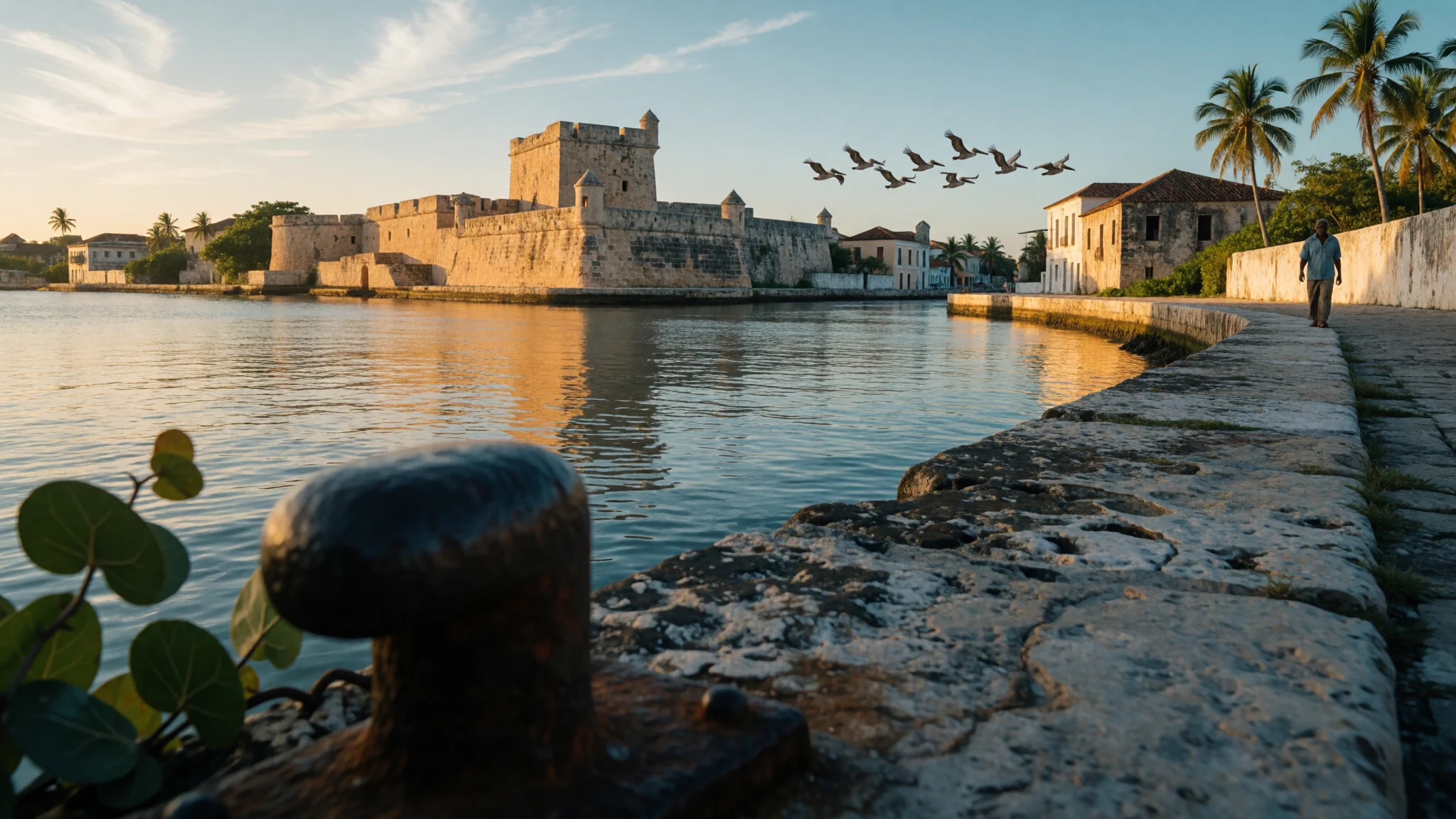
Santo Domingo is a working Caribbean capital built around the oldest Spanish streets in the Americas, with music, sea air and good food close at hand.
The place
Santo Domingo is the capital of the Dominican Republic, a Caribbean port city of about 2.2 million people that sits only about 14 m above sea level on the south coast of Hispaniola. The city limits match the Distrito Nacional, and the built-up area spills well beyond them into Santo Domingo Province, so the metropolitan region is far bigger than the headline figure suggests. Government, banking, universities, publishing and most of the country's industry are based here, which is why weekday traffic is dense and the horn works as a second language. The old Spanish town, the Zona Colonial, lies on the west bank of the Ozama river near its mouth, a compact grid of stone streets, plazas and ruined churches that is easy to cover on foot. Away from it the city changes character: wide avenues, glass towers, shopping streets and residential districts run west along the coast, with the Malecón sea road serving as the evening promenade. Heat and humidity shape the day. Mornings suit walking, midday belongs to shade and long lunches, and the sea breeze on the waterfront is at its best after sunset. Founded in 1496, Santo Domingo is a working capital first and a showpiece second, and that mix of daily life and deep history is its real appeal.
Its story
Santo Domingo stands on land that belonged to the Taíno long before any European ship arrived. They called the island Kiskeya, meaning mother of all lands, and also Ayiti, the land of high mountains. It was divided among five chiefdoms, Marién, Maguá, Maguana, Jaragua and Higüey, each under a cacique. Columbus named the island Hispaniola, and the Spanish crown soon wanted a permanent base on it. Bartholomew Columbus, the admiral's brother, founded the settlement beside the Ozama, first calling it La Nueva Isabela after an earlier outpost on the northern coast that honoured Queen Isabella I. The name later changed to Santo Domingo, in honour of Saint Dominic. For decades it was the main Spanish town in the Americas, the place where colonial institutions first took root and from which expeditions set out, which earned it the nickname Gateway to the Caribbean. Later centuries brought French rule and a spell as Spanish Haiti, leaving a tangled political inheritance. In the twentieth century the dictator Rafael Trujillo renamed the capital Ciudad Trujillo after himself; after his assassination the old name returned, and it has stayed. That layered story, Indigenous, Spanish, French and modern, shows in street names, fortifications and the way Dominicans talk about their capital.
What to see
- Zona Colonial — Old town, west bank of the Ozama
The Zona Colonial is the old Spanish town, a walkable cluster of stone streets, plazas and early colonial buildings arranged around Parque Colón. Several of its houses, convents and ruins now hold museums, and the lanes fill with families and music at weekends. Go early, before the heat builds, then retreat to a shaded courtyard at midday.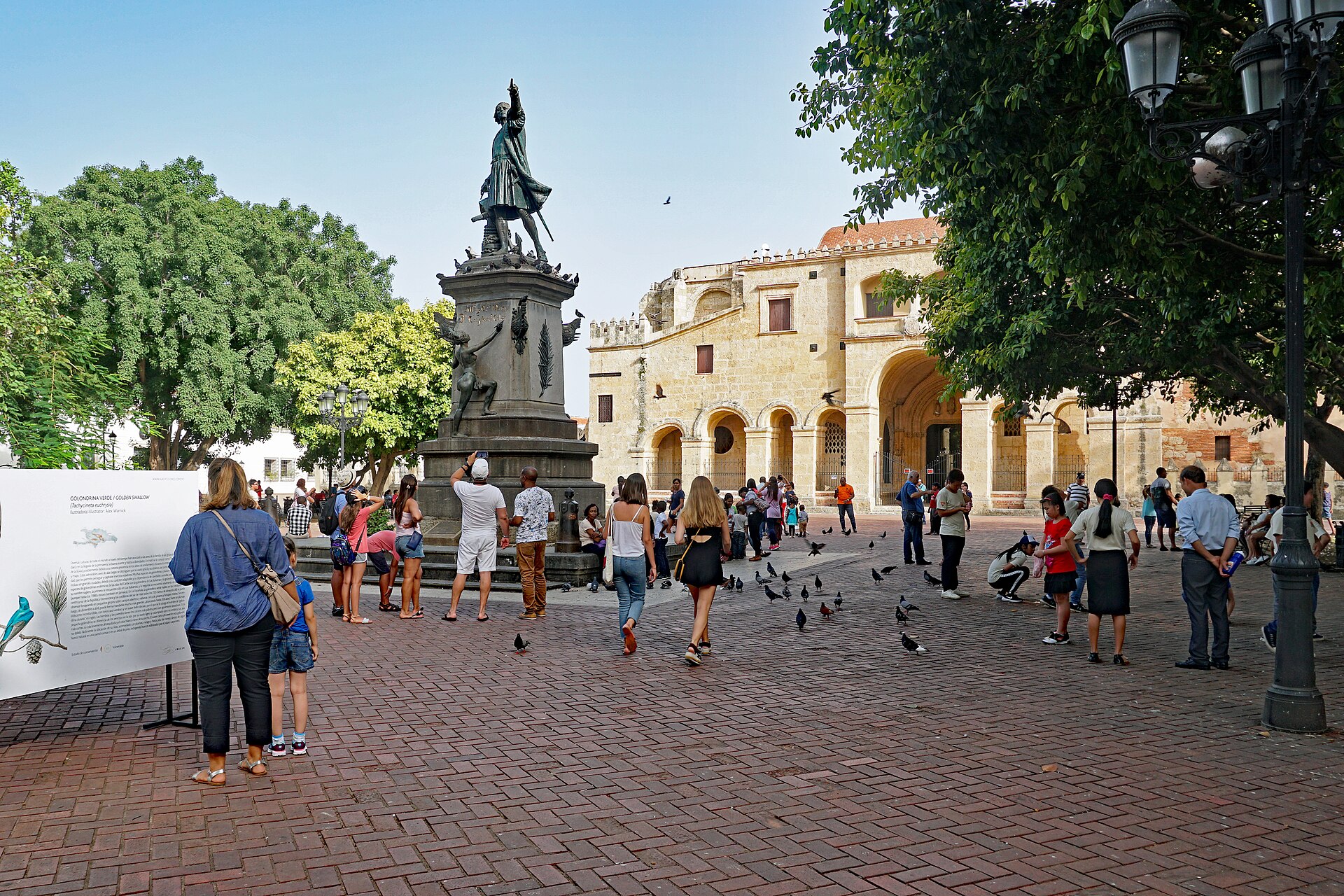
- Basilica Cathedral of Santa María la Menor — Parque Colón, Zona Colonial
This cathedral on Parque Colón is described as the first cathedral of the Americas. Building ran through the first half of the sixteenth century, and its pale stone façade is the best-known frontage in the old town. Cover shoulders and knees for entry, and check opening times locally, since visiting hours shift around services.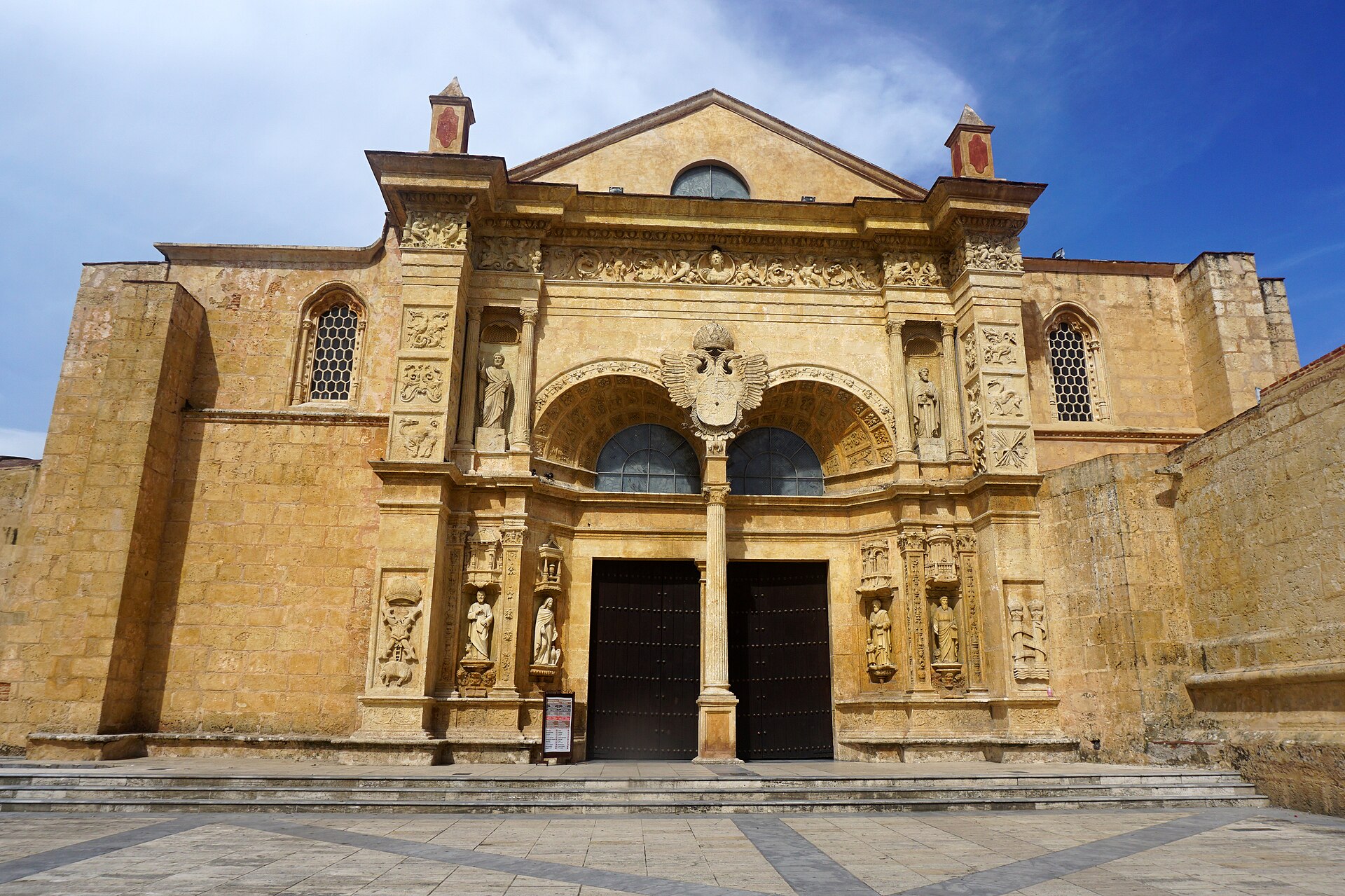
- Fortaleza Ozama — River mouth, Zona Colonial
Fortaleza Ozama guards the river mouth with thick stone walls and a keep, and the view over the water and old rooftops repays the climb. Guides wait near the gate and add useful context on the garrison years. Entry fees change, so check the official site before going, and bring a hat for the open ramparts.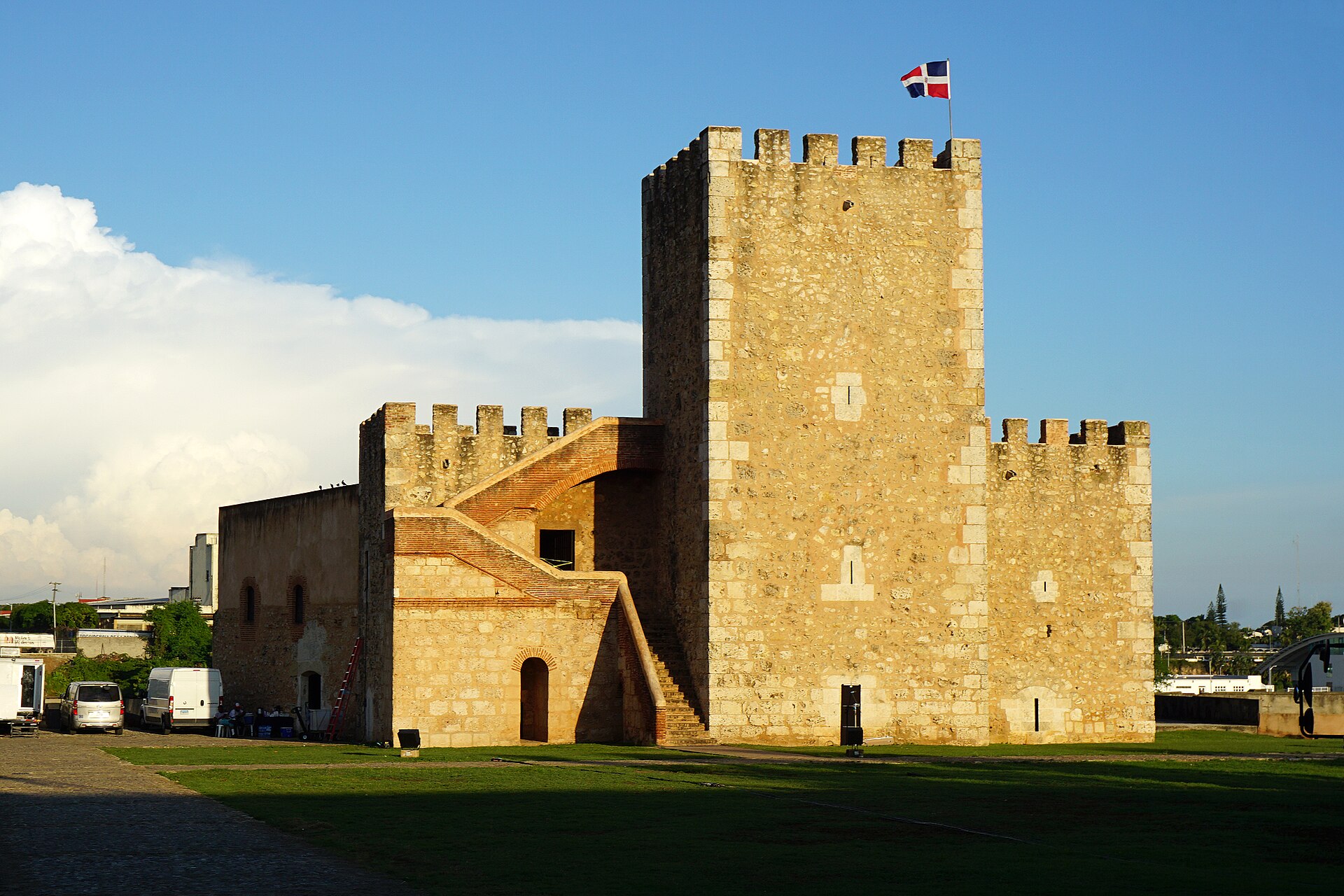
- The Malecón — Seafront boulevard along the south coast
The Malecón is the seafront boulevard where the city comes out in the evening. Big hotel and casino complexes stand beside small restaurants, bars and cafés, and carriage rides run along the front. It is a good place to watch Dominican life, best after the sun drops and the breeze picks up.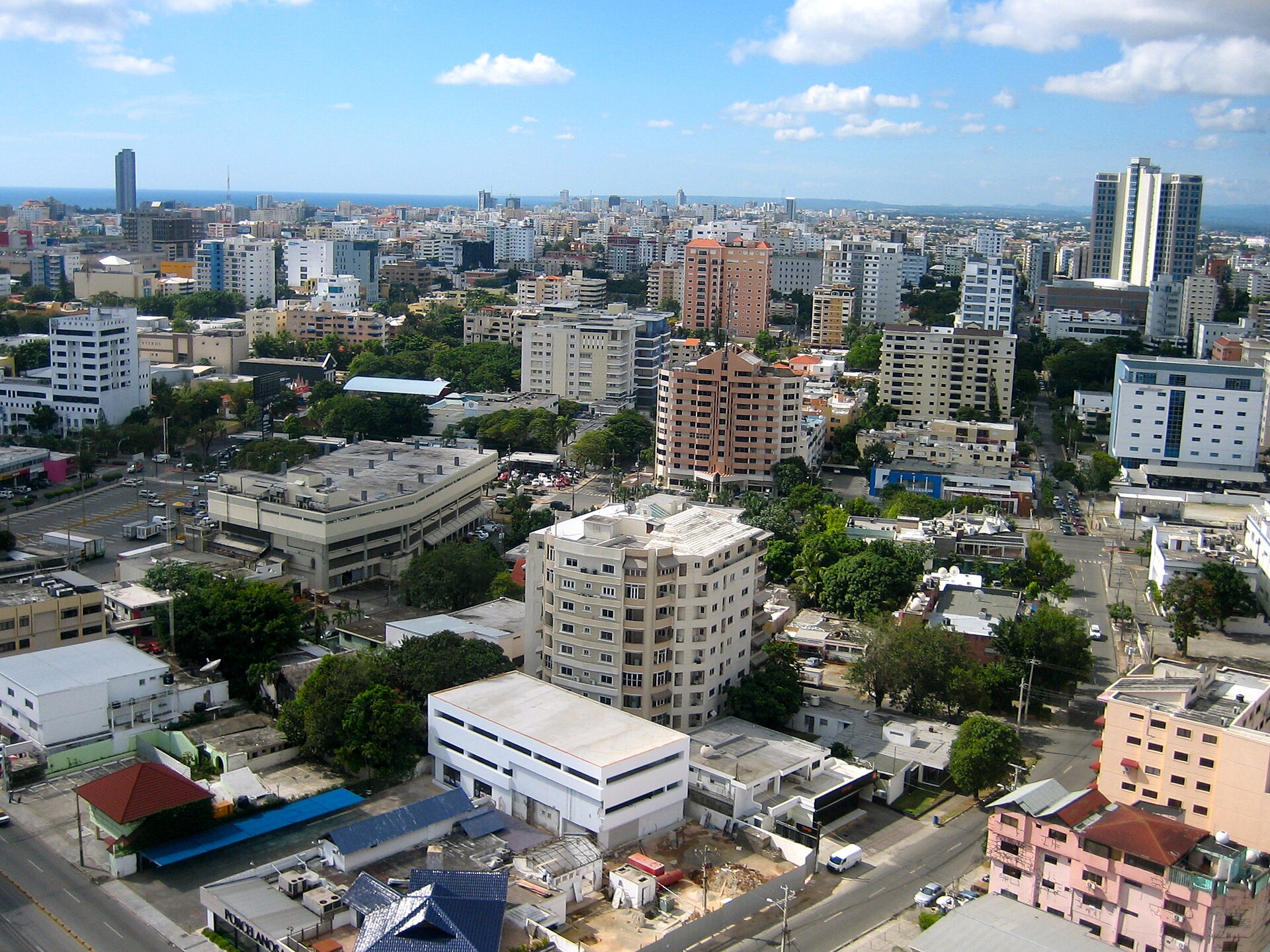
- Plaza de la Cultura — Central Santo Domingo, away from the old town
Plaza de la Cultura gathers the National Theatre and several museums on one landscaped site, including the Museum of Modern Art. Standards range from crisp and modern to rather faded, so choose one or two rather than all of them. It is a sensible option for a hot afternoon or a rainy one.
Culture
Santo Domingo has a cultural life centred on performance. Resident ensembles include a symphony and a chamber orchestra, opera, ballet and folkloric troupes, and the National Theatre at Plaza de la Cultura is the main venue, though concerts and dance turn up in smaller halls across town. Casa de Teatro is a meeting point for experimental artists, actors and musicians, with exhibitions, literary contests and classes in painting, drama and dance. Many of the city's museums are packed into the Zona Colonial, so a morning of galleries is easy to arrange. Beyond the formal stage, music is everywhere: merengue and bachata spill from corner shops, car windows and evening plazas, and dominoes are slapped down on pavement tables by neighbours in the cooler hours. Family, Sunday gatherings and long conversations count for more than strict punctuality, and a greeting, a handshake or a kiss on the cheek among friends comes before any business. Catholicism is the main faith and is visible in everyday life, from saints' days to the crowds at the cathedral. In a church in the Zona Colonial, cover bare shoulders, take off your hat and keep your voice low, especially while a service is under way.
What to wear
Santo Domingo's traditional dress is mostly seen at festivals and in folkloric dance. Women wear full, ruffled skirts in bright cotton with lace-trimmed blouses, and men wear white or pale cotton shirts and a straw hat. Carnival, held in the city before Lent, brings papier-mâché devil masks, sequinned capes and elaborate costumes, made by neighbourhood groups through the year. Day to day, people dress for the heat: light cotton and linen, short sleeves, sundresses, sandals and trainers. Dominicans often dress sharply for the evening, and smart casual is the norm in restaurants and clubs, with pressed shirts and neat hair common. The guayabera, a loose shirt with pleated pockets, appears at weddings and formal events. Visitors should pack breathable fabrics, a hat, sunglasses and sunscreen, and shoes that cope with uneven colonial cobbles and the occasional heavy shower. Cover shoulders and knees for churches and the cathedral, and carry a light layer for over-cooled shops and malls. Swimwear belongs on the beach, not the street. A small folding umbrella helps in the wetter months.
What to eat
- Sancocho — Family-run comedores and weekend restaurants across the city
Sancocho is a thick stew of mixed meats with plantain, yuca and other root vegetables, often cooked for Sunday gatherings. Served with white rice and avocado, it is filling and best eaten at a simple local eatery rather than in a hurry. - La bandera — Any comedor serving lunch, especially around the business districts
La bandera, literally the flag, is the standard Dominican lunch: white rice, stewed red beans and a portion of stewed meat or chicken, usually with salad or fried plantain. It is plain, generous, and the easiest way to eat as locals do. - Mangú — Breakfast counters and neighbourhood cafés in the morning
Mangú is boiled green plantain mashed to a smooth purée and topped with sautéed onions. The full version comes with fried eggs, fried cheese and salami. It is a hearty breakfast that sets you up for an early walk in the Zona Colonial. - Tostones — Street stalls, bars and beachfront snack spots
Tostones are green plantain slices fried, flattened and fried again until crisp, then salted. They come as a side dish or with fried fish, chicken or cheese, and make a good snack with a cold drink on the Malecón. - Fried fish with coconut rice — Seafront eateries along the coast and the Malecón
Fresh whole fish, fried until crisp and served with rice cooked in coconut milk, salad and plantain, is a staple of coastal eating. Choose busy places where the catch is moving quickly, and ask what came in that day.
Plan it
Best time. December to April is the drier, less humid stretch, with the most comfortable days for walking. June to November is hot, sticky and falls within the Atlantic hurricane season, with heavy showers and the risk of storm disruption.
How long. 2–3
Getting there. Fly into Las Américas International Airport, east of the city, which has direct connections from several North American, Caribbean and European cities. Take an official taxi or pre-booked transfer to the Zona Colonial (the last leg depends on traffic); agree the fare before setting off.
Budget. mid
Tips
- Walk the Zona Colonial early, before the heat and tour groups arrive
- Carry some cash for small shops, snacks and tips, and use cards in larger places
- Drink bottled or filtered water and carry a refillable bottle
- Use licensed taxis or a ride-hailing app after dark, and agree the fare first
- Opening hours and fees change, so check the city's official site, https://adn.gob.do/, and each attraction before you go
Etiquette
- Cover shoulders and knees in churches, and keep your voice low during services
- Ask before photographing people, especially children and market sellers
- Greet shopkeepers and neighbours before asking for anything
Nearby
Sources
- Wikidata Q34820 (CC0)
- Wikipedia: Santo Domingo (rev 1385038900) (CC BY-SA 4.0)
- Wikivoyage: Santo Domingo (rev 5417441) (CC BY-SA 4.0)
- Photo: Santo Domingo taken atop Novocentro tower (Jjc09) (Public domain)
- Photo: SantoDomingo2 (Jose Juan C) (Public domain)
- Photo: Fortaleza Ozama at sunset (Mariordo) (CC BY-SA 4.0)
- Photo: Parque Colón visitors (Mariordo) (CC BY-SA 4.0)
- Photo: Santo Domingo National Palace (Jean-Marc Astesana) (CC BY-SA 2.0)
- Photo: Catedral Primada façade (Mariordo) (CC BY-SA 4.0)
- Photo: Tomb of Christopher Columbus, first cathedral (Patrick Flament) (Public domain)
- Photo: Fortaleza Ozama, Ciudad Colonial (Mariordo) (CC BY-SA 4.0)


