Sanssouci Palace
Sanssouci Palace, Germany
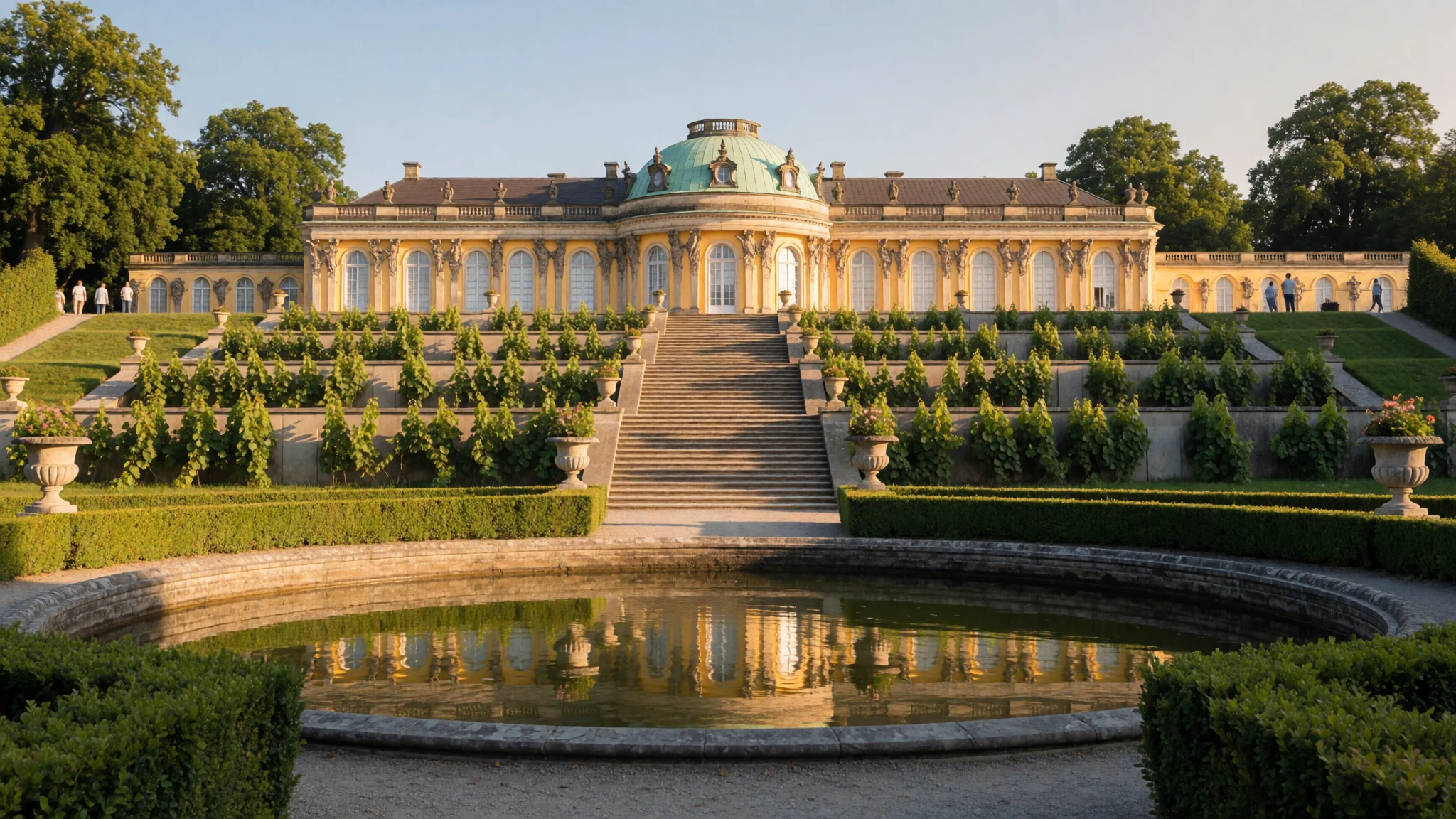
Sanssouci Palace is a small, sunny Rococo villa on a terraced hill, built by a king who wanted a home rather than a court.
The place
Sanssouci Palace stands on the brow of a terraced hill in the park at Potsdam, a short train ride from central Berlin, at about 40 metres above sea level. From the foot of the terraces it looks almost modest: a long, low, single-storey villa in pale yellow, with a rounded bay in the middle of the garden front. Work began in 1745. Frederick the Great of Prussia wanted a private house where he could step away from the ceremony of the royal court, and the French name, sans souci, translates roughly as 'without care'. The building suits the name. It has only ten principal rooms, so the scale is that of a country house rather than a seat of government. Comparisons with Versailles come up often, and they flatter neither side. Sanssouci is Rococo rather than Baroque, intimate rather than monumental, and its appeal lies in decorated interiors and in the way the villa sits on its slope. The king's own taste shaped every detail, to the point that art historians speak of a Frederician Rococo style. Around the palace the wider park is dotted with temples and follies, and there are other royal buildings within walking distance, so the palace is one stop in a long day rather than the whole outing. Most visitors come from Berlin for the day. Summer weekends bring crowds to the terraces and the entrance, while weekday mornings outside the holidays are far calmer.
Its story
Sanssouci Palace began as one king's private project and went on to survive several upheavals. Frederick the Great commissioned it in 1745 from his architect Georg Wenzeslaus von Knobelsdorff, who was dismissed before it was finished after the two fell out over where in the park the building should stand. The Dutch-born architect Jan Bouman took over and completed the work. Frederick treated the house as an extension of himself and imagined it would not outlast him; in practice it outlived the monarchy. In the nineteenth century Frederick William IV used it as a residence. After the First World War and the end of the German monarchy, the Hohenzollern family kept ownership, until the palace came under a state administration for Prussian palaces and gardens a few years later. In the Second World War the finest artworks from the royal palaces were sent away to Rheinsberg and Bernterode for safety. The palace itself came through the fighting around Potsdam without serious damage, though the old windmill that Frederick had kept in the park for its rustic look was destroyed. Much of what had been stored at Rheinsberg was taken to the Soviet Union as war booty, and only a small share came back later. The Bernterode pieces were found by American soldiers and ended up at Charlottenburg in West Berlin. Under East German rule, which lasted close to half a century, the palace was treated better than much of Potsdam, whose historic centre suffered neglect and some demolition.
What to see
- Sanssouci Palace — Park Sanssouci, Potsdam
The villa itself is the reason for the trip: a single-storey Rococo house with a curved garden front, set at the top of the terraces. Inside, a small suite of richly decorated rooms shows Frederick's taste. Entry is usually by timed slot, so check the official site before travelling.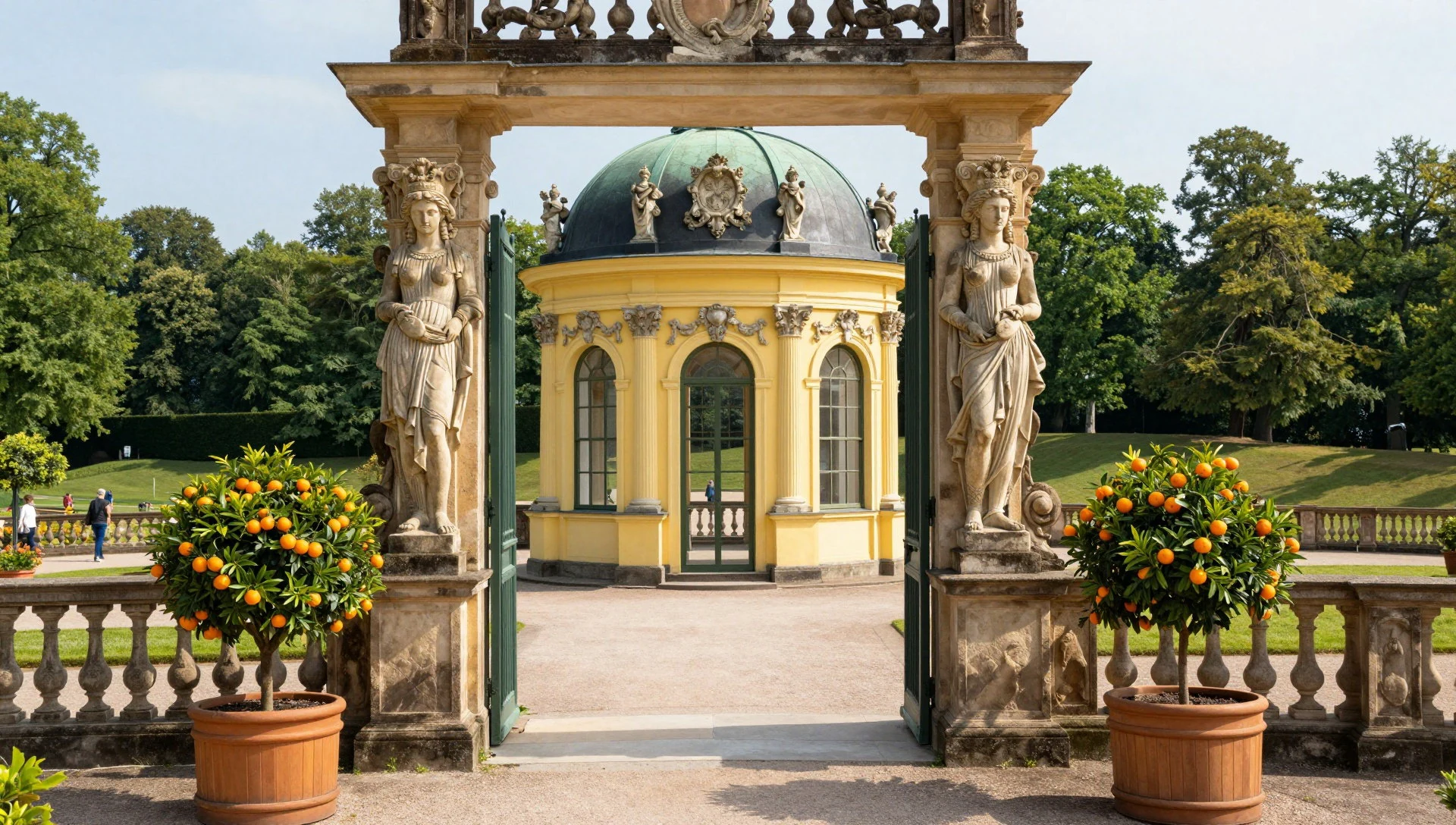
- Park Sanssouci — Potsdam
The park around the palace is large enough to fill a day, with long avenues, terraces, temples and follies tucked among the trees. The reflection of the palace in the pond below the hill is a popular view. Wear comfortable shoes, since the distances between buildings add up.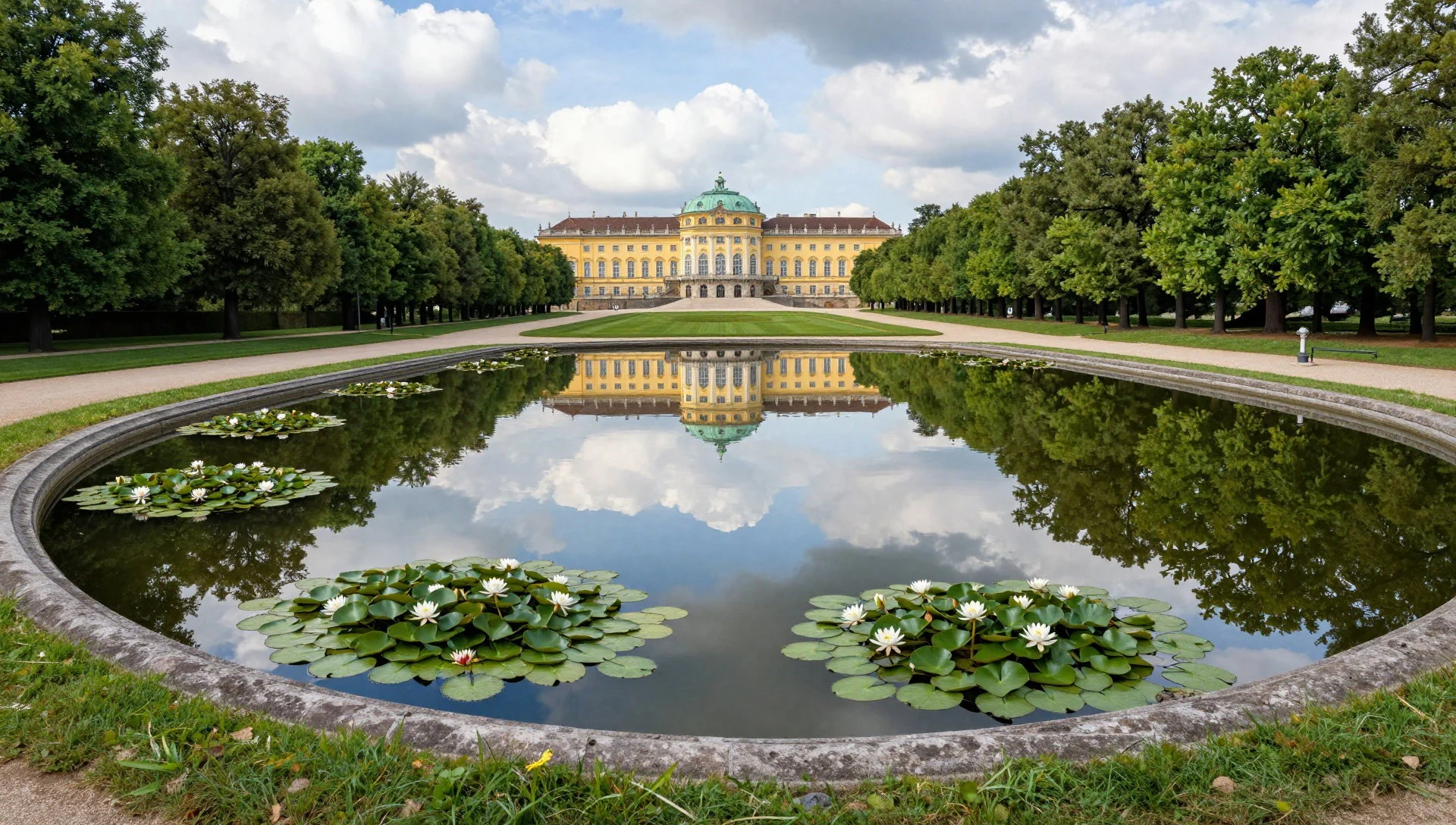
- Krongut Bornstedt — Bornstedt, Potsdam
This estate on the edge of the park is built in an Italian style, with a small palace and a garden. It makes a quieter stop than the palace terraces, and it is handy for a break on the walk between the park and the Bornstedt area.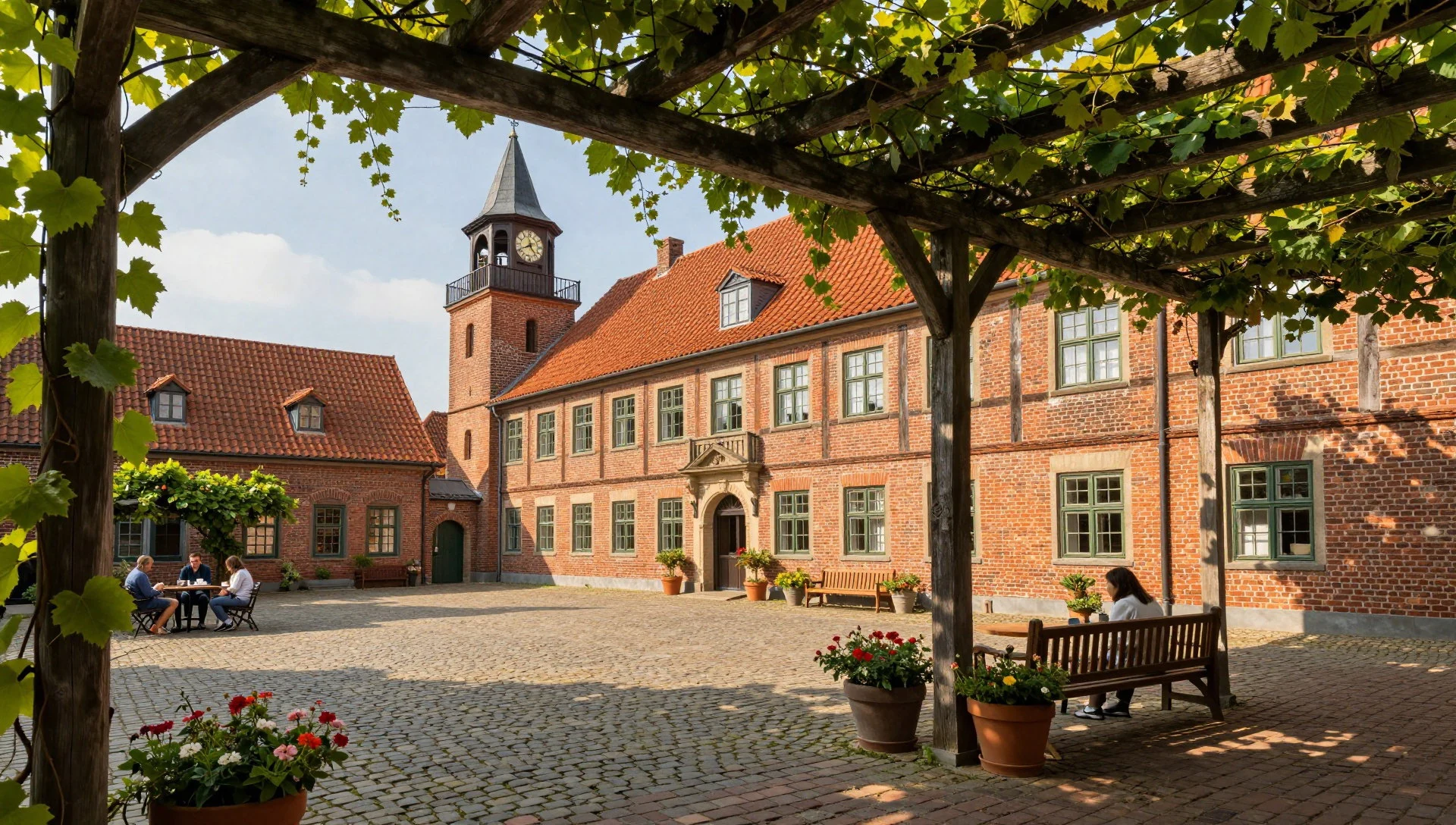
- Holländisches Viertel (Dutch Quarter) — Central Potsdam
In the middle of Potsdam, rows of red-brick gabled houses were built in the eighteenth century by the Dutch master builder Johann Boumann to attract Dutch craftsmen. Today the streets hold small shops, cafés and pubs, and make a pleasant place to wander after the park.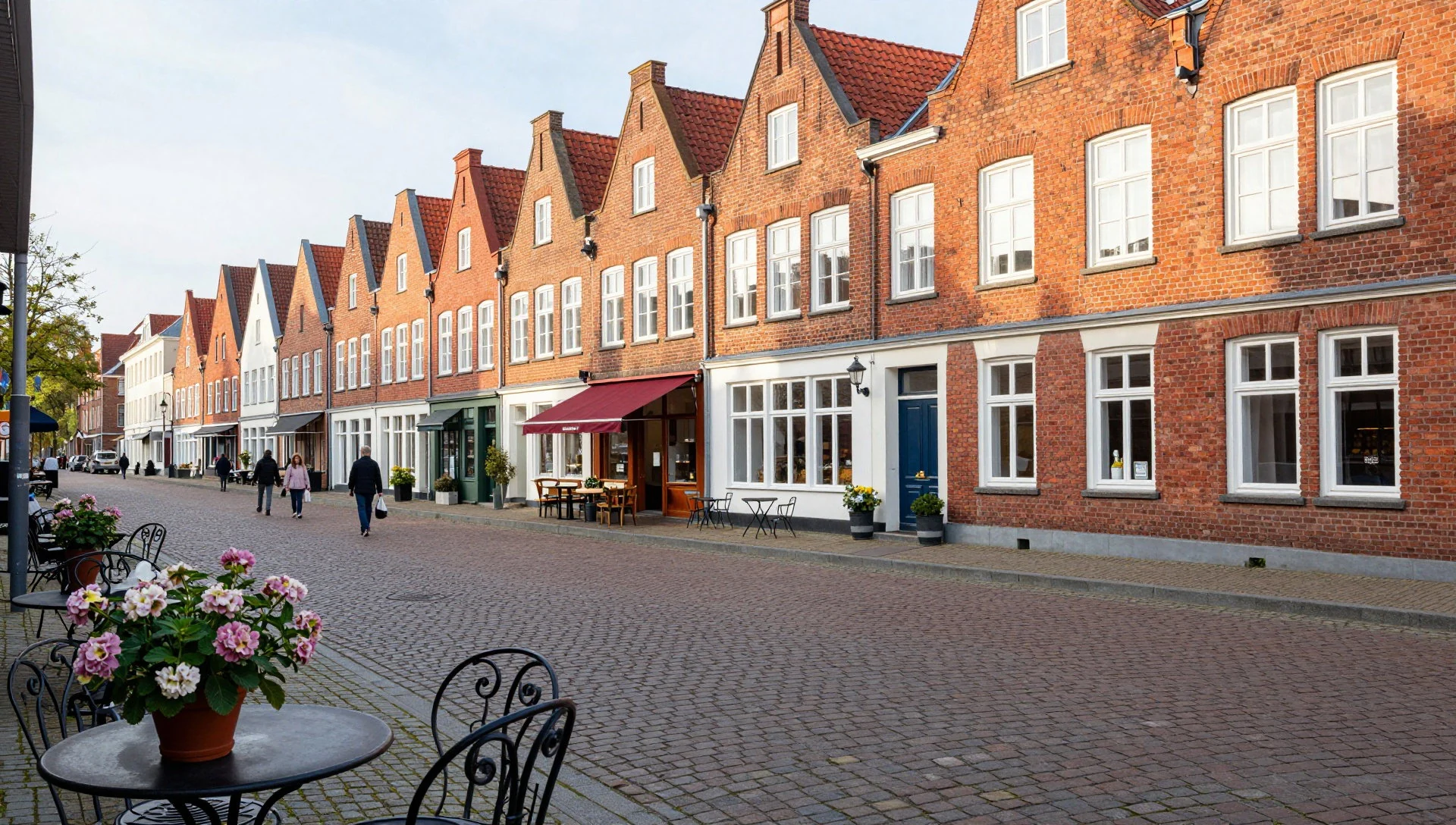
- Alter Markt — Potsdam old town
The old market square is the historic heart of Potsdam, with the Nikolaikirche, St Nicholas Church, which can be visited. It is a flat, easy walk from the main station and gives a sense of the town beyond the royal park.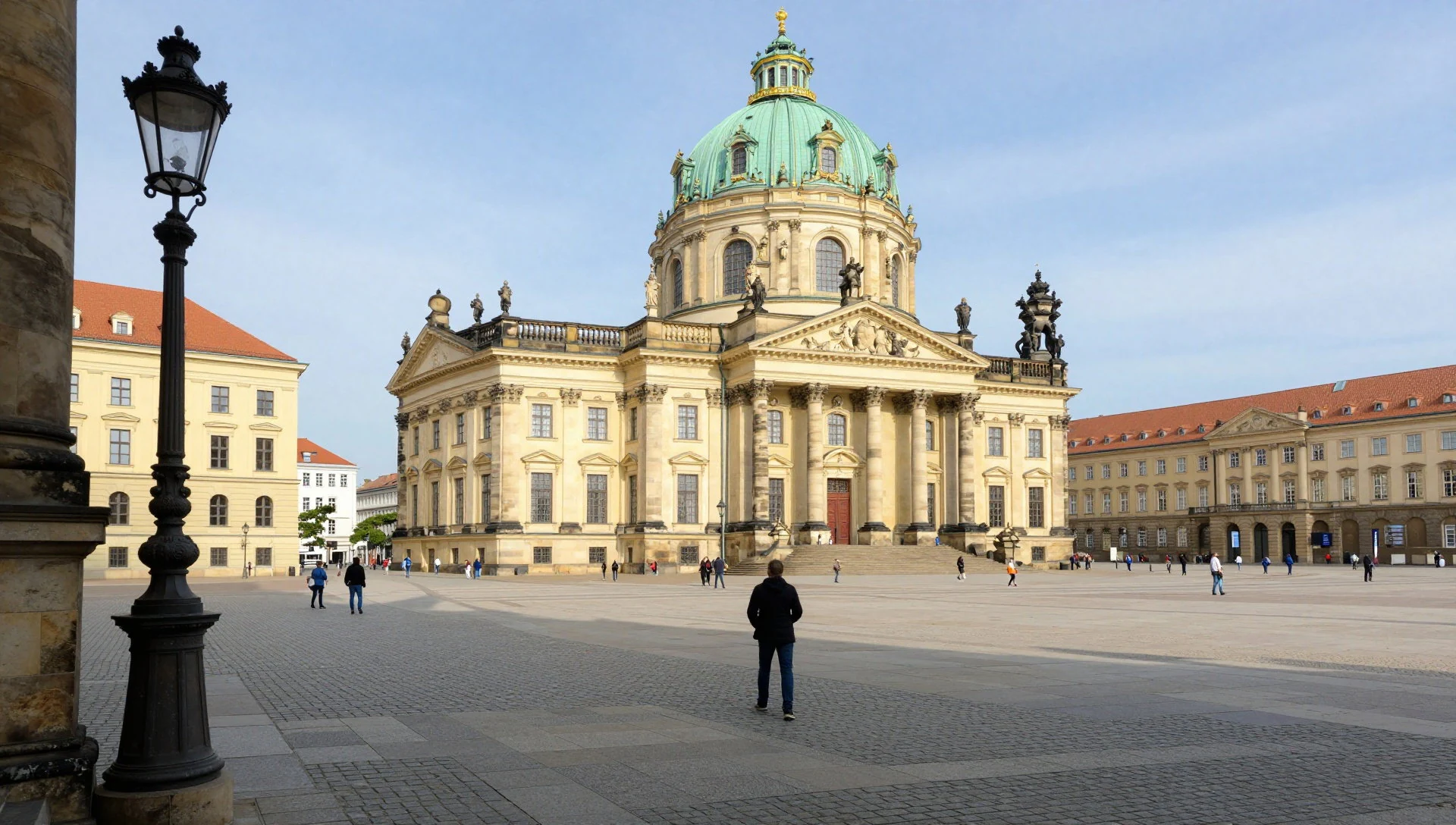
- Park Babelsberg — Babelsberg, Potsdam
Across town from Sanssouci, this landscaped park has a Gothic-style palace, nature paths and a few other historic buildings. It is also part of the same royal landscape. A university housing complex sits here, so expect students, and take the S-Bahn to Babelsberg station.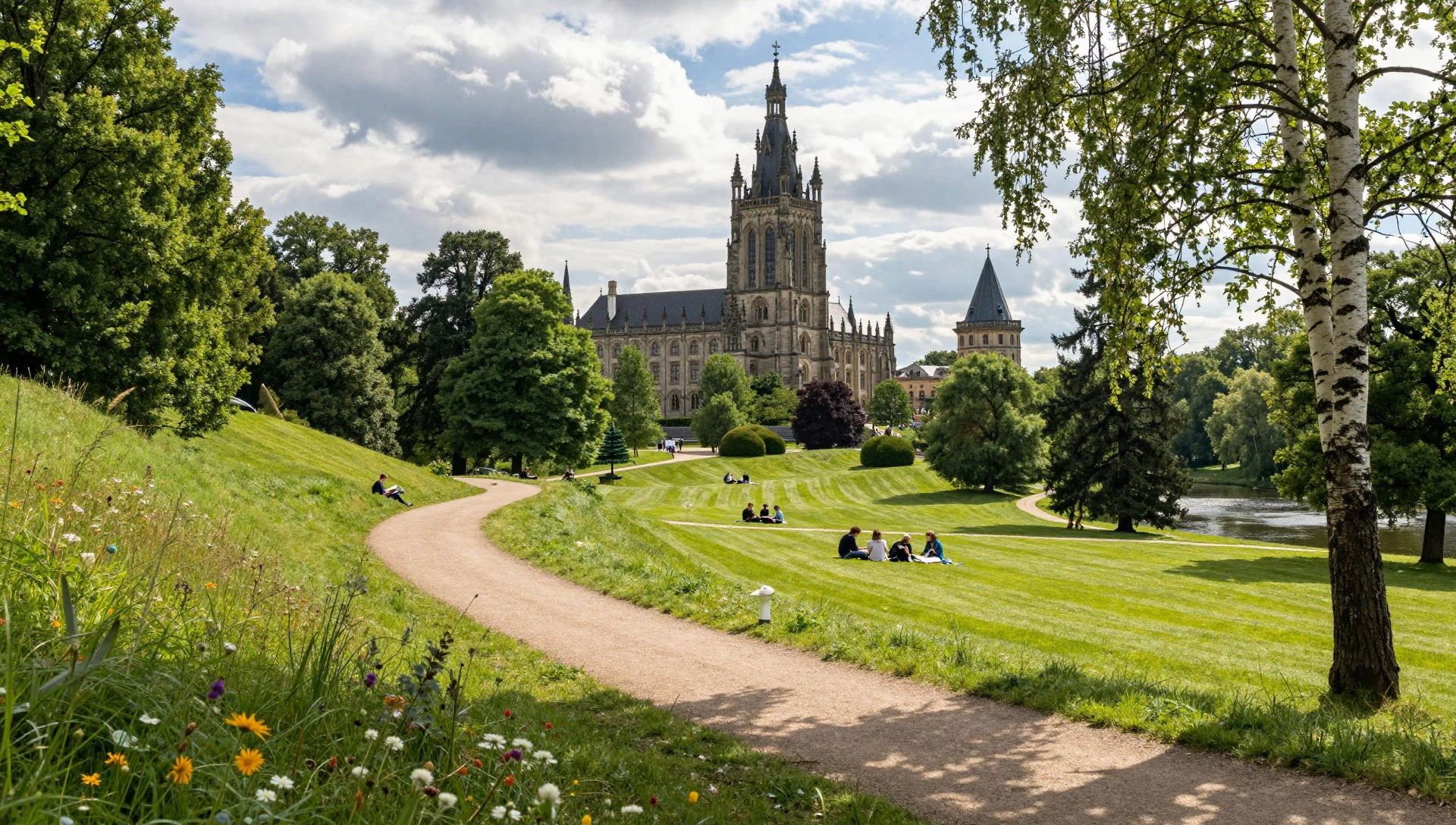
Culture
Sanssouci Palace carries the personality of Frederick the Great more strongly than most royal houses carry their owners'. He was a soldier-king who also played the flute, wrote music and surrounded himself with French-speaking thinkers, and the villa was built as his refuge for exactly that other life. The painter Adolph von Menzel later imagined an evening there in his flute concert picture, with the king playing and his teacher Johann Joachim Quantz close by. That image, of an enlightened ruler at ease in a small room, is still how Germans tend to picture the place. The palace belongs to the Hohenzollern story as well, the dynasty that ruled Prussia and later Germany, and the surrounding park carries the layers of that history: the temples and follies, the rustic touches the king liked, and the later additions of his successors. Today the palace and park are looked after by a public foundation, and the site works as a museum, a public park and a local weekend walk all at once. Berliners and Potsdam residents jog, picnic and walk dogs on the same paths where tour groups queue, so the mood is relaxed rather than solemn. Inside the rooms, follow the staff's instructions about protective overshoes, bags and photography, and keep to the gravel paths and off the lawns and terraces.
What to wear
Sanssouci Palace belongs to a region where traditional dress is mostly a matter of history and festivals. In Frederick's day the court wore silk, brocade and powdered wigs, though the king himself was known for a plain, worn military coat. Closer to Potsdam, in the Spreewald, the Sorbian minority still keeps up a regional costume of wool skirts, embroidered blouses, lace and large, brightly coloured headscarves, worn at festivals and church occasions rather than every day. What people wear now is simple and practical. In Potsdam and Berlin that means dark jeans or trousers, plain tops, light jackets, trainers and a rucksack, with little fuss about dressing up. Visitors should plan for the weather and for walking. The park is large, with gravel paths, cobbled streets in town and some slopes, so comfortable, closed shoes matter more than anything. Summer can be warm, so bring a hat, sunscreen and water; spring and autumn call for layers and a light rain jacket, and winter needs a proper coat, gloves and a hat. There is no formal dress code for the palace, though modest, tidy clothes suit a historic interior. Protective overshoes may be provided over your shoes inside, so avoid very high heels, which can damage historic floors.
What to eat
- Spargel with new potatoes — Seasonal restaurant menus in central Potsdam
White asparagus is a spring habit across Brandenburg, served with boiled potatoes, ham and melted butter or hollandaise. The season is short, roughly April to June. Look for it on seasonal menus in Potsdam's old town restaurants or at roadside farm stalls nearby.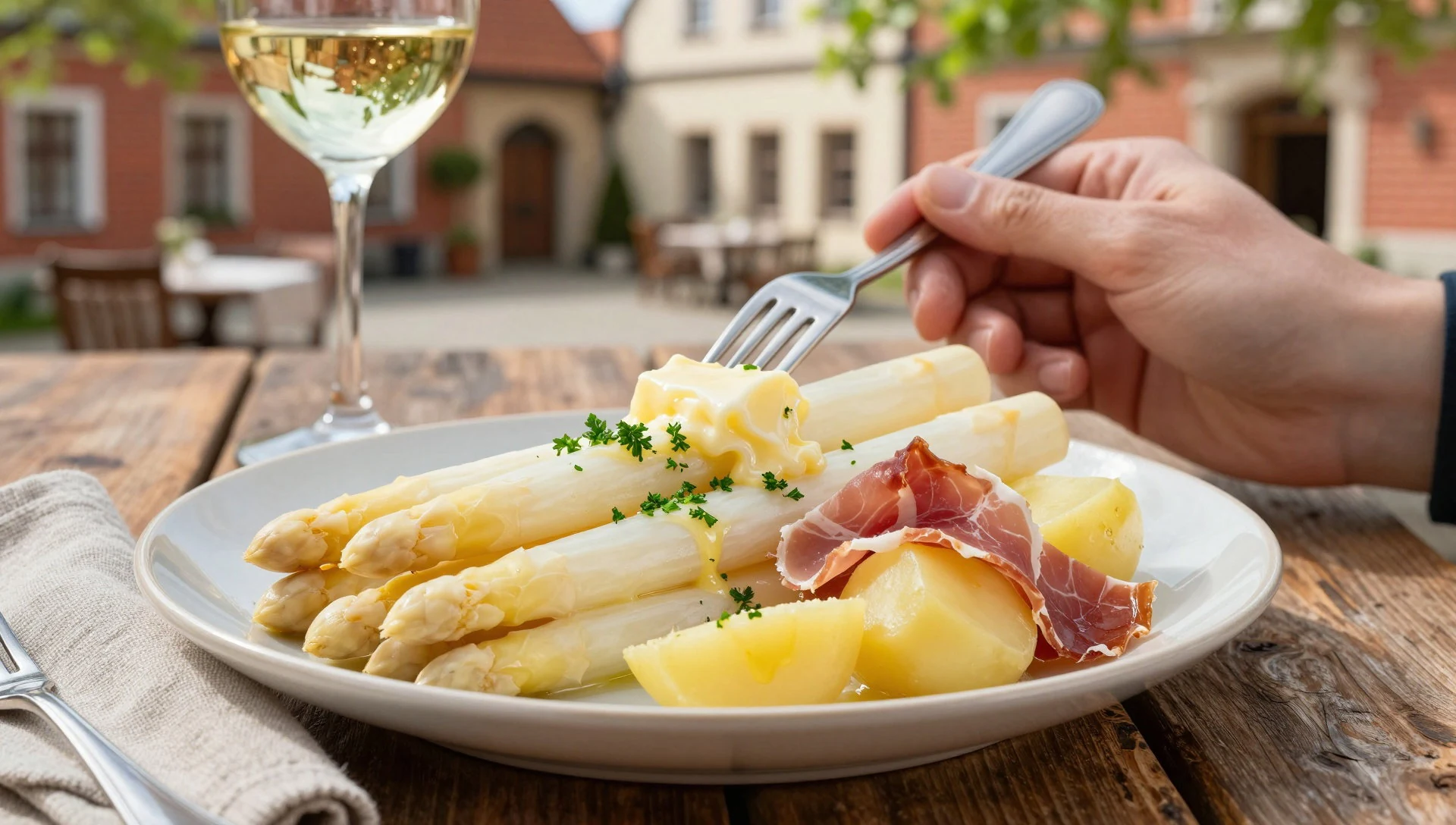
- Teltower Rübchen — Traditional Brandenburg restaurants around the old town
These small turnips from the Teltow area just south of Berlin have a sweet, slightly peppery flavour and are often served as a buttery side dish with meat. They are a regional speciality rather than a daily staple, so ask in traditional Brandenburg-style restaurants.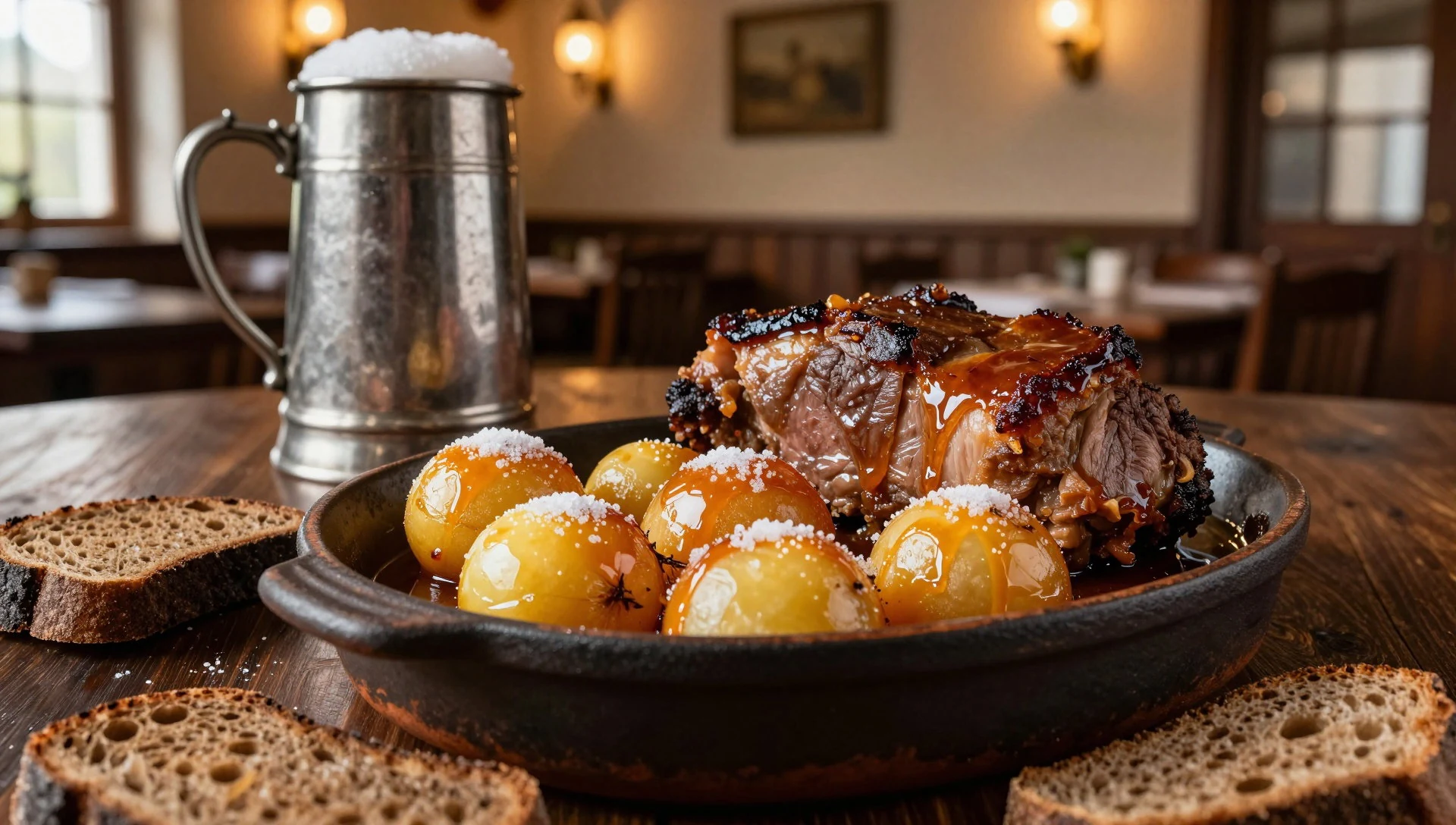
- Königsberger Klopse — Home-style German eateries and pub-restaurants
Poached meatballs in a creamy white sauce with capers, usually served with boiled potatoes or rice and sometimes beetroot. It is a comforting dish with roots in old East Prussia and remains common in Berlin and Potsdam home-style eateries. - Kartoffelsuppe — Lunch menus at pubs and cafés in the Dutch Quarter
Potato soup is a staple of north-eastern Germany: thick, hearty and often topped with sausage slices or bacon. It is an easy, filling lunch before walking the park and appears on lunch menus almost everywhere in town. - Currywurst — Snack stands and kiosks around Potsdam's main station and shopping streets
A pork sausage cut into slices and covered in a spiced ketchup-style sauce with curry powder, often with chips or a bread roll. It is Berlin's best-known street snack and is also sold in Potsdam as a fast, cheap bite. - Baumkuchen — Local bakeries and delicatessens in the town centre
A layered cake baked on a rotating spit so that rings form like tree growth, then glazed with sugar or chocolate. It is a traditional bakery treat in this part of Germany and travels well as a gift or a snack for the park.
Plan it
Best time. May for fresh green gardens and mild days, and September–October for mellow light and autumn colour; June to August are the hottest months, July the wettest and busiest, while winter is cold and some park buildings and interiors may close, so check ahead.
How long. 1–2
Getting there. Berlin Brandenburg Airport (BER), then a regional or suburban train to Potsdam. For the palace, take the RE1 towards Brandenburg from Berlin and get off at Charlottenhof, the station after Potsdam Hbf; the palace and park are a short walk from there. A Berlin ticket valid for at least zones B and C also works for Potsdam.
Budget. mid
Tips
- Check the official site (https://www.spsg.de/schloesser-gaerten/objekt/schloss-sanssouci/) for opening days, ticket options and any timed entry before you travel
- Arrive early on weekends and in summer to avoid the longest queues at the palace
- Wear comfortable shoes and carry water, since the park is large and distances between buildings add up
- Allow time for the Dutch Quarter and the old market in town if you are staying more than half a day
- Many visitors come as a day trip from Berlin, so staying in Berlin is a sensible option
Etiquette
- Follow staff instructions on protective overshoes, bags and photography inside the palace
- Keep to the paths and off the lawns, terraces and flower beds in the park
- Keep noise down in the gardens and inside the rooms, which are small and echo
Nearby
Sources
- Wikidata Q151330 (CC0)
- Wikipedia: Sanssouci (CC BY-SA 4.0)
- Wikivoyage: Potsdam (CC BY-SA 4.0)
- Photo: Schloss Sanssouci in Potsdam, W. Bulach (CC BY-SA 4.0)
- Photo: Schloss Sanssouci 2014, ernstol (CC BY 3.0)
- Photo: Portrait of Frederick II of Prussia, Anton Graff (Public domain)
- Photo: Reflection of Sanssouci Palace, Yuropoulos (CC BY-SA 4.0)
- Photo: Schloss Sanssouci - Potsdam, Mbzt (CC BY 3.0)
- Photo: Bronze letters SANS SOUCI, Suse (CC BY 3.0)
- Photo: Schloss Sanssouci east side wing, Suse (CC BY 3.0)
- Photo: Flute concert of Frederick the Great at Sanssouci, Adolph von Menzel (Public domain)


