San Sebastián
San Sebastián, Spain
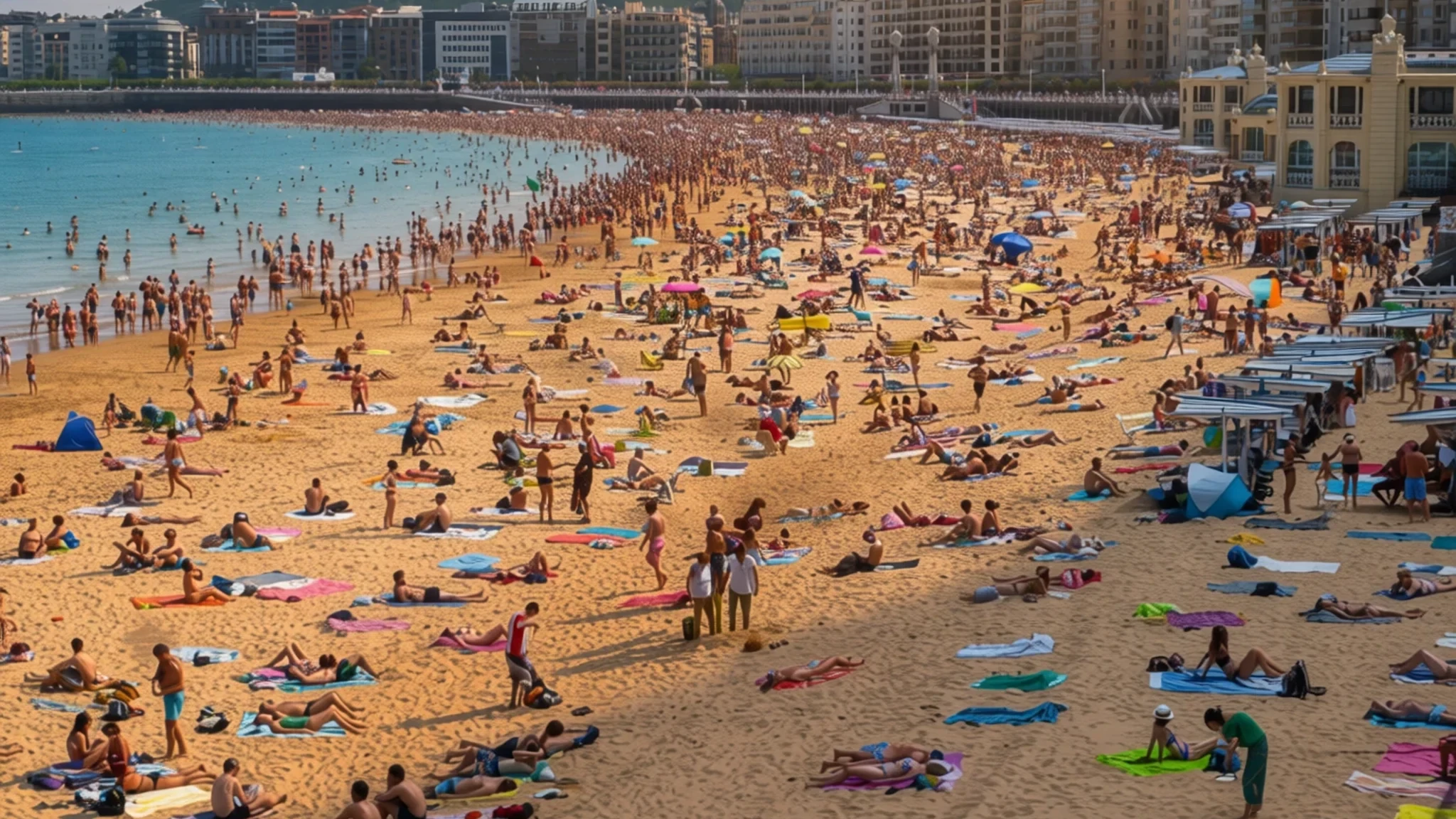
Go for a compact seaside city of pintxos, two curving bays and Basque food that justifies the trip on its own.
The place
San Sebastián, known in Basque as Donostia, sits on the Bay of Biscay in the Basque Country of northern Spain, a short distance from the French border. It is the capital of the province of Gipuzkoa and a compact city, so the old quarter, the beaches and the river can all be reached on foot in a day. The Urumea river divides the town, with a beach on each side. The larger beach, La Concha, curves between the green headland of Urgull and the rocky outcrop of El Pico del Loro, and it is the heart of the summer city.
The Parte Vieja, the old quarter, lies between the harbour and the foot of Urgull, and most visitors spend their hours there. Its narrow streets are dense with bars, and the counters fill fast at lunchtime. Beyond the bay the city feels calmer and more residential, with a steady local life of cafés, markets and evening walks.
Basque identity runs deep here. Locals call themselves donostiarra, and Basque and Spanish are both spoken, so street and menu signs often appear in both. The city is known for its film and jazz festivals and for its food, which is taken seriously as a craft.
The honest downsides are crowds and cost. Beaches fill by mid-morning in summer, and rooms near the bay book early. Central restaurants can be expensive, though a lunch of pintxos keeps a day affordable. The sea wind can bring a chill even in July, so pack for changeable weather.
Its story
San Sebastián's written history is short compared with the traces of people who lived in the area long before. Early hunters who used knapped stone tools camped at Ametzagaña, between the modern districts of Intxaurrondo and Astigarraga, in a much colder period. Roman settlements followed, and excavations at the convent of Santa Teresa, on the slopes of Urgull, have revealed remains from the old quarter.
In Roman times the area is thought to have belonged to the Varduli people. For a long time many historians wrongly linked the site with the nearby Roman town of Oiasso, now Irun, before the evidence sorted the two apart.
The first written record comes in 1014, when a monastery of Saint Sebastian, with apple orchards used for cider, was reportedly given to the Abbey of Leire. The name stayed with the settlement that grew around it. Wikidata dates the founding of the town to 1180.
Over time the place became a seaside destination, and the palaces and promenades along the bay reflect that history. Its reputation for festivals and food grew in the same way. In 2016 the city shared the title of European Capital of Culture with Wrocław, in Poland, under the motto "Waves of people's energy".
What to see
- San Telmo Museum — Old town
The museum partly occupies a 16th-century Dominican convent and a newer building beside it. The top floor is an art gallery focused on Basque artists, which makes it a good rainy-day stop. It gives useful context for the region's painting and sculpture. Check the official site for opening times before you go.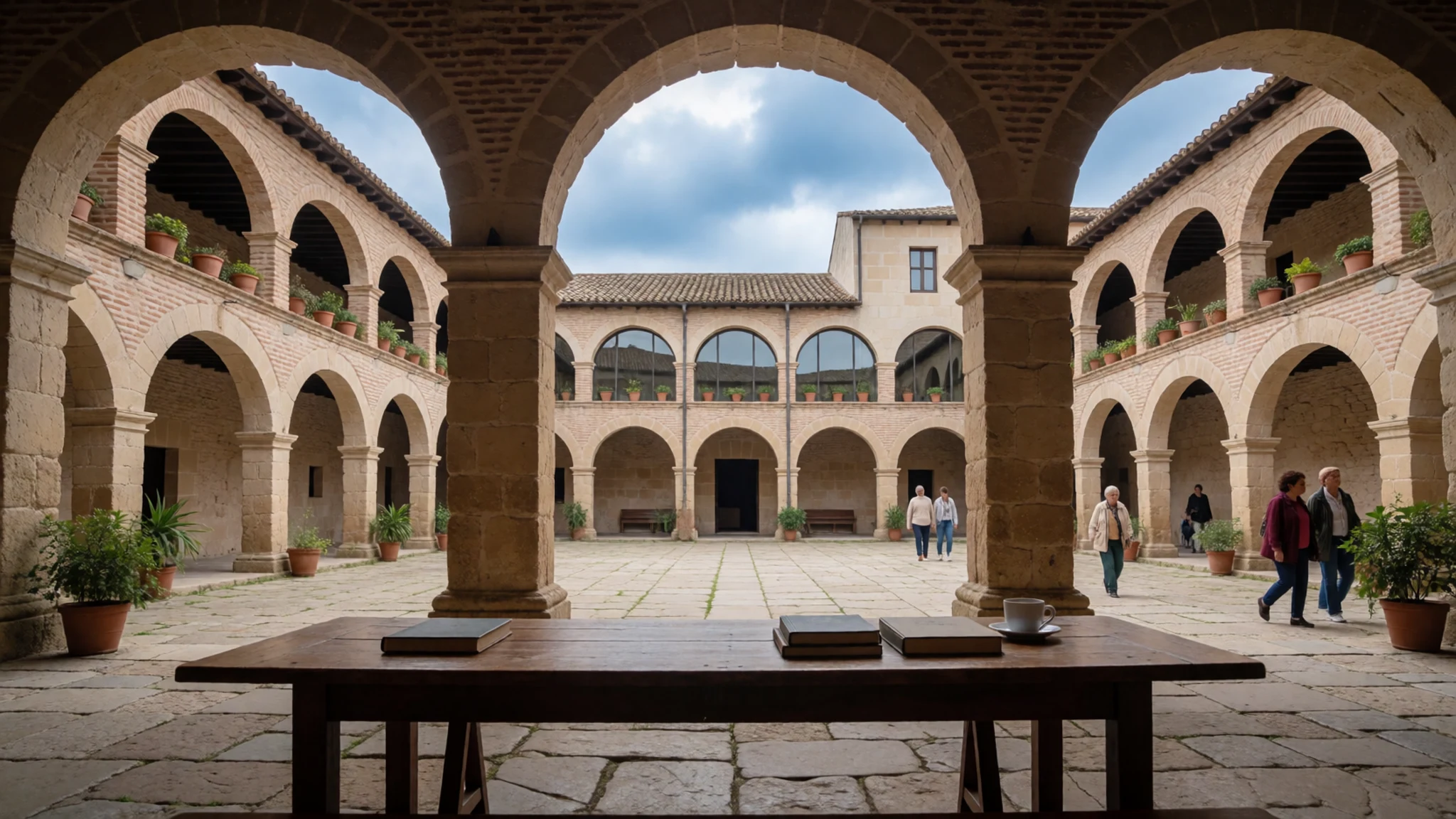
- Faro de la Plata — Eastern bay, near Mount Ulia
Faro de la Plata is the lighthouse on the eastern side of the bay, reached on foot or by a short journey from the centre. The hill around it, Mount Ulia, gives wide views over the bay and the coast towards France. Go on a clear morning and bring a jacket, because the wind off the sea can be strong even in summer.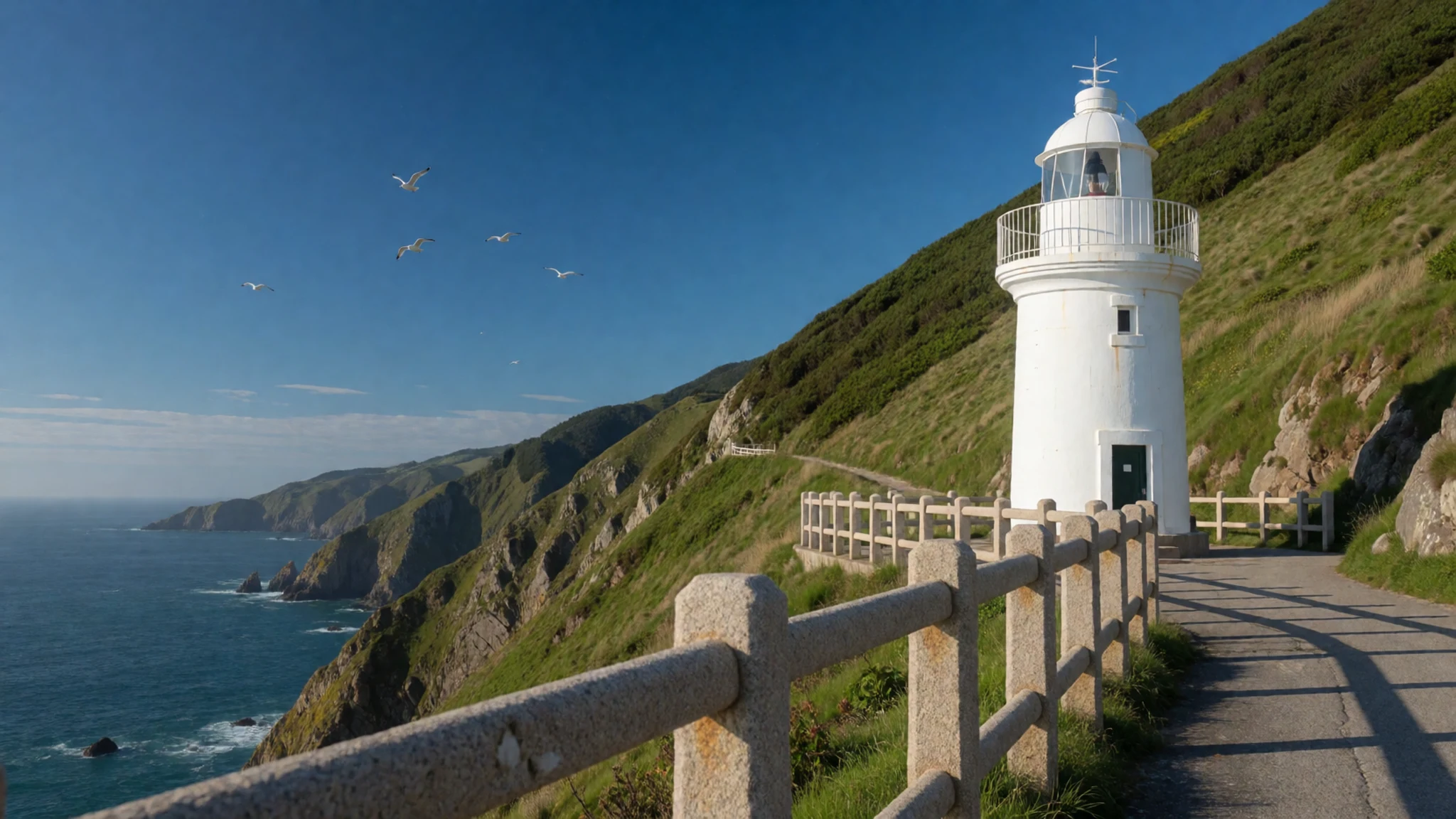
- Mount Igeldo — Western end of La Concha bay
Mount Igeldo sits at the western end of La Concha bay and gives the best overview of the whole town. From the top you can see the curve of the beach, the river mouth and the hills behind the city. Go late in the afternoon for the light, and allow time for the climb or the road up, because the slopes are steep.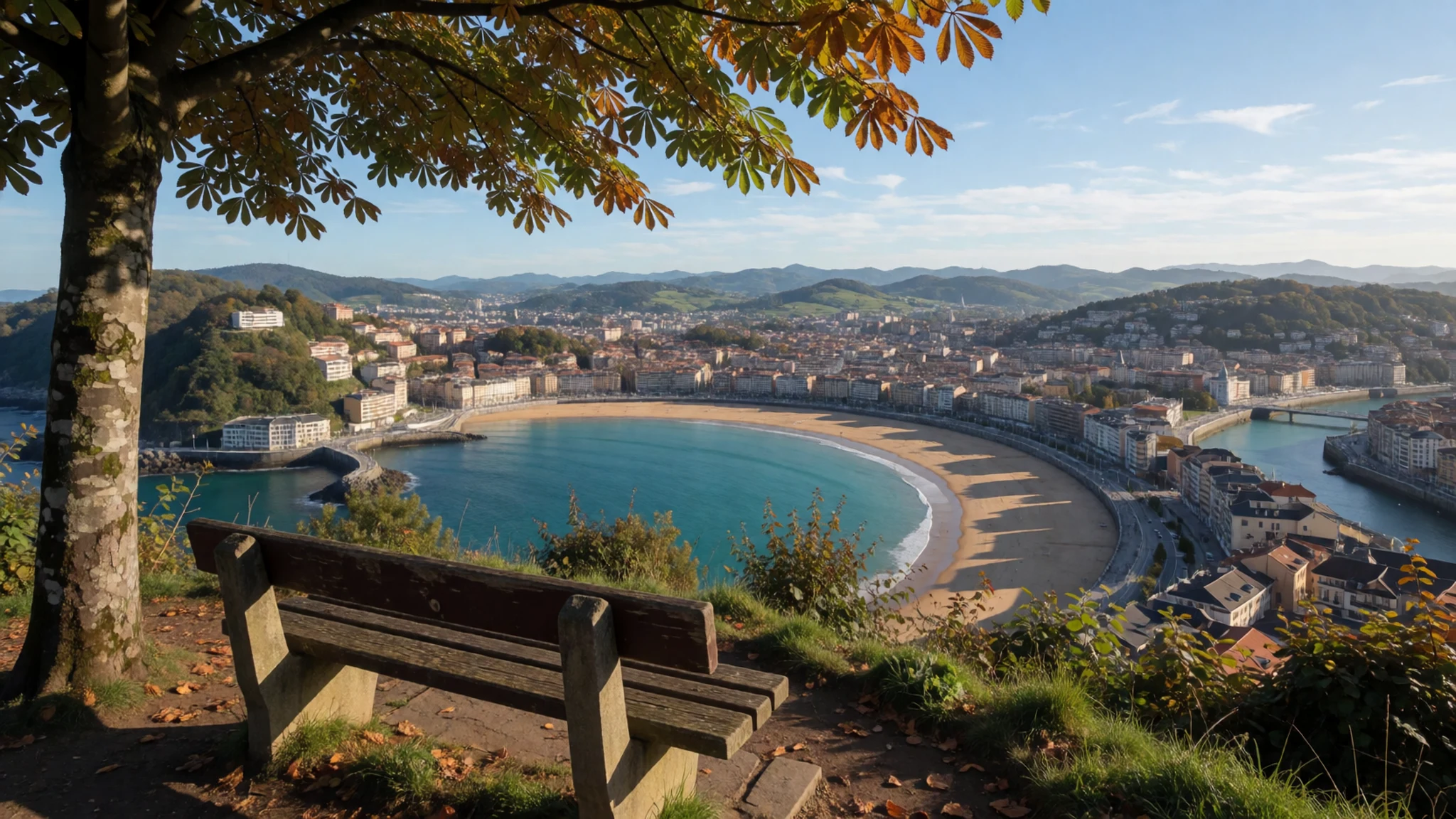
- Miramar Palace and park — Above Ondarreta beach
The Miramar palace stands above the western beach, with its park spread across the slopes of El Pico del Loro. The lawns are the best part of a visit, where people sit with a picnic and look out over the water. Check the official site for opening times and whether the palace interior is open on the day you plan to go.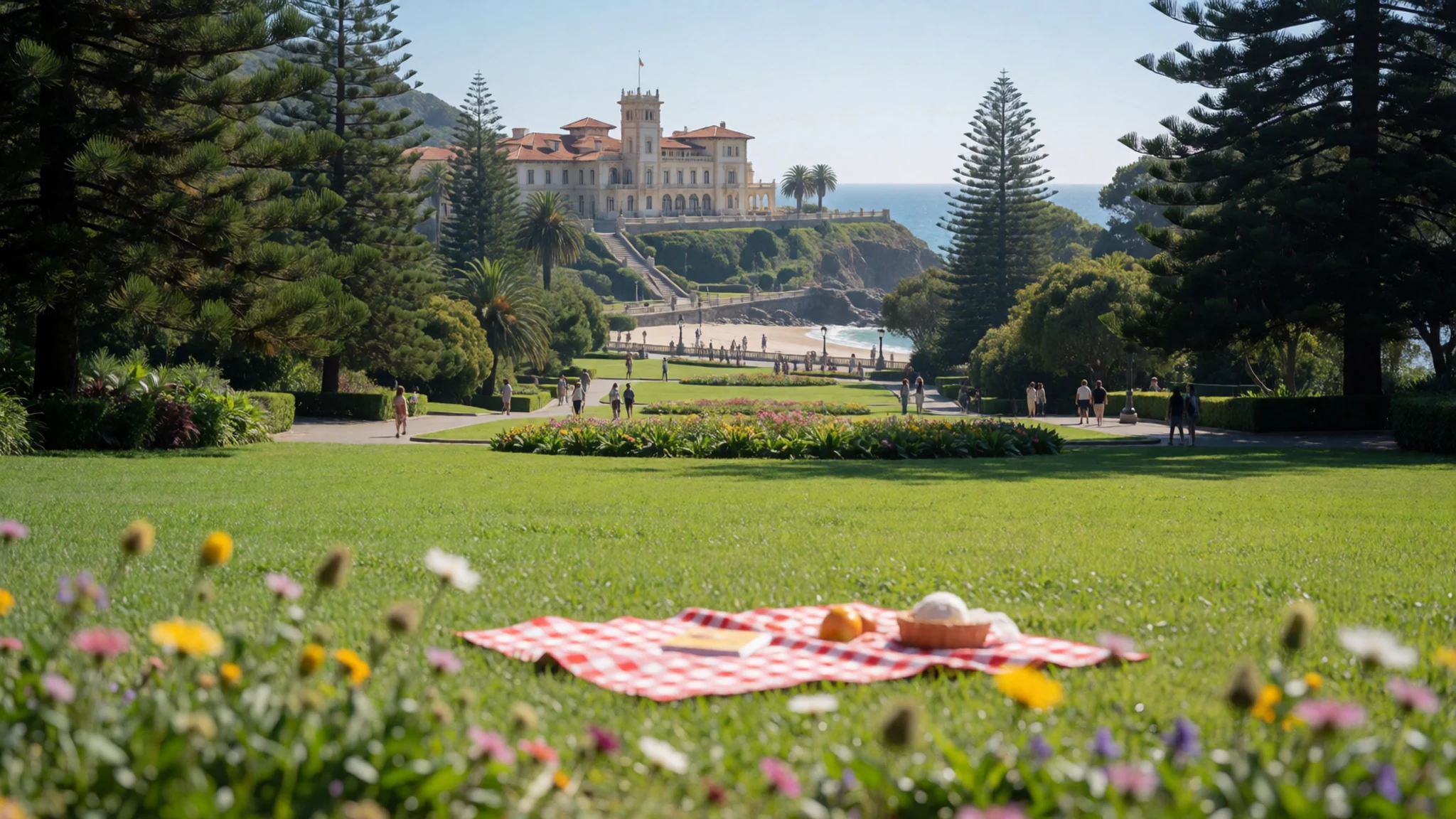
- Kursaal — Beside the river mouth
The Kursaal is the city's congress and concert building and the main venue of the film festival held each September. It sits beside the river mouth, on the eastern side of the town. Walk past it on the promenade to see the building from the water's edge. For performances, check the official site and book ahead.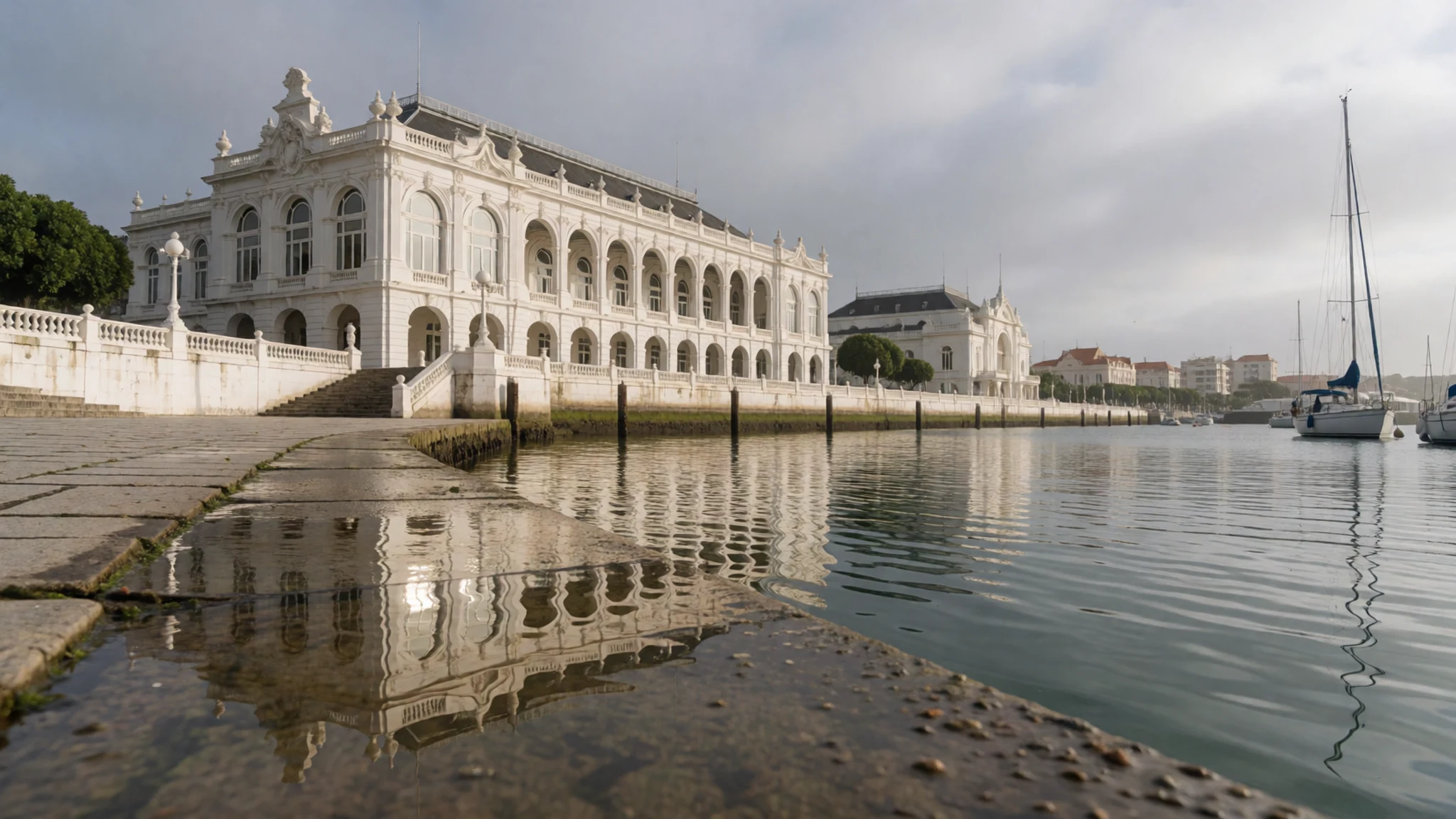
Culture
San Sebastián takes its food, music and summer seriously, and much of its social life happens in bars and along the promenade. Basque is spoken alongside Spanish, and both appear on signs and menus, so a few words of either are welcome. The city was European Capital of Culture in 2016, shared with Wrocław, and that spirit still shows in its festivals. The Jazzaldia jazz festival runs in the last week of July, with concerts in several locations and sometimes free admission. The Musical Fortnight of classical concerts follows into August. The San Sebastián International Film Festival, held in September, centres on the Kursaal and the Victoria Eugenia Theatre, so book those events early. When a bar is crowded, order at the counter, wait your turn and do not reach across other people for a pintxo.
What to wear
Traditional dress in San Sebastián and across the Basque Country is seen mostly at festivals and folk events rather than in daily life. Men may wear the txapela, a flat beret, with a white shirt and dark trousers for dancing, while women wear embroidered skirts and blouses in cotton or wool. Espadrilles, the canvas shoes with rope soles, are associated with the Basque coast and remain a common summer choice.
Locals now dress much like other coastal Spaniards: linen shirts, light knitwear, sailing-style jackets, and smart casual clothes for an evening out. Restaurants that take their food seriously are a little dressier, but smart casual works almost everywhere.
Visitors should pack layers, since sea breezes cool the evenings even on warm days, along with a waterproof jacket for showers. Comfortable shoes with grip suit the steep old streets and the hills of Igeldo and Ulia better than heels. Covering shoulders and knees is expected inside churches, though beachwear is fine on the sand and along the promenade.
What to eat
- Pintxos — Bars of the Parte Vieja, the old quarter
Pintxos are small bread-based bites, often topped and held with a stick. Walk the bars of the Parte Vieja, the old quarter, order one or two at the counter with a glass of wine or cider, then move on. Eat standing when the bar is full.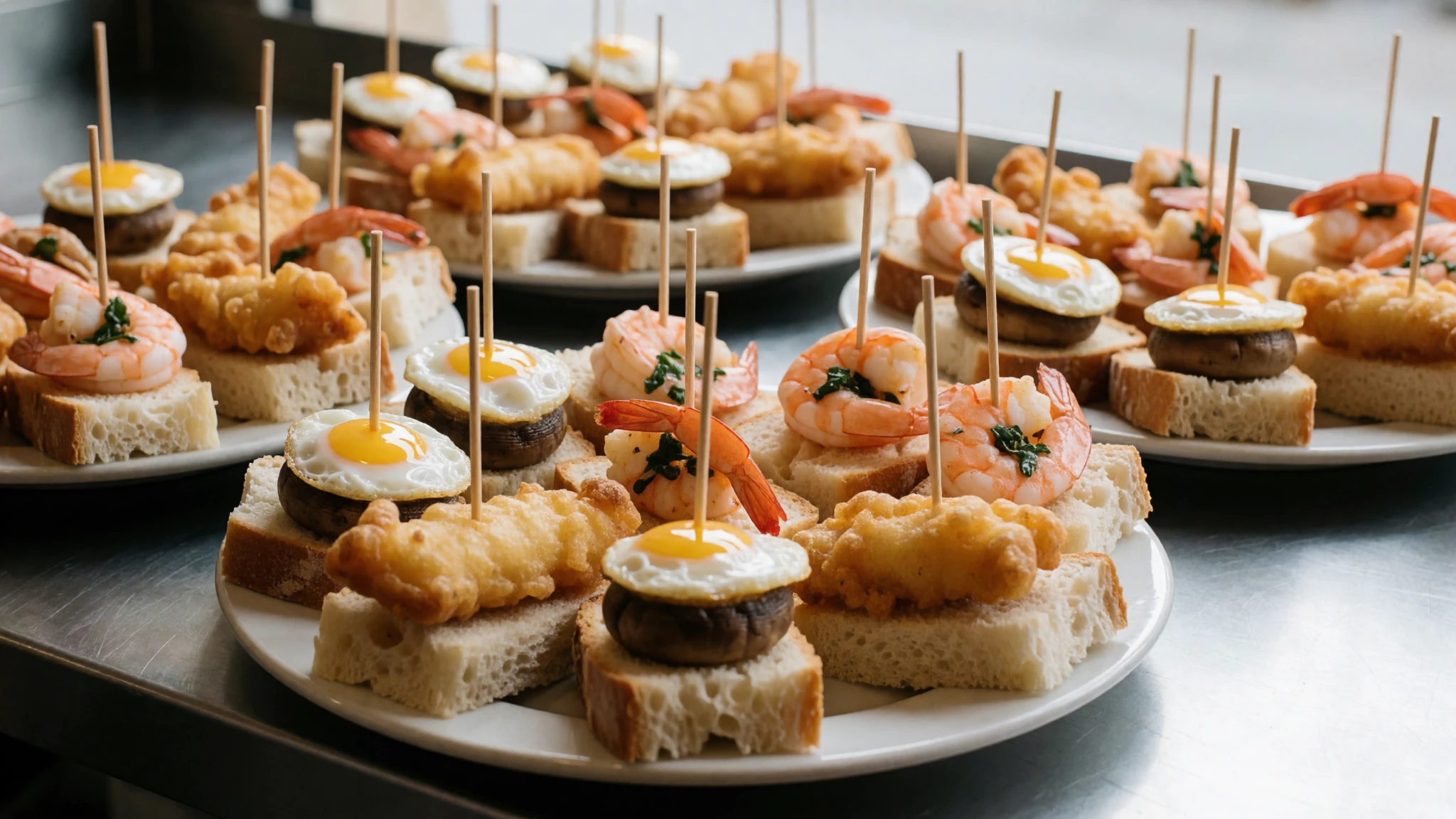
- Brochetas de gambas — Pintxo bar counters in the old town
Brochetas de gambas are fried prawns on a skewer, finished with a sharp, special vinaigrette that cuts the richness. Look for them on the pintxo bar counters of the old town, where they are often made to order and go quickly at lunchtime. Eat them hot, straight from the skewer.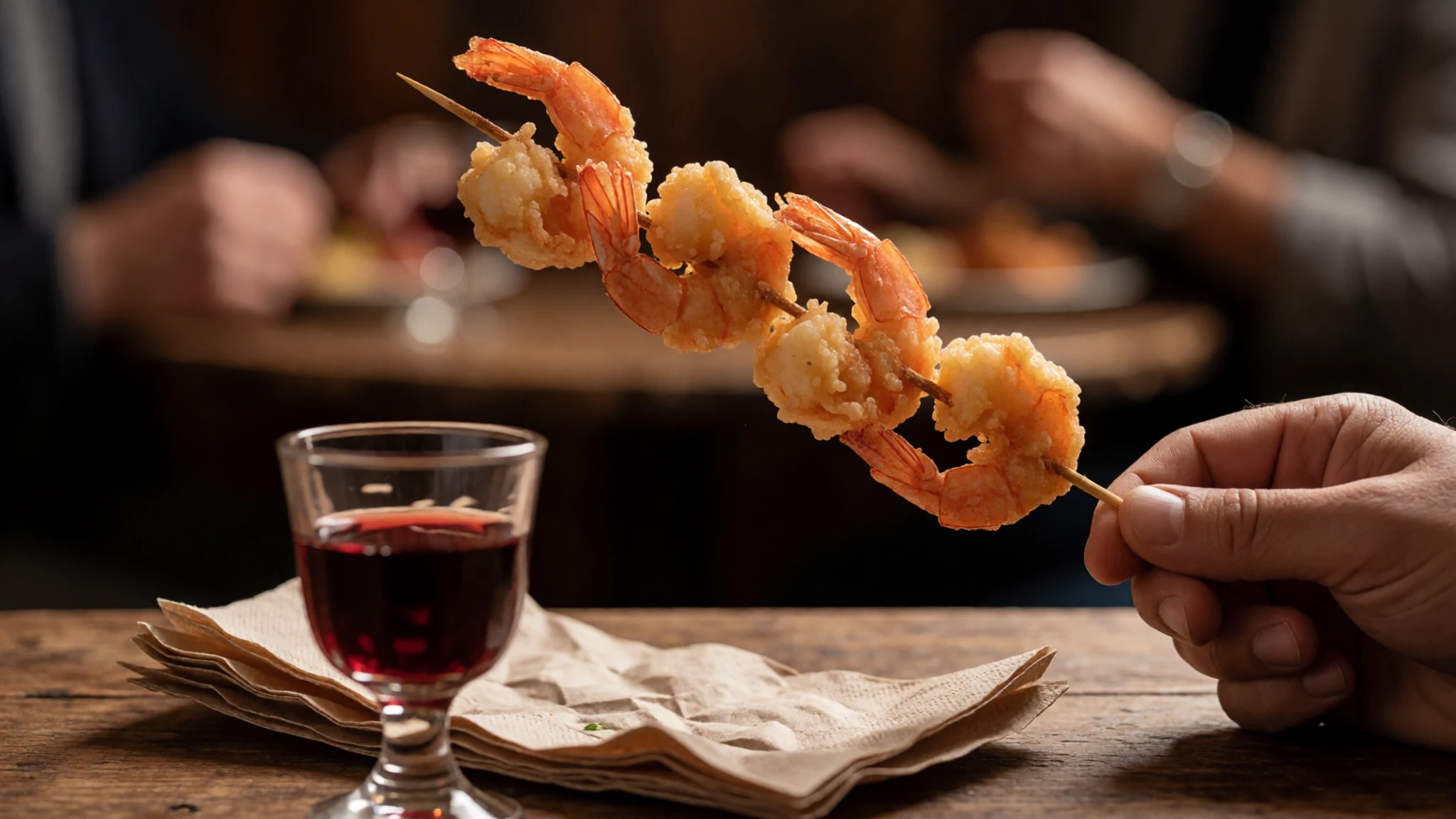
- Bola de carne — Traditional bars in the old town
Bola de carne is a soft, rich meatball with red pepper in the sauce, served as a pintxo or a small plate. Order it at a traditional bar in the old town, where it often arrives hot from the kitchen behind the counter. - Basque cider — Cider houses in the countryside around Astigarraga
Basque cider, sagardoa, is poured from a height to aerate it and served in small glasses with a tart, dry flavour. Visit a sagardotegi, a cider house in the countryside around Astigarraga, where the cider comes from the barrel and the set menu is shared at long tables. - Grilled fish — Traditional asador grill houses, usually a short walk from the old town
Grilled fish is the staple of Basque restaurants: a whole hake or sea bream cooked over charcoal and served with garlic and olive oil. Ask at a traditional asador, a grill house, what came off the boats that morning.
Plan it
Best time. Late spring and early autumn, roughly May–June and September–October, when the weather is usually mild, the beaches are less packed and the summer festivals are just starting or just finishing. July and August are the busiest months, with rooms near the bay booking early.
How long. 2–3
Getting there. Fly to Biarritz airport across the border in France, or to a larger Spanish hub, then continue by bus or train. From France, take a TGV or TER train to Hendaye and change onto the Euskotren local train, which runs frequently. From other Spanish cities the train is usually quicker than the bus.
Budget. mid
Tips
- Book summer rooms near the bay early, as August fills quickly
- Start pintxo bars around lunchtime, when the counters are freshest
- When booking from France, choose San Sebastián in Spain, not Saint-Sébastien in France
- Carry some cash for small bars and cider houses
- Pack layers, since the sea wind can be cool even in summer
Etiquette
- Order at the bar and wait your turn in busy places
- Ask before photographing people at their tables, especially in cider houses
- Keep the beaches clean and use the bins provided
Nearby
Sources
- Wikidata Q10313 (CC0)
- Wikipedia (rev 1382782454) (CC BY-SA 4.0)
- Wikivoyage (rev 5386710) (CC BY-SA 4.0)
- Donostia Igeldotik (photo 01) (CC BY-SA 2.5)
- Panorama from Monte Igueldo (photo 02) (CC BY-SA 2.0)
- Ayuntamiento de San Sebastián (photo 03) (CC0 1.0)
- San Sebastián, España (photo 04) (CC BY 2.5)
- Playa de la Concha, San Sebastián (photo 05) (CC BY 3.0)
- Palacio de Miramar, San Sebastián (photo 06) (CC BY 3.0)
- Palacio Kursaal (photo 07) (CC BY-SA 2.5)
- Donostiako erasoa Txofretik ikusia (photo 08) (Public domain)


