San Miguel de Allende
San Miguel de Allende, Mexico
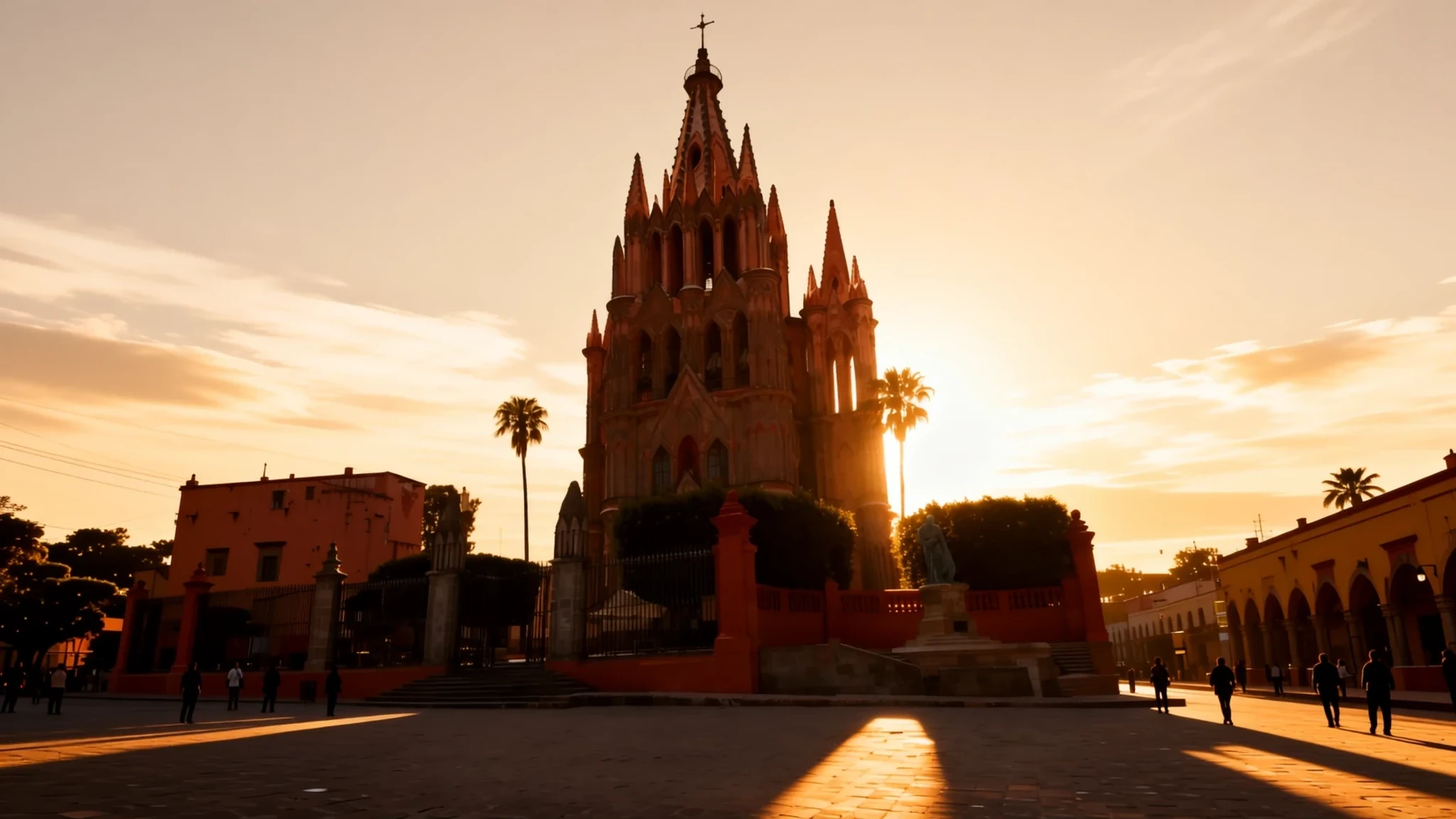
A colonial hill town in the Bajío with pink-stone churches, a strong art scene and a steady stream of visitors and new residents.
The place
San Miguel de Allende is the principal town of a municipality in the far east of Guanajuato state, in central Mexico's Bajío region. Wikidata records 69,811 residents, and the town sits at 1,900 metres above sea level, which explains the clear light and the cool evenings that most visitors notice first. The historic centre is a proclaimed World Heritage Site, and it draws a steady flow of tourists and foreign residents every year, so the central streets are busy on most days.
The place feels compact. Cobbled lanes climb and drop between Baroque and Neoclassical façades, many in rose-coloured stone, and the main plaza is where most walks begin and end. Churches stand at nearly every corner, with the parish church the best known. Cafés, galleries and language schools fill the streets around the old centre, and the town's art scene dates back to the twentieth century, when foreign painters settled here and founded institutes. Crowds gather at weekends and holiday periods, and the walking is steep, so flat, grippy shoes make more sense than heels.
Prices sit between cheap market food and the pricier galleries and rooftop restaurants, so the budget depends largely on where a visitor eats and sleeps.
Its story
San Miguel de Allende began as Itzcuinapan, an indigenous Chichimeca village, before any Spanish town stood on the site. A small chapel was then built nearby by Miguel Palanca, who chose to dedicate the Spanish settlement to the Archangel Michael. Relations with the colonists soon soured, because soldiers and settlers sought to press local people into work in the silver mines, and the Chichimeca defended their land. Attacks on Spanish posts and repeated failures to bring water to the new settlements pushed the first site out of use.
The town was re-established in 1555 by Bernardo Cossin, Juan de San Miguel's successor, together with the indigenous leader Fernando de Tapia. This second site lay a short distance east, chosen for its defensible terrain and for two freshwater springs. Wikidata gives 1542 as the founding year, a date that reflects the first Spanish settlement rather than the later refounding.
Silver was found at Guanajuato and Zacatecas during the same decades, and a major road to Mexico City ran through San Miguel. The town became a military and mission outpost on that route, and the long conflict known as the Chichimeca War, in the later sixteenth century, made its position strategic.
At the start of the twentieth century an influenza pandemic nearly emptied the town. Its colonial buildings were then rediscovered by foreign artists, who founded the Instituto Allende and the Escuela de Bellas Artes. David Alfaro Siqueiros taught painting there, and after the Second World War former US servicemen studying on the G.I. Bill arrived, shaping the town's international character.
What to see
- Parroquia de San Miguel Arcángel — Central plaza
The parish church on the main plaza is the building most visitors photograph first. Its core dates back to the seventeenth century, while the façade was reworked in the nineteenth century by a self-taught indigenous architect, which gives it an unusually lively, sculptural look. The pink stone catches the light in the late afternoon, so the square is best seen then.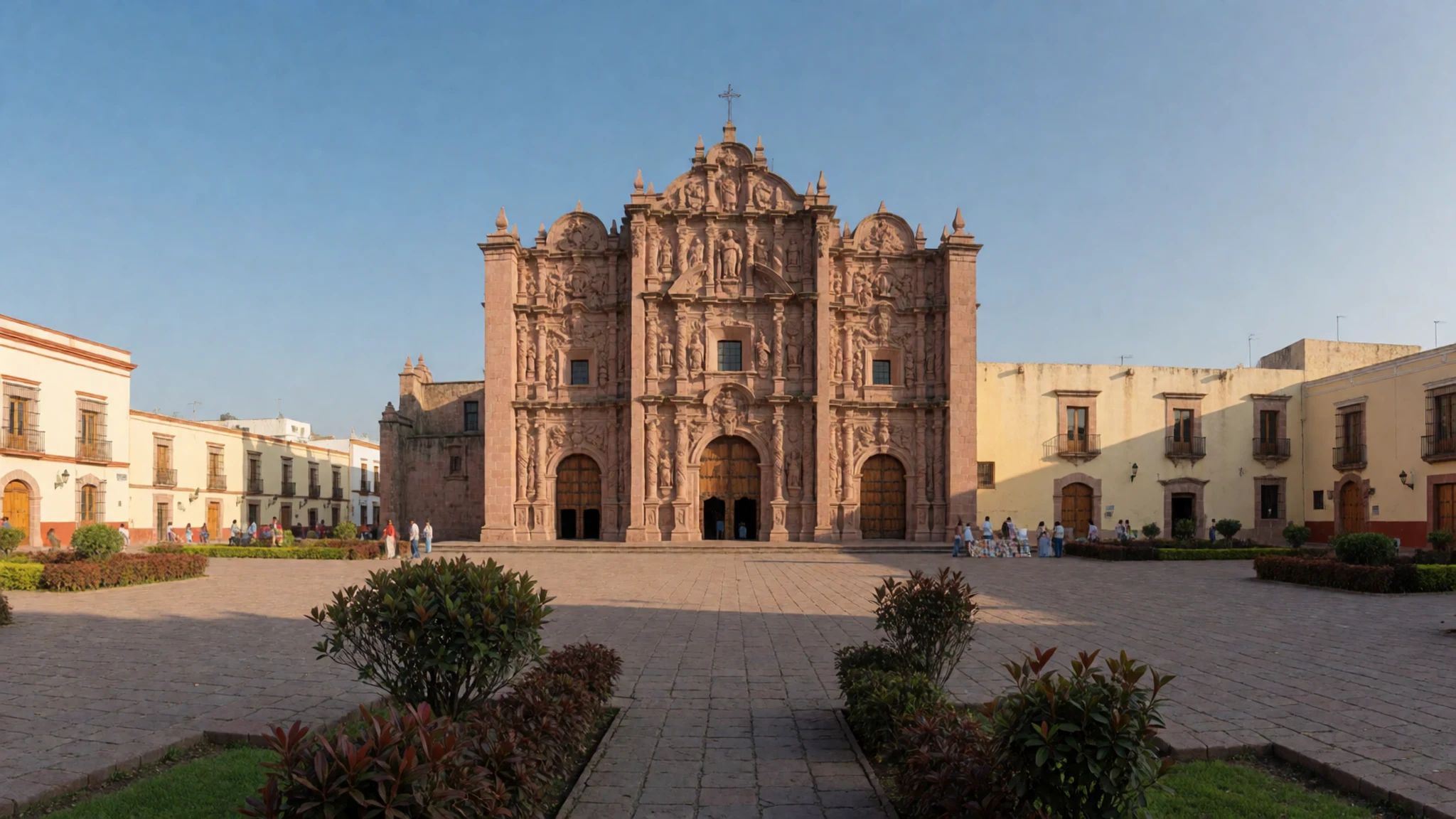
- Templo de la Inmaculada Concepción — Near the Bellas Artes school, old town
Next to the Bellas Artes school, this church forms part of a former convent and dates from the mid-eighteenth century. Its massive dome is often compared with Les Invalides in Paris; the comparison is worth judging on the spot. It is a quieter stop than the parish church, so a late morning walk suits it well.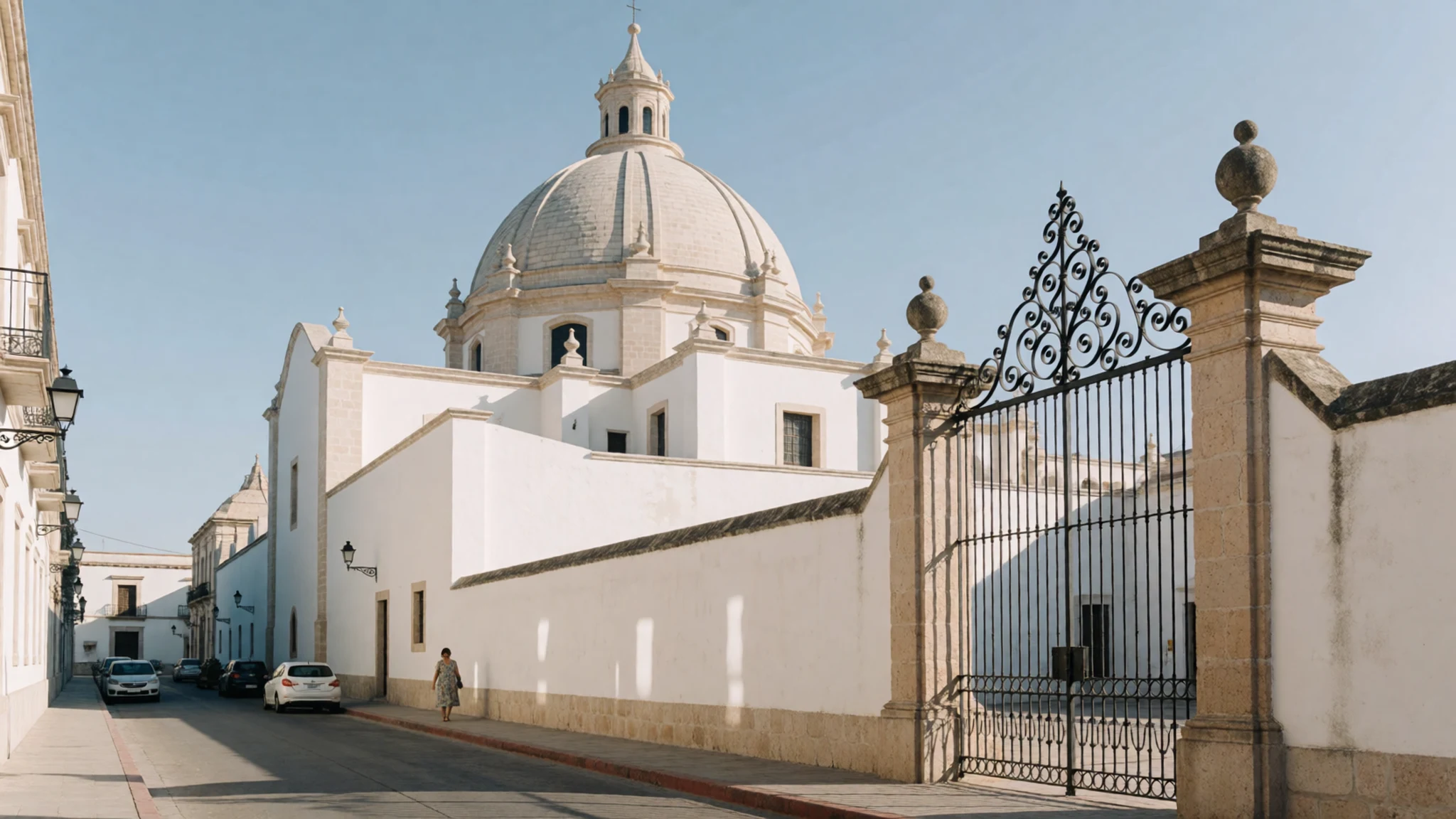
- Oratorio de San Felipe Neri — Historic centre
The Oratorio de San Felipe Neri has a delicately carved façade in pink sandstone. Built in the early eighteenth century, it shows the skill of the stone carvers who worked the soft stone into fine, lace-like detail. The front is worth a look even if the interior is closed.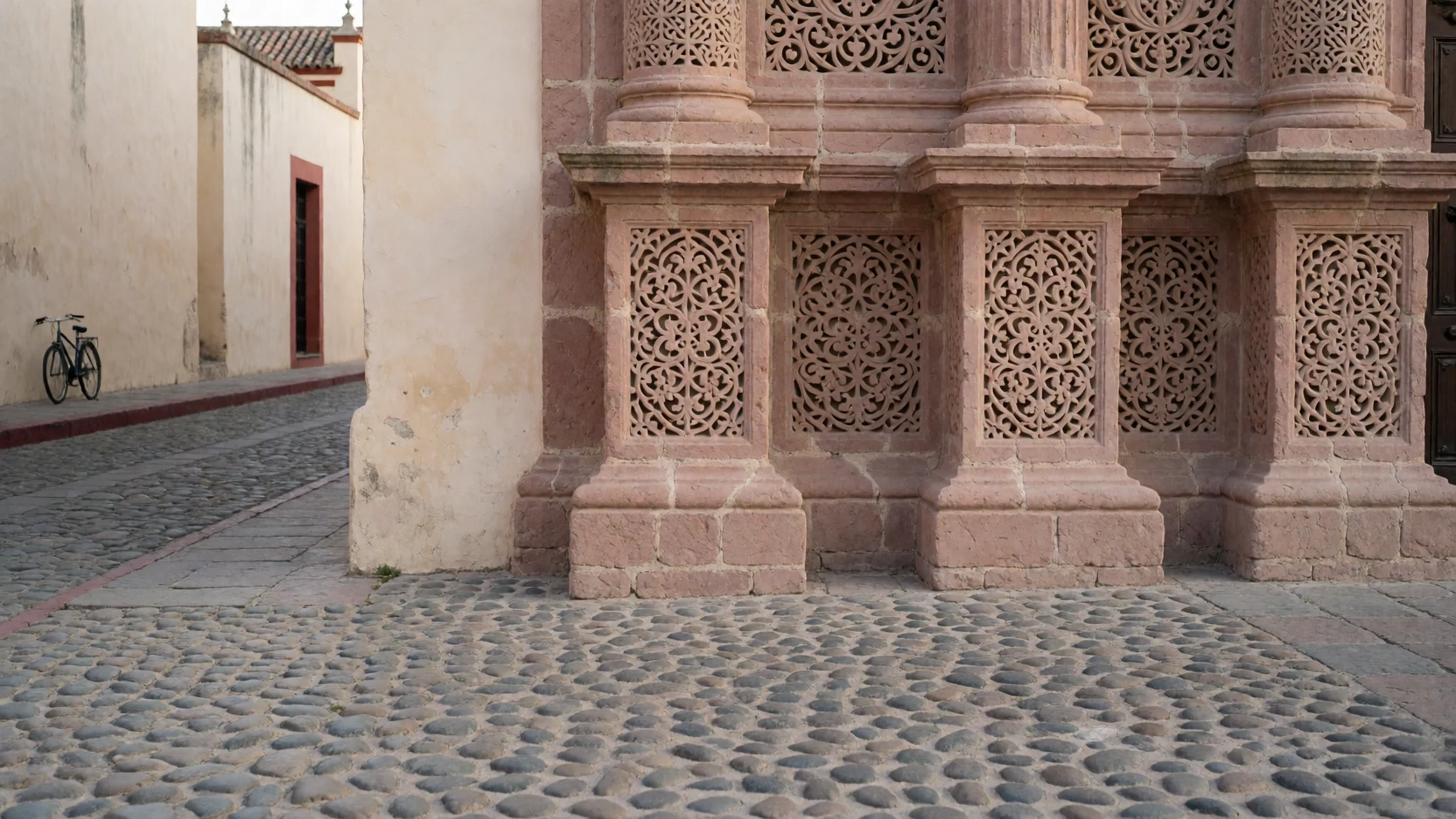
- Templo de San Francisco — Historic centre
Built toward the end of the eighteenth century, this church is a clear example of Mexican Baroque, with richly decorated altarpieces. Its altar area is a good place to study the style up close, and the interior is calmer than the parish church in the late morning.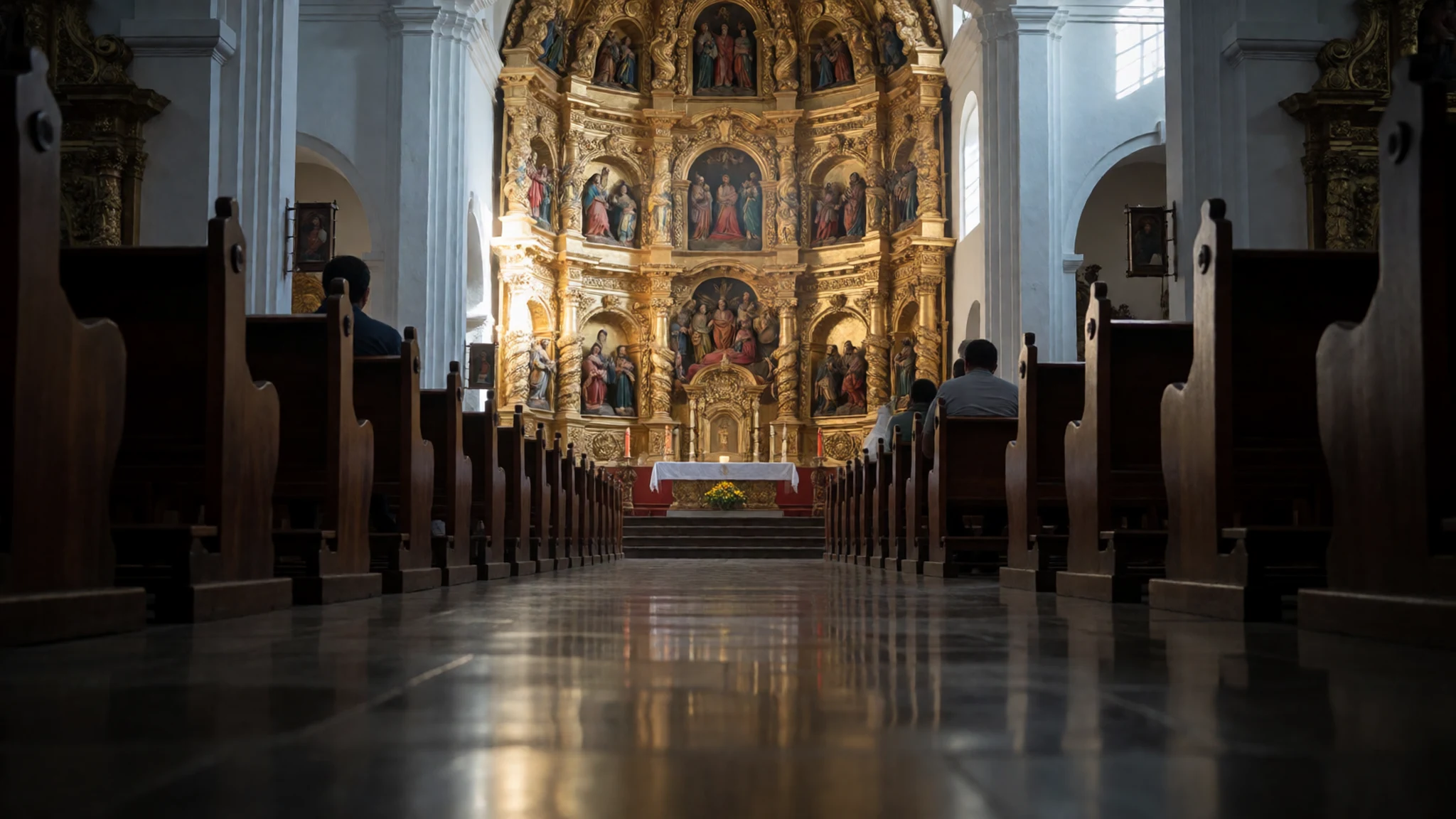
- Museo Histórico de San Miguel de Allende — Central plaza area
The museum occupies the house associated with Ignacio Allende, one of the independence heroes after whom the town is named. Its rooms trace Mexican history from the sixteenth century until Allende's death during the independence struggle. A furnished upper-class room shows how a wealthy household lived, a useful counterpoint to the churches.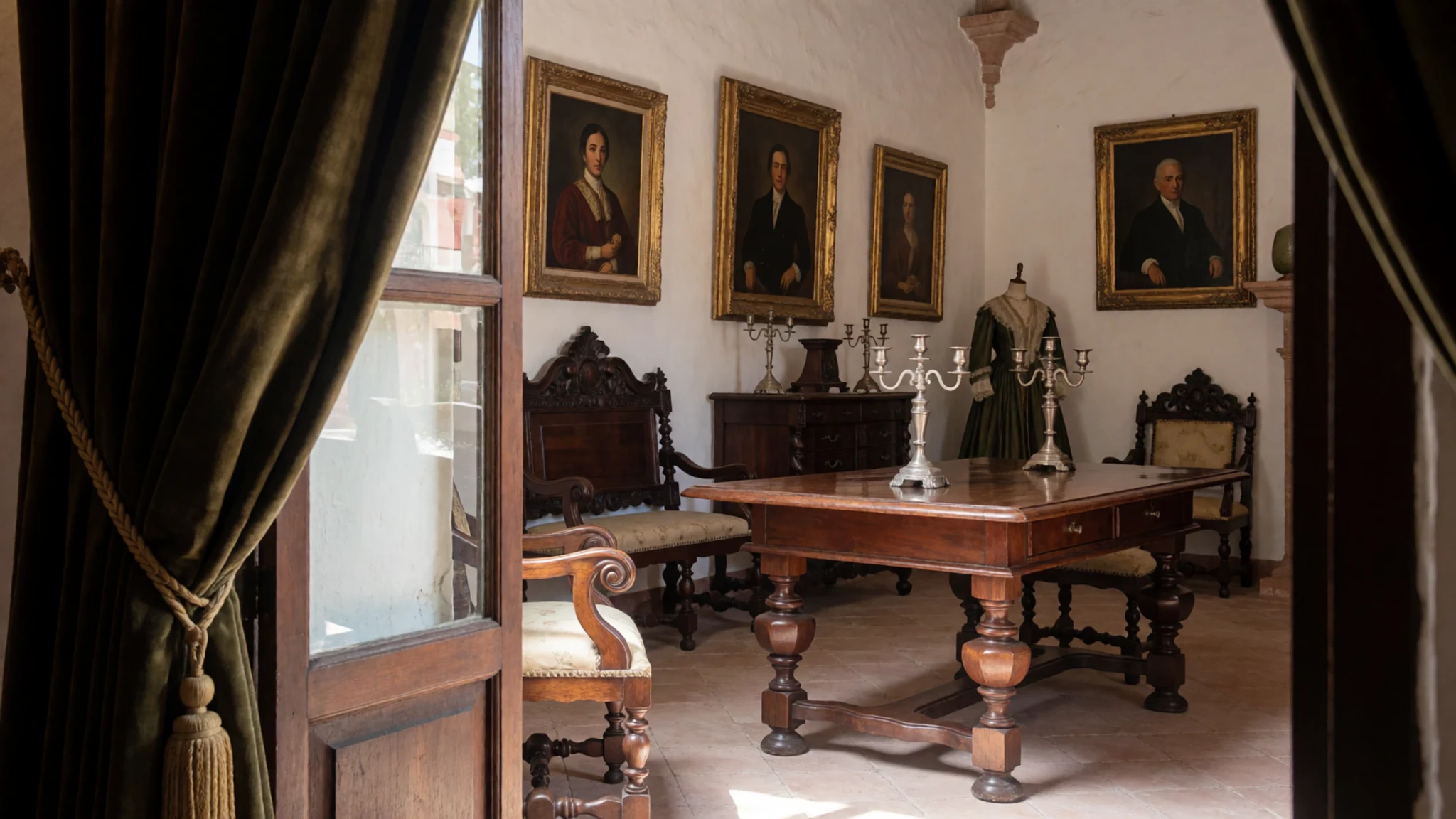
- Casa del Mayorazgo de la Canal — Historic centre, near the main plaza
This former home of a very wealthy family now houses a bank, so it is a working building rather than a house museum. Look at the north façade from the street: the stonework and the doorway show the scale of the wealth that built it. Photograph from the pavement and keep to the public space.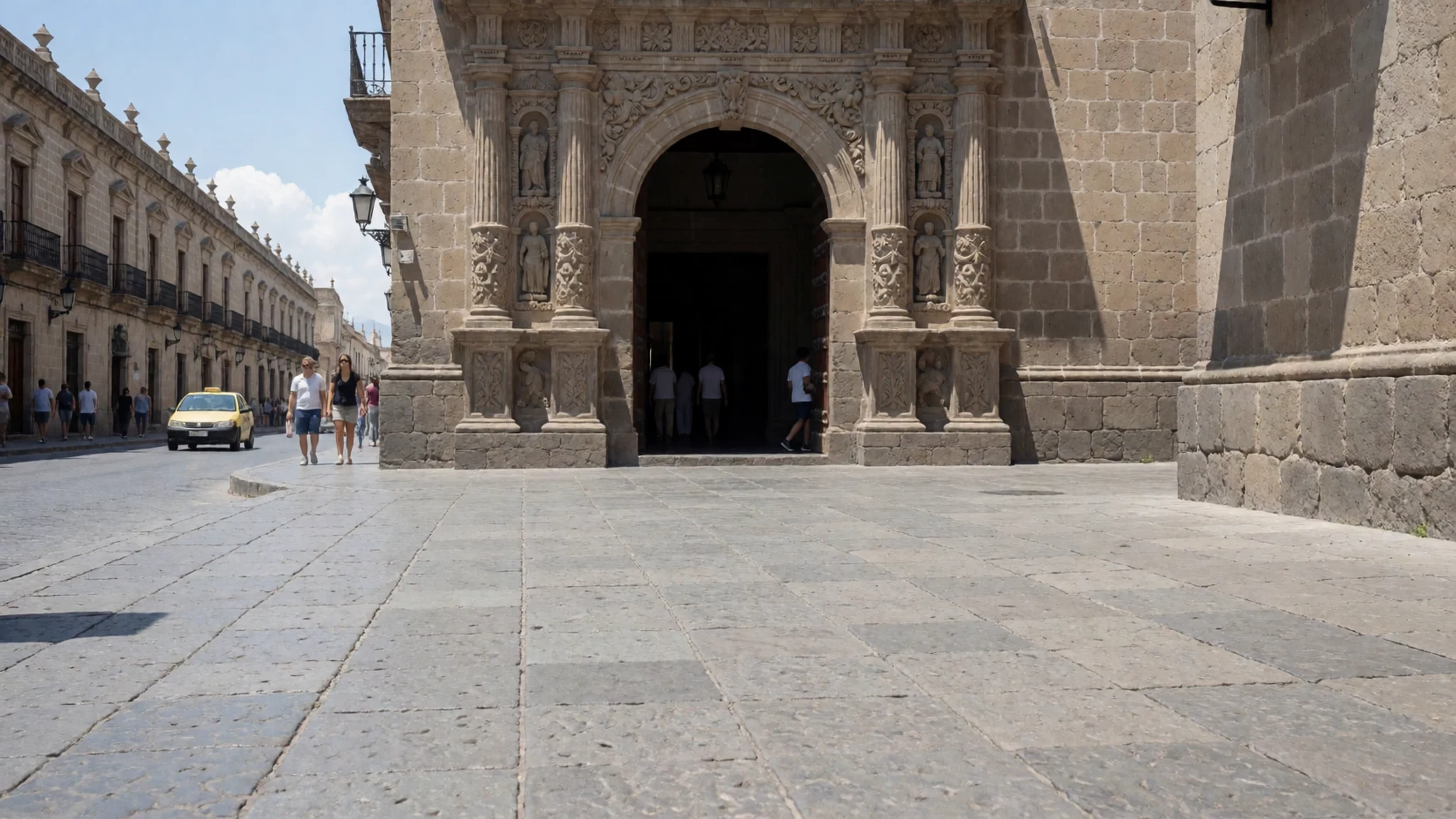
Culture
San Miguel de Allende is a Catholic town, and its parish churches remain at the centre of public life even as the streets fill with students, artists and visitors. Religious processions and feast days move through the old quarter at short notice, so a walk planned for the morning may need changing. Independence is also part of local memory: the figures of Ignacio Allende and Miguel Hidalgo appear in the municipal palace and in Atotonilco, and both men are remembered as heroes of the struggle against Spanish rule.
The town has a long expatriate presence, and this has shaped everyday life. Shops, cafés and language schools cater to English speakers, but Spanish remains the working language, and a polite greeting before asking for something is expected. Market traders and small eateries rely on personal relations, so bargaining suits crafts rather than food. Tipping restaurant staff for good service is customary, and a modest tip is normal.
Churches are working places of worship, and many people visit to pray rather than to sightsee. Inside the churches, keep your voice low, cover your shoulders and knees, and ask before photographing anyone at prayer.
What to wear
Traditional dress in the Bajío follows the broader Mexican pattern: clothing is tied to festivals, saints' days and family occasions more than to daily life. Women's festive wear often includes the rebozo, a long woven shawl that can be draped, carried or worn over the head, paired with embroidered cotton blouses and full skirts. Men's formal dress for fiestas has drawn on the charro suit, a fitted jacket and trousers with decorative stitching and buttons. Cotton, wool and silk are the main fabrics, and hand-loomed cloth and embroidery are sold in the markets. These clothes appear at weddings, religious processions and national holidays rather than on ordinary days.
Day to day, the town looks much like any Mexican city. Locals wear jeans, T-shirts, trainers and, in the evenings, a light jacket. Expatriate residents often favour linen and casual summer clothes, and smarter dress appears at Sunday Mass and family events. Few people wear traditional costume in the street except during festivals.
For a visitor, comfort comes first. Days can be warm under strong sun at this altitude, but evenings turn cool, so pack layers and a light jacket or shawl. Modest dress is the norm at churches, so cover shoulders and knees when going inside. Cobbled, steep streets suit closed shoes with good grip better than sandals or heels. A rebozo bought locally makes a practical wrap for church visits and cool evenings.
What to eat
- Tacos at the market — Ignacio Ramírez Market, the eating counters inside the hall
Start in the Ignacio Ramírez Market, where traditional Mexican cooking is served from counters deeper inside the hall, a good first meal for a small amount. Tacos on soft corn tortillas, filled with simple braised meats and topped with onion, coriander and salsa, are the easiest order.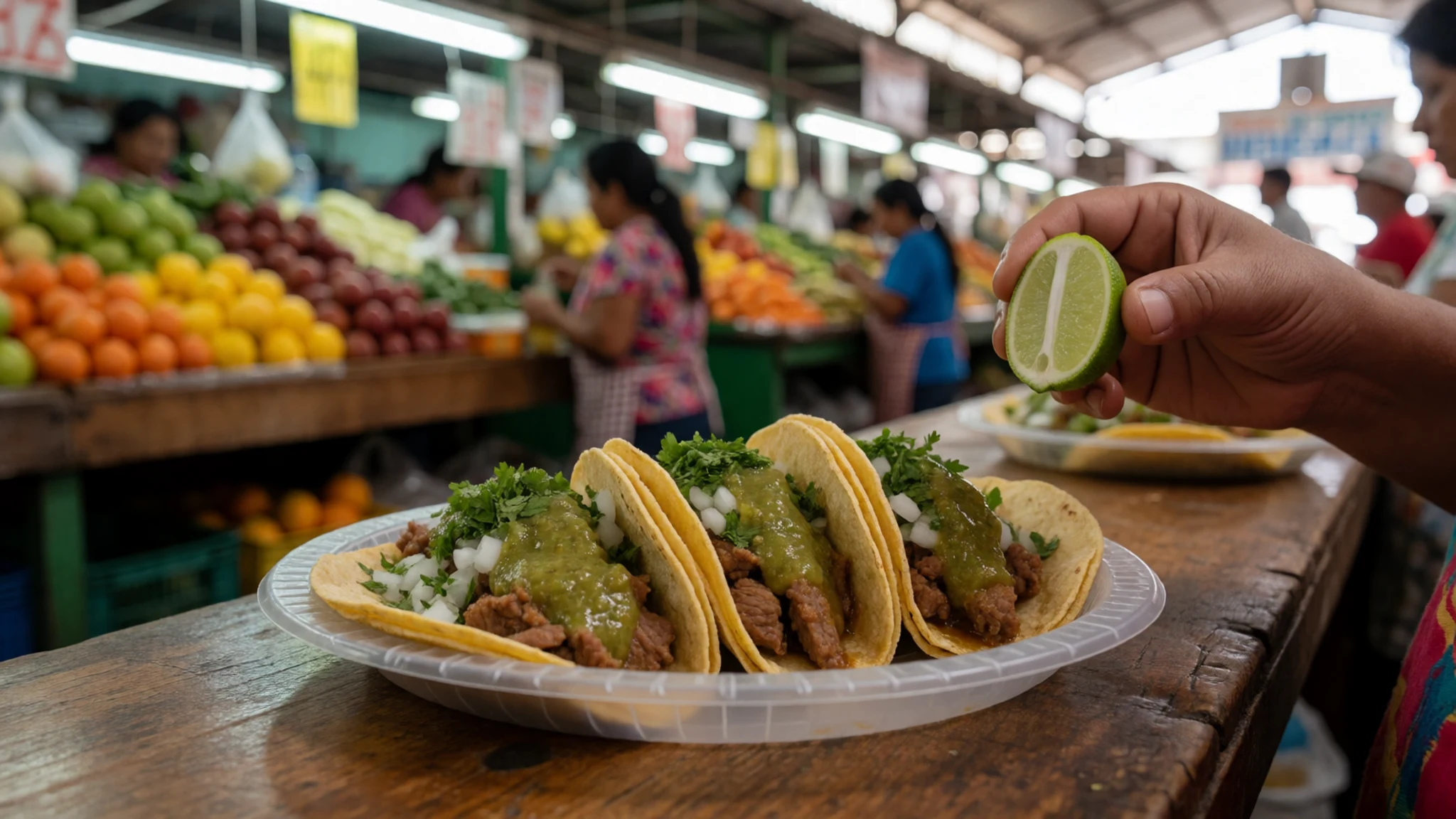
- Comida corrida — Simple eateries in the historic centre, weekday lunch
The comida corrida is a fixed-price afternoon meal, usually a soup or rice course, then a main with beans and tortillas, plus agua fresca. It is a low-cost way to sit down to a full lunch, and small eateries serve it on weekday afternoons.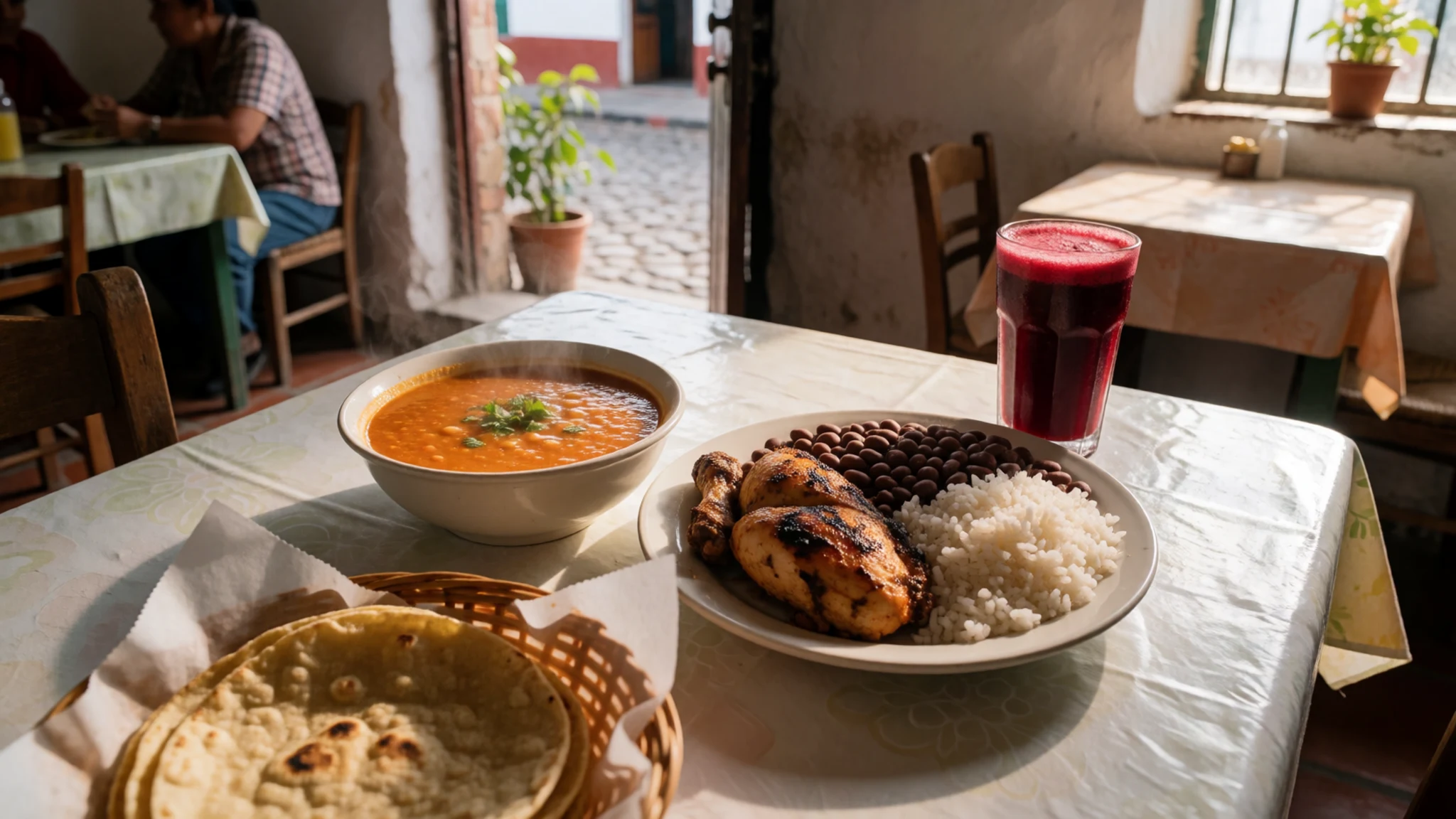
- Enchiladas and gorditas — Small eateries in the centre, early evening
Enchiladas, corn tortillas rolled around a filling and dressed with a red or green sauce, turn up on most menus of the small local eateries. Gorditas, thick pockets of masa stuffed with cheese or meat, are the other staple. Small evening eateries in the centre usually make both to order.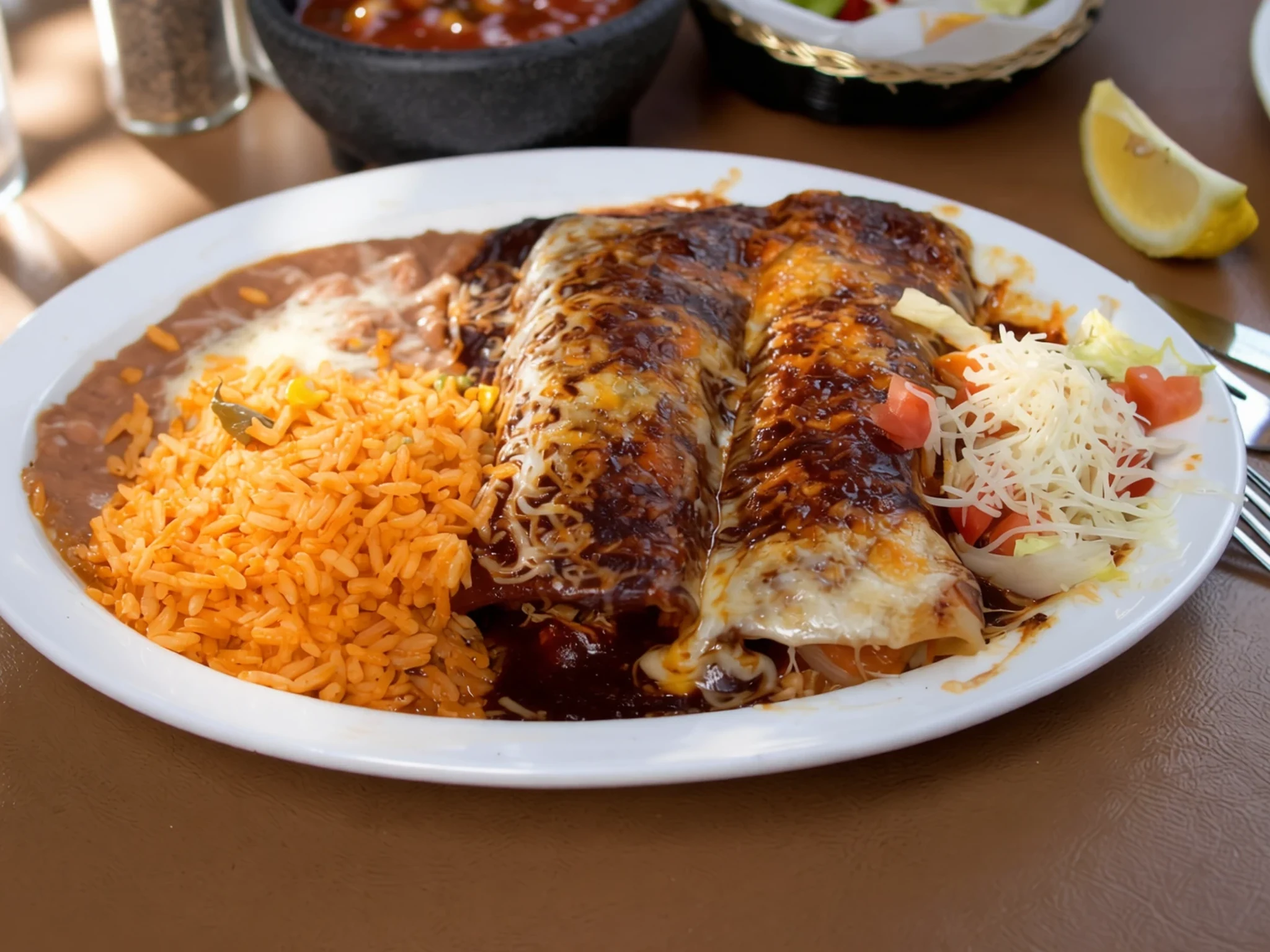
- Rotisserie chicken — Pollerías in the streets near the centre
A rotisserie chicken served by the half, grilled and served with chiles and warm tortillas, is a local favourite at the pollerías near the centre. Ask for salsa on the side if the chillies look strong. Eat it at the counter or take it away. - Mexican-Chinese stir-fry — Chinese-Mexican eateries in the centre
Mexican-Chinese cooking is a regional style found in many Mexican towns. Diners choose one kind of meat for a stir-fry served with rice or noodles and a spicy sauce. Small eateries in the centre serve it through the afternoon, and it makes a change from tacos. - Tuesday market — Tianguis de los Martes, on the edge of town
The Tuesday market, Tianguis de los Martes, is an open-air market on the outskirts of town, reached by taxi rather than on foot. Stalls sell fresh produce, household goods, textiles and cooked food, and locals shop there for the week's groceries. Go early, bring cash, and expect bargaining on crafts.
Plan it
Best time. The dry months from roughly November to April give the most comfortable days and clear skies. June to September is the rainy season, with afternoon storms and green hills.
How long. 2–3
Getting there. Fly into Aeropuerto Bajío (León, BJX) or Querétaro (QRO), each roughly an hour from town by shuttle or cab. Use an approved taxi (the green and white cars) or a transfer arranged by your lodging.
Budget. mid
Tips
- Ask your lodging to arrange the airport transfer, which is usually cheaper than a taxi from the airport
- Use approved taxis, as ride-hailing drivers can be stopped and turned back by police
- Walk the historic centre in the morning, before the tour groups and midday heat
- Carry cash for markets, small eateries and crafts
- Drink bottled or filtered water and carry a refillable bottle
- Take the first day gently, as the town's altitude of 1,900 metres can feel tiring
Etiquette
- Dress modestly when entering churches and keep voices low during services
- Ask before photographing people, especially at the market and during religious processions
- Tip restaurant staff for good service
- Keep noise down in the evenings in residential lanes
Nearby
Sources
- Wikidata Q753891 (CC0)
- Wikipedia (rev 1376766801) (CC BY-SA 4.0)
- Wikivoyage (rev 5392441) (CC BY-SA 4.0)
- San Miguel de Allende — Jiuguang Wang (CC BY-SA 2.0)
- San Miguel de Allende Collage — Microstar (CC BY-SA 4.0)
- Milicianos de Guanajuato — Unknown, 18th century Mexico (Public domain)
- House of the Counts of Canal — AlejandroLinaresGarcia (CC BY-SA 2.5)
- Parroquia de San Miguel Arcángel — Peter K Burian (CC BY-SA 4.0)
- Altar area, Templo de Francisco — Peter K Burian (CC BY-SA 4.0)
- Ignacio Allende and Miguel Hidalgo images — AlejandroLinaresGarcia (CC BY-SA 2.0)
- Father Miguel Hidalgo y Costilla, Statue in Atotonilco — Peter K Burian (CC BY-SA 4.0)


