Samarra
Samarra, Iraq
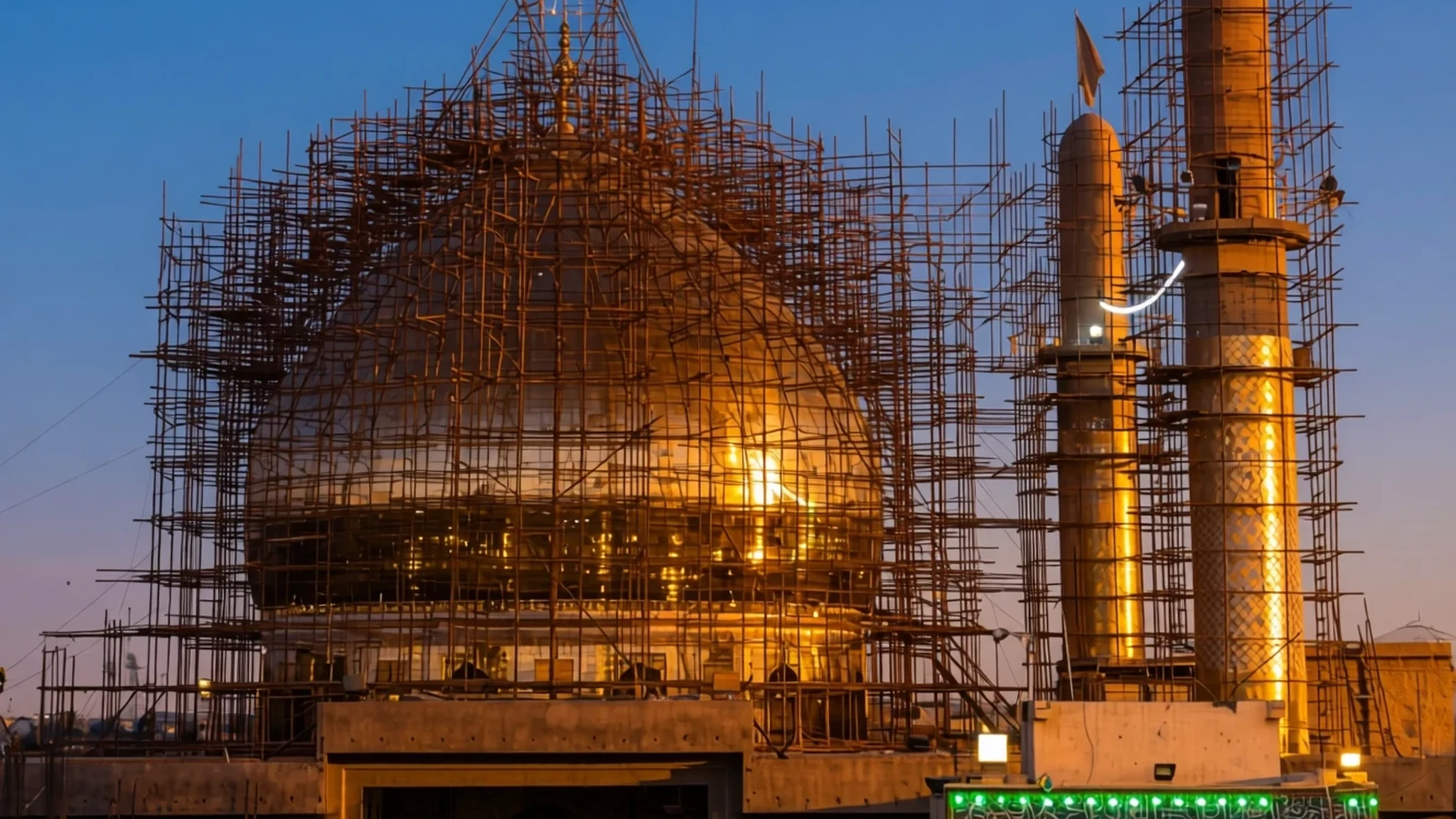
Samarra preserves the sweeping master plan of a vast ninth-century imperial capital, crowned by its iconic spiral minaret.
The place
Samarra stretches along the east bank of the Tigris in the Saladin Governorate, sitting within a landscape shaped by ancient canals and dry desert plains. Founded as a deliberate administrative capital and military base, the city preserves the vast, unencumbered footprint of an early imperial Abbasid settlement unlike almost any other in the region. The modern population shares space with monumental ruins that extend across vast expanses of the river valley, where baked brick foundations, vast palace walls, and geometric earthworks trace the ambitions of medieval builders. Summer temperatures across the region reach punishing extremes, while winter brings cooler days and the bulk of the annual precipitation. The Tigris river remains a central physical presence, dividing the ancient settlement zones and sustaining green belts along its alluvial terraces while arid steppe stretches away toward the horizon. Because the urban layout was largely abandoned rather than continuously rebuilt over subsequent centuries, archaeologists and visitors encounter a remarkably legible skeletal plan of avenues, residential sectors, and ceremonial courtyards that reveal how medieval caliphs projected power across the Islamic world.
Its story
Samarra owes its initial monumental form to the Abbasid caliph Al-Mu'tasim, who moved his court here in the ninth century to escape unrest in Baghdad. For a brief, intense decades-long period, architects and labourers raised enormous palaces, vast Friday mosques, and extensive canal networks that drew water from the Tigris to irrigate royal gardens and sprawling administrative quarters. Following the return of the caliphate to Baghdad, the city experienced rapid decline and was largely abandoned, preserving its layout beneath layers of wind-blown sand rather than suffering the usual cycles of demolition and rebuilding found in older metropolitan centres. Early twentieth-century European archaeologists initiated systematic excavations across the mounds, uncovering pottery styles that defined prehistoric occupation layers stretching back millennia before the Islamic era. These archaeological digs revealed that the Tigris valley had supported complex town states long before the Abbasid court arrived, linking the dramatic ninth-century ruins to much older Neolithic traditions of settlement and craftsmanship.
What to see
- Great Mosque of Samarra — Central Samarra
Commissioned in the mid-ninth century by Caliph Al-Mutawakkil, this enormous enclosure once ranked among the largest mosques in the entire Islamic world. Visitors are drawn immediately to its legendary outer spiral minaret, whose exterior ramp winds upward in wide, dramatic tiers overlooking the surrounding plains and the distant waters of the Tigris river.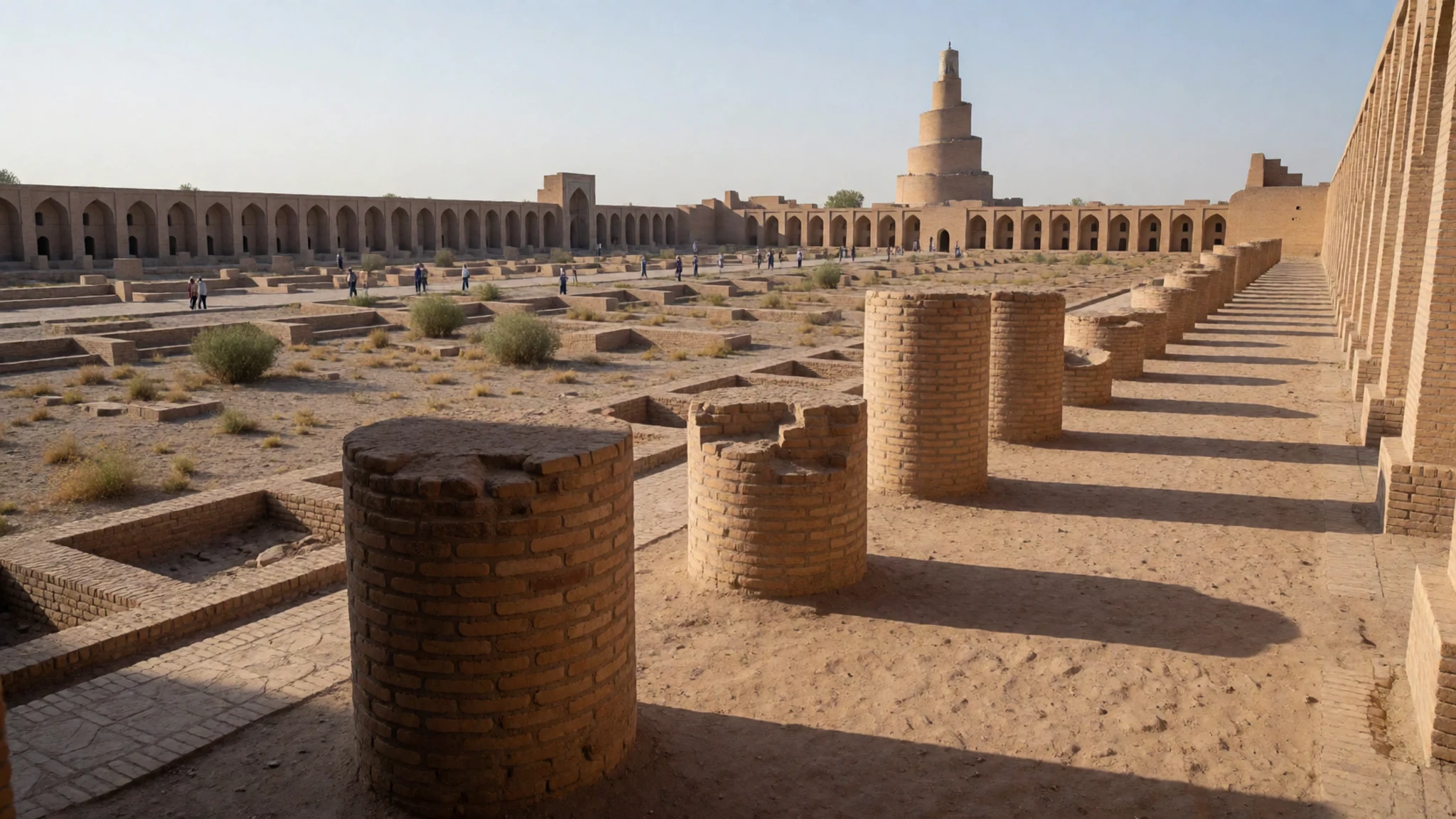
- Al-Askari Shrine — Downtown Samarra
This revered sanctuary serves as a major pilgrimage destination in Shia Islam, housing the mausoleums of the tenth and eleventh Imams alongside the crypt associated with the twelfth or Hidden Imam. The shrine features intricate tilework and a grand golden dome that dominates the cityscape, drawing devoted faithful travellers from across neighbouring regions.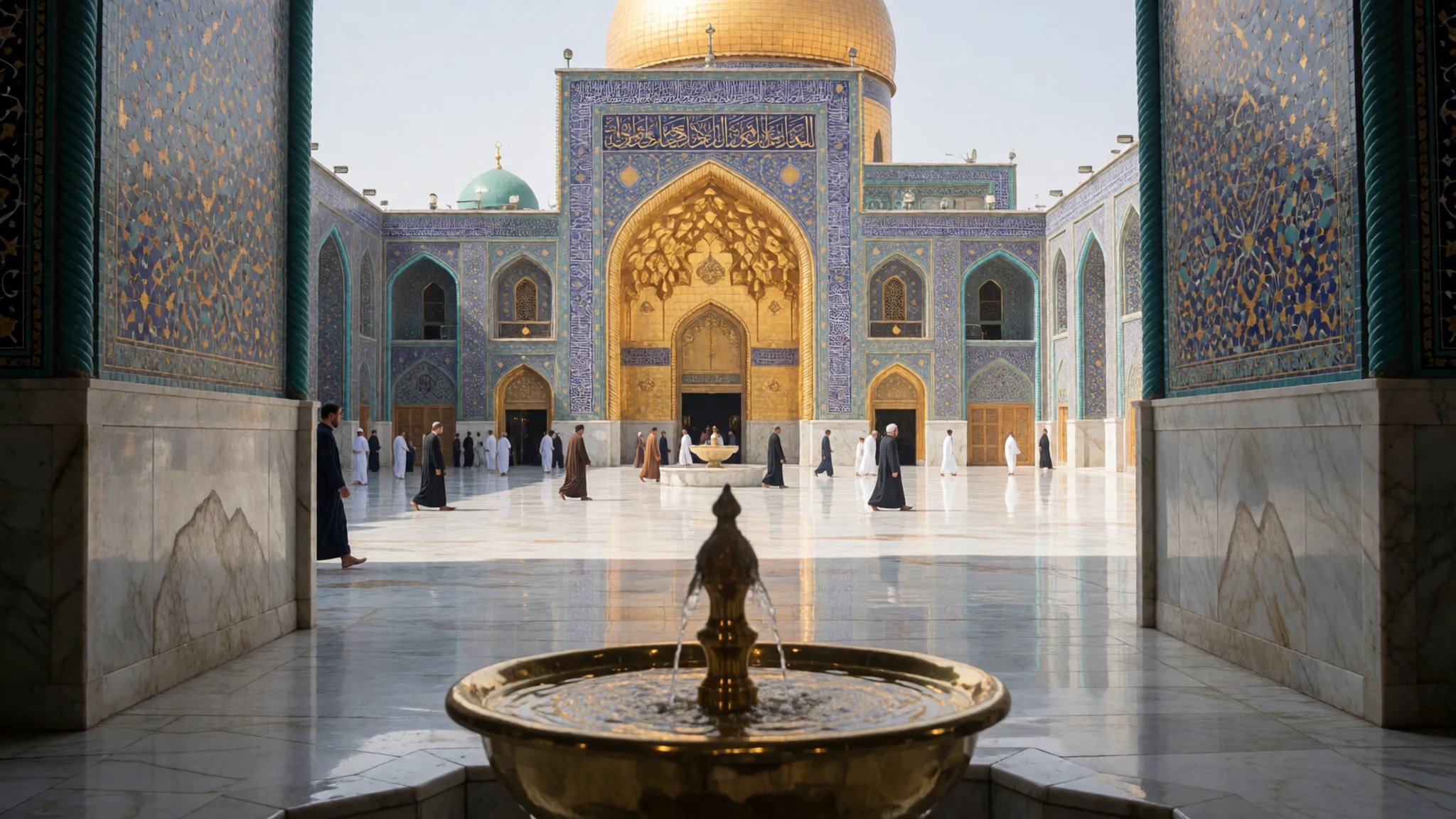
- Abu Dulaf Mosque — Northern archaeological zone
Built further upriver under the direction of Caliph Al-Mutawakkil, this sprawling hypostyle mosque mirrors the grand architectural vocabulary of the main city sanctuary. It features its own distinct brick spiral minaret rising from a square base, surrounded by extensive brick arcades and vast open courtyards that evoke the immense scale of Abbasid construction projects.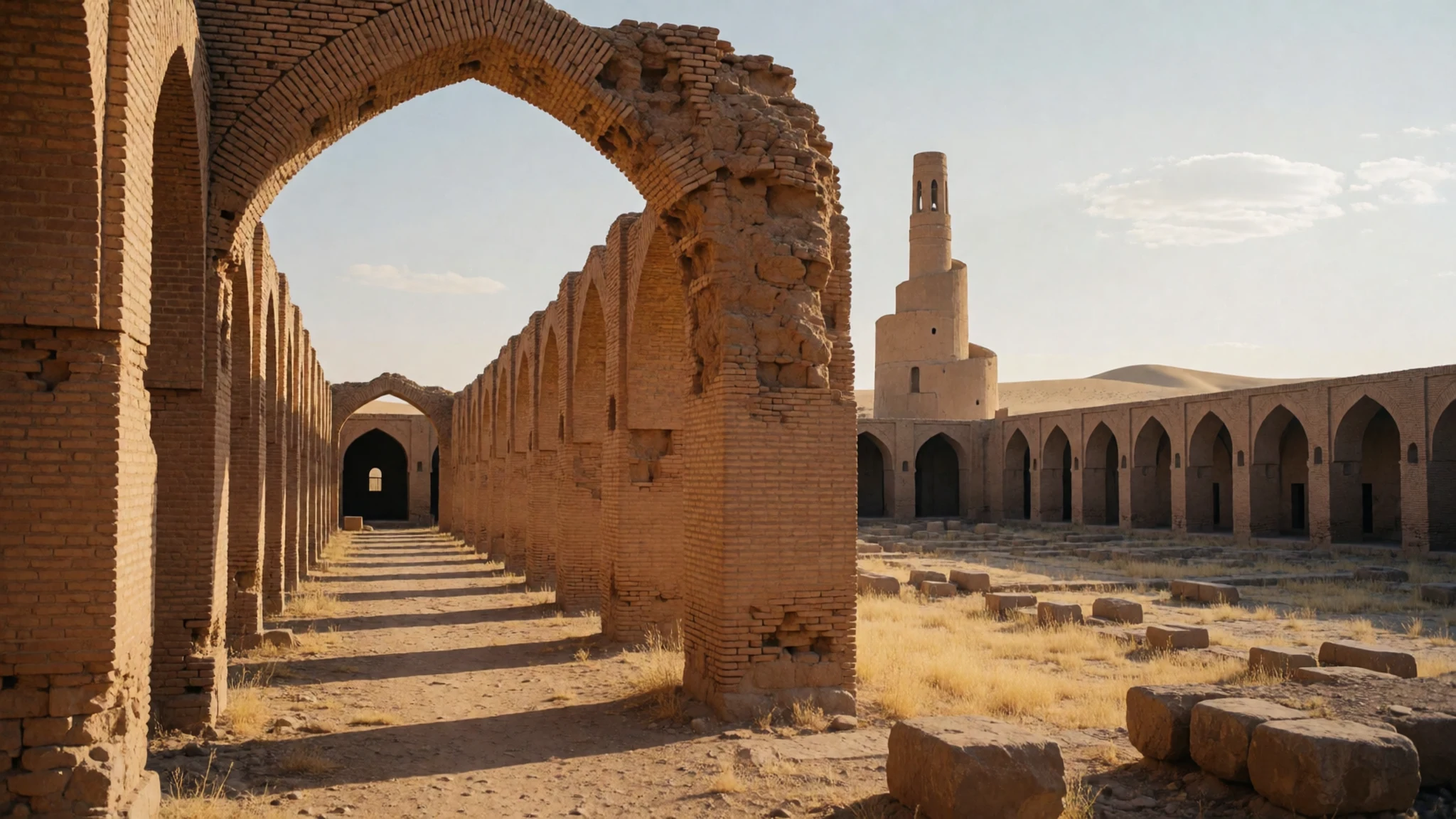
- Qasr al-'Ashiq — Western riverbank
Positioned on the western side of the Tigris river, this stately palace dates back to the late ninth century and was constructed during the reign of Caliph Al-Mu'tamid. The surviving brick structure preserves vaulted reception halls, arched iwans, and remnants of tiered terrace gardens that descend toward ancient water channels cut directly into the alluvial earth.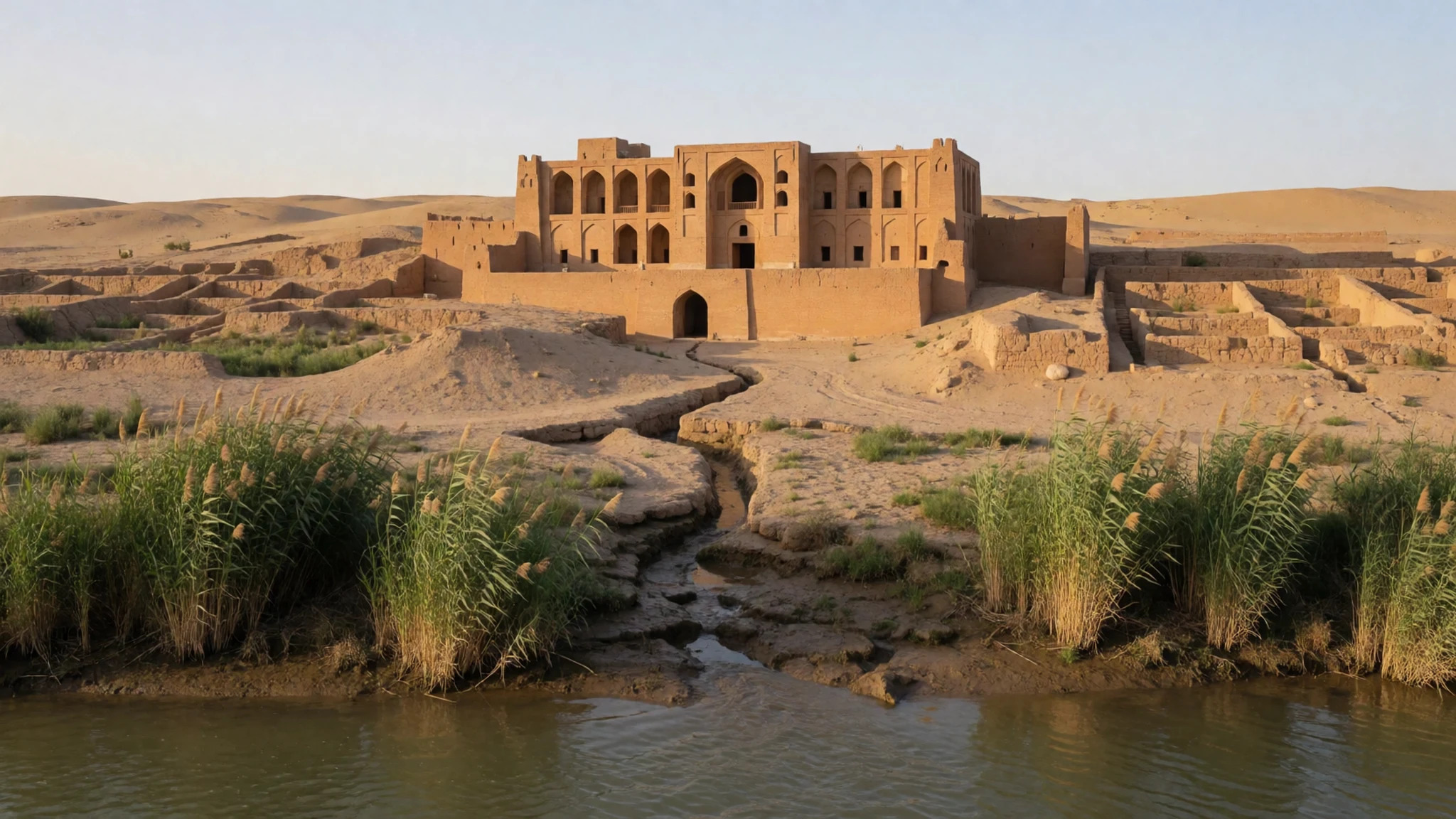
- Belquara Palace — Southern ruins zone
Spread across a vast desert terrace south of the main urban core, this ruined caliphial residence offers a glimpse into elite residential architecture of the medieval era. Traces of monumental staircases, rectangular courtyards, and deep reception suites demonstrate how imperial planners organized sprawling administrative complexes away from the immediate riverbanks.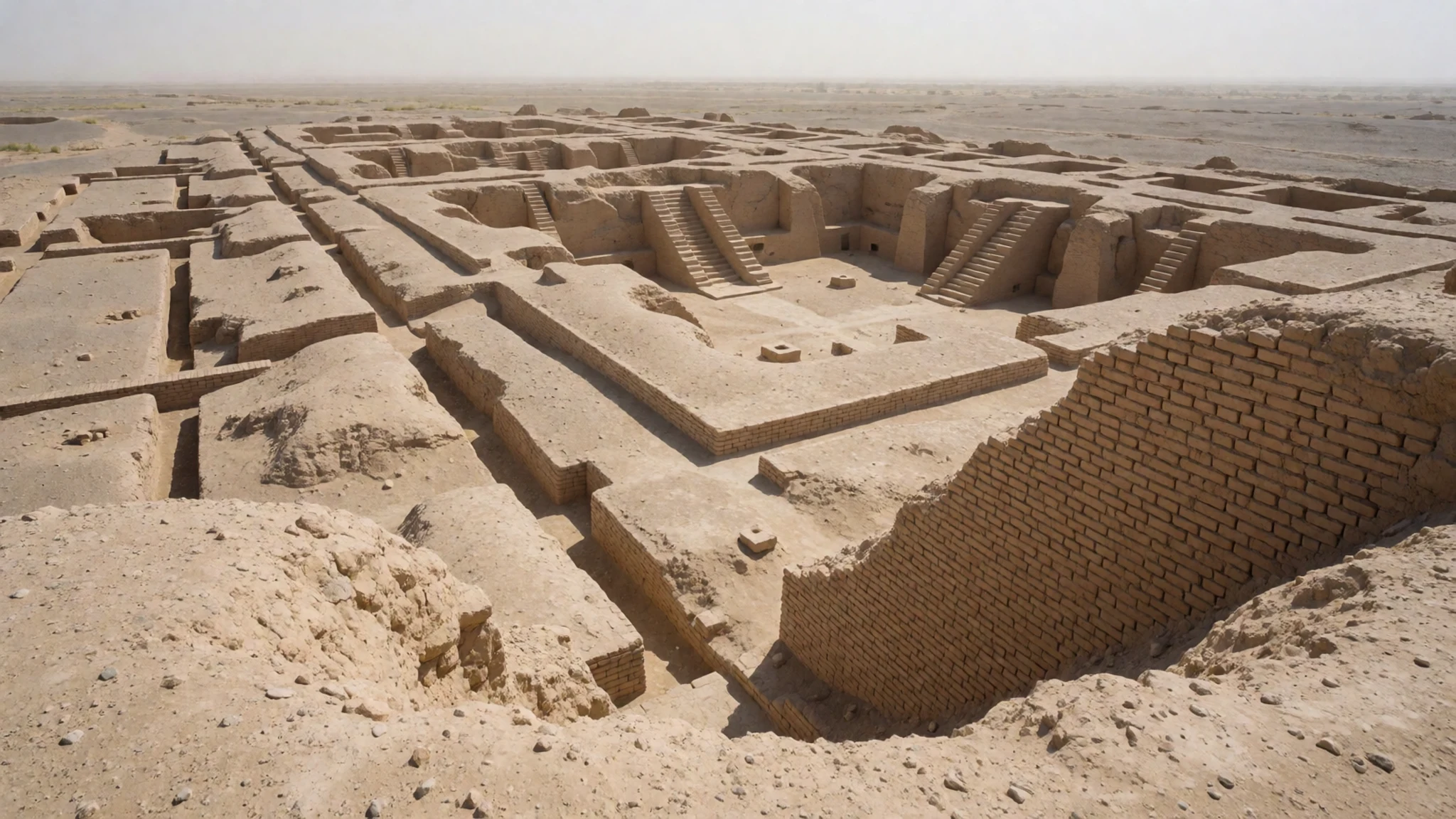
Culture
Samarra is deeply shaped by its Islamic heritage and the traditional social structures of central Iraq, where hospitality, family ties, and communal observance guide daily life. Traditional Iraqi etiquette places a strong emphasis on respectful greetings, generosity toward guests, and modest public demeanor. Social interactions often revolve around shared tea in small local cafes or family courtyards, where conversation moves at a deliberate pace. The city's cultural rhythm is anchored by daily prayers and religious commemorations associated with the Al-Askari Shrine, drawing steady streams of pilgrims who maintain active religious traditions across the historic quarters. Craft traditions, while subdued compared to larger metropolitan centres, persist in small workshops where artisans work with metal, textiles, and local ceramics inspired by ancient archaeological finds like the famous prehistoric painted bowls unearthed in the surrounding mounds. Visitors should dress conservatively, covering shoulders and legs completely, and always ask permission before photographing local residents or active religious sites.
What to wear
In Samarra, traditional attire combines practical desert protection with regional Islamic modesty norms. Local men commonly wear the traditional dishdasha, a loose-fitting long robe usually in white or muted earthy tones, often paired with a keffiyeh headscarf secured by an igal rope band to shield against dust and intense sunlight. Women generally wear long, flowing abayas over loose clothing, frequently complemented by traditional headscarves that cover the hair entirely. Younger generations in the modern town increasingly mix these traditional garments with contemporary Western-style shirts and trousers, though modesty remains the universal standard across both public streets and residential quarters. For travellers visiting Samarra, clothing must respect local expectations: men should wear long trousers and shirts with sleeves, while women are expected to wear loose, full-length skirts or trousers, long-sleeved tunics, and carry a headscarf for entering shrines or religious precincts. Sturdy, closed-toe footwear is essential for navigating dusty archaeological mounds, uneven brick foundations, and unpaved paths around the sprawling ruin complexes.
What to eat
- Masgouf — Traditional riverside eateries along the Tigris
The quintessential Iraqi dish featuring fresh river fish split down the back, seasoned with tamarind, olive oil, and turmeric, then slow-roasted upright around an open wood fire on the riverbank.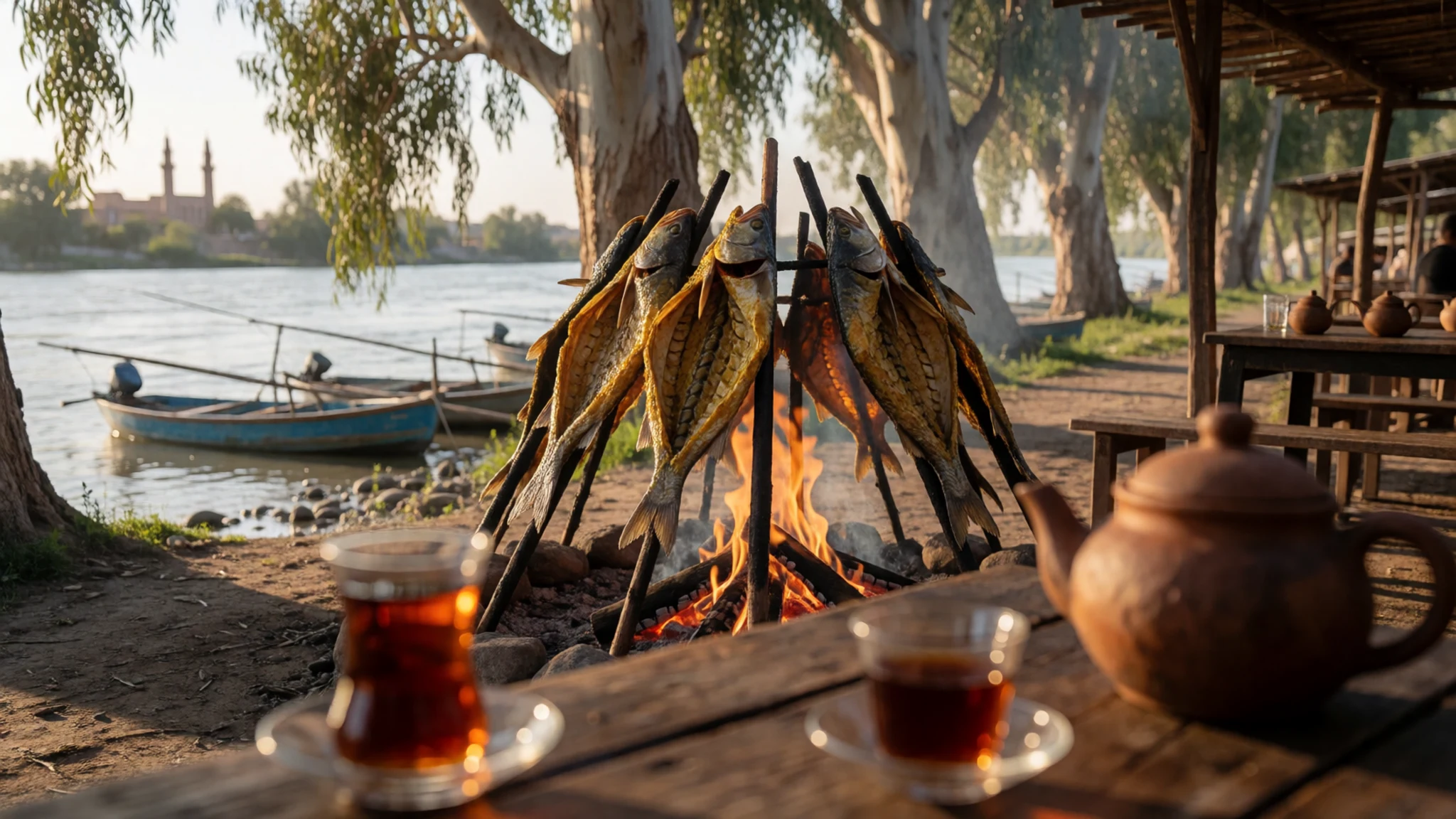
- Quzi — Local family restaurants throughout the central market
A celebratory dish of slow-roasted lamb served over a fragrant bed of spiced rice studded with toasted almonds, raisins, and aromatic spices cooked until tender.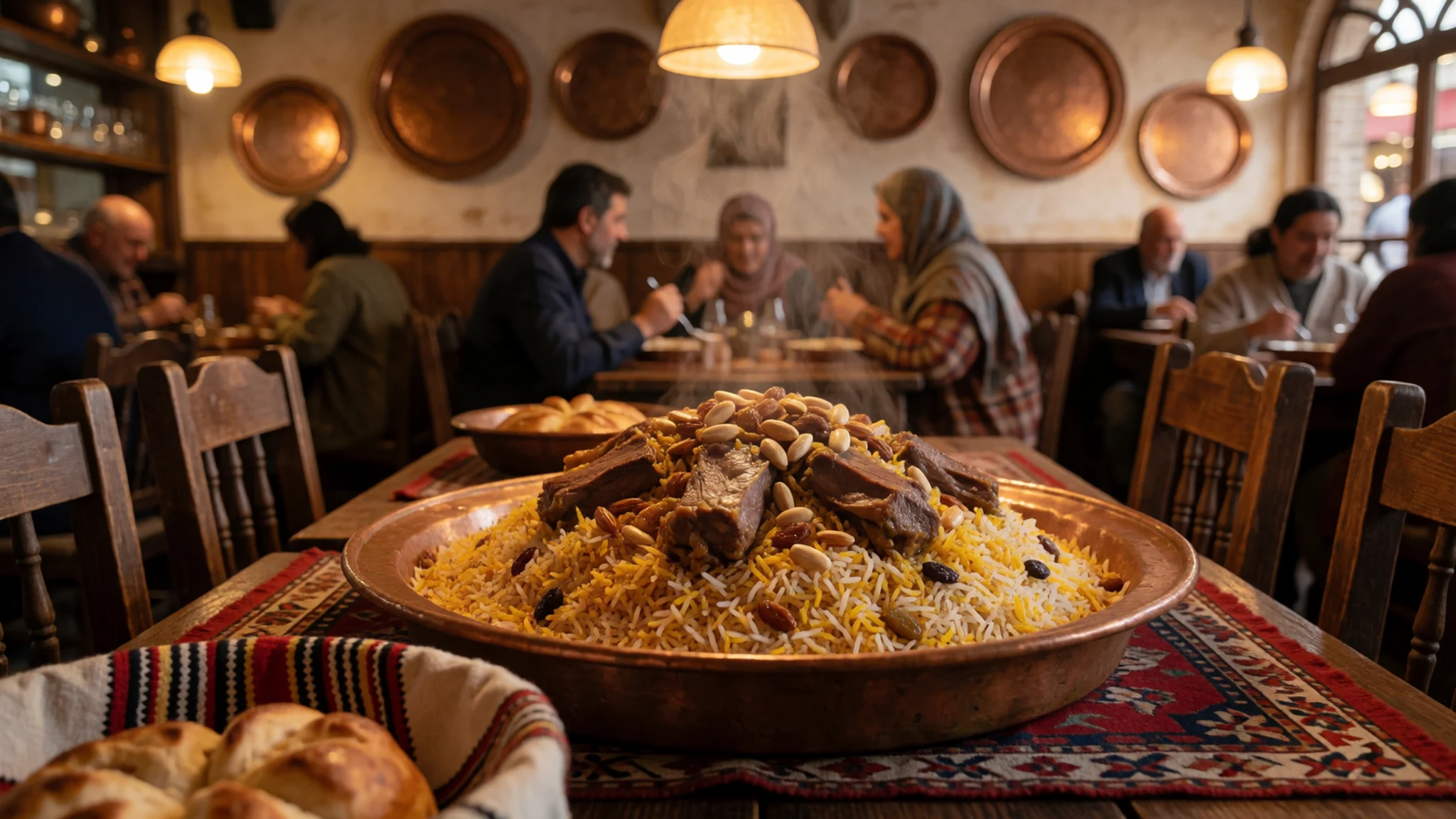
- Dolma — Traditional neighbourhood kitchens and home-style eateries
Tender grape leaves and vegetables stuffed with a savoury mixture of minced meat, rice, herbs, and spices, simmered slowly in a rich tomato broth until completely tender. - Iraqi Kebab — Bustling street stalls near the old town bazaar
Skewers of finely minced lamb or beef seasoned with onions, parsley, and regional spices, grilled over glowing charcoal embers and served warm with flatbread and fresh herbs.
Plan it
Best time. November through February offers cooler, manageable daytime temperatures for exploring sprawling outdoor archaeological sites; summers are exceptionally hot and arid.
How long. 2–3
Getting there. Fly into Baghdad International Airport, then travel north by road along Highway 1 or arrange authorized transport for the approximately 125-kilometre journey.
Budget. mid
Tips
- Check current security advisories and official travel restrictions for the Saladin Governorate before planning your journey
- Hire a knowledgeable local guide to navigate the vast and remote archaeological zones safely
- Carry bottled water and sun protection, as shade is extremely limited across the open desert ruins
- Keep physical cash in Iraqi Dinar for minor purchases, local eateries, and transport
Etiquette
- Dress modestly in loose, conservative clothing that covers shoulders, arms, and legs
- Always remove shoes before entering shrines and carpeted prayer halls
- Ask permission before taking photographs of residents, pilgrims, or security checkpoints
Nearby
Sources
- Wikidata Q170047 (CC0)
- Wikipedia (rev 1383149838) (CC BY-SA 4.0)
- Wikivoyage (rev 4881797) (CC BY-SA 4.0)