Salto del Laja
Salto del Laja, Chile
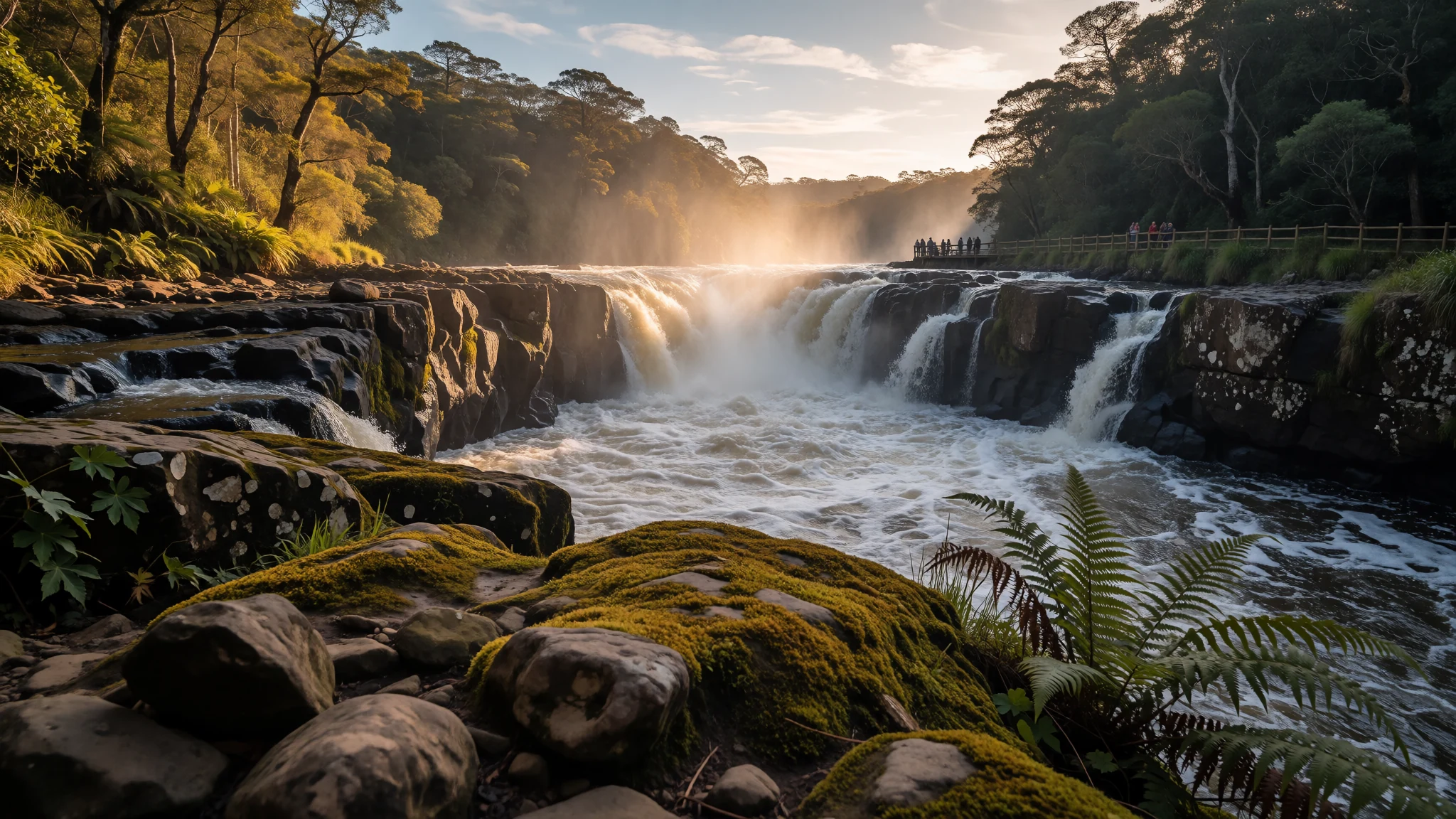
Salto del Laja offers dramatic horseshoe-shaped waterfalls and a gateway to the rich artisan traditions of southcentral Chile.
The place
Salto del Laja is a striking natural formation situated along the Laja River in southcentral Chile, right by the historic route of the old Pan-American Highway. Positioned between larger urban centres, the destination draws travellers who pause along their journey to witness water plunging over a series of four horseshoe-shaped drops. The surrounding landscape has been carved by the river into a distinct, narrow canyon that frames the rushing water against banks of regional flora. Downstream from the primary cataracts, the river continues its course through the terrain of the broader Biobío Region. This administrative territory is recognised as the second-most populated region in the country and serves as a vital economic and cultural hub, anchored by the major coastal city of Concepción. Visitors arriving at Salto del Laja encounter a landscape shaped by both active geological forces and long-standing human settlement. The wider district bridges the fertile central valley and the rugged interior, making it a natural crossroads for travellers moving through southcentral Chile. While the main waterfalls draw steady attention from motorists and regional explorers, the surrounding countryside invites slower exploration of riverbanks, local commerce, and rural pathways. The geographic placement right beside major transit arteries ensures that the site remains an accessible stopover for anyone traversing the terrain between urban hubs to the north and the lake districts further south.
Its story
Salto del Laja shares its wider regional history with a dynamic and seismically active territory that has profoundly influenced the lives of its inhabitants across centuries. The wider Biobío and Ñuble areas have experienced powerful geological events, including major historical tremors that tested the resilience of local communities and reshaped the built environment. Despite these disruptions, the cultural identity of the region has flourished through enduring craftsmanship, agricultural traditions, and folklore. Local artisans have spent generations preserving distinct practices, from white clay pottery in rural localities to intricate wood carvings and traditional loom weaving handed down through families. These creative traditions reflect a deep connection to the earth, drawing raw materials directly from the surrounding hills, river valleys, and forests. Alongside craft traditions, the social fabric of the countryside is animated by traditional equestrian celebrations, seasonal agricultural exhibitions, and harvest festivals that gather rural communities throughout the warmer months. These cultural expressions provide a living link to the rural heritage of southcentral Chile, offering visitors a window into customs that predate modern industrial development. Through every earthquake, economic shift, and generational transition, the local population has maintained a distinct regional character defined by industriousness, hospitality, and fierce pride in their local arts and agricultural heritage.
What to see
- (Islote) Lobería — Cobquecura coast
This smallish island lies just off the coast in front of Cobquecura, serving as a natural sanctuary where sea lions and seals gather in large numbers. Visitors can observe marine wildlife in an open setting without the expense of commercial boat tours.
- Iglesia de Piedra — Cobquecura beach
Known as the Stone Church, this massive rock formation on the beach is hollowed out inside by coastal action. Adventurous visitors can climb its structure for panoramic views of the rugged Pacific coastline and crashing waves.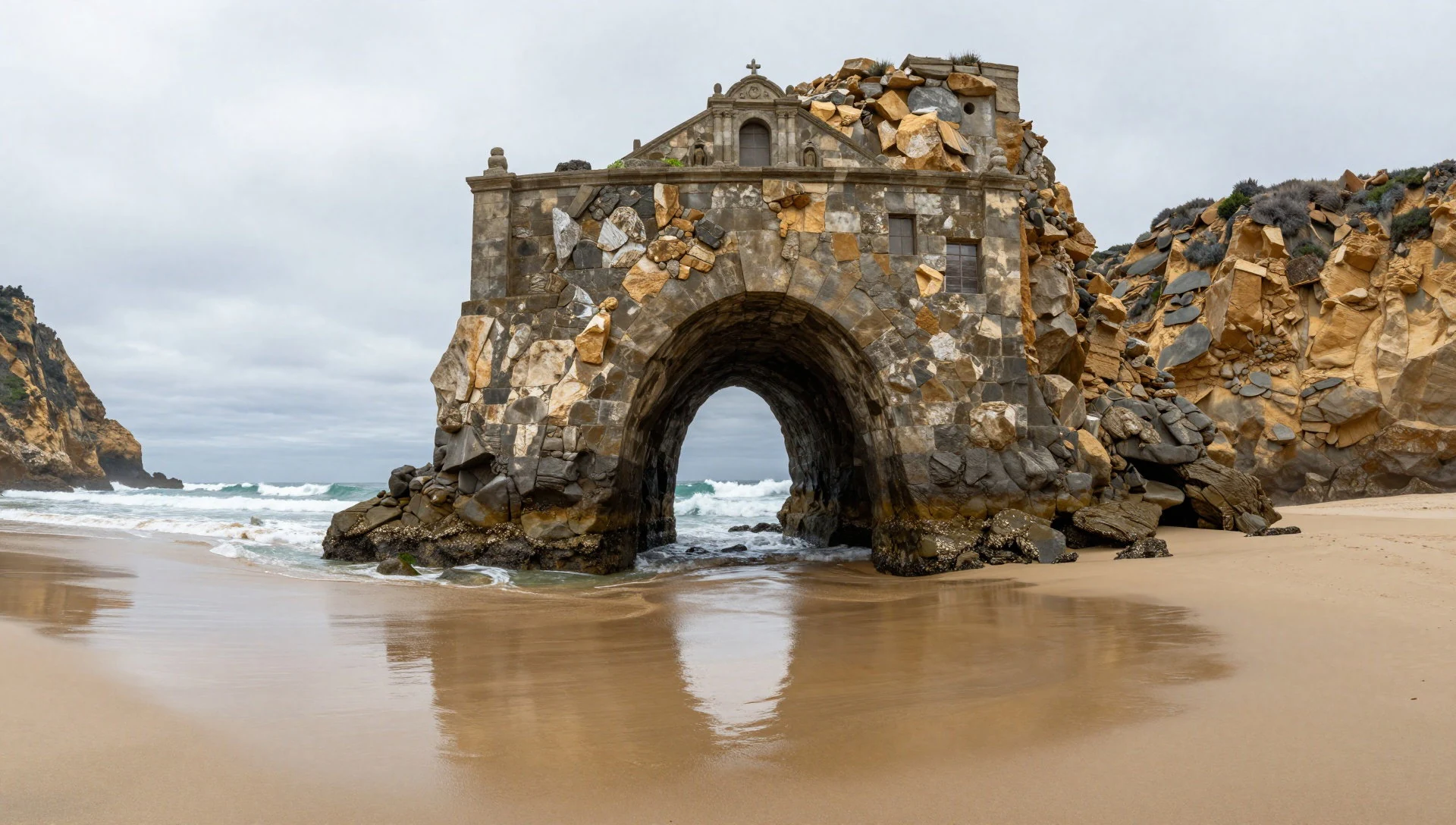
- Market and Fair of Chillán — Chillán
This lively market stands as one of the most important artisan centres in the country. Shoppers can inspect handmade regional goods, sample traditional food items, and view notable public murals donated by the Government of Mexico.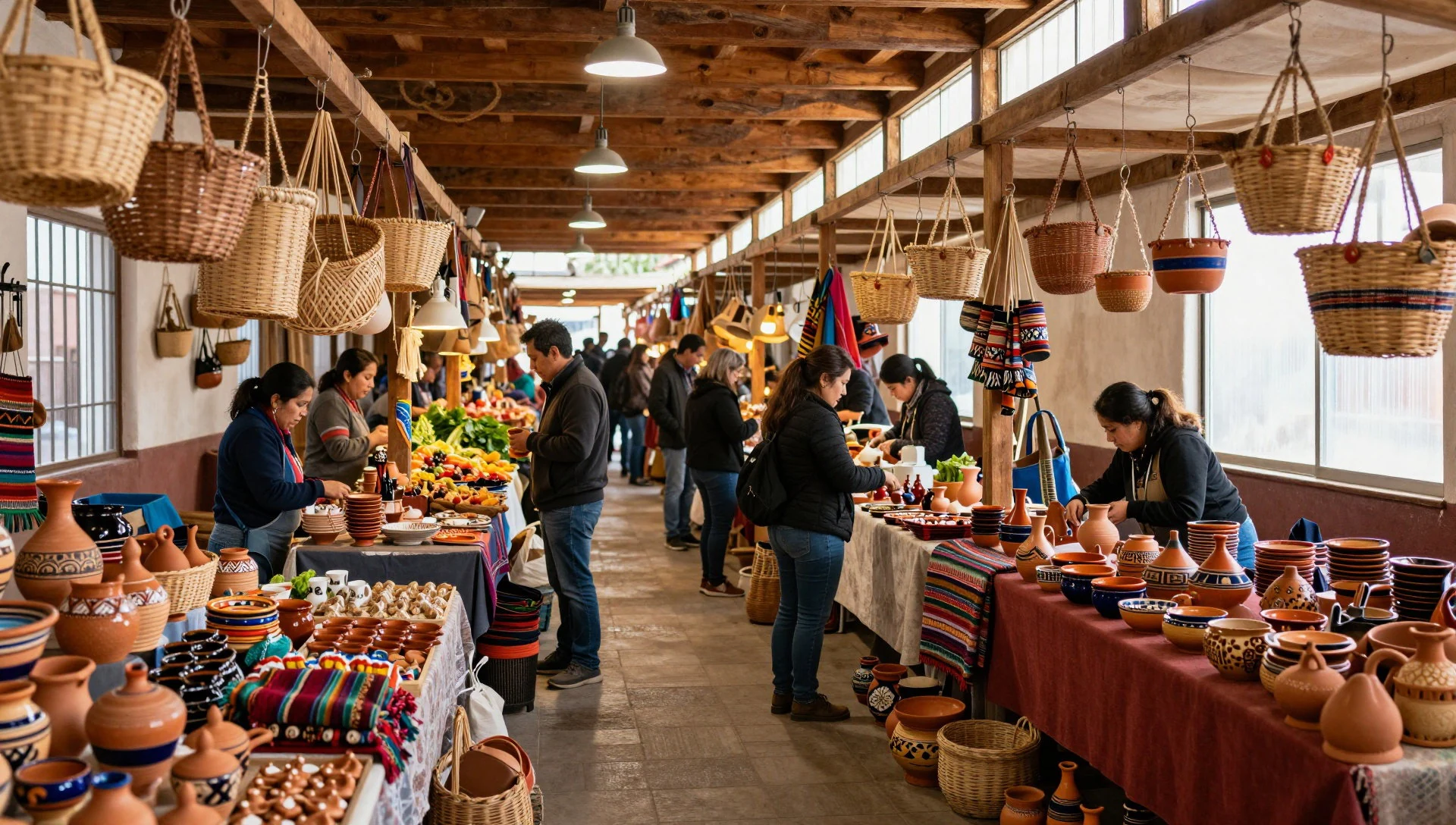
- Spas of Chillán — Chillán mountain area
Located among ancient forests, this resort area combines natural thermal water sources with mountainous terrain. It functions as a popular destination for visitors seeking relaxation in natural mineral waters during both summer and winter seasons.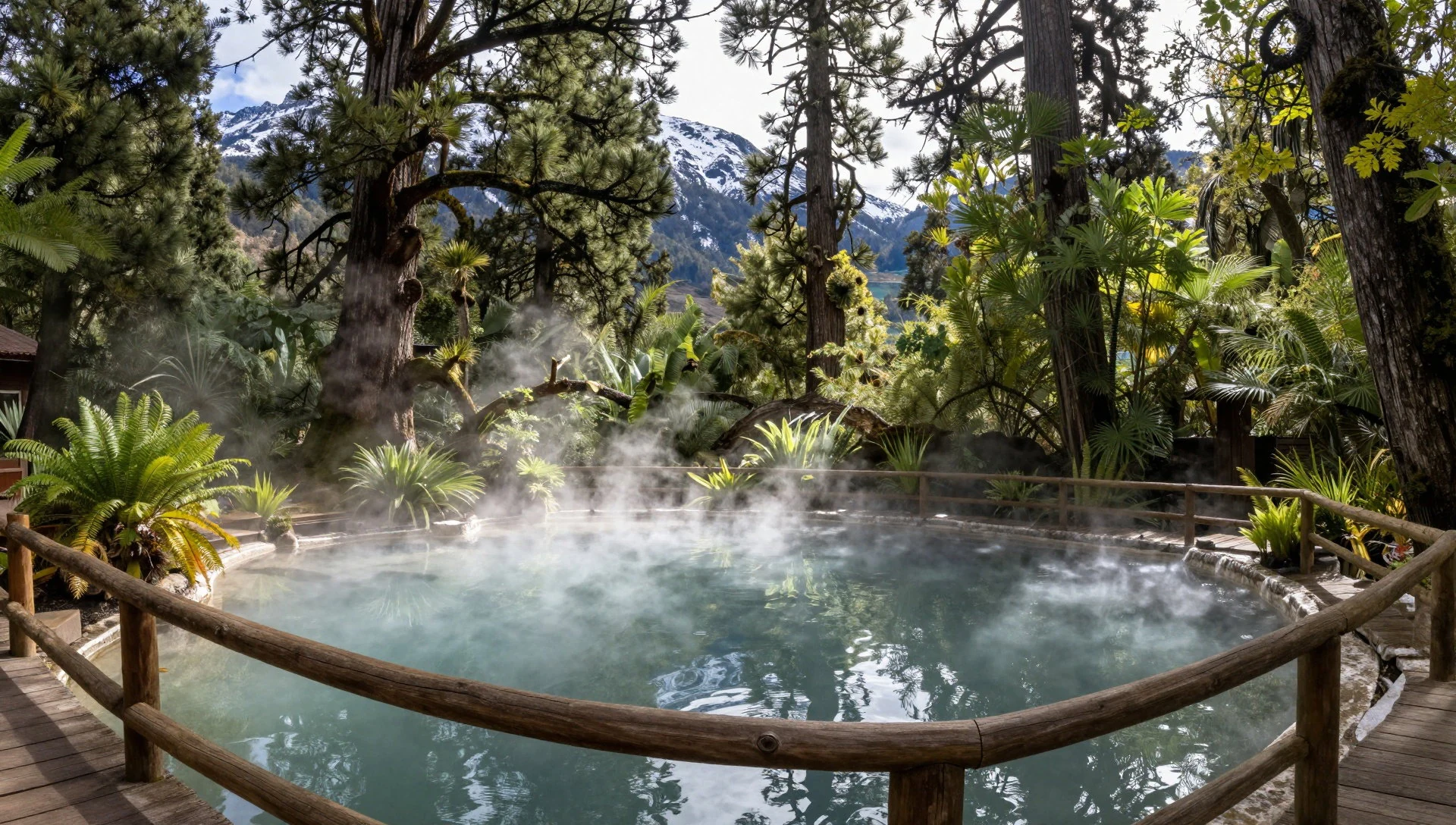
Culture
Salto del Laja and the surrounding southcentral region of Chile maintain a warm, community-oriented culture rooted in rural traditions, agricultural festivals, and mutual respect. Social interactions are generally polite and welcoming, with traditional greetings exchanged upon entering shops or meeting local residents. Rural areas place a strong emphasis on preserving ancestral crafts, music, and equestrian customs, which are celebrated with great enthusiasm during seasonal fairs and community gatherings. Visitors will find that local artisans and market vendors take immense pride in explaining their handmade pottery, woollen textiles, and wood carvings. While modern Spanish is spoken universally, slowing down to converse respectfully with elders and craftspeople is appreciated. When attending regional rodeos, agricultural fairs, or community celebrations, joining in local festivities with modest curiosity demonstrates goodwill. Always ask permission before photographing local artisans at work in their home workshops or markets.
What to wear
Salto del Laja and its surrounding regions reflect a practical, climate-conscious approach to dress alongside deeply preserved traditional attire. Traditional Chilean dress in the countryside is closely tied to the huasa heritage, featuring embroidered garments, sturdy ponchos made from local wool, wide-brimmed hats, and heavy leather riding boots designed for farm work and seasonal rodeo celebrations. In everyday life, local residents wear modern, casual clothing suited to changing weather, such as durable denim, comfortable cotton layers, and sturdy footwear for navigating uneven terrain around riverbanks and markets. For visitors exploring Salto del Laja and nearby natural attractions, practical clothing is essential. Sturdy walking shoes or hiking boots with good grip are recommended for exploring the rocky canyon paths near the waterfalls. Layered clothing is advisable because temperatures can shift between warm afternoons and cooler river breezes, while a waterproof jacket or windbreaker is useful when approaching the misty spray of the falls.
What to eat
- Traditional Empanadas — Local bakeries and roadside stalls
These baked or fried pastry turnovers are filled with seasoned minced meat, onions, olives, and a hard-boiled egg. They can be found at roadside eateries, local bakeries, and traditional food stalls throughout the region.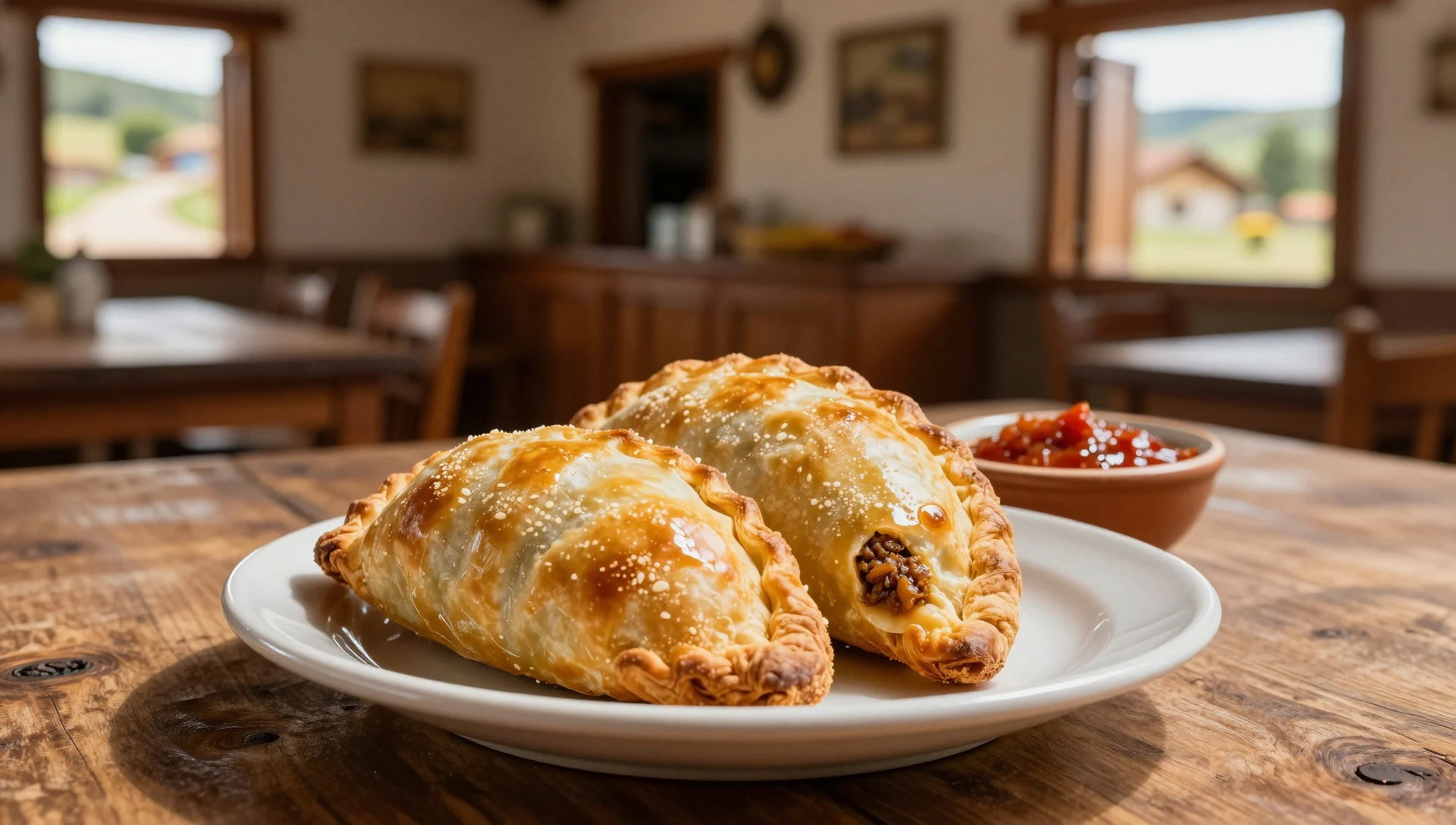
- Artisan Cheeses and Dairy — Chillán market and local fairs
Produced across the rural districts of Ñuble and Biobío, these local farm cheeses reflect the region's strong dairy heritage. They are sold fresh at country markets, agricultural fairs, and small village shops.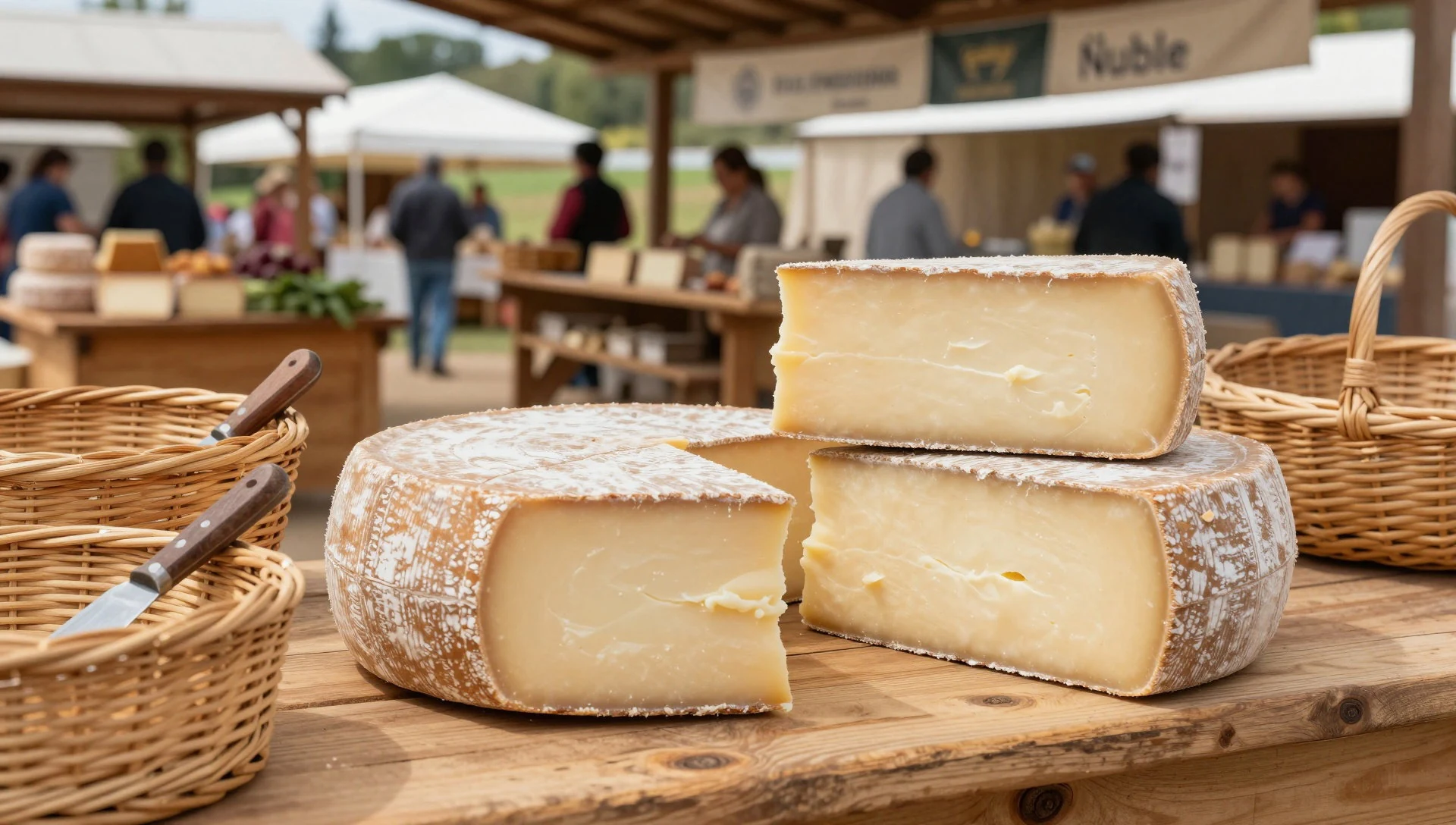
- Handmade Clay-Baked Breads — Rural village bakeries and markets
Traditional breads baked in wood-fired clay ovens offer a dense crumb and crisp crust, often prepared by rural bakers using generational recipes. They are available at morning markets and country bakeries. - Local Wine and Vendimia Fare — Local restaurants and harvest festivals
Harvest celebrations and vineyards produce regional wines that accompany traditional country stews, grilled meats, and empanadas during autumn festivals and local restaurants across the valleys.
Plan it
Best time. December through March offers warm summer weather ideal for outdoor exploration, while spring and autumn bring cooler days and fewer crowds.
How long. 2–3
Getting there. Fly into Carriel Sur International Airport in Concepción, then travel by bus or car toward Los Ángeles; alternatively, take the train from Santiago to Chillán.
Budget. mid
Tips
- Wear footwear with good grip for walking down the steep paths near the canyon edge
- Carry cash for small artisan stalls, rural markets, and parking fees
- Arrive early in the morning to enjoy the waterfalls before tour buses and daytime crowds arrive
- Check bus schedules in advance when travelling between regional towns
Etiquette
- Always ask permission before photographing local craftspeople or children
- Greet shopkeepers and market vendors politely upon entering their stalls
Nearby
Sources
- Wikidata Q391146 (CC0)
- Wikipedia (rev 1347347670) (CC-BY-SA 4.0)
- Wikivoyage (rev 5262708) (CC-BY-SA 4.0)