Salamis
Salamis, Greece
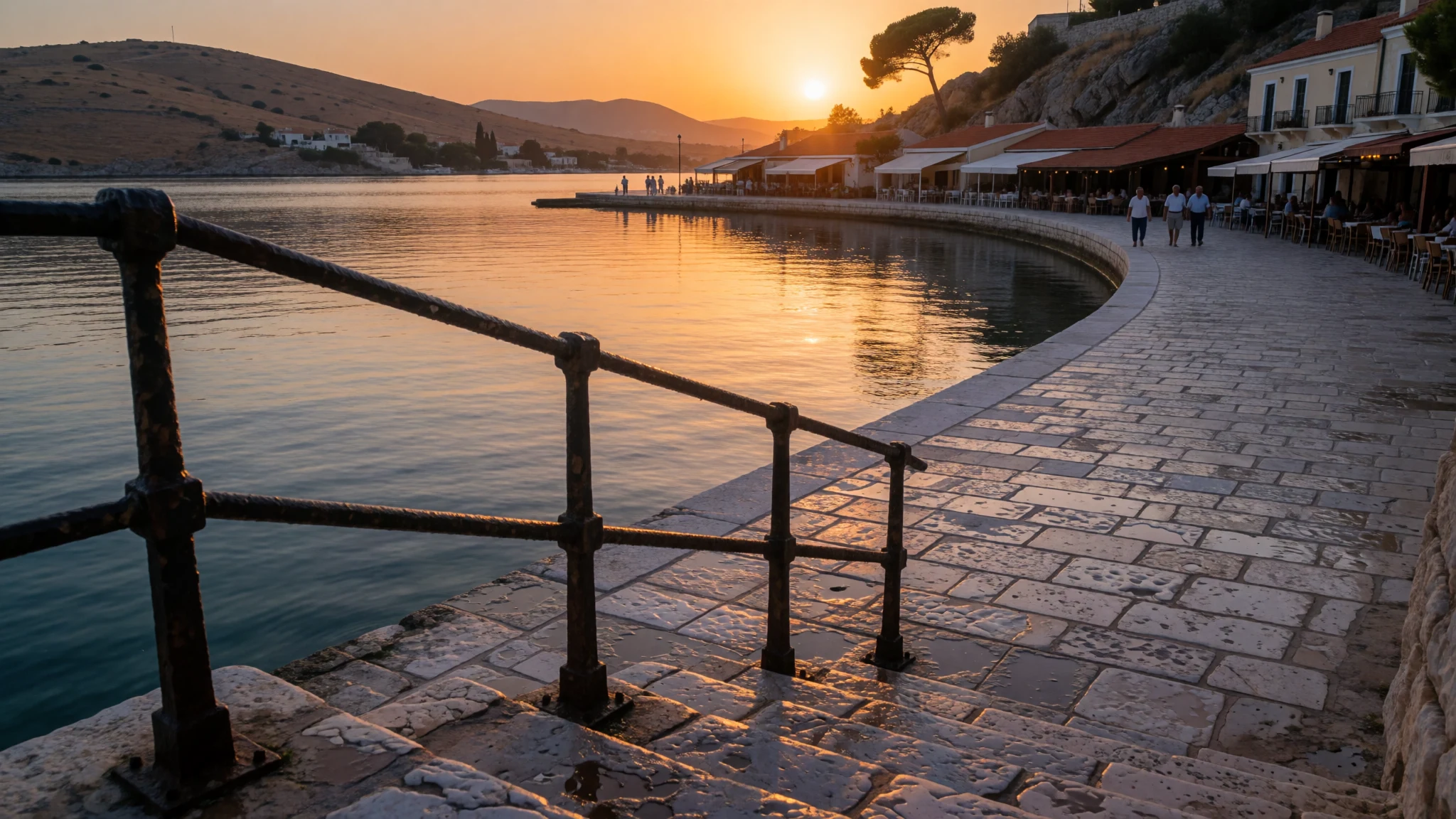
Salamis is a working Greek island a short ferry hop from Athens, with quiet southern beaches and the waters where a famous sea battle was fought.
The place
Salamis, also called Salamina, lies in the Saronic Gulf so close to Piraeus that the sea crossing is only about two kilometres. Athenians treat it as a weekend suburb with a coastline: roughly 39,000 people live here all year, and the population climbs many times over in summer when mainland families arrive. The island is crescent-shaped. The main town, Salamina, sits in the west-facing curve of Salamis Bay, while the working port of Paloukia faces east and sends frequent ferries across to Perama, on the edge of Athens. Much of the interior is rocky and hilly, with farming in the folds between the ridges. In the south there is a pine forest, unusual for this part of Attica and often threatened by fire. Most islanders earn a living from the sea, through fishing, ferries and the shipyards at Paloukia, Ampelakia and the Kynosoura peninsula, or else commute into Athens for the day. The north and east coasts are crowded with holiday houses and industry, and the water there is not the reason to come. Swimmers head south and west, to coves such as Kanakia, Peristeria, Selenia and Aianteio, where building thins out. Salamis is not a polished resort. It is a lived-in island of cafés, ouzeries and tavernas, with a naval base on its shore and layers of ancient history underneath the everyday bustle. Facilities beyond the main town can be patchy, and that is part of its character.
Its story
Salamis has been fought over for most of its recorded life. Early on it was probably settled from Aegina and later held by Megara, before Athens took it after a war around 600 BC. Homer's Iliad credits the island with sending twelve ships to Troy under Ajax, and local tradition names Salamis as his home. The event that put the island in every history book came in 480 BC, when a Greek fleet led by the Athenian commander Themistocles defeated the navy of the Persian Empire in the narrow strait between the island and the mainland. Tradition also places the birth of the playwright Euripides on Salamis, and even on the day of the battle, a tidy story that is better treated as legend than record. The ancient capital moved around the island over the centuries: the south in the earliest accounts, the Kamatero peninsula facing the strait in classical times, and the west coast today, where Salamina town now stands. In 1688 Arvanite families, Albanian-speaking Greeks, were recorded living here in poverty. In the Second World War the harbour was bombed in April 1941, sinking the Greek battleships Kilkis and Lemnos. During the years of the military junta, land rules were loosened and plots were split up, and unplanned building spread along the north and east shores without matching investment in sewage and infrastructure. The sea pollution that followed is still visible on that side. Today the island is also home to the headquarters of the Hellenic Navy.
What to see
- Salamina town and the Folklore Museum — Salamina, west coast
Salamina is the island's main town, a grid of shops, cafés and waterfront promenade facing Salamis Bay. The municipal building houses the Folklore Museum and the public library, a good first stop for local costume, tools and island history. Opening times change, so check the municipality's website, salamina.gr, before going.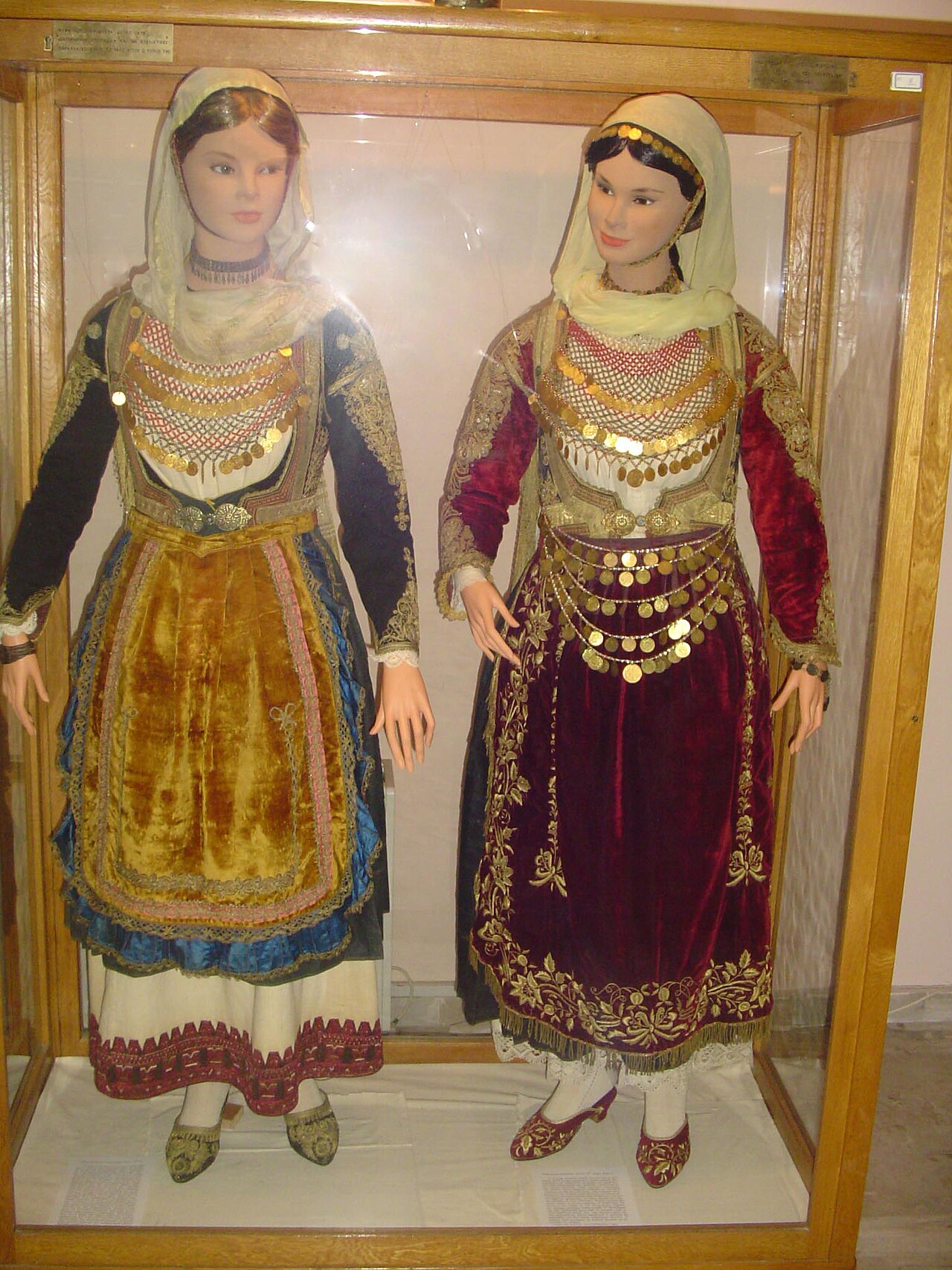
- Kanakia and its Mycenaean acropolis — Kanakia, south-west
Kanakia is a small fishing settlement in the south-west, with a bay for swimming and the remains of a Mycenaean acropolis dated to the 13th century BC. The ruins are modest, mostly foundations and stone lines on a rise, so come for the setting and the quiet rather than for monuments.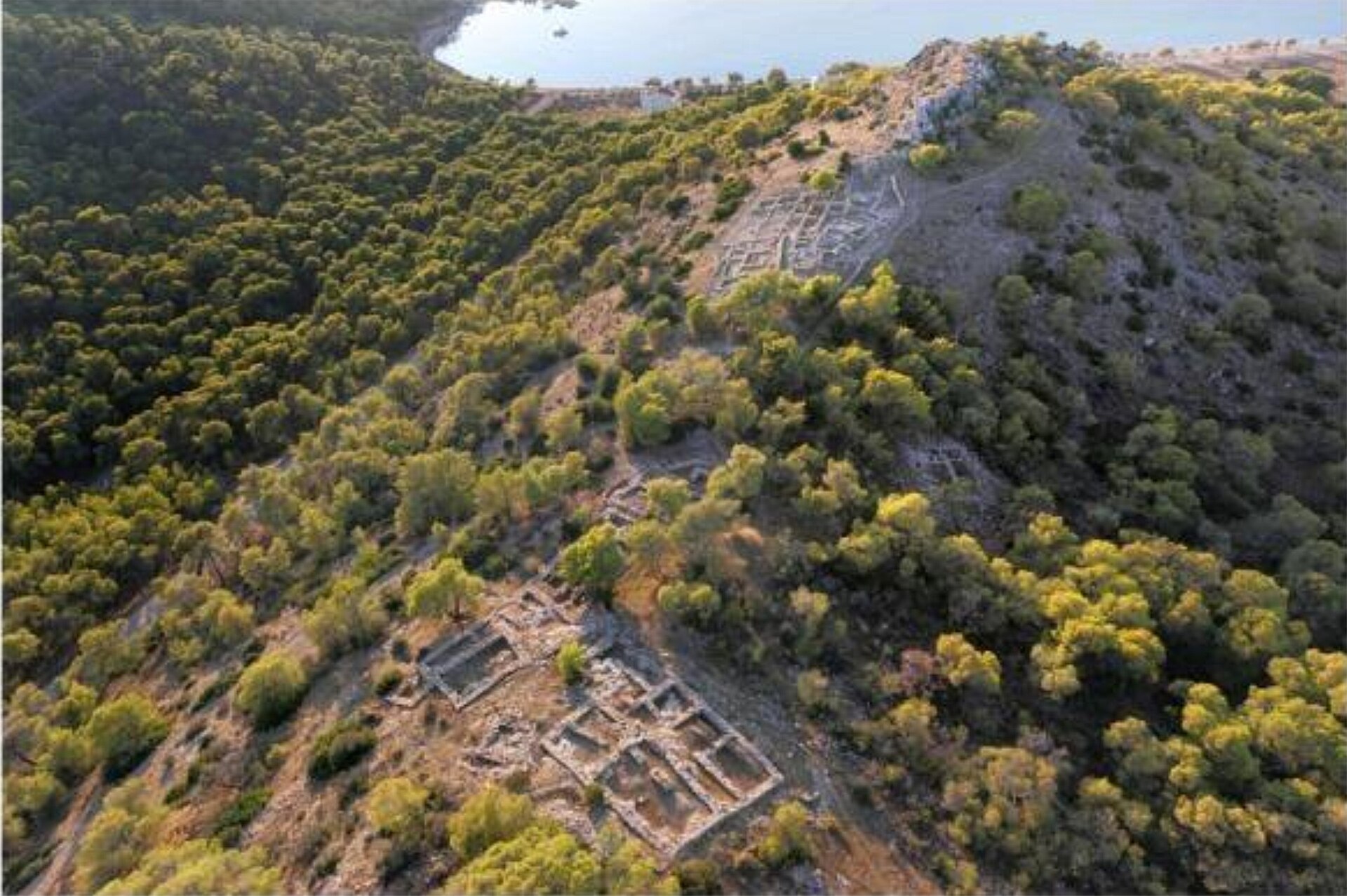
- Kaki Vigla Beach — South-west coast
Kaki Vigla, on the southern side of the island, is one of the swimming spots that Athenians choose over the busier northern shore. Expect a pebbly, wind-exposed coast with pine on the slopes behind. Facilities are limited, so bring water and shade, and check wind conditions before settling in for the day.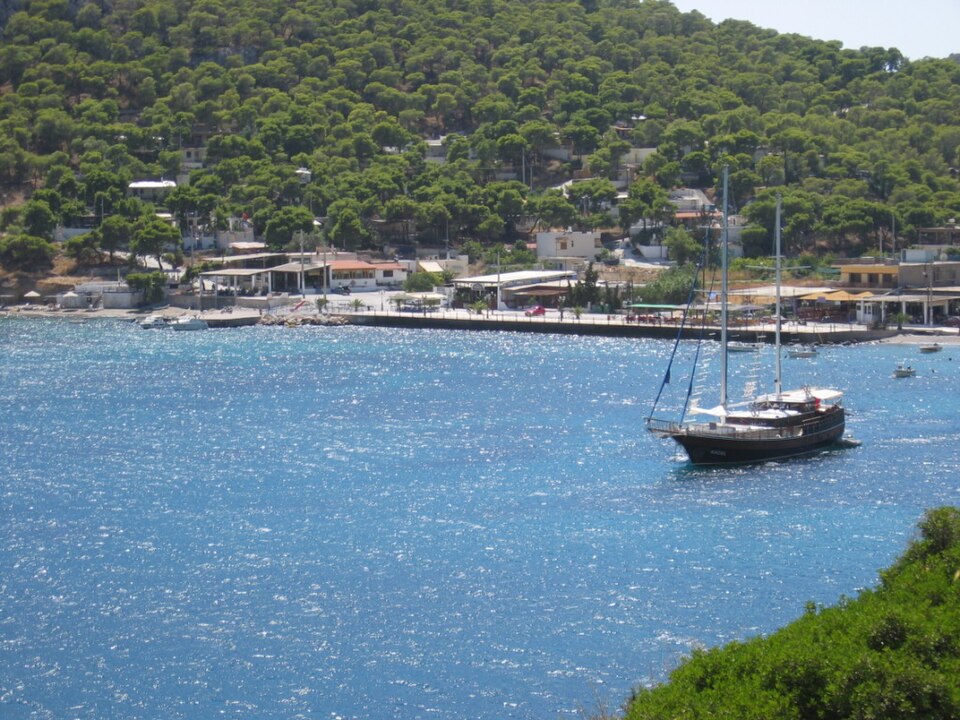
- The Paloukia ferry crossing — Paloukia, east coast
Paloukia is where most visitors arrive, on the short ferry from Perama. The crossing is a useful look at the island's working side: shipyards, moored naval vessels and cargo ships. The strait ahead is the water where the Greek fleet fought in 480 BC. A seat on deck gives the best view.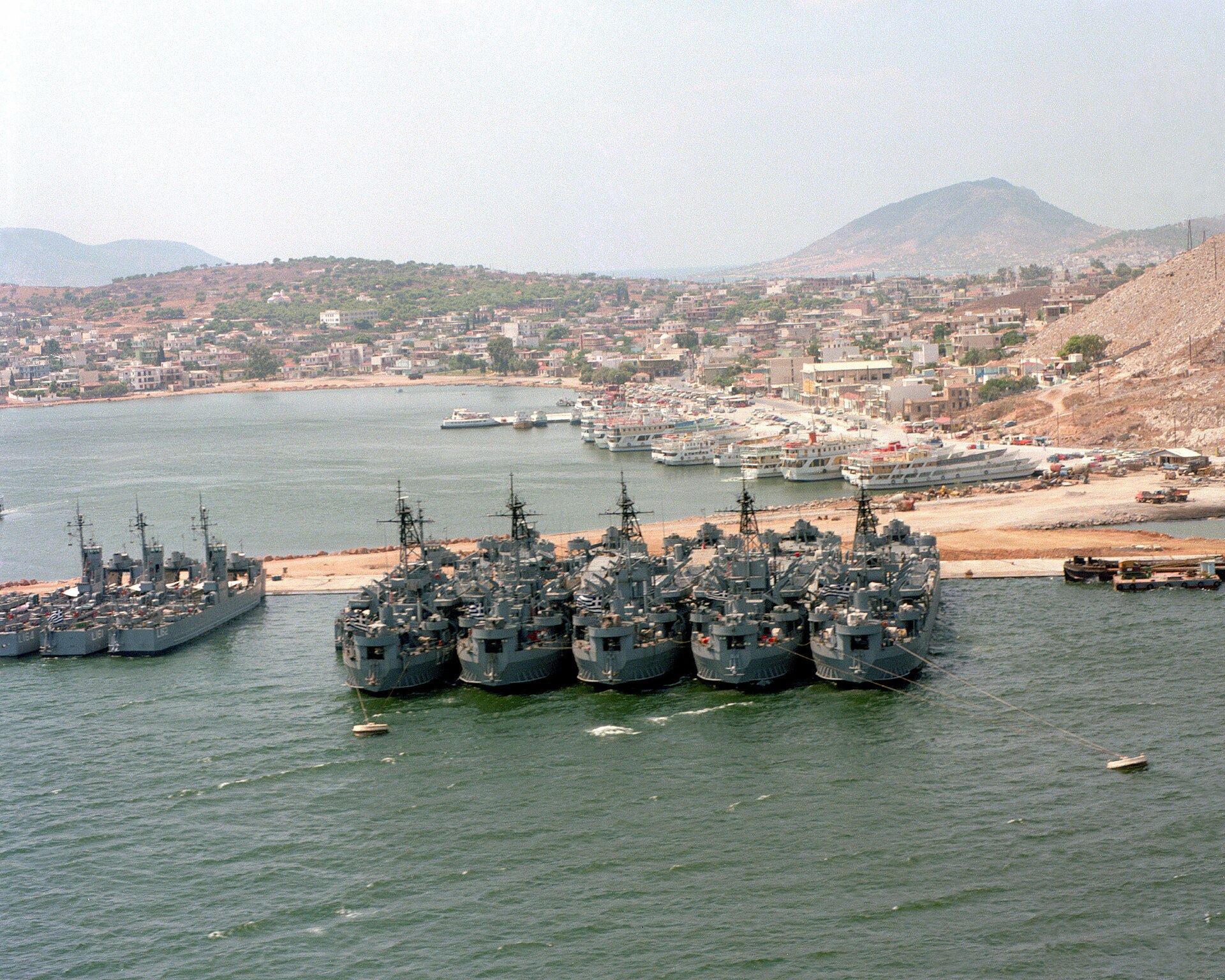
- The Strait of Salamis from Kamatero — Kamatero peninsula, east
The Kamatero peninsula overlooks the strait and was the site of the classical-era capital. Little survives to see, but the view across the narrow channel explains why the battle unfolded here, with ships boxed into tight water. It is a thoughtful stop for anyone who has read Aeschylus or Herodotus.
Culture
Salamis has a culture of weekends, boats and long lunches. For most Athenians it is the island where the family eats fish on a summer Sunday, and the cafés, bars and ouzeries that line the waterfront suit that rhythm. Agios Nikolaos, in the western suburbs of Salamina town, is the district for evening cafés and bars, named after its church. Elsewhere on the island, tavernas and inns cook local dishes and keep slow hours. The island also holds a real cultural life of its own: a Museum of Folklore Art and History, a municipal library, a drama club named after Euripides, and a dance group called Erevna. Festivals run through the year. The Salaminia commemorates the naval battle, the Fisherman's Festival honours the island's seafaring families, and Carnival brings parades and costume. Football is local and passionate, with several small clubs, and canoeing has a following among young islanders. The population is a mix of families with deep island roots, descendants of Arvanite settlers, and Athenians who have made weekend houses permanent. Religion is part of daily life, with churches and chapels dotted along the coast and in the hills, and saints' days bring neighbours together. Visitors who arrive off-season often find the island at its friendliest, with room to talk to shopkeepers and fishermen. Cover your shoulders and knees when stepping into a church, and ask before photographing a priest, a service or any worshipper.
What to wear
Traditional dress on Salamis belongs to the island's Greek and Arvanite heritage. Women's festive costume was built from layers of linen and wool, with embroidered bodices, aprons and headcloths, and it was worn on saints' days, weddings and at carnival. Men wore a short pleated skirt or baggy trousers with a waistcoat. Today these garments appear mainly at folk dance performances and festivals, and the Folklore Museum in Salamina is the place to see examples and ask about their origins. Everyday dress is thoroughly modern and Athenian. Islanders and weekenders wear linen shirts, cotton dresses, shorts and sandals in summer, and jeans, jackets and sturdy shoes in the cooler months. Fishermen and boatyard workers wear practical work clothes, and the dress code in cafés and tavernas is relaxed. Visitors should plan for heat and sun. The climate is hot and semi-arid, with very hot summers and mild winters, so wear light, breathable fabrics, a hat and sunglasses, and use plenty of sun protection. Bring a light layer for breezy ferry decks and for evenings out of season. Footwear matters: sandals are fine in town, but the southern coves and the ruins at Kanakia involve rocky paths, so closed shoes or sturdy sandals are better, and water shoes help on pebbly beaches. When entering a church or chapel, cover shoulders and knees; a light scarf in the bag solves this easily. Swimwear belongs on the beach, so put a shirt on for the walk into town.
What to eat
- Grilled fresh fish — Waterfront tavernas in Salamina town and fishing harbours such as Kanakia
The island's fishing fleet supplies tavernas along the harbour, where the catch of the day is grilled with olive oil and lemon and sold by weight. Ask what came in that morning, and let the staff suggest a side of boiled greens. - Fried small fish — Seafront tavernas and ouzeries on the western and southern shores
Small fish such as sardines or anchovies are fried whole and eaten with the fingers, with lemon and bread. It is cheap, salty and ideal with a glass of ouzo, and a standard order at ouzeries. - Grilled octopus — Ouzeries and harbour tavernas
Octopus is traditionally dried in the sun, then grilled until slightly charred and dressed with oil, vinegar and oregano. It makes a good meze to share, and it tastes best close to the water where it was caught. - Horiatiki salad — Any taverna on the island
A village salad of tomato, cucumber, onion, olives and a slab of feta, dressed with oil and oregano. In summer it is the dish that cools a long lunch, and ripe tomatoes make or break it. - Meze plates with ouzo — Ouzeries around the harbour and the town centre
Ouzeries serve small plates, such as cheese, fried vegetables, seafood and dips, that arrive in rounds with ouzo or tsipouro. Order a few at a time and share. It is how islanders pass an afternoon, and the pace is unhurried.
Plan it
Best time. May–June and September–October for warm sea and manageable heat. July and August are very hot, with the island packed on weekends, while winters are mild but quiet and some seaside places close.
How long. 1–2
Getting there. Fly to Athens, then take the metro or a bus to Piraeus or Perama. From Perama, a frequent ferry crosses to Paloukia on Salamis in a short hop; check the current timetable before travelling. A car or local bus is useful for the southern beaches.
Budget. low
Tips
- Visit on a weekday in summer, because weekends bring heavy ferry queues and crowded beaches
- Carry water, sun protection and a hat, since shade is scarce on the southern coves
- Bring some cash for small tavernas and beach kiosks, although many places take cards
- Check ferry times and local bus routes in advance, especially for evening returns
- Swim on the south and west coasts rather than the industrial northeast
Etiquette
- Cover shoulders and knees in churches and chapels
- Ask before photographing people, priests or religious services
- Take your rubbish with you from beaches and pine forest, and never light fires in dry season
Nearby
Sources
- Wikidata Q202422 (CC0)
- Wikipedia, Salamis Island (rev 1383564739) (CC BY-SA 4.0)
- Wikivoyage, Salamis Island (CC BY-SA 4.0)
- Kaki Vigla Beach, Papatrexas (Public domain)
- Locator map for Salamina municipality, Pitichinaccio (CC BY 3.0)
- Salamis coin, 339-318 BC, CNG (uploaded by Odysses) (CC BY 3.0)
- Map of Salamis island, Makis Vassiliou (Public domain)
- Salamis Naval Base 1979, PHC C. Pedrick, USN (Public domain)
- Folklore Museum and Salamina Municipal Library, Maximosp1980 (CC BY-SA 4.0)
- Mycenaean acropolis at Kanakia, Maximosp1980 (CC BY-SA 4.0)
- Bust of Euripides, Pio-Clementino (CC BY 3.0)


