Saitama
Saitama, Japan
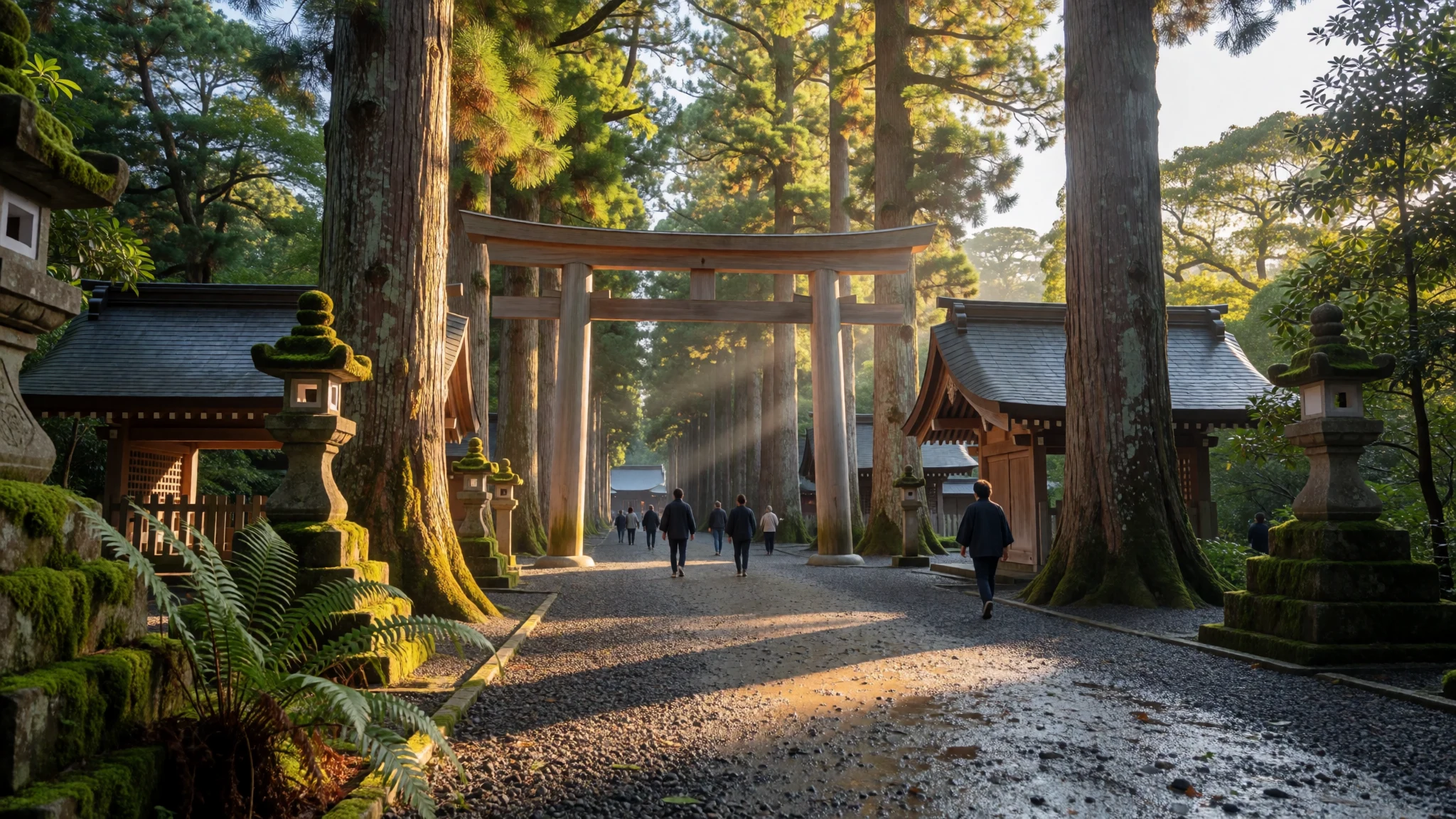
Saitama offers a dynamic blend of contemporary urban architecture, historic Shinto shrines, and world-renowned bonsai culture just north of Tokyo.
The place
Saitama serves as the prefectural capital and largest urban centre of Saitama Prefecture, located roughly twenty to thirty kilometres north of central Tokyo within the broad Kantō Plain. The settlement spans an expanse of flat lowlands and plateaus where rivers such as the Arakawa flow southward across the terrain. As a major government-designated hub, Saitama integrates several older administrative districts into a cohesive metropolis while maintaining distinct local character across its various quarters. Visitors arriving in Saitama encounter a bustling commuter city defined by wide commercial avenues, gleaming modern glass complexes like Saitama Shintoshin, and quieter residential lanes lined with traditional crafts workshops. The regional climate brings distinct seasonal changes, featuring warm summers and cool, clear winters with little to no snowfall, making outdoor exploration pleasant throughout much of the year. The urban layout connects efficiently via extensive rail networks, allowing travellers to navigate easily between commercial plazas, green parks, and ancient sacred spaces. Beyond the towering facades of business districts, Saitama preserves deep roots in agriculture and artisan trades, most notably in its famous cultivation enclaves. Navigating the streets reveals a landscape where contemporary convenience meets long-standing heritage, offering an approachable alternative to the intense bustle of the nearby capital while retaining all the comforts expected by modern travellers exploring the region.
Its story
Saitama formally came into existence on the first of May in the year 2001 through the administrative amalgamation of several independent municipalities, later achieving government-designated status in 2003. This major municipal union brought together the historic urban centres of Urawa, Ōmiya, Yono, and eventually the eastern city of Iwatsuki, combining centuries of distinct local histories into a single regional powerhouse. Each constituent district contributed its own unique heritage, from old post-town traditions and commercial markets to specialised craft production that had thrived for generations. Following the great Kantō earthquake in the early twentieth century, the area gained renewed cultural significance when traditional bonsai nurseries relocated from central Tokyo to the leafy suburbs of Ōmiya, drawn by the abundant fresh water and open ground. Over subsequent decades, Saitama expanded its infrastructure while largely avoiding major geological disruptions, famously evading the severe impacts of the catastrophic Tōhoku earthquake and tsunami. Today, the municipal administration oversees a thriving population that exceeds one million residents, balancing rapid commercial growth with the careful preservation of local shrines, historic archives, and traditional artistry that trace the evolution of the Kantō region.
What to see
- Hikawa Shrine
Hikawa Shrine stands as one of the most prominent Shinto sanctuaries in the entire Kantō region, claiming an ancient history spanning more than two millennia. Visitors approach the sacred grounds along a magnificent tree-lined path that stretches from the nearby railway station, leading into peaceful courtyards framed by traditional wooden architecture and vibrant vermilion details.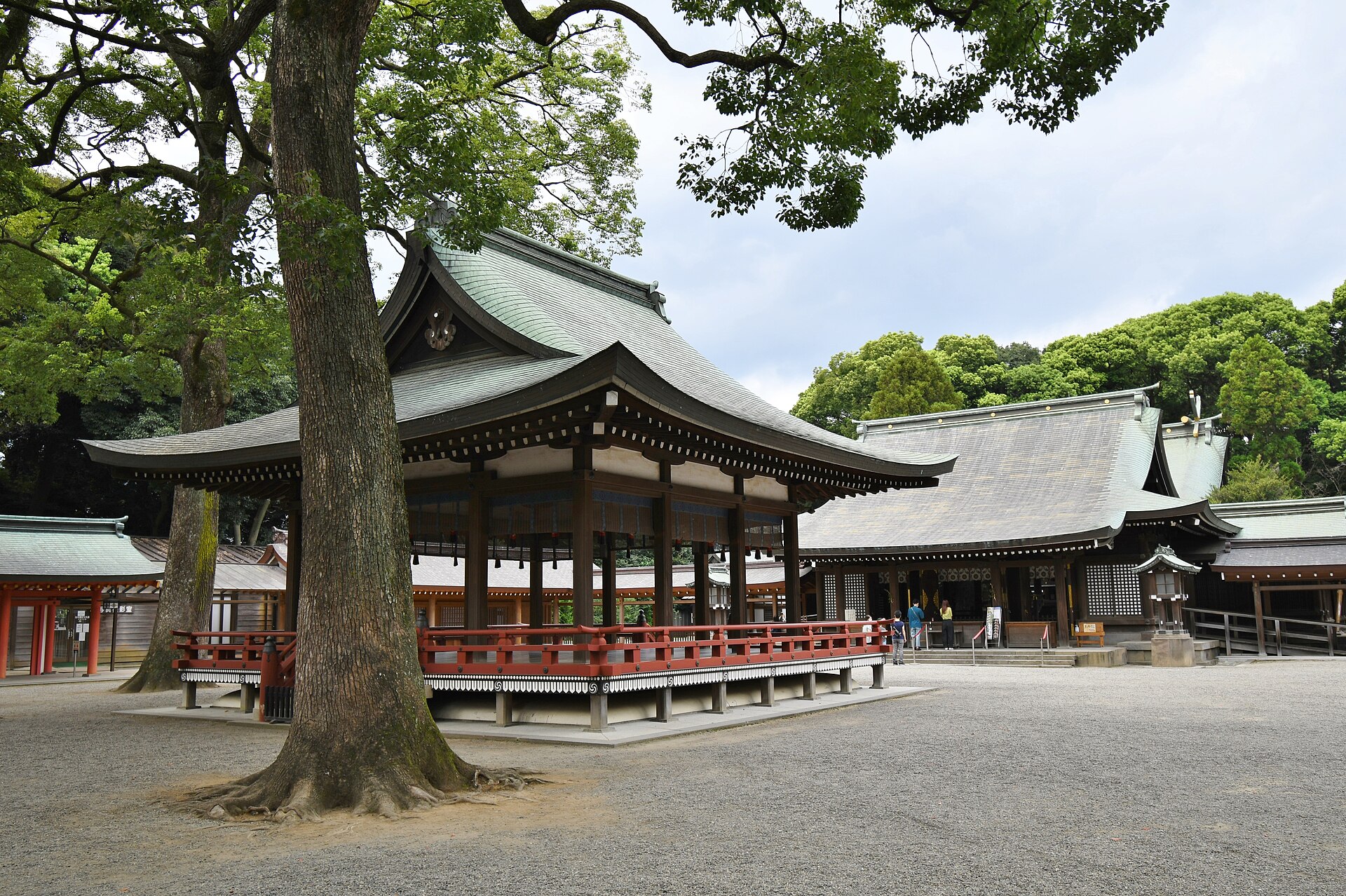
- Omiya Bonsai Art Museum
Omiya Bonsai Art Museum provides an insightful introduction to the meticulous art of Japanese miniature tree cultivation. The facility exhibits remarkable living specimens alongside historical documents and ceramic containers, explaining the various aesthetic styles, seasonal care techniques, and philosophical themes embodied by these living sculptures. - Railway Museum
Railway Museum offers a comprehensive journey through the evolution of Japan's rail transport systems, appealing greatly to engineering enthusiasts and families alike. The exhibition hall houses dozens of authentic locomotives, interactive driving simulators, and an extensive miniature railway layout demonstrating complex signalling systems. - Saitama Museum of Modern Art
Saitama Museum of Modern Art showcases an impressive permanent collection alongside rotating temporary exhibitions featuring works by internationally celebrated masters such as Claude Monet, Pablo Picasso, and Marc Chagall. The gallery space focuses on accessible contemporary creativity while also highlighting talented regional painters and sculptors. - Saitama Super Arena
Saitama Super Arena represents a marvel of modern architectural engineering, featuring a moveable seating block that transforms the massive indoor venue from a stadium into an intimate auditorium. This iconic landmark hosts major international sporting tournaments, global concert tours, and large-scale public exhibitions throughout the year.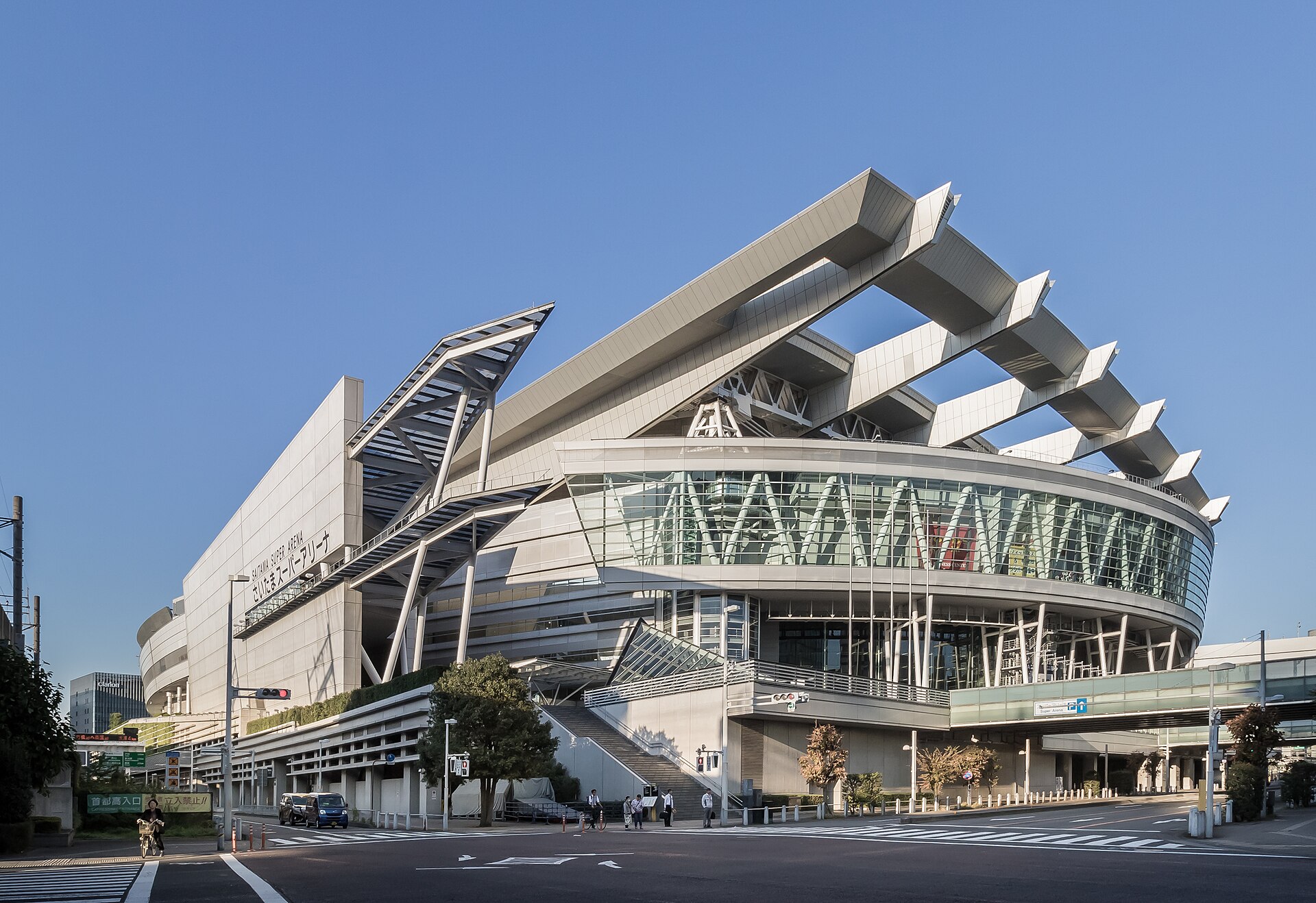
Culture
Saitama sustains a vibrant cultural landscape rooted in a blend of academic pursuit, civic sportsmanship, and deep-seated artistic traditions. The municipality supports several higher education institutions and serves as a passionate stronghold for competitive football, housing prominent professional J.League clubs that draw enthusiastic crowds to local stadiums on match days. Beyond athletics, the community takes immense pride in its traditional craftsmanship, particularly in doll-making and the nurturing of world-class bonsai trees within dedicated suburban enclaves. Traditional festivals throughout the calendar year bring neighbours together around historic shrines, featuring ceremonial processions, local music, and seasonal food stalls that reflect centuries of community life in the Kantō plain. Visitors engaging with local residents will find an atmosphere of polite hospitality that balances modern metropolitan efficiency with respectful adherence to established social customs. When entering traditional temples or domestic tatami rooms in Saitama, always remove your footwear at the designated step and slip into the provided indoor slippers.
What to wear
Saitama reflects the contemporary fashion sensibilities found across major Japanese metropolitan centres, where residents predominantly wear sleek, functional, and well-tailored modern attire for daily work and leisure. Office workers in business districts typically sport smart western-style suits and minimalist garments, while younger generations embrace current global streetwear trends in commercial shopping plazas around the major railway hubs. Traditional garments such as cotton yukata or silk kimono are rarely seen in everyday modern life, save for specific seasonal festivals, coming-of-age ceremonies, and traditional shrine visits where families embrace ancestral textiles. Travellers visiting Saitama should pack comfortable walking shoes due to the extensive distances covered when exploring expansive station complexes, museum galleries, and shrine gardens. Layering is advisable during spring and autumn transitions, while lightweight breathable fabrics suit the warm, humid conditions of summer. When visiting sacred religious sites or traditional craft workshops, dressing modestly with shoulders and knees covered demonstrates appropriate respect for local customs.
What to eat
- Lamb Shabu-Shabu — Local specialty restaurants near Ōmiya Station
Lamb shabu-shabu features thinly sliced tender lamb cooked briefly in a simmering broth, often accompanied by fresh vegetables and savoury dipping sauces. Specialty eateries around the railway hubs serve this warming dish alongside grilled meat options for a hearty, satisfying meal. - Artisanal Yakitori — Traditional food stalls and neighbourhood izakaya alleys
Artisanal yakitori consists of skewered chicken grilled over hot charcoal coals until tender and smoky, brushed with savoury tare sauce or seasoned simply with sea salt. Master grillers prepare these fresh skewers alongside steaming bowls of chicken-broth ramen. - Jūmangoku Manjū — Department store food halls and souvenir arcades
Jūmangoku manjū is a celebrated regional steamed cake consisting of a soft, pillowy exterior filled with sweet red bean paste. Major department stores and station souvenir shops stock these traditional confections as popular gifts. - Local Craft Beer — Craft beer bars and modern brewpubs across the city
Local craft beer represents the vibrant contemporary brewing scene emerging across Saitama Prefecture, offering experimental IPAs, crisp lagers, and traditional ales crafted with regional ingredients. Specialist pubs and taprooms serve these local brews on draught.
Plan it
Best time. March to April for pleasant spring weather and cherry blossoms, or October to November for autumn foliage; June brings the rainy season and August is notably hot and humid.
How long. 2–3
Getting there. Arrive at Narita or Haneda international airport, then take direct express trains or the Shinkansen rail network directly to Ōmiya or Saitama Shintoshin station.
Budget. mid
Tips
- Start visits to major shrines early in the morning to avoid weekend crowds
- Carry cash for small shrine donations, market stalls, and local food vendors
- Use IC transit cards such as Suica or Pasmo for seamless travel on local trains and buses
- Wear comfortable slip-on footwear for frequent visits to temples and traditional gardens
Etiquette
- Always remove your footwear when stepping onto raised tatami flooring
- Keep noise levels low on public transport and in quiet residential neighbourhoods
Nearby
Sources
- Wikidata Q134635 (CC0)
- Wikipedia (rev 1380986831) (CC-BY-SA 4.0)
- Wikivoyage (rev 5416763) (CC-BY-SA 4.0)
- Photo 01 (CC BY 3.0)
- Photo 04 (CC0 1.0)
- Photo 06 (CC BY-SA 4.0)


