Saint Thaddeus Monastery
Saint Thaddeus Monastery, Iran
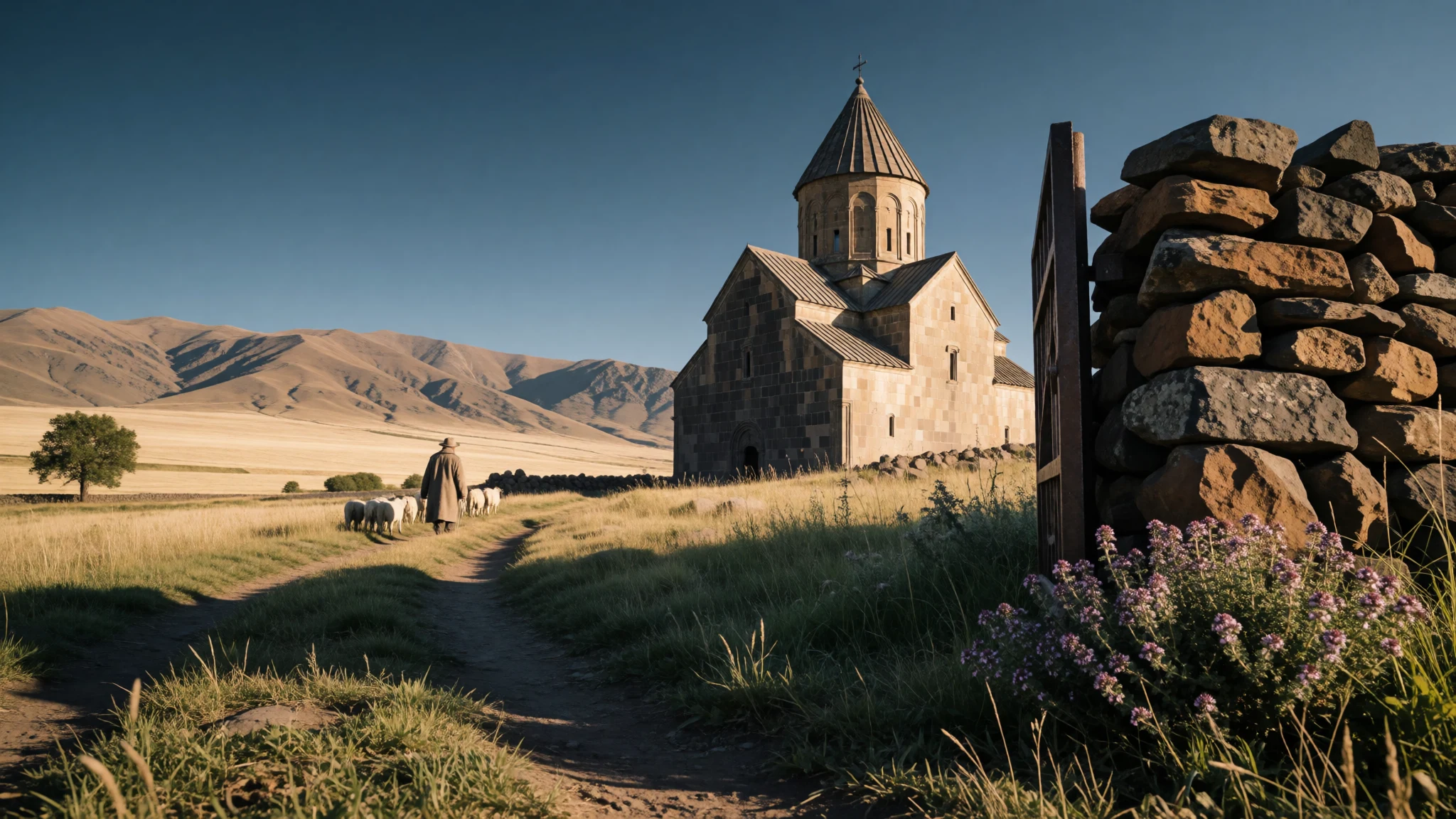
Saint Thaddeus Monastery is a remote Armenian church of striped stone and conical roofs, set on bare mountain ground in north-western Iran.
The place
Saint Thaddeus Monastery stands on open, high ground in West Azerbaijan province, in the far north-west of Iran, about 20 kilometres from the town of Chaldoran. Armenians call it Surb Tadeosi vank (Սուրբ Թադէոսի վանք), Persian speakers say Kelisā-ye Tādeus moghadas, and locally it is also known as Kara Kelisa, the stone-built or black church. It belongs to the Armenian Apostolic tradition and is still tied to a living faith rather than kept as a museum piece. The silhouette gives it away from far off: conical roofs rising over walls of dark and pale stone, with hardly a tree or building nearby to compete. Close up, the walls carry carved panels and the doorways are low and deep. The setting is wind-scoured mountain country with grazing land around it, a long way from any big city. The monastery is the focus of the Pilgrimage of Saint Thaddeus, which UNESCO added to its Intangible Cultural Heritage list in 2020, and the building itself carries World Heritage status. Honest expectations help. This is a long day trip from the nearest cities, not a stop on the way to somewhere else. Crowds are rarely the problem for most of the year; weather and road conditions are. Around pilgrimage time the site is far busier, and a quiet stone courtyard becomes a gathering place for the Armenian community.
Its story
Saint Thaddeus Monastery rests on tradition more than on a paper trail. Armenian Christians hold that Thaddeus, the apostle also called Jude, preached in Armenia and Persia and was put to death in Armenia under King Sanatruk, an account recorded by the fifth-century historian Moses of Khorenatsi. One legend says a church was raised over his grave in the earliest Christian centuries; another credits Gregory the Illuminator with founding it. A third version has Thaddeus himself establishing a community of followers here, who buried him when he died. Nobody can give a firm date for the first building. The documented part of the story is rougher. Mongol campaigns in the thirteenth century damaged the monastery twice, and an earthquake in 1319 brought down much of what remained, killing 75 monks. Very little medieval fabric survived that disaster, though the stonework around the altar apse is dated to the seventh century and is the early fragment worth looking for. The building as visitors see it comes mostly from a rebuilding in 1811, which the Qajar crown prince Abbas Mirza supported with money and authority. The result is layered: a legend of apostolic origins, a few early survivors, and a nineteenth-century restoration. Through all of it the site stayed a place of pilgrimage, and that continuity matters as much as any single wall.
What to see
- The main church and its conical roofs — The monastery compound
The church at Saint Thaddeus Monastery is the reason to come. Walk once around the outside before going in, and watch how the dark and pale stone changes in the light. The conical roofs are the feature seen from the road, and they look best against a clear sky in the morning.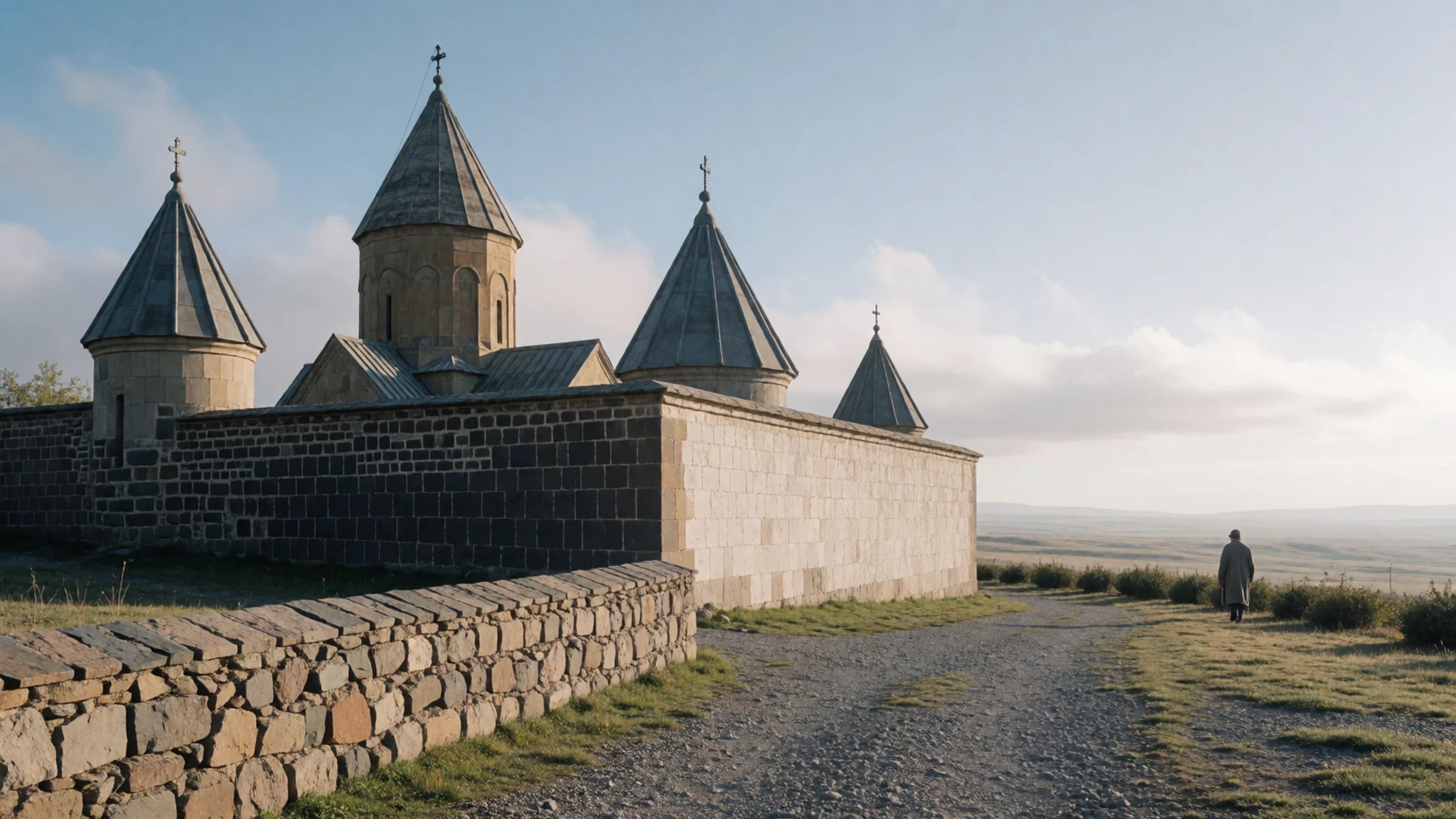
- The domes from close range — Roofline and upper walls
Stand close to the domed roofs at Saint Thaddeus Monastery and the stone coursing becomes clear, each layer tapering toward the point. It is a good spot for understanding how the roofs were built, and the rebuilt sections sit beside older masonry, so the repairs can be read in the wall.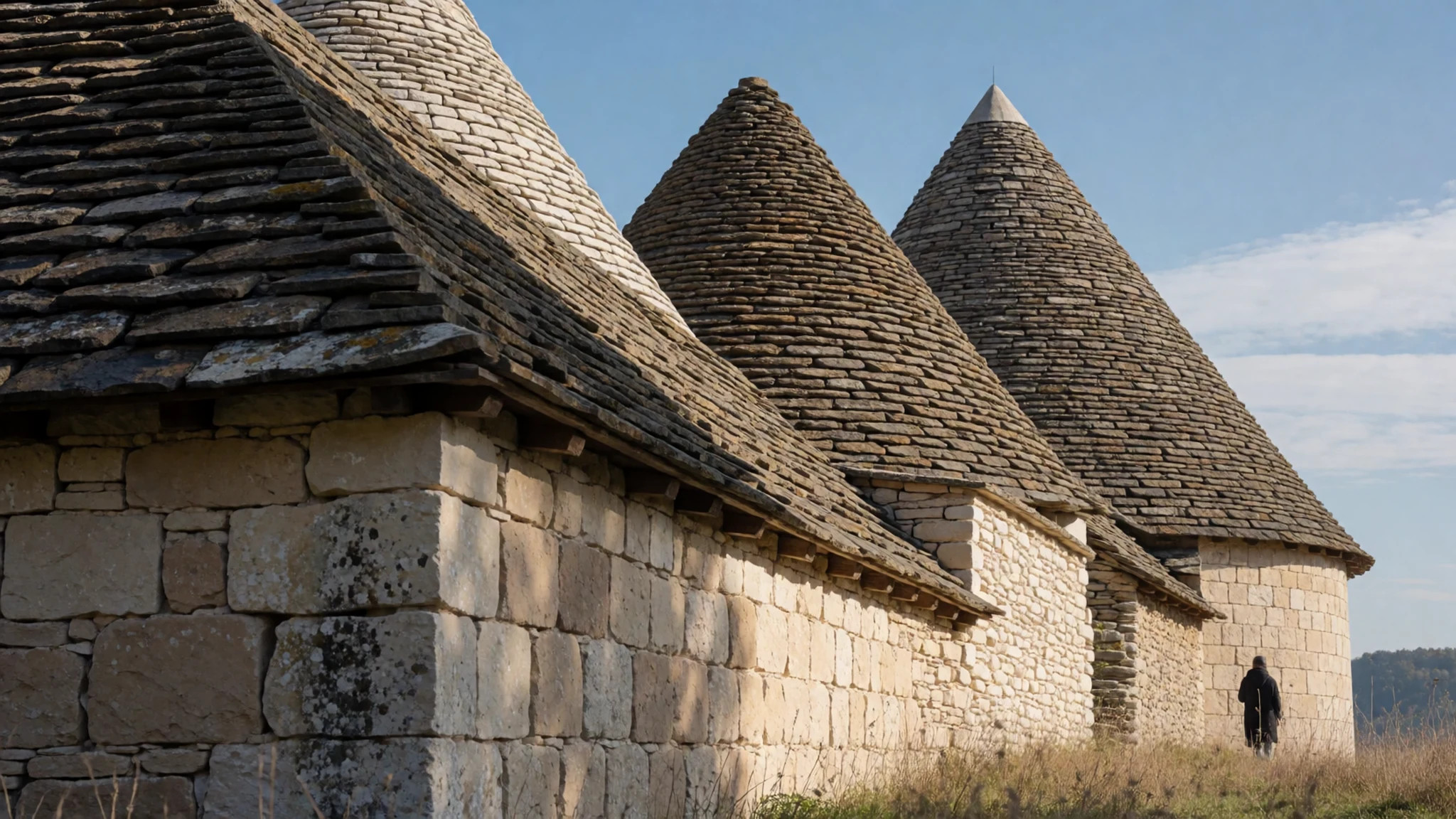
- The eastern façade and its opening — East side of the church
On the eastern side of Saint Thaddeus Monastery, the carved detail around the opening rewards slow looking. Low sun brings out the relief, so late afternoon works well. Photographers should bring a short lens, since the walls are close to the surrounding ground and there is little room to step back.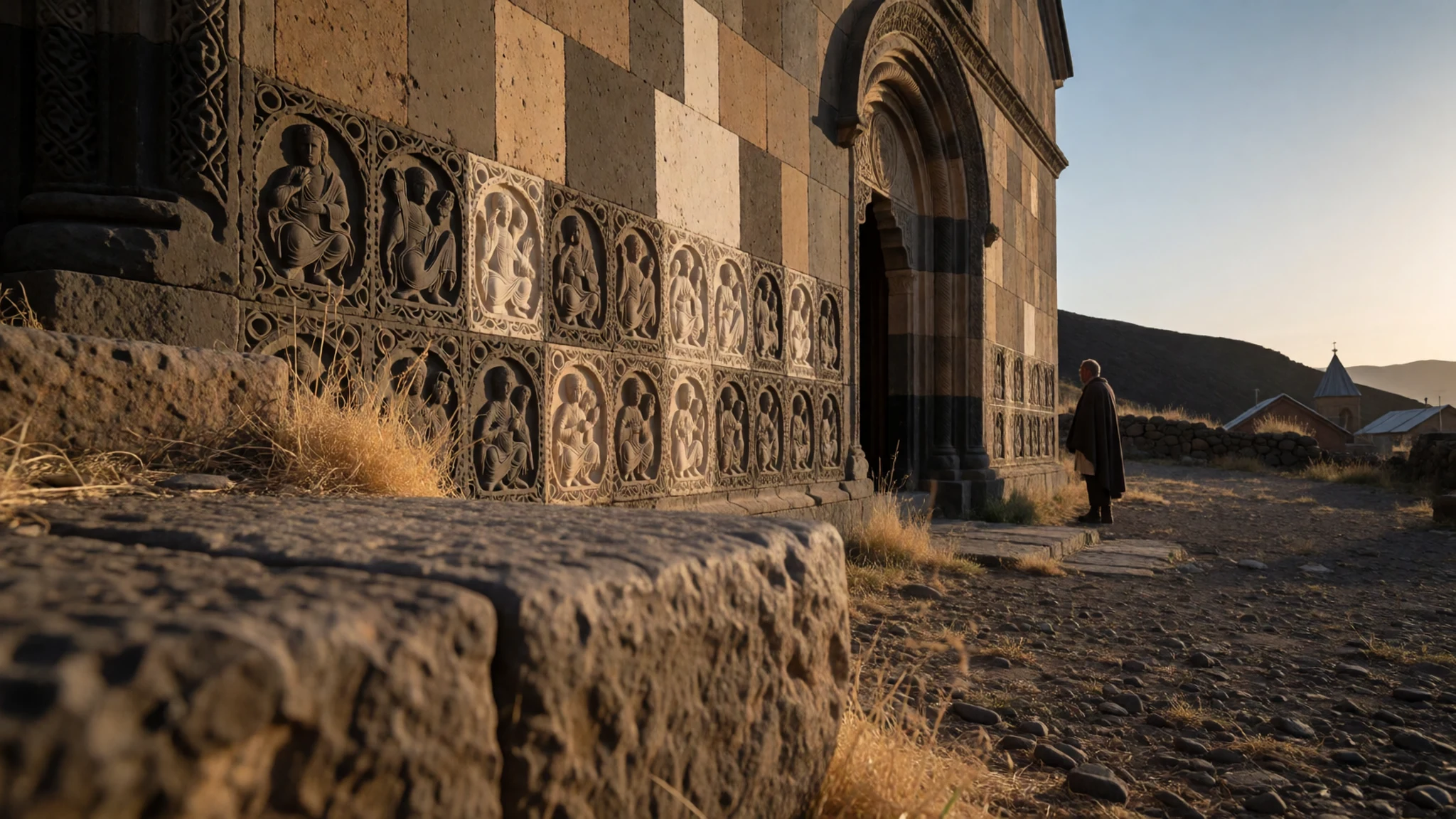
- The north-western approach — Road and slope north-west of the compound
The approach to Saint Thaddeus Monastery from the north-west gives the long view: a small cluster of stone on empty ground, with mountains behind. It is the best place to feel the isolation that shaped the monastery's history, and a useful stop for pictures before the crowds of pilgrim season arrive.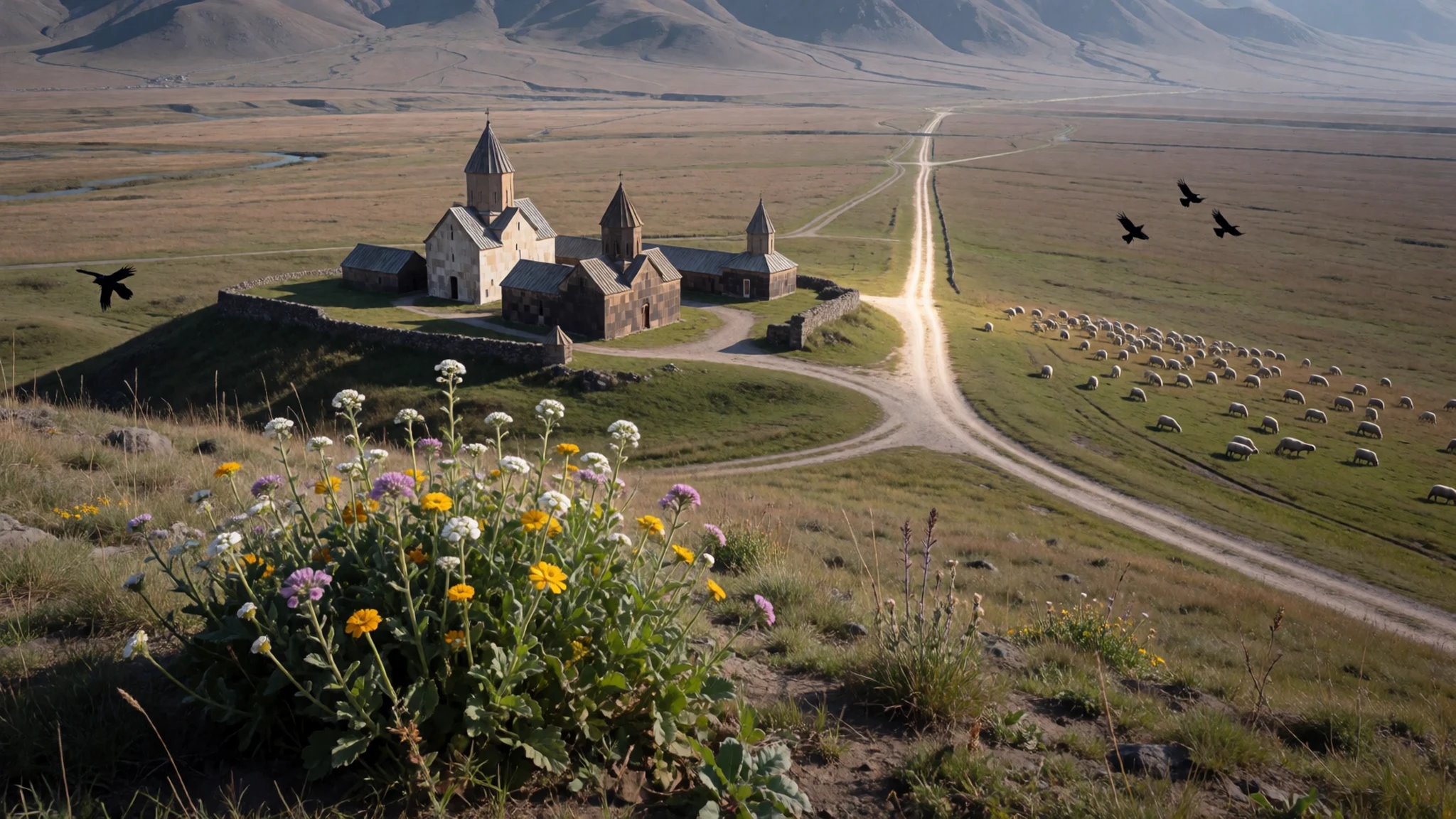
- Zakariya church and tomb — Near the main monastery, West Azerbaijan
Near Saint Thaddeus Monastery, also called Kara Kelisa, stands the Zakariya church and tomb, a smaller Armenian site in West Azerbaijan. It is worth asking locally about access and opening before you set out, since information is thin. Pair it with the main monastery if time and transport allow.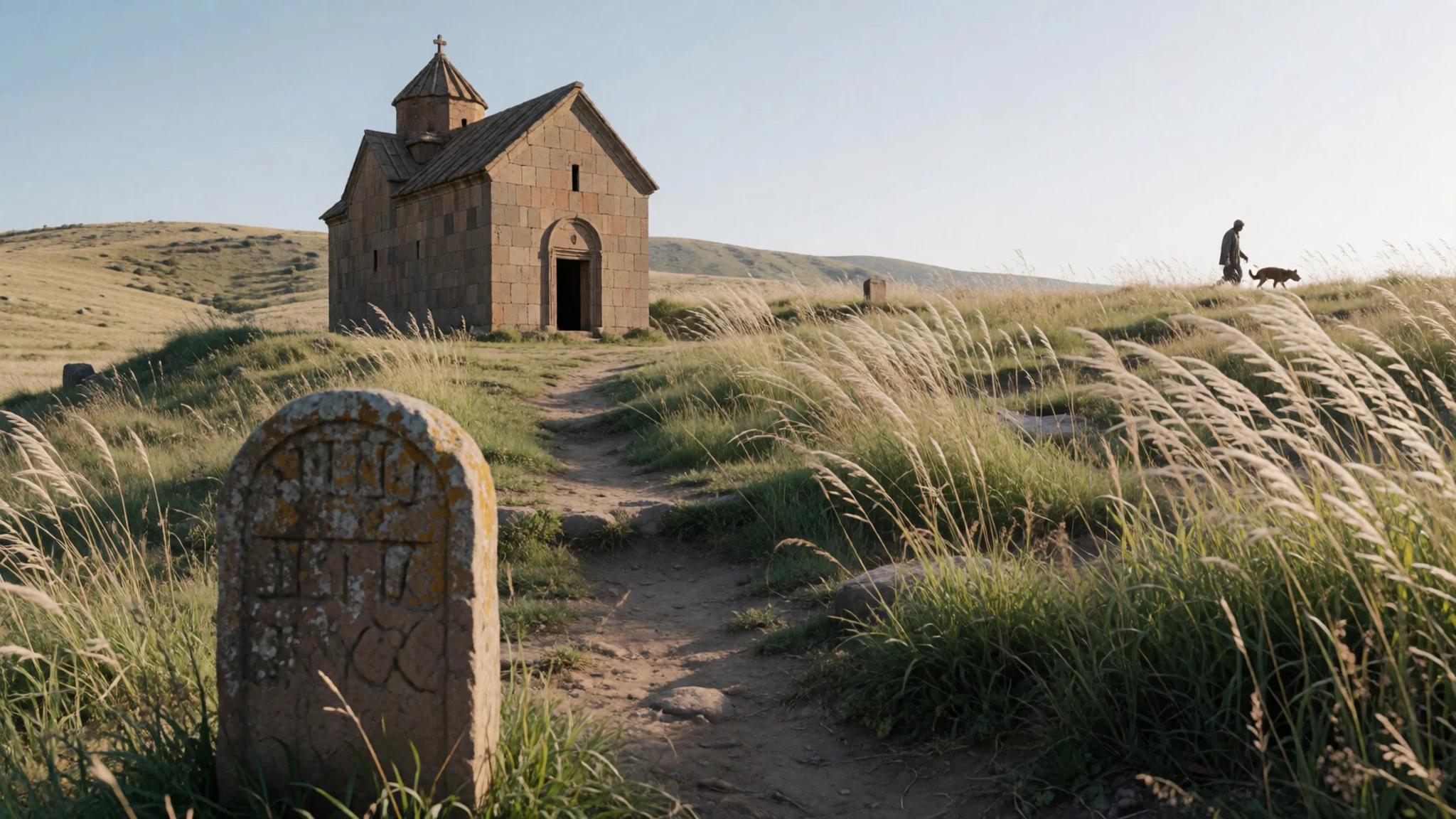
Culture
Saint Thaddeus Monastery sits where Armenian Christian life meets the wider culture of north-western Iran, and both shape a visit. The Armenian Apostolic Church has worshipped in this place for generations, and the yearly pilgrimage is a communal event for families who travel to honour the apostle. Iran as a whole has a strong tradition of hospitality: guests are often treated generously, tea and sweets appear quickly, and refusing what is offered can seem rude, so accept a little even if you do not finish it. Visitors may also meet curiosity, and sometimes reserve, from people who rarely see foreigners in this part of the country. Greetings matter. Persian speakers use polite forms such as Aghaye for Mr and Khanoome for Ms, and a warm welcome is Kheili khosh amadid. Men should not offer a handshake to a woman unless she extends her hand first. The local mix of Armenian, Azerbaijani-speaking and Kurdish communities means languages change from village to village, so a few words of Persian go a long way. Meals and social visits tend to be unhurried, and dinner often comes late. Treat the monastery as a working place of prayer first and a sight second, and keep voices low inside. At Saint Thaddeus Monastery, cover your shoulders and knees, carry a headscarf if you are a woman, and ask before photographing worshippers or anyone at prayer.
What to wear
Dress around Saint Thaddeus Monastery mixes several traditions. Armenian, Azerbaijani-speaking and Kurdish communities each have older costume, usually in wool, felt, cotton and embroidered cloth, with baggy trousers, waistcoats and patterned headscarves for festivals and weddings. Such clothes are mostly kept for celebrations and pilgrimage days rather than daily wear. Across Iran, women traditionally wear the chador, a long cloth draped over the head and body, often in dark colours. Everyday dress now is simpler: women wear a rusari (headscarf) with a loose long coat called a manteau or a long tunic over trousers, and men wear plain trousers and long-sleeved or short-sleeved shirts. In the countryside around Chaldoran, practical layers, sturdy shoes and wool jackets are common because the mountains are cold. Visitors should dress for both climate and custom. Women are expected to cover their hair and wear a loose top that reaches below the hips, with long trousers or a long skirt, and men should avoid shorts and sleeveless shirts. Bring a warm layer even in summer, as the high ground can be windy and cool in the evening. Wear closed shoes with good grip for uneven paths and stone floors, and pack a sun hat, because there is little shade around the monastery. Shoes may need to come off in some places, so socks are useful.
What to eat
- Chelo kabab — Kebab eateries in Maku and Chaldoran
Rice served with grilled minced or cubed meat, usually with grilled tomato and sumac at the side. It is the standard meal at roadside kebab eateries in towns near Chaldoran and Maku, and a sensible lunch before or after the long drive to the monastery.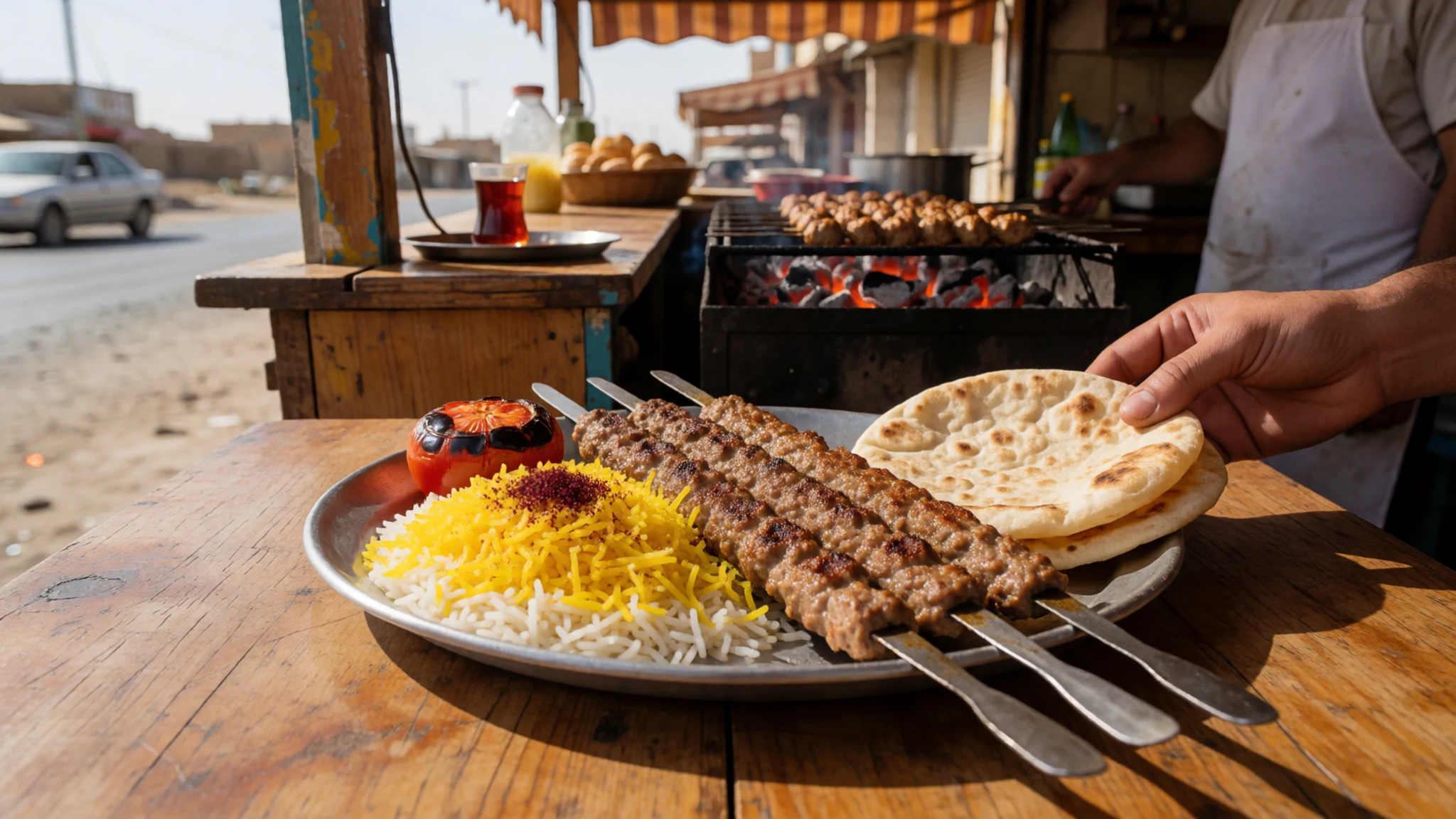
- Ash-e reshteh — Family-run eateries and local homes
A thick soup of noodles, beans and plenty of herbs, often finished with yoghurt-style whey and fried onion. It suits the cold and altitude of this region, and many family-run eateries and homes serve a version on cool days.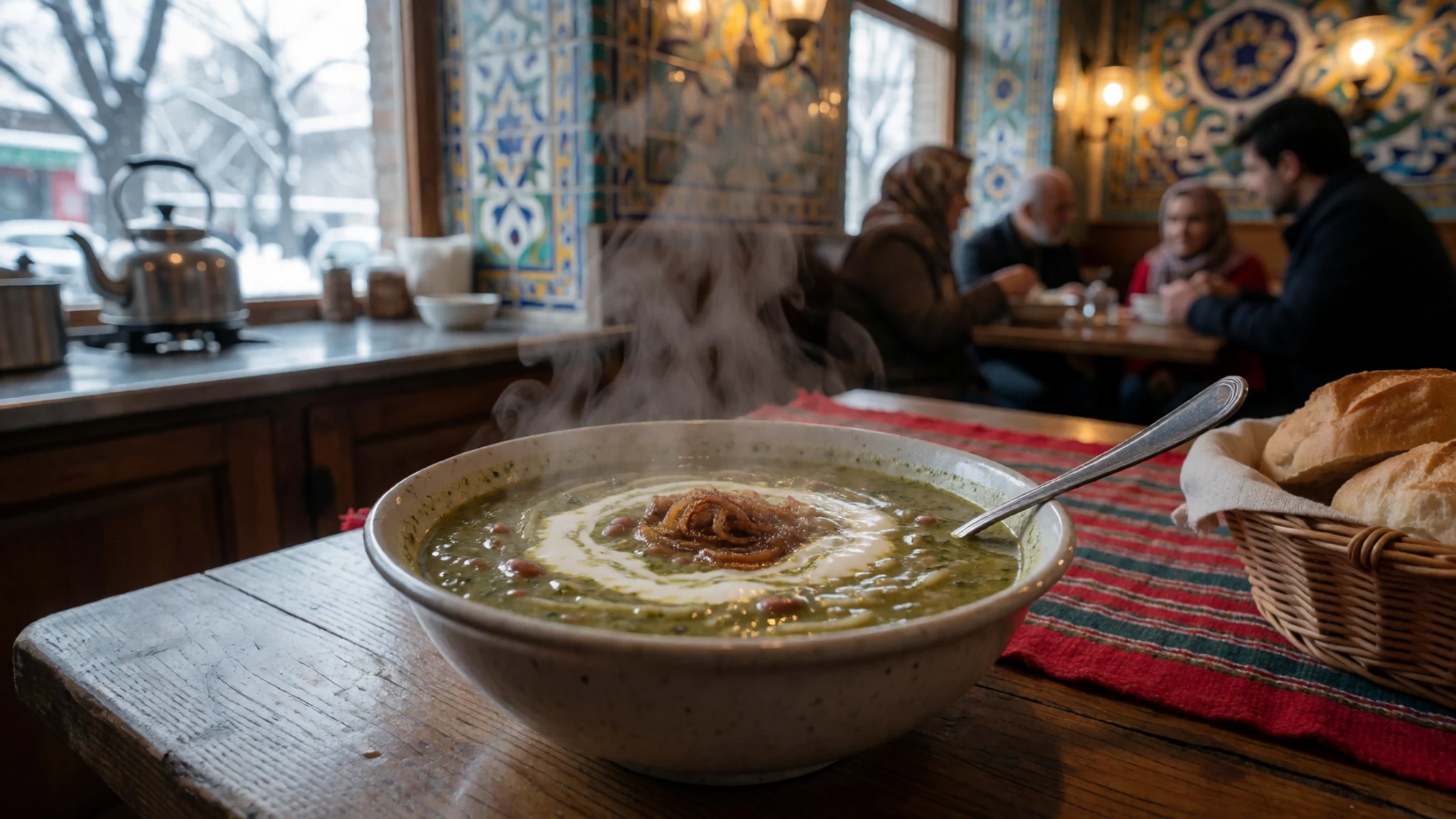
- Dizi (abgoosht) — Traditional dizi eateries in towns
A slow-cooked stew of lamb, chickpeas and potatoes, served in a small stone pot. The broth is eaten first with bread, and the solids are mashed and eaten after. Order it at a traditional eatery, and expect it to be hearty and filling. - Lavash with cheese and herbs — Neighbourhood bakeries and morning markets
Thin, soft flatbread eaten fresh with white cheese, walnuts and a handful of fresh herbs. It is the simplest breakfast in the region, and a bakery counter is the best place to buy it warm and carry it for a picnic. - Doogh — Kebab eateries and corner shops
A salty, fizzy or still yoghurt drink, sometimes with dried mint. It pairs with grilled meat and rice, and is a common companion to a kebab lunch. Try a small glass first, as the sourness takes some getting used to.
Plan it
Best time. Late spring (May–June) and early autumn (September–October), when the mountain roads are most reliable and days are mild. Winters here are cold and snow can disrupt travel, so check conditions before going. Pilgrimage season brings crowds, so ask locally about dates.
How long. 1–2
Getting there. Fly to a regional airport in north-western Iran such as Tabriz or Urmia, then continue by road towards Maku and Chaldoran. The last leg of about 20 kilometres to the monastery is best done with a hired driver or a local guide. Check current visa rules, as some nationalities, including Indian citizens arriving by air, may enter visa-free for a short stay.
Budget. mid
Tips
- Hire a car with a driver or join a local guide, as public transport to the monastery is limited
- Carry cash in local currency, since foreign cards generally do not work in Iran
- Bring water, snacks and warm layers, because facilities near the monastery are scarce
- Visit outside pilgrimage days if you want quiet, and check dates with local contacts before you go
Etiquette
- Cover shoulders and knees, and women should wear a headscarf
- Ask before photographing worshippers, and keep your voice low inside the church
- Accept tea or food offered by hosts, even if you only take a little
Nearby
Sources
- Wikidata Q842826 (CC0)
- Wikipedia: Monastery of Saint Thaddeus (rev 1379115850) (CC BY-SA 4.0)
- Wikivoyage: Iran (rev 5412767) (CC BY-SA 4.0)
- Photo 01: Saint Thaddeus Monastery, northwestern view (Unknown author) (CC BY 3.0)
- Photo 02: Zakariya church, West Azerbaijan (Jacopo188) (CC BY 3.0)
- Photo 03: Ghara Kilisa (Bakhtavary800) (CC BY-SA 4.0)
- Photo 04: Armenian Monastery of Saint Thaddeus, closeup (Nicola e Pina in Iran 2008) (CC BY 3.0)
- Photo 05: Qara Kelisa (Fabienkhan) (CC BY-SA 2.5)
- Photo 06: Eastern façade detail of the opening (Andrehmarouti) (CC BY-SA 4.0)
- Photo 07: Closer view of the domes (Andrehmarouti) (CC BY-SA 4.0)
- Photo 08: Façade detail 22 (Andrehmarouti) (CC BY-SA 4.0)


