Saint Sophia Cathedral
Saint Sophia Cathedral, Ukraine
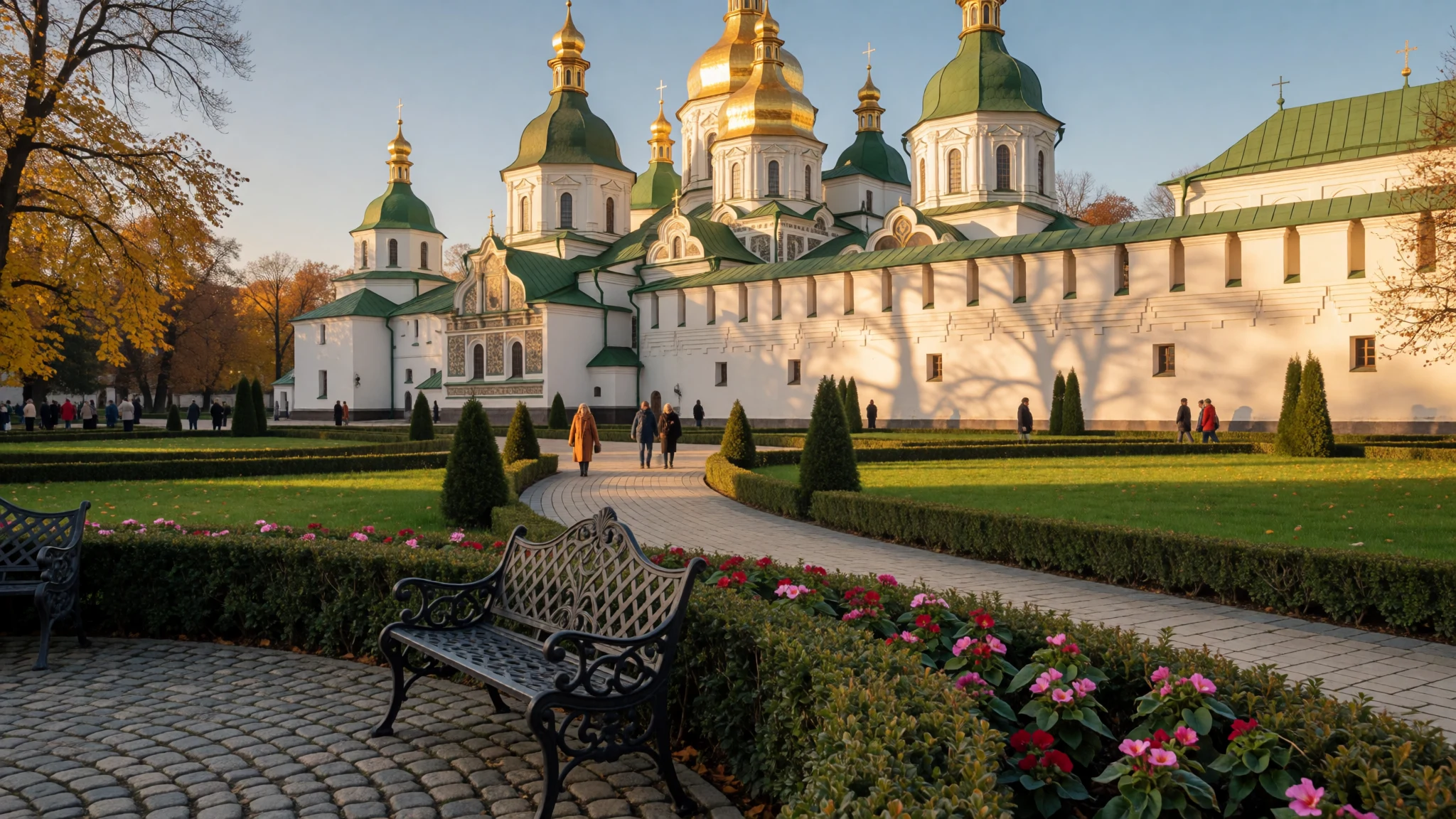
Saint Sophia Cathedral in Kyiv blends Kyivan Rus’ architecture, museum galleries, and UNESCO-listed history in one tight city visit.
The place
Saint Sophia Cathedral (Софійський собор, Sofiiskyi sobor / Софія Київська, Sofiia Kyivska) sits in Kyiv, Ukraine, as a major architectural monument tied to Kyivan Rus’. Today it functions as a museum, but the place still feels like it has an active pulse: ceremonial stonework, heritage courtyards, and interiors that explain why this cathedral mattered.
The cathedral isn’t just one building. The site is part of the larger “Sophia of Kyiv” reserve, with supporting structures that give you a fuller sense of how the complex worked historically—rather than only seeing the main church volume. Visitors tend to cluster around the grand exterior and then move into the interior spaces, before stepping back out to take in the ensemble feel from the grounds.
Crowds are the real variable in Kyiv. Weekends and sightseeing seasons can make the museum areas busy, so it helps to plan a calm entry and longer pause moments later in the day. Weather can also steer the experience: the most comfortable months are May through September, when the days are warm and rain is moderate compared with the wettest part of the year.
In practical terms, budget time for both viewing and reading. This is a heritage complex where a casual glance can become a slow walk if you’re curious about the architecture and the story behind the murals and stone details. It’s one of those places where the “what” is obvious, and the “why” keeps revealing itself as you move through the site.
Its story
Saint Sophia Cathedral was constructed in Kyiv under the rule of Yaroslav the Wise to serve as the city's primary metropolitan church. Before the stone cathedral arrived, there may have been an earlier wooden church with the same dedication, but the surviving fame belongs to the later complex that took shape around the new metropolitan role.
Legends and scholarly debate swirl around its origins. One account connects the cathedral’s founding to a battlefield on the site where Yaroslav’s army defeated the nomadic Pechenegs, following the siege of Kyiv. That sort of “place-history” is part of what makes the cathedral more than a single monument: it links built form to political and military moments in early Kyiv.
The timeline of construction is also contested. Researchers have drawn on multiple written sources, including chronicles and a sermon text, yet they don’t fully align. Some interpretations treat the frequently cited year as completion rather than start, while others read it as the foundation date. In other words, even when the major name “St Sophia” anchors the story, the exact dates depend on how different historians read the evidence.
What you experience today still reflects that layered past. As part of a protected UNESCO World Heritage listing, Saint Sophia isn’t only a cathedral building: it’s a preserved ensemble, approached as a museum reserve that keeps the architecture, artistic programme, and institutional history in one walkable sweep.
What to see
- Main cathedral complex — Kyiv city centre reserve area
Saint Sophia Cathedral anchors the “Sophia of Kyiv” museum reserve, with the main church building and the broader ensemble around it. Even before going in, the massing and domes set the tone for why this site became a landmark.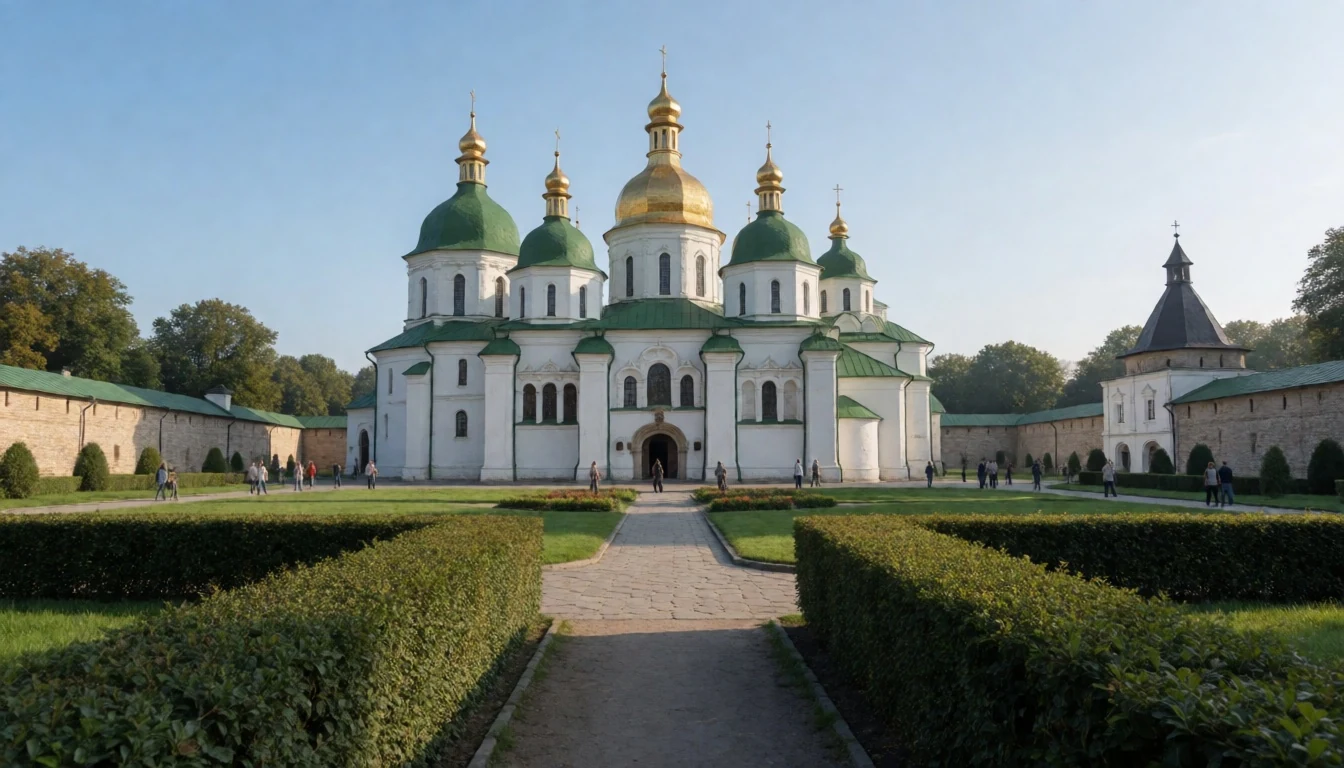
- Interior spaces and dome views — Saint Sophia Cathedral interior
Inside Saint Sophia Cathedral, the focus shifts to the interior layout—supporting spaces that go beyond a single nave viewpoint. Dome and ceiling perspectives reward slow movement, especially when light changes during the day.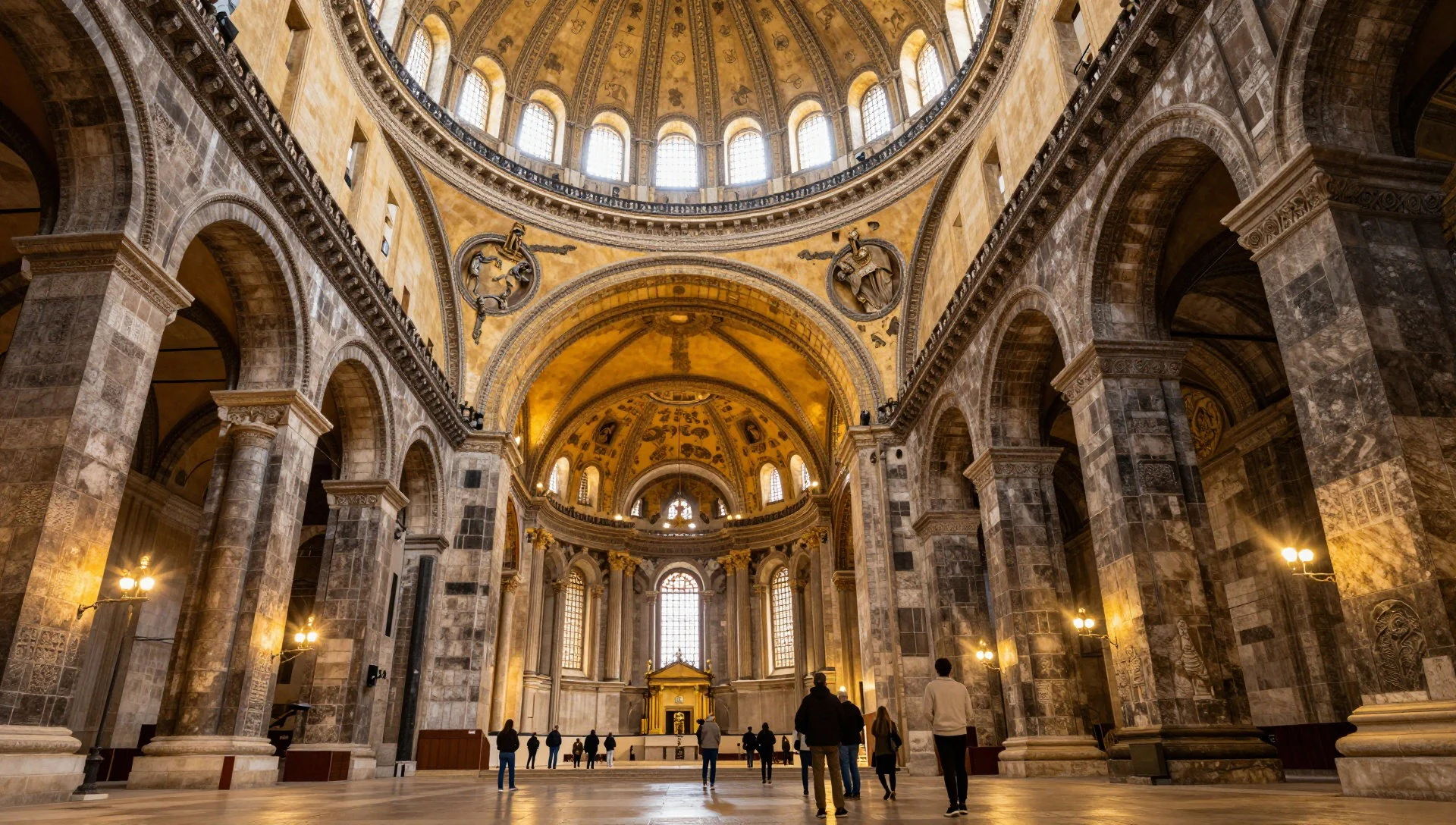
- Monumental wall paintings and the decorative programme — Cathedral interior surfaces
Saint Sophia Cathedral is known for a strong decorative presence in its interior surfaces. The murals and ornamentation are easiest to appreciate in sections, letting details land without rushing, then stepping back to see how the whole scheme fits together.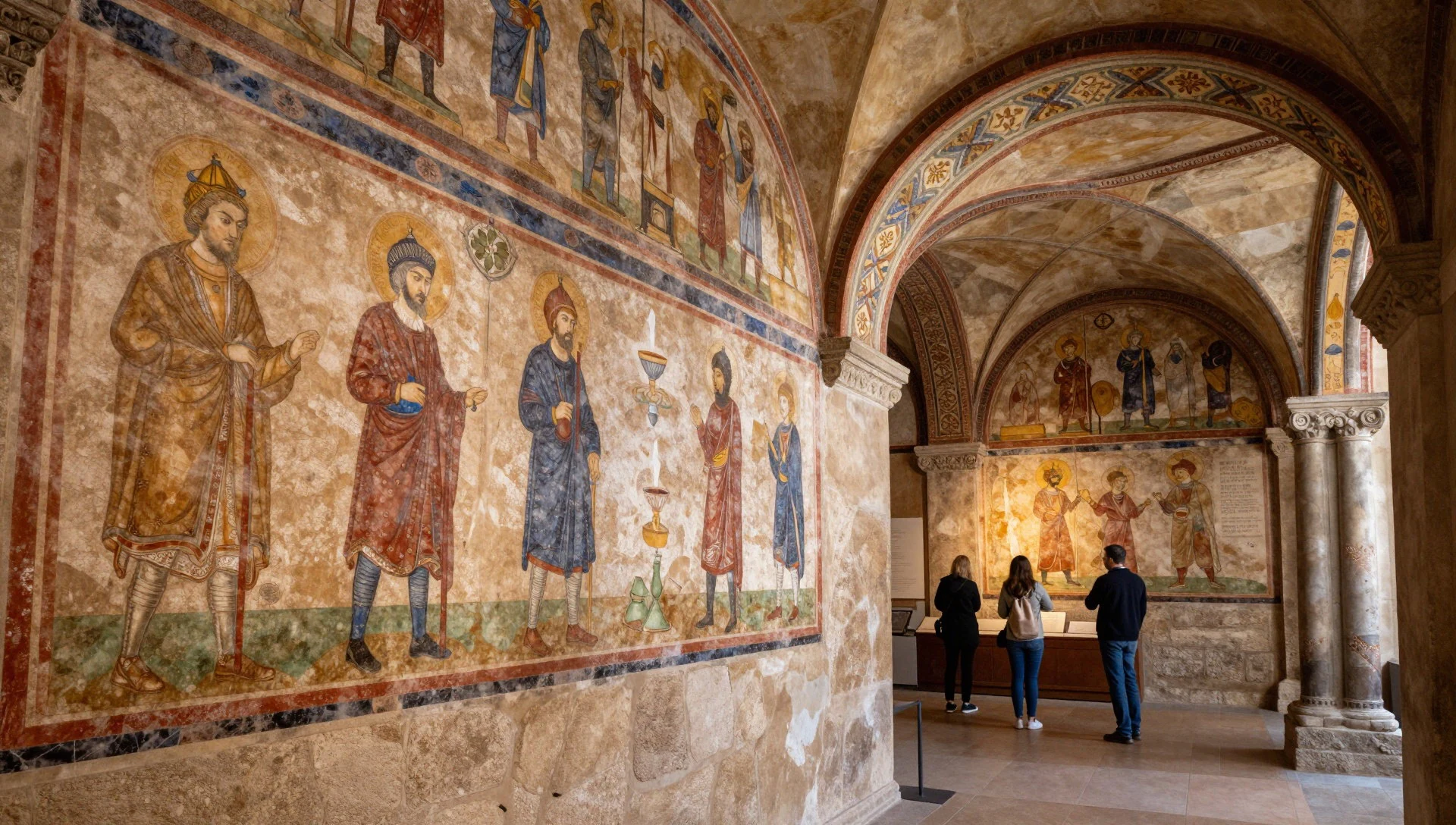
- Bell tower and reserve grounds — Sophia of Kyiv reserve grounds
The wider reserve grounds help the cathedral make sense in context. Time for the bell tower area works well as a break from museum rooms—views and open courtyards make the complex feel more like a functioning historical precinct.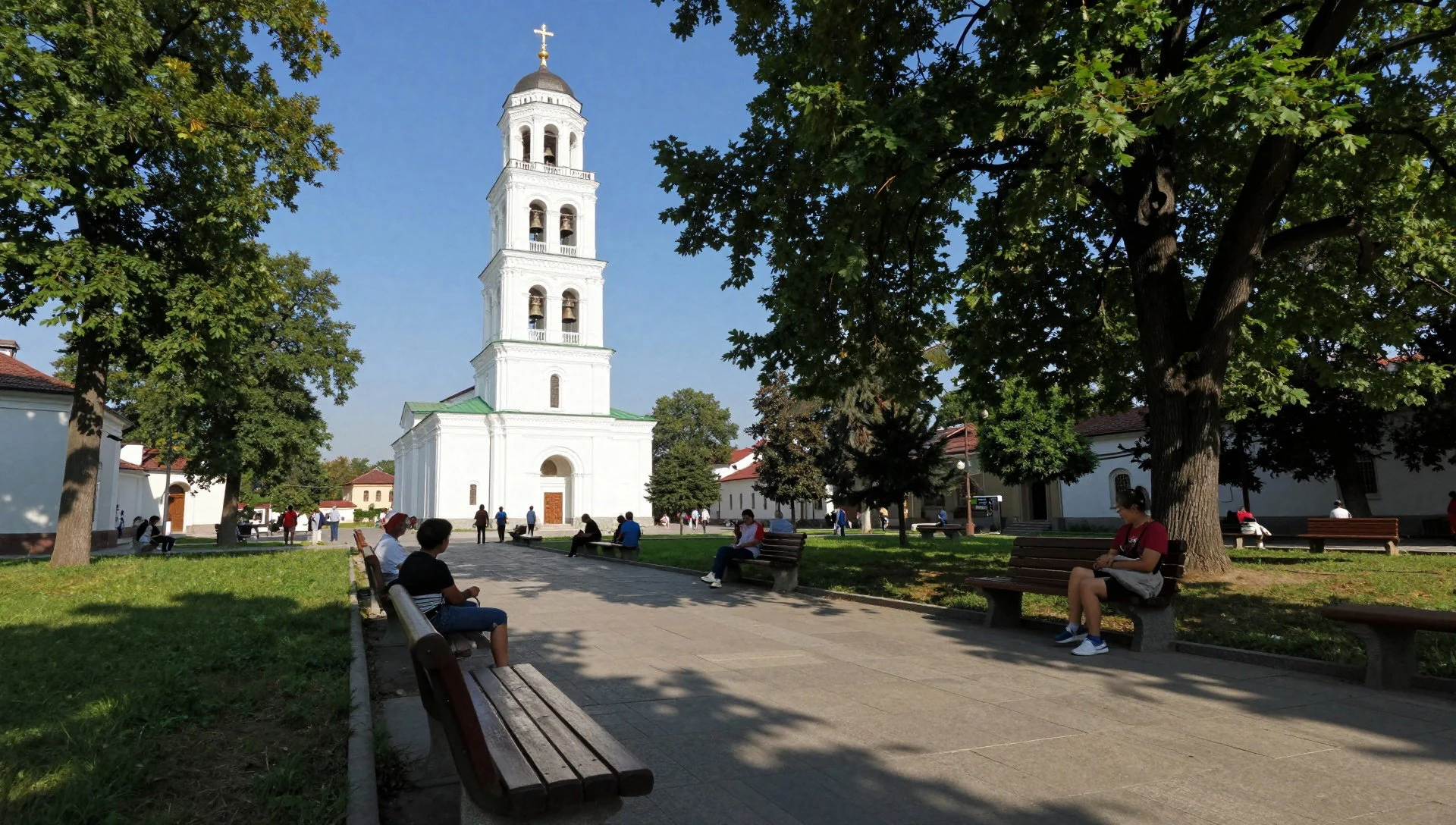
- House of Metropolitan area — Sophia of Kyiv reserve
The cathedral reserve includes the House of Metropolitan, adding an institutional layer to the visit. It helps visitors connect the church’s architectural splendour with the people and administration that would have supported its metropolitan status.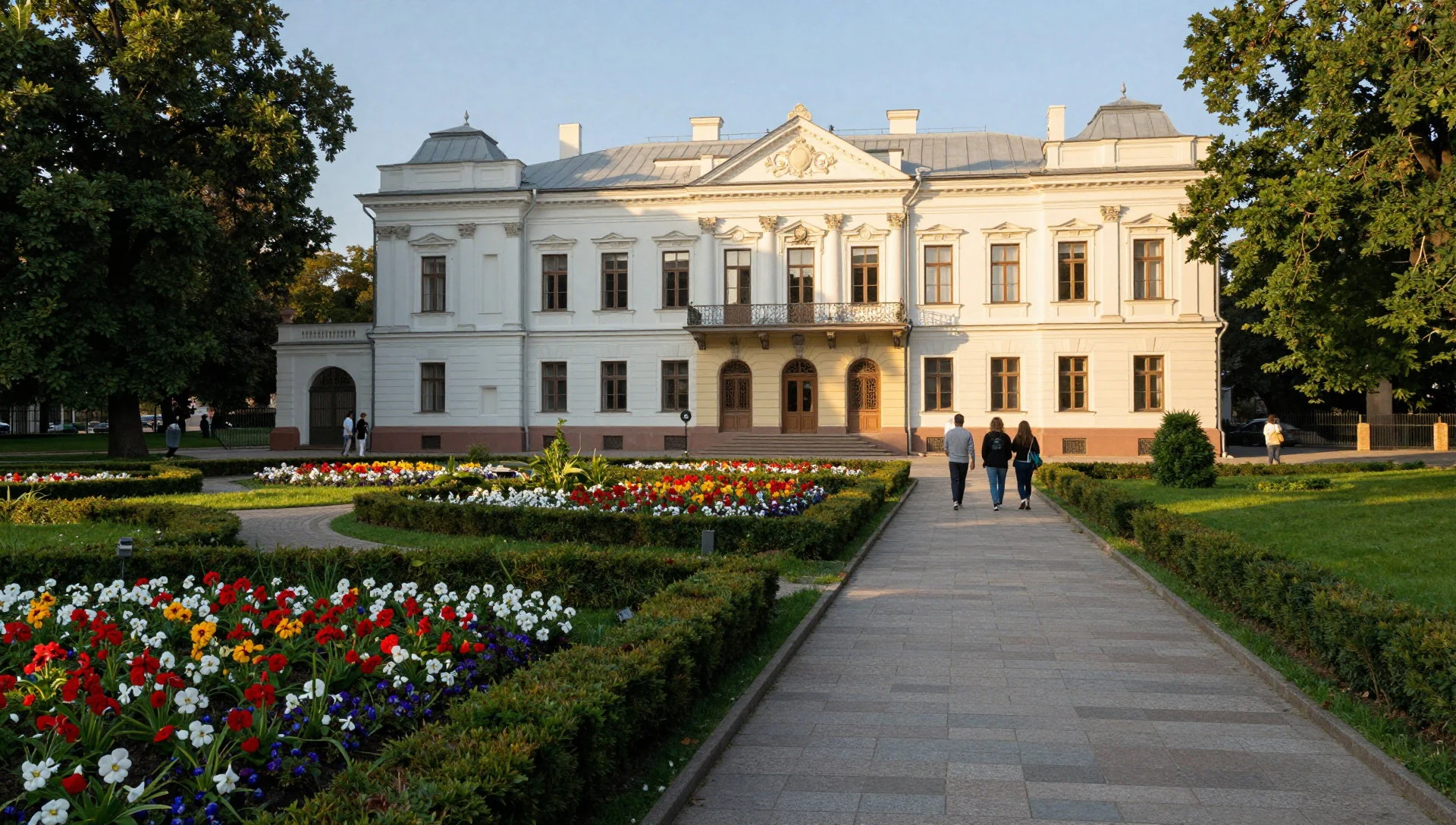
Culture
Saint Sophia Cathedral in Kyiv is a working heritage museum, so visitor behaviour matters more than at a typical “stand and take a photo” stop. Inside, the tone is quieter and more attentive: lighting can be dim, surfaces are sensitive, and the story is best absorbed without blocking walkways or photographing others at close range. The site’s status on UNESCO’s World Heritage List also nudges many people into respectful viewing, even when they’re not religious travellers.
Dress norms are modest by default. Shoulders covered and clothing that doesn’t read as beachwear tends to feel right in a historic church complex, and it’s sensible to choose footwear that can handle museum floors and outdoor edges in the reserve. If the site is busy, queuing and keeping to marked routes is the easiest way to keep things moving for everyone.
Kyiv itself is currently a place where travel requires extra mental readiness. That doesn’t change the etiquette inside the cathedral, but it does mean keeping an eye on any on-site instructions and being calm if plans shift.
Visitor etiquette: keep voices low indoors, follow staff directions, and avoid flash or close-up filming of other visitors.
What to wear
For Saint Sophia Cathedral in Kyiv, the “right” clothing is mostly about comfort and modesty. The site includes interior museum spaces as well as outdoor reserve grounds, so layers help: even in good months, mornings and afternoons can feel different once you step between sheltered areas and open courtyards.
Traditional dress is part of the broader regional culture, but inside a cathedral-museum, visitors usually focus on practical attire rather than dressing up. What you’ll see most often now is everyday urban clothing—coats, knitwear, jeans, and comfortable trousers—plus sensible closed footwear. During cooler stretches in the best months (March, April, October, November), light jackets and scarves are common, and they work well for photos without drawing attention.
If dressing for a church heritage visit, cover shoulders and keep hemlines reasonable. Avoid very short shorts and overly transparent tops. Choose shoes that can handle uneven outdoor surfaces around historical structures and the amount of walking between buildings within the reserve.
Quick checklist: breathable layers for changing light, a comfortable closed shoe, and sleeves/shoulders covered enough to feel respectful in an Orthodox church context.
What to eat
- Ukrainian comfort at a local canteen-style eatery — Around Independence Square / central Kyiv
For a simple Ukrainian meal, look for cafeteria-style places around central Kyiv. This is where you can sample hearty mains without fuss, and where locals often stop for lunch during busy sightseeing days.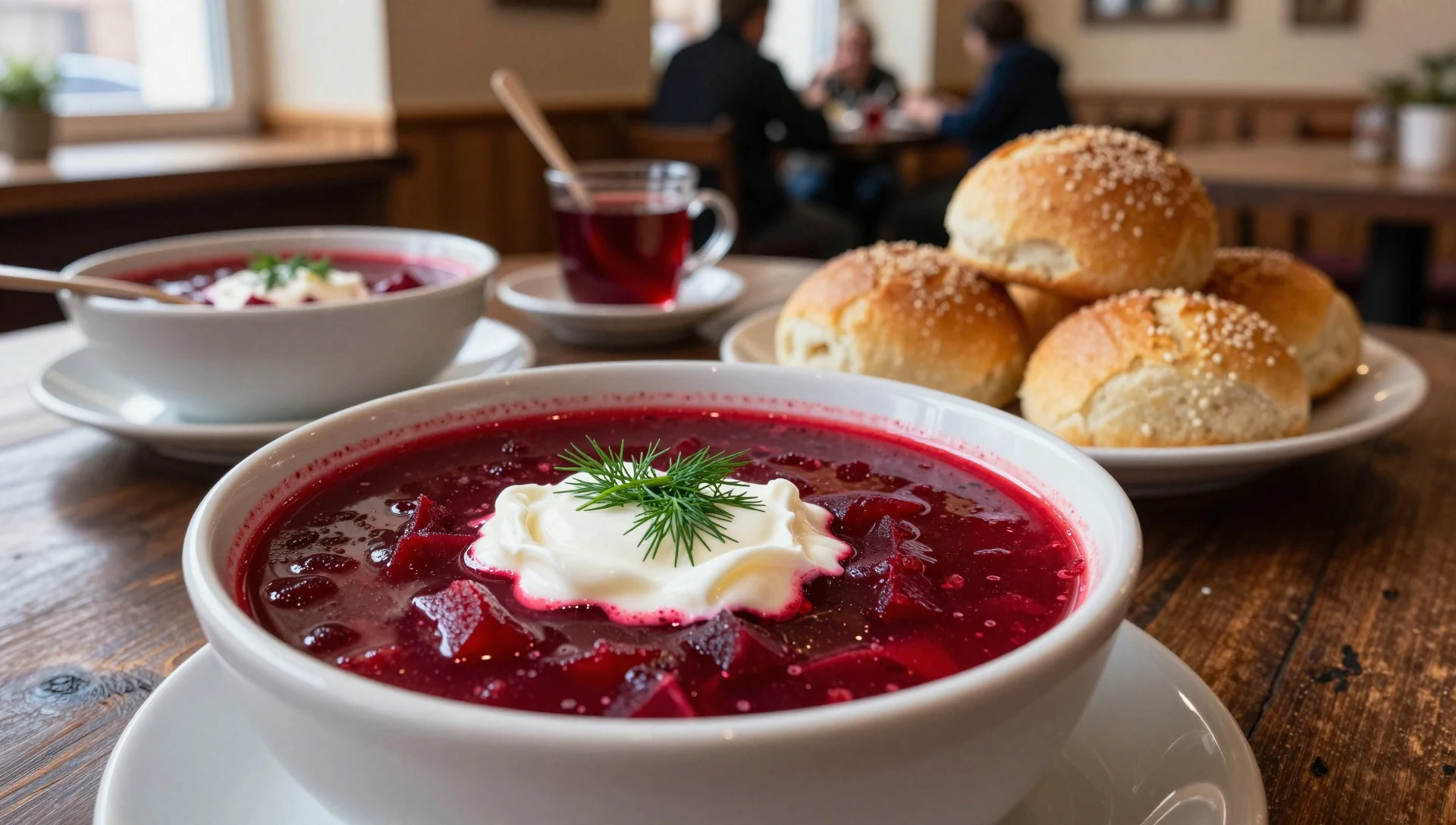
- Pizza and pasta at an Italian spot — Near metro stations around Khreshchatyk Street
If museum days build a craving for familiar flavours, try Italian-style pizza and pasta. These places can be a good midday reset when the cathedral visit has stretched into a longer afternoon.
- Sandwiches and salads — Fast-casual chains in central Kyiv
For something quick between viewpoints, pick a sandwich-and-salad stop. It’s a practical option when the day’s schedule is packed and there isn’t time to sit for a proper meal. - Potato-focused dishes and fillings — Popular chain spots around central streets and suburbs
Potato-based meals show up often in Kyiv menus, from stuffed or baked formats to hearty sides. It’s an easy way to eat well without searching for something exotic after a long walk around the reserve. - Family-style Ukrainian dining — Khreshchatyk area and nearby neighbourhoods
Family-style places serve filling mains in an approachable atmosphere—useful when travelling with different tastes. It’s a solid dinner choice after a day that includes indoor museum time and outdoor reserve wandering. - Cafeteria meals at Two Geese — Pechersk area
Two Geese is the sort of place where you can assemble a straightforward plate without overthinking. It’s convenient for travellers who want a reliable meal near major routes.
Plan it
Best time. May–September for the warmest, most comfortable days; rain is heaviest in June and July.
How long. 3–4
Getting there. From the closest workable airport, the last leg is usually by train or bus into Kyiv city. If travelling by rail, note that tickets often sell out quickly and may require online booking ahead.
Budget. mid
Tips
- Book train tickets in advance; release dates can make last-minute travel difficult.
- Aim for earlier entry to beat museum queues and get calmer indoor viewing.
- Use central Kyiv as the base so you can link cathedral time with nearby neighbourhood walks.
- Carry water and keep some cash available for small purchases around markets and casual eateries.
Etiquette
- Follow staff instructions on where to walk and stand inside the museum spaces.
- Avoid flash photography or close-up filming of other visitors in indoor areas.
Nearby
Sources
- Wikidata Q830054 (CC0)
- Wikipedia (rev 1380446432) (CC BY-SA 4.0)
- Wikivoyage (rev 5413110) (CC BY-SA 4.0)
- Photo: 01-80-391-0151-kyiv-st-sophia-s-cathedral-rb-18-2-cropped.jpg (CC BY-SA 4.0)
