Saint Martin
Saint Martin, France
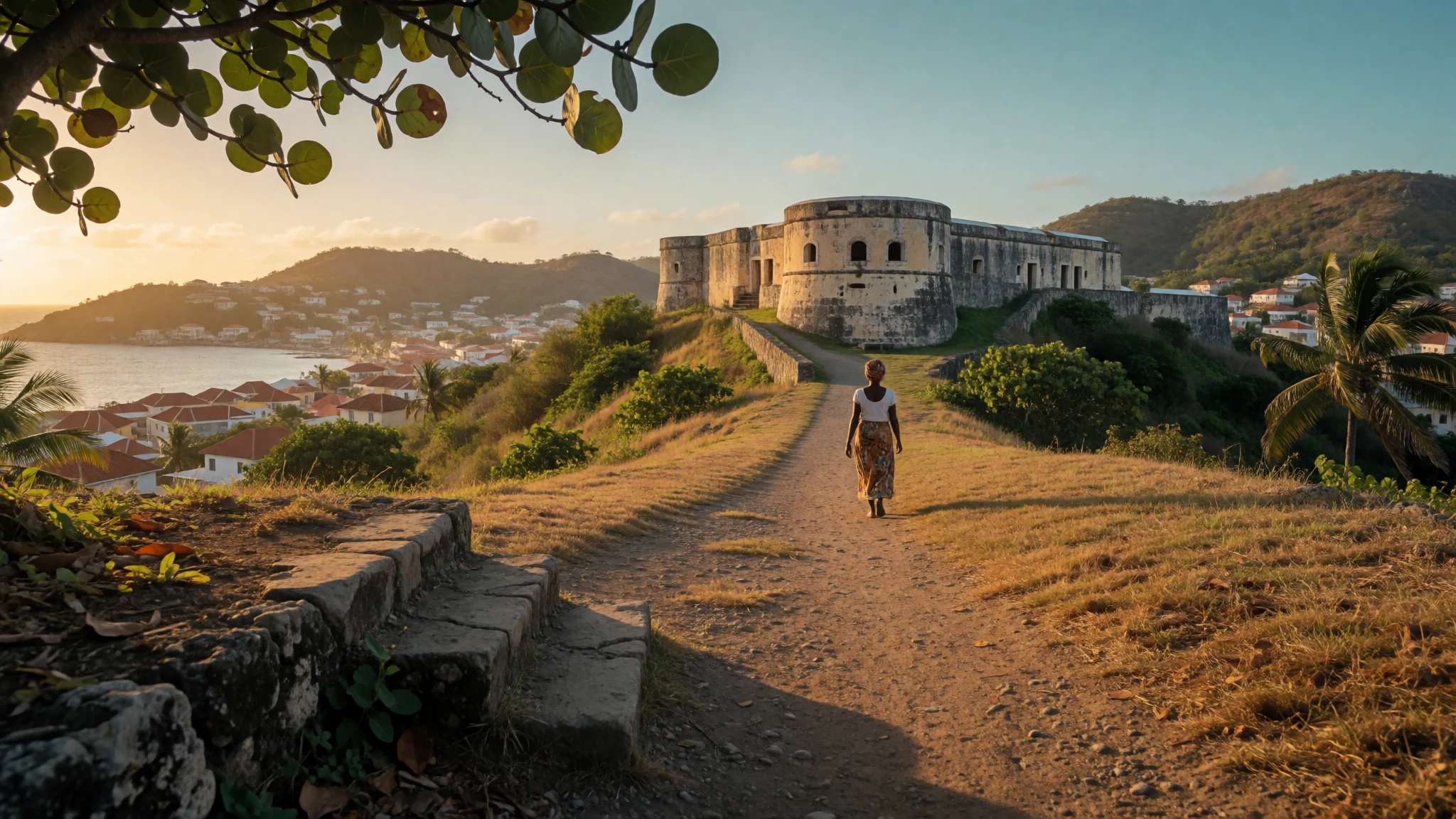
Saint Martin is one Caribbean island with two flags, where French bakeries, Dutch harbours, warm sea and an invisible border sit within minutes of each other.
The place
Saint Martin is a Caribbean island in the Leeward Islands, shared between France in the north and the Kingdom of the Netherlands in the south. The French half is an overseas collectivity of France and sits inside the European Union. The Dutch half, Sint Maarten, is a constituent country of the Netherlands and does not. About 72,000 people live on the island, and the Dutch side holds more of them even though the French side covers more ground.
The border is a line on the map rather than a barrier. There is no checkpoint, only a few monuments, and residents cross it several times a day without a second thought. The land is mostly scrub-covered hills rising to a high point of 424 m, ringed by bays, salt ponds and a large inland lagoon that straddles the frontier.
The two halves feel quite different. The French side is calmer, with a market town at Marigot, bakeries, and a row of seafront restaurants at Grand Case. The Dutch side has the harbour town of Philipsburg, casinos, shops and the busy lagoon-side strip around Simpson Bay. Trade winds keep the climate steady, with a drier season early in the year and a wetter one later. Hurricane Irma damaged both sides badly, and signs of rebuilding can still be seen in places. Beach days, sailing, long lunches and a little border-hopping are easy to arrange. Quiet is easier on the French northern coast, away from days when cruise ships are in port.
Its story
Saint Martin carries a name that probably came from a mistake. Tradition says Christopher Columbus named the island after Saint Martin of Tours on his second voyage, but he actually gave that name to the island now called Nevis, anchoring there on the saint's feast day in the late fifteenth century. The Leeward Islands were poorly charted and crowded with similar-looking islets, so the label slipped across to this one and stayed.
The island's later story is one of sharing. In the mid-seventeenth century France and the Dutch Republic, having retaken the island together, agreed to divide it. The deal is known as the Treaty of Concordia, and it created a formal border. Peace was not permanent. Later conflicts moved the line many times, and it has held steady only since the early nineteenth century. The French side ended up with the larger area, the Dutch side with the larger population today.
That odd arrangement explains much of what a visitor sees: two languages on road signs, two sets of laws, euros on one side and a different currency on the other, and a shared taste for good food and sea trade. The most recent chapter is Hurricane Irma, which tore through both sides and shaped how people talk about the island now. Rebuilding, insurance and storm preparation are everyday conversation. The border monuments, including a newer one dedicated in 2008, are small, friendly markers of a divide that few residents treat as a real one.
What to see
- Simpson Bay Lagoon — Simpson Bay, between the Dutch and French sides
Simpson Bay Lagoon is a broad inland lagoon that the French–Dutch border runs straight through, also called the Great Pond. Its sheltered water is busy with moored yachts and small boats, and holds a variety of marine life and two small islands. Kayak tours and sailing trips are the calmest way to see it.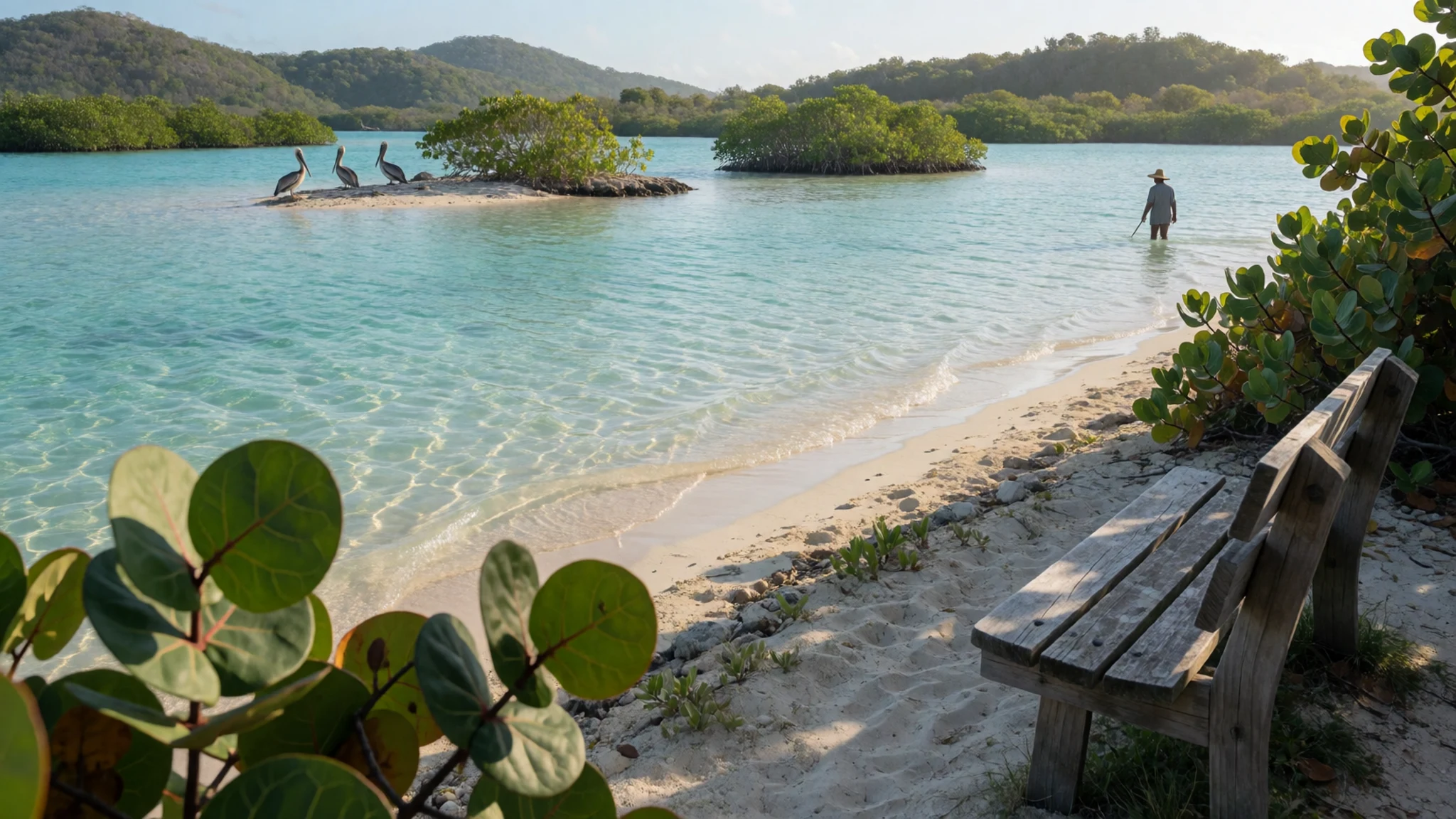
- Fort Louis — Marigot, French side
Fort Louis is an eighteenth-century French fort on a small hill above Marigot. The walls are modest and the interior is mostly open ground, but the climb is short and rewards with a wide view of the harbour, the town rooftops and the bay. Go early, before the sun is high.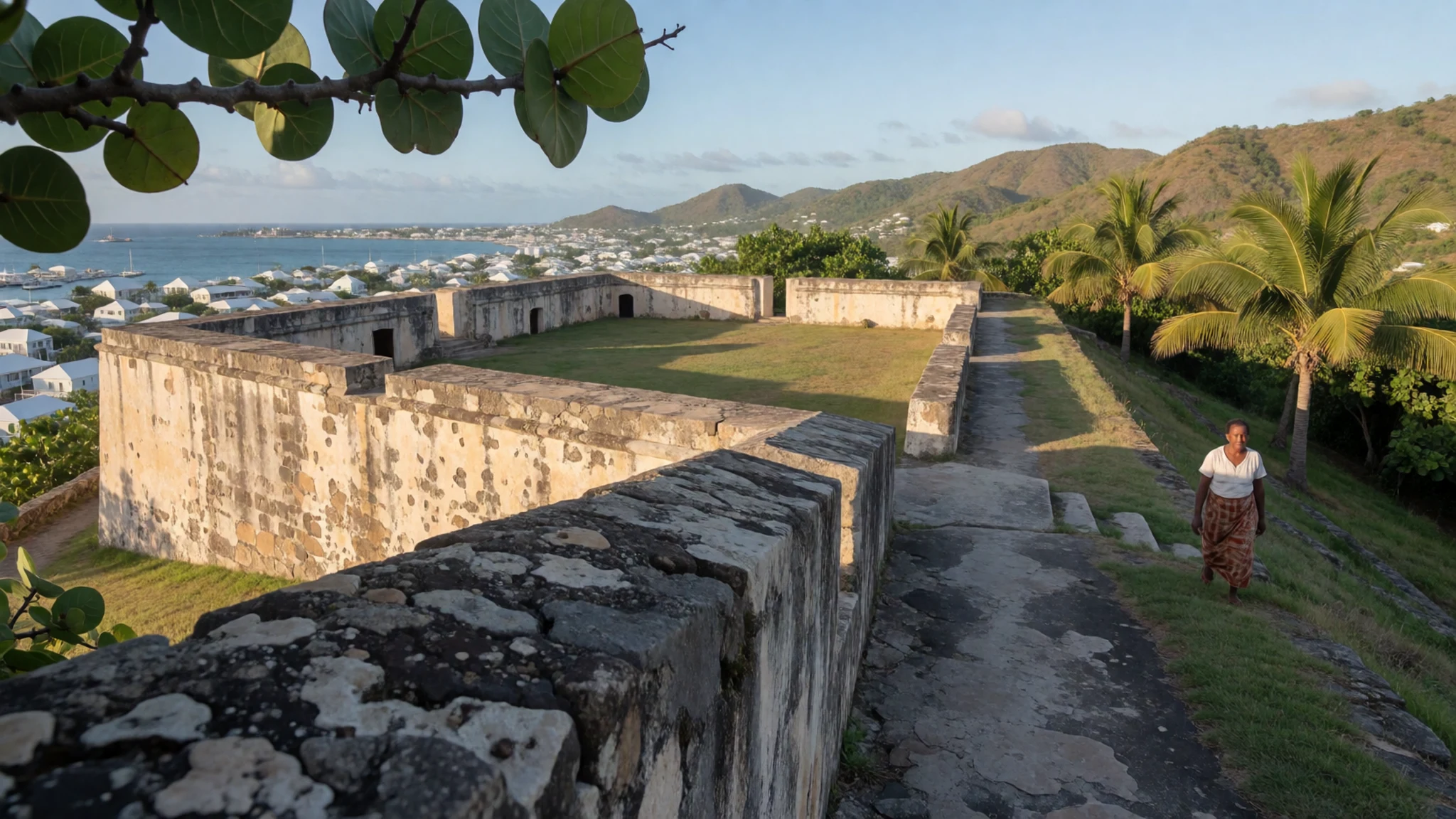
- Pic du Paradis — Central hills, French side
Pic du Paradis is the island's high point at 424 m, with two viewing areas looking over bays and neighbouring islands. The road up from Friars Bay is steep and isolated, and a four-wheel-drive vehicle is needed. It is safest visited as part of a guided excursion rather than alone.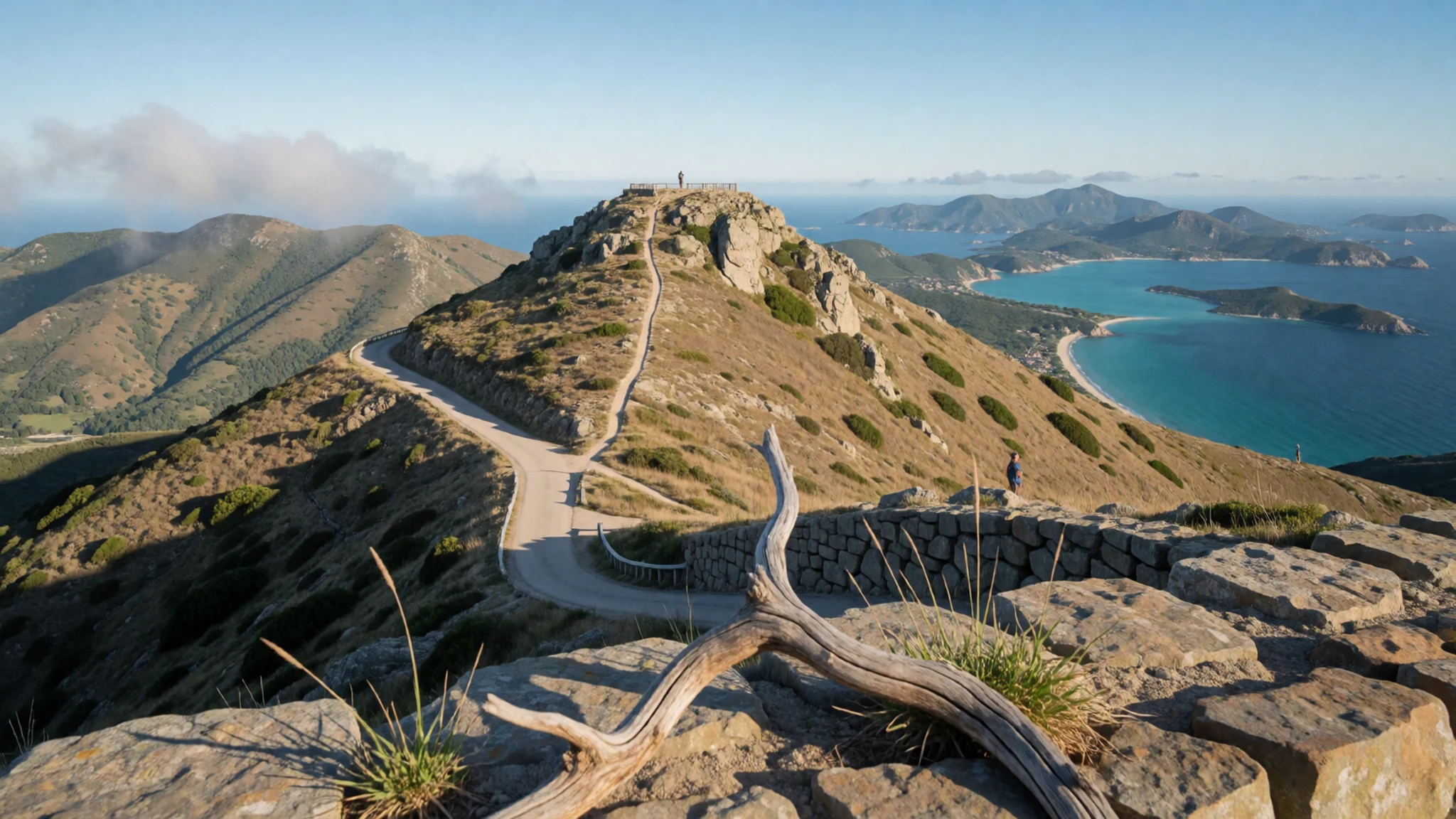
- Marigot waterfront — Marigot, French side
Marigot is the main town on the French side, built around a harbour and a market. Mornings are the best time, when stallholders set out produce, spices and crafts, and cafés fill with people buying bread. By afternoon it quietens, and the fort above makes a natural second stop.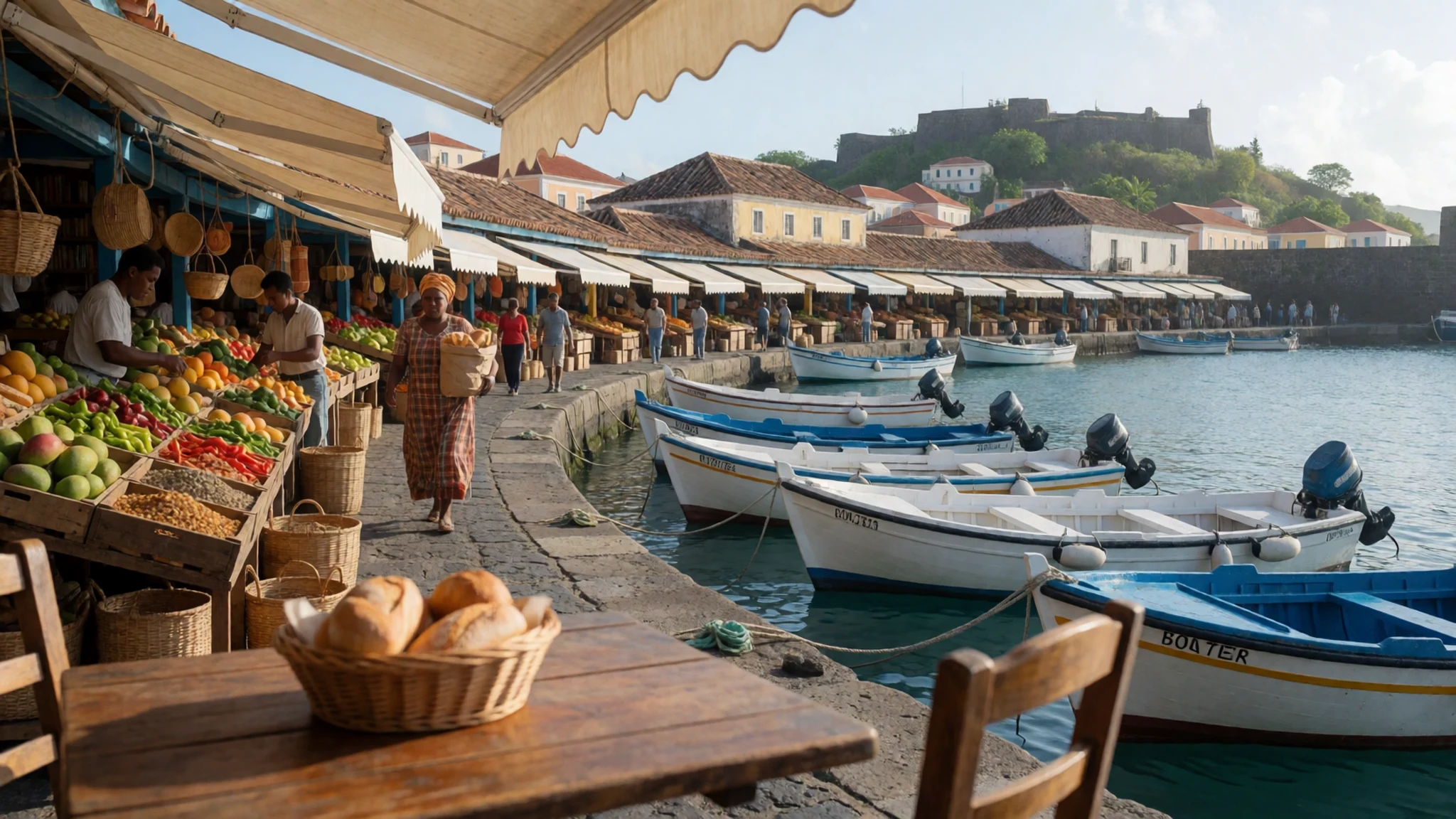
- Philipsburg and Great Bay — Philipsburg, Dutch side
Philipsburg stretches along a curve of Great Bay, with a beachfront promenade, shops and narrow lanes behind. It is the Dutch side's busiest town, and gets crowded when cruise ships dock. Walking the front early or late, when the light is softer and the crowds thin, is far more pleasant.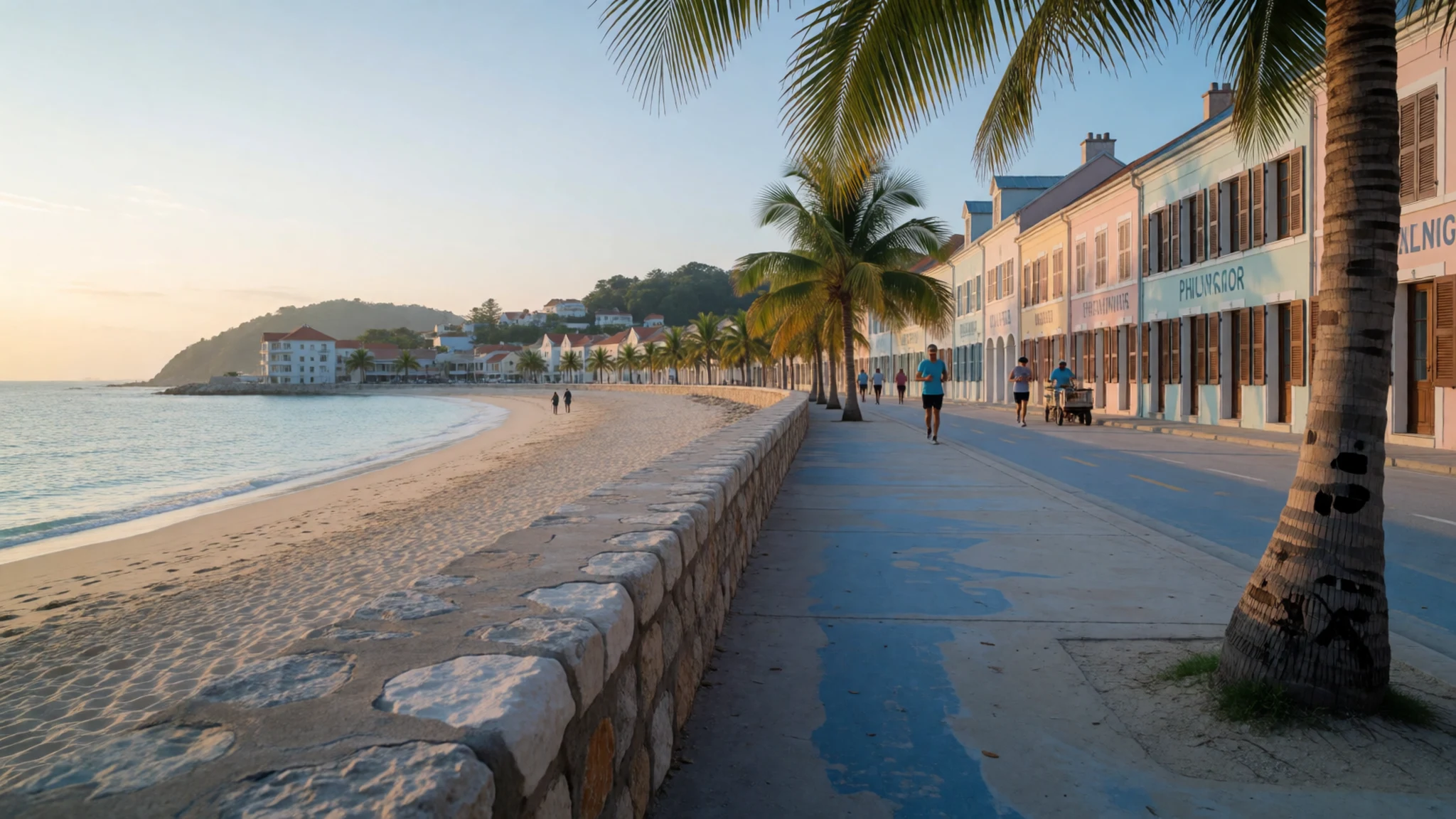
- The border monuments — Along the main roads crossing the border
A few monuments mark the point where Saint Martin becomes Sint Maarten, including a newer one dedicated in 2008. There is no gate or checkpoint, just a sign and a place for photographs. It makes a light-hearted stop, and a good reminder of how relaxed the two sides are with each other.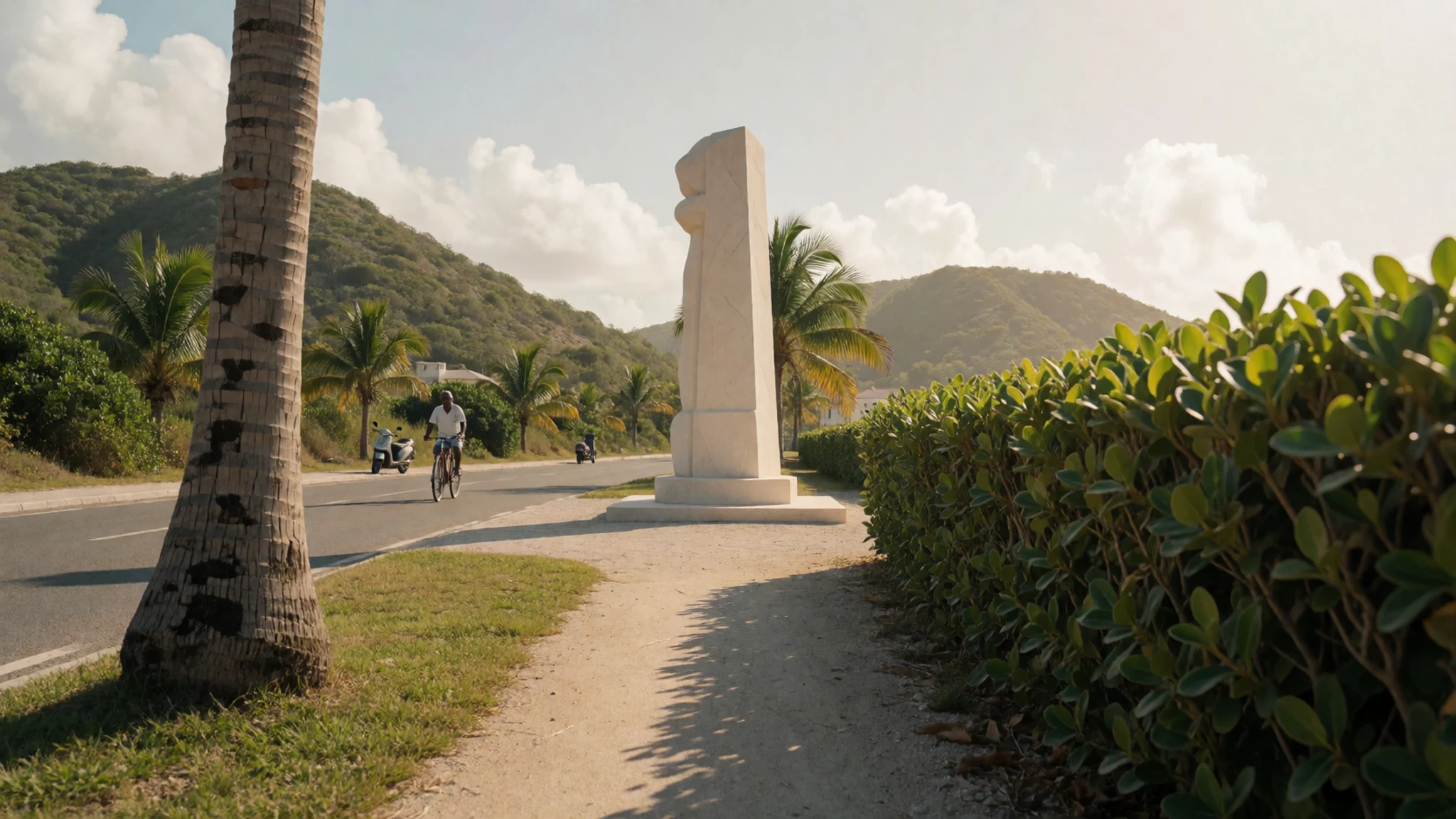
Culture
Saint Martin is a mixed society, and the culture is shaped by that. French, Dutch, Creole and wider West Indian influences all show up in language, music, cooking and everyday manners. English, French and Dutch are all heard, along with Creole and Spanish, and many residents move between them easily. A good share of the population comes from elsewhere in the Caribbean and beyond, so the island feels more like a crossroads than a single tradition.
Food is the clearest expression of this blend. Creole, French and West Indian cooking sit side by side, and the island likes to call itself the culinary capital of the Caribbean. Conch broth with dumplings is often described as the national dish. Evenings tend to be social, with long dinners, live music at beach bars, and, on the Dutch side, casinos for those who want them.
Life is relaxed and dress codes are uncommon, though a few upmarket restaurants and night clubs do have them. Daily life runs on greetings: a polite good morning or bonjour when entering a shop is expected and goes a long way. Residents also take pride in the island's recovery after Hurricane Irma, and conversation about storms is usually practical rather than dramatic. Weekends fill beaches with local families as much as visitors.
Cover up with a shirt or wrap when walking through towns, shops and restaurants away from the beach, as swimwear there is disrespectful and, by local rule, not allowed.
What to wear
Saint Martin's traditional dress follows the wider French and Creole Caribbean. The best-known piece is the madras, a brightly checked cotton cloth used for headwraps, skirts and sashes. It is worn mainly at festivals, folklore shows, carnival and cultural events, usually with white cotton blouses and full skirts. Everyday life no longer calls for it, but it appears on souvenir stalls and in celebrations, often tied in the styles that older women still know.
What people wear now is simple and suited to heat. Residents favour linen, light cotton, sundresses, shorts and sandals by day, with a shirt or smart casual outfit for dinner. Beachwear is for the beach and the pool. On the French side, some people dress with a little Parisian polish even in the sun, while the Dutch side is more casual.
Visitors should pack for steady heat, strong sun and occasional squalls. Light, breathable clothes, a hat, sunglasses and a thin rain jacket cover most days. Bring sandals for sand and a pair of closed shoes if climbing to Fort Louis or walking trails, as paths can be rough and dusty. Keep swimwear to beaches and pools, and carry a light shirt or wrap for shops and restaurants. A few high-end places have dress codes, so check ahead before booking. Dressing very revealingly in towns can draw unwanted attention, so lean towards neat and relaxed.
What to eat
- Conch broth with dumplings — Creole eateries in Marigot and local roadside restaurants
Conch broth with dumplings is often called the island's national dish. It is a warming, peppery soup of sliced conch with soft dumplings, served as a starter or a light meal. Look for it at family-run Creole eateries in Marigot and along the Dutch-side roads.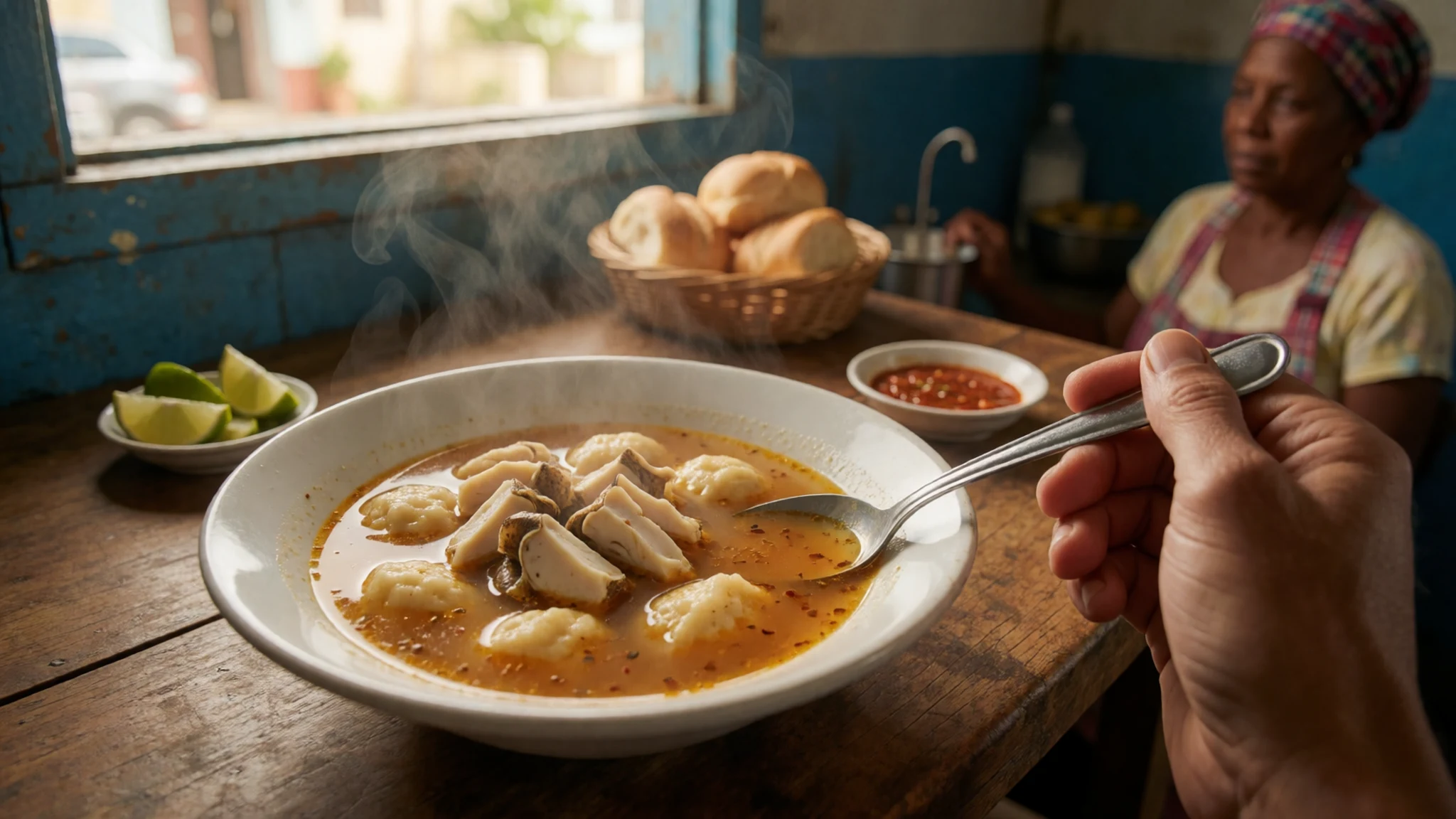
- Grilled fish and lobster — Barbecue shacks and seafront restaurants in Grand Case
Grilled fish and lobster are staples of the seafront. The catch is cooked over a flame with garlic, lime and herbs and served with rice, salad or fries. Choose a simple grill where the day's catch is displayed, and ask what came in that morning.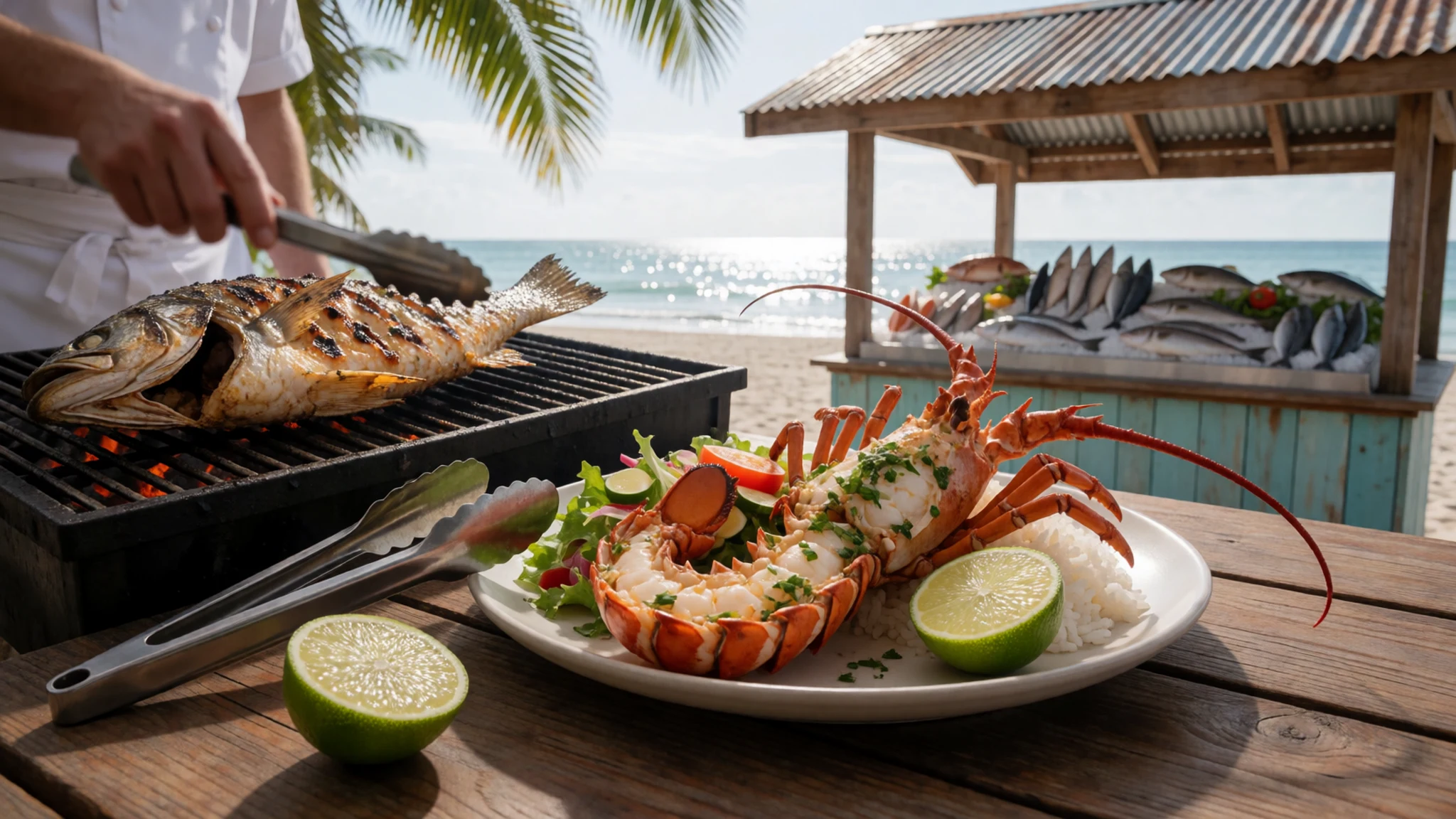
- French bakery bread and pastries — Bakeries and cafés around Marigot's market
French bakery bread and pastries are everywhere on the north side. Baguettes, croissants and fruit tarts make an easy breakfast or beach picnic. Bakeries open early and the best loaves go quickly, so a morning visit is better than an afternoon one. - Ital stew and vegetable plates — Small Ital eateries, such as shack-style restaurants on the Dutch side
Ital cooking follows Rastafarian principles of respect for nature, using fresh vegetables, ground provisions, beans and coconut without meat or salt. Plates are filling and fragrant, and a good option for vegetarians, who can otherwise find choices narrow at fish-led menus. - Guavaberry liqueur and rum punch — Rum shops and gift stores in Philipsburg, and beach bars
Guavaberry liqueur is a local spirit infused with a small wild berry, often drunk as a sweet digestif or mixed in cocktails. Rum punch is the usual beach-bar drink. Try the liqueur in rum shops and gift stores in Philipsburg and ask for a small sample.
Plan it
Best time. January to April is the drier season, with sunshine, steady trade winds and warm sea, which makes it the most comfortable time for beaches and boats. It is also the busiest and the priciest. August to December is the rainy season, with more showers, thunderstorms and the risk of hurricanes, so check forecasts and insurance. Temperatures are warm all year.
How long. 4–7
Getting there. Fly to Princess Juliana International Airport on the Dutch side, which is the main gateway, or to the smaller French-side airfield by short regional flight from nearby islands. From the airport, taxis, hire cars and local buses reach both halves of the island, and a ferry links Marigot with neighbouring islands. A hire car is the easiest way to cross between sides.
Budget. mid
Tips
- Book flights and accommodation well ahead for January to April, when demand is highest
- Visit Philipsburg on days without cruise ships, or go early before the crowds arrive
- Take a guided excursion to Pic du Paradis rather than driving the steep road alone
- Carry both euros and cards, since the two sides use different currencies, and check the official tourism website for current rules
- Pack reef-safe sun cream and drink plenty of water, as the sun is strong even on cloudy days
Etiquette
- Greet shopkeepers and waiters with a bonjour or good morning before asking for anything
- Keep swimwear for the beach and pool, and put a shirt or wrap on in towns
- Respect nature by keeping to marked paths and not touching coral or wildlife
Nearby
Sources
- Wikidata Q25596 (CC0)
- Wikipedia: Saint Martin (island) (CC BY-SA 4.0)
- Wikivoyage: Saint Martin (CC BY-SA 4.0)
- Photo: Border monument 2008 (JB82) (CC BY 3.0)
- Photo: Saint Martin map (Kelisi) (CC BY-SA 4.0)
- Photo: Hurricane Irma on Sint Maarten (Ministry of Defense, Netherlands) (CC0 1.0)
- Photo: Philipsburg and the Great Bay (Clavius66) (CC BY 3.0)
- Photo: Marigot (Darwinek) (CC BY 3.0)
- Photo: Saint Maarten (Shakiyahc) (CC BY-SA 4.0)
- Photo: 7 Alive Store in Saint Martin (David Berkowitz) (CC BY 2.5)
- Photo: Anolis gingivinus on tree trunk (David Berkowitz) (CC BY 2.5)


