Sagada
Sagada, Philippines
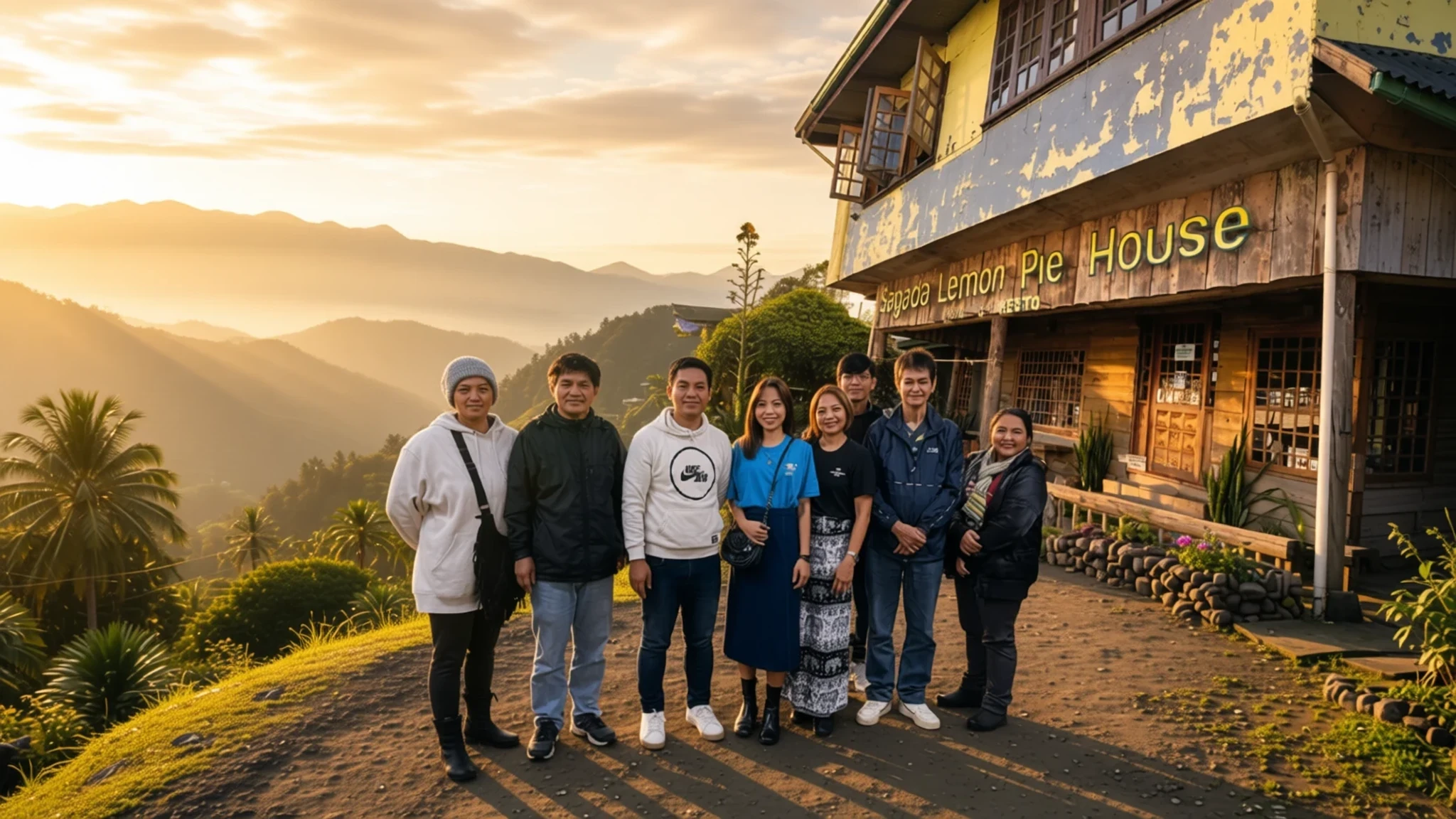
Sagada is a highland town in the Philippines where hanging coffins, limestone caves and waterfalls sit within easy reach of a quiet, cool mountain community.
The place
Sagada is a municipality in Mountain Province, in the Cordillera highlands of northern Luzon, with a population of 10,702. The town sits at 1,472 metres above sea level, so its air is noticeably cooler than the lowlands and mornings can feel chilly for much of the year. The streets are small and walkable. Most guesthouses, cafés and the tourism office cluster in the centre, known as Sagada Proper, while the surrounding villages spread across the slopes.
The draw is the landscape around the town: limestone cliffs, river gorges, cave systems and waterfalls, most within a walk or a short jeep ride. Trekking is the main activity. Most hikes need a local permit and a registered guide, so arrangements are best made at the tourism office rather than on the trail.
Sagada is also a living community with its own languages, including Kankanaey, Bontoc and Balangao, and its name appears in several of them. Burial customs and the November bonfire ceremonies remain central to daily life. The town is quieter than many Philippine tourist hubs, with a late-night curfew and few bars open after dark, so most activity happens in daylight.
Its story
Local legend says Sagada was first settled by a man named Biag, who came from Bika in eastern Abra. Raiders had forced the people of Bika out of their village, and Biag's family moved to Candon in Ilocos. Pressure to adopt Christian names and faith pushed them back toward the hills. Along the way the siblings separated, one returning to Candon, another heading to Abra, and another settling along the upper Abra River. Biag kept travelling east until he reached the hillside that is now the town.
Colonial influence arrived slowly. Spanish soldiers rarely reached this part of the Cordillera, and the first Spanish mission only came in 1882. The highland culture therefore kept more of its character than many lowland towns did. Rev. Fr. John Staunton, an Anglican priest, oversaw the building of Saint Mary the Virgin church, and in 1904 Anglican missionaries founded St. Mary's School. Their presence shaped schooling and religious life here for generations.
The town faced a different kind of threat in the twentieth century. Sagada was one of several Mountain Province municipalities that would have been submerged by the Chico River Dam project, planned during the Marcos dictatorship. The plan would have flooded the valley and the settlements along it. The episode remains part of local memory and of the community's argument about who decides how highland land is used.
What to see
- Mount Kiltepan — Above Sagada Proper, north of the town centre
Mount Kiltepan is the standard choice for a sunrise walk, with its summit lying above the town and giving views across the surrounding ridges. The climb is short but steep, and the top is cold before dawn, so bring a warm layer and a torch. Groups gather at the top from first light, so arriving early secures a better spot.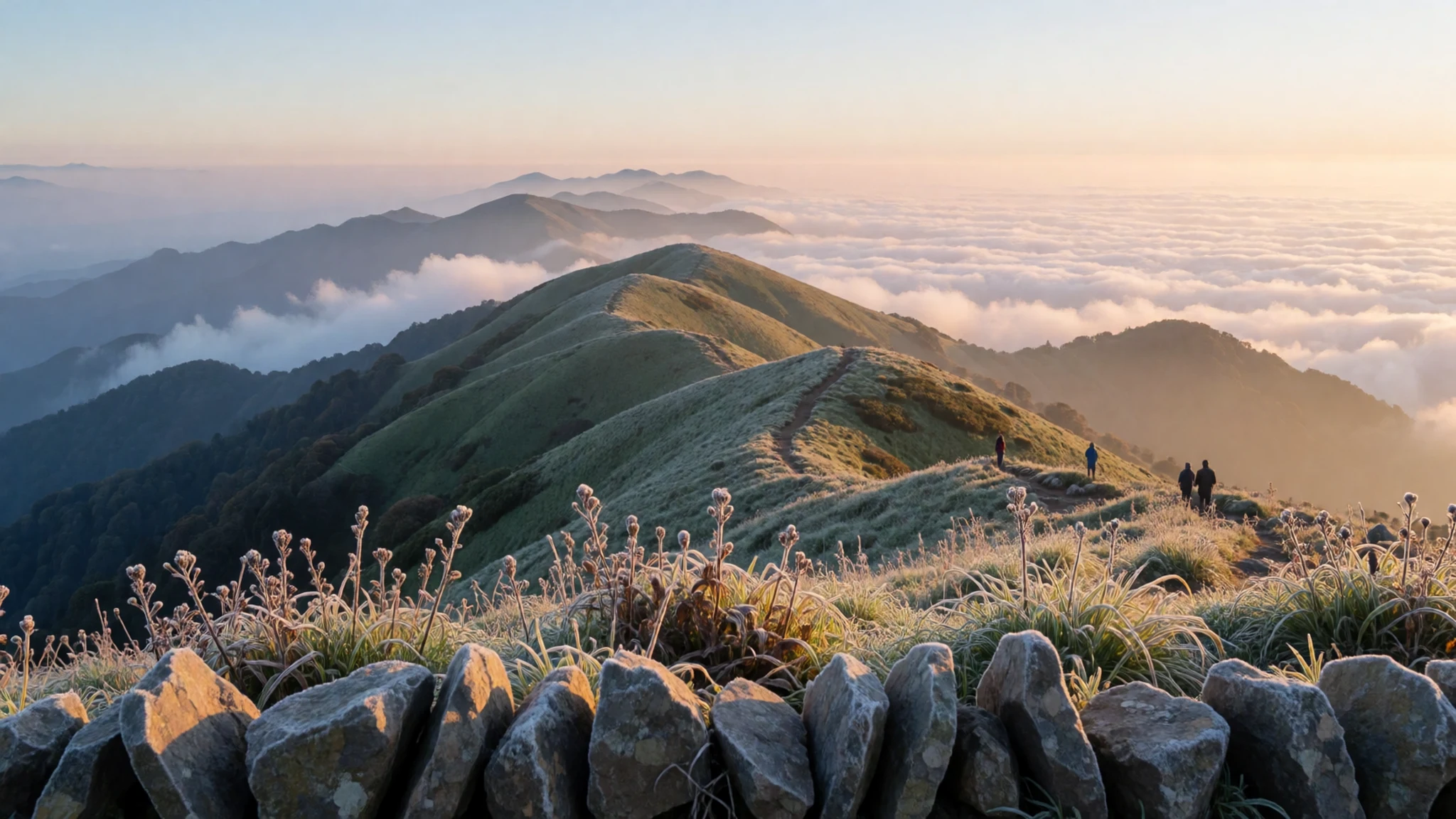
- Hanging Coffins — Cliffside near the main road out of town
Set into a cliff face near the road, the hanging coffins are a burial practice the community still uses. Coffins are fashioned from hollowed logs, sometimes by the person who will lie in them, and they are placed in the rock rather than the ground. The site is a burial place, so view it from a respectful distance and keep photographs discreet.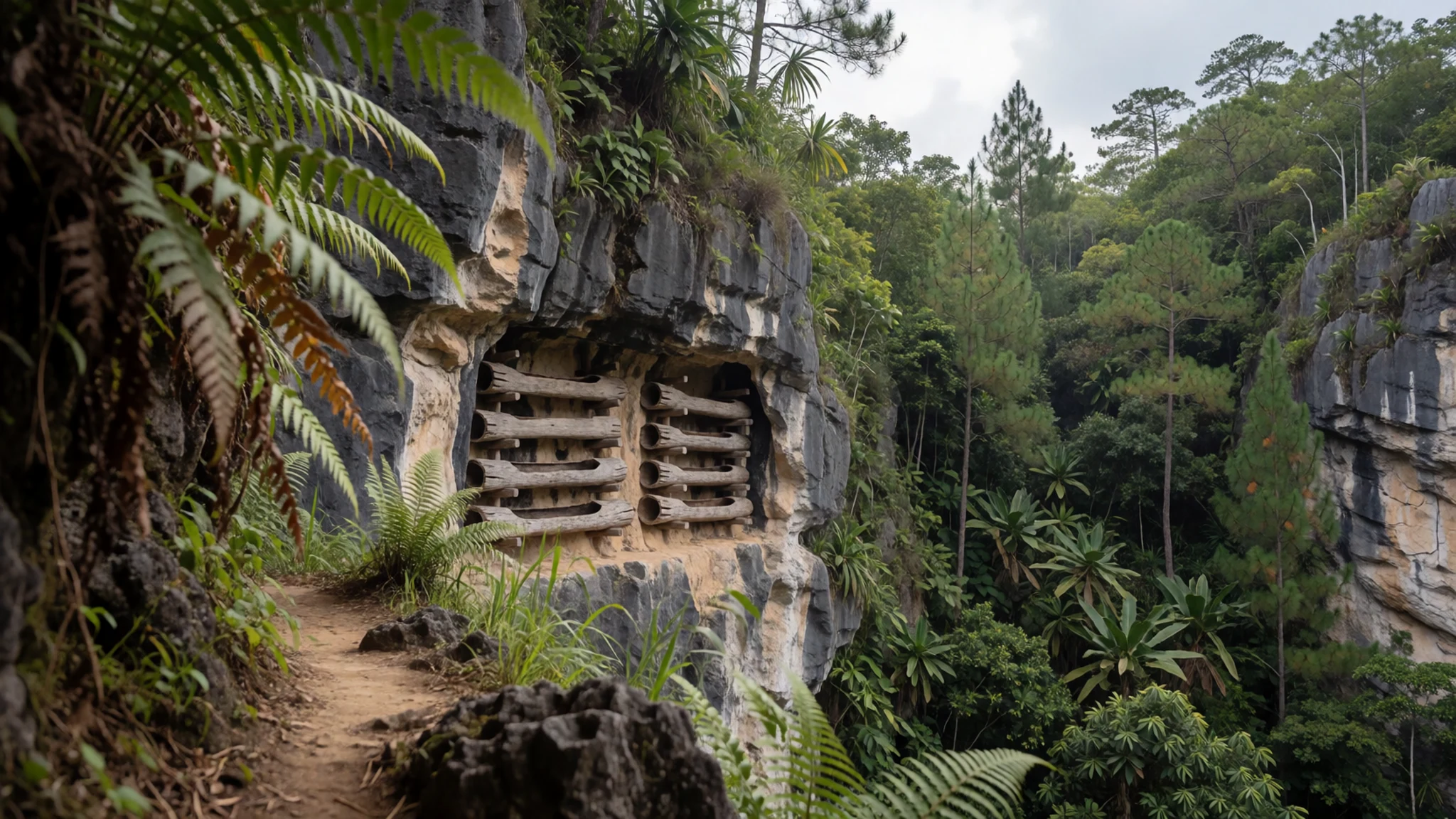
- Sumaguing Caves — Cave system south of the town
Sumaguing is a large cave system with jagged rock, boulders and stalactites and stalagmites in its chambers. Guided tours are the normal way in, and the route involves scrambling and wet footing, so grippy closed shoes matter more than looks. The cave is often combined with a visit to Lumiang Cave, a burial site with hanging coffins, which calls for quiet and care.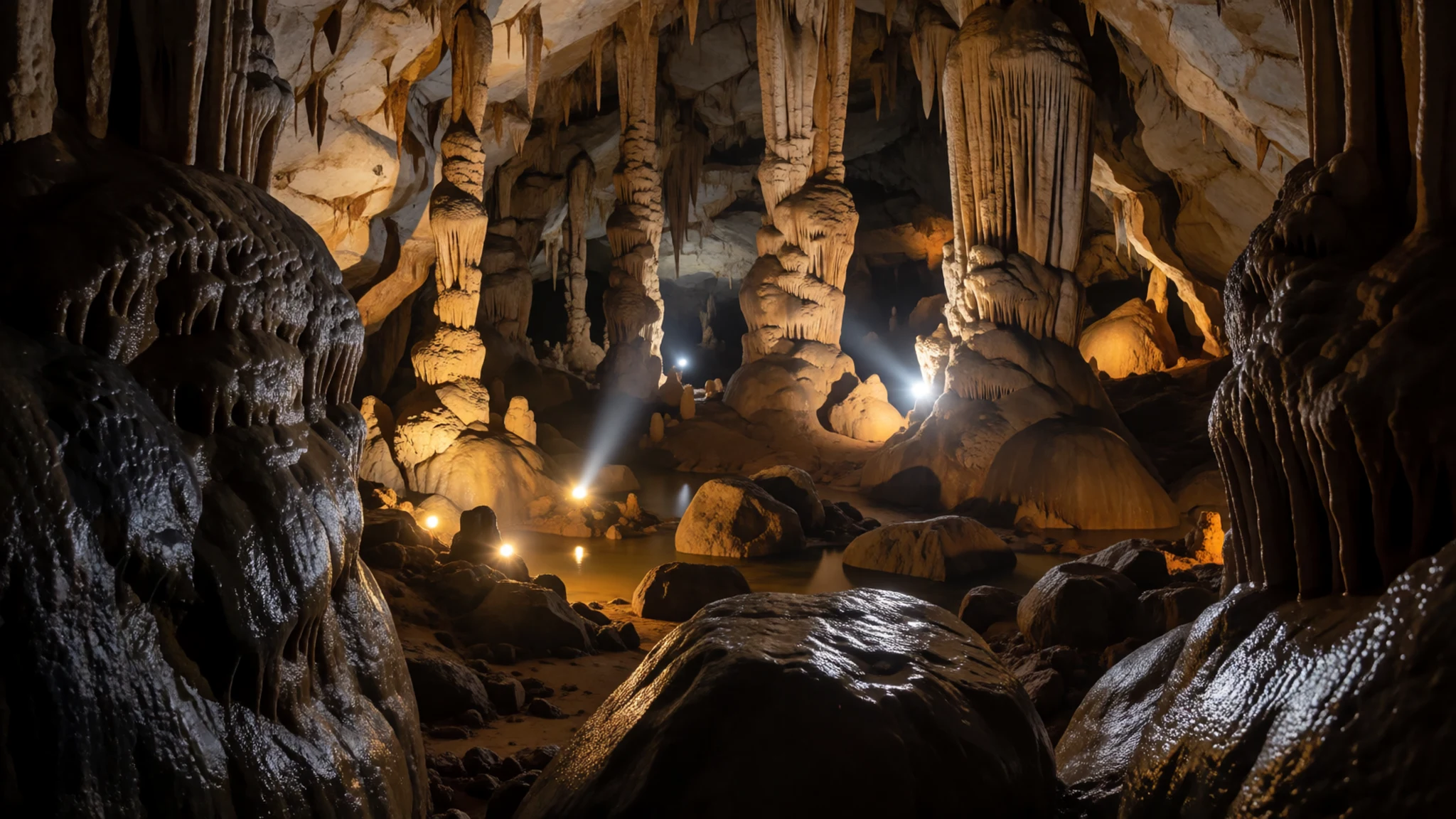
- Bokong Falls — Trail from Sagada Proper
Bokong Falls is a cascade reached on foot from the town, making it a suitable choice for a relaxed half day. The water is cool, and the rocks around the pool can be slippery after rain, so keep to the stable edges. Some routes need a permit or guide, so confirm arrangements at the tourism office before setting out.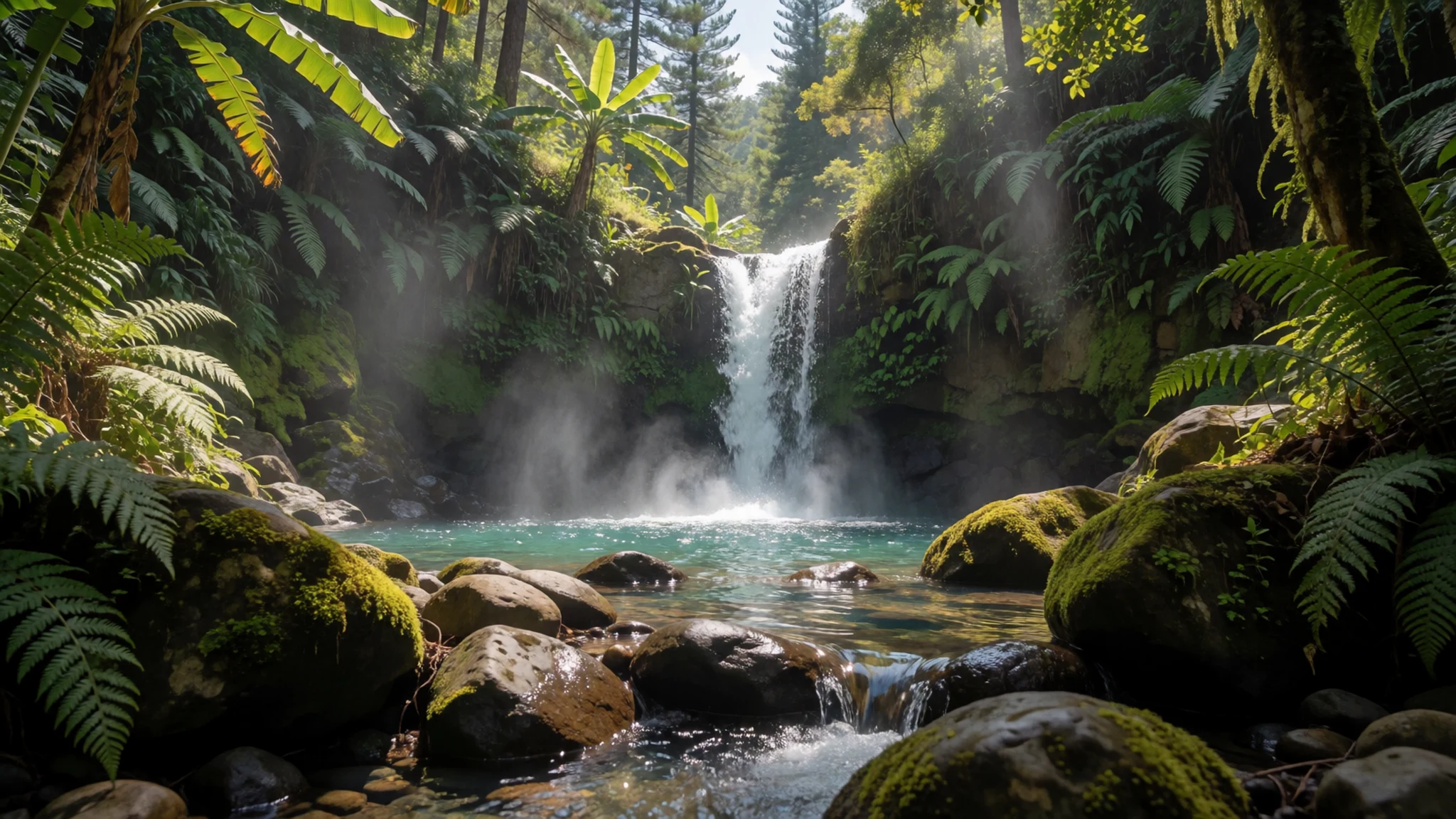
- Lake Danum — Highland trail east of the town
Lake Danum is a quiet highland lake that hikers visit mainly for its sunset views, and it is usually calm when most walkers have gone home. The route involves a long climb, so plan the return before dark and carry a headlamp. Bins are scarce on the trails, so pack out all rubbish.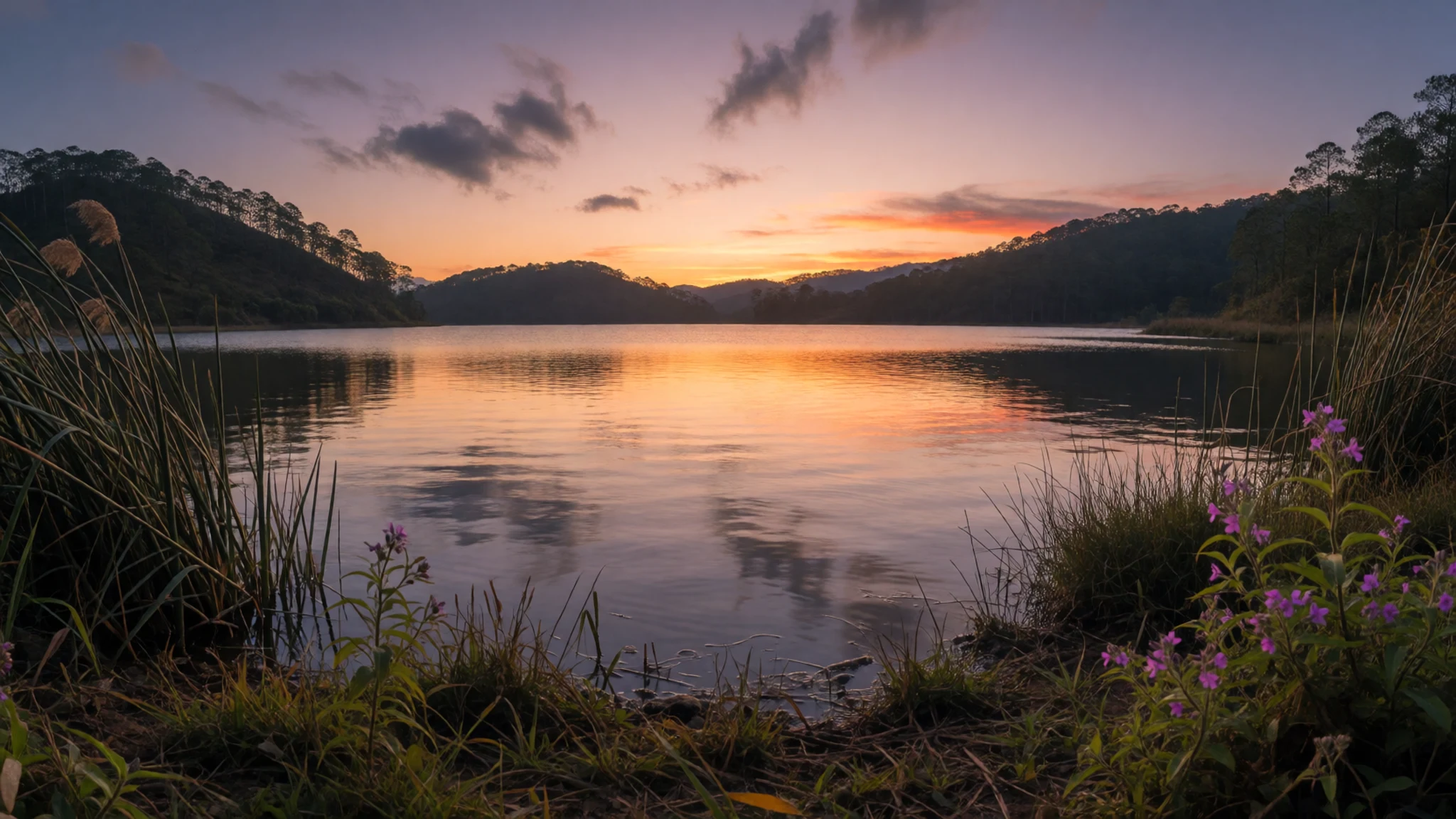
Culture
In Sagada, burial and ancestral customs sit at the heart of daily life, and growing visitor numbers are beginning to put pressure on the town. The most sensitive observance is the panag-aapoy, when families light bonfires near graves during All Saints' and All Souls' Days in November to honour their dead. The fires make striking pictures, but for the families they are solemn and private. Outsiders are asked not to film them or approach family graves. Burial sites in general, including the hanging coffins and the caves where some are placed, call for quiet and restraint. Guides who keep to the official routes help avoid intrusion. The town keeps a late-night curfew and its streets go dark early, so noise after dusk stands out. Ask before photographing anyone, and keep your voice and your camera down near burial sites and graves.
What to wear
Traditional dress in Sagada belongs to the wider Cordillera weaving tradition. The Kankanaey and Bontoc communities of the area have long made textiles from handspun and handwoven cotton, with abaca fibre used for some cords and bags. Woven wrap skirts, patterned with bands of dark and light stripes, and shawls or blankets served for daily work and ceremony. Beadwork and brass ornaments marked feasts and important occasions. Motifs and colours varied from village to village and often signalled family or status. Some older residents still wear such pieces at weddings and festivals, while most everyday clothing is now factory-made.
What people in Sagada wear today is largely ordinary Filipino dress: jeans, shirts and sneakers in town, with warmer jackets for the cold mornings. Cordillera textiles appear in craft shops, on hand-loomed scarves and in roadside stalls, and many local people wear woven pieces at festivals.
Pack layers, since mornings and evenings are cold at this altitude and the day can warm quickly. Sturdy closed shoes with good grip suit the muddy trails and cave floors far better than sandals. Modest clothing is the norm at churches and burial sites, so cover shoulders and knees there. A light rain jacket is worth carrying in the wetter months.
What to eat
- Highland coffee — Cafés on the main road through Sagada Proper
Locally grown coffee is served in many cafés in the town centre, usually brewed strong and sometimes sweetened. Cafés that roast their own beans tend to offer the most distinctive cups. A hot cup is a good way to start a cold morning before a trek.
- House-made yoghurt — Breakfast rooms and cafés in the town centre
Several cafés and guesthouse breakfast rooms make their own yoghurt. It often arrives with fresh fruit, honey or granola and makes a light, cool breakfast. Dairy is a welcome change from heavier rice-based meals on hike days.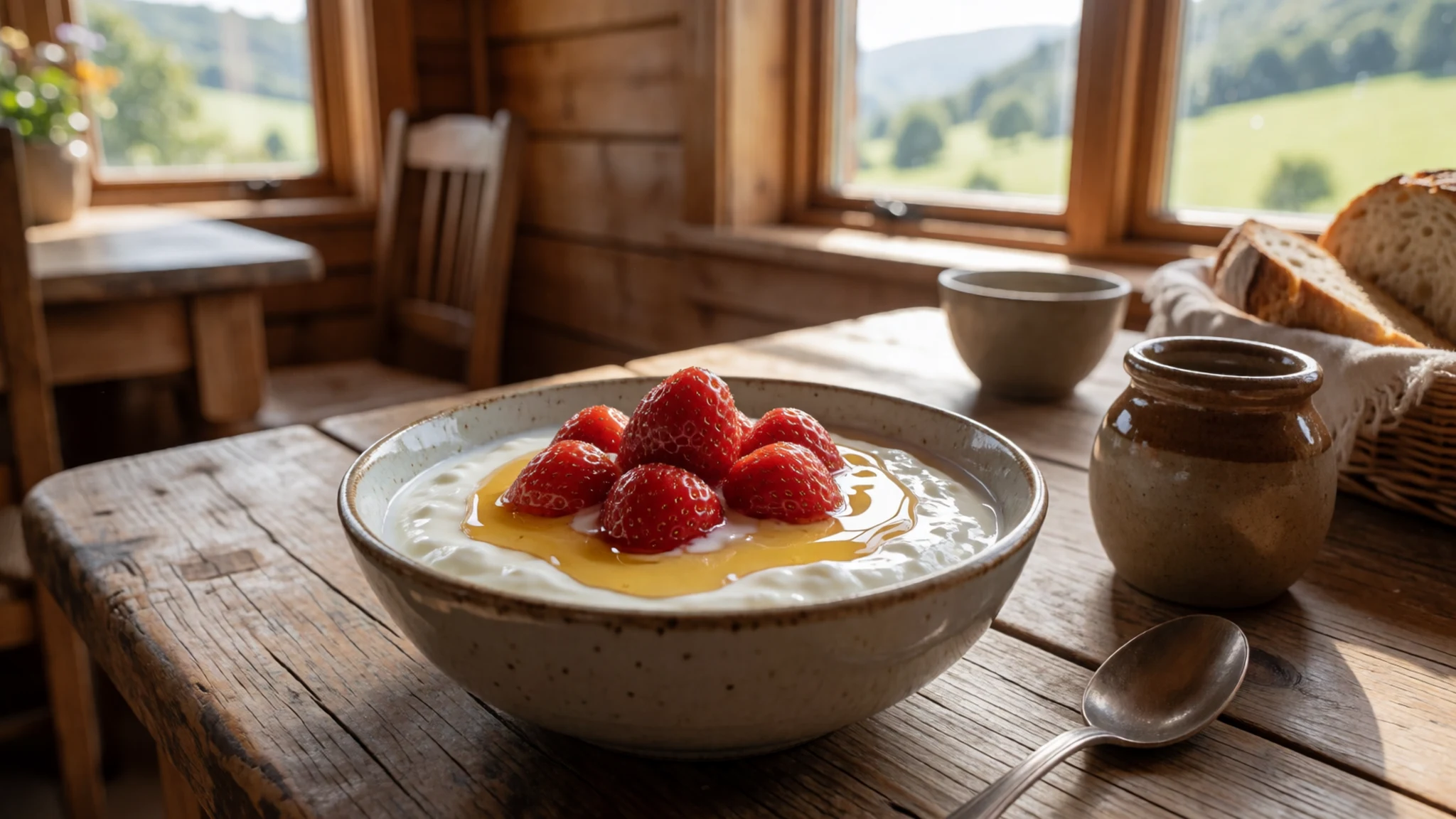
- Sizzling plates — Casual eateries along the main road, mostly in the evening
Sizzling plates are a Filipino staple: pork, chicken or fish with onions and garlic, brought to the table still hissing on an iron platter. The dish is filling after a long day on foot. Quality varies between places, so the busiest eatery is usually the safest bet. - Packed hike lunches — Eateries and guesthouses in Sagada Proper, ordered in advance
Several eateries prepare picnic baskets for trekkers, with rice, vegetables, eggs and fruit wrapped for the trail. Order the night before a long walk so the food is ready at dawn. Vegetarian options are often available on request. - Highland oranges — Roadside fruit stalls and sellers around the town
Oranges grown in the highlands are sold at roadside stalls and by local sellers around town. They make a cheap, sweet snack for the trail. Peel them before setting off, because bins are scarce on the paths.
Plan it
Best time. November to May is the dry season, when trails are open and hiking permits are easiest to arrange. December to February are the cooler months and the most comfortable for long walks. The wetter months from June bring mud and slippery paths.
How long. 2–3
Getting there. Most travellers reach Baguio first, by road or air, and then take a bus north. The bus from Baguio takes around six hours on winding mountain roads. Services are limited on public holidays, so check departure arrangements in advance.
Budget. low
Tips
- Register at the Municipal Tourism Office on arrival and keep the receipt, as it is needed to access sites
- Ask the tourism office for the official rate sheet before agreeing any tour or guide fee
- Start sunrise walks before dawn, since summit trails are cold and busy in the early light
- Carry cash for guides, tricycles, small eateries and market stalls, as cards may not be accepted
- Bring a torch, water and snacks for longer hikes, since shops along the trails are few
Etiquette
- Stay on marked paths and follow your guide near burial sites
- Ask before photographing people, and do not film burial rituals
- Be back in town before dark, as the streets quieten early and the curfew applies
Nearby
Sources
- Wikidata Q36090 (CC0)
- Wikipedia: Sagada (rev 1382391937) (CC BY-SA 4.0)
- Wikivoyage: Sagada (rev 5406871) (CC BY-SA 4.0)
- View over Sagada municipality, Mountain Province (Magalhães, 2003) (Public domain)
- Sagada skyline, Mountain Province (Patrickroque01) (CC BY-SA 4.0)
- Flag of Sagada, Mountain Province (Municipal Government of Sagada) (Public domain)
- 523 Sagada, Dec 1980 (wilford peloquin) (CC BY 2.5)
- Sagada, Cordilleras, Philippines (yeowatzup) (CC BY 2.5)
- Anglican Church, Pobalcion, Sagada (Aldrin J. Garces) (CC BY 3.0)
- Oranges from Sagada being sold in La Trinidad City (Lawrence Ruiz) (CC BY-SA 4.0)
- Sagada hanging coffin (PhilipNalangan) (CC BY-SA 4.0)


