Safranbolu
Safranbolu, Turkey
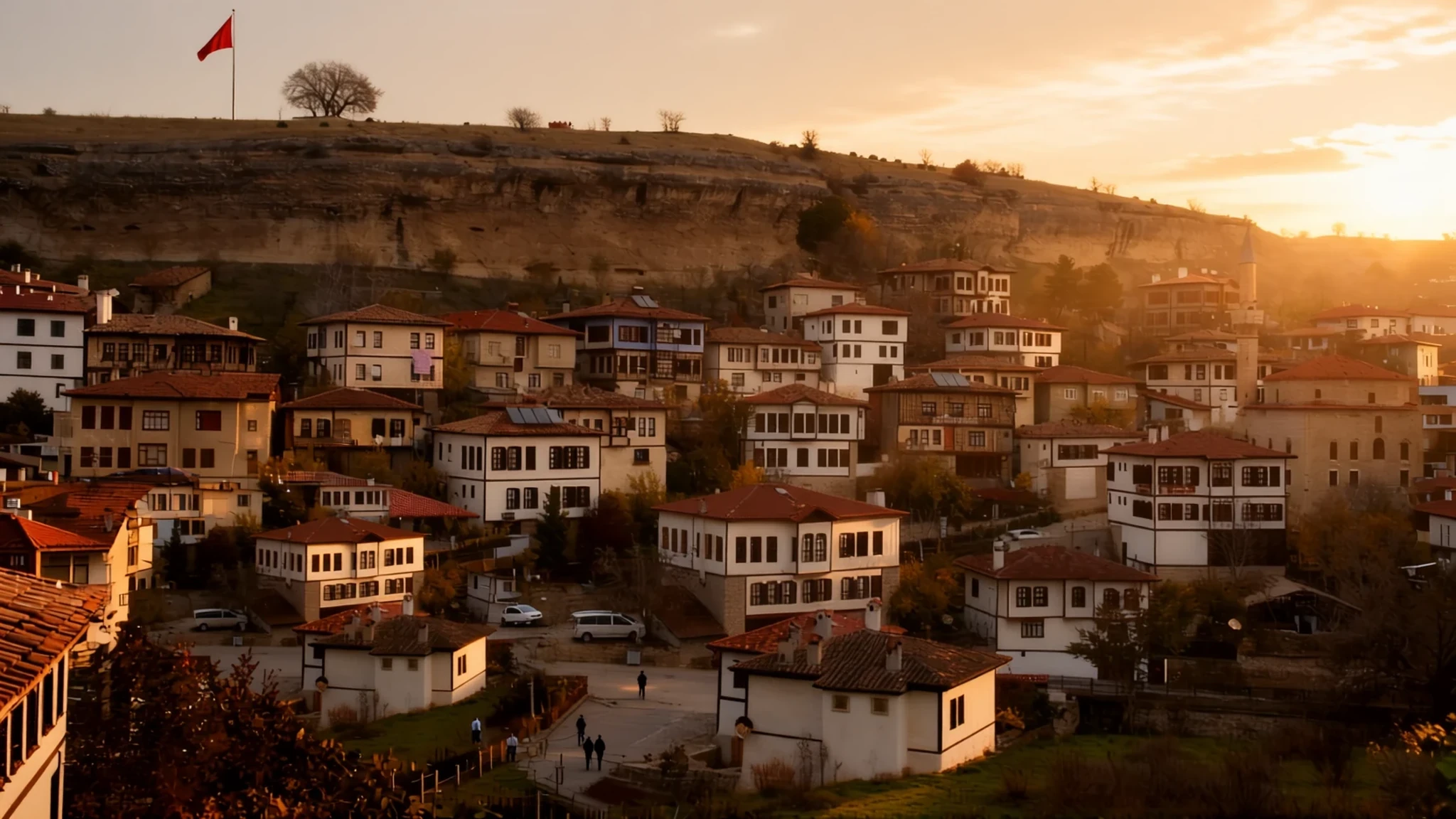
Go for a compact, well-kept Ottoman town in a deep ravine, where the old houses, bazaar and quiet lanes are worth a slow day or two.
The place
Safranbolu is a town in Karabük Province in the Black Sea region of northern Turkey. It sits in a deep ravine in a fairly dry landscape, sheltered from much of the rain by the surrounding mountains, and lies a long way north of Ankara but not far from the Black Sea coast. The town has carried several names over the centuries. Greek-speaking traders knew it as Dadybra and later Saphrampolis, and Turkish sources also used Zalifre and Taraklıborlu. The present name joins the word for saffron with the Greek for city, a reminder of its past as a trading place and a centre for growing the spice. Saffron is still grown in villages nearby.
The historic core, known as Çarşı, lies in the ravine. Its streets are lined with merchants' houses and mansions, many under restoration, and it also holds mosques, baths, fountains, caravanserais and an old clock tower. The New Town spreads across a plateau to the west, where most modern shops, services and hotels are found. The contrast is clear: the Old Town is compact, shaded and built on steep slopes, while the New Town is flat and practical. Summer weekends bring crowds of day visitors from nearby cities, so the lanes fill up and the cafés get busy. Weekday mornings are far quieter, and the surrounding hills, planted with vines, are a short walk from the rooftops.
Its story
Safranbolu grew rich on trade. Its name points to saffron, and the town became a stop on the route carrying goods between the interior of Anatolia and the Black Sea ports. Caravans brought merchandise through the ravine, and the merchants who prospered built large stone and timber houses with carved window screens, courtyards and gardens. Those houses, rather than any single monument, give the Old Town its character today.
The town also had a difficult chapter. Its residents resisted Suleiman II, who laid siege to the town for months, destroyed houses and poisoned the water supply. Hunger eventually forced a negotiated surrender, and under its terms the people were allowed to leave without being harmed. The story is still told locally as an example of stubborn defence.
In the Ottoman period the population was mixed, with Muslims and Greek Orthodox families living side by side and sharing the same trading life. The Greek Orthodox church that later became the Great Mosque is one trace of that earlier community. Later, the town's administrative status changed several times as provincial boundaries were redrawn, and the New Town grew up on the plateau as the Old Town gradually lost its commercial role. Restoration of the old houses has since turned much of the ravine into a place for visitors.
What to see
- Cinci Han — Çarşı, Old Town
The former principal caravanserai of the town, a stone inn where merchants and their animals once rested on the trade route. Built in the seventeenth century, it stands in the heart of the Old Town beside the Koprulu Mehmet Paşa Mosque. It was later converted into a hotel, although that venture has not been a success, so parts of the building may be quiet. Visitors can still look at the courtyard and the arcaded spaces.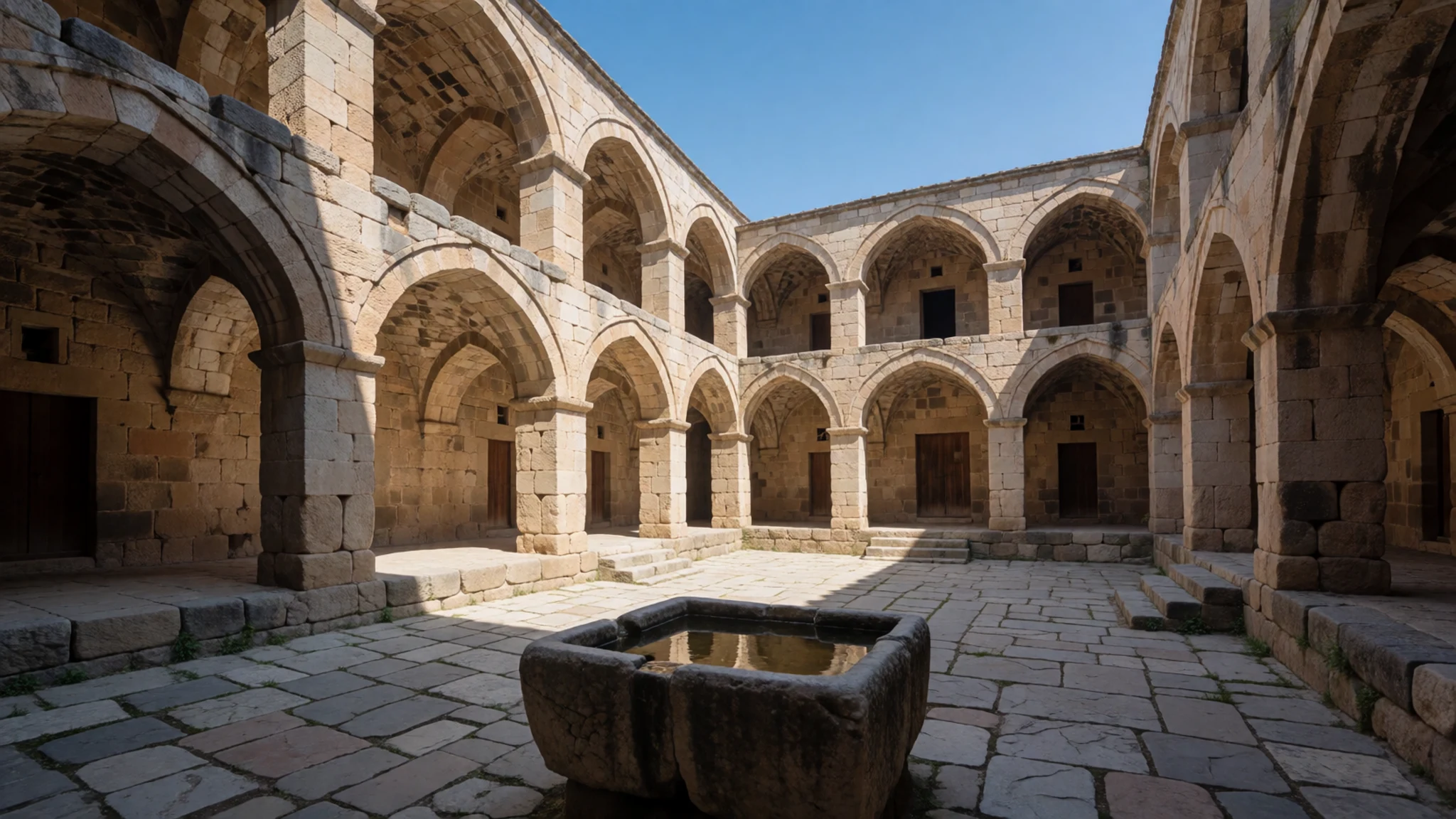
- Kaymakamlar Gezi Evi — Çarşı, Old Town
A restored mansion that has been turned into an ethnography museum. It shows how a prosperous household lived in the Old Town, with rooms furnished in the style of earlier decades and displays of everyday objects. It is a good place to understand the houses on the surrounding streets before walking them.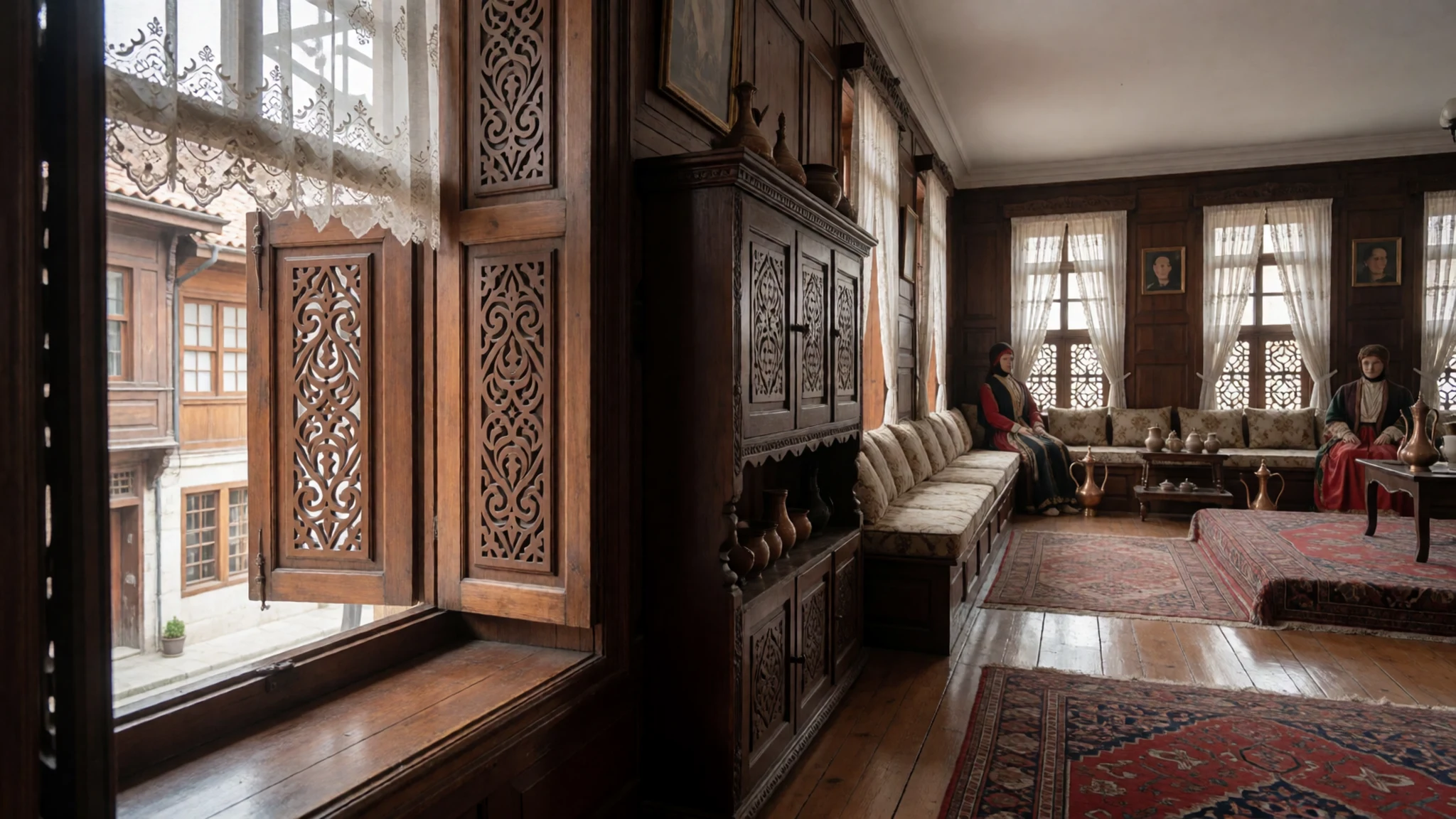
- Eski Çarşı — Çarşı, Old Town
The old bazaar that gives the Çarşı district its name. Its narrow lanes hold small shops selling copperware, spices, textiles, sweets and local produce. The lanes are open to walkers at any hour, but individual shops keep their own hours, so check before planning a purchase. Mornings are the most relaxed time to browse.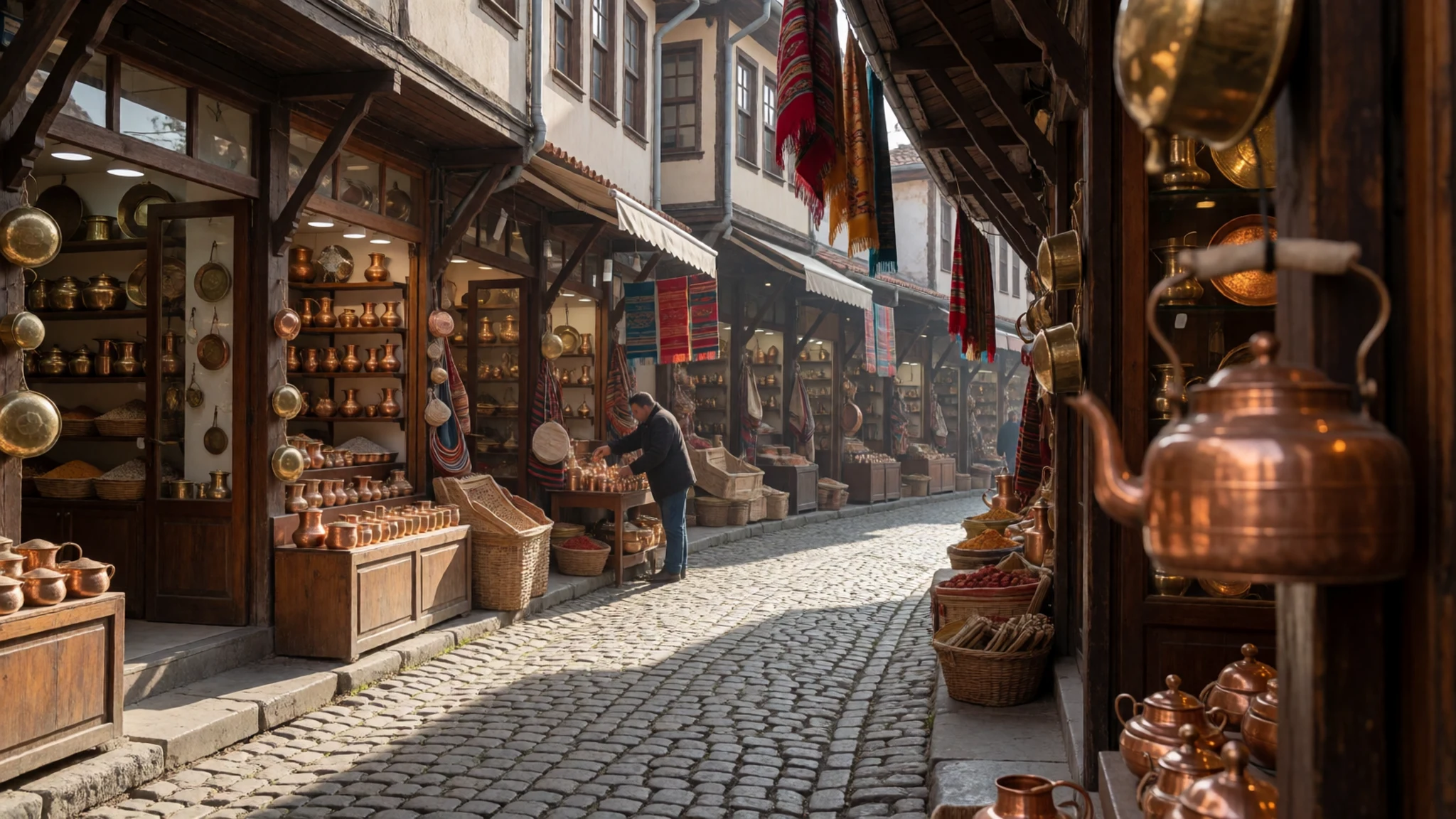
- Ulu Cami — Çarşı, Old Town
The Great Mosque was first built in the seventeenth century as a Greek Orthodox church and was converted into a mosque in the mid-twentieth century. Its history is one of the clearest traces of the town's mixed past. It is an active place of worship, so visitors should dress modestly and keep their voices low.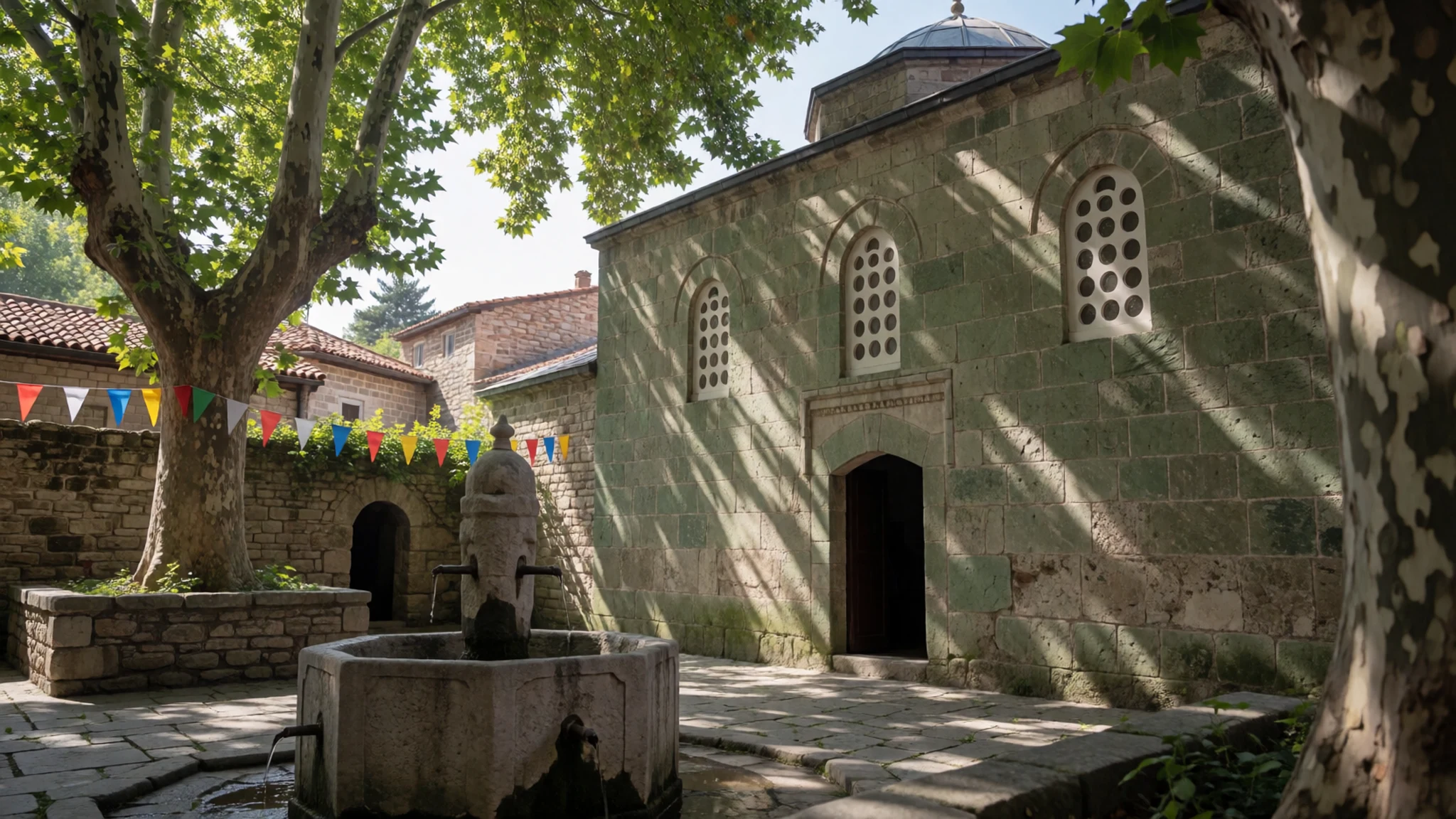
- Hıdırlık Tepesi — Hill above Çarşı
A viewpoint on the hill above the Old Town, reached by a short climb from the lanes. From the top, the red roofs, courtyards and the deep line of the ravine are laid out below. The octagonal tomb here belongs to a district governor from the early nineteenth century. Go in the late afternoon for the best light on the houses.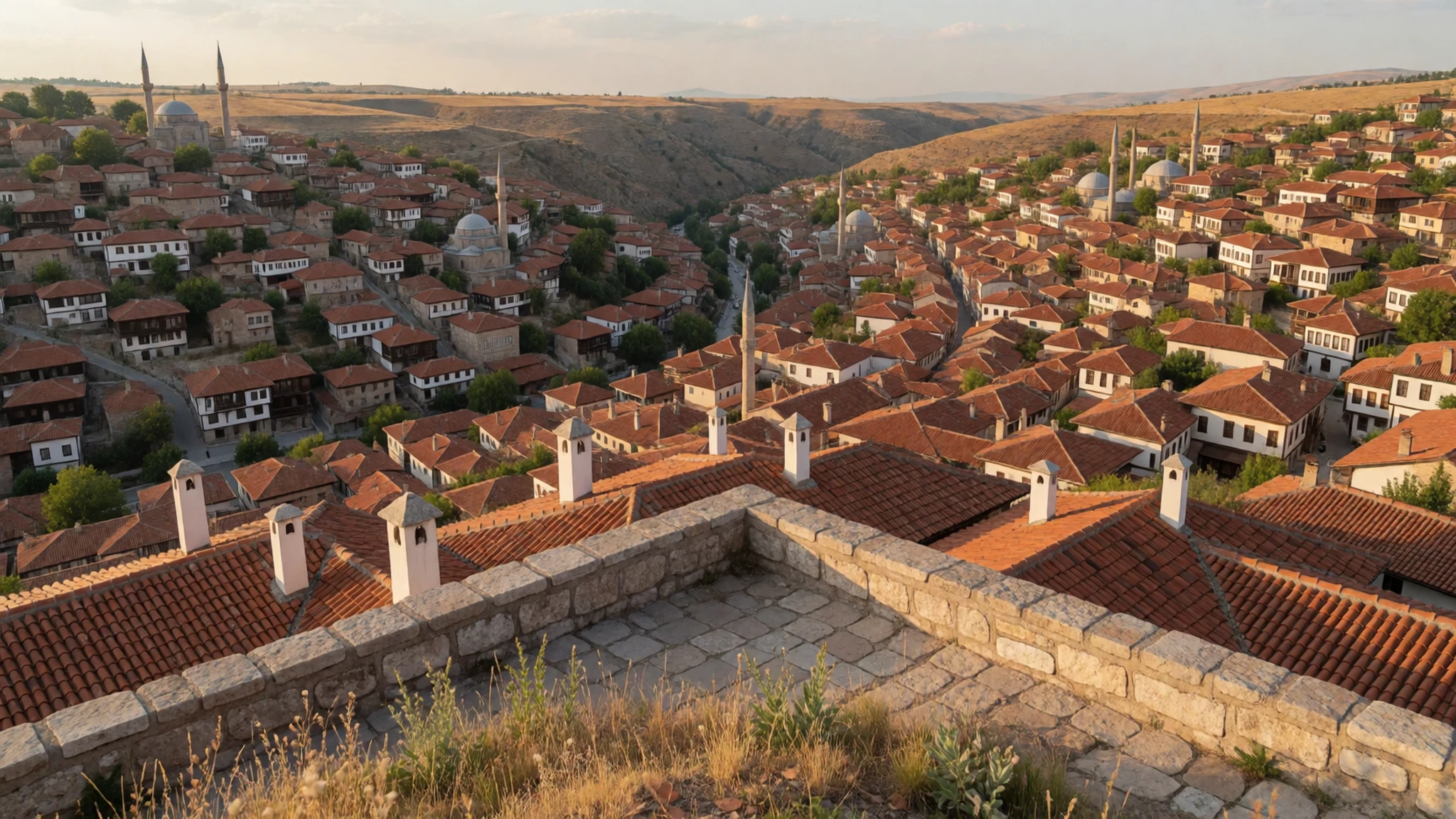
Culture
Life in Safranbolu's Old Town is still lived in as much as it is shown to visitors. Many of the Ottoman houses are private homes, and some families have restored them slowly over decades, using traditional timber, lime and tile. The town's identity rests on hospitality, and shopkeepers and café owners are often happy to talk about the buildings if approached politely. The mosques are working places of prayer, and the rhythm of the day is shaped by the call to prayer, with men and women gathering for worship at different times. Local manners are relaxed in the lanes but more formal at religious sites. Alcohol is served in cafés and restaurants, reflecting the mixed character of the town, yet public drunkenness is not part of its social life. Visitors who want to photograph residents, especially women and children, should ask first, and a smile or a gesture usually works better than a camera raised without warning. When entering a mosque, remove your shoes at the threshold, cover your shoulders and knees, and leave your shoes with the others on the rack.
What to wear
Traditional dress in Safranbolu reflected the wider Anatolian pattern of practical, layered clothing. Older residents wore loose garments, wool and cotton for winter and lighter cloth in summer, with sashes and headscarves as everyday markers of household and status. Handwoven fabrics, embroidered edgings and felt were common in the region, and many textiles were made at home or by local craftspeople. Such clothing is now mostly worn at weddings, festivals and in the older quarters on special occasions. Most people in Safranbolu today dress in modern Western-style clothes, and many women wear headscarves, which is a personal choice and common across the country. For visitors, the sensible approach is comfortable, breathable clothing with layers, since summers can be warm in the ravine and evenings cooler. Shoulders and knees should be covered inside mosques, and a light scarf is useful for women. Sturdy shoes with good grip matter more than style, because the lanes are steep and cobbled in places.
What to eat
- Lokum (Turkish delight) — Patisseries at the New Town junction
Soft, dusted cubes of lokum are the classic sweet of Safranbolu, often flavoured with rose, lemon or pistachio. The town's patisseries sell them alongside other traditional desserts. Buy a box to take home, and ask for a taste before choosing.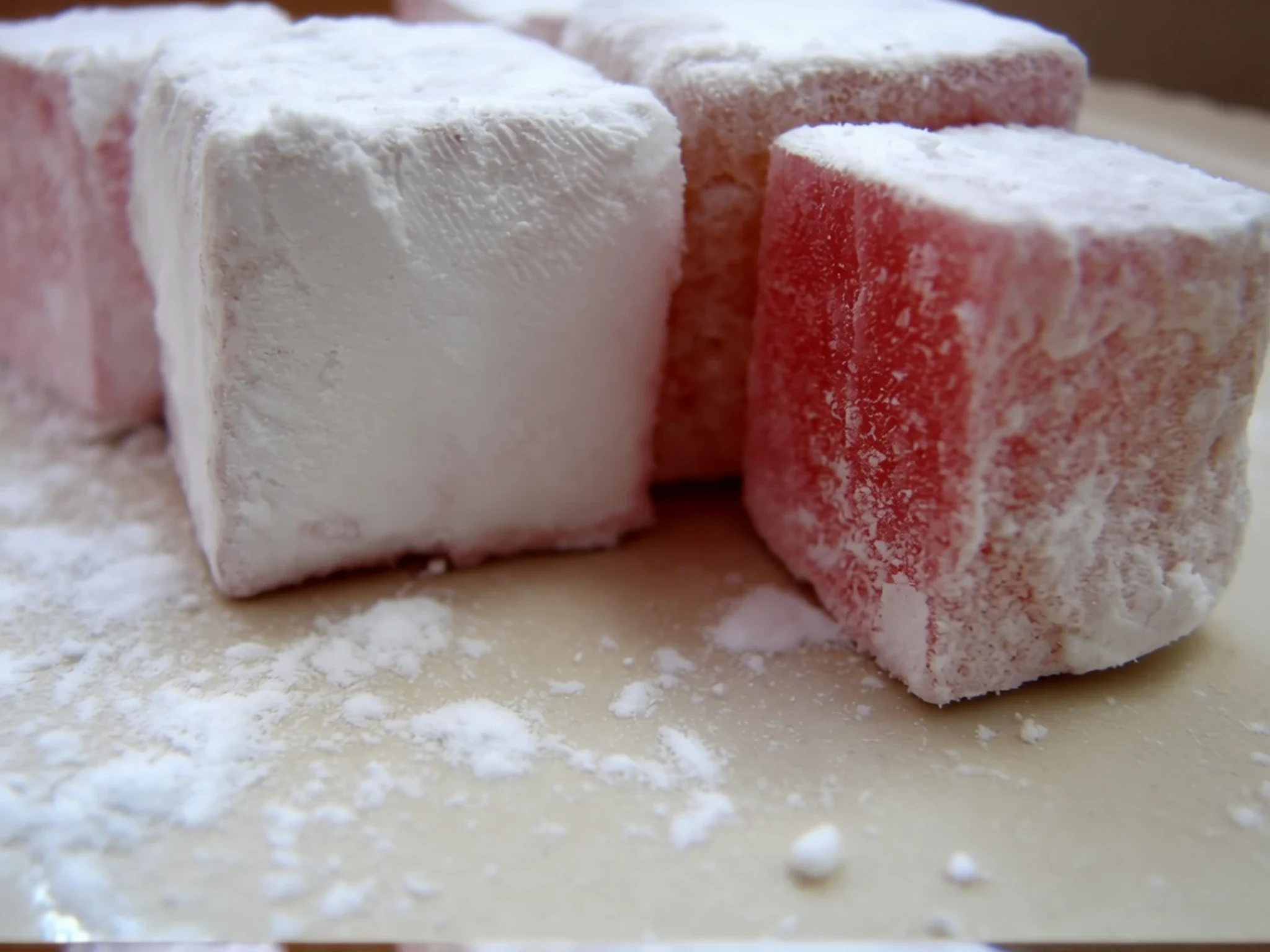
- Köfte — Köfte eateries at the New Town junction
Grilled minced meat patties, seasoned with onion and herbs, are the everyday meal of the town. They are usually served with bread, salad and a little yoghurt. The eateries around the New Town junction are a practical choice for a relaxed lunch.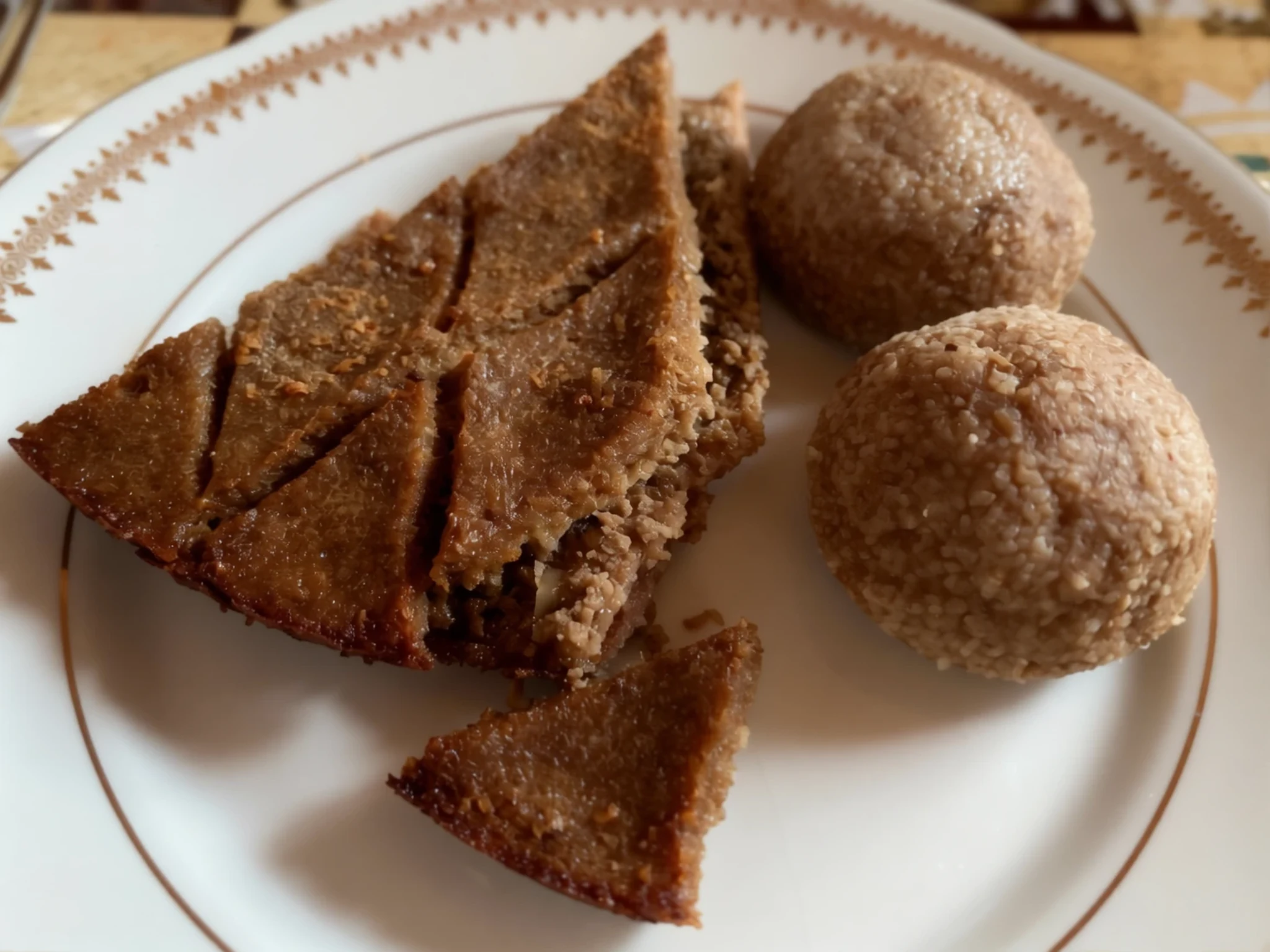
- Home-style sofra dishes — Family-run restaurants in Çarşı
A sofra is a traditional spread of several dishes served together, from stews and vegetable dishes to rice and bread. In the Old Town, small restaurants serve regional cooking in courtyard settings. Eating a full sofra is the best way to taste the local kitchen at its most generous. - Local wine — Restaurants and wine bars in Çarşı and the New Town
Wine is produced in the hills around the town, and cafés and restaurants serve it with meals. The local bottles are a good way to try something made close to home. Serving in the evening is common, and alcohol is available in most eateries that serve food. - Tea in a bazaar café — Cafés in Eski Çarşı
Tea, served in small tulip-shaped glasses, is the default drink in the bazaar. Sitting with a glass of black tea in a café near the old market is a good way to watch the lanes. It is cheap, and it is a good excuse to rest on a steep afternoon.
Plan it
Best time. April, May and October are the most comfortable months, with mild days and cool evenings. Summer can be hot in the ravine, and summer weekends bring crowds of day visitors from nearby cities. Winters are bitterly cold, with lows near -20 °C in January and February, and the hills can look bleak, although the old houses look atmospheric under cloud.
How long. 2–3
Getting there. Ankara is the main gateway, and frequent buses run north from there to Safranbolu. Long-distance buses from Istanbul run through the day but take most of a day. The bus station is a short way south of the town centre, and the onward local ride may be included in the ticket, so ask when booking. Local buses and dolmuş minibuses link Karabük with Safranbolu. The nearest railway station is in Karabük, a short distance south-west, and rail services in the area have been patchy, so check before relying on a train.
Budget. low
Tips
- Book bus seats a few days ahead for summer weekends, when services fill up.
- Walk the Old Town early, before the day visitors arrive.
- Carry cash for small eateries, bazaar stalls and local transport.
- Stay overnight in the Old Town if you can, since the evenings are quieter.
- Wear sturdy shoes, because the lanes are steep and cobbled.
Etiquette
- Ask before photographing residents, especially women and children.
- Dress modestly and remove shoes at the entrance of any mosque.
- Keep noise down in the lanes, since many of the houses are private homes.
Nearby
Sources
- Wikidata Q192501 (CC0)
- Wikipedia: Safranbolu (CC BY-SA 4.0)
- Wikivoyage: Safranbolu (CC BY-SA 4.0)
- Traditional houses of Safranbolu, Uğur Başak (CC BY-SA 1.0)
- 20180107_Safranbolu_1945, Ray Swi-hymn (CC BY-SA 2.0)
- 20180107_Safranbolu_1946, Ray Swi-hymn (CC BY-SA 2.0)
- 20180107_Safranbolu_1943, Ray Swi-hymn (CC BY-SA 2.0)
- 20180107_Safranbolu_1942, Ray Swi-hymn (CC BY-SA 2.0)
- 20180107_Safranbolu_1940, Ray Swi-hymn (CC BY-SA 2.0)
- 20180107_Safranbolu_1941, Ray Swi-hymn (CC BY-SA 2.0)
- 20180107_Safranbolu_1993, Ray Swi-hymn (CC BY-SA 2.0)


