Rzeszów
Rzeszów, Poland
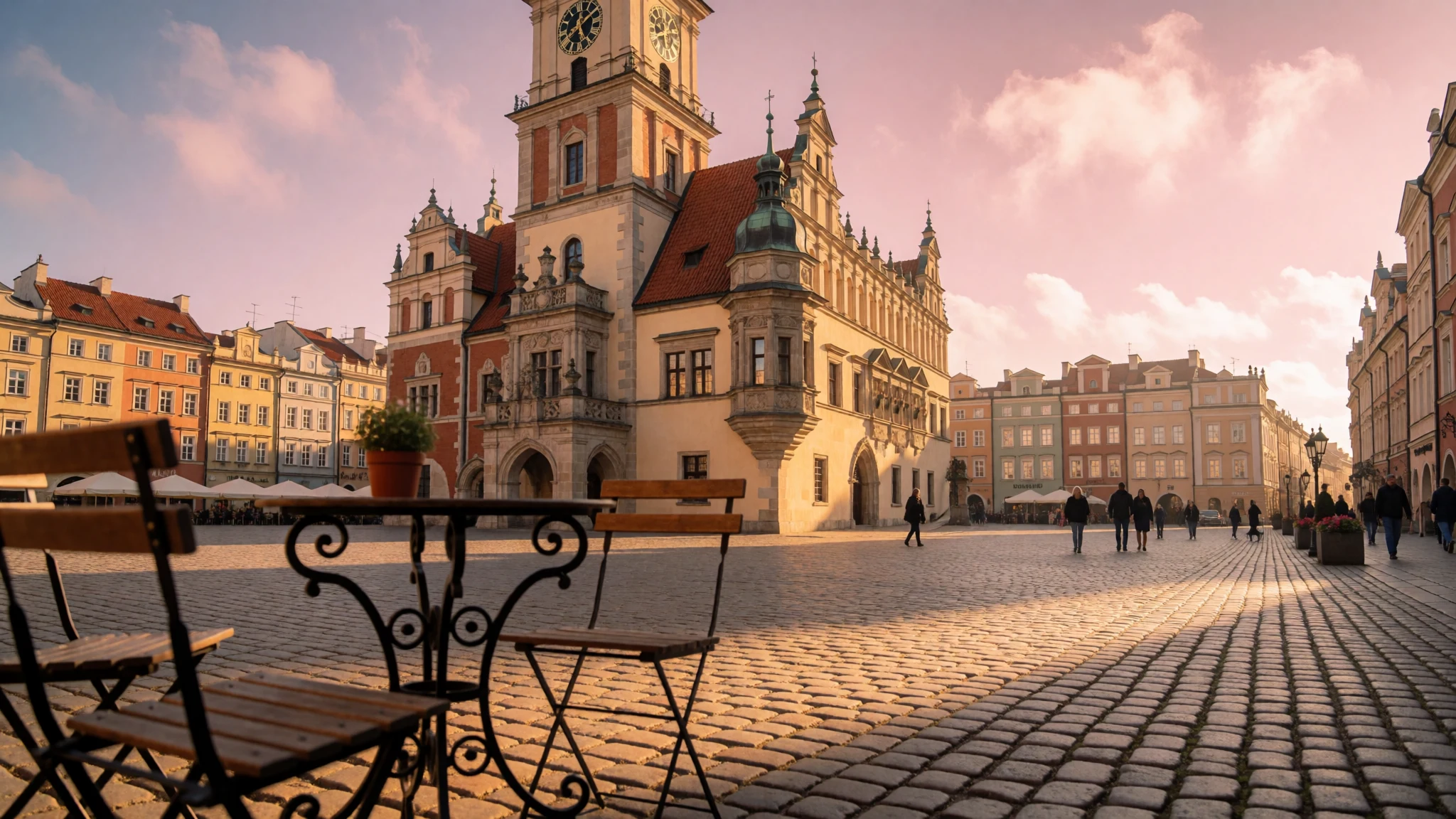
Discover a dynamic southeastern Polish hub where medieval merchant roots meet a thriving modern aerospace capital along the Wisłok River.
The place
Rzeszów stands as the largest city in southeastern Poland, stretching across both banks of the Wisłok River within the wide expanse of the Sandomierz Basin. Serving as the administrative, academic, and economic heart of the Subcarpathian Voivodeship, the city supports a population approaching two hundred thousand residents. Its urban character is a striking study in contrasts, where carefully preserved medieval trading routes and historic squares sit right alongside sleek corporate headquarters and advanced engineering facilities. Long before it evolved into a modern technological powerhouse, the settlement grew rich through its strategic position along bustling commercial paths linking Lesser Poland, Red Ruthenia, and the rugged Carpathian mountain region to the south. Today, visitors exploring the central districts will find a leafy, walkable atmosphere where expansive green spaces like Olszynki Park border the urban core, offering quiet riverside paths just minutes away from lively restaurant terraces and historic monuments. While heavy industry and aerospace manufacturing drive much of the contemporary economic vitality, the municipal landscape retains an inviting, human-scale charm. Paved squares, quiet courtyards, and tree-lined avenues encourage leisurely wandering, revealing independent cafes, local museums, and university campuses that bring a youthful, energetic pulse to the historic streets. Whether you arrive to study the architectural legacy of noble magnate families or simply to sample regional dishes at a lively table on the main square, Rzeszów delivers an authentic slice of contemporary Polish provincial life well off the crowded tourist trail.
Its story
The deep history of human habitation in the Rzeszów area stretches back across the millennia, beginning in the late Paleolithic Age when early European modern humans hunted along the river valleys, leaving behind delicately chipped stone tools. Centuries later, the first agricultural communities arrived, likely navigating through the natural highway of the Moravian Gate, followed in turn by the distinctive material cultures of the Lusatian and Przeworsk peoples. By the seventh century, the earliest Slavic tribes established permanent communities in the fertile basin, most likely identifying with the powerful Vistulan tribal federation. During the tenth century, these lands were drawn into the orbit of the emerging Piast state of Poland. However, the political fragmentation of the realm left the region vulnerable, and between the eleventh and thirteenth centuries, East Slavic Ruthenian rulers pushed westward to conquer and annex the town from the weakened Polish monarchy. Polish control was decisively restored in the mid-thirteenth century, paving the way for formal municipal incorporation when King Casimir the Great granted official town rights. Through succeeding centuries, the city flourished under noble patronage, weathering shifting borders, foreign partitions under Habsburg rule, and the trials of twentieth-century conflicts. Its modern identity was dramatically reshaped before the Second World War with the launch of ambitious industrial programmes, transforming a quiet regional market town into a vital centre for aviation engineering and technological innovation that continues to shape its destiny today.
What to see
- Market Square — Stare Miasto
The central beating heart of the city's historic layout, this vibrant square is lined with colorful historic townhouses, outdoor cafe terraces, and subterranean merchant cellars. It serves as the primary gathering space for local festivals, evening promenades, and casual socializing throughout the warmer months.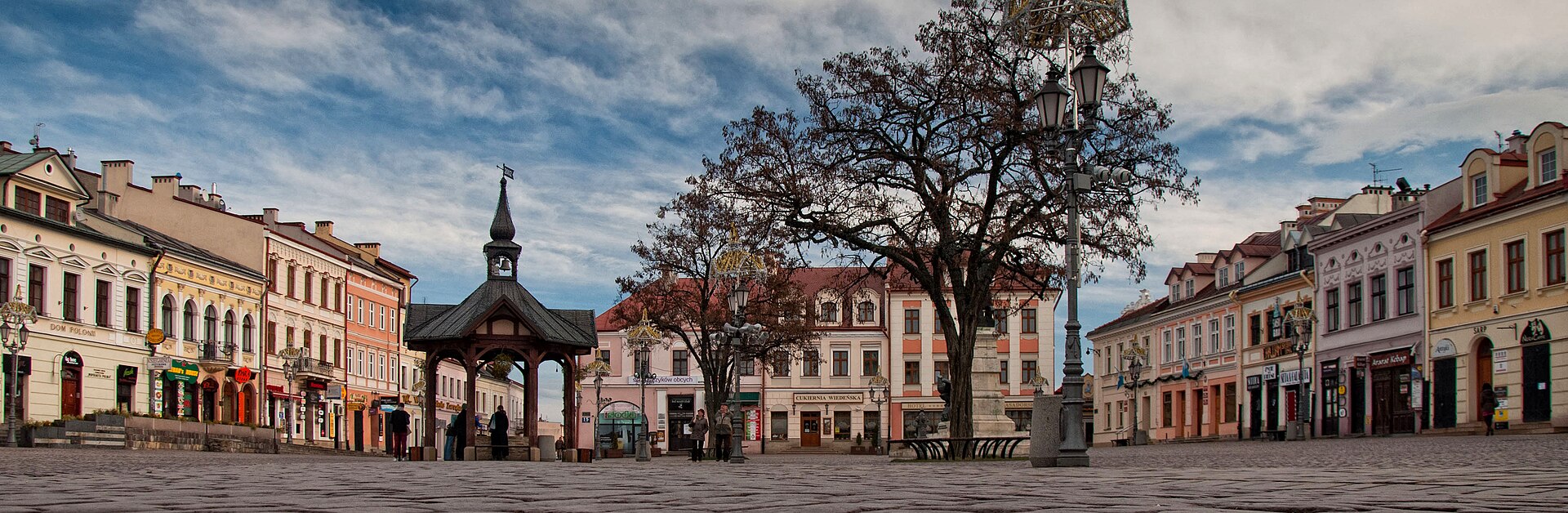
- Town Hall — Stare Miasto
Positioned proudly on the southwestern corner of the main market square, this historic municipal building dates back centuries and has been rebuilt through successive eras. While closed to general public entry inside, its striking exterior architectural details command attention from surrounding cafe tables.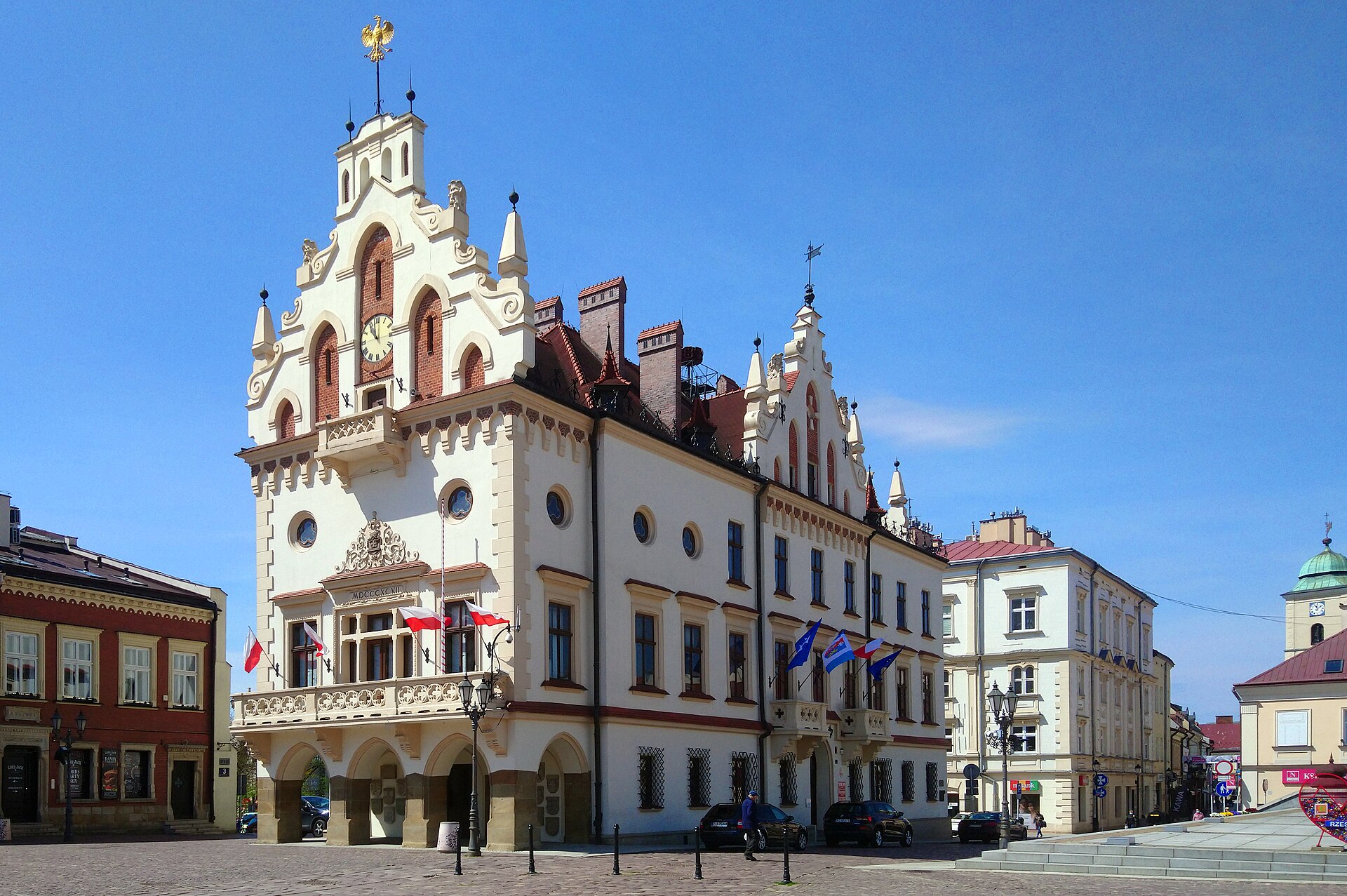
- Lubomirski Castle — Old Town Edge
Perched dramatically on the edge of the old town district, this impressive fortification traces its origins to sixteenth-century defensive structures. Later expanded with substantial stone walls and defensive bastions, the striking architectural complex remains one of the city's most recognizable historical landmarks.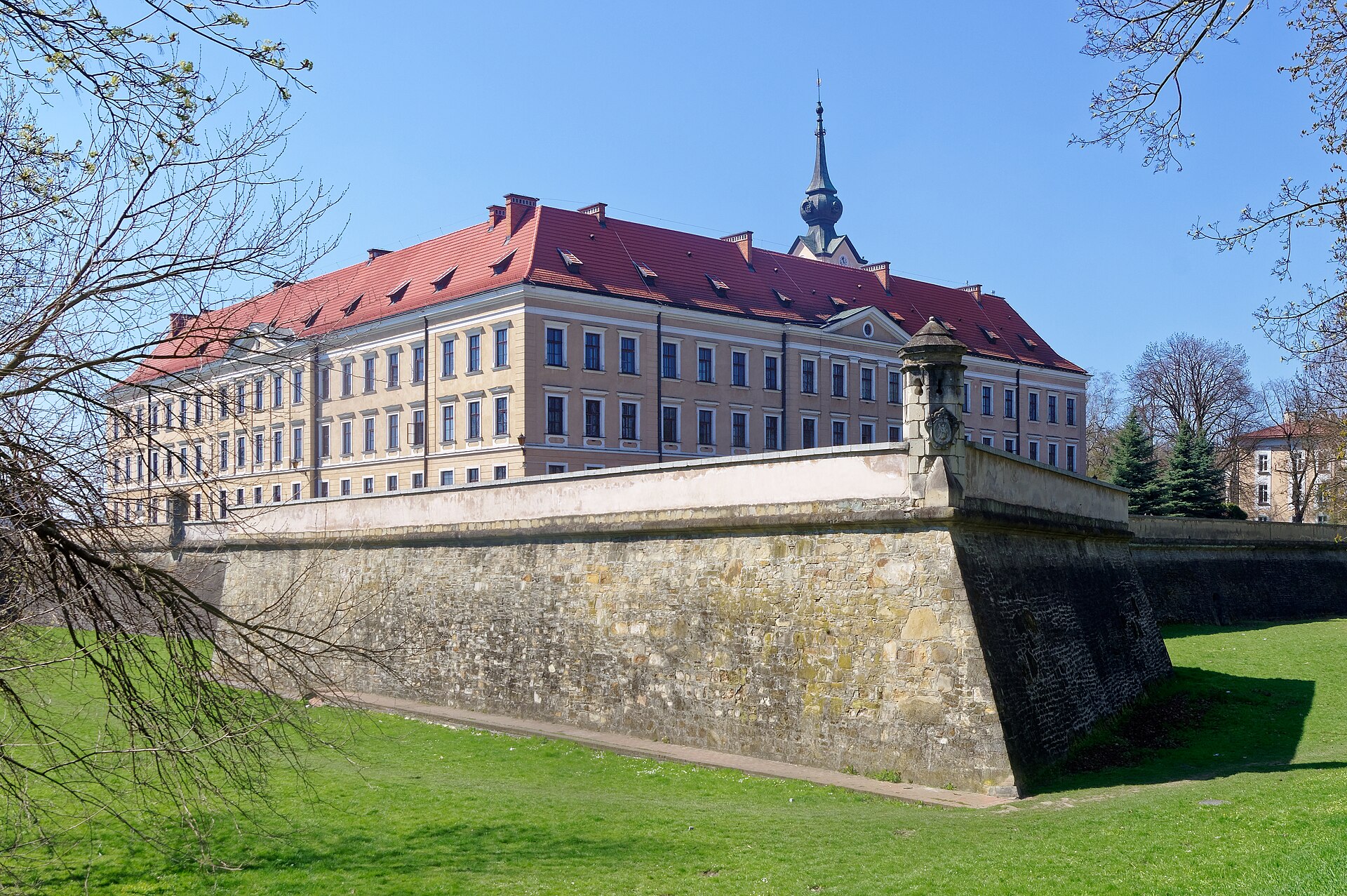
- Lubomirski Summer Palace — Dekerta Street
Situated where Dekerta Street meets Lubomirski Alley, this refined late-baroque residence was constructed for the region's powerful noble rulers. Often celebrated as a premier example of aristocratic architecture in the area, the elegant palace features ornate decorative facades and tranquil surrounding grounds.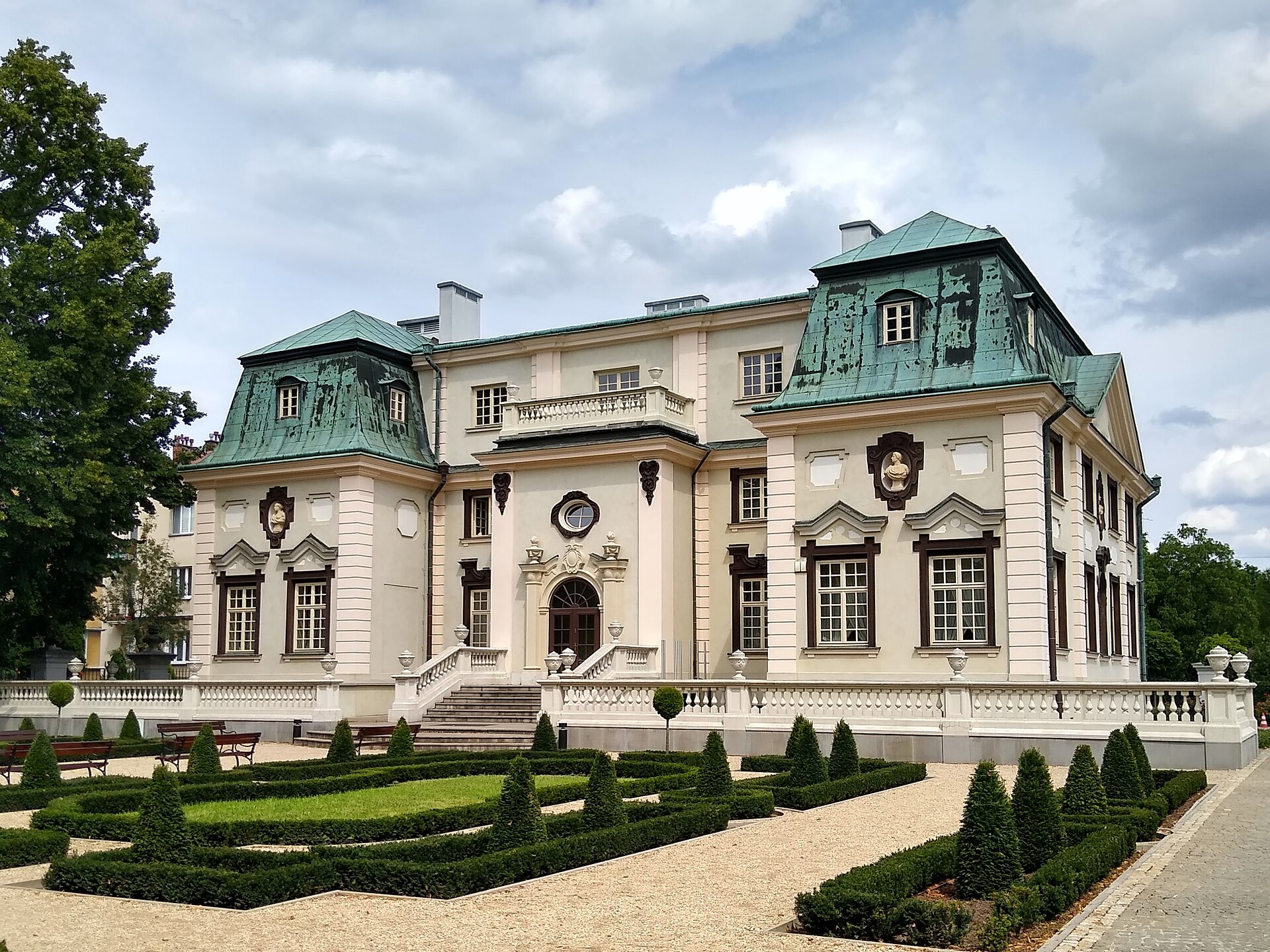
- Sts. Stanislaw and Adalbert Parish Church — Historic Center
Standing as a quiet spiritual anchor near the historic center, this sacred landmark traces its foundational history back centuries. The oldest surviving gothic masonry fragments within the structure date deep into the medieval era, offering visitors a peaceful sanctuary of brick vaulting and quiet contemplation.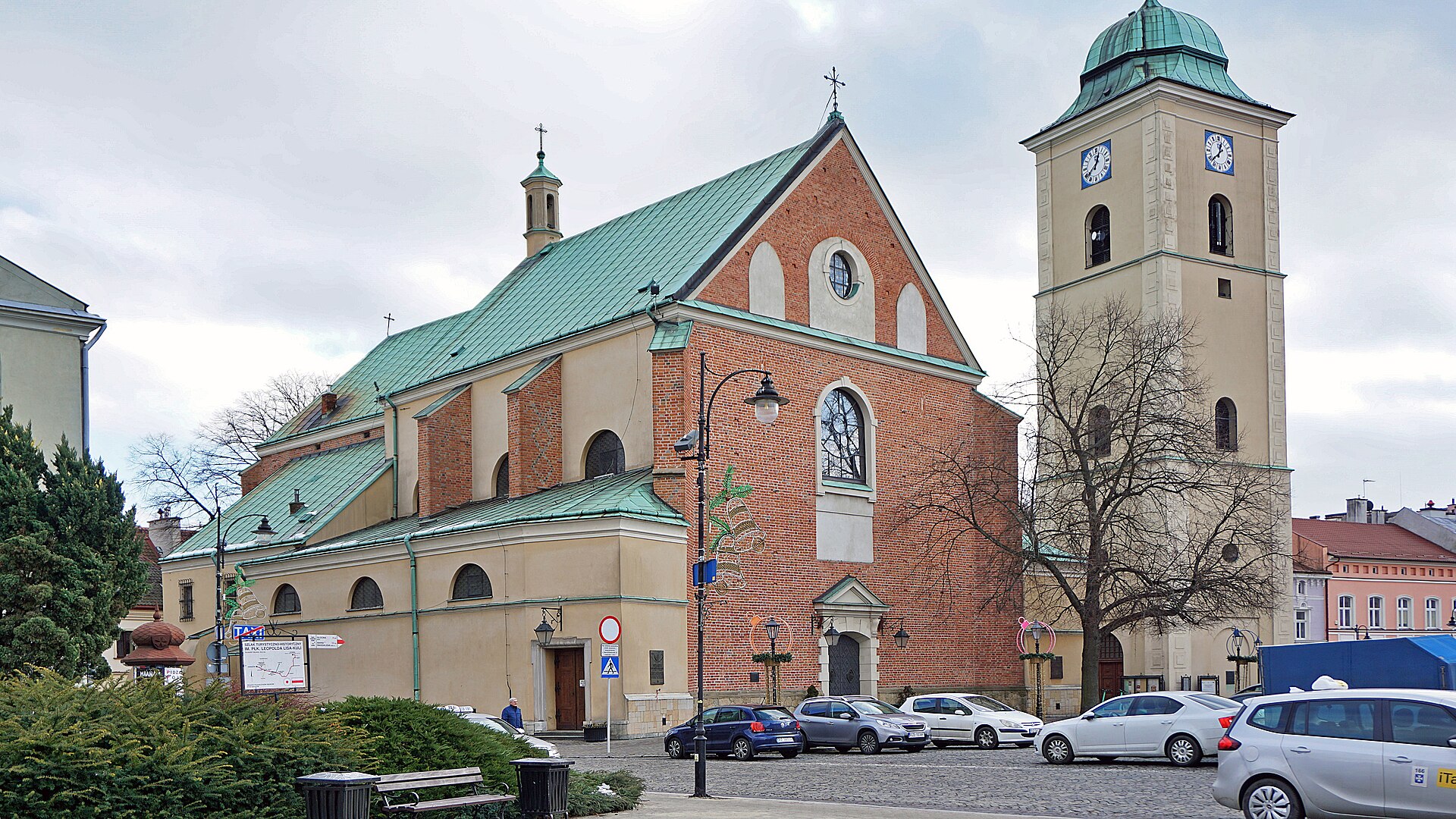
Culture
Rzeszów maintains a lively and varied cultural calendar driven by its standing as a major regional academic and administrative hub. The city supports active theatrical traditions through professional companies such as the Wanda Siemaszkowa Theatre, established mid-century, alongside dedicated puppet and experimental dance troupes. Artistic expression thrives across numerous independent galleries, including the Szajna gallery, while local museums chronicle everything from ethnographic traditions and regional folklore to the municipal heritage of the Subcarpathian capital. Classical music and large-scale sporting events regularly fill venues like the Artur Malawski Philharmonic Hall and the expansive Podpromie Arena by the riverside. Public life feels relaxed yet intellectually curious, shaped by thousands of university students who populate the downtown cafes and libraries. Traditional Polish customs remain visible during national holidays and seasonal fairs, where local crafts, regional music, and communal hospitality take center stage. When entering churches or historical religious sites across the city, remember to dress modestly with covered shoulders and knees, and speak in a quiet, respectful tone.
What to wear
Traditional folk attire from the Rzeszów region is celebrated for its vibrant embroidery, distinctive woolen vests, and intricate headwear worn during regional festivals and national celebrations. Today, residents dress in modern, practical European styles that lean toward comfortable urban streetwear, smart-casual tailoring for professionals, and durable apparel suited for university campuses and office parks. Visitors planning a trip should pack versatile clothing layers appropriate for shifting Central European weather patterns. Winters demand heavy insulated coats, scarves, and sturdy boots to handle freezing temperatures and occasional snow, while summers call for light cottons, comfortable walking shoes for exploring the old town's cobblestone squares, and a light waterproof jacket for sudden afternoon showers. Modest casual attire is perfectly acceptable across restaurants and cultural venues, though respectable clothing with covered shoulders is necessary when entering local churches and historic religious sanctuaries.
What to eat
- Pierogi at Pierogarnia Na piętrze — Near the main market square
Enjoy handmade Polish dumplings filled with traditional savory or sweet mixtures, served hot in a cozy upstairs dining room overlooking the historic central streets. - Pub Fare at Stary Browar Rzeszowski — Main Rynek square
Combine freshly brewed local craft beers with hearty regional snacks and traditional Polish comfort foods in a lively, wood-accented basement pub setting right on the main Rynek. - Traditional Soup at Zacisze Bar & Cafe — City centre streets
Savour classic homemade Polish soups such as traditional sour rye żurek or nourishing beetroot barszcz, served alongside simple daily home-cooked lunch plates in a relaxed neighbourhood eatery. - Café Pastries at Cafe Bar Murzynek — Near the central square
Sample freshly baked cakes, traditional Polish pastries, and aromatic coffee blends in a long-standing local gathering spot popular with students and afternoon strollers. - Polish Comfort Dishes at Restauracja Strażacka — Central Rzeszów
Taste authentic, unpretentious home-style Polish dishes prepared according to classic regional recipes, offering hearty meat cutlets and seasonal vegetable sides in an unpretentious dining hall.
Plan it
Best time. May through September brings pleasant warm weather, outdoor dining terraces, and lively parks, while late autumn and winter offer quiet streets and snowy historic sights.
How long. 2–3
Getting there. Fly into Rzeszów-Jasionka Airport, then take the direct Polregio train from Jasionka Lotnisko station to Rzeszów Główny in the city centre, or catch municipal bus line 51.
Budget. mid
Tips
- Wear comfortable flat shoes for walking on uneven cobblestones around the historic market square
- Book accommodation in advance if visiting during major academic events or regional festivals
- Carry contactless cards for most daily transactions while keeping a small amount of cash for smaller kiosks
- Take advantage of the direct airport rail link for a fast and affordable journey into the city centre
Etiquette
- Remove hats and speak quietly when entering historic churches and religious sanctuaries
- Always greet shopkeepers and service staff politely with a friendly 'dzień dobry' upon entering
Nearby
Sources
- Wikidata Q598 (CC0)
- Wikipedia (rev 1385040911) (CC BY-SA 4.0)
- Wikivoyage (rev 5416375) (CC BY-SA 4.0)