Russell Falls
Russell Falls, Australia
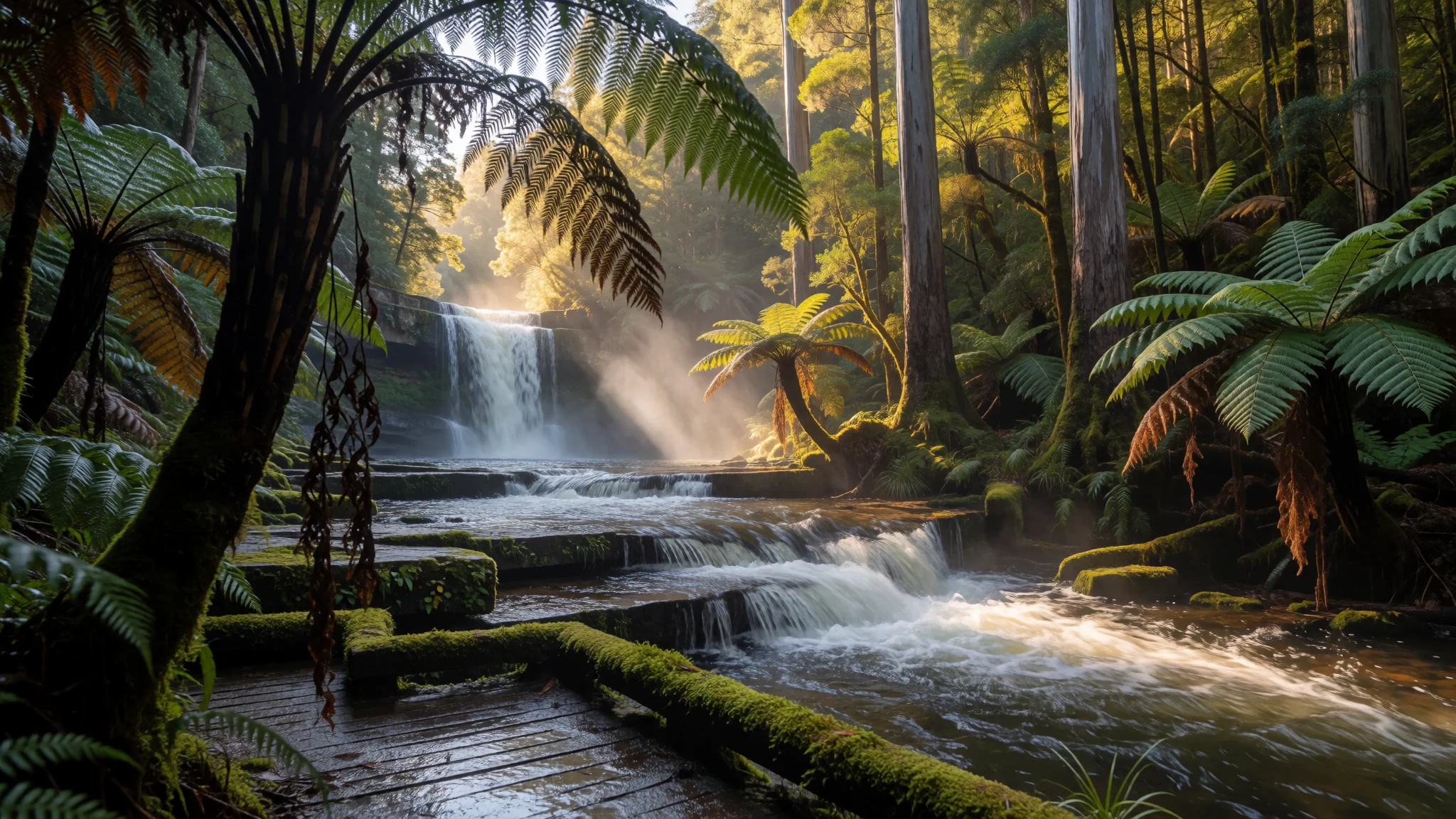
Russell Falls offers a serene journey into ancient Tasmanian rainforest to witness a magnificent tiered cascade shaped by Permian siltstone.
The place
Russell Falls sits within the Central Highlands of Tasmania, Australia, occupying a sheltered position on the eastern boundary of Mount Field National Park. The waterfall flows along Russell Falls Creek, plunging in distinct tiers over horizontal marine Permian siltstone benches while its vertical faces consist of resistant sandstone layers. Just a short distance upstream lies Horseshoe Falls, connected by pathways winding through tall tree ferns and towering eucalyptus forests that represent some of the oldest protected woodland environments on the island. The surrounding terrain transitions from moist river valleys to rugged mountain terrain, creating varied microclimates for native flora. A paved walking track provides straightforward access from the park entrance, drawing visitors who wish to experience the damp, fragrant air of the temperate forest. The constant rush of water echoes through the fern-filled gullies, where moss covers fallen logs and droplets cling to giant fronds. This protected pocket of wilderness illustrates the distinct geological history of the region, visible in the banded rock formations exposed by centuries of flowing water. Plant life thrives in the damp shade, featuring species unique to the southern hemisphere that have evolved in isolation over millennia.
Its story
Russell Falls carries a history stretching from ancient indigenous occupation through early colonial exploration. Tasmania has sustained human presence for many millennia, and Aboriginal communities managed these lands long before European arrival. Following the flooding of the Bassian Plain, these populations remained entirely isolated until maritime explorers charted the southern shores. Dutch navigator Abel Tasman sighted the island during the seventeenth century, followed later by British captains who established permanent settlements along the Derwent estuary. Settlers first documented the waterfall around eighteen fifty-six, initially naming the site after its discoverer before the current title was adopted decades later. By the late nineteenth century, the location gained official protection as a reserve, making it one of the earliest preserved natural sites in the colony. Officials even selected the cascade for inclusion on a set of pictorial postage stamps intended to promote tourism to the distant territory. This early recognition helped secure the surrounding landscape against timber harvesting and agricultural clearance, paving the way for the establishment of the broader national park. Today, the path to the cascade follows historical routes carved out by early conservationists who recognised the unique value of the damp southern forests.
What to see
- Russell Falls Main Cascade
The central attraction features water tumbling across layered rock shelves into a tranquil pool surrounded by lush fronds. Visitors reach the viewing platform via a gentle, accessible walking trail that winds through towering swamp gums and damp rainforest undergrowth.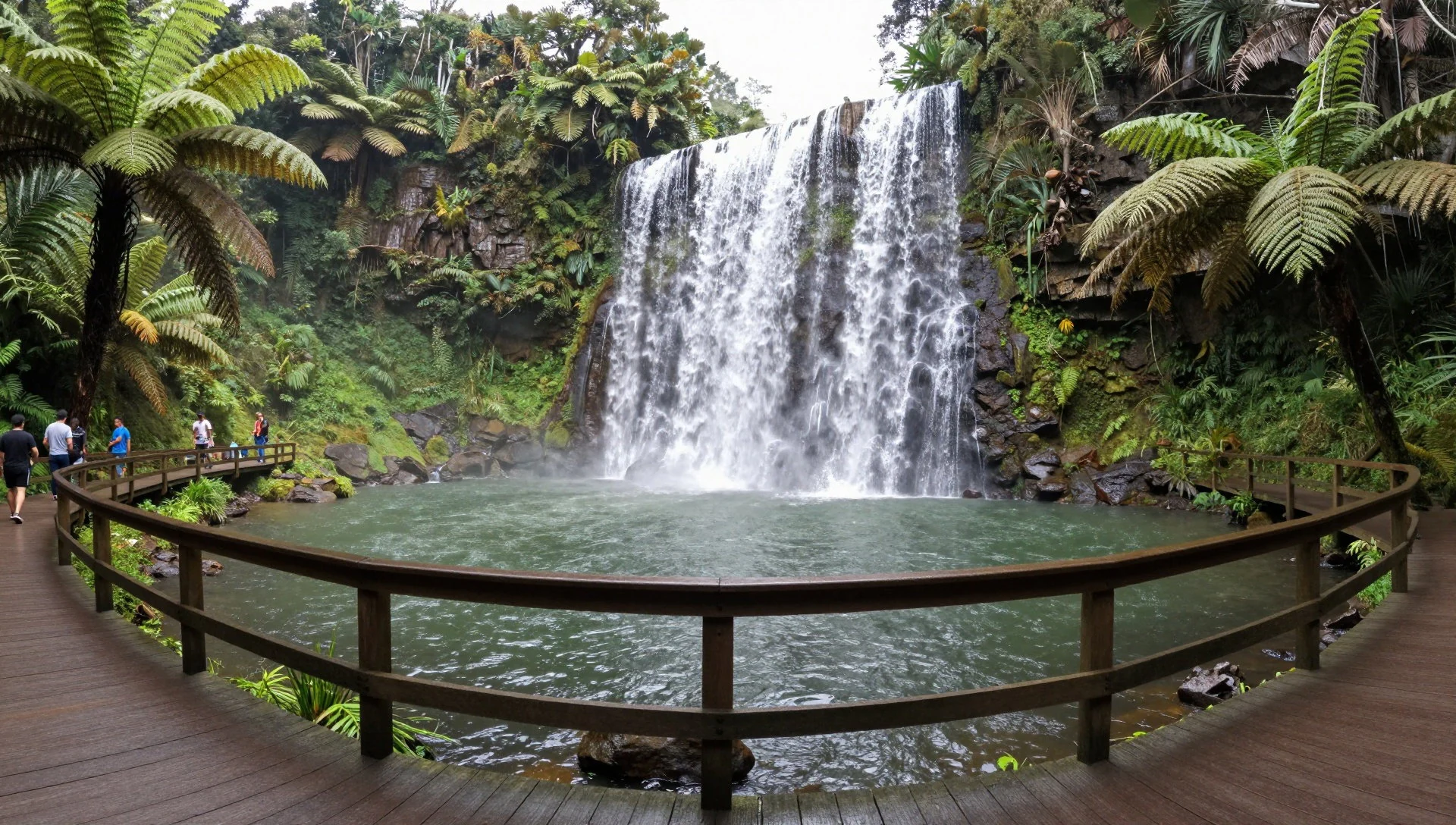
- Horseshoe Falls
Located a short walk further upstream from the main drop, this smaller curtain of water curves gracefully over a rocky ledge. The path climbs gently through dense fern glades, offering an intimate perspective on the upper reaches of the creek.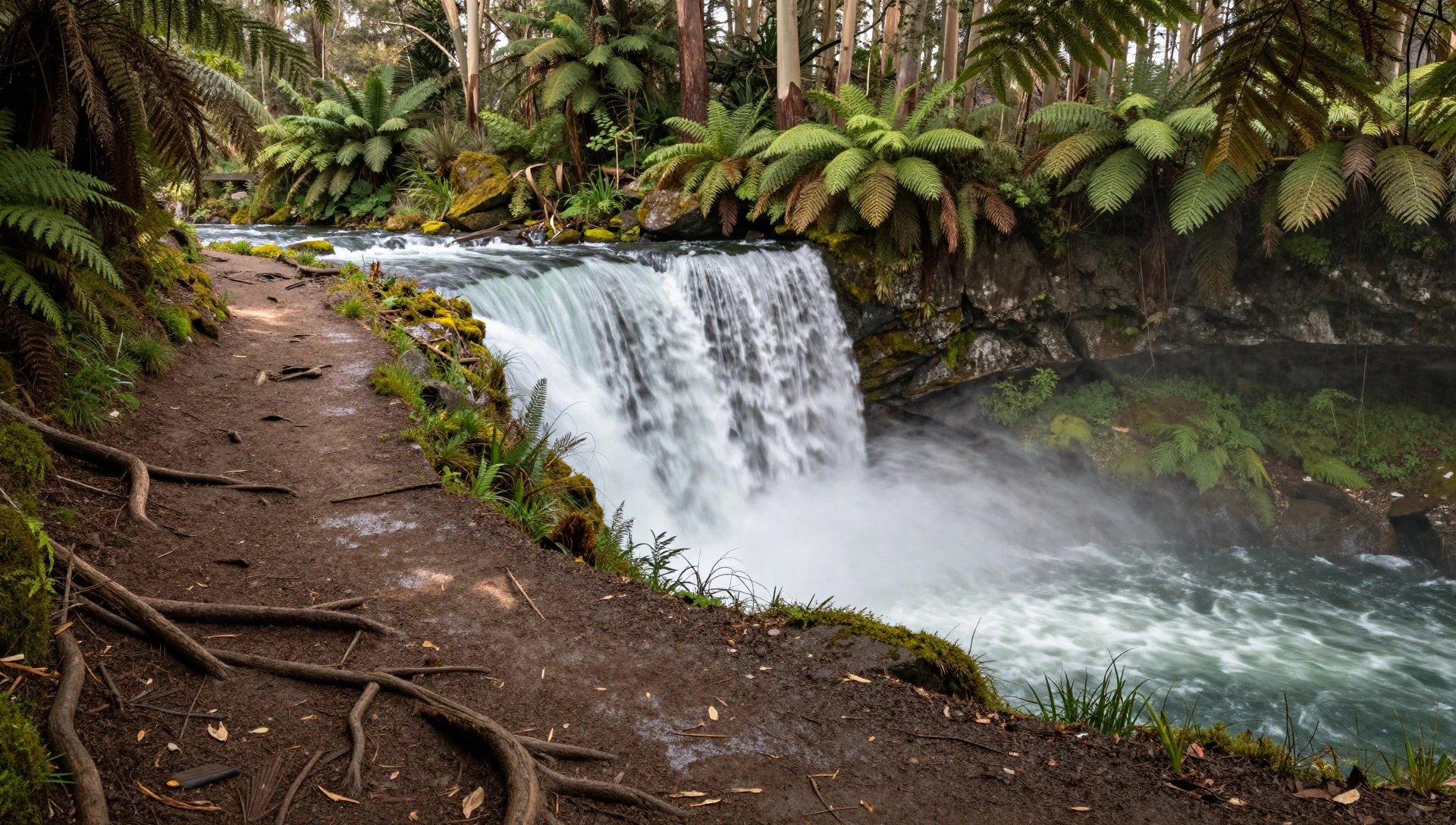
- Tall Trees Walk
This short circuit showcases some of the tallest flowering plants on Earth, the Eucalyptus regnans. Massive trunks rise toward the canopy while moss-covered boardwalks protect the delicate root systems of ancient tree ferns below.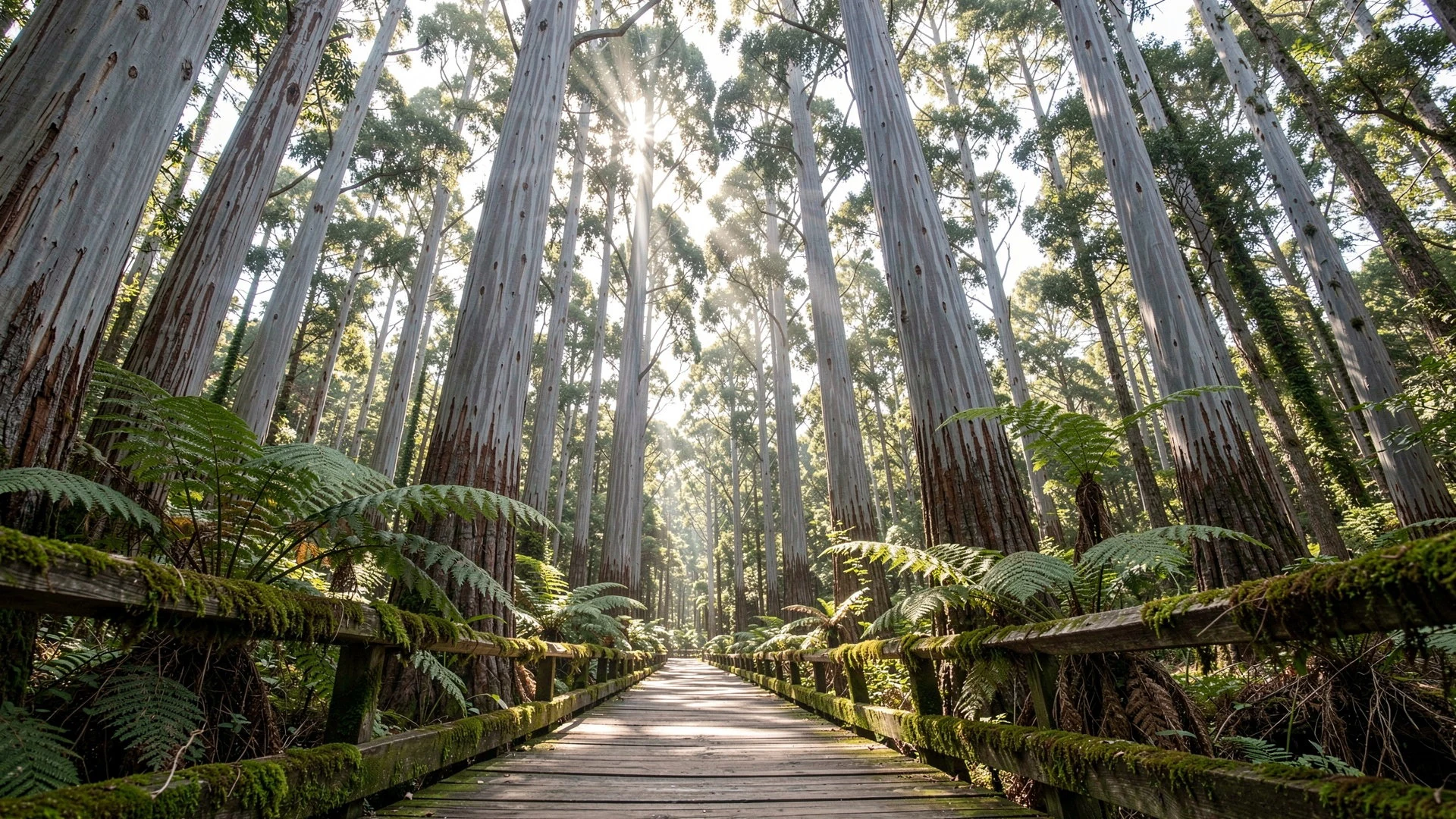
- Mount Field Visitor Centre
Situated near the park entrance, this facility provides helpful orientation displays about local geology, walking tracks, and seasonal wildlife activity. Rangers are available to answer questions regarding weather conditions and trail safety in the park.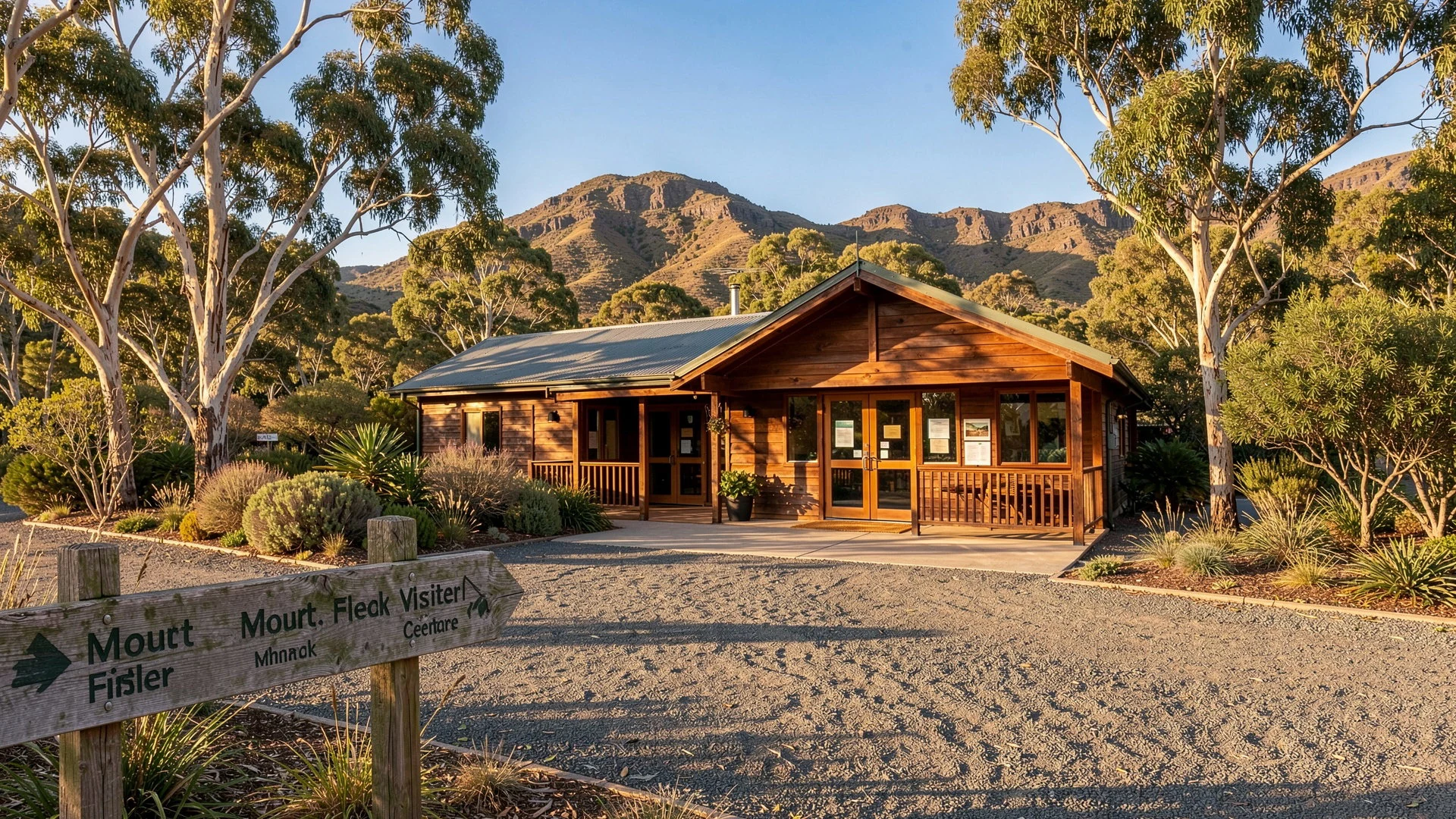
Culture
Tasmanians living near Russell Falls and throughout the island tend to be relaxed and welcoming, often ready to assist travellers seeking directions or local advice. The local community maintains a quiet appreciation for the natural environment, reflecting generations of coexistence with the surrounding bushland. When conversing with residents, visitors should note that certain modern tragedies remain sensitive subjects and are best avoided in casual conversation, whereas discussions regarding the island's colonial and convict heritage are met with open, matter-of-fact perspectives. Traditional arts and crafts flourish in regional towns, drawing inspiration from the unique wilderness and endemic flora found across the southern half of the state. Conservation is a shared value among locals, who frequently volunteer to maintain walking tracks and protect native habitats from invasive species and fire risks. Always respect local wildlife sanctuary guidelines and keep voices low when observing nocturnal animals in the park.
What to wear
Dress around Russell Falls and regional Tasmania prioritises practicality, warmth, and protection from changing weather conditions rather than formal styling. Traditional apparel in historical contexts reflected British colonial practicalities, but modern residents favour durable outdoor gear suitable for unpredictable island climates. Visitors exploring the national park should wear sturdy walking shoes or boots with good grip, as forest tracks remain damp and slick throughout the year. Layering is essential because mountain temperatures drop quickly even during warmer months, making a waterproof jacket and fleece mid-layers mandatory items in any day pack. Long trousers help protect against scratches from dense undergrowth and occasional ticks found in native brush areas. While exploring Hobart or nearby country towns, casual outdoor clothing such as denim, flannel shirts, and woollen knitwear aligns with local dress standards. Synthetic or merino wool socks are recommended to keep feet dry during walks near the cascade.
What to eat
- Curried Scallop Pies — Regional Tasmanian bakeries and country stores
A beloved regional delicacy featuring tender seafood cooked in a spiced, golden curry sauce encased in flaky pastry, available in local bakeries.
- Cool-Climate Tasmanian Seafood — Dedicated seafood restaurants across Hobart and coastal towns
Fresh ocean catches including Atlantic salmon, southern rock lobster, and oysters harvested from pristine southern coastal waters.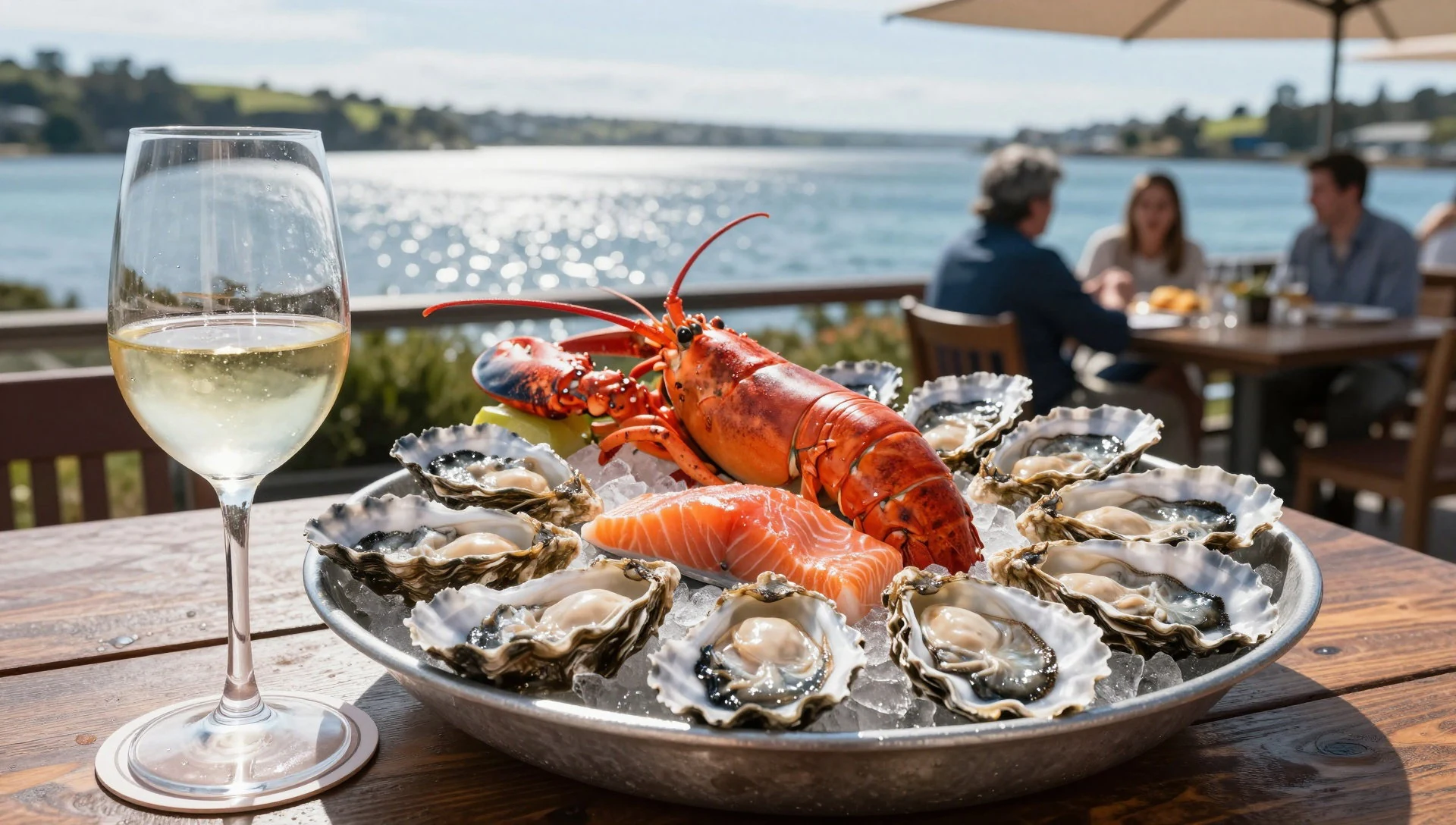
- King Island Gourmet Cheeses — Speciality delis and farm gate stalls throughout the state
Artisanal dairy products crafted in specialised island microclimates known for rich pastures and traditional cheese-making expertise. - Tasmanian Cask Ales and Whiskies — Historic breweries in Hobart and Launceston, or boutique distillery tasting rooms
World-class artisanal spirits and traditional brews created using pure mountain water and locally malted grains.
Plan it
Best time. December to March brings milder summer temperatures and longer daylight hours for walking, while autumn brings vibrant foliage colours to the park.
How long. 2–3
Getting there. Fly into Hobart International Airport, then hire a car for the drive northwest via the Brooker and Lyell highways.
Budget. mid
Tips
- Hire a rental car since public transport to Mount Field is extremely limited
- Check weather warnings before heading into the highland zones
- Pack wet-weather gear regardless of the morning forecast
- Bring cash or cards for park entry fees and regional cafes
Etiquette
- Stay strictly on marked boardwalks to protect delicate moss and fern roots
- Take all rubbish with you as bins are rarely found along bush trails
Nearby
Sources
- Wikidata Q2967738 (CC0)
- Wikipedia (CC BY-SA 4.0)
- Wikivoyage (CC BY-SA 4.0)