Royal National Park
Royal National Park, Australia
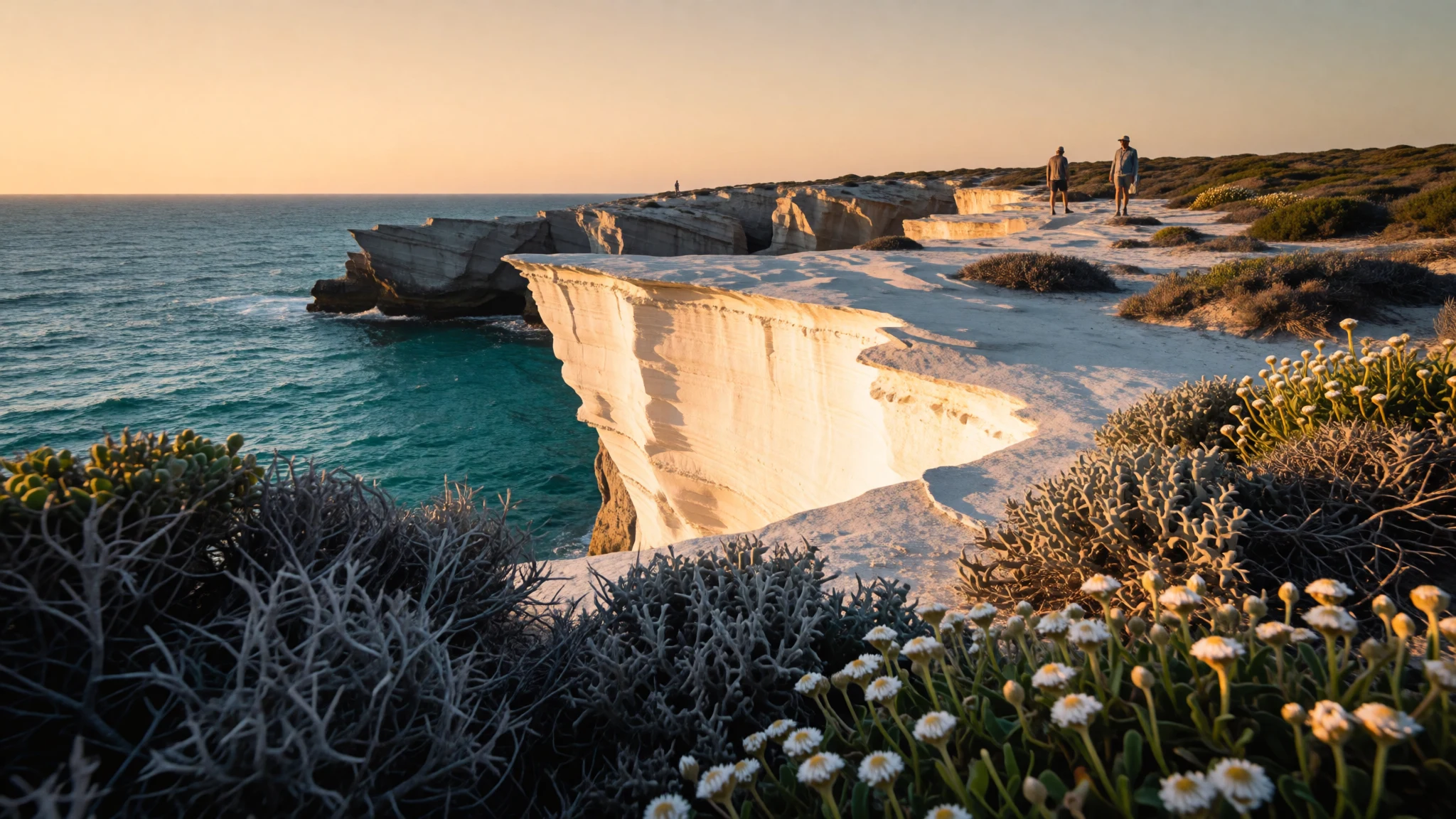
Royal National Park is an easy, wild-feeling escape from Sydney, built for walks, picnics and coastline views.
The place
Royal National Park sits just south of Sydney in New South Wales, straddling the Sutherland Shire and the Illawarra region around Loftus, Otford and Waterfall. It’s known for the kind of landscape that makes a city weekend feel far longer: sheltered bush tracks, river scenery, and rugged coastal edges that can look dramatically different from one headland to the next.
The park covers 151 square kilometres (and for most people that translates to “big enough to lose half a day”). It’s also practical: it’s close enough to drop in for a morning walk, yet varied enough to justify spending a few nights nearby or stringing together several trail sections. Audley is the classic picnic hub, with the visitor-focused bits of the park clustered around the Hacking River.
Royal National Park has a strong heritage story too. It was founded in 1879 and formally proclaimed on 26 April 1879. The name shifted later, after Queen Elizabeth II passed through on a train tour in 1954, and the park has carried that royal connection since it was renamed in 1955.
Real talk on expectations: crowds spike on weekends and during school holiday periods, especially around the easiest beaches and picnic areas. Mobile phone reception can be patchy deep in the park, and some paths—particularly coastal stretches—can get rocky, so comfortable shoes matter. The payoff is that even with other visitors around, the sense of space stays, and the scenery does most of the persuading.
Its story
Royal National Park’s story begins with the idea that protected land could be for everyday recreation, not just for scientists and explorers. Established in 1879, it predates several other famous international “firsts” and helped shape how the term national park landed in Australia.
Back then, it was originally called “National Park”. Over time, the management model stayed closely tied to New South Wales, which can be part of why it’s sometimes discussed differently in comparisons with Yellowstone and Yosemite. Those parks have their own timelines and naming quirks, but Royal’s core identity—public access mixed with conservation—has always been the centre of the pitch.
By the late 19th century, the park was already drawing people from Sydney, and the visitor-facing areas developed around places that were easy to reach and rewarding once you arrived. Audley became a go-to point, especially because the river and picnic facilities made it simple for families to spend a day without planning a complicated route.
The park’s coastal attractions also reinforce that “day trip, not a trek” feel. You can pick a lookout walk, chase a waterfall trail, or head towards the beaches and tidal rock pools depending on conditions. Some areas are straightforward; others ask for a bit more attention when ground turns uneven.
A useful mindset for Royal is to treat it like a choose-your-own-adventure landscape near a big city: start early, follow the signs to match the conditions, and let the day’s weather and crowd levels shape the route.
What to see
- Audley Boat Shed — Audley (Hacking River area)
Audley Boat Shed is a historic boat shed linked with late 19th-century visitor culture around the Hacking River. It’s a handy landmark for orienting around the main picnic area, and a good first stop if the plan is an easy half-day outing.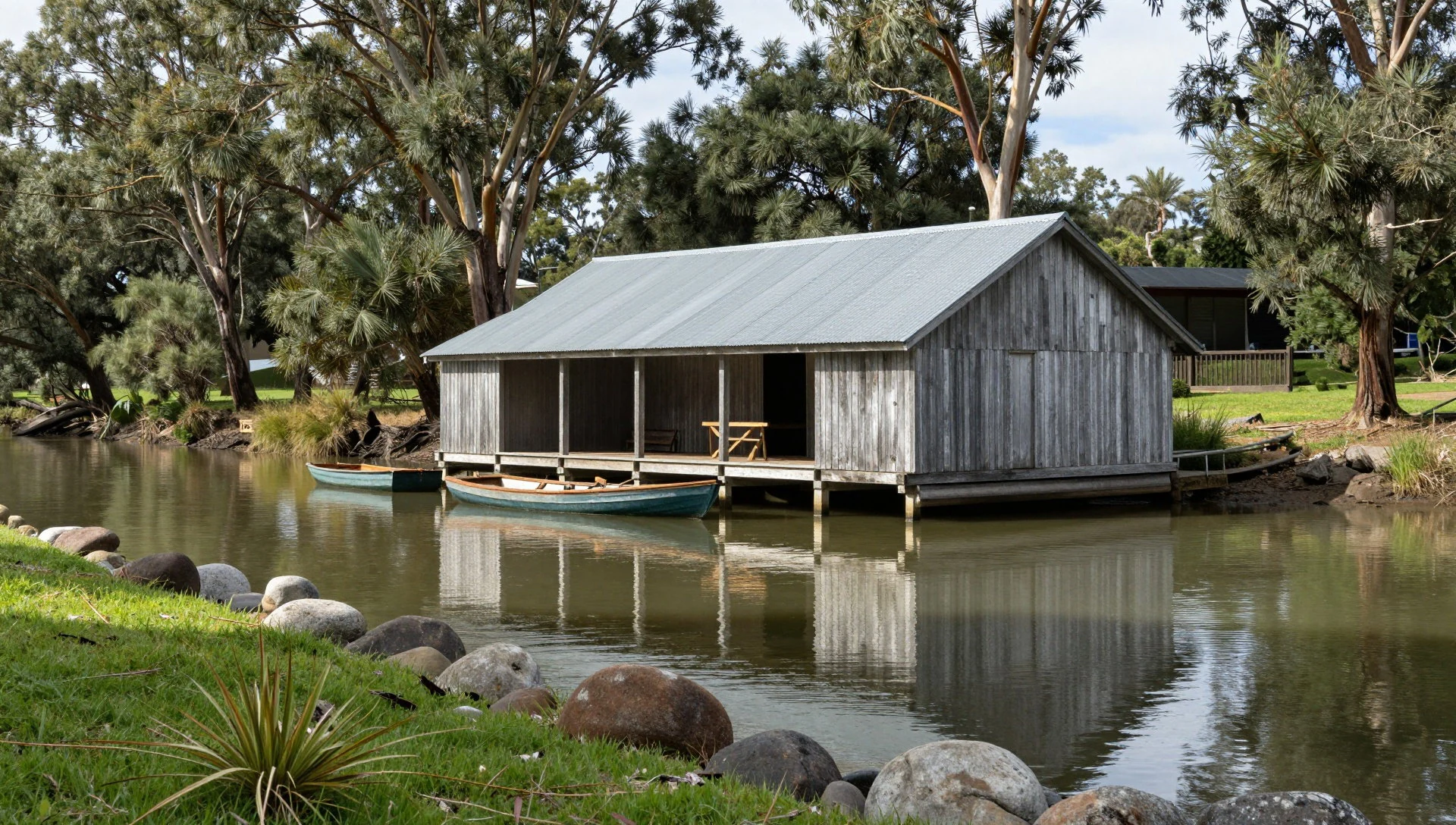
- Bungoona Lookout — Hacking River valley side
Bungoona Lookout is an easy, paved-path walk that many people do for a relaxed view over the Hacking River valley. It suits strollers and wheelchairs, so it’s a good choice when the group includes slower walkers or people who want “scenery without the scramble”.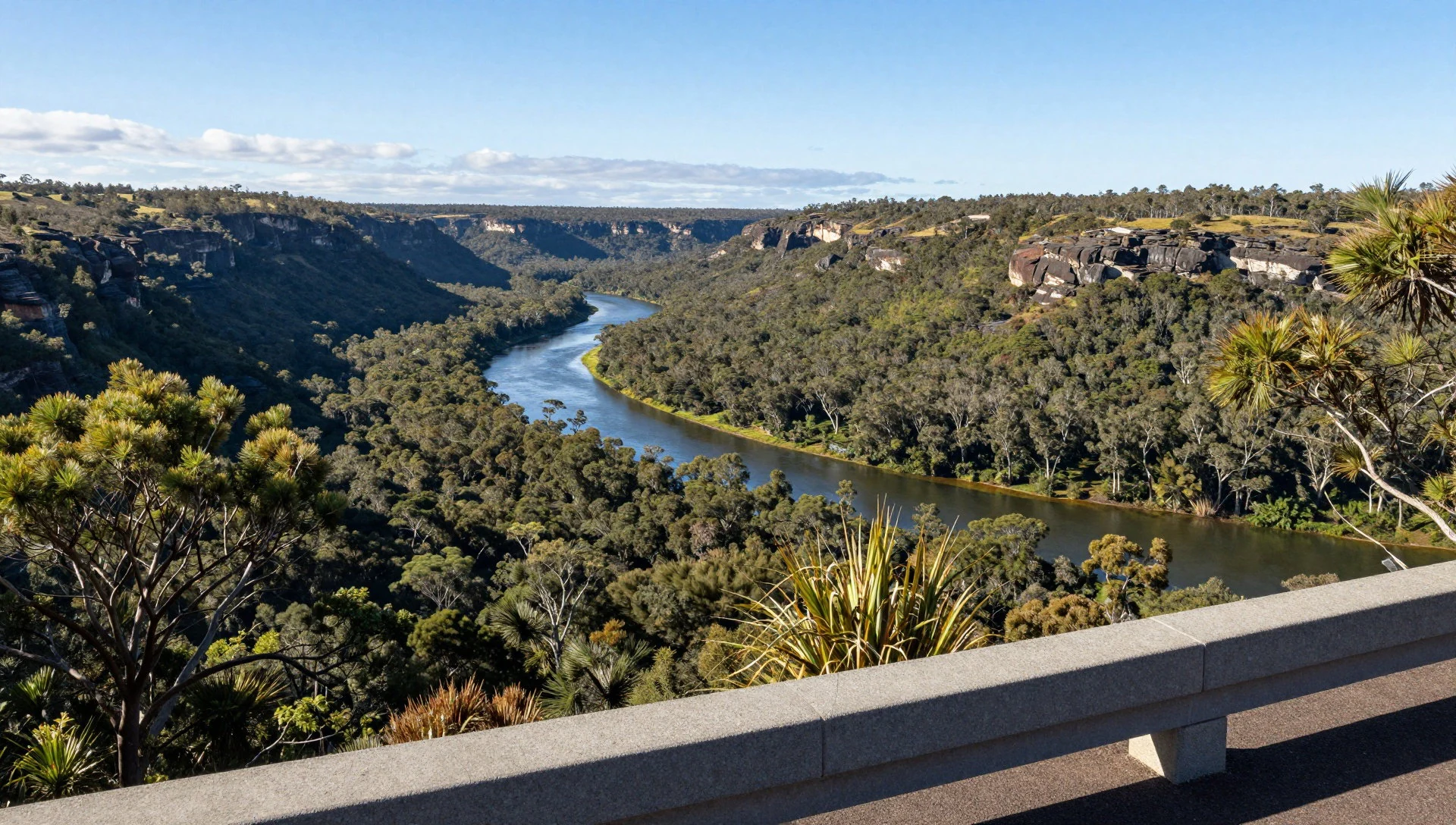
- Wedding Cake Rock — Coastal cliffs near the southern areas
Wedding Cake Rock gets its name from the way the sandstone outcrops resemble stacked cake layers against the coastal cliffs. It’s a straightforward stop on the coast where the geology does the talking—especially when the light hits the cliff faces and shadows deepen the texture.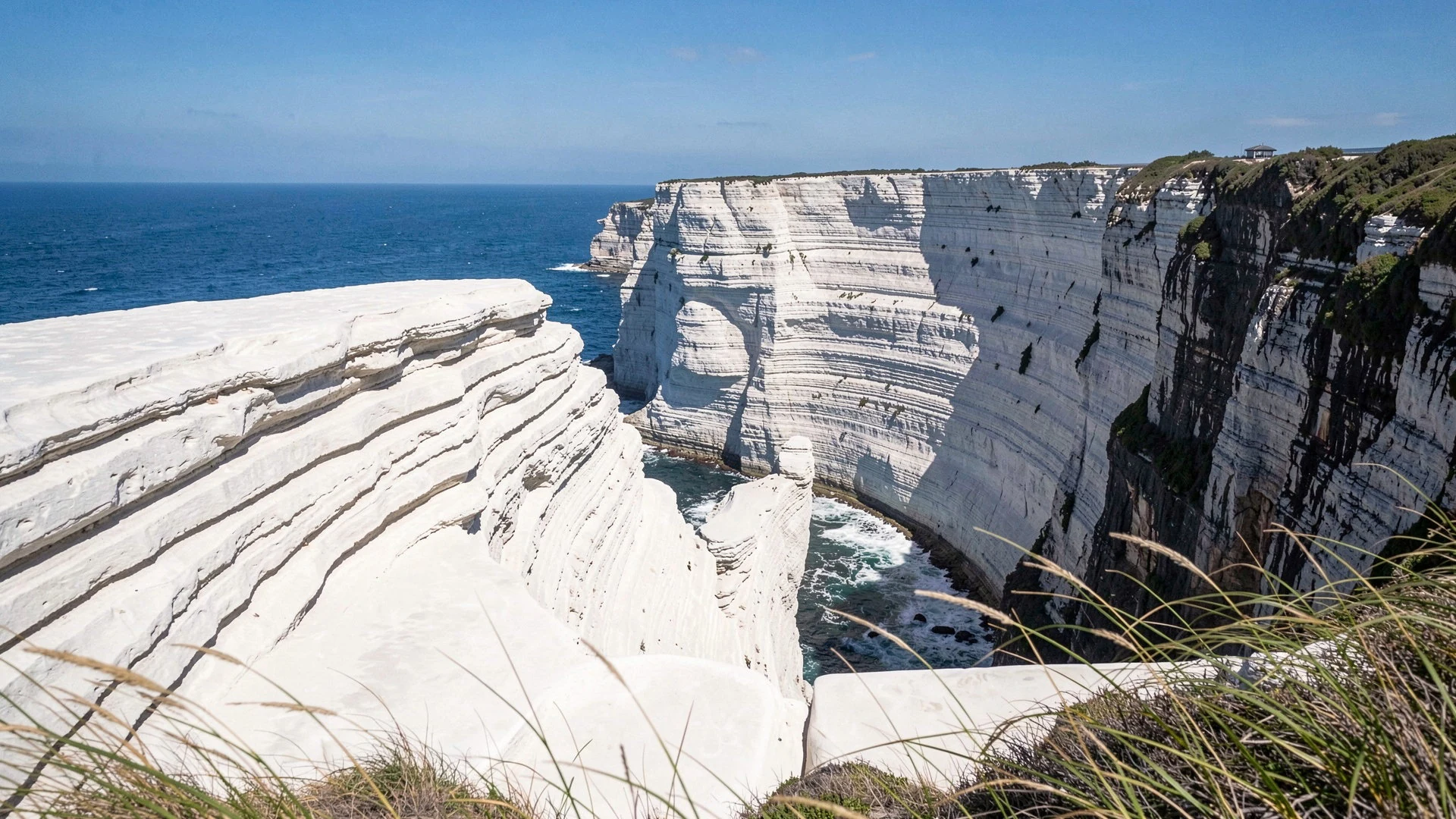
- Figure Eight Pools — Coastal headland area
Figure Eight Pools are deep, figure-8-shaped pools set into a rocky shelf. They’re fascinating at the right time, but access can vary because water levels change, so it helps to check local conditions before committing to the walk and tide timing.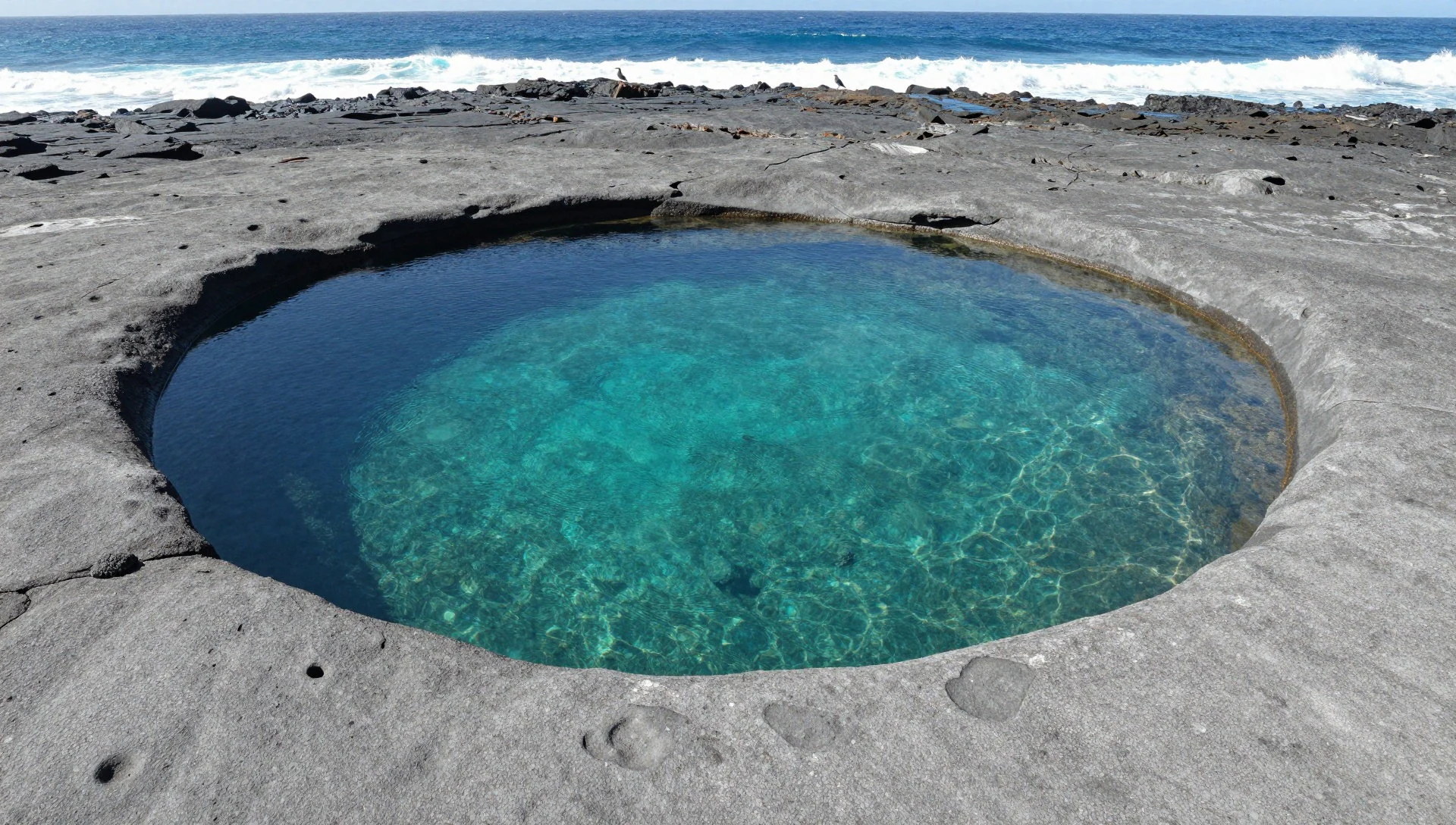
- Uloola Falls — Waterfall station (fire-road access)
Uloola Falls is reached via a relatively easy walk from Waterfall station, mostly along a fire road. The route suits people who want something longer than a lookout, but still manageable—especially if the aim is to fit in a short hike between station and coast.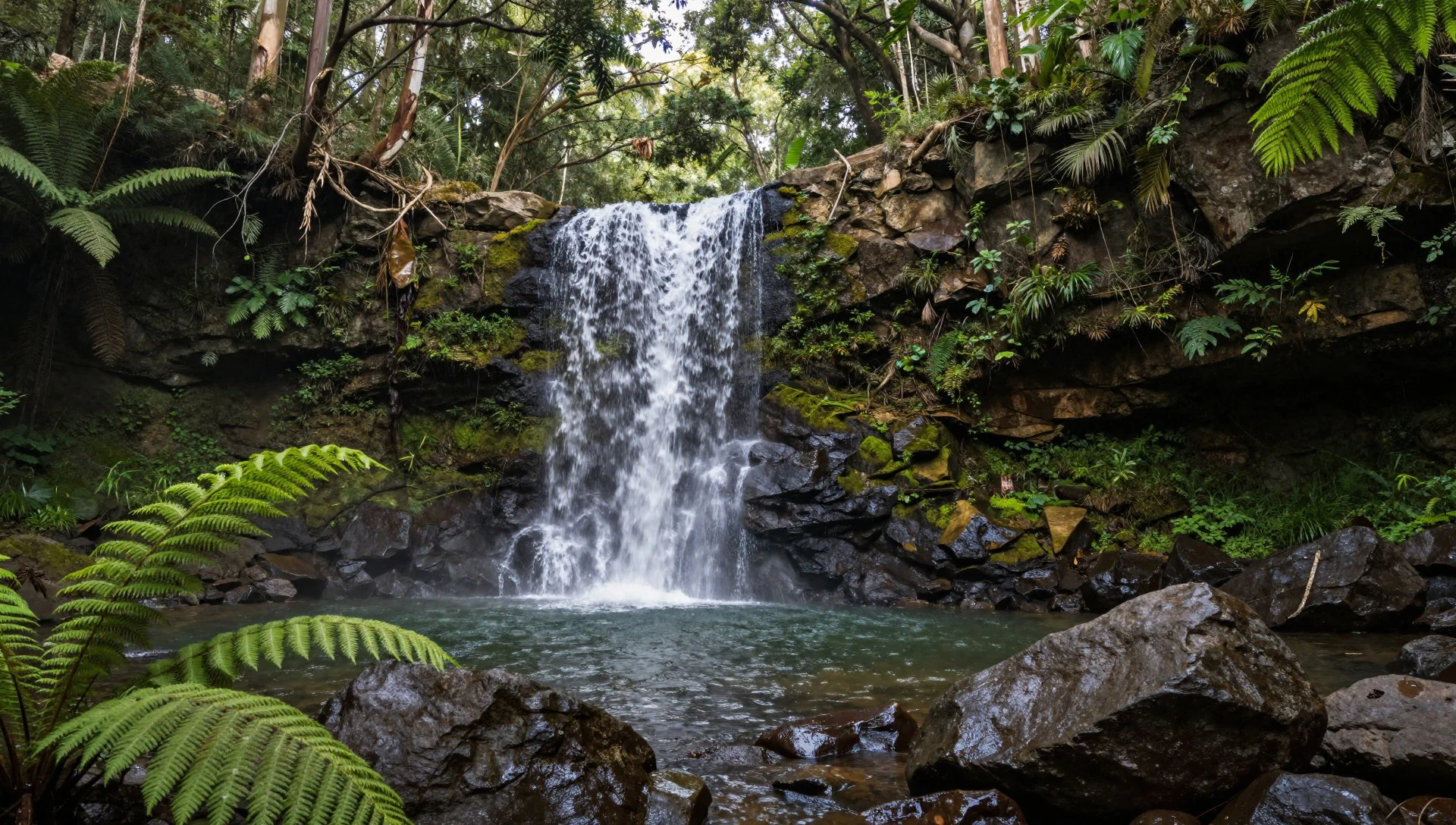
Culture
Royal National Park is built around simple, everyday outdoors culture: picnics, walks, and stopping for views. Around Audley, the atmosphere is all about families and day-trippers gathering near the river, while other pockets of the park feel quieter simply because they take a little more effort to reach.
In practice, park etiquette is about sharing space smoothly. Keep to the signposted tracks—some coastal areas include rocky ground and beaches where staying on the route reduces the risk of getting turned around. Mobile reception can be very limited, so plans made on the move can turn into stress; a download-friendly map and an offline route help.
Wildlife sightings are part of the draw, including snakes that sometimes warm themselves along less-travelled sections. That doesn’t mean “avoid the outdoors”; it just means stay alert, don’t step off-track to investigate, and give animals room.
Crowds are the real variable. Weekends can feel busy at popular beaches and picnic spots, but the park is large enough that moving a little away from the obvious anchors quickly brings back that “breathing room” feeling.
Visitor etiquette: stay on marked paths, keep a safe distance from wildlife, and be quiet near lookouts so everyone can enjoy the views.
What to wear
For Royal National Park, the clothes game is mostly about comfort and modesty on mixed terrain rather than any single “outfit”. Traditional dress isn’t really the point here, but the park does include public spaces where people expect respect and practicality.
What people wear now is typically lightweight layers for warm coastal days, plus a rain shell when weather flips quickly. Footwear is the big one: sturdy walking shoes or trail trainers handle rocky coastal sections and uneven tracks better than flip-flops. If heading towards beaches, swimwear under clothing is common, but a change of top and a way to dry off keeps the day comfortable.
For religious or ceremonial modesty norms: if visiting any facilities associated with community events, keep shoulders and midriff covered and avoid very see-through fabrics. Sunglasses, a cap and sunscreen are sensible for Australia’s strong sun.
What a visitor should wear depends on the time of year—spring and autumn are often comfortable for long walks, while hotter periods mean breathable fabrics and extra water planning. Bring a light layer for early starts and windy headlands, and pack something for wet ground if rain is in the forecast.
What to eat
- Meal stop at Audley — Audley (near the Hacking River)
For a proper park break, head to the Audley café for food served on the deck overlooking the clearing and the river. It’s the easiest way to refuel without building a whole picnic.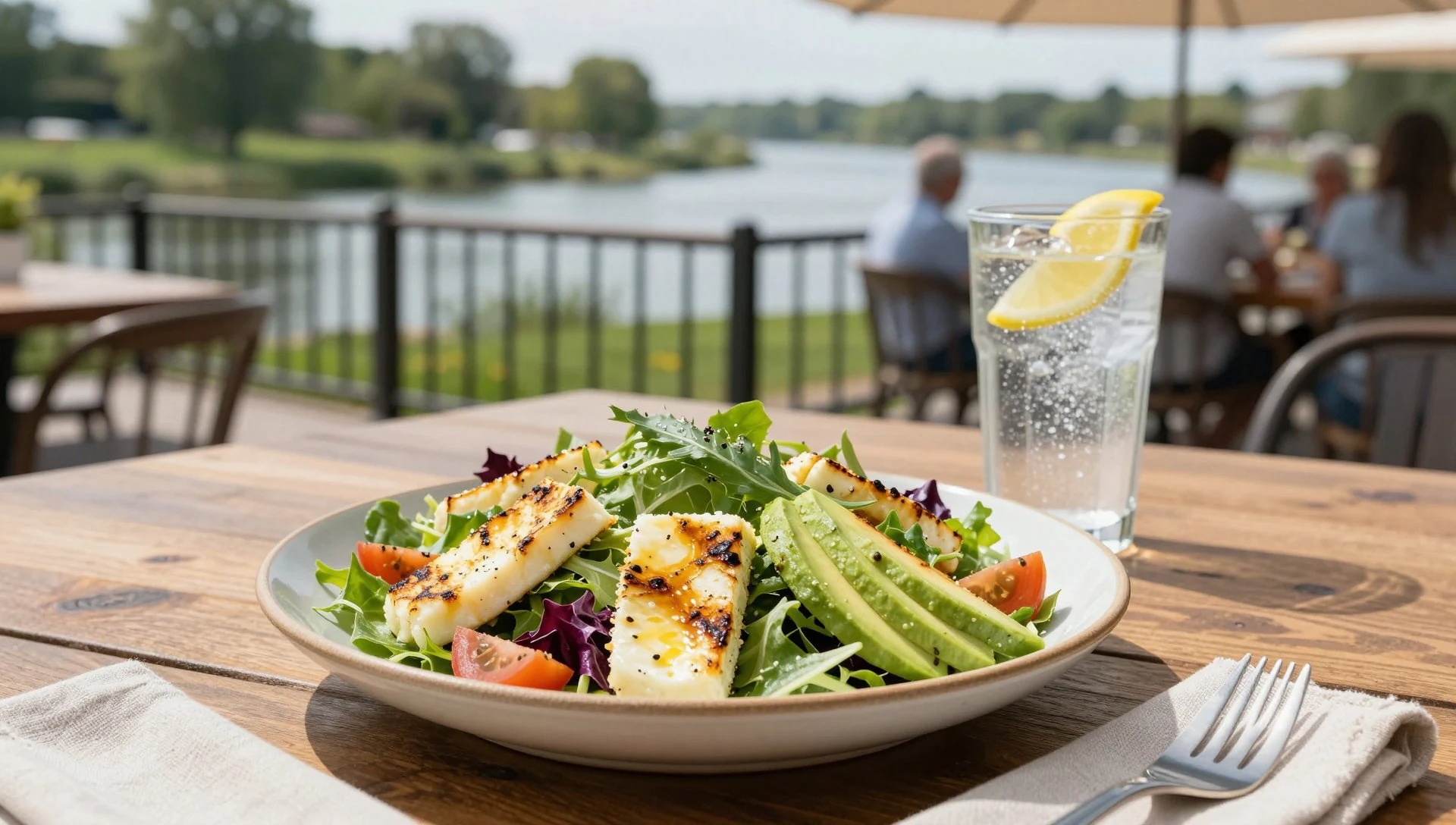
- Pies, pastries and gelato at Otford — Otford, outside the park’s southern boundary
The Otford Pantry is an easy pre-park or mid-park stop for pies, pastries and gelato, including a veggie pie option. Great for grabbing something sweet or savoury before heading back out on foot.
- Picnic basics at major picnic areas — Audley and Wattamolla picnic areas
Royal National Park is set up for picnics, with tables in the picnic areas and free electric barbecues available at Audley and Wattamolla. Build a simple lunch and keep it flexible if you’re moving between trail sections. - Beach-kiosk snacks at weekends — Wattamolla Beach and Garie Beach
On hot weekends, look for take-away kiosks at Wattamolla and Garie when they’re operating at peak times. It’s a good “if it’s open” option for ice cream or a quick coffee during beach time. - Pack-your-drink picnic rule — Throughout the park (bring provisions from outside)
If a day plan includes multiple walks and beach time, treat drinks as something to bring with you. That way, the itinerary doesn’t depend on kiosks being open or shops being nearby at the exact moment of need.
Plan it
Best time. March–April for blossom, late October–November for maple colour; June to November are the wetter months, and the hottest time of year is January through March.
How long. 3–4
Getting there. Kansai International Airport, then the Haruka express to Kyoto Station (about 75 minutes); Shinkansen from Tokyo in just over two hours.
Budget. mid
Tips
- Start from a train station like Loftus, Engadine, Heathcote or Waterfall, then use the signposted walks to shape the day
- Plan routes carefully if travelling without a car, because Audley and the coast are not equally easy to reach from every entry point
- Expect limited mobile phone reception in the park, and save offline directions before heading in
- On rocky coastal routes, move slowly and keep to the marked path; shoes matter more than you think
- Check conditions before committing to places like Figure Eight Pools, where access can change with water
Etiquette
- Use the signposted tracks and don’t step into unstable rocky areas to get closer to the edge
- Keep voices low at lookouts so others can enjoy the scenery
- Don’t approach wildlife; give snakes and other animals a clear buffer
Nearby
Sources
- Wikidata Q113523 (CC0)
- Wikipedia (rev 1366072923) (CC BY-SA 4.0)
- Wikivoyage (rev 5416130) (CC BY-SA 4.0)
- Photo photos/01-late-afternoon-at-north-south-era.jpg (CC BY 2.5)
- Photo photos/02-wedding-cake-rock-and-the-white-cliffs-december-2014.jpg (CC BY 2.5)
- Photo photos/03-eucalyptus-luehmanniana.jpg (CC BY 2.5)
- Photo photos/04-the-forrest-island-panoramio.jpg (CC BY 3.0)
- Photo photos/05-waterfall-creek-panoramio-2.jpg (CC BY 3.0)
- Photo photos/06-rnpstream.jpg (CC BY 3.0)
- Photo photos/07-big-marley-beach.jpg (CC BY-SA 4.0)
- Photo photos/08-infinity-pools.jpg (CC BY-SA 4.0)


