Rottnest Island
Rottnest Island, Australia
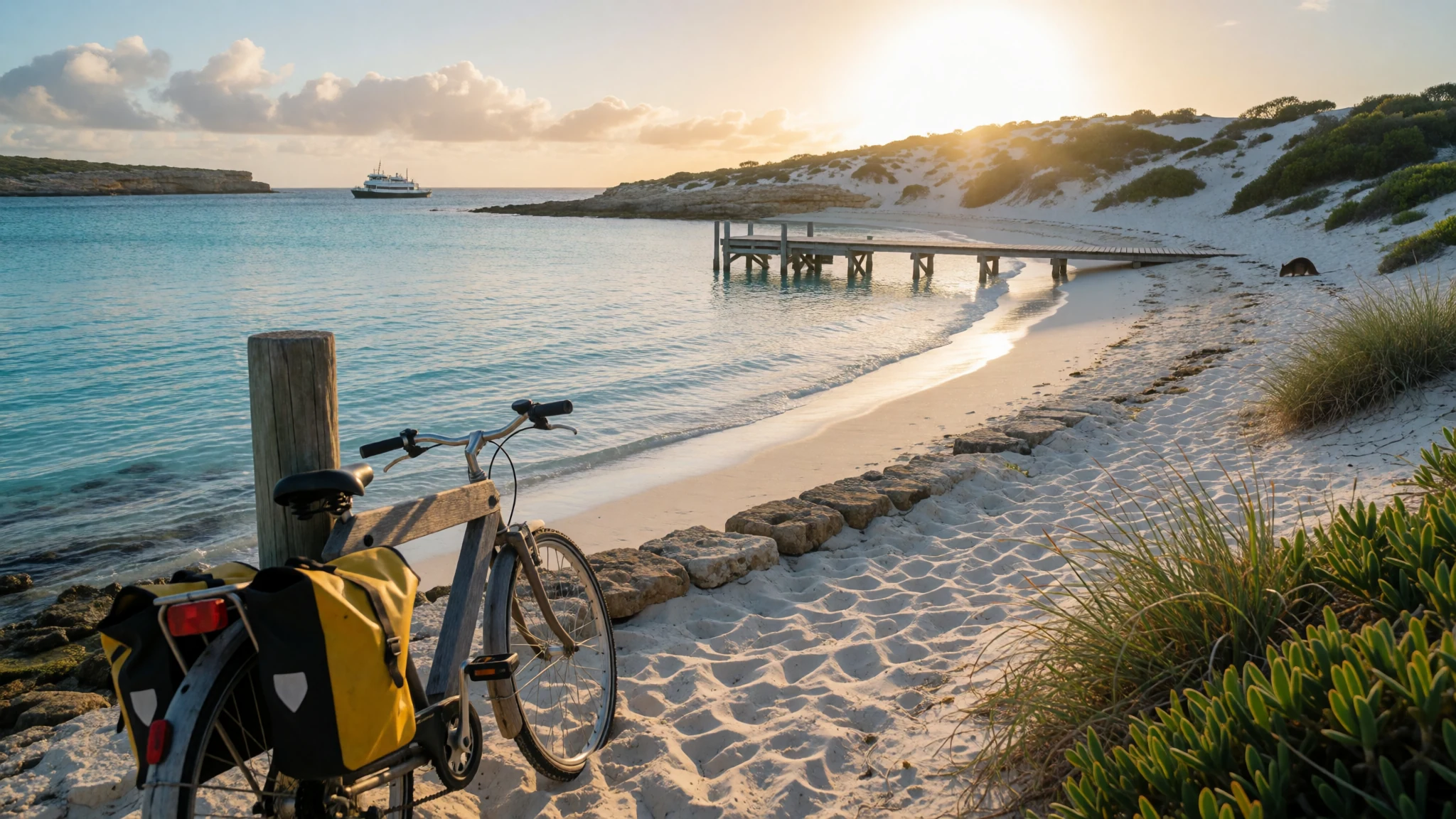
Rottnest Island offers turquoise bays, salt lakes, and friendly quokkas just off the Western Australian coast.
The place
Rottnest Island, known to the local Noongar people as Wadjemup, lies just off the coast of Western Australia. Reached easily by ferry from the mainland, this low-lying protected reserve covers a modest area of land framed by clear turquoise ocean and white sand beaches. The island is formed largely on a base of aeolianite limestone, supporting a delicate coastal ecosystem of stunted vegetation, inland salt lakes, and pockets of native bush. Most human activity concentrates around Thomson Bay and the main settlement, where visitors arrive on foot or by bicycle. Beyond the central hub, sealed roads and sandy tracks wind past secluded bays, rocky headlands, and heritage lighthouses. The resident population stays tiny, though hundreds of thousands of travellers step off the ferries each year to swim, snorkel, and cycle the shoreline. Despite its popularity as a quick getaway from nearby cities, the island retains a distinct, unhurried character, particularly once day visitors depart and the evening sea breeze sweeps across the dunes.
Its story
Long before European vessels charted the coast, the Noongar people knew the land as Wadjemup, meaning the place across the water where the spirits are. Archaeological finds indicate human presence on the land dating back thousands of years, to an era before rising post-glacial sea levels severed the coastal dunes from the Australian mainland and turned the high ground into an isolated island. Dutch captain Willem de Vlamingh landed here in the late seventeenth century, mistaking the marsupial population for giant rodents and dubbing the land 'rats' nest island'. Following the establishment of the colonial settlement on the Swan River, the British later put the island to harsher use, operating a penal institution and forced labour camp for Aboriginal prisoners across nearly a century. Military installations followed during subsequent global conflicts, leaving behind scattered relics and gun emplacements. In the twentieth century, the island transitioned firmly toward conservation and public recreation, transforming its dark penal history into a protected A-class reserve dedicated to leisure, cycling, and wildlife preservation.
What to see
- Wadjemup Lighthouse — Central interior
Perched on the high ground of the interior, this historic maritime beacon commands panoramic views across the surrounding ocean, reef systems, and coastal dunes. It stands as an enduring navigational landmark for vessels approaching the western approaches.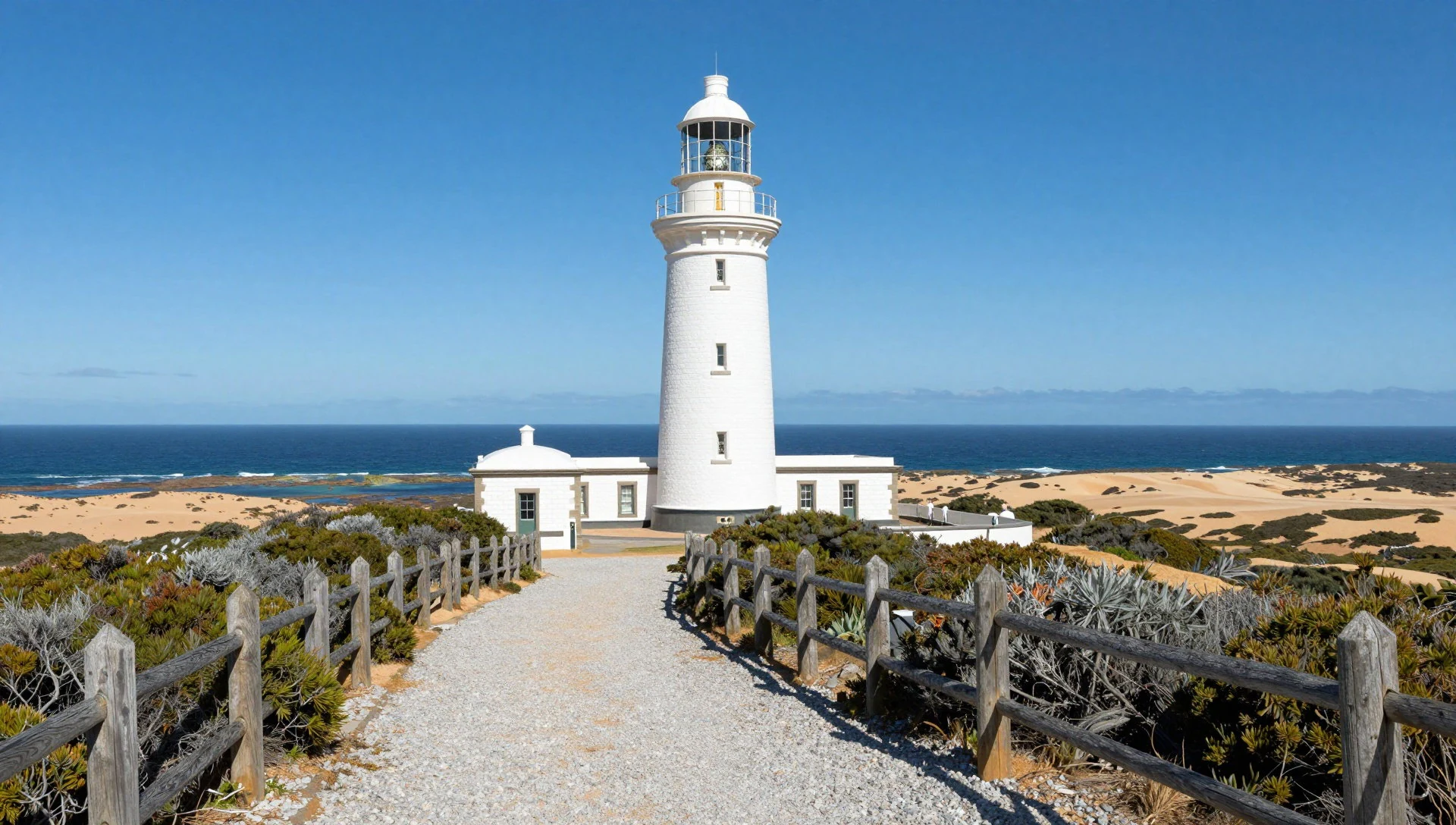
- The Basin — North-eastern coast
A sheltered, shallow swimming cove ringed by a natural reef barrier of pale limestone. The translucent water makes it the premier spot on the island for a casual morning swim or introductory snorkel.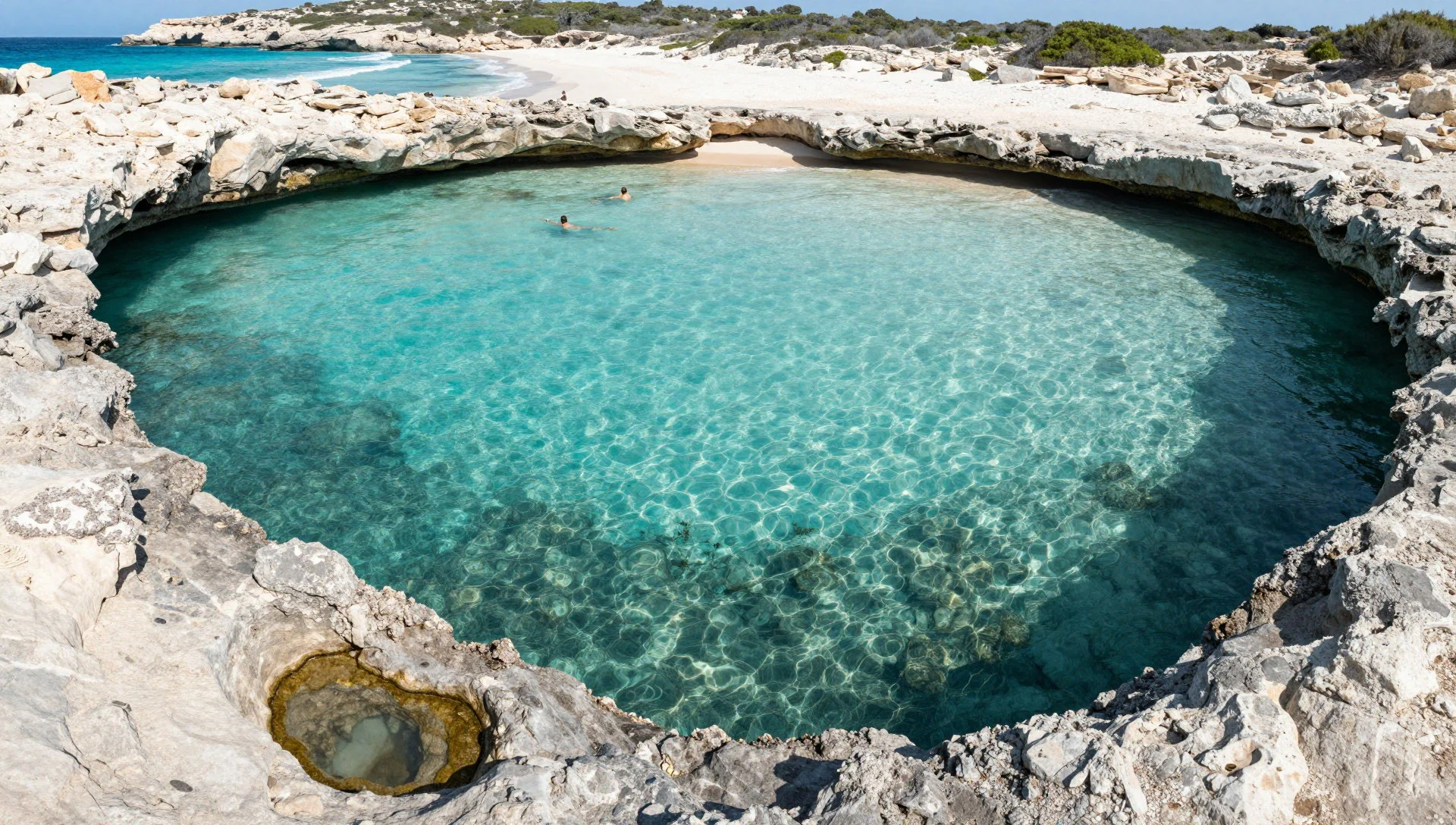
- Pink Salt Lakes — Central lowlands
A series of hypersaline inland water bodies in the heart of the reserve that turn distinct shades of pink due to natural algae and high mineral concentrations under the summer sun.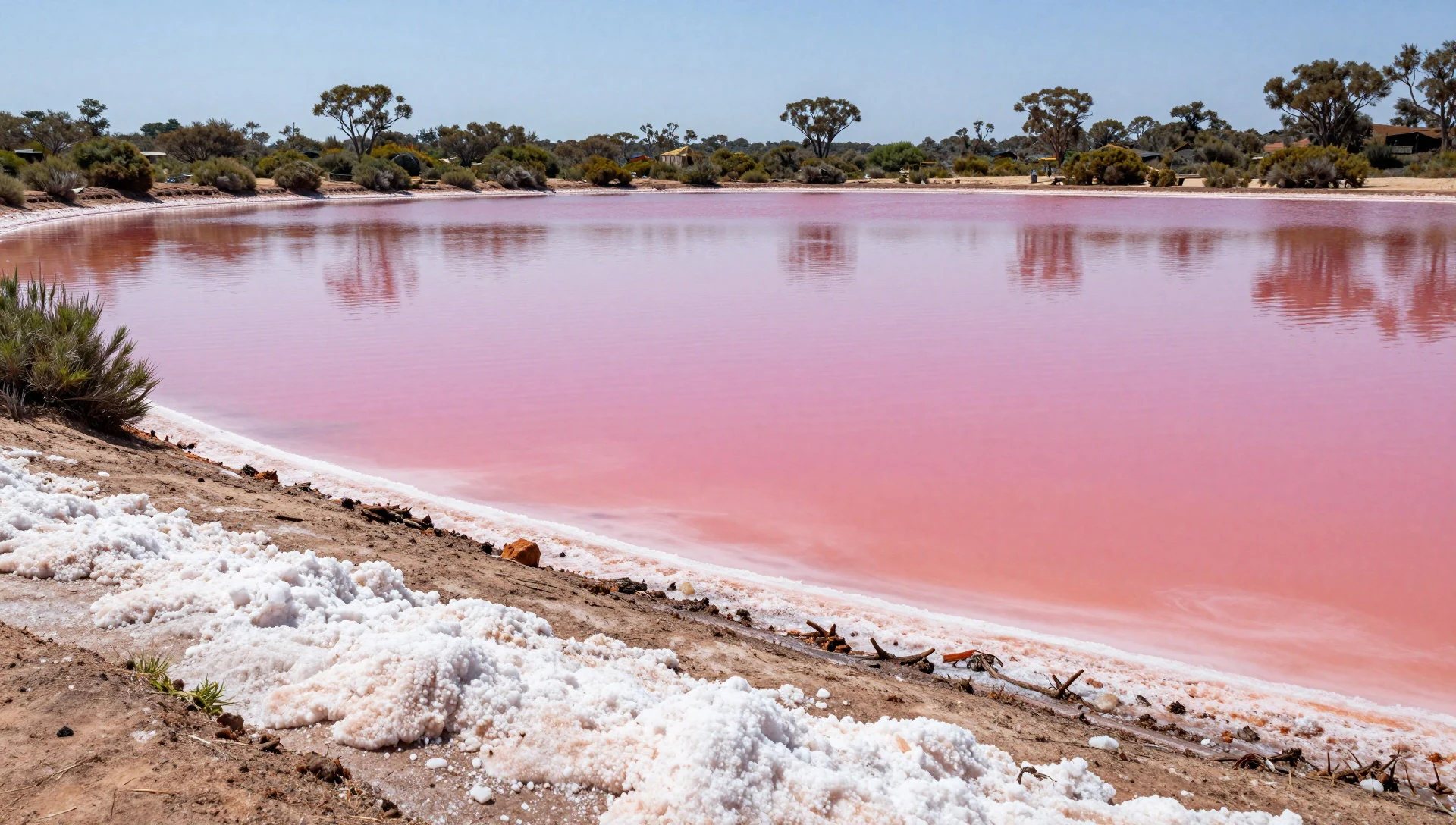
- Parker Point — Southern coastline
A rugged southern headland featuring an underwater snorkel trail marked by plaques on the seabed. The clear waters teem with colourful reef fish, corals, and sponges.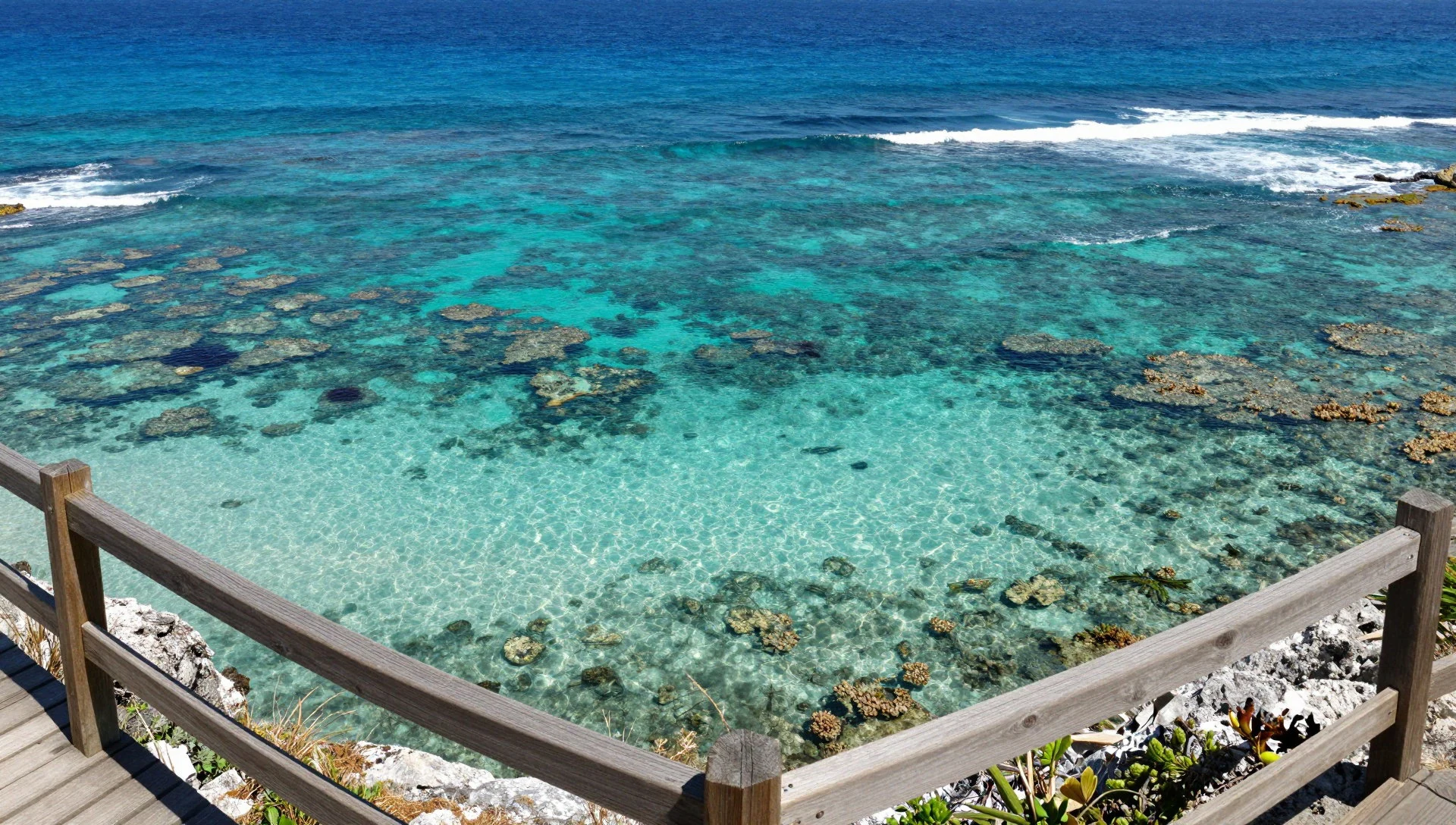
- Wadjemup Museum — Thomson Bay settlement
Housed within historic precinct buildings, this cultural space interprets the complex heritage of the island, spanning Noongar spiritual connections, maritime wrecks, and the sobering penal history.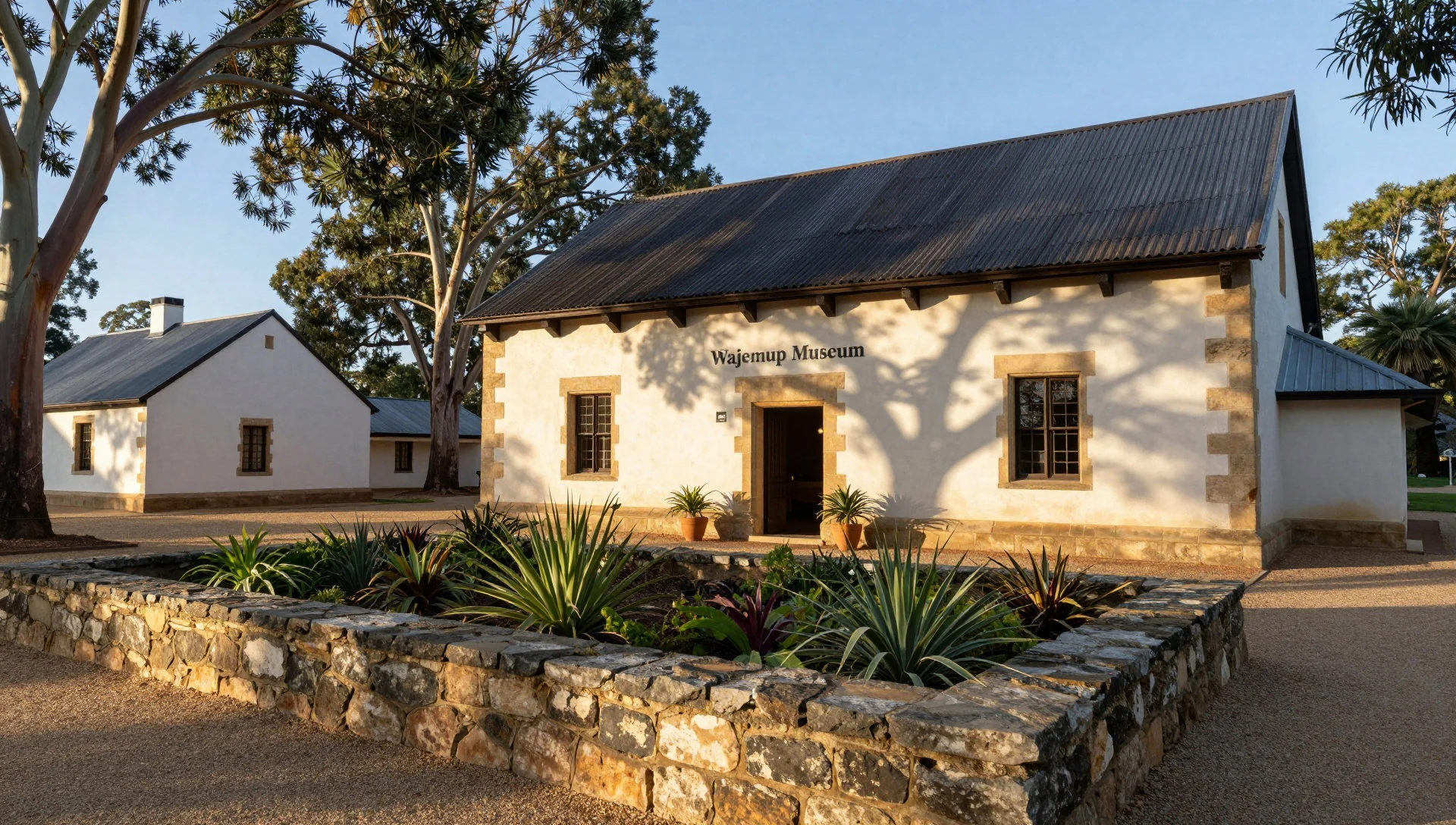
Culture
The cultural identity of the island is deeply tied to both ancient Noongar heritage and modern Australian coastal leisure traditions. Wadjemup holds profound spiritual significance for Aboriginal people, representing a place of resting spirits and a site of tragic colonial history that is now openly acknowledged and respected. Contemporary island culture revolves around outdoor recreation, marine conservation, and a relaxed holiday attitude where cycling is the primary mode of transport. Visitors share the paths and boardwalks with native quokkas, small marsupials renowned for their curious nature and lack of natural fear. While the wildlife is exceptionally approachable, strict conservation rules prohibit feeding or touching the animals to protect their health and natural diet. Always keep a respectful distance from the quokkas and never offer them human food or drinking water.
What to wear
Island fashion is casual, practical, and built entirely around outdoor sun protection and coastal activity. Traditional clothing has no modern day-to-day presence here, replaced instead by functional resort wear suited to a Mediterranean climate. Locals and visiting travellers alike spend their days in lightweight linen shirts, board shorts, cotton dresses, and breathable activewear. Sturdy footwear is essential if you plan to venture beyond the paved paths into the coastal scrub, though sandals or flip-flops work well around the main settlement and beaches. Because ocean winds can pick up quickly across the open dunes, packing a light windbreaker or fleece jumper for breezy evenings is standard practice. Sun protection dictates everything worn on the island: broad-brimmed hats, UV-blocking sunglasses, and reliable swimwear form the core of any sensible day bag.
What to eat
- Rottnest Bakery Jam Donut — Thomson Bay settlement
Freshly baked daily on the premises, these classic jam-filled donuts offer a sugary treat after a long morning bike ride. - Simmo's Ice Cream — Thomson Bay commercial hub
Artisanal frozen treats crafted using local dairy and inventive flavours to cool you down on hot summer afternoons. - Dome Rottnest Coffee — Thomson Bay waterfront
A relaxed café setting overlooking the jetty, serving robust coffees and breakfast classics with panoramic ocean views. - Pinky's Beach Club Seafood — Pinky Beach
Upscale casual dining featuring fresh regional catches, local wines, and shared plates served right against the dunes. - Geordie Bay General Store Pies — Geordie Bay
Traditional Australian meat pies and hot pastries ideal for grabbing on the go before exploring the northern bays.
Plan it
Best time. December to April brings warm, dry summer weather ideal for swimming, while spring brings wildflowers across the dunes.
How long. 1–2
Getting there. Take a high-speed passenger ferry from Fremantle or Perth, docking directly at Thomson Bay.
Budget. mid
Tips
- Book ferry tickets and bike rentals well in advance during peak summer periods
- Bring a refillable water bottle, as cycling between bays under the sun requires constant hydration
- Rent a bicycle as soon as you arrive, as cars are heavily restricted on the island
- Wear high-factor sunscreen and a hat, as coastal shade can be sparse along the trails
- Watch out for venomous dugites in the outlying scrubland and stick to marked walking tracks
Etiquette
- Never touch or feed the quokkas under any circumstances
- Take all of your rubbish with you to protect the pristine A-class reserve
Nearby
Sources
- Wikidata Q585317 (CC0)
- Wikipedia (CC-BY-SA 4.0)
- Wikivoyage (CC-BY-SA 4.0)