Rocas Atoll
Rocas Atoll, Brazil
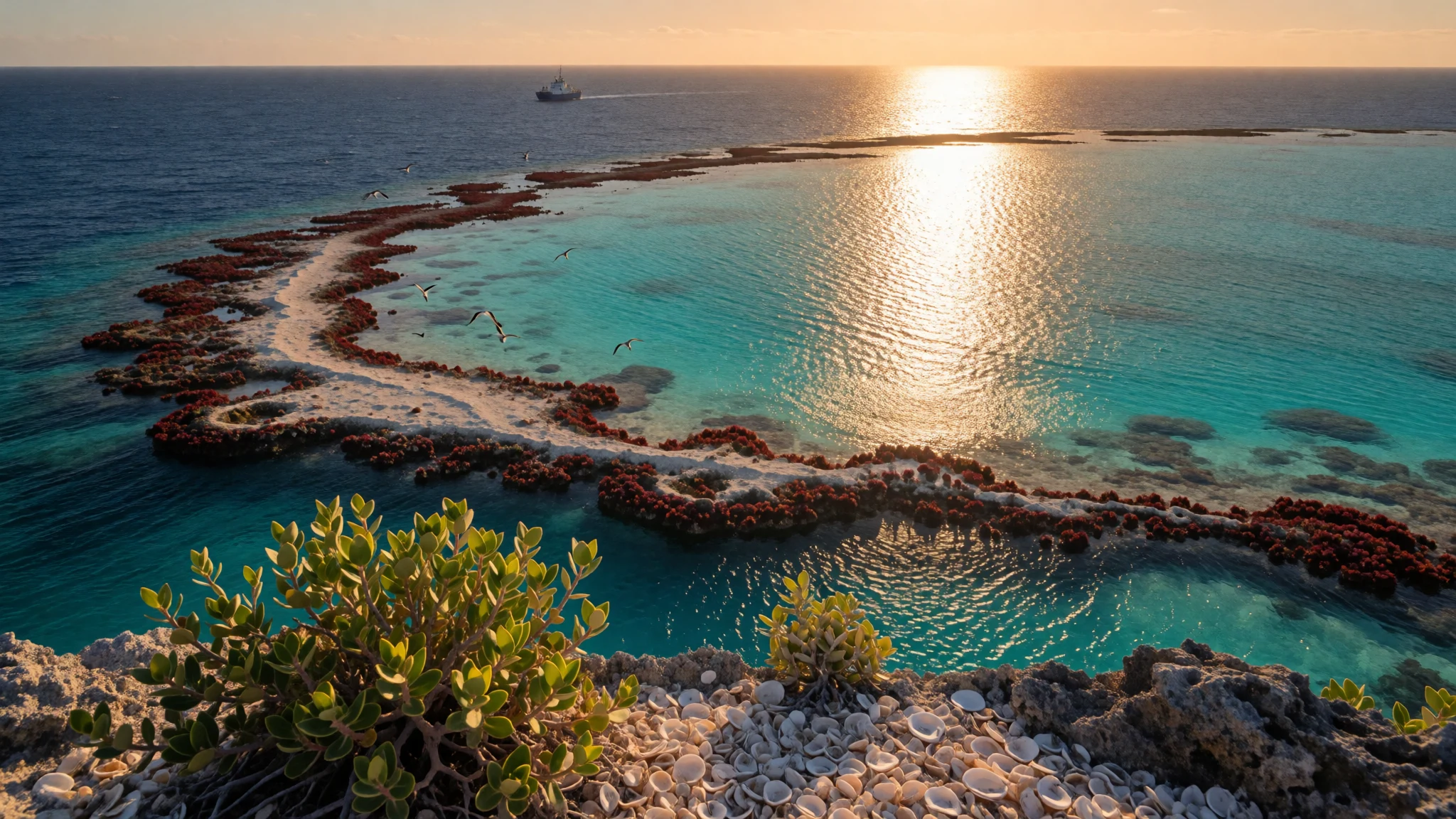
Rocas Atoll is an easy-to-appreciate Atlantic wildlife stop: clear water, a near-closed coral ring, and protected species without the usual crowds.
The place
Rocas Atoll (Atol das Rocas) is a small, volcanic-born ring of coral in the Atlantic that sits under Brazilian care. It’s the only atoll in the South Atlantic Ocean, and it’s tucked off the coast of Rio Grande do Norte—far enough that the island stays quiet, but not so far that it feels unreachable on paper.
The atoll itself is basically an oval coral framework with a lagoon inside. Two islets bookend the shape: Cemitério Island on one side and Farol Cay on the other. Farol Bay has the working lighthouse used by the Brazilian Navy, while nearby there’s also an older, derelict lighthouse that hints at how long this place has been watched.
What makes Rocas feel different isn’t just the geometry of the reef—it’s the living stuff around it. The atoll and its surrounding waters are part of a biological reserve used for scientific research, so the human footprint is minimal. That protection shows up in the mix of marine life: turtles, sharks, dolphins, and seabirds all use these waters. In the water, coral and red algae form the backdrop, and the reef structure means visibility can be excellent when conditions cooperate.
Expect a destination that’s more about being out at sea—watching, floating, snorkelling, and reading the coastline for clues—than about walking around a town. There’s very little “infrastructure”, which is exactly the point.
Its story
Rocas Atoll is the kind of place where the journey matters as much as the destination. Because it’s remote and kept for research and protection, day-to-day life is almost entirely marine, with land playing supporting roles for birds and small creatures. On the islets, you don’t get the sense of an ecosystem being “managed” for visitors; you get the sense of an ecosystem that has simply been left to keep doing its thing.
The Portuguese-sounding name might lead people to think of an easy, tropical beach break, but Rocas is really a reef location first and a beach location second. The coral ring frames the lagoon, and that shape controls how the water moves. When the sea is calm, you notice the clarity and the contrast between shallow water and deeper patches. When the sea is rougher, you feel the Atlantic’s scale immediately.
The lighthouse on Farol Cay adds a human thread to the story. It’s maintained and operational, with the Navy responsible for keeping it going, while the derelict lighthouse close by points to earlier navigation needs. Together they make Rocas feel like a place that’s always been on someone’s watch list.
If there’s a downside, it’s that access isn’t “wander-and-arrive”. That means planning matters, and schedules can be constrained. But for travellers who want nature without crowds, Rocas rewards patience: less sightseeing theatre, more wildlife encounters and an atmosphere of quiet consequence.
What to see
- Cemitério Island
Cemitério Island is one of Rocas Atoll’s two islets, sitting to the south-west side of the ring. It’s largely vegetated with grasses and bushes, and it plays a key role as a resting and breeding spot for birds.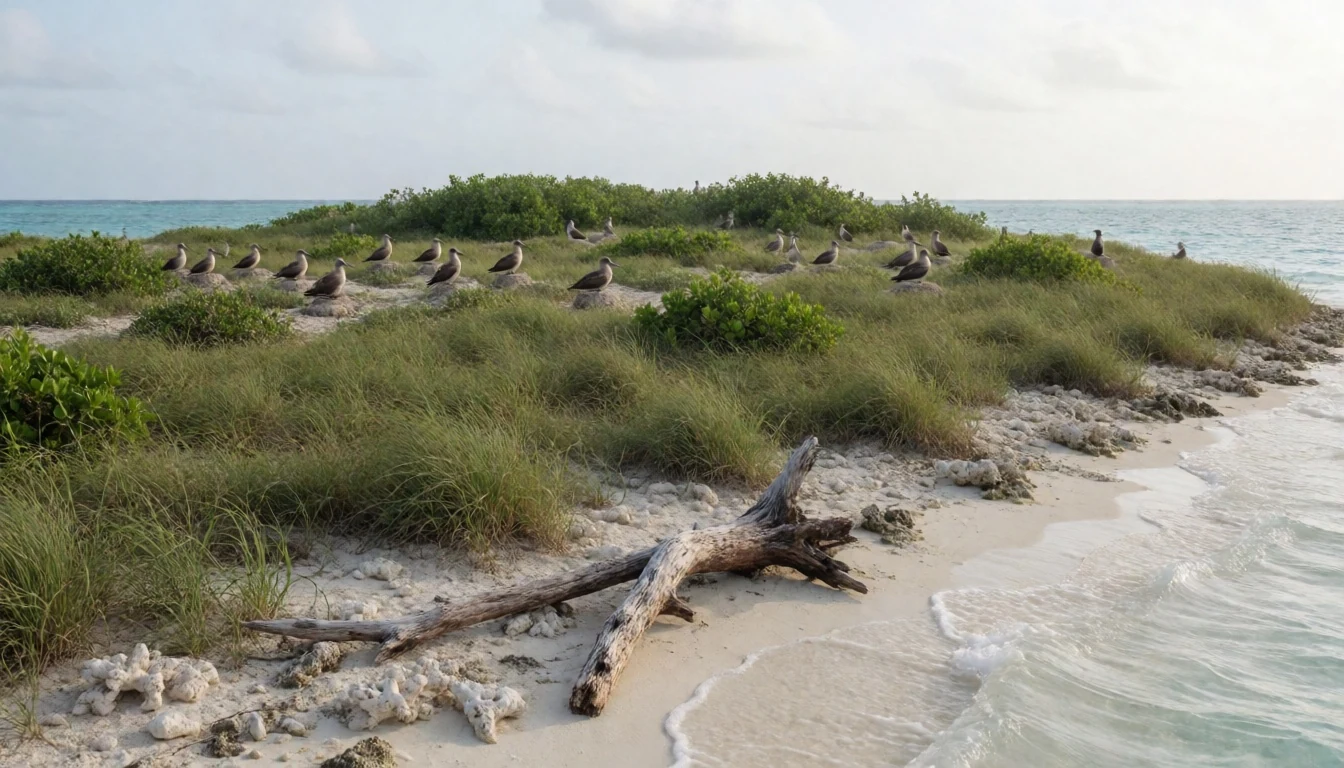
- Farol Cay & the Navy lighthouse
Farol Cay is the atoll’s other main islet, greener and more visible from the sea. At its northern end sits the Brazilian Navy lighthouse, actively maintained, which also helps structure where visitors focus their observations.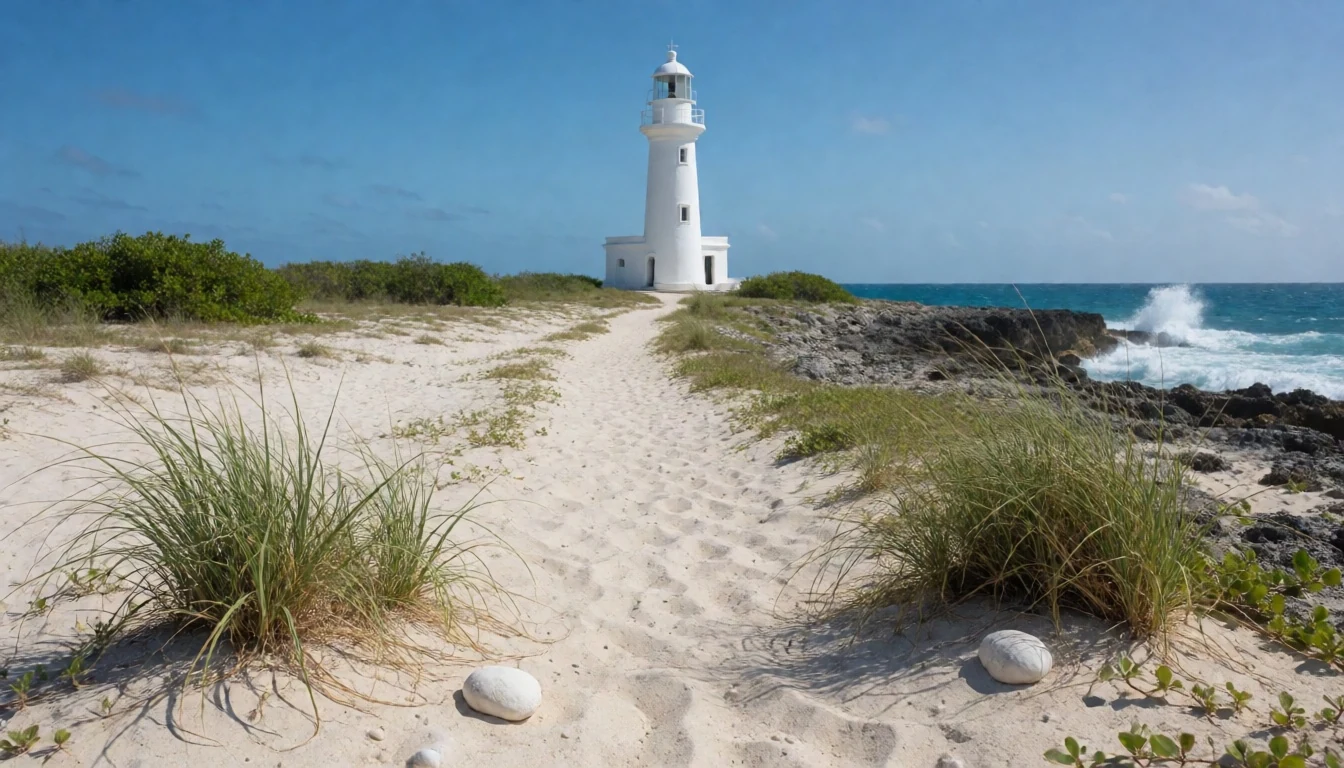
- Derelict lighthouse
Near the operational lighthouse on Rocas Atoll, there’s an older derelict lighthouse—left from earlier infrastructure. It’s not for “exploring”, but it’s a striking reminder of how navigation needs have evolved in this remote corner of the Atlantic.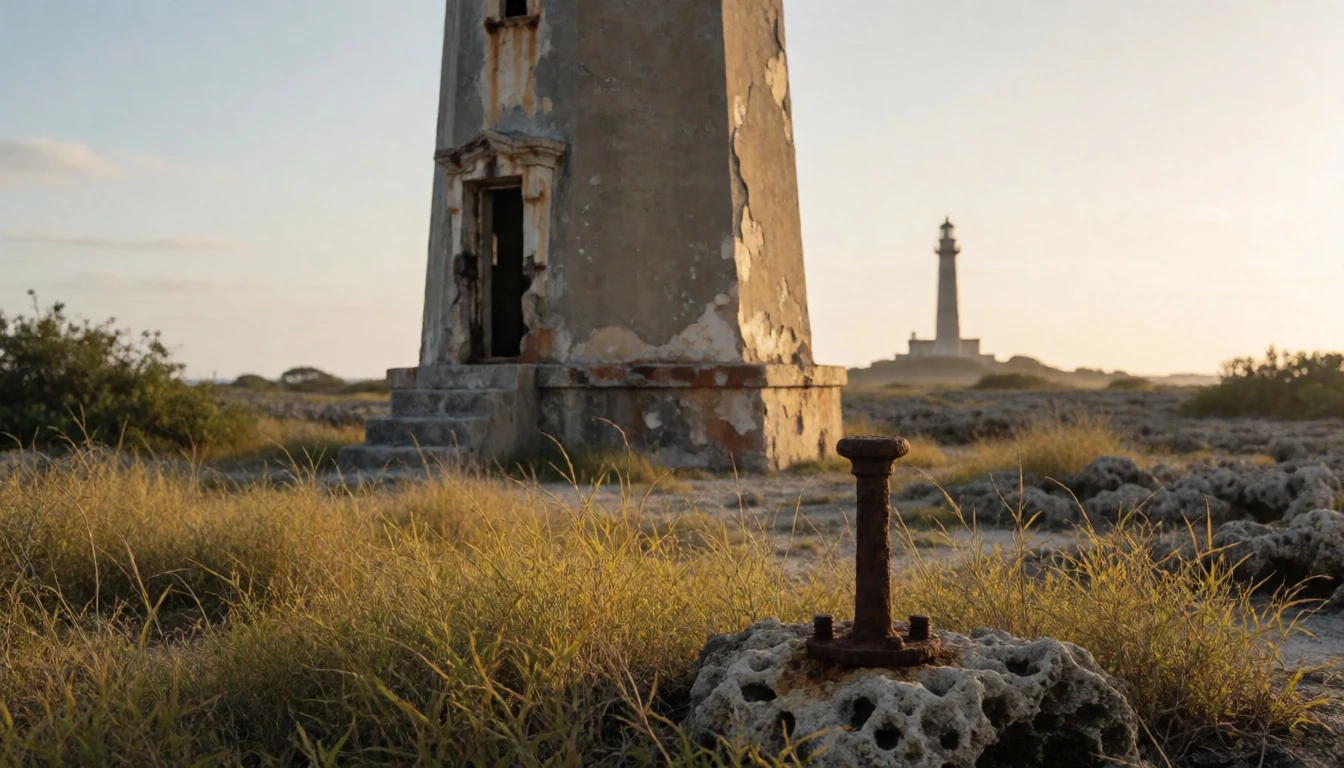
- Coral ring & lagoon edges
Rocas Atoll’s coral framework nearly closes the loop, creating a lagoon inside with strong underwater structure. Snorkelling or viewing from the boat focuses attention on the reef’s contours and patches of red algae where life gathers.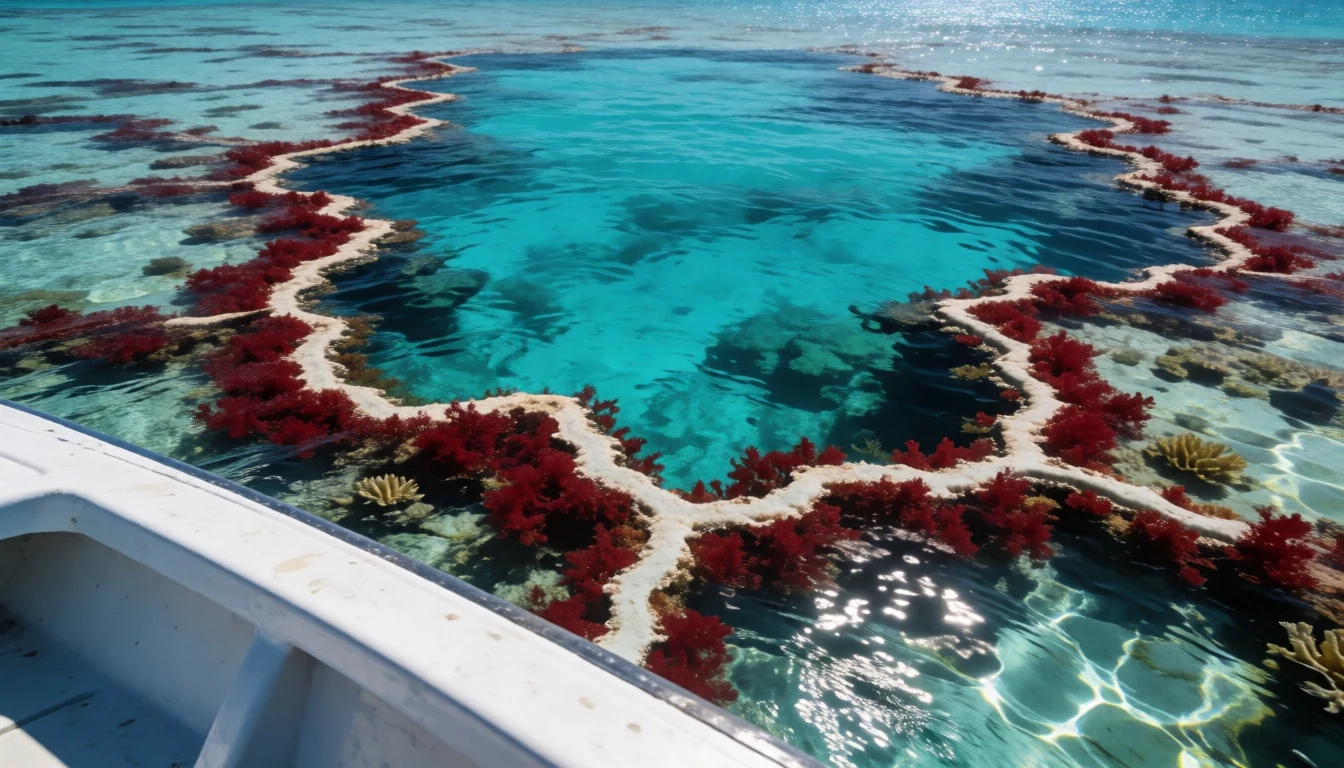
- Protected wildlife in the reserve
Because the atoll and surrounding waters are part of a biological reserve used for scientific research, encounters feel more “natural” than staged. Turtles, sharks, dolphins, and seabirds are associated with these waters, and sightings can happen around reef and channel areas.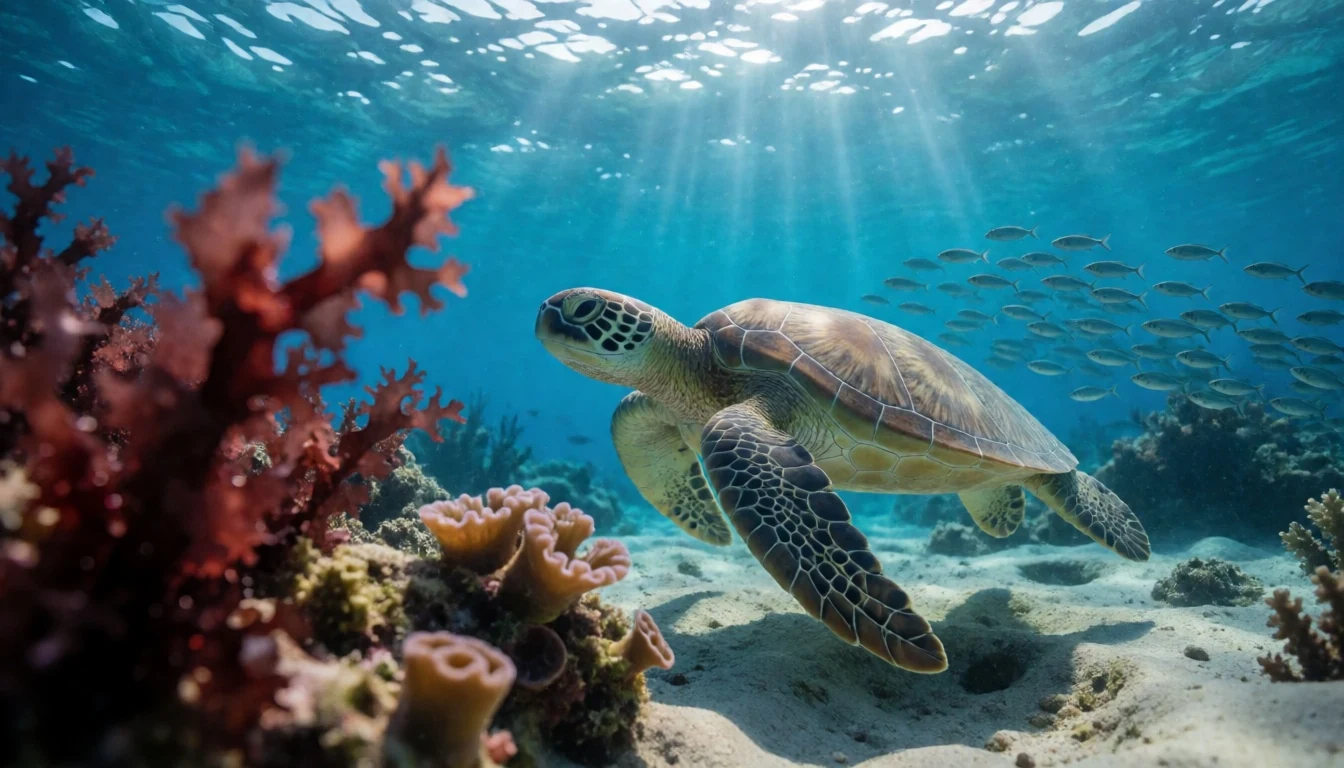
Culture
Rocas Atoll’s culture is really about how visitors behave in a protected, research-focused reserve. The atoll’s remote setting means rules tend to be practical rather than theatrical: keep to approved areas, move carefully, and treat every interaction with wildlife as something that can be disrupted. There’s also a “maritime” rhythm to the place—conditions at sea dictate what’s possible, and you’ll usually hear more from crew guidance than from signs.
On land, the islets are small and vegetation is part of why animals feel safe there. On the water, the key cultural skill is restraint: no chasing animals for photos, no sudden gear changes over the reef, and no kicking up sediment that clouds the view. If dolphins are around, they’re not there for an audience—watch calmly, keep distance, and let space do its work.
Expect limited facilities, so think of Rocas as a leave-no-trace environment where your best “local custom” is discipline. The reserve status means the default assumption is that the place is not a toy; it’s a living field site.
Visitor etiquette: keep a respectful distance from birds and marine life, and follow crew instructions about where to stand or snorkel.
What to wear
Rocas Atoll doesn’t have a single “traditional outfit” in the way inland cultural sites do, but the island and sea conditions create a clear dress code. The day-to-day wear for most people is practical: swimwear under a light layer, quick-dry tops, and reef-safe footwear for uneven rocky or coral-adjacent footing when you move between boat and shoreline.
For textiles, think sun and salt: light-coloured cotton or synthetic shirts, breathable shorts, and a hat that won’t vanish in wind. If you’re snorkelling, a rash guard helps with sun protection and avoids constant re-applying sunscreen when saltwater is involved.
Right now, visitors generally dress like active coastal travellers rather than beach holidaymakers who want to stay clean and dry. For Rocas, that’s the correct approach.
What to wear for a visit: a hat and sunglasses, a waterproof or dry bag for phones and documents, and a change of clothes for after. Bring a light waterproof layer if the weather turns—wind is common in open ocean. If you’re prone to cold after time on the water, a thin thermal layer under a windbreaker can make the difference.
Best practice: wear footwear that can handle splash zones and potentially sharp coral edges.
What to eat
- Fresh fruit and market produce — Markets in Natal (the usual entry point)
Before any long sea day, people often stock up on fruit and simple snacks from local markets in Natal. It’s a low-fuss way to keep energy up without relying on the atoll for supplies.
- Tropical juices and iced drinks — Casual cafés and roadside stands around Natal
Hydrating drinks are common in coastal Brazil: expect fruit juices and iced beverages as part of everyday travel shopping. With sea conditions and sun, having something you can sip steadily helps a lot.
- Regional rice-and-bean plates — Everyday eateries in Natal’s tourist areas
Staples like rice and beans show up across Northeastern Brazil, and they work well as a pre-trip meal: filling, not too heavy, and easy to find in town before heading out to the Atlantic. - Cashew-themed local snacks — Shops and snack stalls around Natal
Rio Grande do Norte is associated with cashew culture, so you’ll see cashew-based snacks and sweets on menus and in shops. It’s easy travel fuel for day trips and long waits before departure. - Street seafood assortments — Street food areas in Natal
In coastal towns, seafood is often served as mixed platters or small bites—think grilled fish with sides rather than formal meals. It’s a good ‘before you go’ option when you want something tasty without fuss.
Plan it
Best time. March–April and October–November are comfortable windows for a trip to Rocas Atoll, with the sea-focused travel usually feeling less punishing than the hotter or wetter months; check local conditions close to departure.
How long. 3–4
Getting there. Fly into Natal, then travel onward to the port area used for trips to Rocas Atoll. From Natal, the last leg is by sea to reach the atoll’s waters.
Budget. mid
Tips
- Aim for early starts from Natal so sea conditions have time to settle during the day
- Pack for sun and spray even if the morning looks mild—open Atlantic exposure is real
- Keep cash for small purchases in Natal, where card acceptance can vary
- Bring water and stay topped up before the boat—heat can build quickly near the coast
- Confirm what’s included in your boat or tour so there are no surprises about timing and gear
Etiquette
- Follow crew instructions about where to swim or snorkel and keep off restricted areas
- Avoid touching coral or algae and don’t stand on reef structure
- Don’t chase birds or marine animals for photos—watch calmly and keep distance
Nearby
Sources
- Wikidata Q241074 (CC0)
- Wikipedia (Rocas Atoll) (CC BY-SA 4.0)
- Wikivoyage (Rio Grande do Norte) (CC BY-SA 4.0)
- Photo photos/01-atol-das-rocas-iss007.jpg (Public domain)
- Photo photos/02-vf-1-52013325883.jpg (CC BY-SA 2.0)
- Photo photos/03-esc-large-iss022-iss022-e-79937k.jpg (Public domain)
- Photo photos/04-imray-1884-p0246-the-rocas.jpg (Public domain)
- Photo photos/05-admiralty-chart-no-388-islands-in-the-south-atlantic-odean-p.jpg (Public domain)
- Photo photos/06-after-silver-sunset-panoramio.jpg (CC BY 3.0)
- Photo photos/07-atol-das-rocas-agua-cristalina.jpg (CC BY-SA 4.0)
- Photo photos/08-atol-das-rocas.jpg (CC BY 3.0)


