Robinson Crusoe Island
Robinson Crusoe Island, Chile
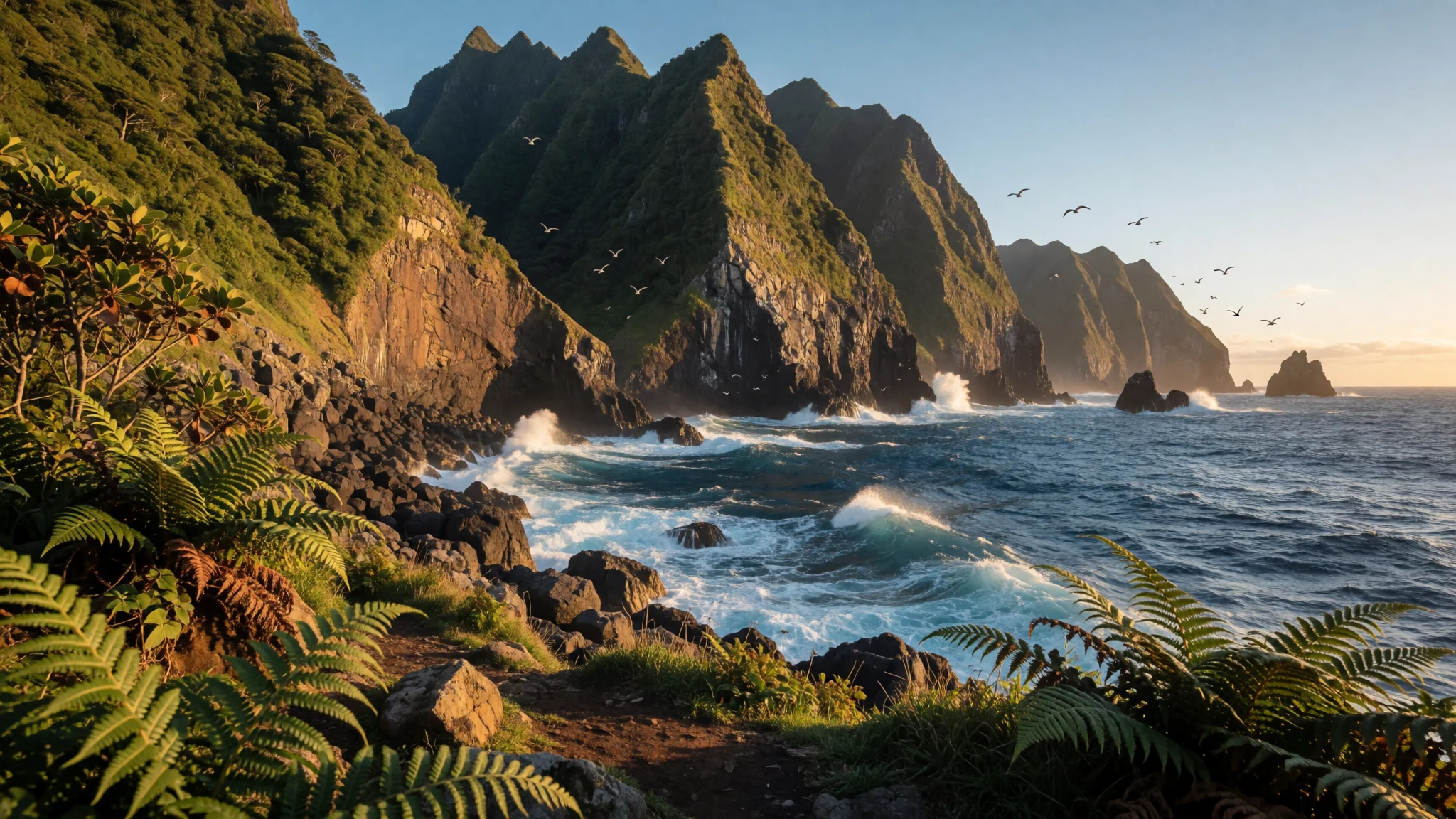
Robinson Crusoe Island offers rugged volcanic wilderness, quiet Pacific isolation, and the true story of the marooned sailor who inspired a literary classic.
The place
Robinson Crusoe Island forms the principal inhabited heart of a sparsely populated Pacific archipelago situated far out off the continental South American coast. Rising steeply from the ocean waves, this remote volcanic landmass is defined by dramatic cliffs, deep ravines, and high ridges that catch passing oceanic mists. Most of the tiny permanent community lives clustered around Cumberland Bay on the northern shore, where the small settlement of San Juan Bautista serves as the administrative capital and main port for the entire commune. Life on Robinson Crusoe Island moves at an unhurried, maritime pace dictated by the arrival of fishing boats and the infrequent planes touching down on the rugged airstrip. Visitors who make the long journey across the ocean find an isolated sanctuary of endemic forests, crashing surf, and steep walking trails that reward physical effort with sweeping, unbroken horizons over the open water. The surrounding marine environment is intensely protected, supporting exceptional biodiversity both on land and beneath the surface, making it an extraordinary destination for travellers seeking genuine remoteness rather than polished resort comforts.
Its story
Robinson Crusoe Island holds a fascinating history that blends maritime exploration, dramatic shipwrecks, and enduring literary myth. Archaeological studies indicate that these isolated islands likely remained entirely untouched by human activity until European sailors first navigated into their waters in the late sixteenth century. The archipelago was officially discovered by the Spanish mariner Juan Fernández while he was pioneering an offshore route that avoided the strong Humboldt current. During the seventeenth and eighteenth centuries, the rugged bays provided a convenient clandestine hideout for pirates, privateers, and buccaneers operating across the South Pacific. It was amidst this turbulent era that the Scottish sailor Alexander Selkirk was put ashore at his own request following a disagreement with his ship's captain, leading to more than four lonely years of survival before his eventual rescue. His remarkable ordeal on Robinson Crusoe Island directly inspired Daniel Defoe to write his famous novel, cementing the remote landmass into global literary folklore. Decades later, naval conflicts played out within sight of its shores, adding further dramatic chapters to the isolated volcanic outpost's storied past.
What to see
- San Juan Bautista — Cumberland Bay, north coast
San Juan Bautista is the main settlement on Robinson Crusoe Island, where almost all of the archipelago’s inhabitants reside around Cumberland Bay. It serves as the primary harbour, community hub, and the starting point for nearly every trail exploring the steep, dramatic terrain.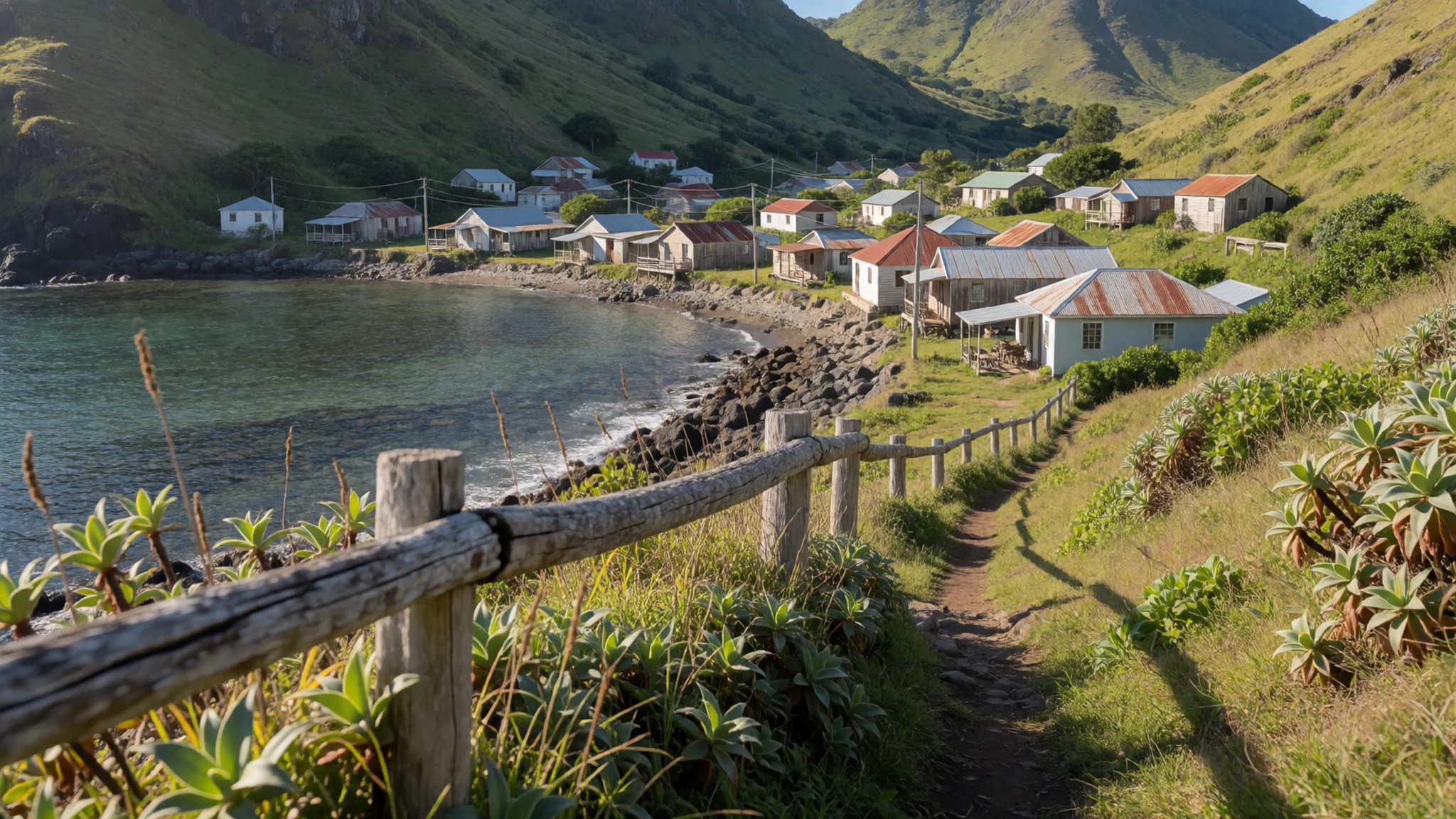
- El Mirador de Selkirk — Central mountain ridge
El Mirador de Selkirk is a mountain viewpoint reached by a demanding uphill hike that follows the historic route where the marooned sailor scanned the horizon daily. Starting early in the morning helps travellers reach the ridge before ocean mists completely obscure the magnificent sweeping views.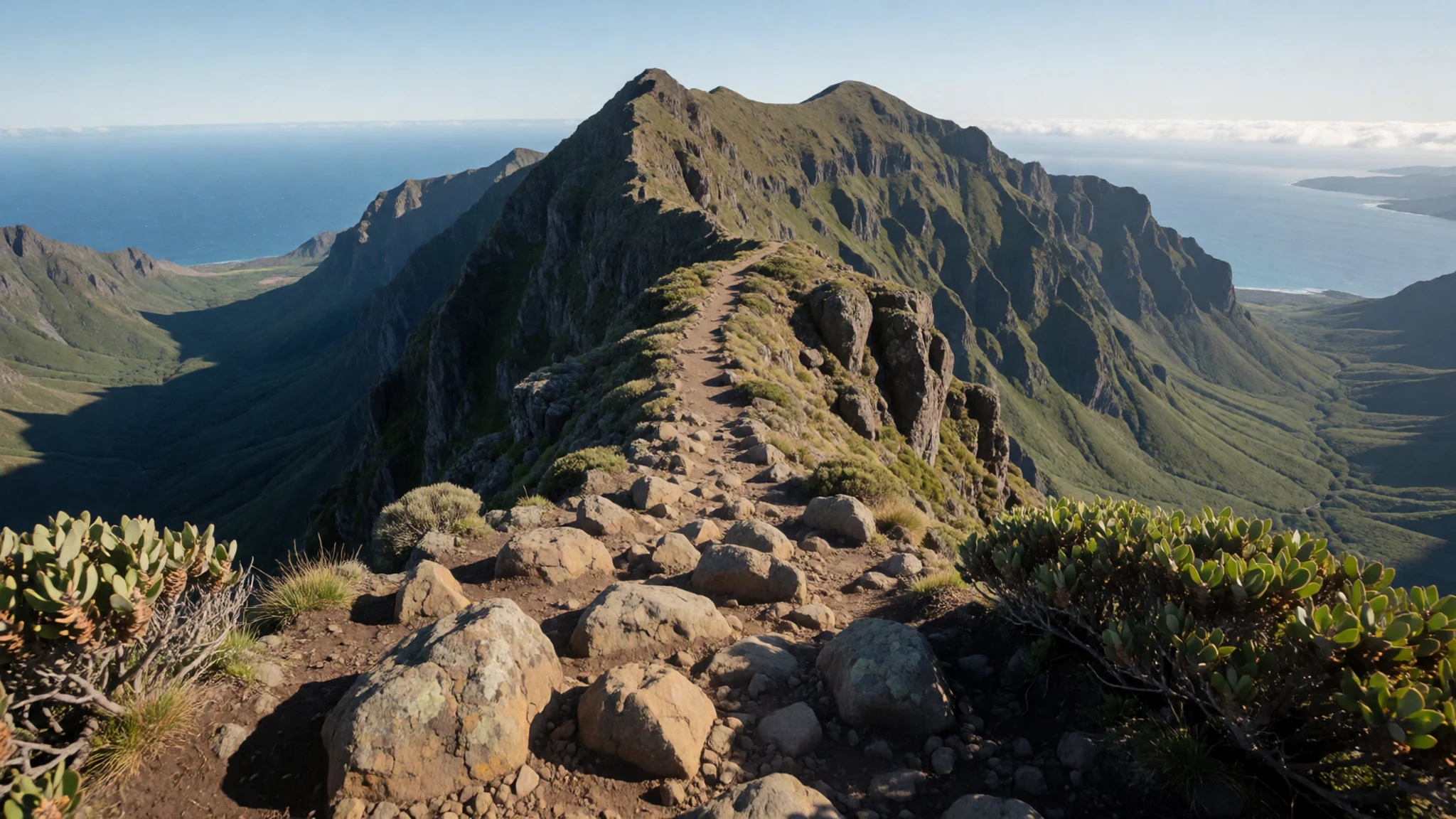
- Cuevas de los Patriotas — Near San Juan Bautista
Cuevas de los Patriotas are historic hillside caves located along the walking paths near San Juan Bautista town. These natural rock hollows were used as temporary shelter by political prisoners during early Chilean independence struggles, layering human history deep into the volcanic stone.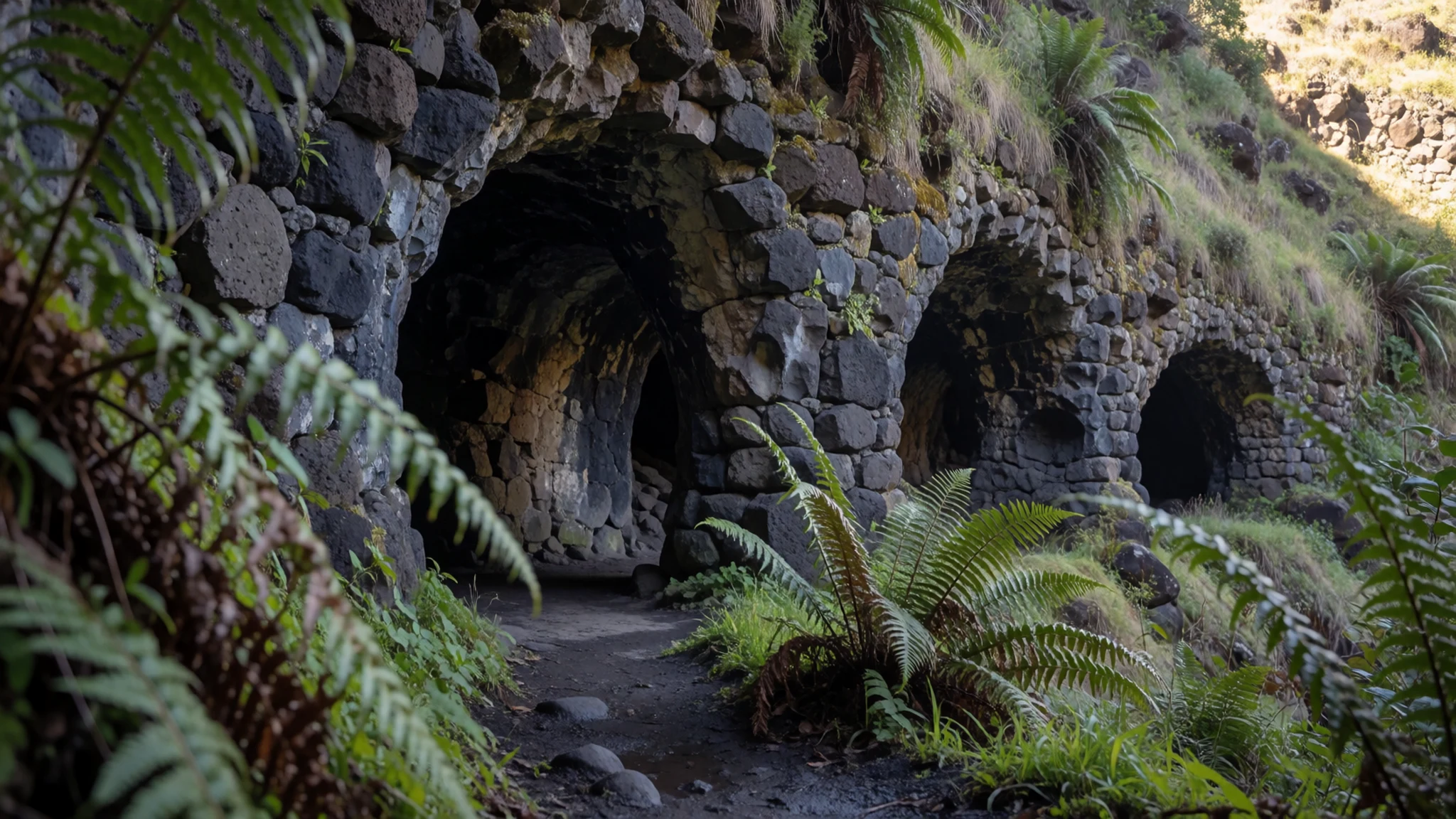
- Cliffside Naval Relics — North coast cliffs
Cliffside Naval Relics mark the dramatic site where wartime history unfolded in the early twentieth century. Visitors walking along the rugged northern coastal paths can observe genuine artillery shell fragments still embedded directly into the dark rock faces from historical encounters.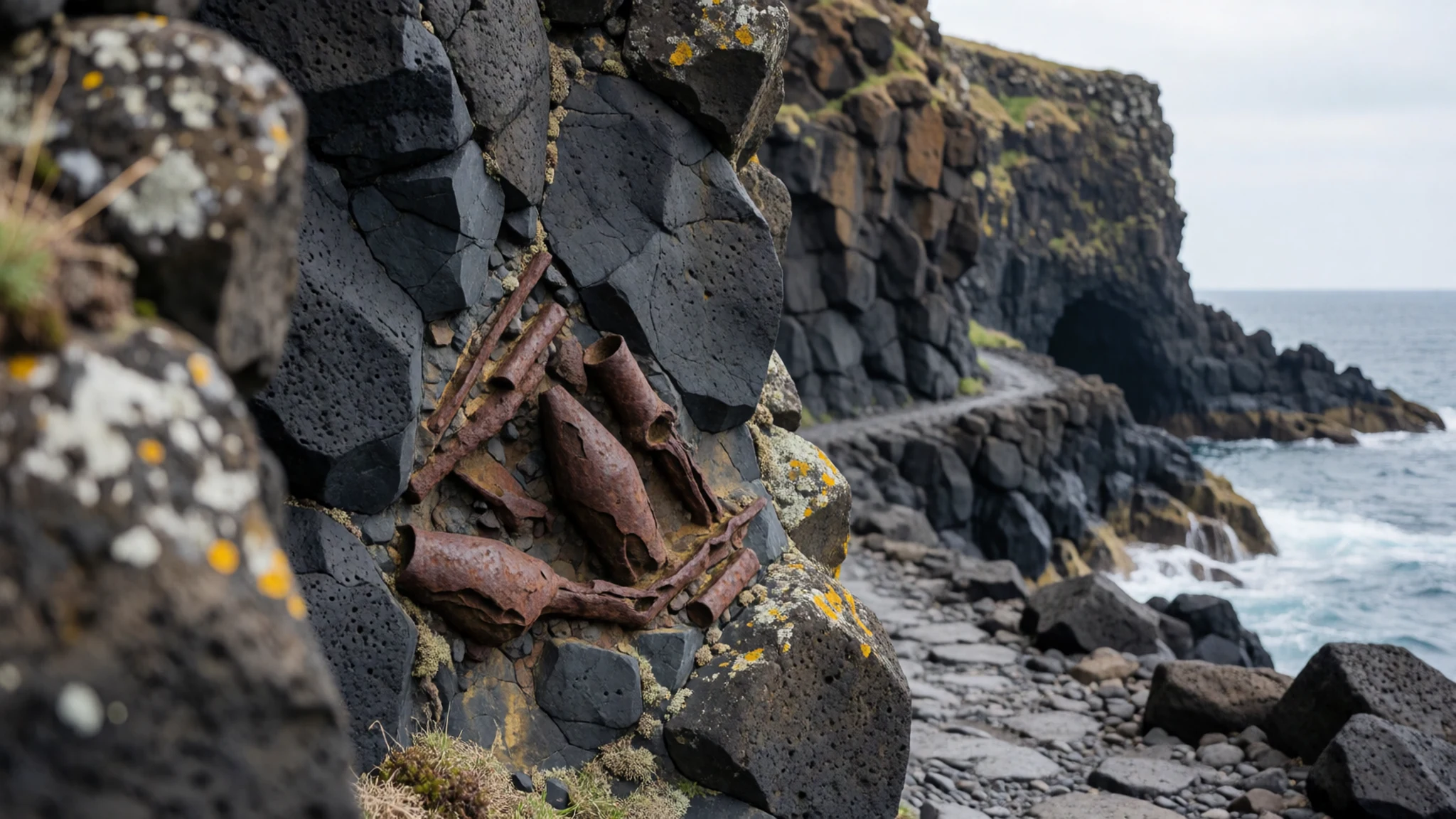
- Endemic Forest Trails — Higher elevations and interior slopes
Endemic Forest Trails wind through protected ecoregion zones high above the shoreline on Robinson Crusoe Island. Walking these damp paths reveals rare native plants and specialized flora that evolved in complete isolation across the volcanic ridges and deep ravines over countless millennia.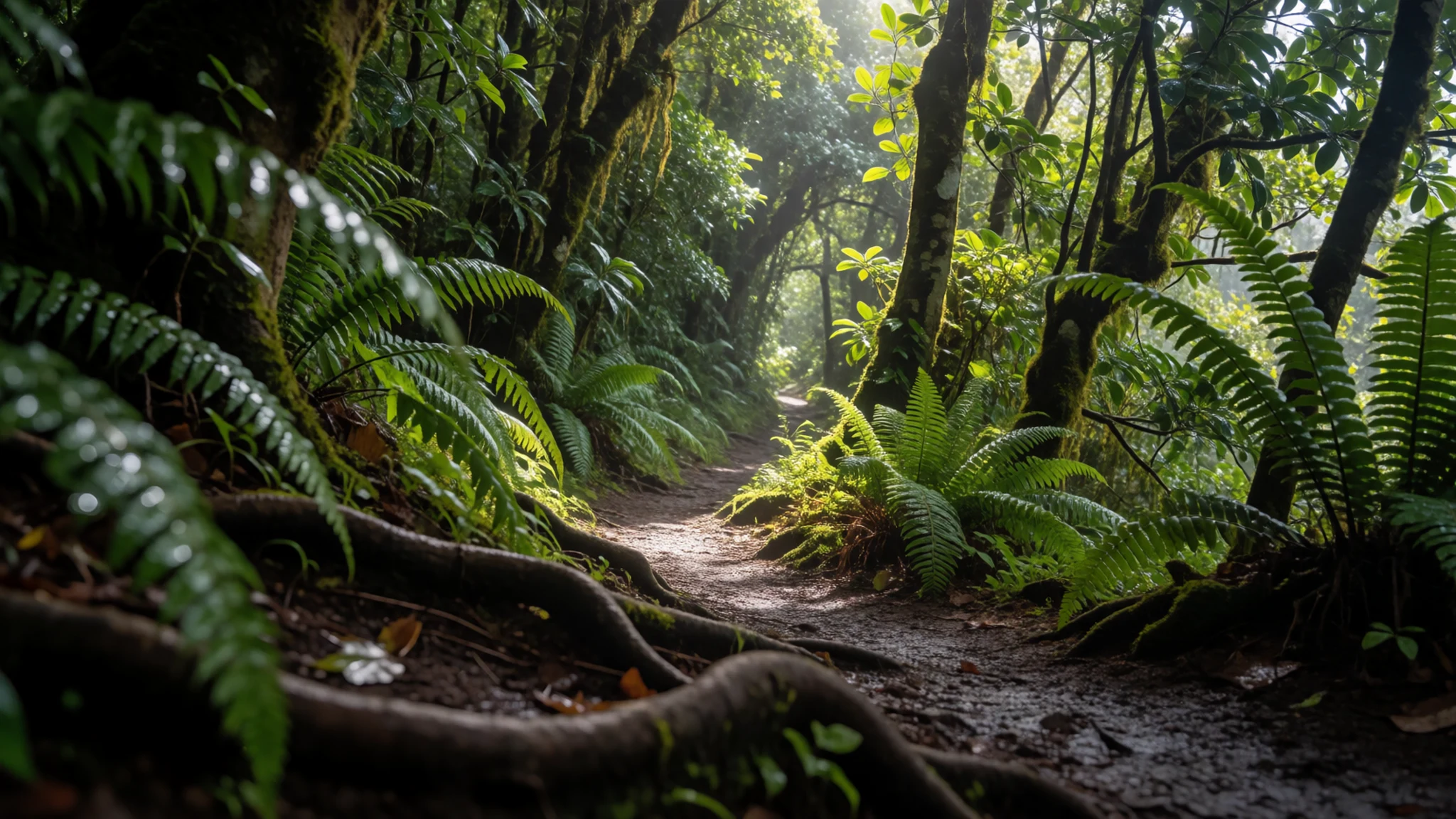
Culture
Robinson Crusoe Island supports a tight-knit island community whose daily rhythms are shaped by small-scale fishing, cooperative farming, and welcoming the occasional intrepid traveller. Cultural life is anchored by maritime traditions passed down through generations of families who have learned to thrive amid ocean isolation. In the late twentieth century, religious groups such as The Church of Jesus Christ of Latter-day Saints established a presence on the island, adding to the community's social fabric. Residents take immense pride in their unique natural heritage and the literary legacy that draws visitors from across the globe, maintaining a quiet hospitality that balances curiosity about the outside world with fierce self-reliance. Always greet local residents warmly with a polite 'Buenos días' or 'Buenas tardes' before asking questions or taking photographs.
What to wear
Robinson Crusoe Island features practical, weather-resistant attire shaped by maritime winds and rugged outdoor terrain rather than formal traditional dress. Historically, early settlers and mariners relied on heavy woollens, sturdy canvas trousers, and leather boots designed to withstand cold ocean spray and damp mountain mists. Today, local residents dress in casual, functional clothing suited for daily work on fishing boats or tending gardens, favouring fleece jackets, durable denim, and windproof outer layers. Visitors exploring Robinson Crusoe Island should pack in a similar utilitarian style: layered wind-resistant garments, waterproof shells, and broken-in hiking boots with excellent grip for steep, muddy trails. Bring a sturdy hat and reliable sun protection for exposed coastal walks, alongside comfortable clothing for relaxing inside the quiet village guesthouses in the evenings.
What to eat
- Juan Fernández Rock Lobster — San Juan Bautista waterfront restaurants
Juan Fernández Rock Lobster is the absolute culinary crown jewel of Robinson Crusoe Island, prized for its sweet, firm white meat harvested sustainably by local fishers. You can find this celebrated delicacy prepared simply boiled or grilled at small family-run eateries around the harbour.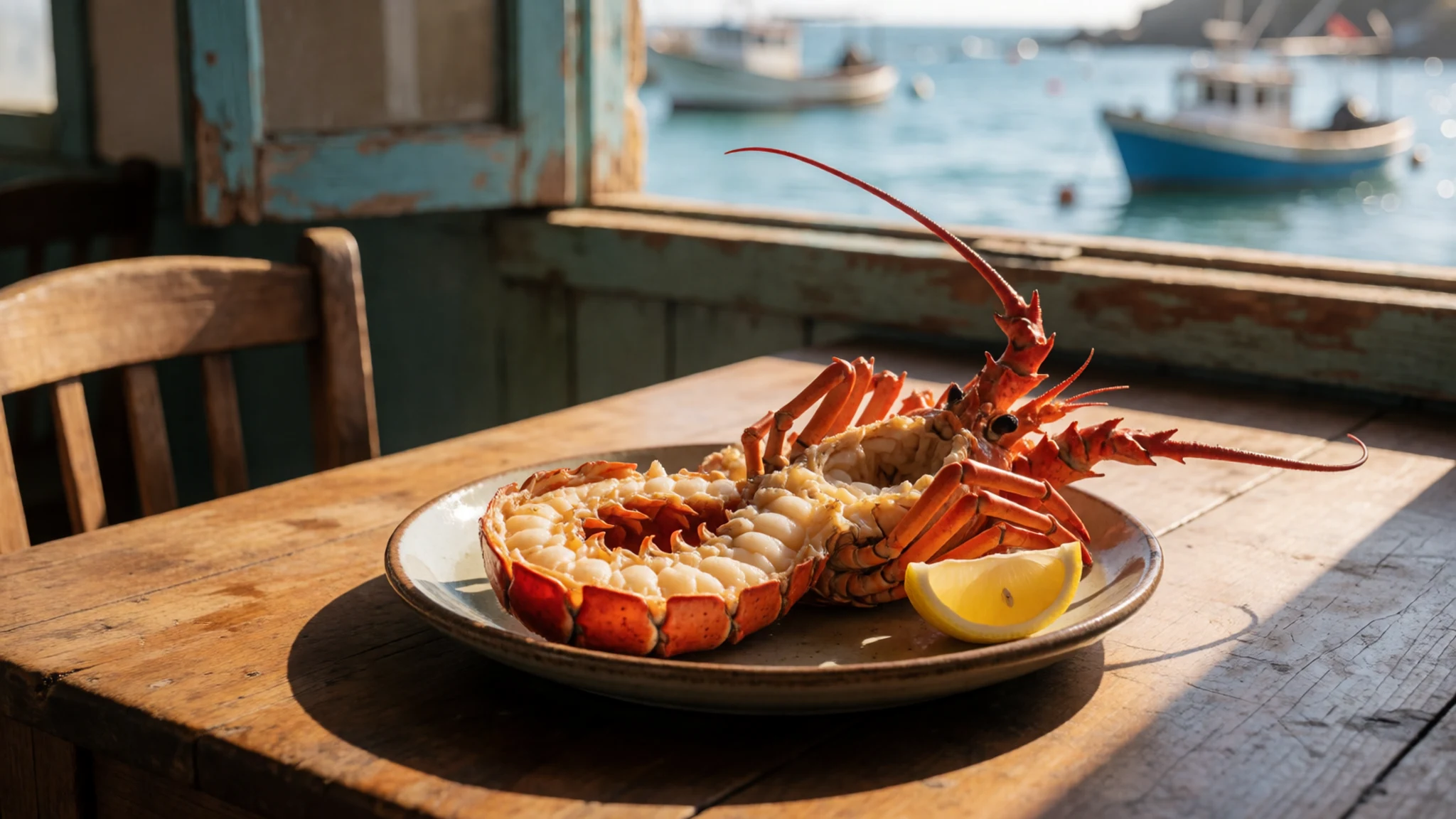
- Fresh Catch of the Day — Village food stalls and local guest houses
Fresh Catch of the Day features whatever fine fish the local boats pull from the surrounding Pacific waters, typically pan-fried or baked with garlic and herbs. Look for daily seafood specials chalked up on the boards of casual village dining spots by the bay.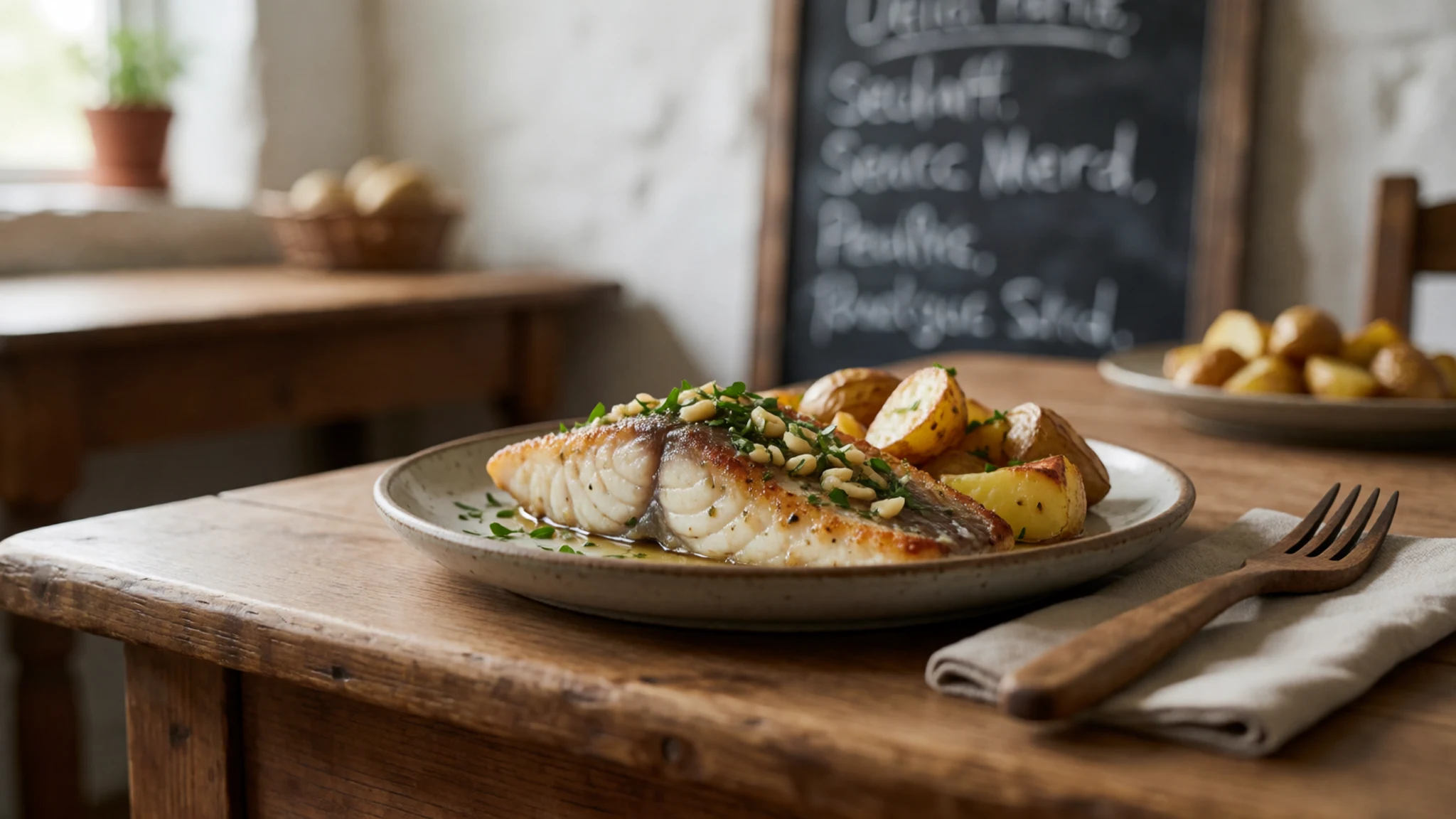
- Traditional Coastal Stews — Local village dining rooms
Traditional Coastal Stews combine hearty chunks of root vegetables, local herbs, and fresh seafood in a warming broth designed to combat the brisk ocean winds. These comforting, unpretentious dishes are served hot in family-owned kitchens across the settlement. - Crusted Empanadas — Village bakeries and local markets
Crusted Empanadas are savoury pastries filled with spiced seafood, cheese, or local ingredients, baked until golden and crisp. They make a perfect portable meal for travellers setting out early in the morning to hike the steep mountain paths.
Plan it
Best time. November through April brings the warmest and most stable weather for hiking and boat travel, while winter months experience heavier rainfall and frequent winds.
How long. 3–4
Getting there. Fly from Eulogio Sanchez Airport in Santiago to the island airstrip, noting that schedules depend heavily on weather conditions and seasonal availability.
Budget. high
Tips
- Confirm flight availability and weather backup plans well in advance
- Carry sufficient cash as card acceptance is extremely limited on the island
- Pack sturdy waterproof gear and layered clothing for sudden weather shifts
- Start mountain hikes early in the morning to beat the afternoon mists
Etiquette
- Greet local residents politely before photographing them or their property
- Respect protected ecoregion boundaries by staying strictly on marked trails
- Conserve water and energy carefully during your stay on the remote island
Nearby
Sources
- Wikidata Q156325 (CC0)
- Wikipedia (rev 1381041742) (CC BY-SA 4.0)
- Wikivoyage (rev 5406018) (CC BY-SA 4.0)