Réunion
Réunion, France
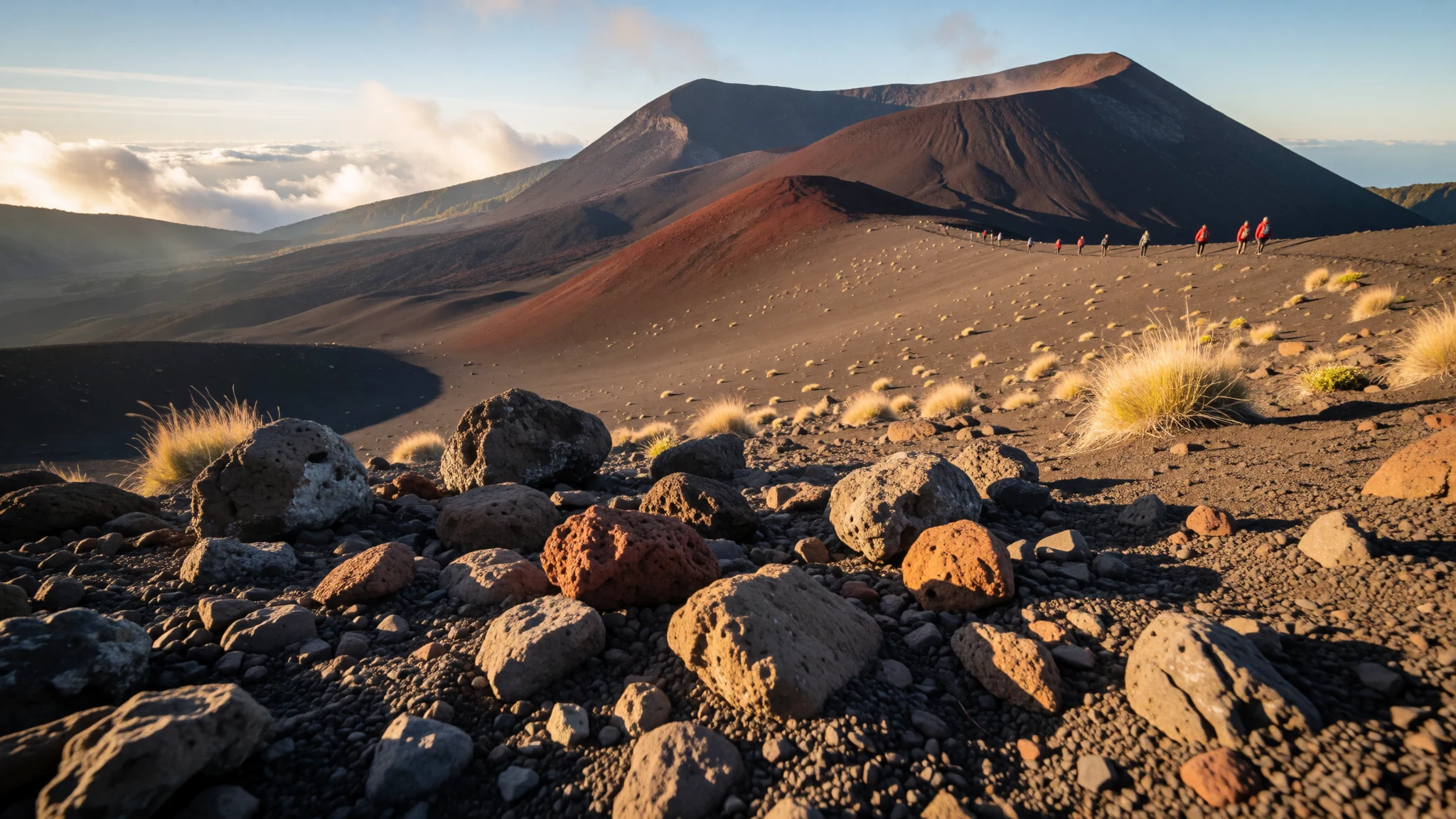
Réunion packs an active volcano, deep cirques and a Creole coast into one French island in the Indian Ocean.
The place
Réunion is France's island department in the Indian Ocean, east of Madagascar and southwest of Mauritius, inside the Mascarene group. No one was living there when settlement from France and Madagascar took hold. Cane became the crop that organised the land: enslaved people from East Africa worked the fields, and later ships brought indentured labourers from South India, the Malay world, Vietnam and China. Mixed families are now the largest part of the population. Most conversation runs in Réunion Creole; French is the language of the state, schools and the courts. In 1946 Paris classed the island as an overseas department of France; it is an EU outermost region now, and the euro is in daily use. Mayotte is the other territory south of the equator that uses that currency. About 890,000 people live on an island whose high ground reaches 3,070 metres, so a morning can move from lagoon to mist without a long journey. Saint-Denis, on the north coast, is the capital and the biggest city. Arab sailors once called a western island in these waters Dina Morgabin, and a medieval chart may record it, yet almost nothing is known before Portuguese ships in the early sixteenth century. One of those captains left his name on the Mascarenes. The settled island that followed took the name Île Bourbon in 1649, La Réunion in 1793, Isle Bonaparte in 1806 and Bourbon again in 1810; Réunion was restored in 1848, months before slavery ended.
Its story
The first people to remain on Réunion came from France and from Madagascar, starting in the seventeenth century, on an island with no resident population before them. For generations the colony was called Île Bourbon. Sugar held the economy together, and the fields depended on enslaved labour until the Second Republic — the government that came out of the February Revolution — ended slavery in France's colonies. Réunion still marks that December day every year. Ending slavery did not stop the call for workers: indenture brought more of them, a large share from South India. The name Réunion was taken in 1793 and restored months before that rupture. Earlier than all of this, the record is slight. In Arabic sailing notes the island appears as Dina Morgabin, meaning Western Island, and Al Sharif el-Edrisi may have set it on a chart in the twelfth century. Crews who were Swahili, or Austronesian sailors heading west from the Malay Archipelago toward Madagascar, may have passed the coast without settling. The Portuguese chapter is the first European one, and the details quarrel: Diogo Fernandes Pereira is often linked to an early-sixteenth-century sighting, yet the voyage of Dom Pedro Mascarenhas may have come before, and the Mascarene label comes from him. No Portuguese town followed. French rule did. Department status arrived in 1946 and still defines the island, which is why ballots, the euro and French passports all apply here with an ocean between Réunion and the European mainland. African, Malagasy, Indian, Chinese, European and Malay ancestries now share the same streets, which is why one town calendar can hold several festivals in the same month.
What to see
- Piton de la Fournaise — South of the island
Piton de la Fournaise is the active volcano in the south of Réunion. The road across the Plaine de Sable ends at a rim car park, and guides run viewpoint walks, including dusk outings when lava stands out. A local guide matters on the cone, because the waymarks are easy to miss. Quiet periods suit a rim walk; the narrow zigzag to the floor is exposed.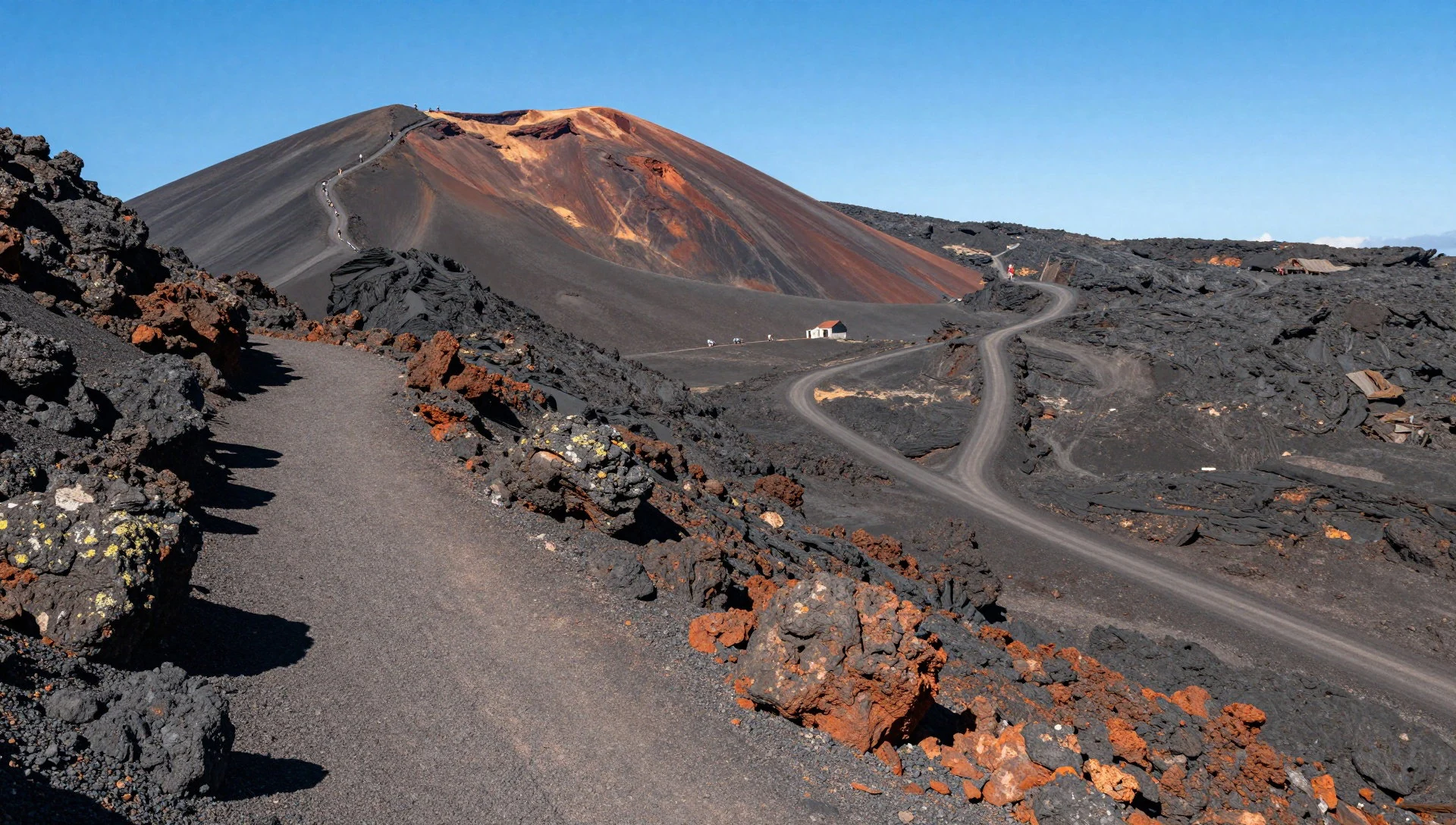
- Cirque de Mafate — High interior
The Cirque de Mafate is a deep enclosed valley in the high interior of Réunion, ringed by steep ridges. No road enters the hamlets, so people walk in and goods come by foot or helicopter. Rim paths show forested walls, scattered roofs and a high skyline. A night in one of the villages beats a same-day dash back to the coast, and cloud often sits on the cols by afternoon.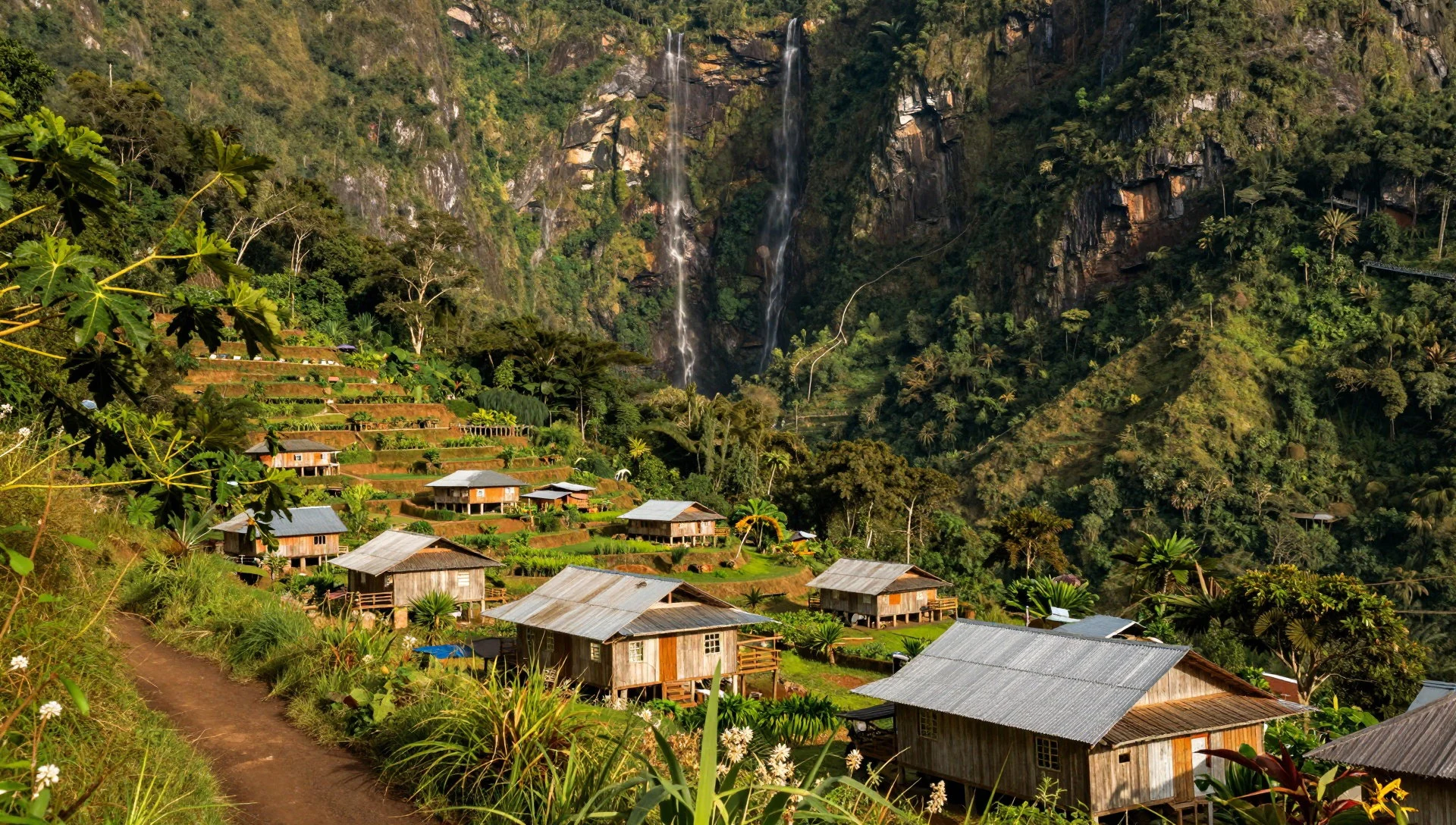
- Plaine des Palmistes — Highlands, Col de Bellevue
Plaine des Palmistes is a cool highland plain on Réunion, and the view from the Col de Bellevue takes in its palms and pasture. The air is damper and cooler than on the coast, with mist common in the afternoon. Walkers use the plain as a quieter base for the trails that lead toward the cirques. A warm layer earns its place after dark, when the beaches are still mild.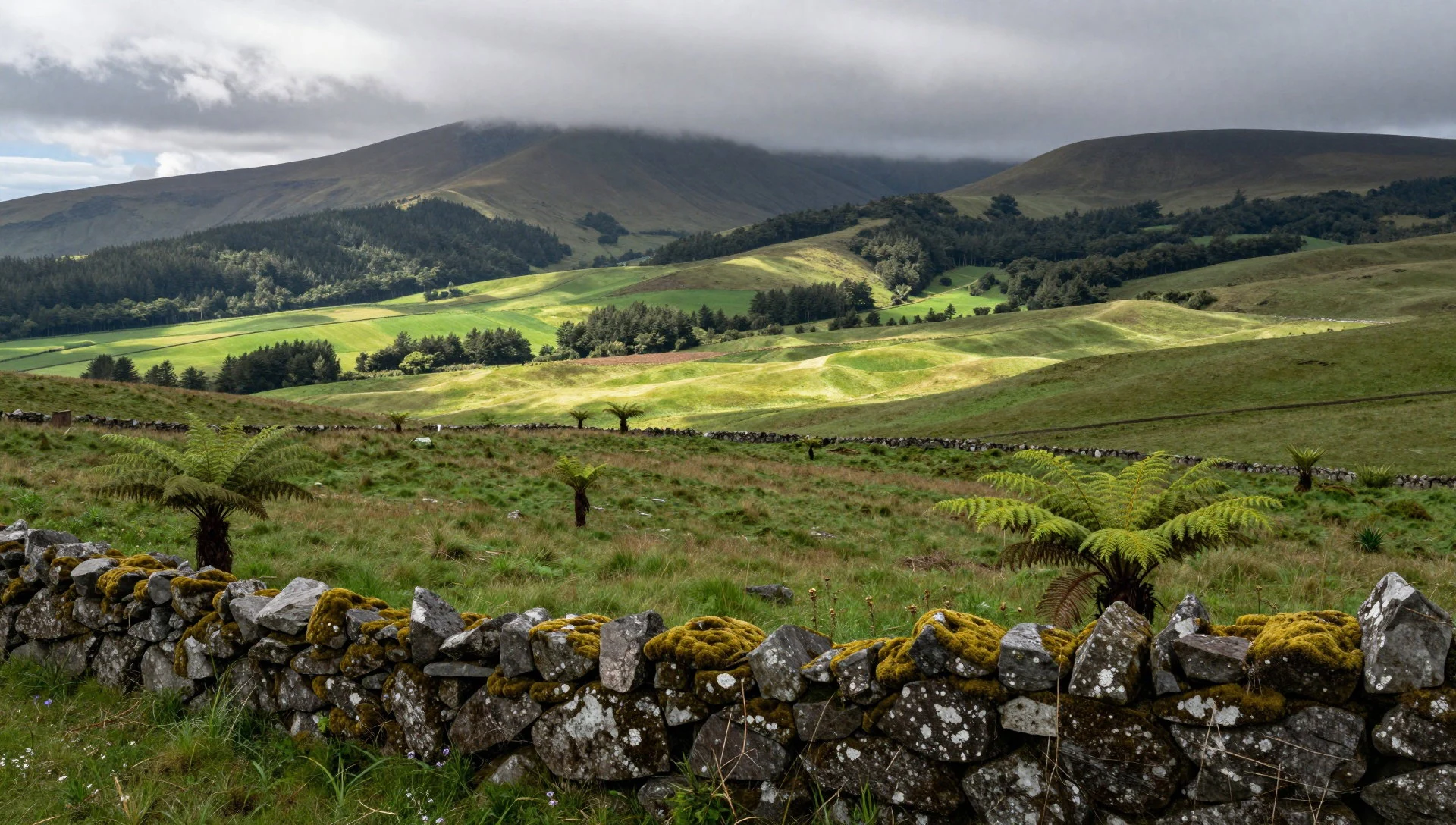
- Saint-Denis — North coast
Saint-Denis is the capital of Réunion and its largest city, spread along the north coast. A statue of Mahé de La Bourdonnais recalls the governor tied to the rise of the plantations. Behind the gates of the Jardin de l'État stands the Palais de la Source, a calm garden in the middle of town. Creole houses, administrative blocks and a waterfront show a French regional capital running on island time.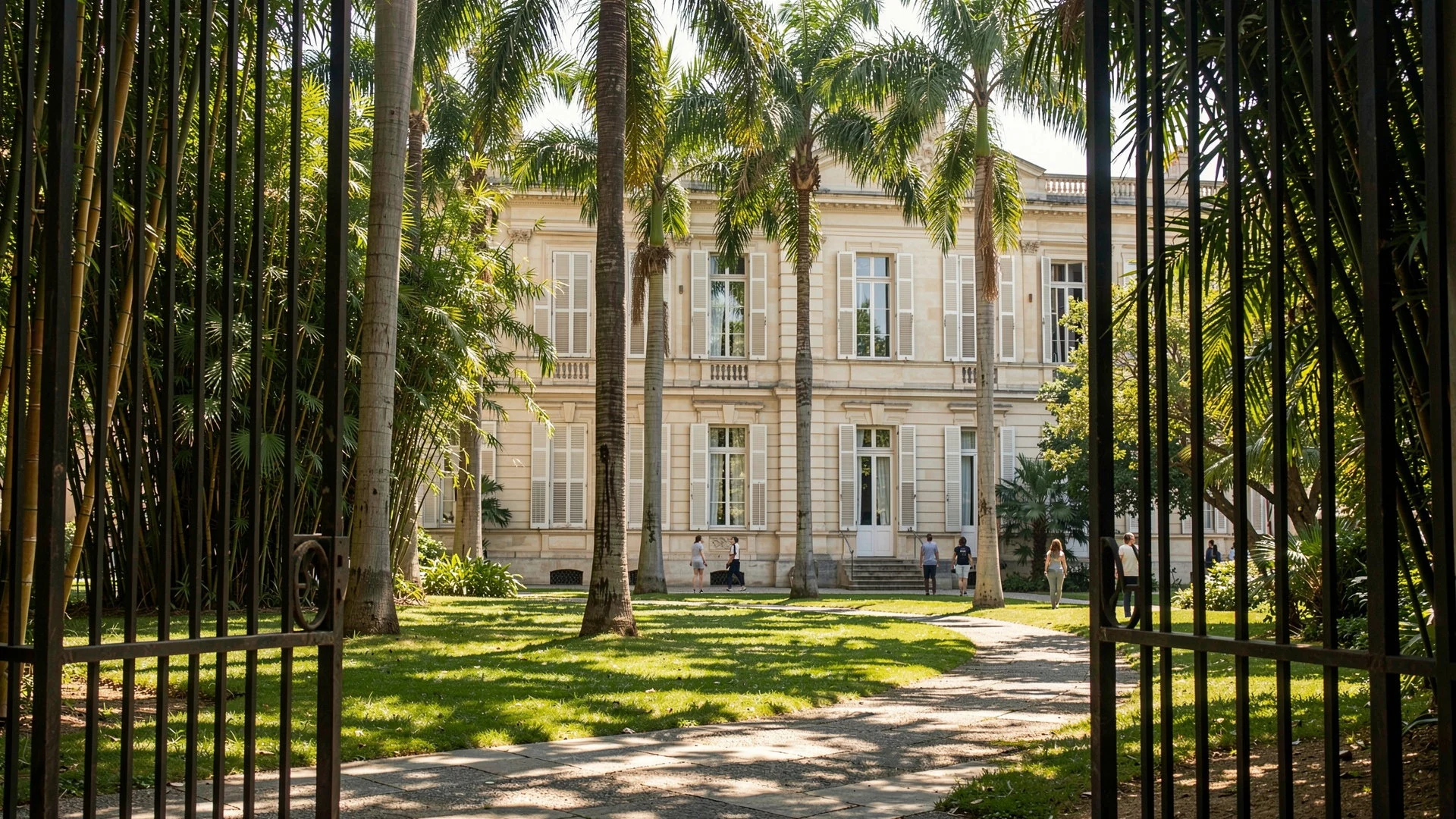
- L'Hermitage — West coast
L'Hermitage is a long lagoon beach on the west coast of Réunion, with pale sand and sheltered water inside the reef. The leeward coast is the drier side of the island, so this shore carries much of the swimming. Families from Saint-Paul fill it at weekends. Midday shade is scarce, and reef shoes help on the coral underfoot.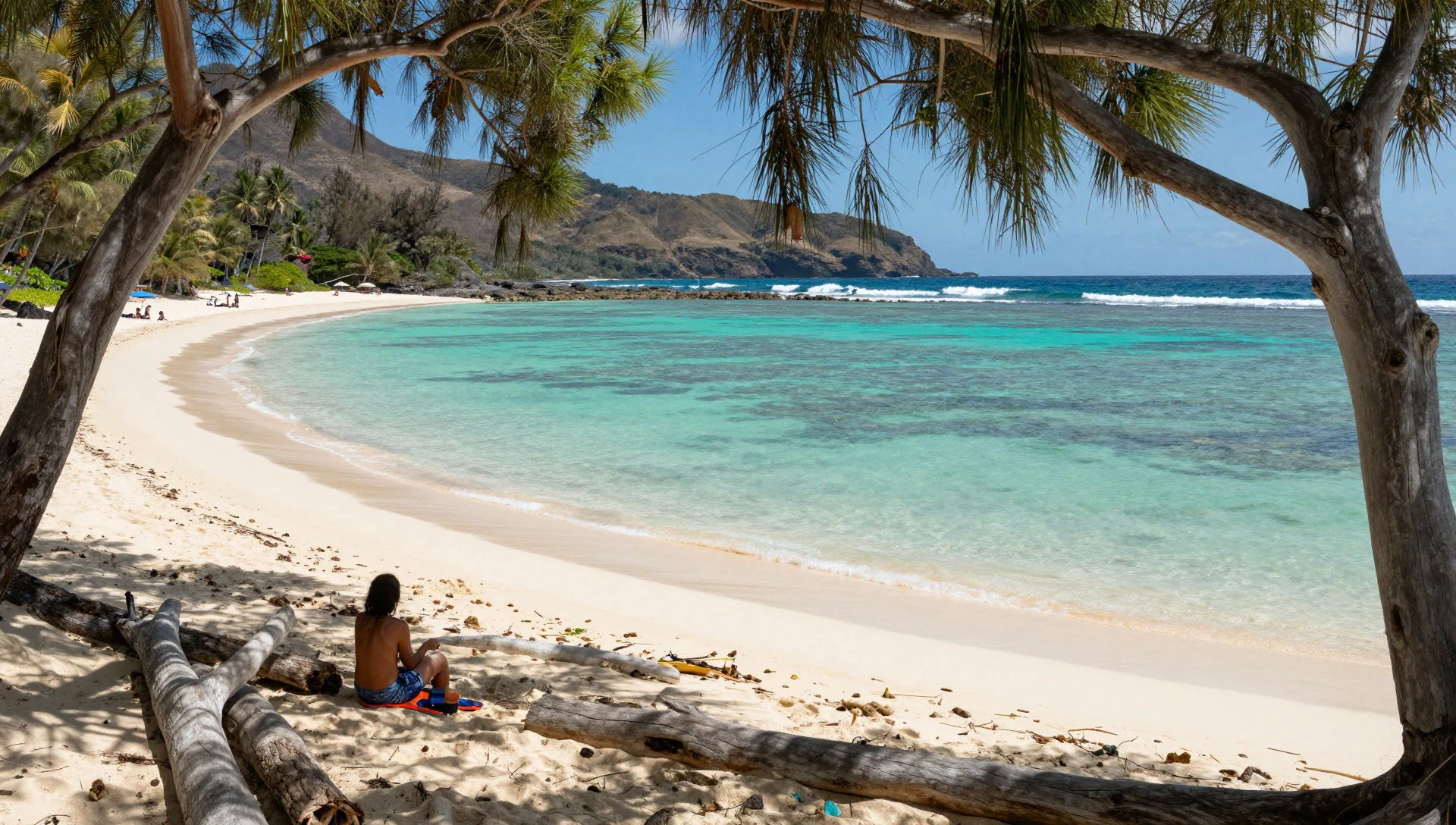
Culture
Christianity is the main religion on Réunion, and the Catholic Church is organised as the Diocese of Saint-Denis-de-La Réunion. Plenty of people do not practise a religion at all. Among those who do, Christian worship is the largest current, with Hindu, Muslim and mixed practices also part of ordinary town life, plus smaller Buddhist and Chinese folk traditions. A Hindu temple and a mosque stand in most large towns, so faith is visible along ordinary streets rather than tucked into a single quarter. Ancestor rites known as servis kabaré, servis kaf or servis zansèt grew out of Malagasy practice and picked up Malabar, Comorian, European and Chinese elements over time. These gatherings are family and community events, not shows. Festivals pull the strands into public view — Tamil processions, Catholic feast days, Eid and Chinese New Year can all fall on a Réunion calendar. French structures the official side of life, while Creole carries jokes, music and the speech of the market. Visitors are welcome at many public festivals if they stay at the edge, dress modestly and put the phone away until someone invites a photograph.
What to wear
Dress on Réunion splits three ways: the Creole costume kept for ceremonies, everyday clothes that look broadly French, and the practical kit a visitor needs for coast and highland. The women's ceremonial dress is a full skirt and fitted bodice in white or bright cotton, often with a madras headscarf — the mouchoir — whose folds once signalled mood or marital status, though that code is now more heritage than daily signal. Madras, a checked cotton, is the textile most tied to the look, worn at weddings, at the December abolition commemoration and on stage. In Hindu families, especially around Tamil festivals such as Cavadee, women wear saris and men may wear a veshti or a white cloth for the procession. None of this is street uniform. On an ordinary weekday people wear T-shirts, light dresses, jeans and trainers, with a jacket once the road climbs. A visitor needs breathable clothes and swimwear for the west-coast lagoons, a rain shell and a fleece for the cirques and the volcano, and shoes with grip rather than sandals on lava and mud. Shoulders and knees stay covered at churches and Hindu temples, and shoes stay outside a temple door when others have left theirs there. The same outfit rarely works from L'Hermitage at noon to the Plaine des Palmistes at dusk.
What to eat
- Cari — Family eateries in Saint-Denis and coastal towns
Cari is the plate most homes on Réunion cook through the week: meat or fish simmered with turmeric, garlic, ginger and tomato, then set on rice with grains. Family eateries in Saint-Denis and along the coast serve it at midday.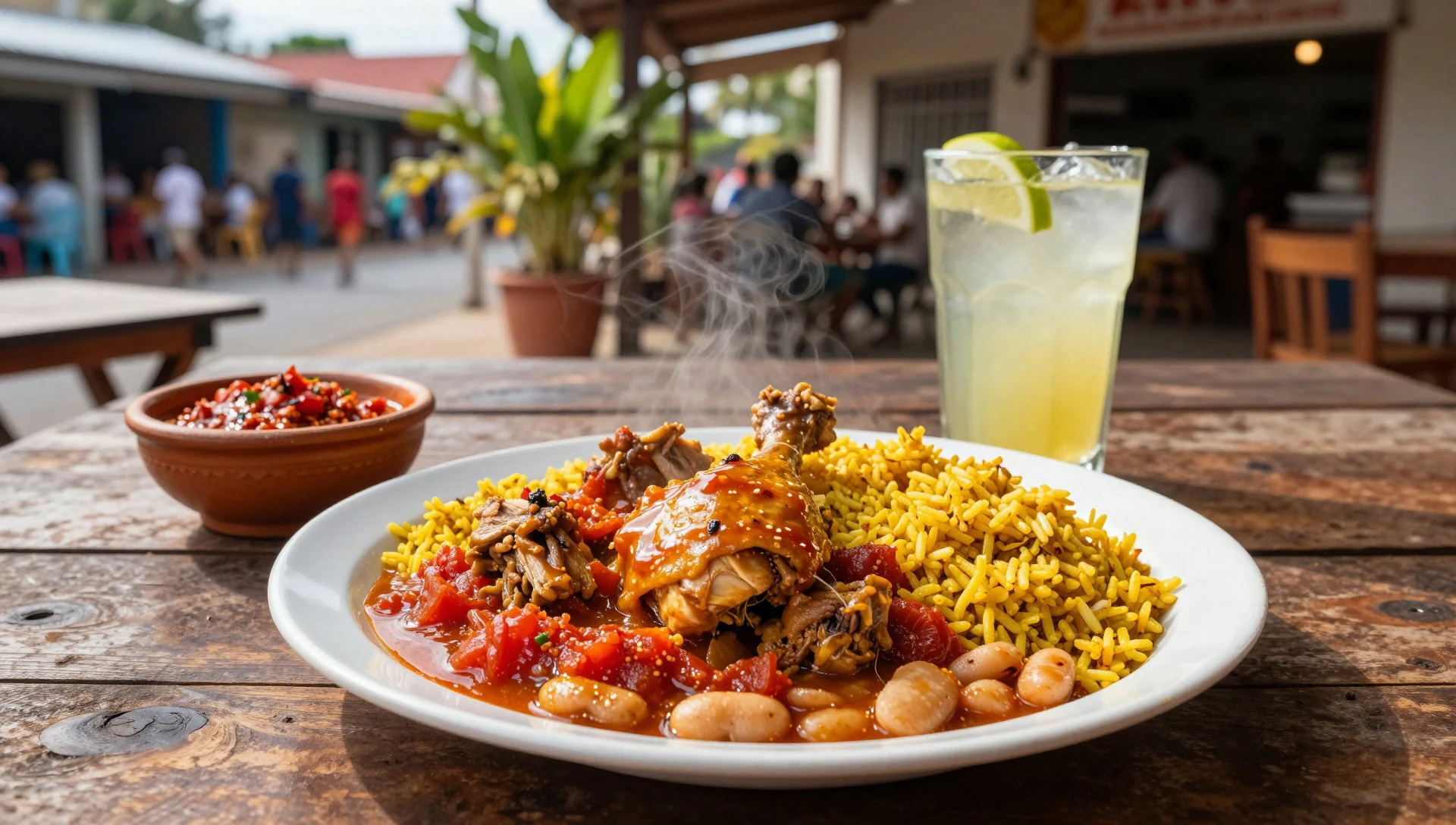
- Rougail — Market lunch counters in Saint-Pierre and Saint-Paul
Rougail on Réunion names both a raw chilli-tomato relish and a cooked dish, often rougail saucisses, in which smoked sausage simmers in the same spicy base. It is eaten with rice. Market lunch counters and small eateries in Saint-Pierre and Saint-Paul list it beside the day's cari.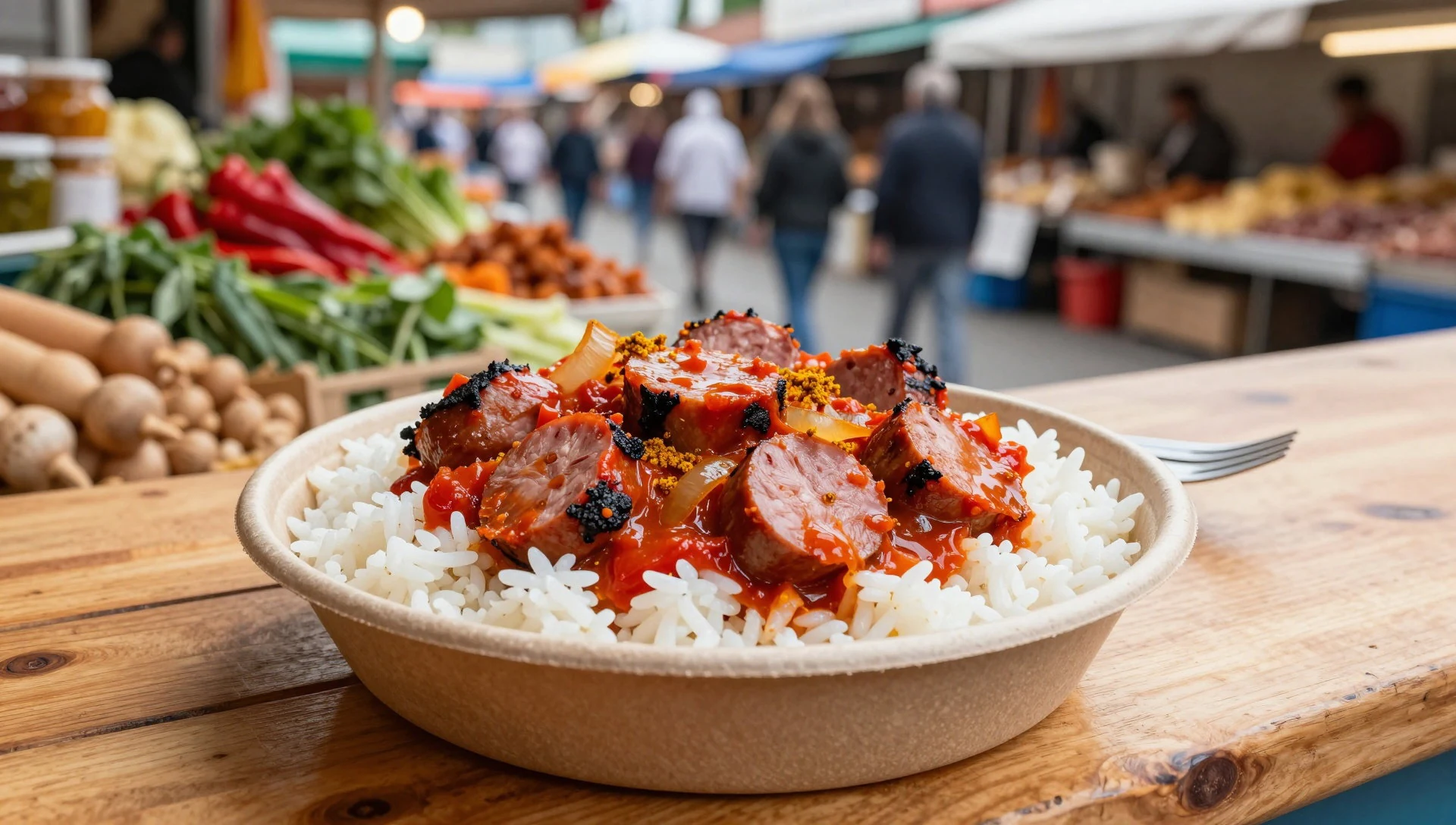
- Samoussas — Snack-bars and street carts near beaches and bus stations
Samoussas on Réunion are crisp fried triangles filled with meat, tuna or vegetables, eaten hot from a paper bag. Snack-bars and street carts near the beaches and bus stations sell them from late morning onward. They are the usual stop when a full cari would take too long. - Achards sandwich — Coastal snack-bars between Saint-Leu and Saint-Gilles
Achards on Réunion are vegetables pickled with turmeric, mustard seed and chilli, piled into a baguette to make the achards sandwich that snack-bars are known for. The filling can be fiery. Coastal snack-bars between Saint-Leu and Saint-Gilles sell it as a lunch that survives a car ride. - Seasonal fruit — Town markets and roadside stalls on the west and south coasts
Seasonal fruit on Réunion runs from mango, banana and papaya to the small Victoria pineapple, with lychees added in their short season. Town markets and roadside stalls on the west and south coasts sell the fruit whole or as juice. - Bonbons piment — Snack-bars and weekend markets
Bonbons piment are Réunion's chilli-hot fritters of split peas or chickpeas, fried until the crust blisters. Snack-bars sell them by the handful beside samoussas, and they show up at weekend markets. They are a snack, not a meal, and the chilli is not optional.
Plan it
Best time. On Réunion, June to September is the more comfortable time for the cirques and the volcano: cooler and drier. December to February is hottest and January to March is wettest, and cyclone season from October through April makes highland days less reliable, so read a current forecast before booking those roads.
How long. 5–7
Getting there. Fly into Roland Garros International Airport (RUN), near Saint-Denis. The last leg is the road from the airport into the capital, then the coastal highway that circles Réunion. A Schengen visa for mainland France is not valid here; confirm entry rules on the official regional site, http://www.regionreunion.com/.
Budget. mid
Tips
- Treat a Schengen visa as useless for Réunion and check whether a separate visa or a short visa-free stay applies to your passport.
- Citizens of EU countries, Iceland, Norway, Liechtenstein and Switzerland may enter on a national identity card and may work; others should confirm the current waiver before they fly.
- Book a guided walk for Piton de la Fournaise rather than following faded waymarks alone.
- Carry some cash for snack-bars, markets and small shops; cards are normal in larger towns.
- Roads to the volcano and the cirques close in bad weather or during eruptions; check locally that morning.
Etiquette
- Remove shoes at a Hindu temple and wherever a row of shoes is already at the door.
- Ask before photographing people during a festival or a servis kabaré.
- Keep swimwear to the beach and cover up to enter a church.
Nearby
Sources
- Wikidata Q17070 (CC0)
- Wikipedia (rev 1383202436) (CC BY-SA 4.0)
- Wikivoyage (rev 5375883) (CC BY-SA 4.0)
- Photo photos/01-mahedelabourdonnais-2.jpg (CC BY-SA 2.5)
- Photo photos/02-eu-oct-and-omr-map-en.png (CC BY 3.0)
- Photo photos/03-b-timent-palais-source.jpg (Public domain)
- Photo photos/04-tribunal-grande-instance-saint-denis.jpg (CC BY-SA 1.0)
- Photo photos/05-ppalmistes2.jpg (CC BY 3.0)
- Photo photos/06-la-r-union-0700a.jpg (CC BY 3.0)
- Photo photos/07-reunion-21-12s-55-51e.jpg (Public domain)
- Photo photos/08-l-ermitage-beach-r-union.jpg (CC BY-SA 1.0)


