Ravello
Ravello, Italy
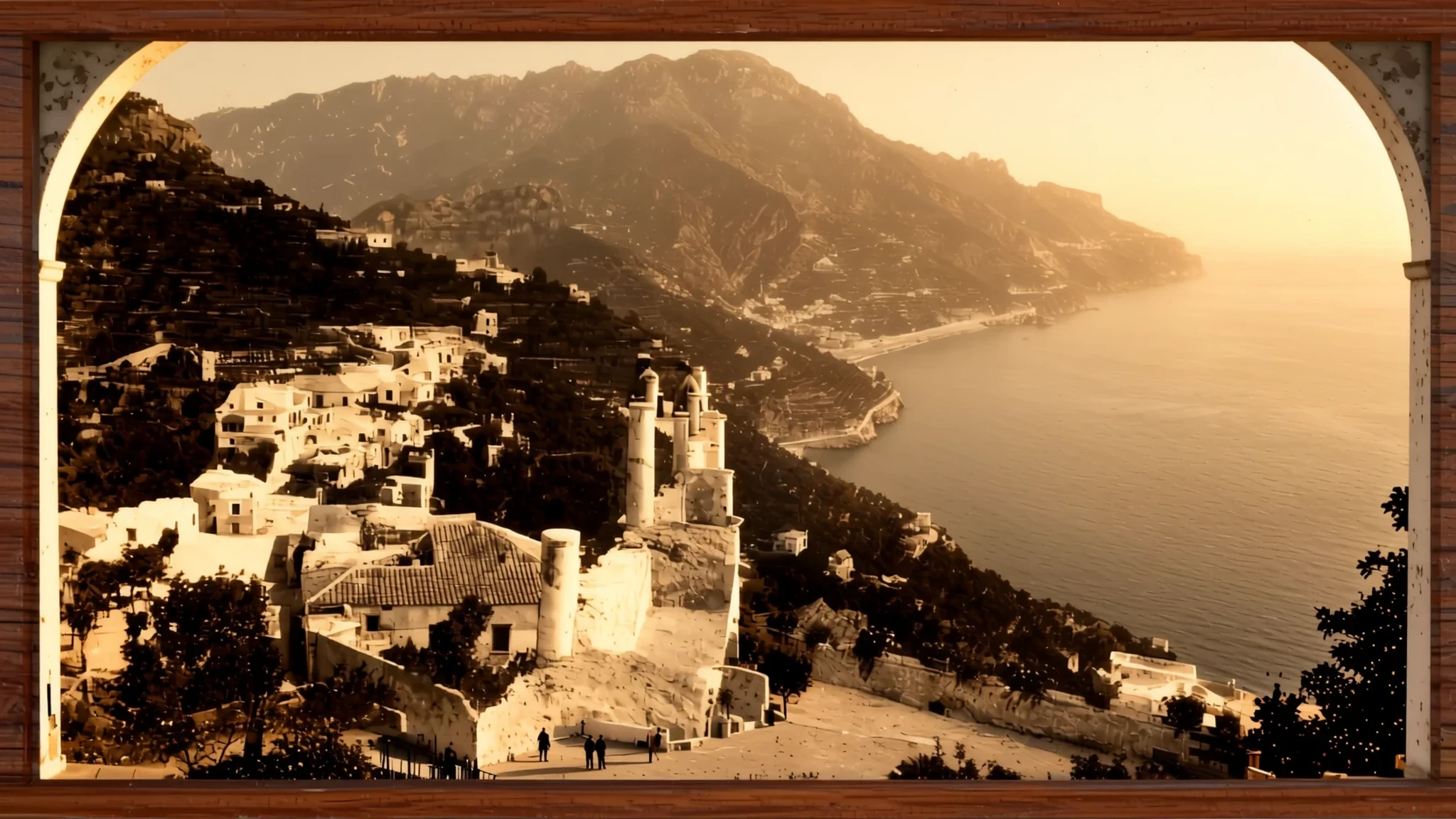
Ravello gives you a clifftop town, gardens over the sea and a summer concert season, a short bus ride above the busy Amalfi Coast.
The place
Ravello is a small comune in the province of Salerno, Campania, on the hills above the Amalfi Coast at about 375 metres. It has roughly 2,400 residents, and most daily life happens inside a compact historic core of lanes, squares and stone stairways. The town is reached by a long climb: the stairs linking it to the coastal village of Atrani number 782, a figure locals mention with some pride. Cars are kept out of the centre, with a single car park near the main square, so arriving on foot, by bus or by hired driver shapes the whole day. Visitors come for the views across the valley to the sea, for gardens that cling to the cliff edge, and in summer for a music festival that has run for decades. The town was listed as a UNESCO World Heritage Site in 1997, which has helped protect its historic fabric. Evenings are quieter than the coast below, and the stone palazzi in the centre look their best once the lights come on. Expect steep paths in summer heat and allow time for the walk back up after dinner. Ravello works best as a base for a few unhurried days rather than a single stop on a coach circuit.
Its story
Ravello began as a refuge. Its founders settled on the high ground during the fifth century, when invasions were breaking up the Western Roman Empire, and the site offered defence and a view of the approaches from the sea. By the ninth century it had become an important town within the maritime Republic of Amalfi. Its hillside wool was dyed locally, and the town traded actively across the Mediterranean for several centuries, a period of prosperity that left merchant houses and churches still standing in the centre. In 1086 the Italo-Norman count Roger Borsa, wanting a counterweight to the powerful Duchy of Amalfi, persuaded Pope Victor III to make Ravello the seat of a new diocese answerable directly to the Holy See. Ravello's economy and population declined after the Republic of Pisa destroyed the Duchy of Amalfi in 1137, and many families moved south to Naples. Its noble families left a legacy of palazzi, among them the Rufolo, d'Aflitto, Confalone and Della Marra houses. In 1944, during the Second World War, the Italian king stayed at the Palazzo Priscopio while waiting to return to Rome. The town today is shaped more by its medieval layout and its later revival as a place to visit than by any single period of power.
What to see
- Villa Cimbrone — Clifftop edge of the town
The villa sits on a cliff reached by a narrow pedestrian road, and the cliff's old name, cimbronium, gave the place its name. The gardens are the main draw, with clifftop terraces, a long balustraded walk and wide sea views. Part of the estate operates as a hotel, so check current access arrangements before you go. Film fans come to see the terrace where a scene from a 1953 film was shot.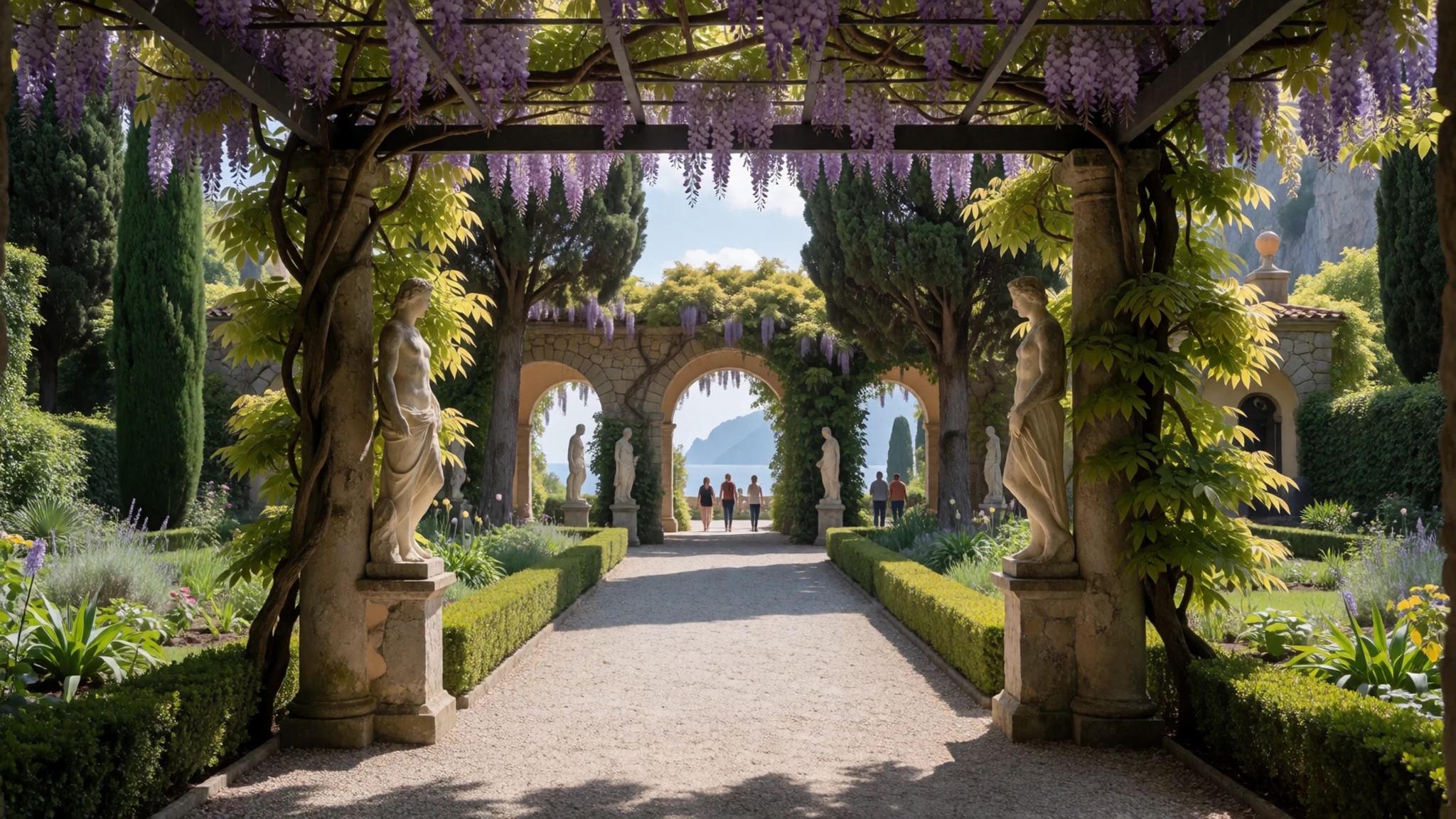
- Villa Rufolo — Main square area
Villa Rufolo is a palatial estate in Moorish style, built in the 1270s for the Rufolo family, a merchant dynasty of the town. Its garden terraces hold views over the valley and the sea, and it is a short walk from the cliff gardens. The estate is one of the town's most photographed spots, so arrive early in the day for quieter views. Check the official site for opening times, which change through the year.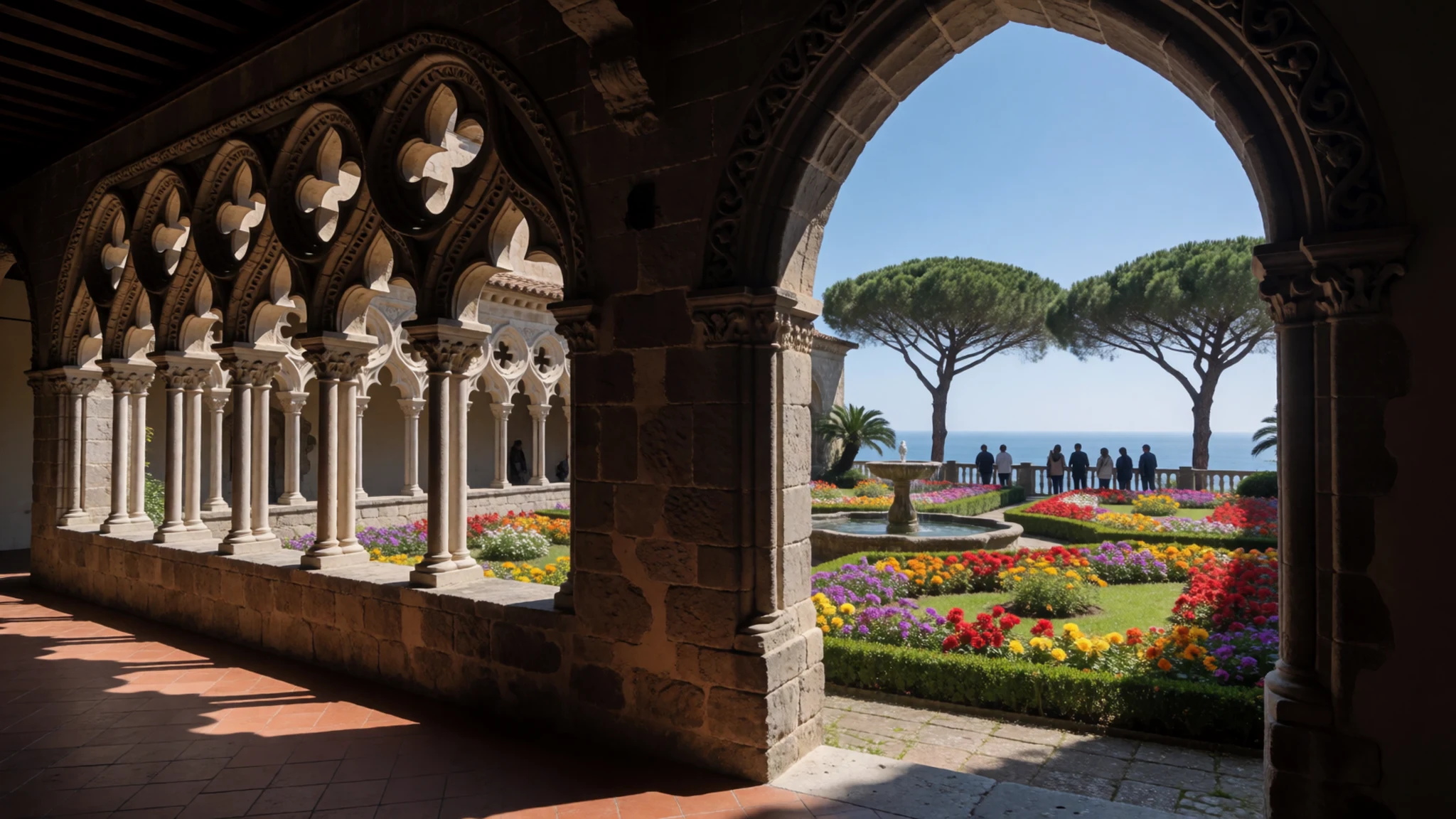
- The Cathedral (Duomo) — Piazza Duomo, main square
Ravello's cathedral stands on the main square and was founded in 1086, when the town became a bishop's seat. Its entrance has two bronze doors showing scenes from the life of Christ, and the interior reflects the town's long links with the eastern Mediterranean. The building is a working church, so dress modestly and keep your visit quiet during services. Entry is usually free, but check local notices on the day.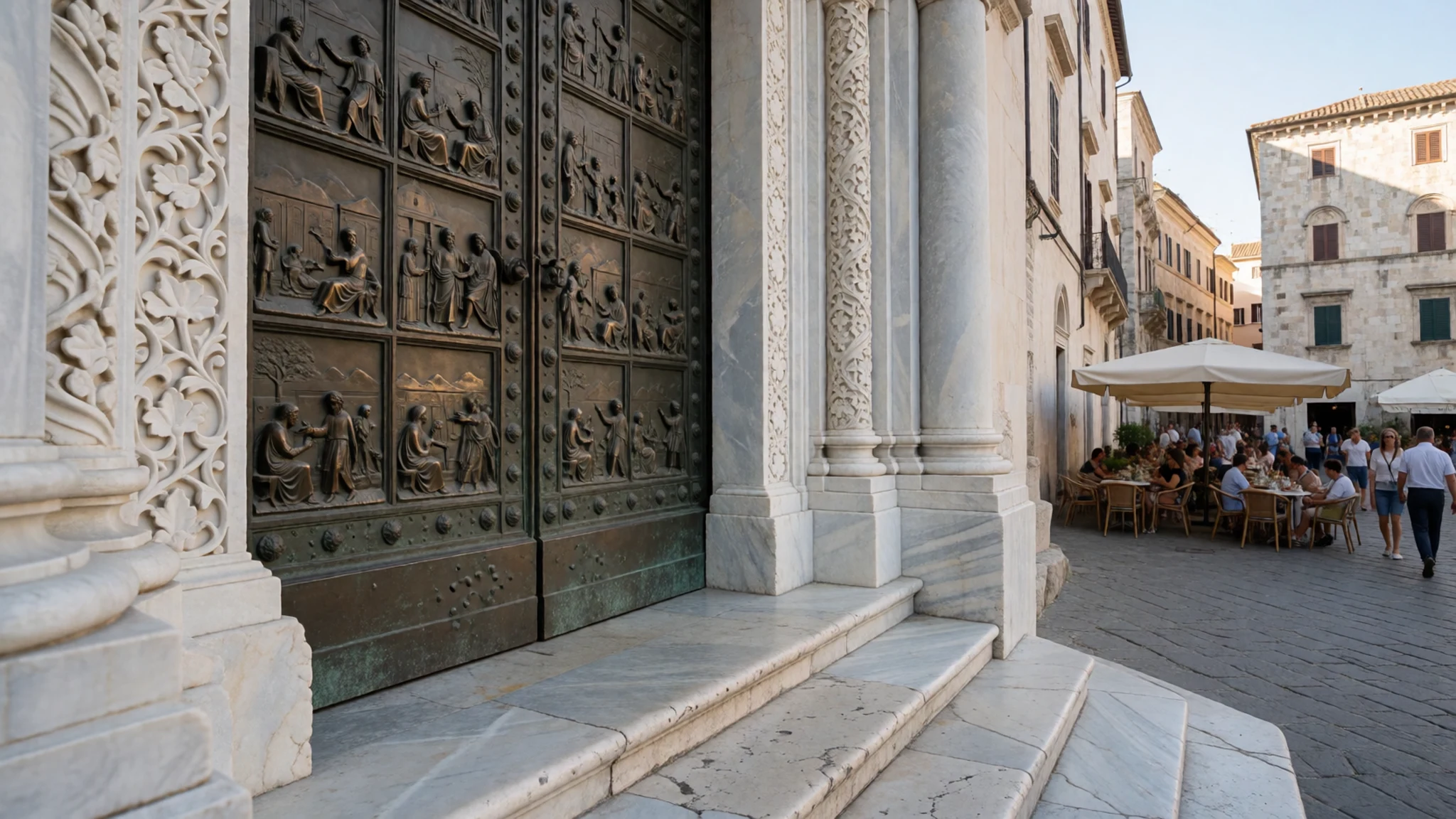
- Oscar Niemeyer Auditorium
This modern concert hall was designed by the Brazilian architect Oscar Niemeyer, with the design completed under the guidance of his friend Domenico de Masi. It contrasts sharply with the medieval town and is used for the summer concert and festival programme. Go for a performance rather than as a sightseeing stop. Tickets for the Ravello Concert Society are often sold through hotels, so ask ahead.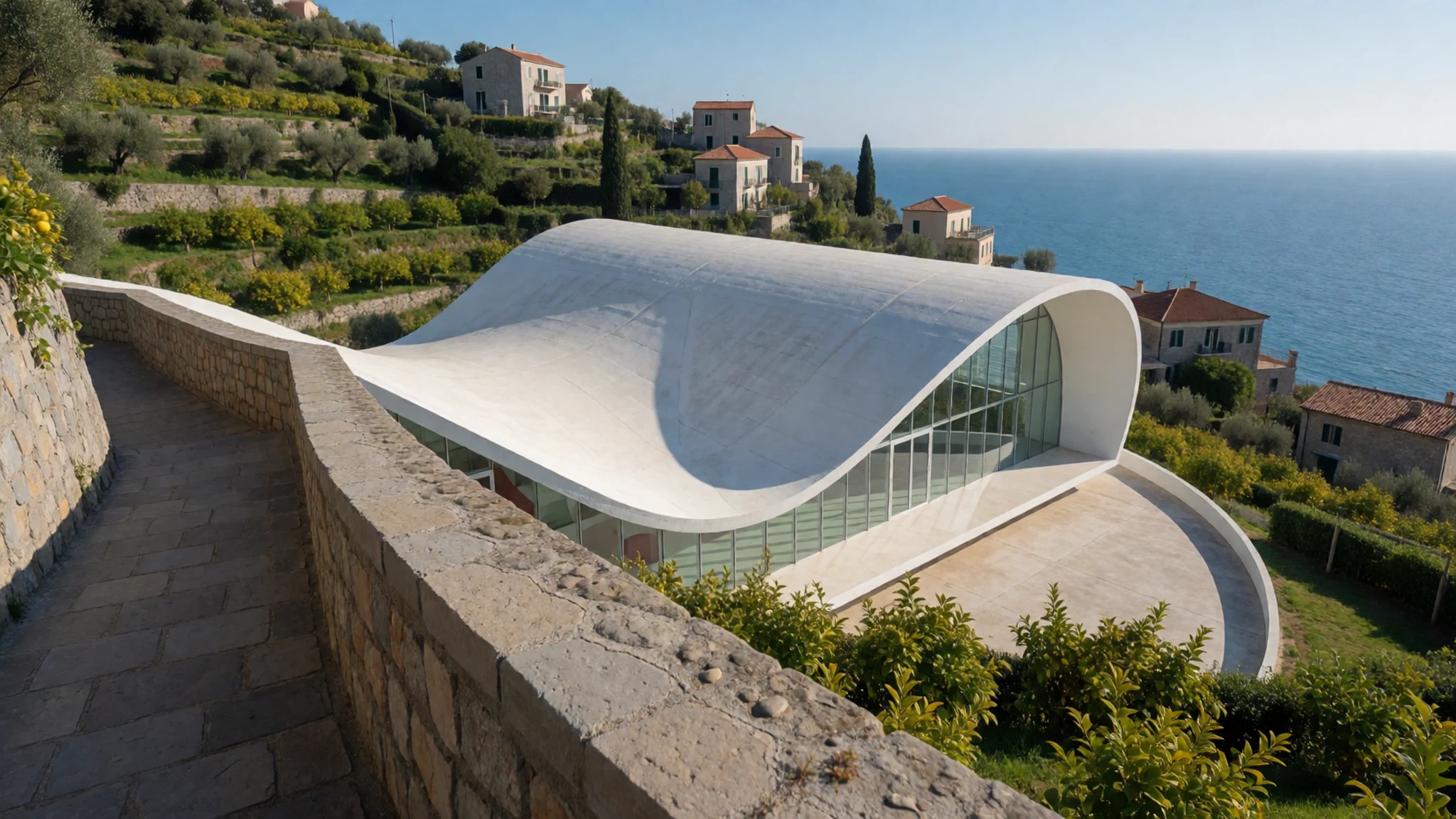
- The town's pathways and stairways
Ravello's trails and serpentine stairs are carved into the hillsides, and the walk down the Via Roma towards Minori is a favourite. The views of the valley open at every bend. Carry water and wear shoes with grip, since the stone steps are polished and steep. Go down in the morning and take a bus back up if your legs are tired.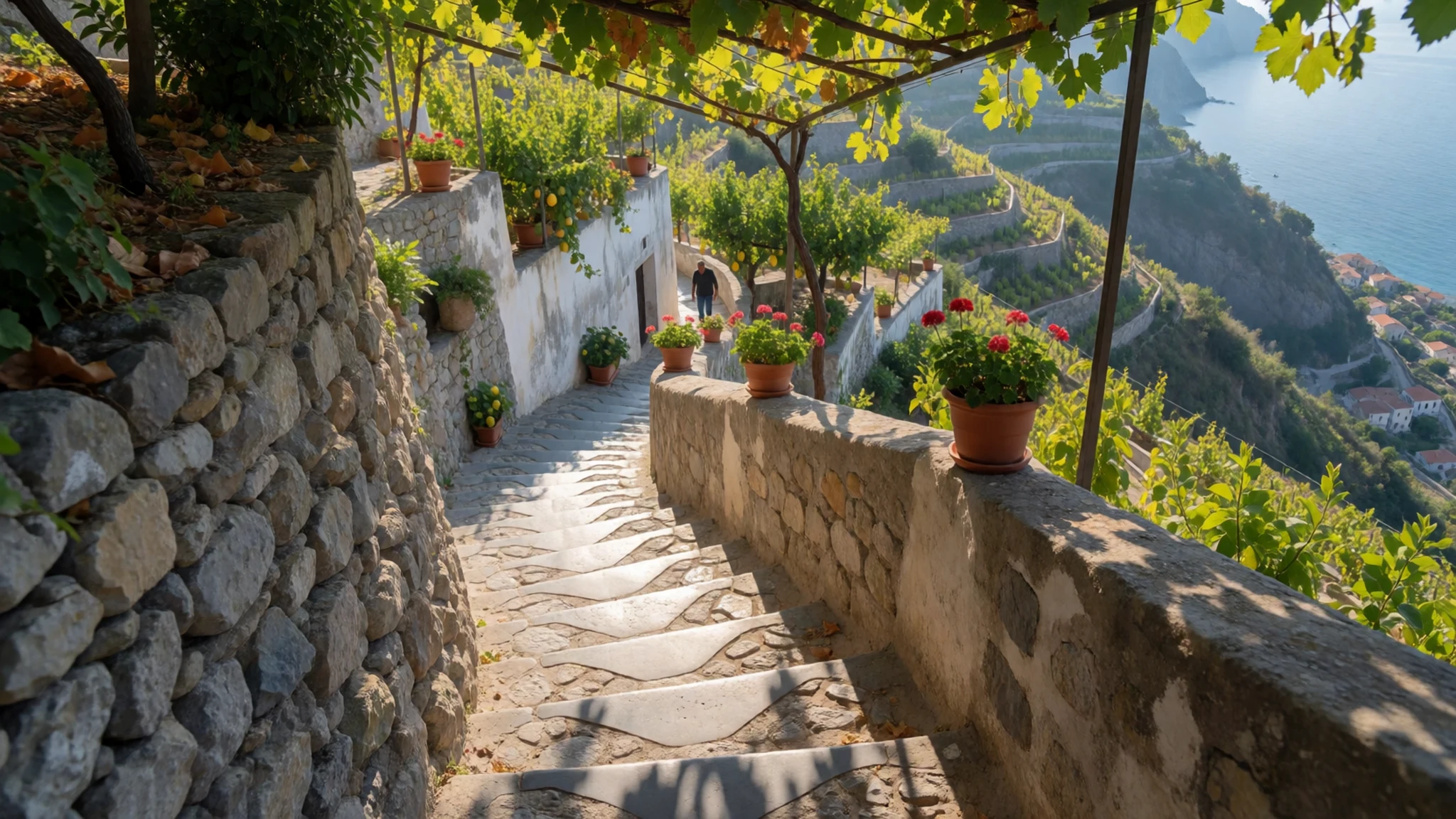
Culture
Ravello has long drawn artists, musicians and writers, among them Giovanni Boccaccio, Richard Wagner, Edvard Grieg, Virginia Woolf, Joan Miró and Leonard Bernstein. Its best-known event is the Ravello Festival, which began in 1953 in honour of Wagner and still runs each summer with concerts, dance, film screenings and art shows. Much of the festival's music is performed outdoors, so evening concerts depend on the weather. The town has also been a film location, most notably for a 1953 film starring Humphrey Bogart and Jennifer Jones. Local life here is quiet and family-centred rather than tourist-driven, and many residents live in the same houses their families have occupied for generations. Shops and restaurants keep the rhythm of the day, with lunch as the main meal and evenings spent walking the centre. When you visit a church or a concert, dress with covered shoulders and knees, switch your phone off, and avoid walking into the middle of a performance once it has started.
What to wear
Ravello has no costume that is still worn as everyday dress, and the brief records no distinctive regional textile for the town. Its historic clothing link is with wool: the surrounding hills supplied wool that was dyed in the town during its trading years, which is the nearest thing to a local textile tradition. Today people in Ravello dress much as people do across the Amalfi Coast, in simple cotton, linen and knitwear, with smart casual clothes in the evenings. Locals keep a neat appearance for church and for concerts. For a visit, pack light, breathable clothes for the summer heat and a layer for cooler evenings up in the hills. Modest dress is expected at the cathedral, so bring a scarf or shawl to cover your shoulders. Wear closed shoes with good grip, since the paths and stairways are steep and the stone can be slippery after rain. Flat soles are easier than heels on the cobbled lanes.
What to eat
- Limoncello and herbal liqueurs — Gift and liqueur shops on the main streets
Liqueurs made from the coast's lemons are sold across Ravello, and some shops stock flavours such as fennel and strawberry made from local produce. Sample a small glass before buying, and check bottle sizes and whether they travel well in your luggage. Limoncello is strong and sweet, so a little goes a long way after a long lunch.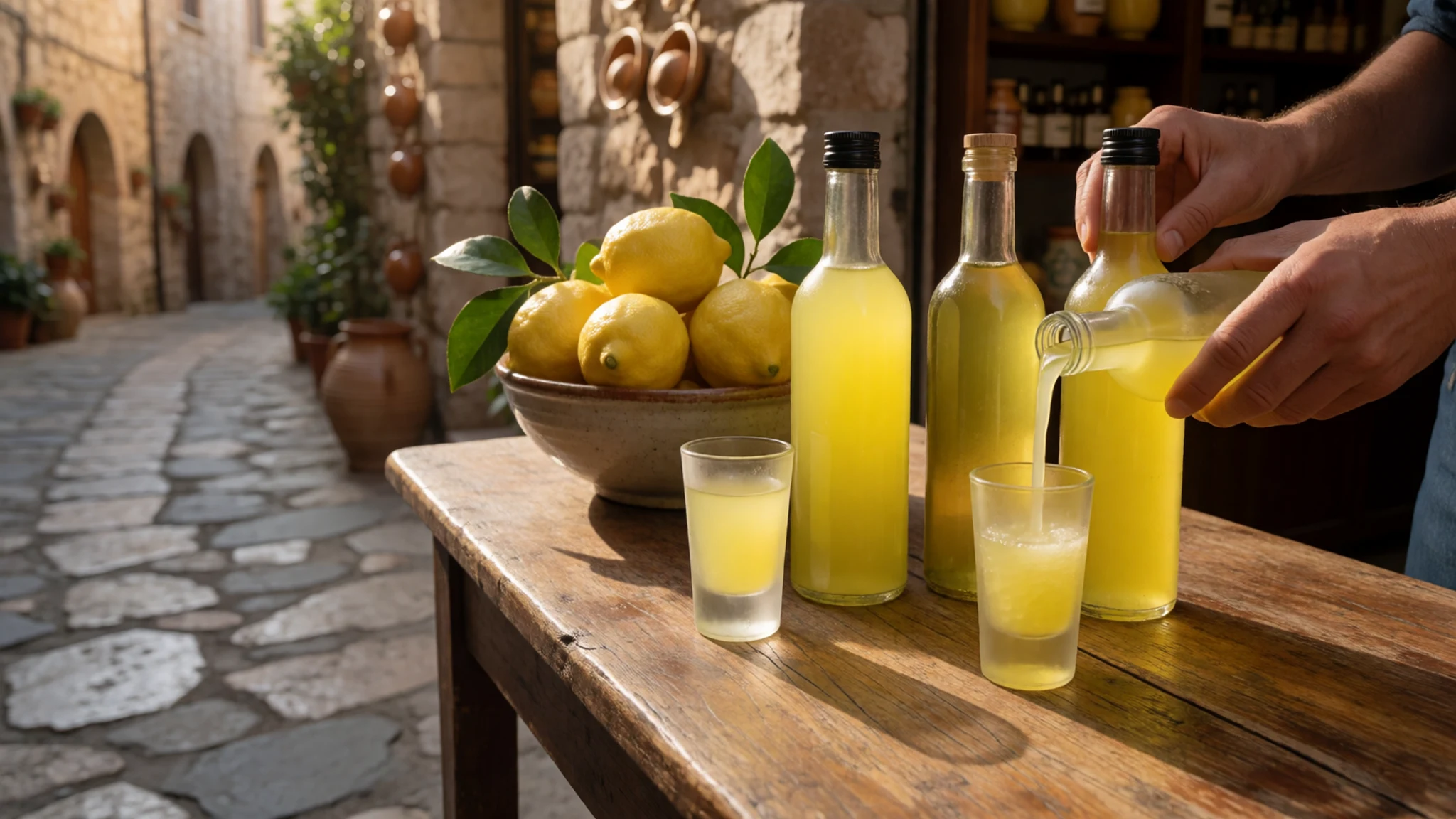
- Fresh pasta with local seafood — Family-run trattorias in the centre
Pasta with fish or shellfish reflects the nearby coast, and it is one of the most reliable dishes on the menu. Ask what came in that morning, since the catch changes with the weather. Local dishes are simple, with olive oil, garlic and herbs doing most of the work.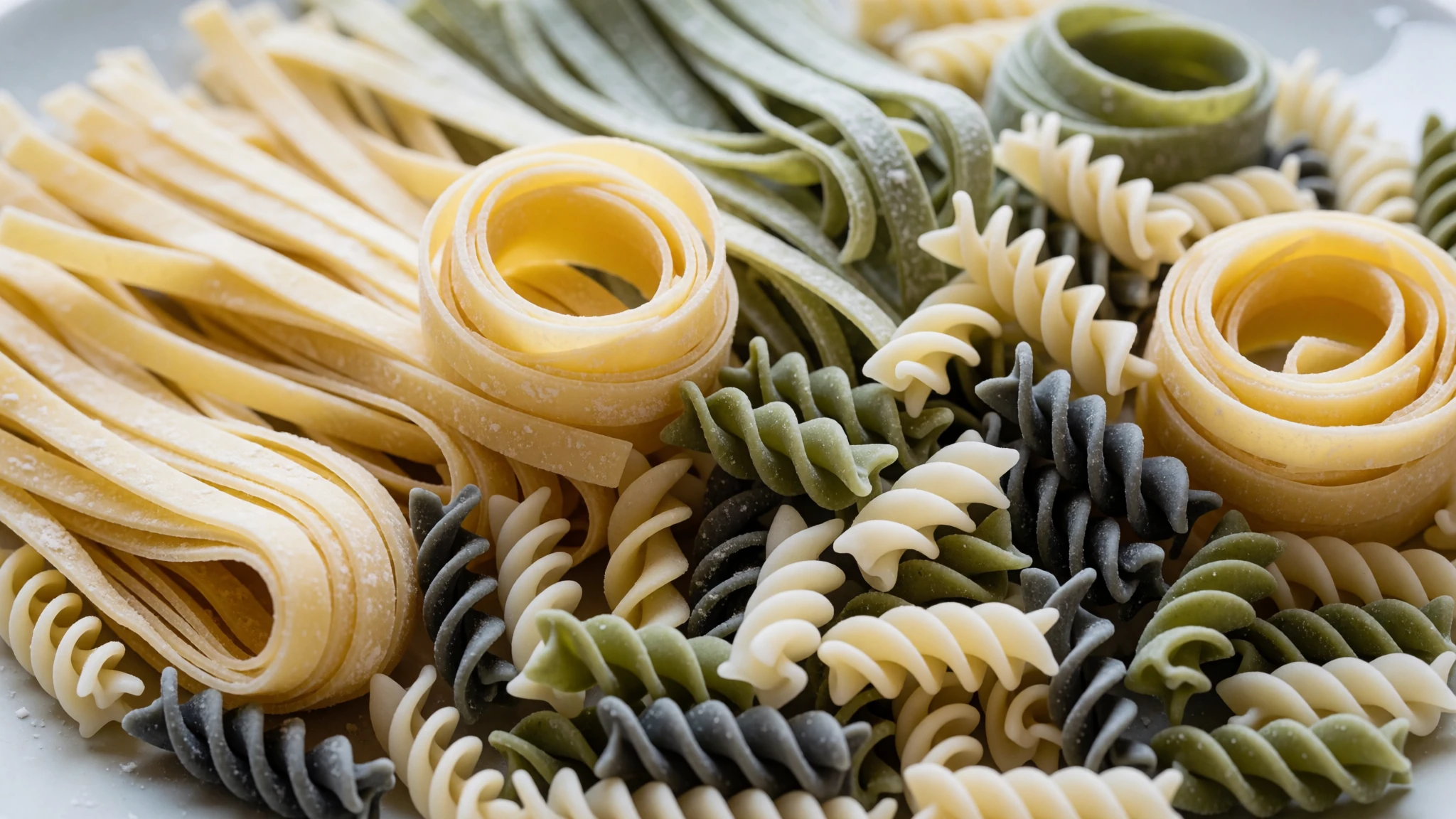
- Lemon desserts — Pastry counters and cafés around the main square
Lemon features in many sweets along the Amalfi Coast, including cakes, creams and granita. Lemon groves grow on the terraces around the town, so the flavour is often local. Try a granita on a hot afternoon, which is a refreshing alternative to coffee. - Hill-grown vegetables and cheese — Hillside trattorias and terrace restaurants
Dishes built on vegetables from the surrounding terraces appear on many menus, often served as antipasti or side plates. Local cheeses and cured meats pair well with bread and wine. Order a mixed plate to try several things at once. - A home cooking class — Home kitchens and terraces, booked through the cooks directly
Several cooks in Ravello run classes in their homes and on their terraces, and some include a walk through the historic lanes to the local food shops. Classes need advance booking, and prices vary, so check directly before you commit. Expect to cook a full meal and eat it together.
Plan it
Best time. Late spring (April to May) and October suit a visit, with mild days, fewer crowds and the festival season on in summer. Summer is hot and busy, and winter can be wet and quiet, with some services reduced.
How long. 2–3
Getting there. Naples Capodichino airport is the nearest airport. Trains run to Salerno, and from there buses and ferries connect to Amalfi, the closest point for boat arrivals, with a bus or taxi up to Ravello for the last leg.
Budget. mid
Tips
- Arrange your return transport before a late concert, since buses stop early and taxis can be scarce
- Book concert tickets early and ask your accommodation about collecting them
- Walk the cliff paths in the morning, before the heat and day crowds
- Carry cash for small shops and cafés, and check card acceptance in advance
- Bring water and a hat, especially for summer walks between sights
Etiquette
- Dress modestly when entering the cathedral
- Keep noise down in the lanes after the concerts
- Ask before photographing people at work or at family events
Nearby
Sources
- Wikidata Q81427 (CC0)
- Wikipedia: Ravello (rev 1374797042) (CC BY-SA 4.0)
- Wikivoyage: Ravello (rev 5386310) (CC BY-SA 4.0)
- Photo: Ravello coastline, Matt c j486 (CC BY 3.0)
- Photo: Center of Ravello, Sudodana2048 (CC BY-SA 2.5)
- Photo: Villa Rufolo, Daria (CC BY 3.0)
- Photo: Villa Cimbrone, Mihael Grmek (CC BY-SA 4.0)
- Photo: Servizio fotografico Ravello 1965, Paolo Monti (CC BY-SA 4.0)
- Photo: Map of Ravello, Sudodana2048 (CC BY 3.0)
- Photo: 84010 Ravello, gian luca bucci (CC BY 3.0)
- Photo: 84010 Ravello, renato agostini (CC BY 3.0)


