Rasht
Rasht, Iran
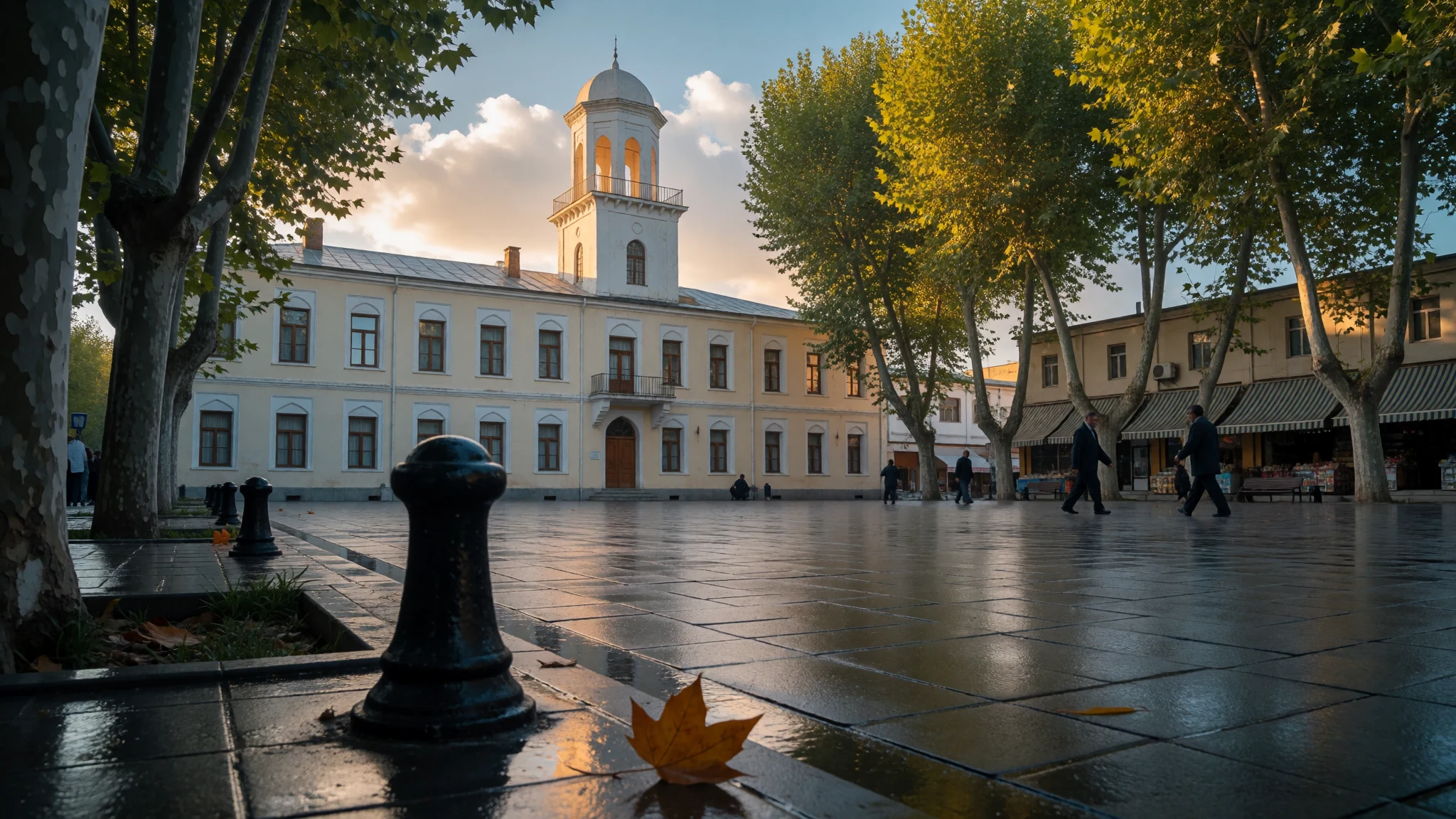
Rasht is a rain-soaked Caspian city where Iran turns green, and its markets, kitchens and old Russian-era streets reward slow wandering.
The place
Rasht is the capital of Gilan province in northern Iran, a flat, green city about 4 metres above sea level on the plain between the Caspian Sea and the Alborz mountains. Around 680,000 people live here, which makes it a large regional centre rather than a small resort town. Locals call it the City of Silver Rain, and the name is earned: this is one of the wettest corners of a mostly dry country, with a humid subtropical climate, grey skies for much of the year and a temperate forest on the slopes to the south. Few other Iranian cities feel so damp and leafy.
The setting shaped everything. Rasht sat on the route between Iran, the Caucasus and Russia, and goods moved through it to the port at Bandar-e Anzali. That trade earned it the old nickname Gate of Europe, and traces of it survive in brick façades, tall windows and a municipal tower that looks more Eastern European than Persian.
Today Rasht works best as a city for eating, shopping and mooching, and as a base for the region. Masouleh's terraced mountain village and the Caspian beaches are within reach. Foreign visitors are still few, while Iranian holiday crowds fill the north in summer and around Nowruz. Rain is possible in any month, so the plans that work are flexible ones, with a market, a museum and a long lunch ready as fallbacks.
Its story
Rasht first appears in written records in 682 CE, in Umayyad-era documents, though the city as a trading town took shape from the 13th century. Its real rise came under the Safavids, when Gilan's silk made Rasht a centre of textile workshops and merchants. Being the main landward doorway between Iran and Russia also made it a frontier, which is where its older nickname, Rasht on the Border, comes from.
That position brought both money and trouble. A Cossack raider plundered the city in 1669, and an earthquake destroyed it in 1714. Russian forces then occupied it for about a decade in the early 18th century. Later Russian and British armies fought over the region during the First World War, and in 1920 Rasht became the capital of the short-lived Gilan Soviet Socialist Republic, which collapsed within a year.
The people of Rasht also played an important part in the Constitutional Revolution of Iran, and the city's contact with Russia and Europe left it open to new ideas. Local tradition holds that it had the country's first public library and was the first city where girls could attend school.
In the late 19th century it was among the first places in Iran to build factories, working in fishing, caviar, textiles and pipeline construction. Most of what survives from those years is modest: brick buildings, old bazaar lanes and a few grand municipal landmarks.
What to see
- The Municipality building and tower — City centre
Rasht's municipality building is the city's best-known landmark, a colonial-style block crowned by a whitewashed tower with a small dome. It looks good by day, but floodlighting after dark gives it more presence, and the square around it is a natural starting point for an evening walk.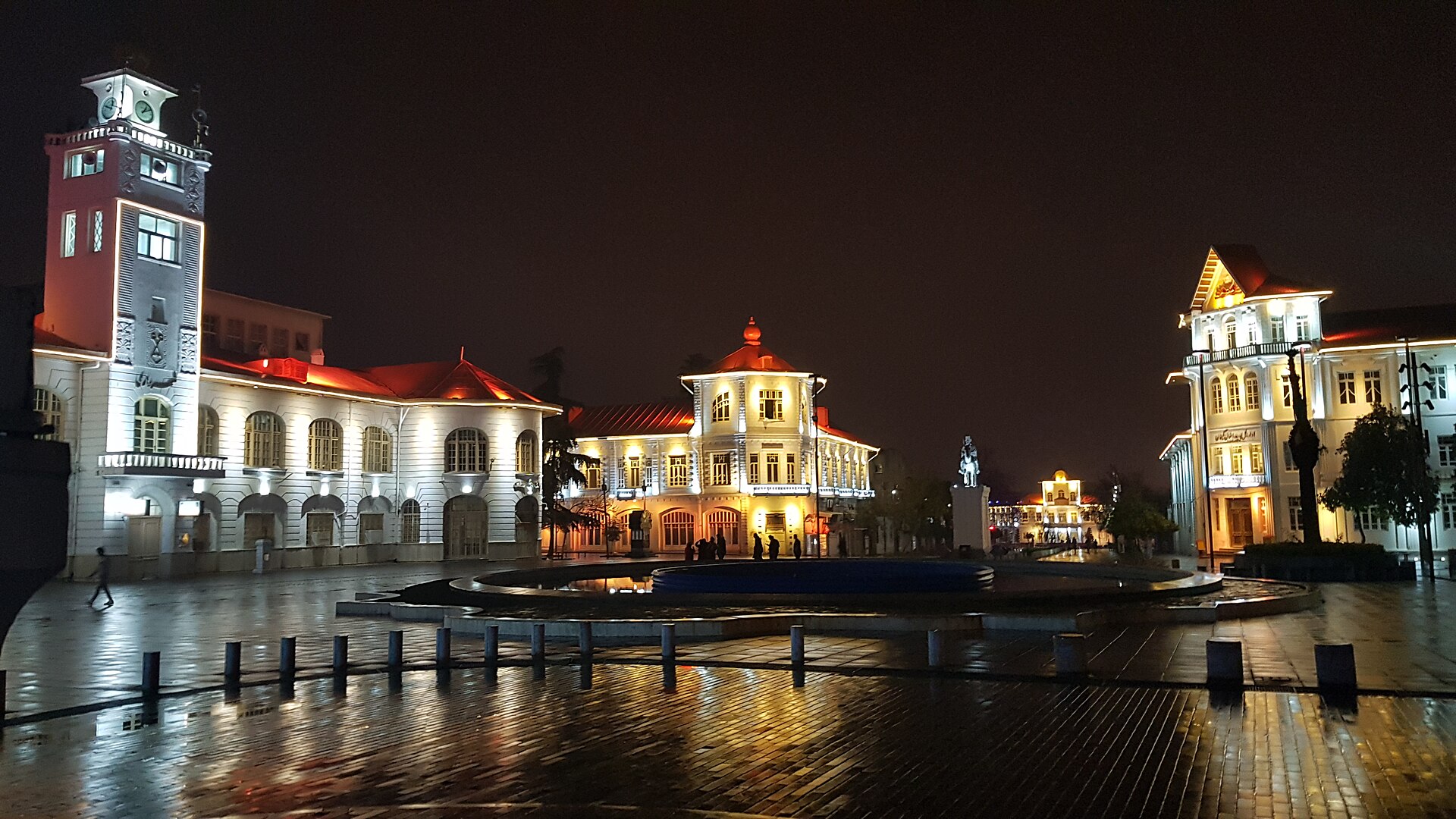
- Rasht Museum — Central Rasht
This small museum occupies a historic house and is easy to see in an hour. Mannequin displays show how Gilaki families lived and dressed, and the standout objects are ancient terracotta drinking horns shaped like bulls, rams and deer. Check the official city website for current opening arrangements before going. - Gilan Rural Heritage Museum — South of Rasht, near the Qazvin highway
South of the city, just off the Qazvin highway, this open-air museum rebuilds village life from across Gilan. Timber houses with deep roofs, farm tools and craft displays explain how people lived with all that rain. It needs a taxi or a car, and it is best on a dry morning.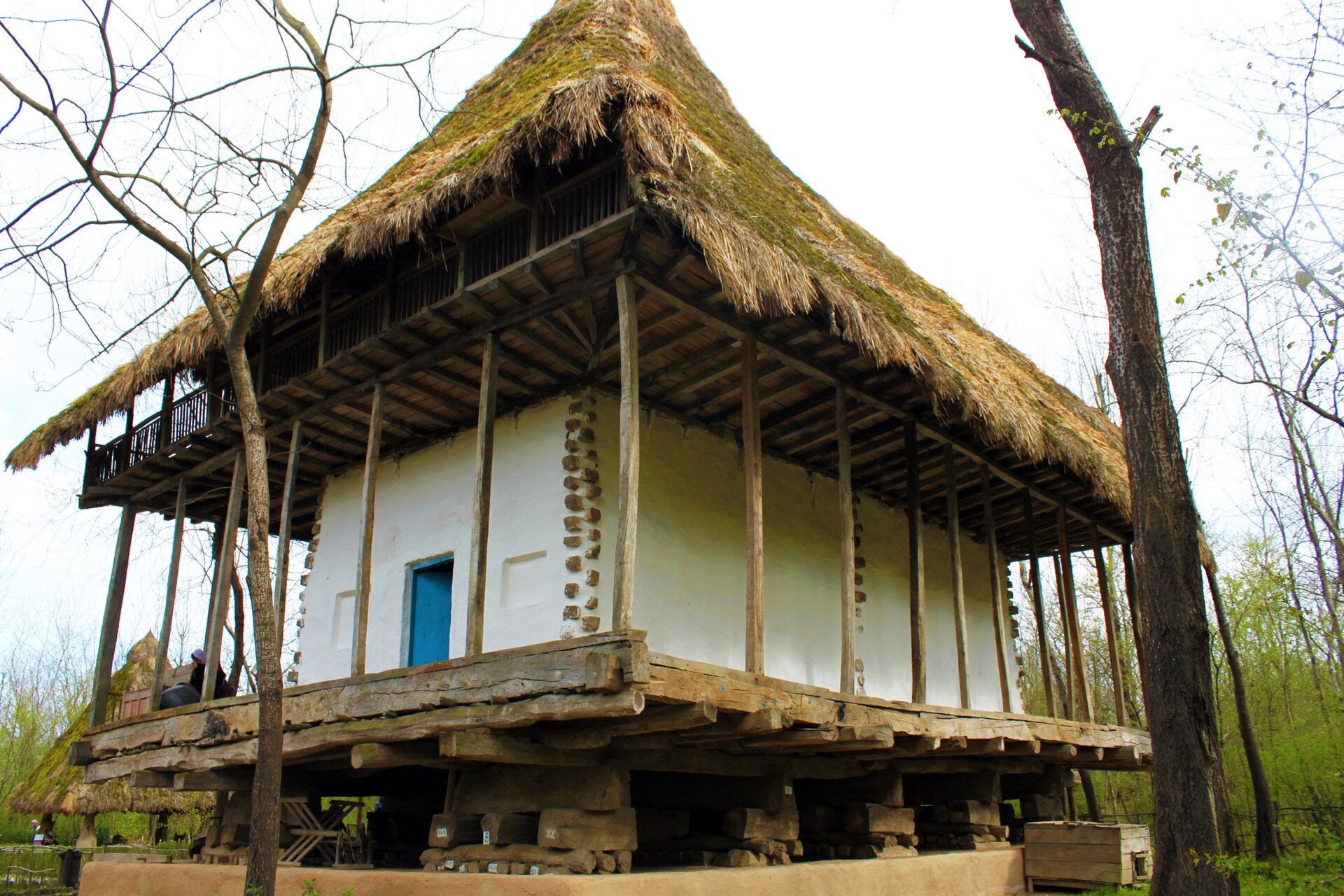
- The Traditional Bazaar — Old centre
Rasht's old bazaar is where the city's food culture is easiest to read: stalls of herbs, pickles, dried fruit, rice, fish and sweets, plus household goods and textiles. Go in the morning, when the lanes are busiest and the produce is freshest, and bring a bag for edible souvenirs. - Golsar district — Northern Rasht
Golsar is the modern, affluent side of Rasht, with boutiques, coffee shops and restaurants. It was once a separate small town and is now a social centre for young locals, especially on Thursday and Friday evenings. It is a good place to see how people in the city spend their leisure time today.
Culture
Rasht has long seen itself as a window onto the wider world. Contact with Russia and Europe left its mark on local architecture and attitudes, and the city likes to point out its early public library and its early schooling for girls. Today it runs art exhibitions, concerts and international book fairs, and the municipality sponsors cultural and technology competitions, including a well-known one for young bloggers.
Food is the city's calling card. In December 2015 Rasht joined the UNESCO Creative Cities Network for its gastronomy, alongside Isfahan, which was recognised for crafts and folk art. Rasht embroidery, a handicraft particular to the city and Gilan province, belongs to the same tradition of careful, home-based skill.
Life here runs at a gentler tempo than in Tehran. Meals are long, tea is constant, and guests are expected to be fed. Gilaki, a regional language related to Persian, is still heard in the markets and villages, though Persian is used in daily business. Rain is part of the culture too: umbrellas, covered walkways and cafés with big windows are all normal. Hospitality is real and often generous, so accept a cup of tea if it is offered, and say thank you in Persian if you can manage it.
When invited into a home, take off your shoes at the door and wait to be shown where to sit before you settle.
What to wear
Rasht's traditional dress belongs to Gilan's rural communities, and it is mostly seen today in village life, at festivals and in museum displays. Women's costume uses bright, patterned cloth, with layered short skirts over loose trousers and a light headscarf, practical for wet fields and rice terraces. The province's silk-weaving history and Rasht's own embroidery, a decorative needlework tradition tied to the city, still give local textiles their identity. Look for embroidered panels and silk scarves in the bazaar.
What people wear in the city now is much like other Iranian cities: smart and fairly modern, with an eye for good coats, boots and scarves. Rain gear is part of everyday style, so umbrellas and waterproof jackets are common. In Golsar, expect fashion-conscious young people, and in the bazaar, more conservative, practical clothing.
Visitors should dress for a damp, humid climate and for Iranian law. Women need a headscarf and loose, long-sleeved top that covers the hips, plus trousers or a long skirt; men should wear long trousers and avoid sleeveless tops. Pick breathable, quick-drying fabrics and bring a light waterproof layer. Shoes with good grip suit wet pavements and muddy village paths, and slip-on pairs are handy if you visit mosques or homes.
What to eat
- Baghali ghatogh — Traditional Gilaki restaurants across the city
A Gilan dish of broad beans cooked with eggs and plenty of dill, usually served with rice or flatbread. It is gentle, herby and filling, and it suits a rainy day well. - Mirza ghasemi — Local restaurants and family eateries
Smoked aubergine mashed with garlic, tomato and egg into a rich, savoury spread. It is typical of the Caspian region and works as a starter or a main with bread. - Shami rashti — Traditional eateries near the bazaar
Rasht's version of shami, a patty made from split peas and minced meat, fried until golden. It is simple home cooking that appears in local restaurants and in the bazaar. - Koloocheh — Sweet shops in the bazaar and on roads around Gilan
Soft, round biscuits stuffed with walnuts and pressed with a pattern on top. They are best eaten warm, and locals say the nearby town of Fuman makes especially good ones. - Doogh — Almost any local restaurant or café
A salty, savoury yoghurt drink, sometimes lightly fizzy and often flavoured with mint. It is the usual drink beside kebabs and rice dishes, and a useful way to cool down on a humid day.
Plan it
Best time. April to June is the most comfortable stretch, with milder weather and green countryside, though rain can fall in any month. Summers are warm and humid, autumn is typically wet, and winters are cool with occasional snow. The Caspian coast fills with Iranian holidaymakers in summer and around Nowruz.
How long. 2–3
Getting there. Rasht has a domestic airport with flights from Tehran; check current schedules with airlines. Buses run frequently from Tehran's main terminals and take several hours. From the bus station, shared or private taxis reach the centre. Rasht is also a good base for Masouleh and the Caspian coast.
Budget. low
Tips
- Carry a compact umbrella or light waterproof, whatever the forecast
- Visit the bazaar in the morning when it is busiest and freshest
- Take a taxi or hire a driver for the Gilan Rural Heritage Museum and Masouleh
- Check the official city site, rasht.ir, for events and museum opening arrangements
- Bring some cash as well as a local payment method, since foreign cards often do not work in Iran
Etiquette
- Dress modestly: women cover their hair and wear loose, long tops, and men avoid shorts
- Take off shoes when entering homes and mosques
- Ask before photographing people, especially women
Nearby
Sources
- Wikidata Q178373 (CC0)
- Wikipedia: Rasht (rev 1382284259) (CC BY-SA 4.0)
- Wikivoyage: Rasht (rev 5415584) (CC BY-SA 4.0)
- Panorama of Rasht municipality, Mostafa Yekrangi (CC BY 2.5)
- Rasht Municipality Mansion in an Autumn night, AlexTrn1991 (CC BY-SA 4.0)
- Tomb of Mirza Kuchak Khan, Feri131 (CC BY-SA 4.0)
- Saint Mesrop Church in Rasht, City rain (CC0 1.0)
- Kolah Farangi, Mohtaram s (CC BY-SA 4.0)
- Gilan Rural Heritage Museum, MasoudK (CC BY 3.0)
- Hammam, Mohtaram s (CC BY-SA 4.0)
- 18-10-05-21-59-05-224 deco, Elnnnazzzi (CC BY-SA 4.0)


