Rara Lake
Rara Lake, Nepal
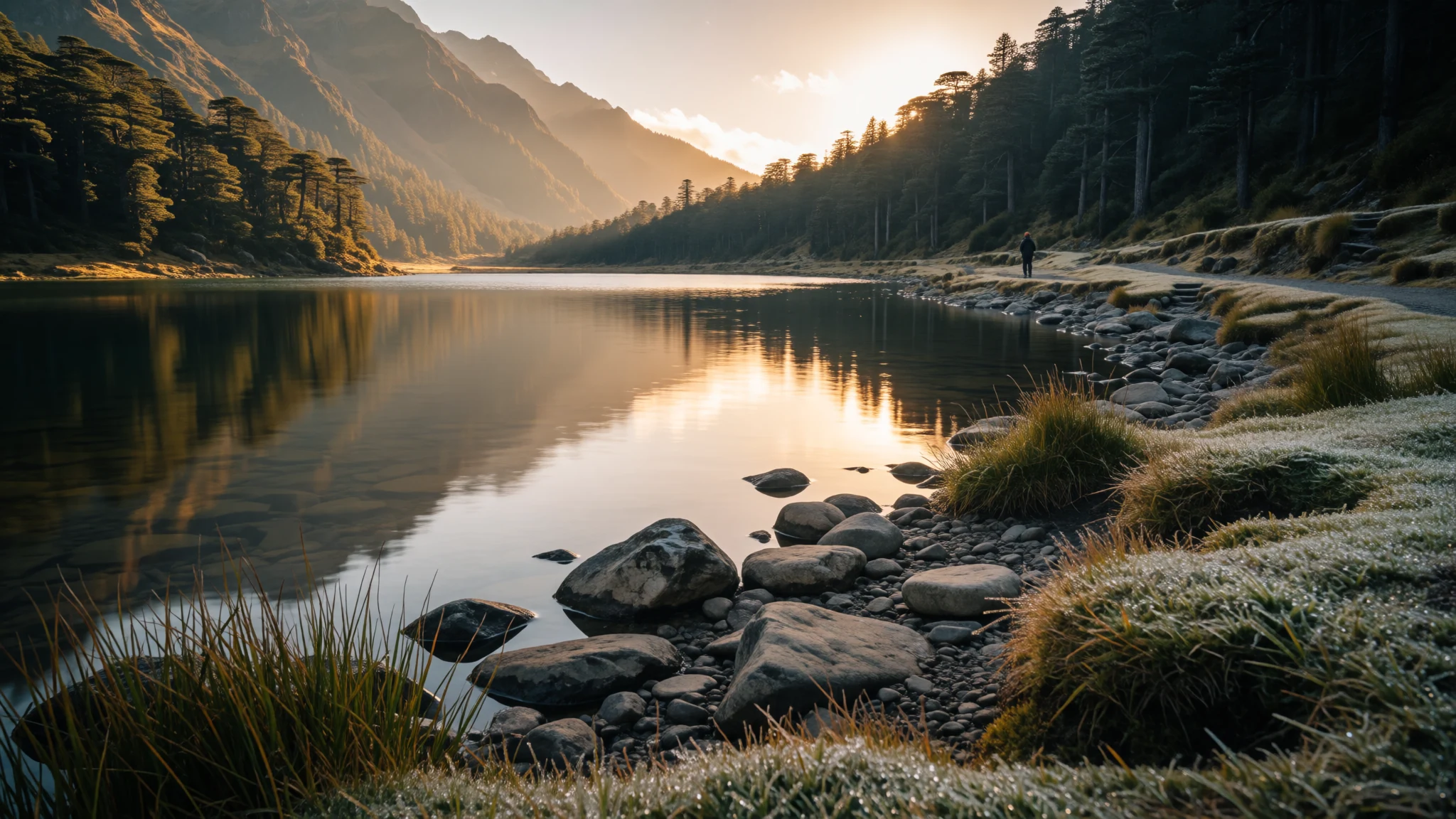
Visit Rara Lake to experience the largest fresh water lake in the Nepalese Himalayas, set within a protected alpine wilderness.
The place
Rara Lake is the largest fresh water alpine lake in the Nepalese Himalayas, serving as the central attraction of Rara National Park within the Jumla and Mugu Districts of Karnali Province. Rara Lake sits high in the mountain landscape, surrounded entirely by thickly forested hills and towering ridges that rise steeply from the shoreline. The surrounding park protects a vast expanse of high-altitude forest, scrubland, and alpine flora that provides a haven for diverse wildlife. Because of its remote setting far from major urban centres, the journey here involves navigating rugged mountain terrain, rewarding travellers with an atmosphere of absolute tranquility. The water surface of Rara Lake is exceptionally clear, allowing sunlight to penetrate deep into its aquatic ecosystem and creating a shifting palette of colours across the surface throughout the day as the angle of the sun changes. The local environment is defined by crisp mountain air, towering pine forests, and quiet shores where the only sounds are wind through the evergreens and the calls of migrating waterfowl. Weather conditions shift rapidly in this high region, turning calm blue waters choppy when mountain winds sweep down through the gullies and passes. The isolation of the basin has allowed unique aquatic species to evolve undisturbed over long periods, making the aquatic environment scientifically distinct from other Himalayan water bodies. Walking the perimeter tracks offers changing perspectives of the deep blue expanse against the backdrop of distant snowy peaks and forested ridges.
Its story
Rara Lake and its surrounding mountain sanctuary hold a history closely tied to the conservation policies of Nepal and the traditional communities of the Karnali region. Rara Lake was formally incorporated into the newly established Rara National Park to protect its fragile ecosystem and unique endemic aquatic species from unchecked resource exploitation. In the early years of this conservation effort, residents belonging to local settlements within the park boundaries were resettled to lowland areas in Nepalgunj to allow the natural habitat to recover without human interference. Decades later, the environmental significance of the watershed was officially recognised internationally when the wetland area was designated as a Ramsar site, extending special legal protection to the marshes and feeder streams that feed the basin. Today, the entire national park and lake perimeter are actively guarded and managed with the support of the Nepali Army, ensuring that poachers and unauthorised logging do not disrupt the delicate balance of the wilderness. Over recent years, regional authorities have sought to encourage responsible tourism, introducing initiatives such as endurance running events that connect historic district trails to the pristine shores of the lake. Despite these efforts to welcome travellers, the area retains its remote character, remaining a destination that requires careful preparation and respect for the natural and military oversight governing the region.
What to see
- Murma Top — Rara National Park rim
Climbing up to Murma Top provides a magnificent vantage point high above the shimmering water. From this elevated ridge, visitors can look down upon the entire alpine basin, taking in the vast expanse of the lake, the surrounding deep green pine forests, and the distant snowy peaks of the Himalayan range stretching toward the horizon.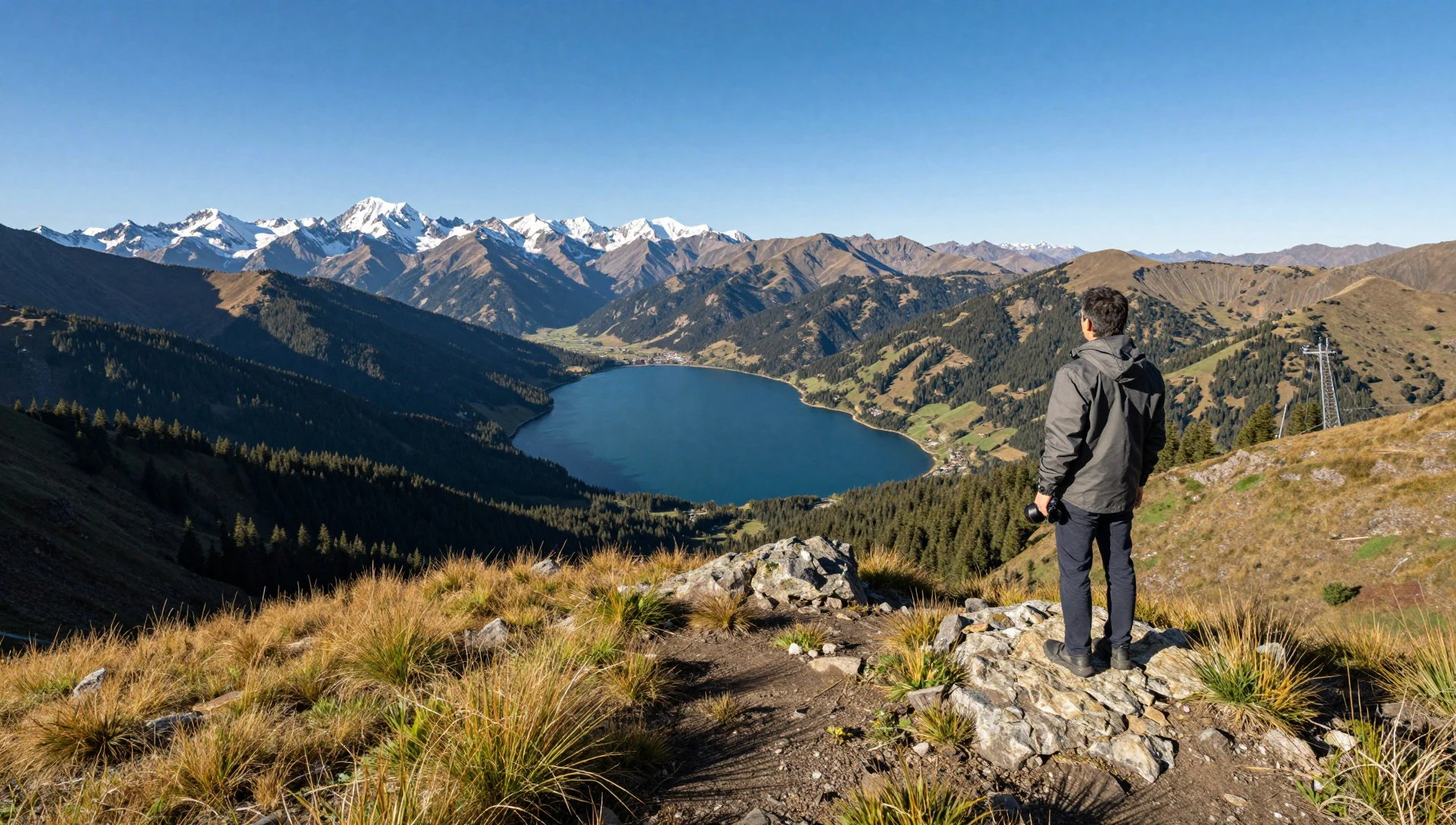
- Lake Shoreline Trails — Rara Lake perimeter
Walking the trails that wind along the edge of Rara Lake brings travellers close to the crystal-clear water and quiet bays. The footpaths meander through stands of pine and juniper, offering shifting angles of light on the water and peaceful spots to pause and watch local birdlife along the undisturbed margins.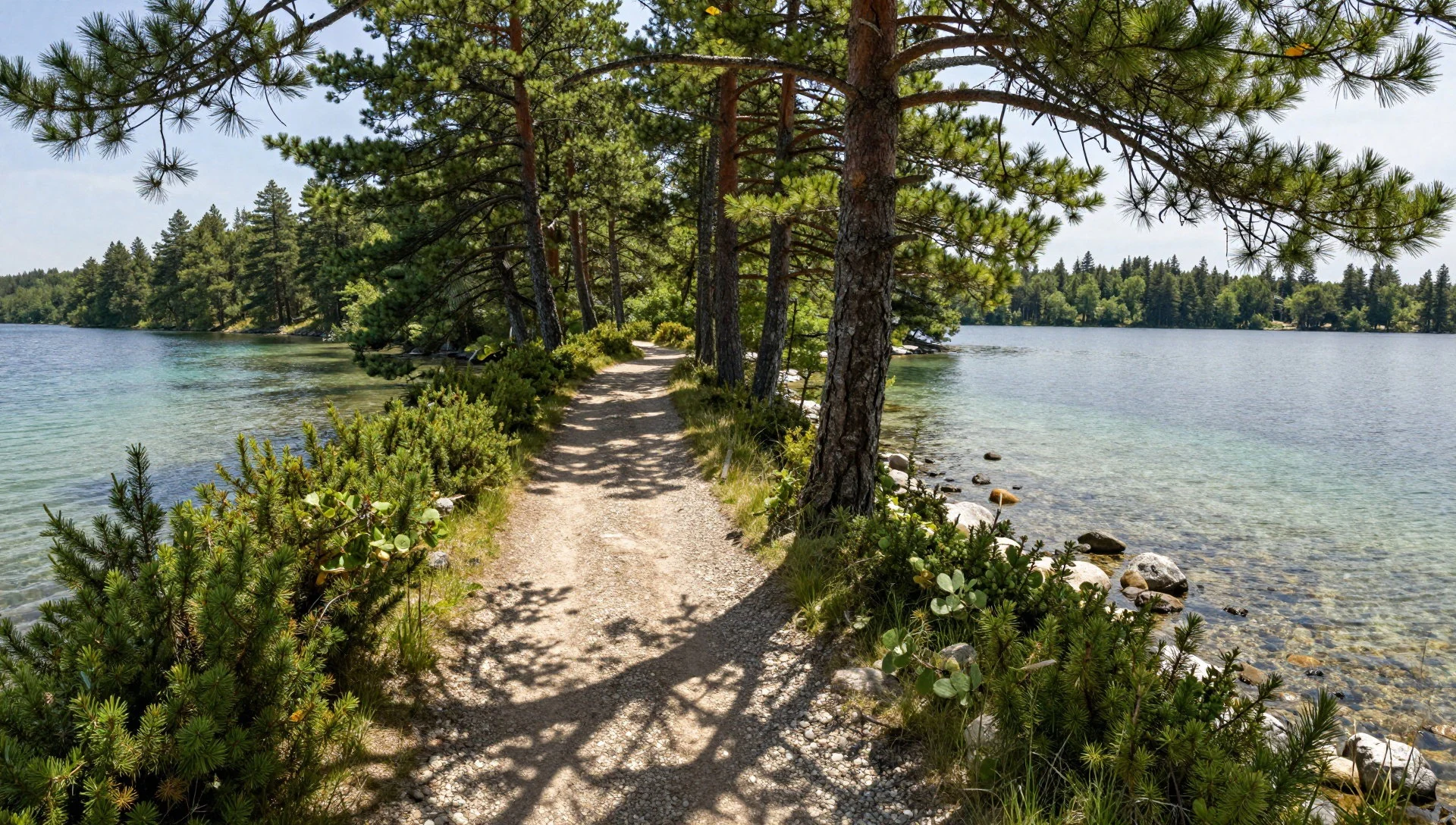
- Chuchemara Danda Ridge — Southern Rara National Park
Rising steeply above the southern shore of Rara Lake, Chuchemara Danda is a challenging ridge walk that rewards hikers with expansive panoramic views. The trail climbs through dense alpine woods before breaking out onto open alpine slopes where the scale of the surrounding mountain ranges becomes truly apparent in every direction.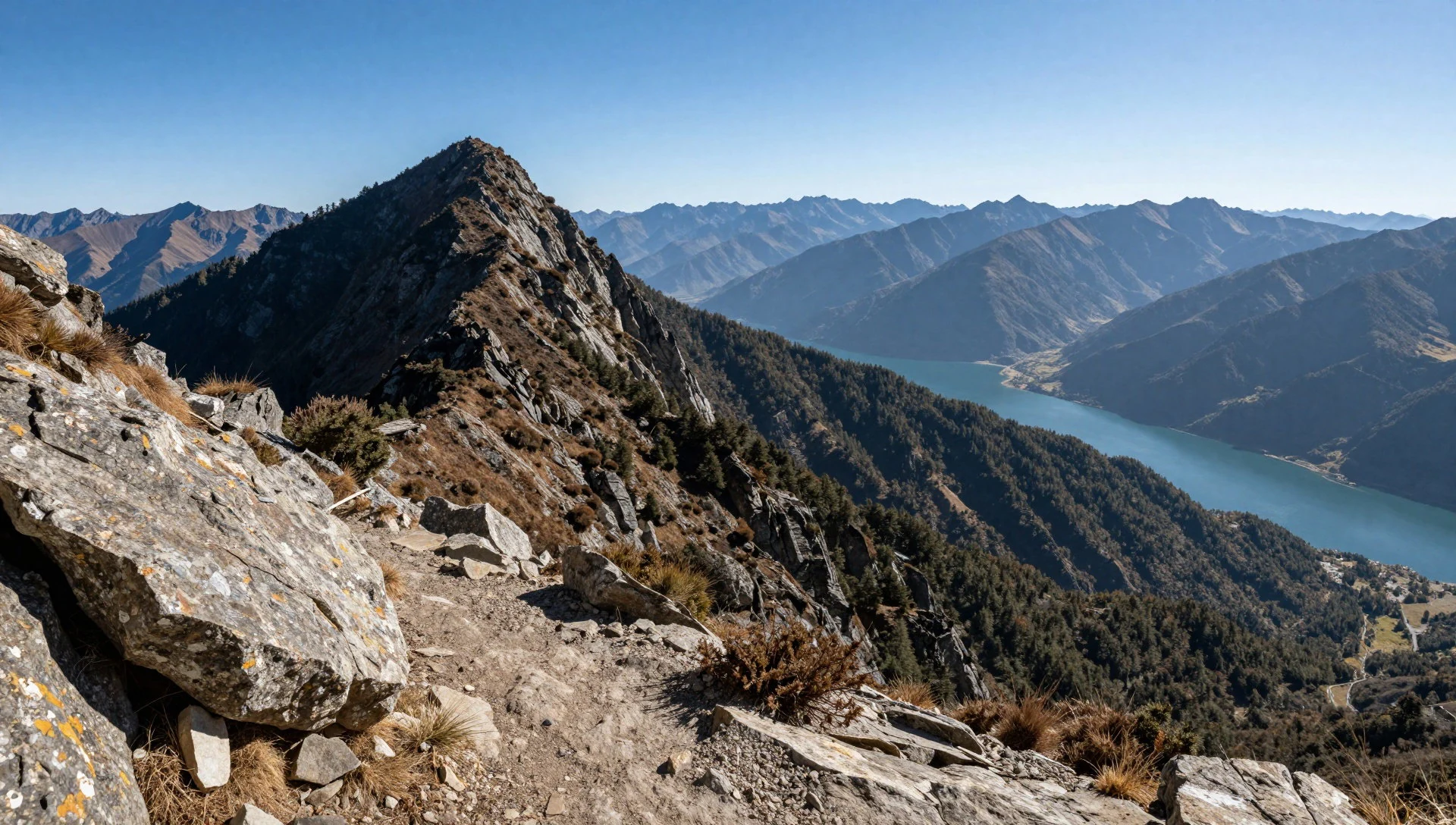
- Nijar River Outlet — Northern lake outflow area
The Nijar River serves as the natural outlet where surplus water from Rara Lake drains away toward the Mugu Karnali River system. Exploring this northern sector reveals where the clear alpine waters begin their turbulent descent through the gorge country, surrounded by untouched riverside vegetation and quiet wilderness.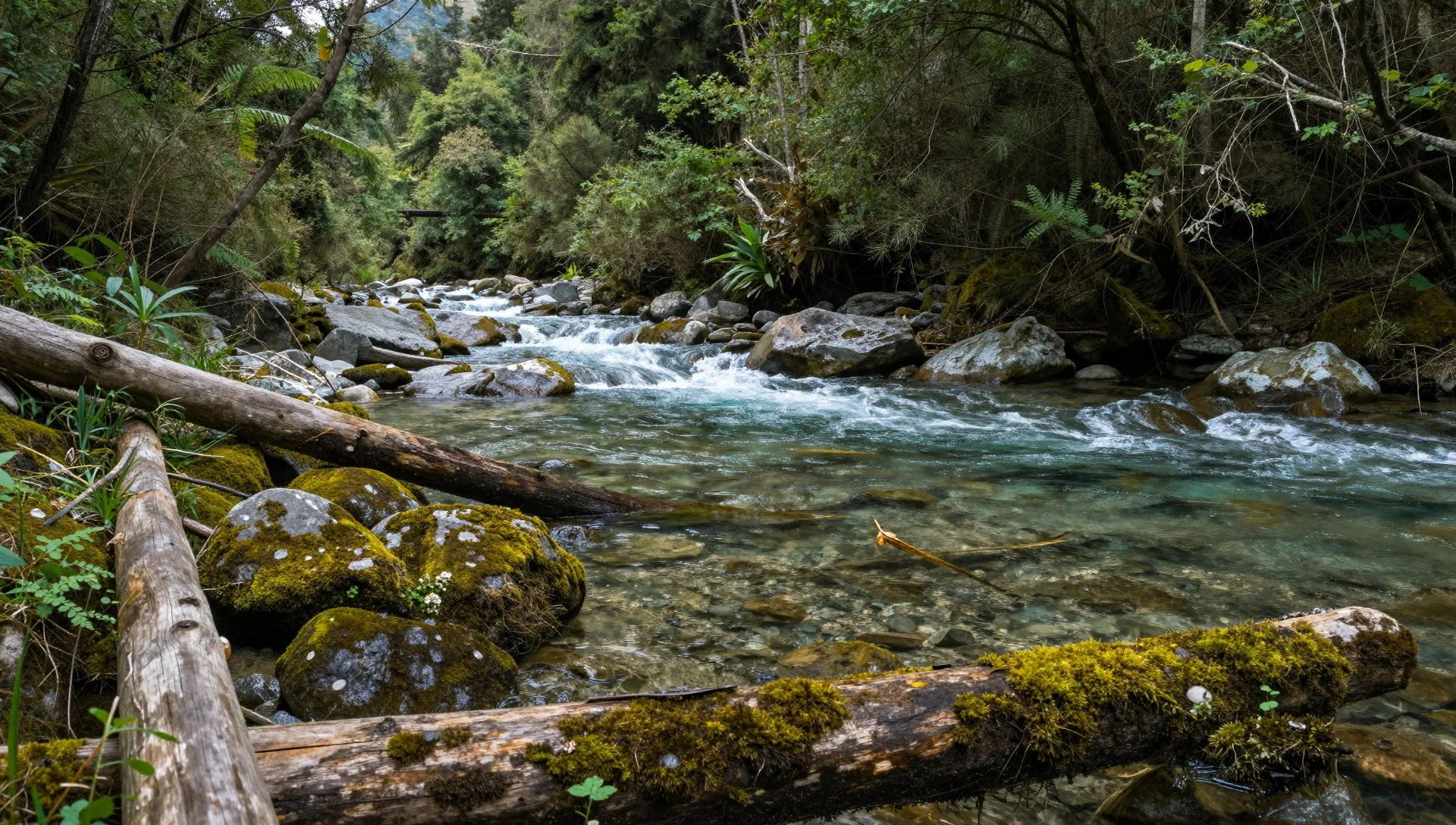
- Rara National Park Forest — Rara National Park interior
The protected woodlands surrounding Rara Lake harbour rich stands of blue pine, black spruce, and rhododendron that shelter diverse Himalayan wildlife. Walking beneath the heavy forest canopy offers encounters with quiet woodland tracks, moss-covered tree trunks, and filtered sunlight playing across the rich undergrowth of the high mountain sanctuary.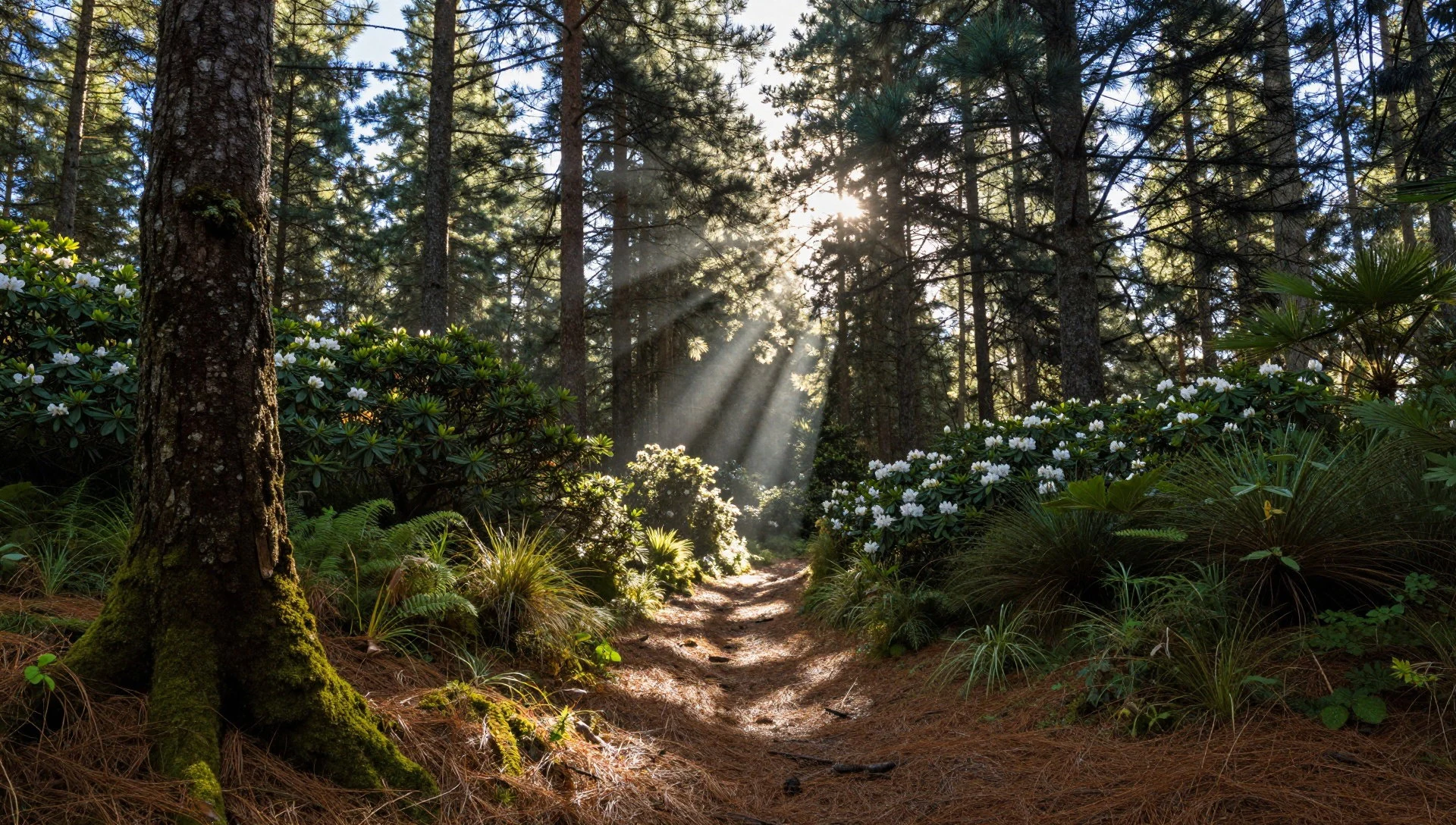
Culture
Rara Lake and the surrounding Karnali region are shaped by traditional mountain communities whose daily lives blend ancient customs with deep respect for the natural environment. Hospitality is central to local social codes, where visitors are met with genuine warmth and traditional greetings offered with palms pressed together. Elders hold a position of high respect within village families and community gatherings, and social interactions follow established protocols of deference and politeness. Traditional spiritual practices incorporate elements of Tibetan Buddhism and local animist beliefs, visible in the mani walls, chortens, and prayer flags that mark mountain paths and settlement edges. Visitors should navigate these cultural spaces with mindfulness, recognising that local customs govern everything from spatial etiquette inside homes to the proper direction for walking around sacred shrines. The community relies on cooperative labour and traditional agriculture, adapting to the harsh winters and brief growing seasons dictated by high altitude geography. Always remove your shoes when stepping inside a local residential house or temple space.
What to wear
Rara Lake and the surrounding mountain districts require practical clothing suited to cold alpine weather and rugged terrain. Traditional attire in the Karnali region includes thick woollen garments, woven blankets, and sturdy layered clothing designed to withstand freezing mountain temperatures, particularly during long winters when snow blankets the high passes. Local villagers and herders rely on durable homespun textiles, sturdy footwear, and protective headwear to combat the biting chill of the high-altitude winds. Modern daily wear for residents typically combines practical fleece jackets, trousers, and warm shawls purchased from regional markets or brought up from lowland trading towns. For travellers exploring Rara Lake, layering is essential: thermal undergarments, windproof outer shells, fleece jackets, and sturdy, broken-in walking boots are necessary for coping with sudden weather shifts and muddy or snow-covered trails. Modest dress is appreciated in rural villages, meaning shoulders and knees should be covered out of respect for local traditions. A warm woollen hat, gloves, and quality sunglasses to protect against high-altitude glare are indispensable items for anyone spending time on the lake shores or climbing surrounding ridges.
What to eat
- Daal-Bhaat-Tarkaari — Any local teahouse or lodge near Rara Lake
The foundational meal of Nepal consists of spiced lentil soup poured over boiled rice, served alongside seasonal vegetable curries and spicy pickle. Eaten twice daily across local homes and teahouses, it provides essential nourishment for mountain travel.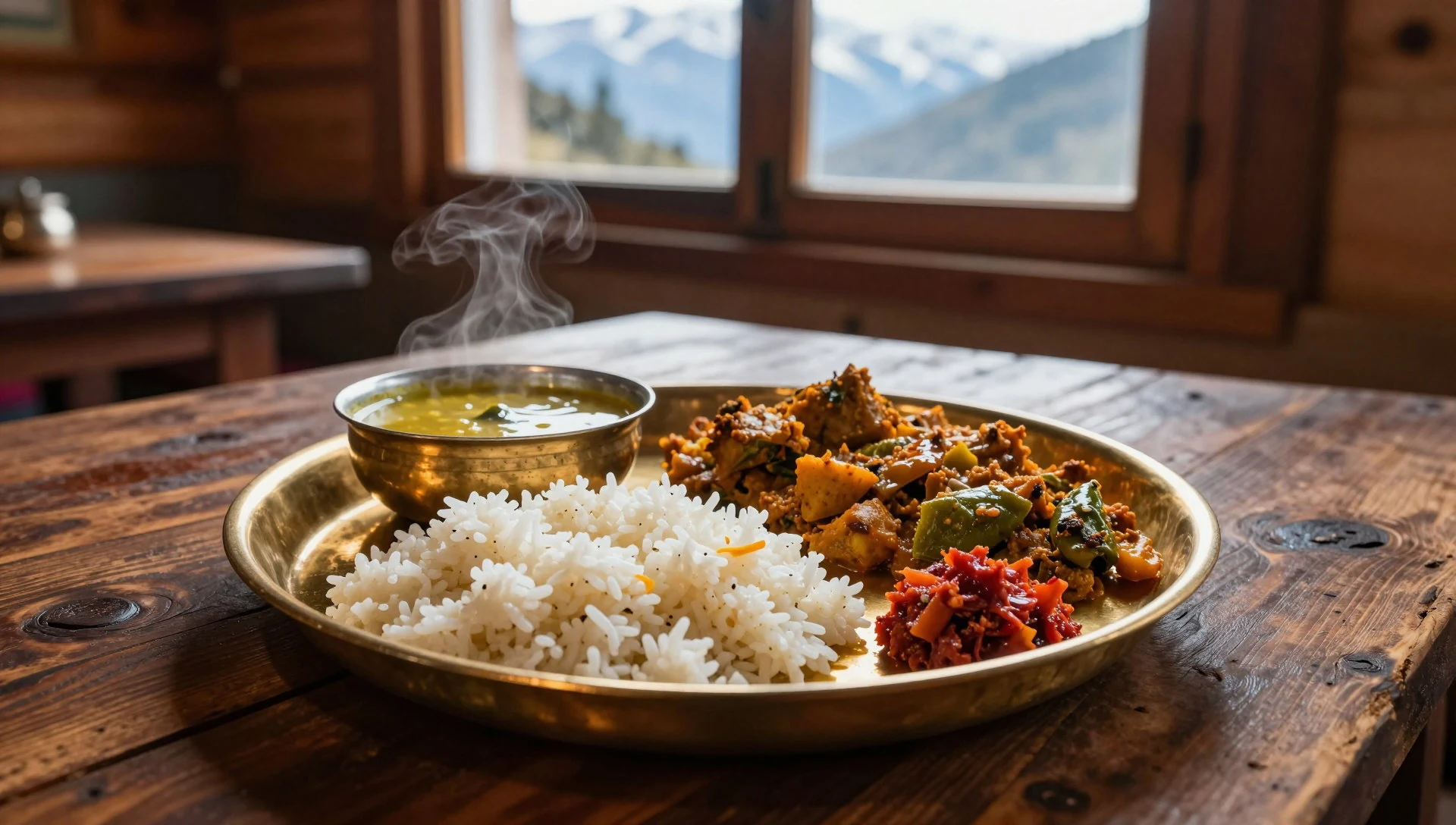
- Local Freshwater Fish — Simple lakeside lodges and guesthouses
Sourced directly from nearby lakes and rivers, freshwater fish is an occasional delicacy prepared with simple mountain spices and fried or curried. It offers a distinct regional flavour reflecting the aquatic life of the high-altitude basin.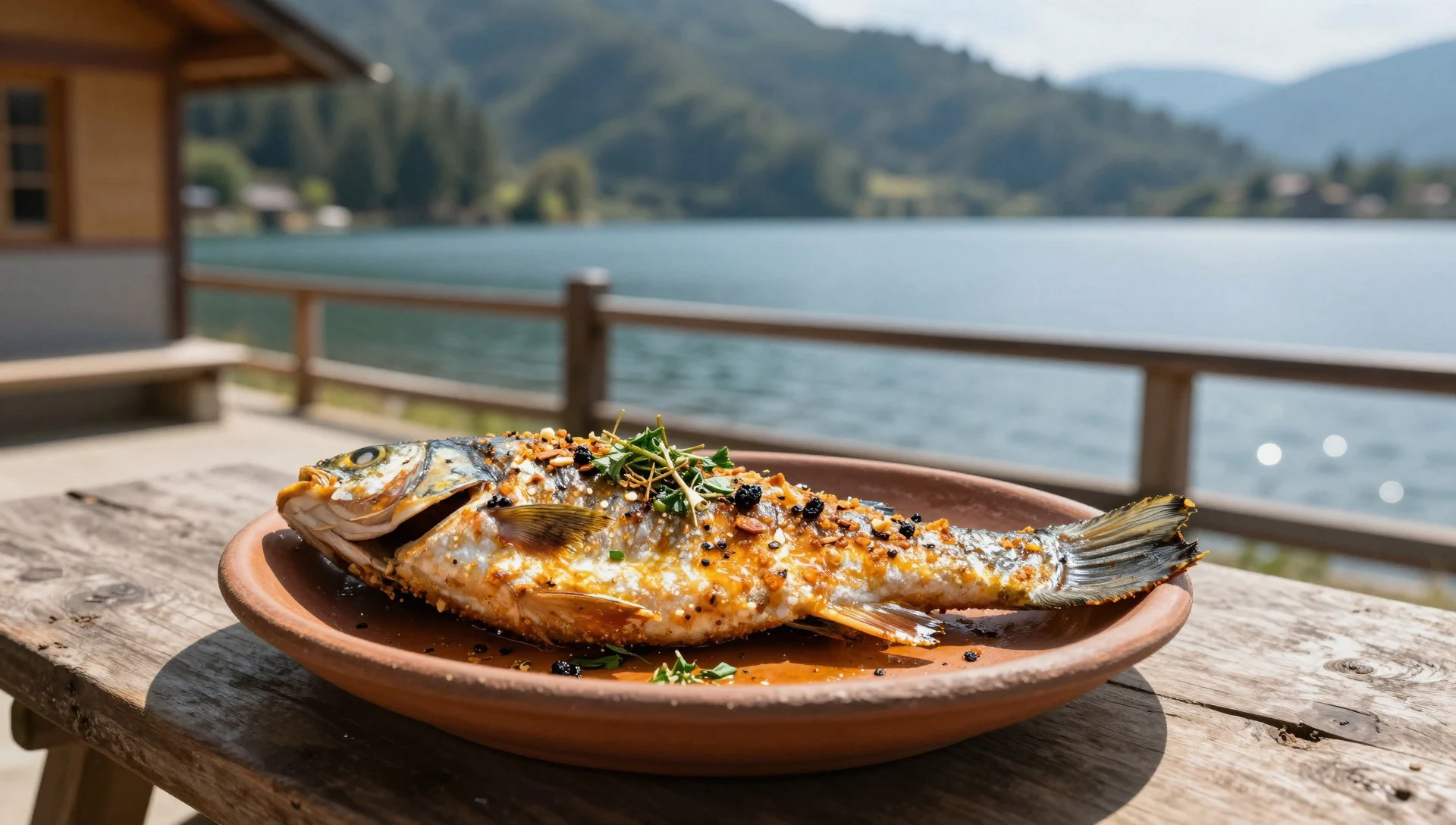
- Sukkha Roti and Aata — Village teahouses throughout the Karnali region
When rice is scarce in remote high-altitude areas, whole wheat flatbreads or cornmeal mush substitute as the primary grain component. These dense breads are baked on a hot iron griddle and paired with lentil soup or vegetable dishes. - Dahi and Achaar — Teahouses and family-run mountain lodges
Thick local yogurt served alongside ultra-spicy fresh pickle made from local herbs, chillies, and fermented vegetables. This cooling accompaniment balances the heat of spiced lentil and rice dishes during main meals. - Raksi — Local village homesteads and mountain lodges
A clear, potent traditional spirit brewed locally in household stills with a high alcohol content by volume. It is served warm in small cups as a social drink to ward off the biting mountain chill.
Plan it
Best time. March to April offers pleasant spring weather and blooming alpine flora, while September to November brings clear skies and stable conditions following the monsoon; December to March brings sub-freezing temperatures and heavy snowfall that can block access.
How long. 3-4
Getting there. Fly from Kathmandu to Nepalgunj, catch a connecting regional flight to Talcha airport near Mugu, then complete the final trek or jeep ride to Rara Lake.
Budget. mid
Tips
- Carry sufficient cash as there are no reliable card payment facilities in remote mountain areas
- Prepare thoroughly for high-altitude conditions and fluctuating mountain weather
- Pack sturdy, waterproof walking boots suitable for rough and muddy trails
- Bring reusable water bottles and purification tablets for all drinking water
Etiquette
- Always circumambulate Buddhist shrines, stupas, and mani walls in a clockwise direction
- Use your right hand when giving, taking, or eating, and avoid pointing the soles of your feet at people or sacred objects
- Remove your shoes before entering any residential house or temple space
Nearby
Sources
- Wikidata Q2120180 (CC0)
- Wikipedia Rara Lake (CC-BY-SA 4.0)
- Wikivoyage Nepal (CC-BY-SA 4.0)
- Photo 01 (CC BY-SA 4.0)
- Photo 02 (CC BY-SA 4.0)
- Photo 05 (CC BY-SA 4.0)


