Ranthambore National Park
Ranthambore National Park, India
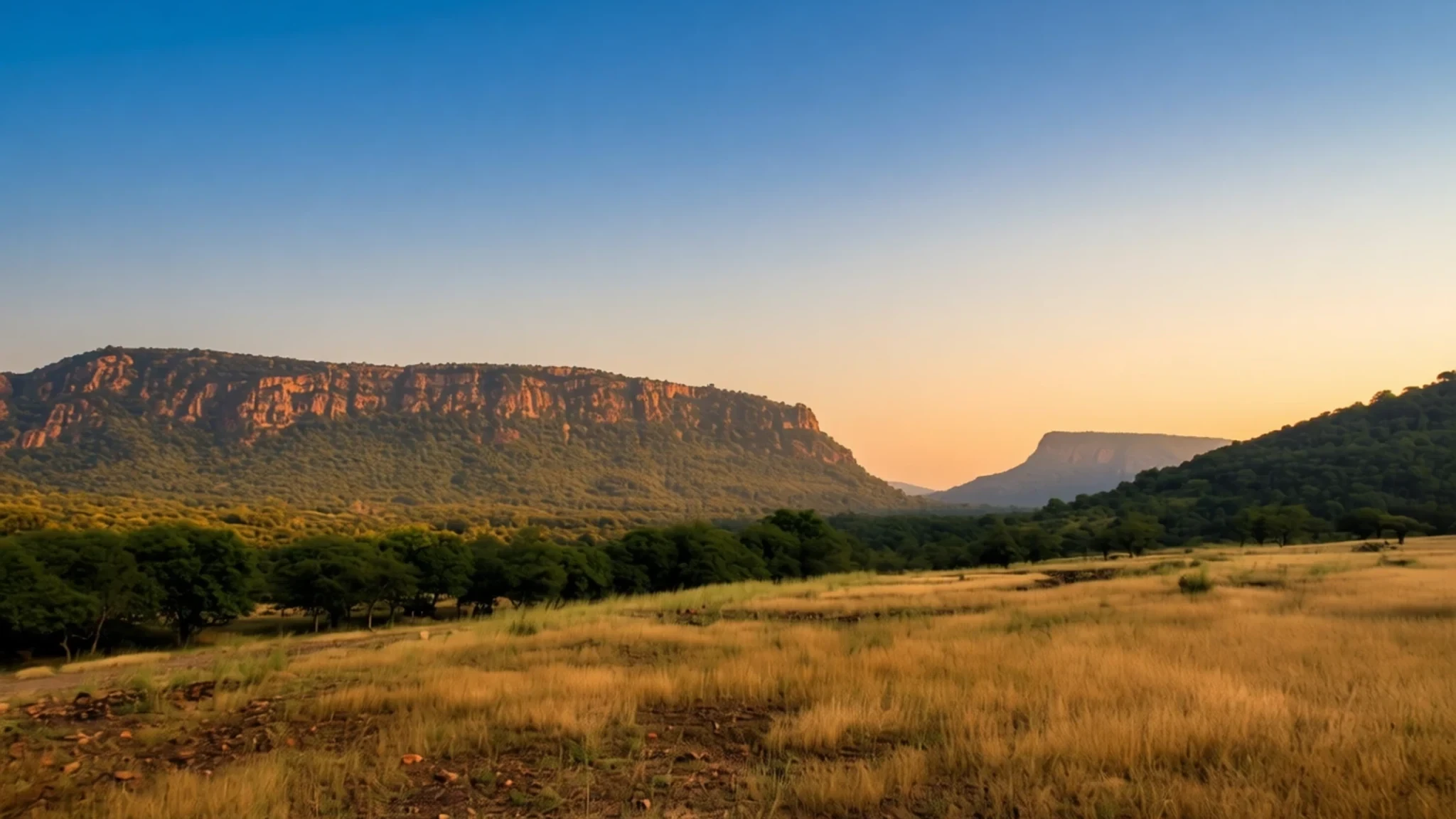
Go for a tiger, stay for a dry forest of old ruins, lakes and birds, and a fort hanging over it all.
The place
Ranthambore National Park sits in the Indian state of Rajasthan, in Sawai Madhopur district, where the land rises from the plains into low hills. The Banas River bounds it to the north and the Chambal River to the south, and the park takes in two older sanctuaries, Kailadevi and Sawai Man Singh, so its borders are wider than most visitors expect. Much of the ground is dry deciduous forest, broken up by open grassy meadows, rocky outcrops and a scatter of lakes. Padam Talao is the largest of these lakes, and it has an old rest house on its edge that makes a good place to watch the water in the early light. The park is best known for its tigers, but it is also a serious place for birds, reptiles and mammals, from sambar and chital deer to sloth bears, leopards and monitor lizards. Abandoned fortifications stand among the trees, a reminder that people held this land long before it became a reserve. The landscape looks thin and brown in the dry season, which is part of its charm: animals gather at waterholes and visibility is good. Expect heat in the middle of the day and cold before dawn, and treat the place as a wildlife reserve first and a scenic park second.
Its story
Ranthambore National Park began in 1955 as the Sawai Madhopur Game Sanctuary, a hunting ground turned protected land. It was later among the reserves taken into Project Tiger, the national programme set up to protect tigers, and it was declared a national park in 1980. Those changes mattered because they moved the area from a place where animals were hunted to one where they were counted, guarded and studied. The park's reputation grew through the decades as filmmakers and photographers came to film its big cats, which in turn drew visitors who wanted to see a tiger in the wild. Over the years the reserve has also had to balance its wildlife with the people who live around its edges, including villagers who depend on forest resources and small farms. The fort at the heart of the story predates all of this by centuries. Its rocky hill made it a strategic stronghold, and its ruins still sit inside the park boundary. The park today is managed as a protected area, and conservation work continues to shape how many vehicles enter and where they can go.
What to see
- Ranthambore Fort — Inside the park, Sawai Madhopur district
The fort is the park's most striking landmark, a hill fortress whose walls climb the rock above the forest. Inside are red stone temples dedicated to Ganesh, Shiva and Ramlalaji, and a Jain temple to two of the Tirthankaras. Allow time to walk up if you are fit, and go early or late in the day, when the stone is cooler and the views are clearer.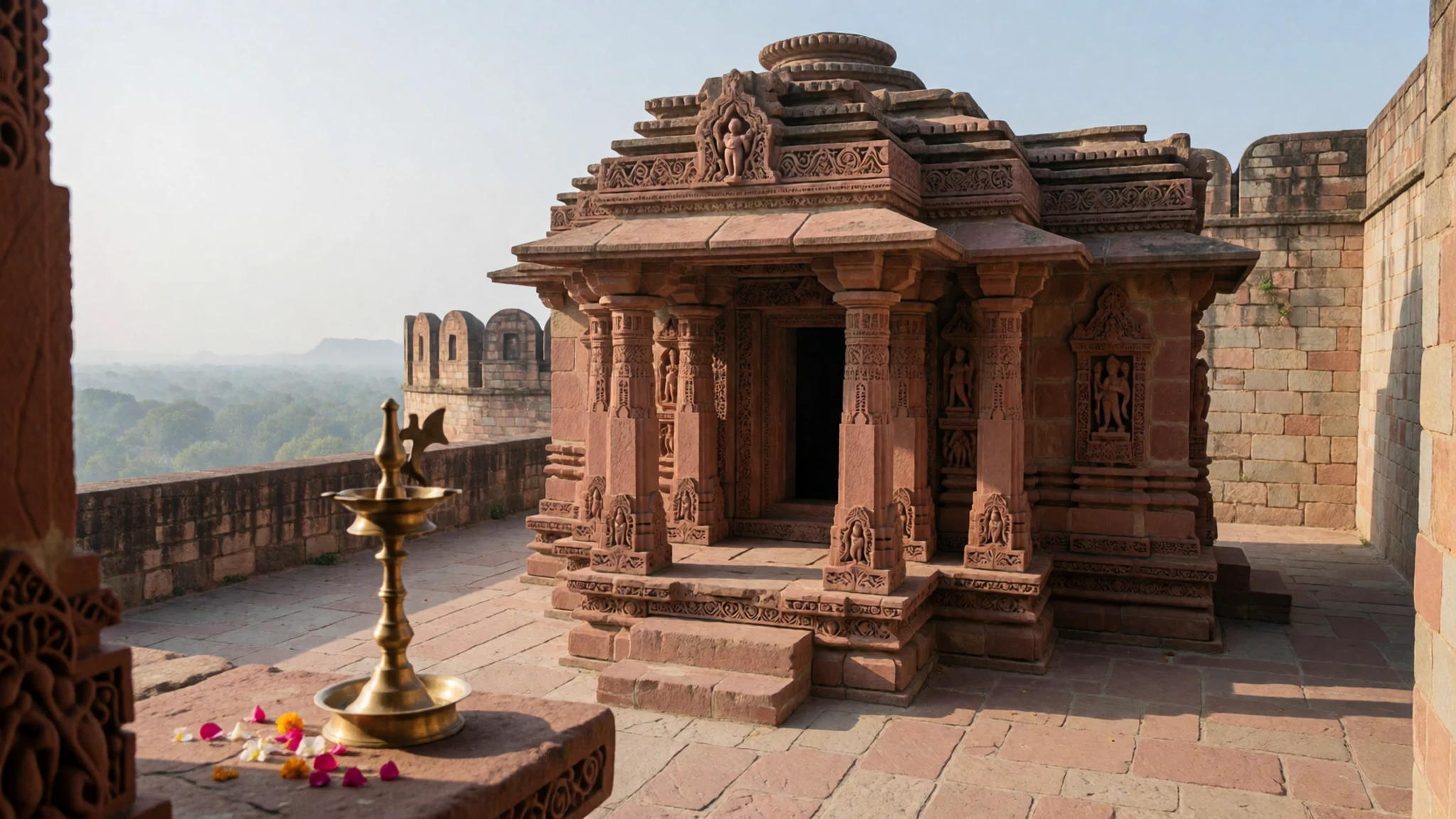
- Padam Talao — Inside the park
This is the largest of the park's many lakes, and the one most often visited by animals at the end of the day. The old rest house on its edge gives a view over the water, where deer, birds and sometimes crocodiles come to drink. Ask your guide about which zones and roads reach the lake, since access depends on the safari route you have booked.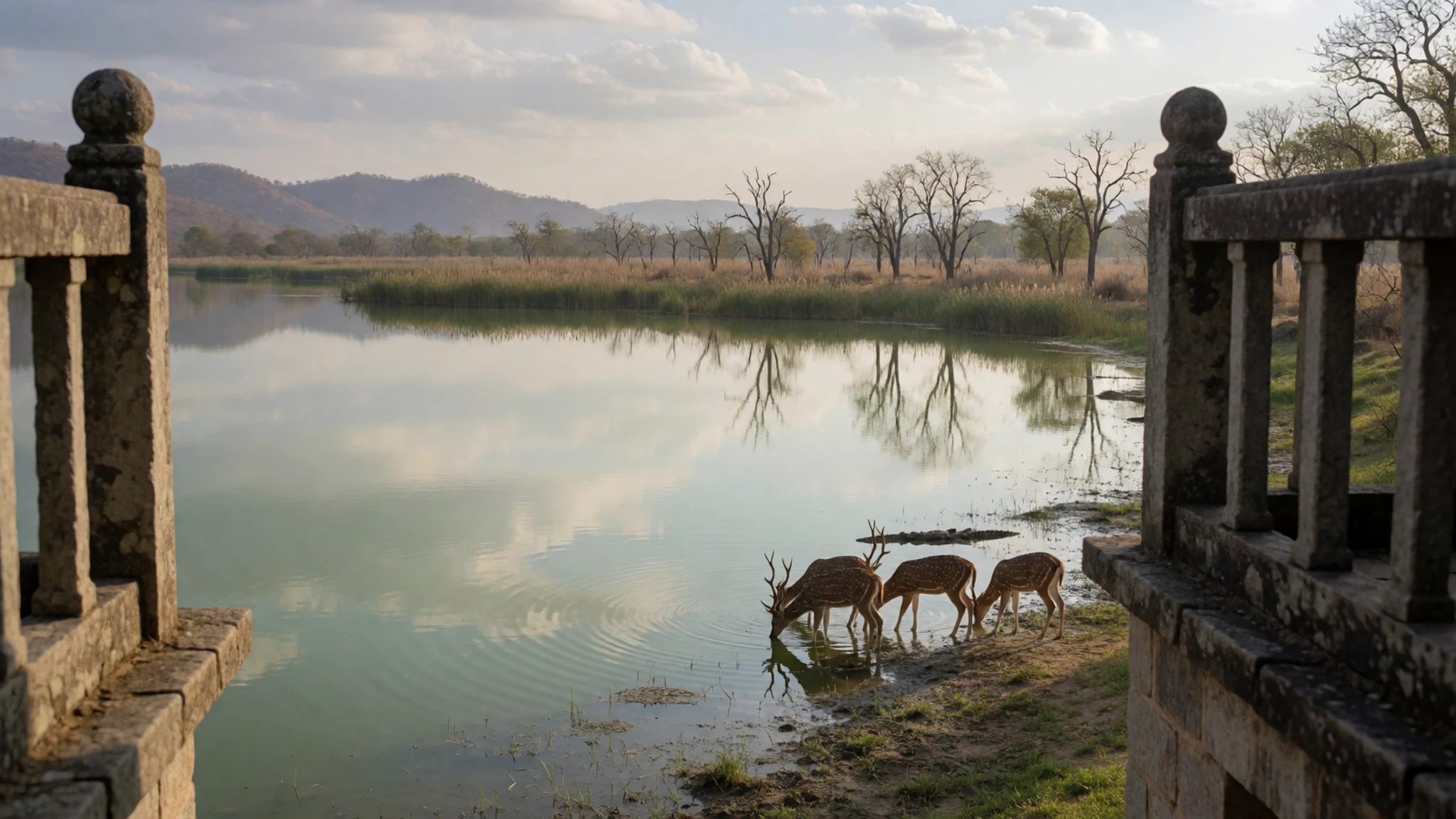
- Jogi Mahal — Near the park entrance
Jogi Mahal is an old fort-palace close to the park and a common stop on the way in or out. It is a useful place for a short walk and a break from the vehicle. It is a quiet spot, and its facilities are generally better than those found deeper in the forest, though you should check current conditions before you go.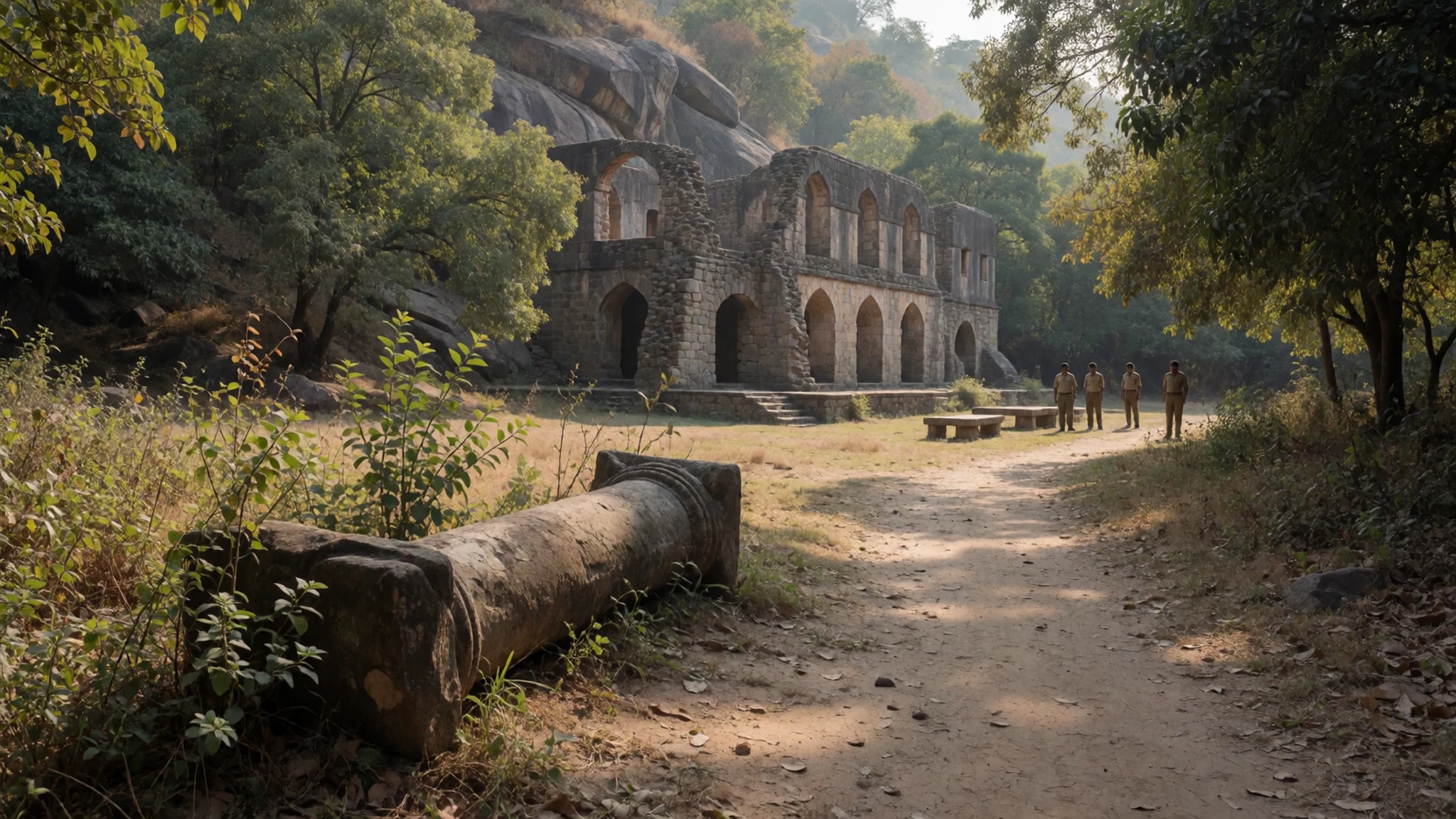
- Kachida Valley — Outskirts of the park, north-west of the core
This valley lies on the outskirts of the park and is made of outcrops and low hills, with a mix of open ground and scrub. Panthers are said to live here, keeping clear of the core tiger ranges, and bears are also seen. Most people visit by jeep, because the tracks are rough and the best sightings come from slow, patient driving.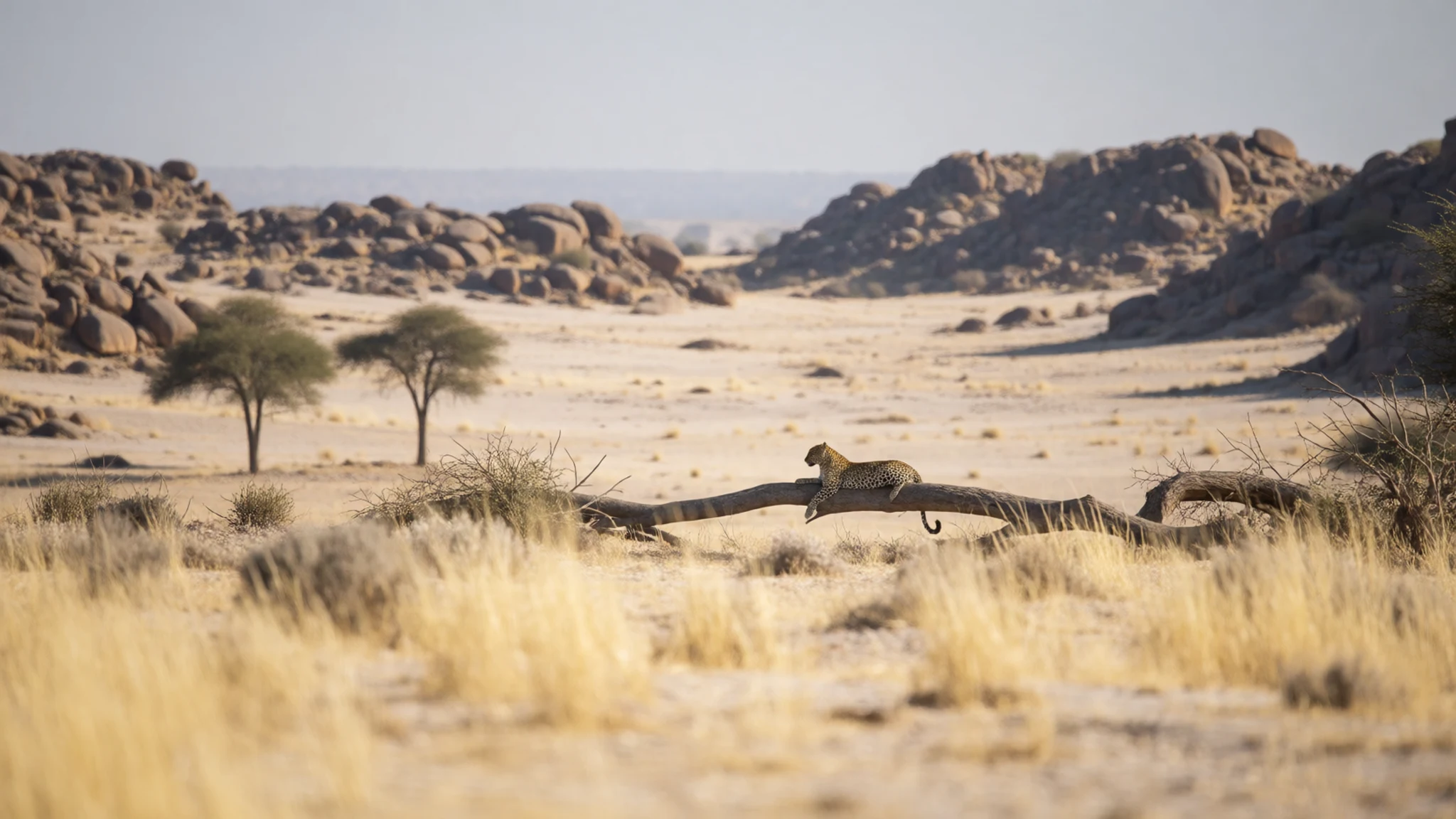
- Lakarda Anantpura — North and north-west of the park
This area in the north and north-west of the park is known for sloth bears, which favour the anthills here. It is a good area for a chance sighting, though it is not guaranteed. Hyenas and their pugmarks are also common, so keep your eyes on the ground as well as the trees when your guide stops the vehicle.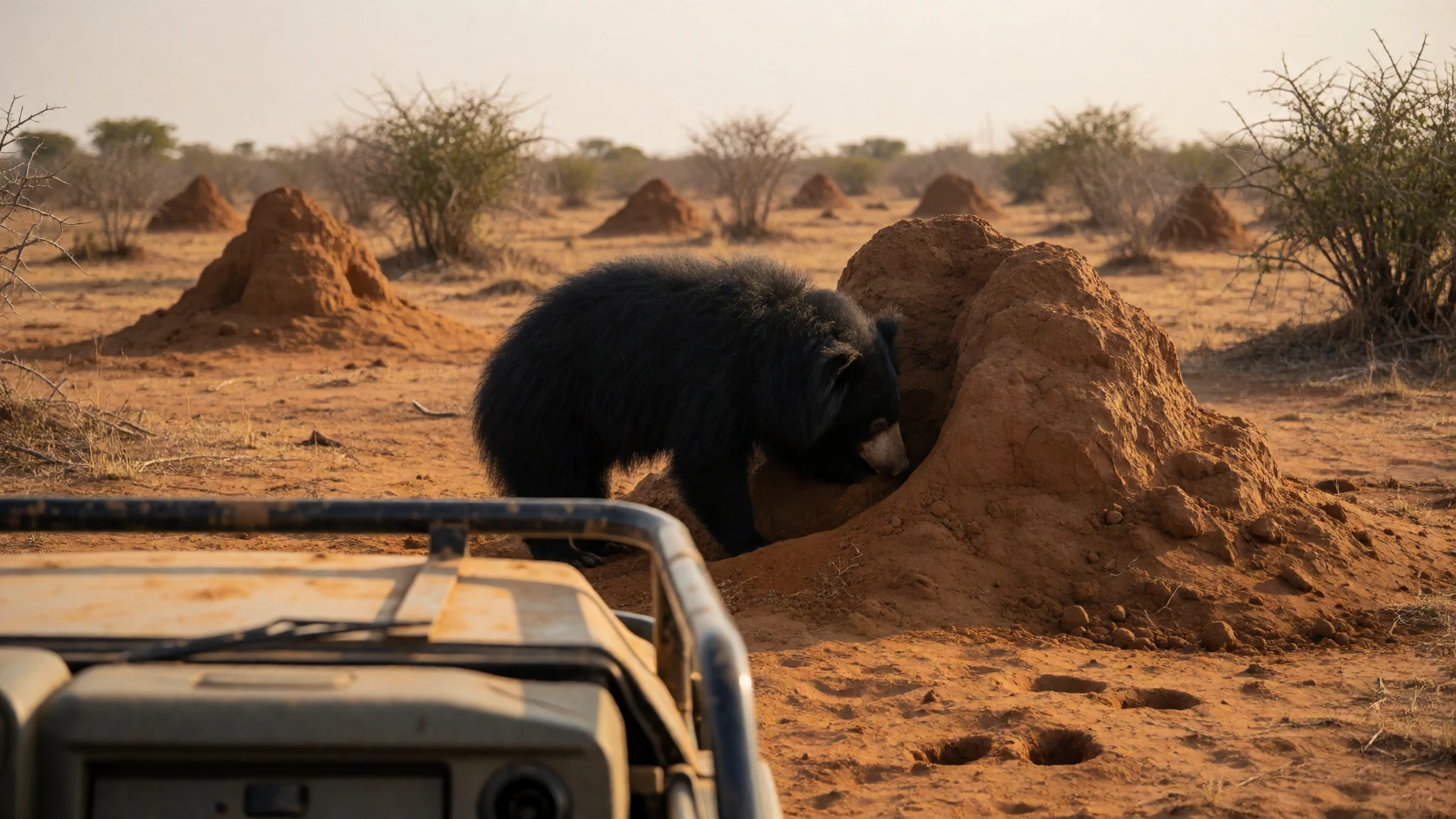
Culture
Ranthambore's culture is shaped by the forest, the fort and the small towns around the park. Many visitors drive past villages where people still farm, herd and gather wood, so the park's rules are part of a wider relationship between wildlife and people. Inside the park, the safari is a controlled activity: vehicles travel in set routes and must be accompanied by an approved guide, and staff keep track of who goes where. The fort's temples are active places of worship, and the Jain temple inside the fort is a working shrine. At religious sites, dress modestly, take off your shoes where the custom applies, and ask before taking photographs of people at prayer. In the park, keep your voice low, stay seated in the vehicle, and never call out or chase an animal to get a better view. Do not feed or tease wildlife, and leave no rubbish on the tracks.
What to wear
Ranthambore National Park sits within Rajasthan, where traditional dress is bold, colourful and closely tied to community and festival. Women have long worn the ghagra, a full skirt, with a fitted blouse and a long odhni scarf, often in block colours or patterned bandhani tie-dye, a technique of pinching and binding cloth before dyeing. Men wear dhoti or churidar styles, and the safa turban remains common at weddings and fairs, with its folded pleats marking region and occasion. Cotton and silk are the main fibres, and block printing and mirror work appear on many pieces. In everyday life across the district, people dress mostly in shalwar kameez, jeans, shirts and sensible shoes, and the saree is worn by many women for work and celebrations. For a visit, dress for the weather and the setting: loose, light layers that cover the shoulders and knees for temples and the fort, and warm layers for the early safari, when the open vehicle can feel very cold before sunrise. Muted khaki or olive clothing suits the forest and blends in with the wildlife. Wear closed shoes with a good grip for uneven fort steps and dusty tracks, and bring a hat and sunscreen for the middle of the day.
What to eat
- Dal baati churma — A thali restaurant or dhaba in Sawai Madhopur town
This is the classic Rajasthani meal: baked wheat dumplings, dipped in ghee, served with a lentil dal and a sweet crumbled mix of wheat, ghee and jaggery. It is a heavy, comforting dish made for hot days and cool evenings alike. Order it at a local thali restaurant in town, where it is usually served in a full plate.
- Laal maas — Family-run restaurants in the town centre
A fiery mutton curry cooked with red chilli, yoghurt and whole spices, traditionally made by Rajput cooks. It is one of the region's signature non-vegetarian dishes and is often eaten with rotis or rice. Look for it at family-run restaurants in town, and ask whether it is made with mutton or goat.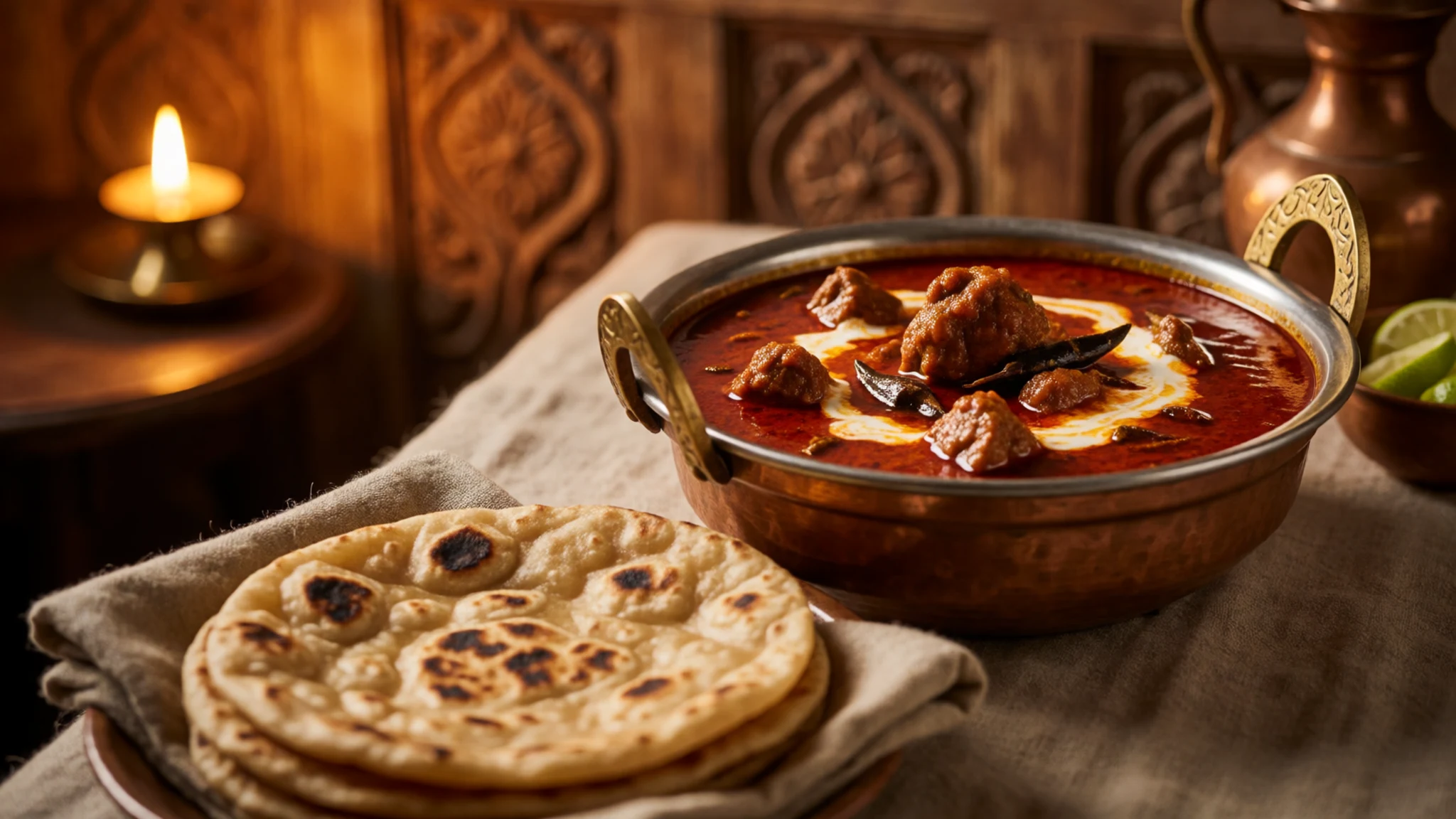
- Gatte ki sabzi — Vegetarian eateries around the bazaar
Gram flour dumplings simmered in a tangy, spiced yoghurt gravy. It is a staple across Rajasthan and a good choice if you prefer vegetarian food. It is usually sold in home-style eateries and at local feasts, so ask at a busy lunchtime spot. - Kachori — Morning snack stalls near the bus stand
Crisp, fried pastry parcels filled with spiced lentils or onion and served with a tangy sauce. They are a common breakfast and snack, best eaten hot from the pan. The morning stalls near the bus stand are the easiest place to find them. - Ghevar — Sweet shops on the main market street
A disc-shaped sweet made from fried batter soaked in sugar syrup and topped with cream or nuts. It is linked to festivals, and shops tend to sell it fresh during the festival season. Sweet shops near the main market are the best place to buy a small piece. - Masala chai — Roadside tea stalls on the approach to the park
Strong milky tea brewed with ginger and spices, served in small glasses or clay cups from roadside stalls. It is the simplest way to warm up before a dawn safari. Stop at a stall on the way to the park gate and drink it standing up, as locals do.
Plan it
Best time. November to February is the best window, when the days are dry and mild and the forest thins out, making animals easier to spot at waterholes. December and January mornings are very cold, so pack warm layers. The monsoon from about June brings rain that closes many routes and turns tracks to mud, and the hot months before it are harsh.
How long. 2–3
Getting there. No plane, bus or train runs straight to the park itself. Sawai Madhopur has a railway junction and bus stops, with links to most major cities in Rajasthan. For the nearest large airport, fly to Jaipur and take a road transfer to Sawai Madhopur, which is the last leg to the park gate.
Budget. mid
Tips
- Book safari tickets and an approved vehicle well ahead, especially for the central zones where tigers are most often seen
- Choose an early morning safari if you can, and go in winter with thermal layers
- The ticket window opens early but queues can be long, so arrive well before opening if you are booking on the day
- Carry cash and water, as you may not find shops on the route
- Stay in Sawai Madhopur town, which has the most accommodation and eating choices
Etiquette
- Stay in the vehicle and follow your guide's instructions at all times
- Keep voices low and avoid flash photography around animals
- Remove shoes and dress modestly at the fort temples and the Jain shrine
Nearby
Sources
- Wikidata Q1466242 (CC0)
- Wikipedia: Ranthambore National Park (CC BY-SA 4.0)
- Wikivoyage: Ranthambhore National Park (CC BY-SA 4.0)
- Ranthambore Fort Jain Temple, Anishshah19 (Public domain)
- Ranthambore National Park, THerrington (CC BY 3.0)
- Jungle Landscape, HRUDANAND CHAUHAN (CC BY-SA 4.0)
- Get Together, Alekh15 (CC BY-SA 4.0)
- Spotted deer in Ranthambhore Tiger Reserve, Drvbanerjee (CC BY-SA 4.0)
- Tiger from Ranthanbore, Dibyendu Ash (CC BY 3.0)
- Bengal tiger footprint over tyre marks, Giles Laurent (CC BY-SA 4.0)
- A lake and dead woods at Ranthambore, GURDEEP SINGH (CC BY-SA 4.0)


