Quito
Quito, Ecuador
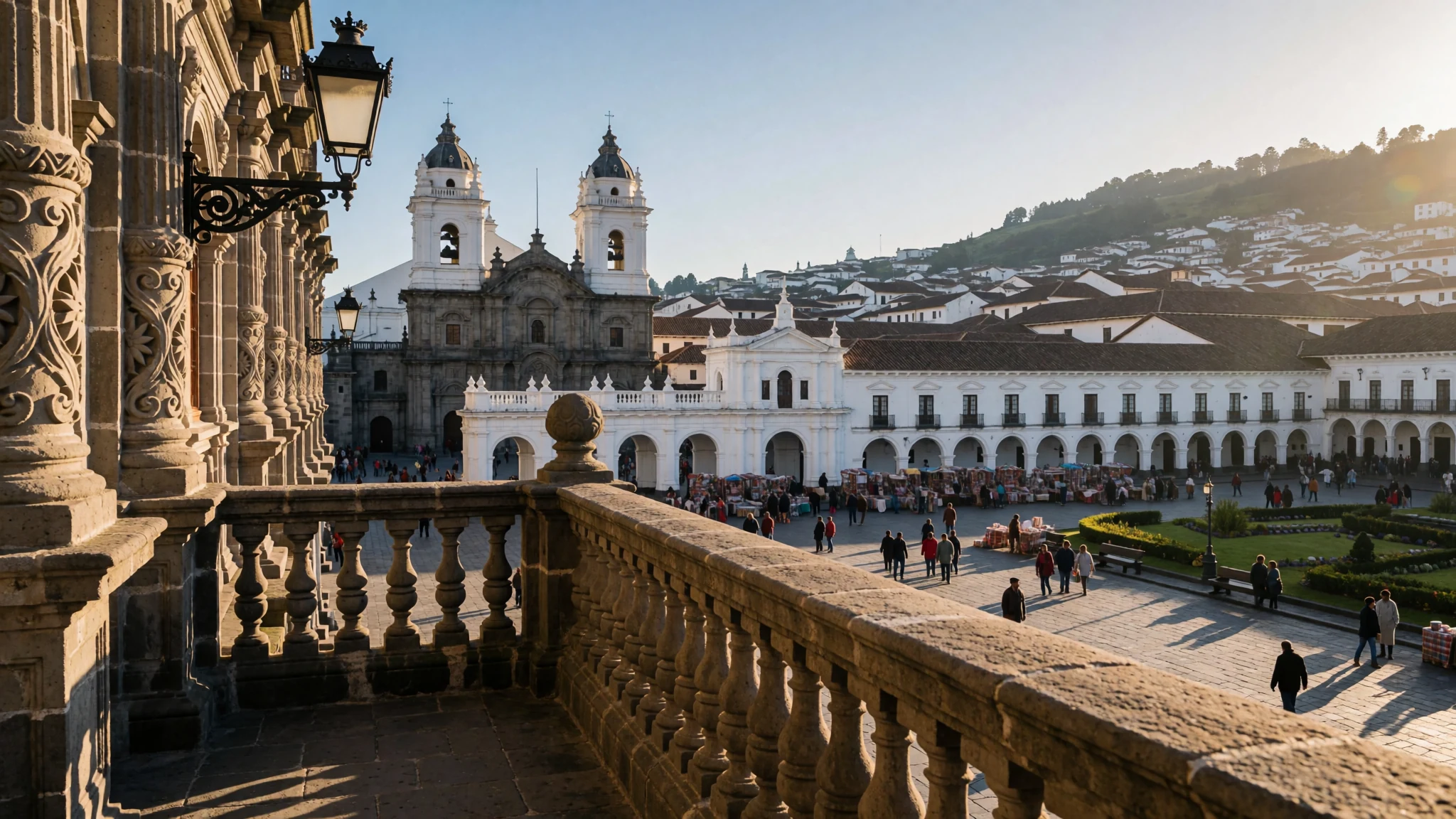
Come for a high-Andes capital with a remarkably intact colonial centre, world-class museums and volcano views, then plan slow mornings for the altitude.
The place
Quito lies in a long valley on the eastern side of Pichincha, a volcano that still shapes the skyline and the weather. At about 2,850 metres, it is one of the highest capitals anywhere, so the first day tends to feel slower than expected. Walk gently, drink water and save the steep climbs for later. Officially San Francisco de Quito, the city is the seat of Ecuador's government and home to most of its major administrative and cultural institutions. Many multinational companies working in the country are based here too, and Quito shares the role of industrial heartland with the port city of Guayaquil. The city proper has roughly 1.8 million residents, and the sprawl around it is much larger, so this is a city of neighbourhoods rather than a compact old town. Most visitors spend their time in the colonial historic centre, the Mariscal district with its restaurants and bars, and the green hills of Itchimbia and El Panecillo, which give wide views over the valley. Nights are cool, midday sun is strong, and the weather can change within an hour, so pack layers and a light waterproof.
Its story
People have lived in the Quito basin for thousands of years. Archaeologists working on the slopes of the Ilaló volcano, east of the city, found obsidian tools left by hunter-gatherers, and a larger prehistoric village in the Cotocollao neighbourhood to the northwest. That village had rectangular houses set among irrigation channels fed by many creeks, and its burials included pottery and stone offerings. Later, the valley was home to Quitu-Cara communities who lived by farming and trade, and the name Kitu, used in Quechua, survives in the city's name. When Spanish conquerors arrived in the Andes, they founded the city in 1534 on a grid of streets around a central square. Churches, convents and mansions rose on that grid, and much of the old centre still follows the original layout. Over the centuries Quito was a regional centre of art and craft, and its painters and sculptors produced the distinctive Quito School style, visible in churches across the centre. Earthquakes, fires and the independence struggles all left marks, yet the colonial core has survived well enough to be recognised for its heritage. Today the historic centre sits beside modern Quito, where government buildings and new neighbourhoods have grown up across the valley.
What to see
- Museo Nacional (MuNa) — Central-north city, near the Parque El Ejido
A leading national museum, MuNa gathers pre-Columbian, colonial and gold works across several rooms, so it works well as a first stop. Set aside a couple of hours and go in the morning, when the galleries are quieter. Ask at the desk which rooms are open that day, since displays change from time to time.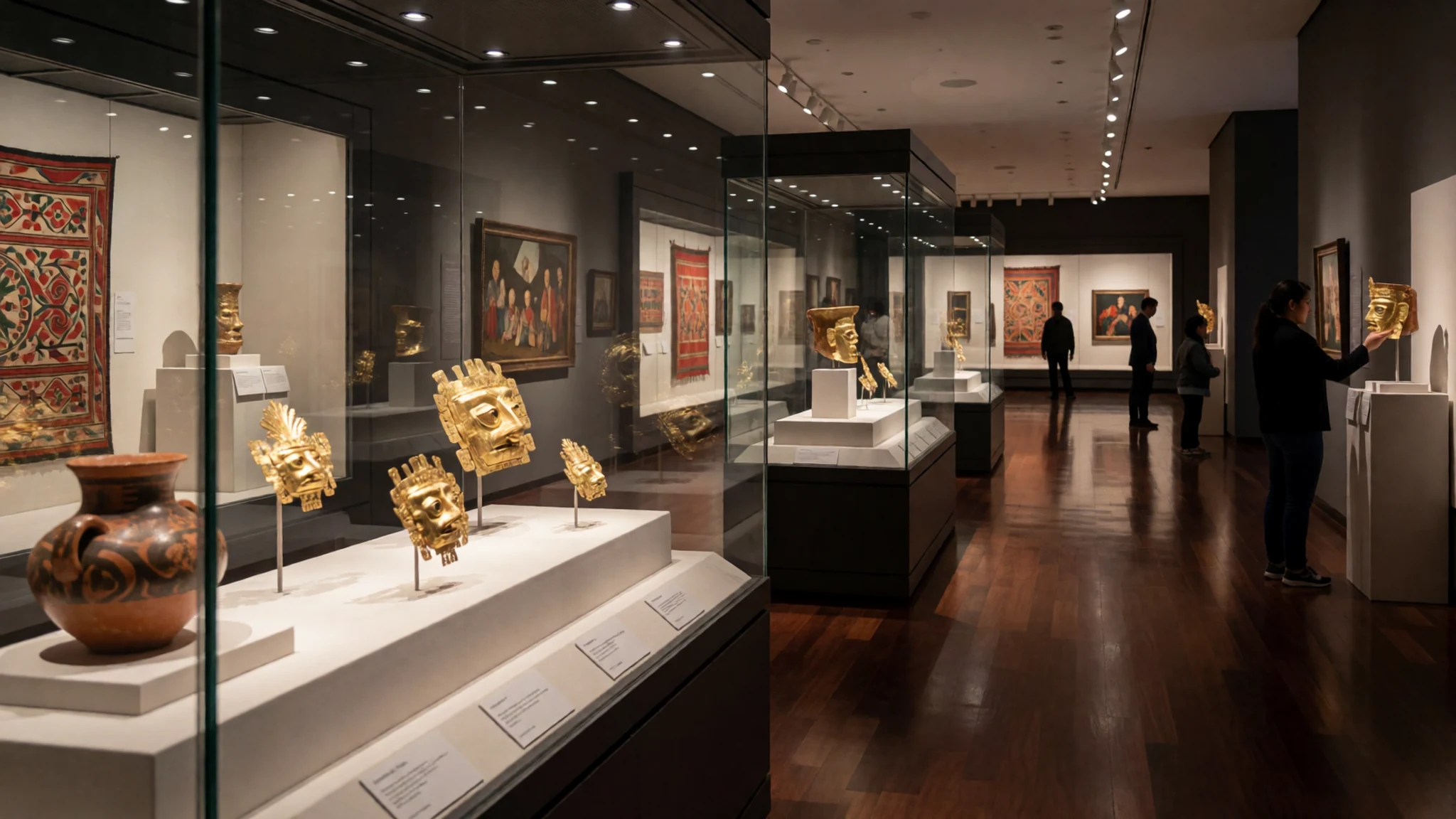
- Museo de la Ciudad — Historic centre
Two floors of galleries wrap around two quiet courtyards, making this one of the more relaxed museums in the city. Its focus is social history rather than objects alone, so you learn how ordinary Quiteños lived across different periods. It is a good place to get your bearings before walking the historic centre.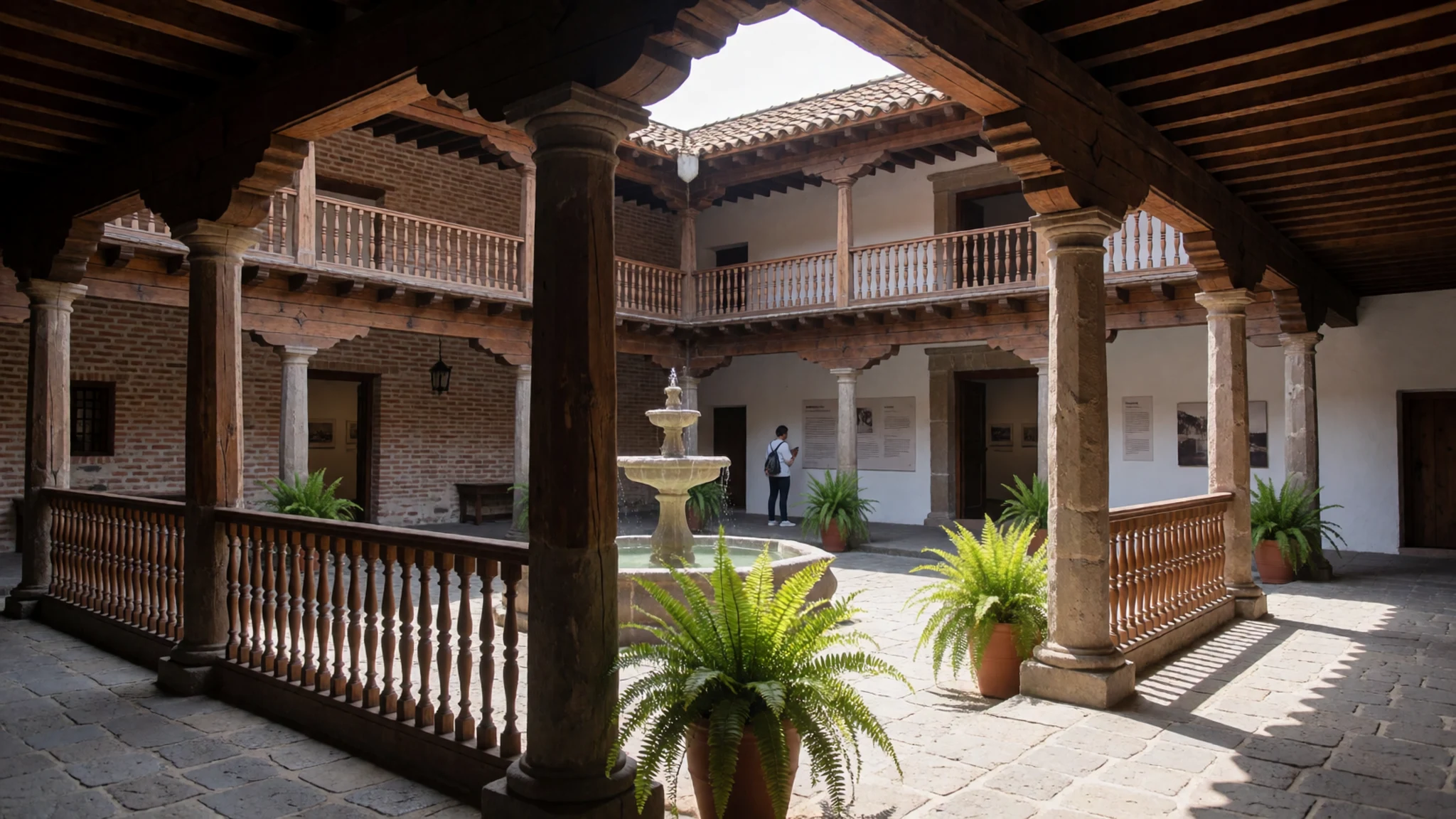
- Museo Etnohistórico de Artesanías del Ecuador (Mindalae) — Northern part of the Mariscal district
This museum presents Ecuador's cultural diversity through crafts, textiles and everyday objects from across the country's regions. Its ethno-historical approach ties the objects to the people who made them, which makes the displays feel less like a shop window. It is a useful introduction before buying handicrafts elsewhere in the country.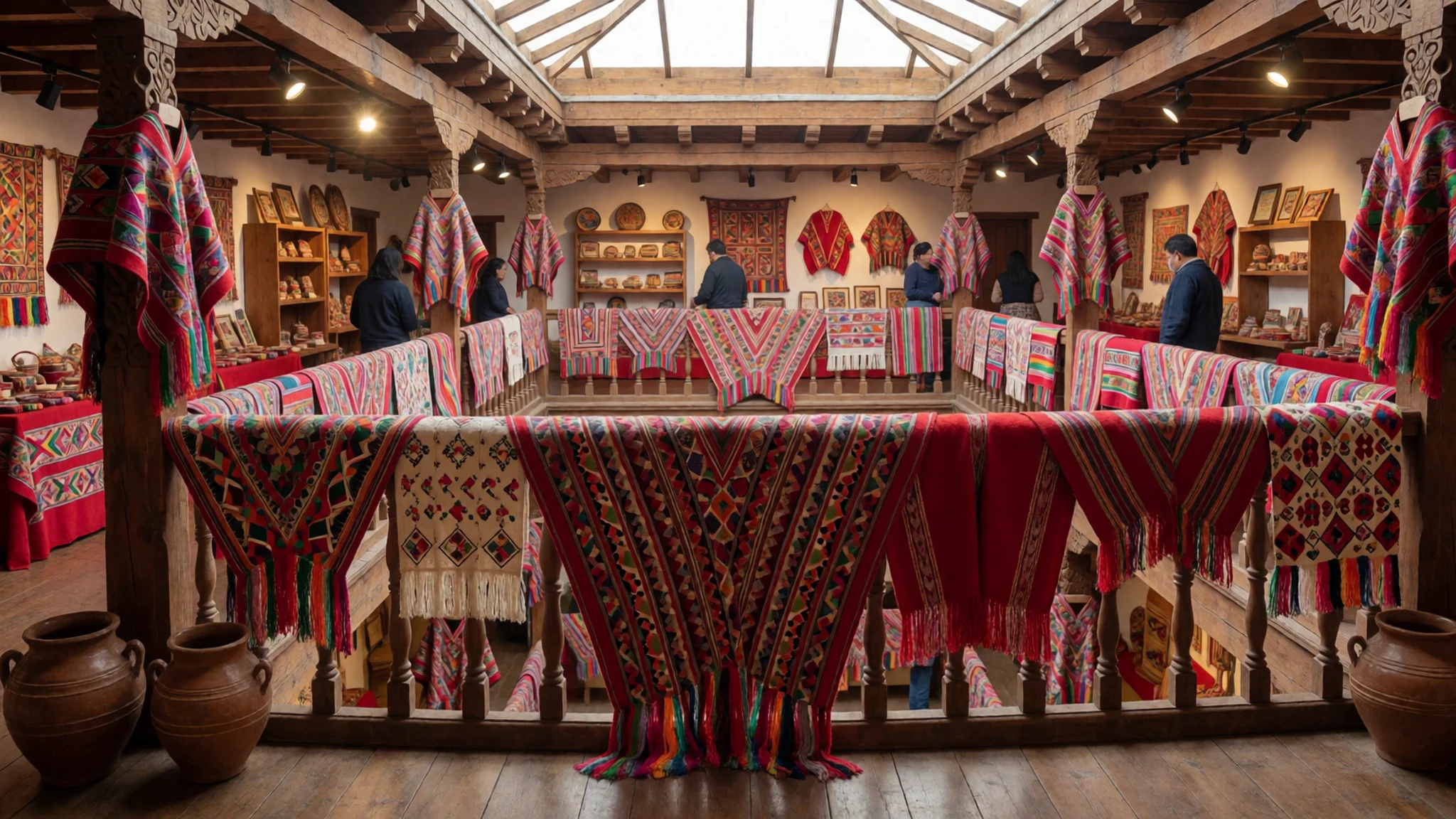
- Itchimbia cultural complex and park — Hillside above the central-north city
This hill is the easiest place to see the whole valley, with the city spread below and the distant snow peak of Cayambe to the northeast on clear days. The park and cultural centre sit on the hillside, so you can walk up gently and combine the views with a visit to exhibitions. Go in the morning for the clearest skies.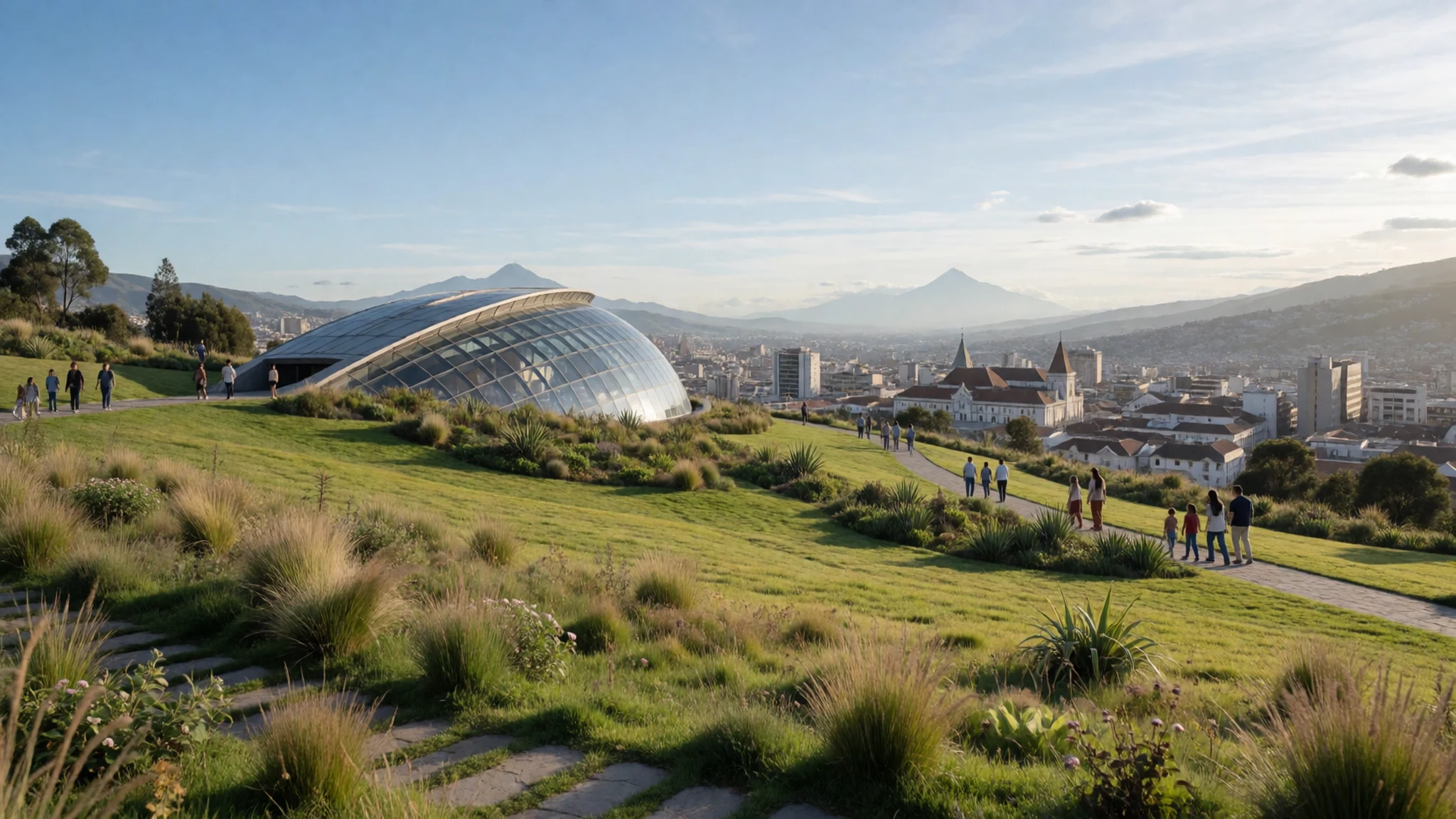
- Museo Guayasamín and Capilla del Hombre — North-eastern hills of the city
The museum holds work by Oswaldo Guayasamín, one of Ecuador's best-known contemporary painters, whose powerful canvases deal with inequality and suffering. The chapel-like building is worth seeing as much as the paintings. Allow extra time, as the site sits up a hill and the taxi ride from the centre takes a while.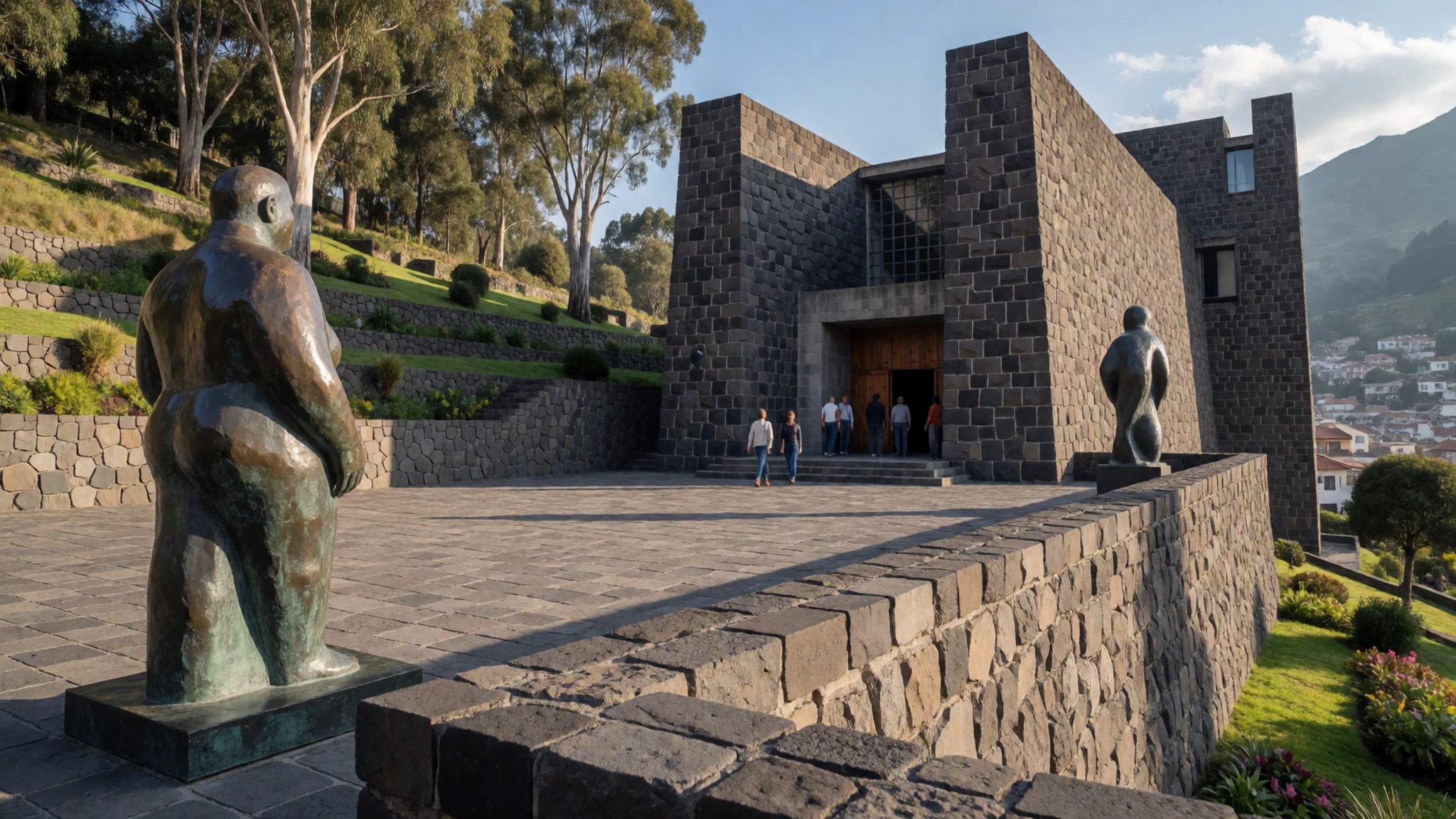
Culture
Quito's culture is rooted in its colonial churches, its Indigenous markets and its strong sense of local pride, and visitors feel it most in the historic centre. Many churches are active places of worship, so behaviour inside is expected to be quiet and respectful. Spanish is the main language, and a simple buenos días before asking for anything is welcomed. Greetings between friends and acquaintances often include a single kiss on the cheek, though strangers usually just shake hands. Quechua is still spoken in some rural areas and in parts of the market economy, and you will hear it occasionally in the city. Mealtimes are unhurried, and it is normal to linger over lunch, which is often the main meal of the day. Tipping is less formal than in some countries, with a small amount for good service being appreciated. Outside the centre, take the usual urban precautions and use registered taxis or app-based rides after dark. When entering a church, keep your voice low and ask before photographing people at a market or a festival.
What to wear
Traditional dress in and around Quito centres on textiles. Indigenous women from the highland communities often wear pleated skirts called polleras, embroidered blouses and shawls, sometimes with wool or silk embroidery and gold-coloured beads. Men traditionally wear wool ponchos and felt hats, and the Panama-style straw hat known as the sombrero de paja toquilla is strongly associated with Ecuador. Weaving on the looms of nearby towns produces wool and alpaca ponchos, scarves and blankets that appear in Quito's markets. Day to day, people in the city dress much like city dwellers anywhere, in jeans, jackets, trainers and smart office wear, with the occasional traditional piece for festivals or market days. For visitors, the sensible approach is layers: a warm jumper or fleece for cool evenings, a light waterproof for sudden rain and a hat and sunscreen for strong midday sun at altitude. Comfortable shoes with good grip suit the steep, uneven pavements. Churches expect shoulders and knees to be covered, so carry a scarf for those visits.
What to eat
- Ceviche — A ceviche counter or cevichería in the centre-north
Ecuador's coastal-style ceviche is seafood marinated in citrus and served cold, often with popcorn or plantain chips. Ceviche counters in Quito specialise in it, so you can sample a bowl without committing to a full meal. Go early in the day for the freshest options.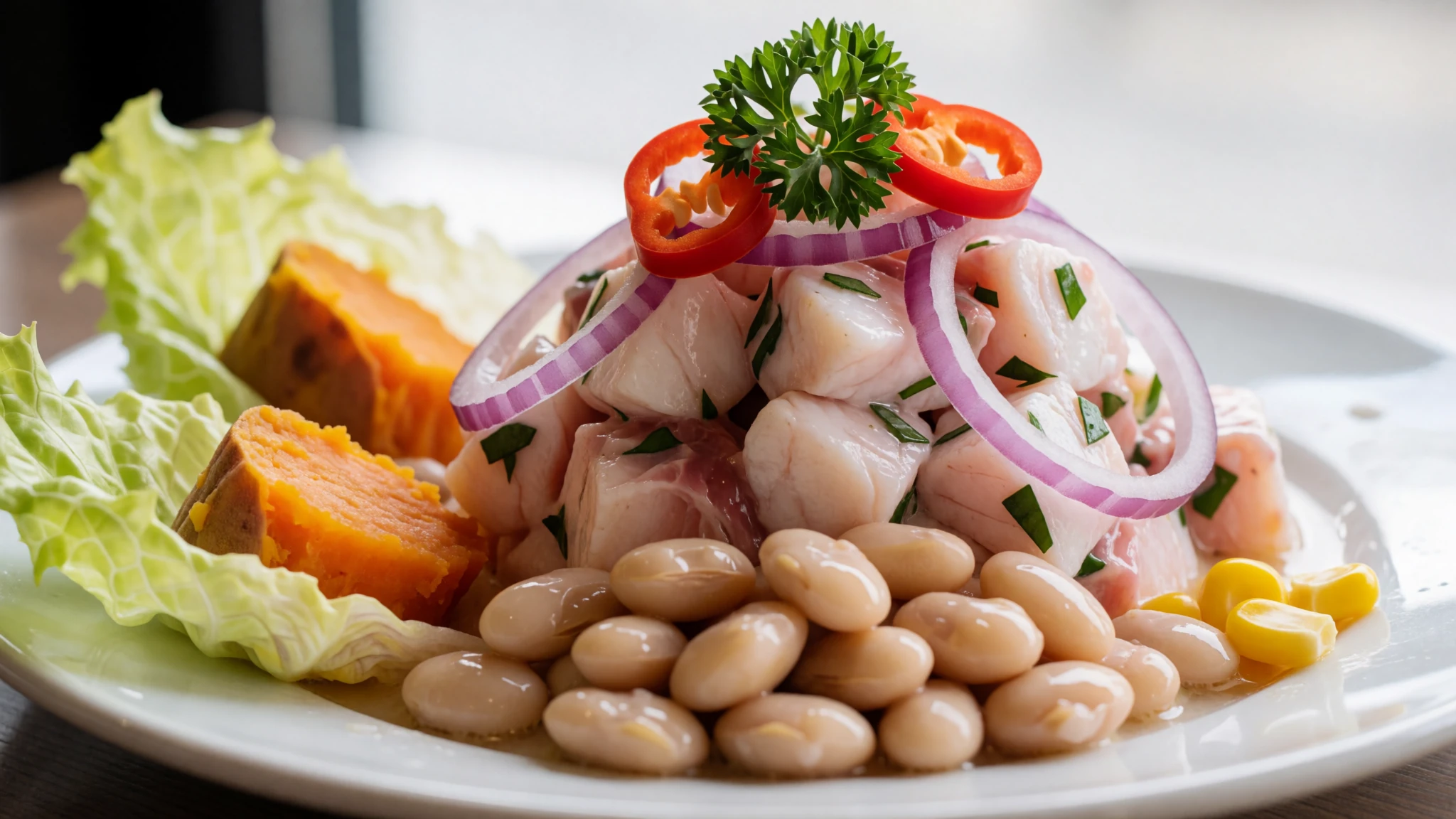
- Locro de papa — A neighbourhood comedor or the morning market
A warm potato soup thickened with cheese and garnished with avocado, this is a highland staple that suits Quito's cool evenings. It is usually served with a side of rice or bread. Ask for it at a family-run comedor for an honest version.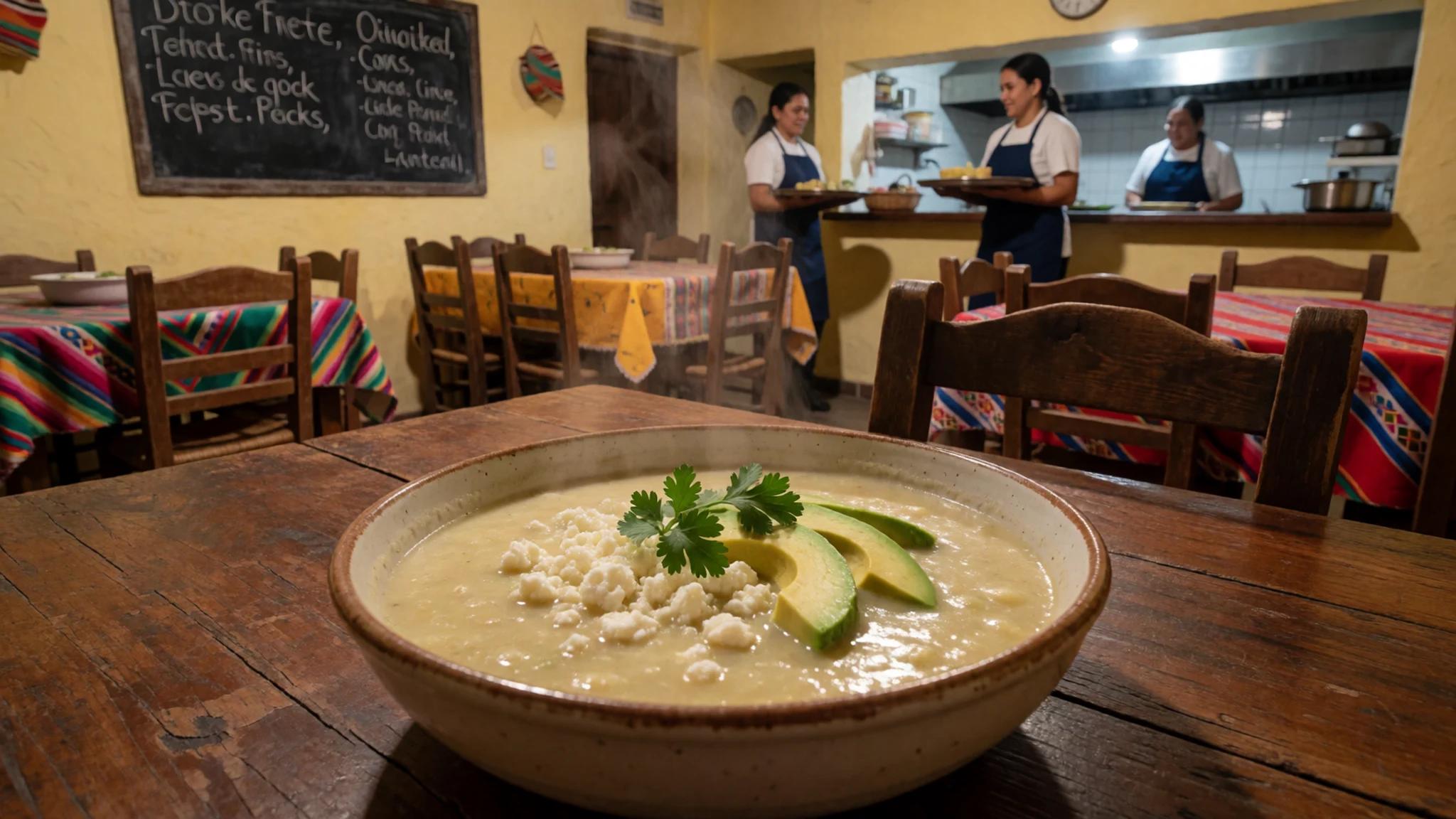
- Hornado — Family-style eateries on the edge of the historic centre
Slow-roasted pork, crisp on the outside and tender within, is traditionally served with mote (hominy), potatoes and a spicy onion salsa. Sunday lunch is the classic time to eat it. Plates are generous, so bring an appetite. - Empanadas de viento — Street stalls and bakeries near the main squares
These light, puffed pastries are filled with cheese and are a common snack in the city. They are fried to order and best eaten hot, with a little hot sauce on the side. They make a cheap, quick breakfast or afternoon bite. - Breakfast and coffee at a café — Cafés in the Mariscal district and the New Town
Quito's cafés serve strong coffee with eggs, toast and fresh juices, and many have free Wi-Fi for planning the day. Mariscal has a good cluster of these places. The cafés also make a relaxed base for a rest after the altitude climb.
Plan it
Best time. July and August are the driest months and give the clearest views of the volcanoes, though nights are cold. The rain is heaviest from January to May, and it also falls in October to December, so expect afternoon showers then.
How long. 3–4
Getting there. Mariscal Sucre International Airport, which has one terminal with domestic and international sections; from there take a registered taxi or app-based ride to the centre, allowing extra time at busy hours.
Budget. low
Tips
- Spend the first day gently, since the altitude affects many visitors
- Book the Itchimbia and Guayasamín visits for mornings when the sky is clearest
- Carry some cash for markets, small eateries and taxis, and use cards at larger shops
- Drink bottled or filtered water and carry a refillable bottle
- Check the official site for museum opening days and times before you go
Etiquette
- Cover shoulders and knees when entering churches
- Ask before photographing people at markets and festivals
- Keep your voice low inside churches during services
Nearby
Sources
- Wikidata Q2900 (CC0)
- Wikipedia: Quito (CC BY-SA 4.0)
- Wikivoyage: Quito (CC BY-SA 4.0)
- Photo: Fachada Asamblea Nacional, Quito (Alexander Moya / Asamblea Nacional) (CC BY-SA 2.0)
- Photo: Calle Venezuela and Basílica del Voto Nacional (Cayambe) (CC BY 3.0)
- Photo: View of the Historic Center from the roof deck (David Adam Kess) (CC BY-SA 4.0)
- Photo: Plaza Grande, Quito (Ángel M. Felicísimo) (CC BY-SA 4.0)
- Photo: Milagro de la Virgen de Guápulo (Miguel de Santiago) (Public domain)
- Photo: Plano de la ciudad de Quito, c. 1805 (H3kt0r) (CC BY 3.0)
- Photo: Entrada en la ciudad de Quito (Francisco Javier Cortés, attributed) (CC BY 4.0)
- Photo: Quito (c. 1860), attributed to Rafael Salas (Ranoutofusername) (CC BY-SA 4.0)


