Quebec City
Quebec City, Canada
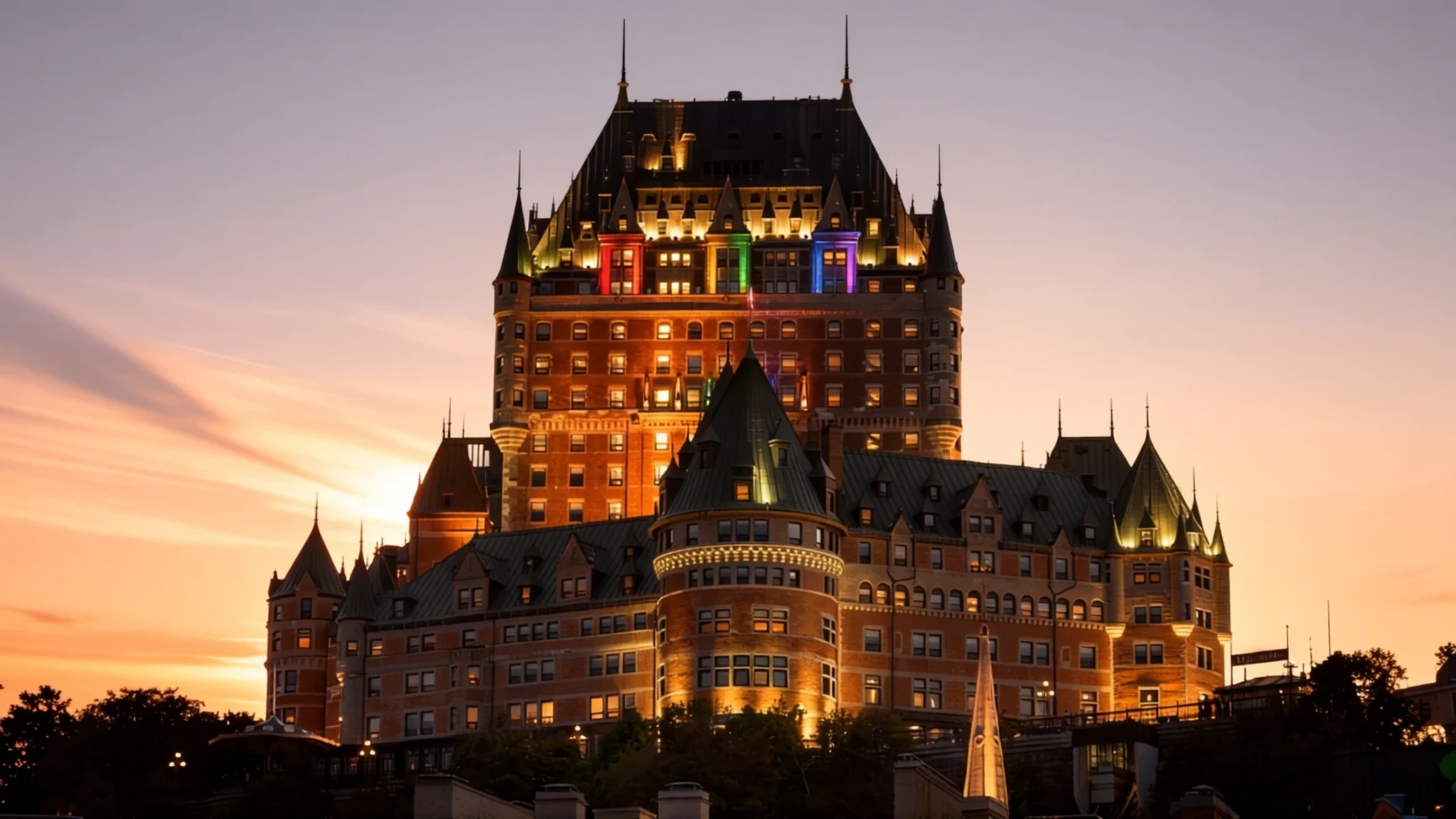
Wander one of only two fully preserved fortified cities in North America, where centuries of French colonial heritage line dramatic river cliffs.
The place
Quebec City sits majestically on the northern bank of the wide Saint Lawrence River, perched high upon the rocky promontory of Cap-Diamant where the waterway narrows significantly. Established in the opening years of the seventeenth century, this provincial capital is divided naturally into an upper town and a lower town by steep cliffs and defensive stone ramparts. These ancient walls represent the sole remaining fortified city boundary found anywhere in the Americas north of Mexico. Down by the water and up along the winding cobblestone lanes, stone houses with steep metal roofs recall European epochs long past. The surrounding regional landscape features flat, fertile lowlands that stretch away from the river valley towards rolling hills. Visitors experience a humid continental climate marked by warm summers that bring outdoor cafes to life, followed by snowy winters that transform the old quarter into a silent, frosted landscape. The urban fabric blends grand institutional architecture with intimate residential squares, creating an atmosphere that feels entirely distinct from any other metropolis on the continent. Parks and public promenades overlook the busy maritime traffic passing below on the river, linking the vibrant modern municipality with its deep historical roots.
Its story
The story of Quebec City begins long before European arrival, rooted in indigenous settlement before French explorers marked the shores. An early attempt at colonization saw a settlement established near the mouth of a nearby tributary, though harsh winter conditions and local resistance forced its abandonment within a single year. Decades later, a prominent French explorer arrived to found a permanent trading post at the location of an abandoned native village. This permanent foothold became the primary administrative heart of New France, serving as the launching point for exploration across the northern interior of the continent. The colony grew slowly under colonial administration, fortified by stone walls designed to protect against rival European powers. Through successive conflicts, control shifted, yet the architectural and cultural character established during the French regime remained deeply embedded in the daily life of the community. The strategic geographical position upon the high plateau proved crucial for both military defense and maritime commerce, allowing the settlement to control navigation up the river corridor. Over subsequent generations, the town expanded beyond its original stone boundaries, absorbing surrounding municipalities while preserving the historic core that now draws travellers from around the world to witness its remarkably preserved heritage.
What to see
- The Citadel — Old City
Perched at the edge of the historic fortifications along the upper levels, this sprawling star-shaped stronghold remains an active military installation operated by a historic infantry unit of the national armed forces, offering sweeping views across the river valley.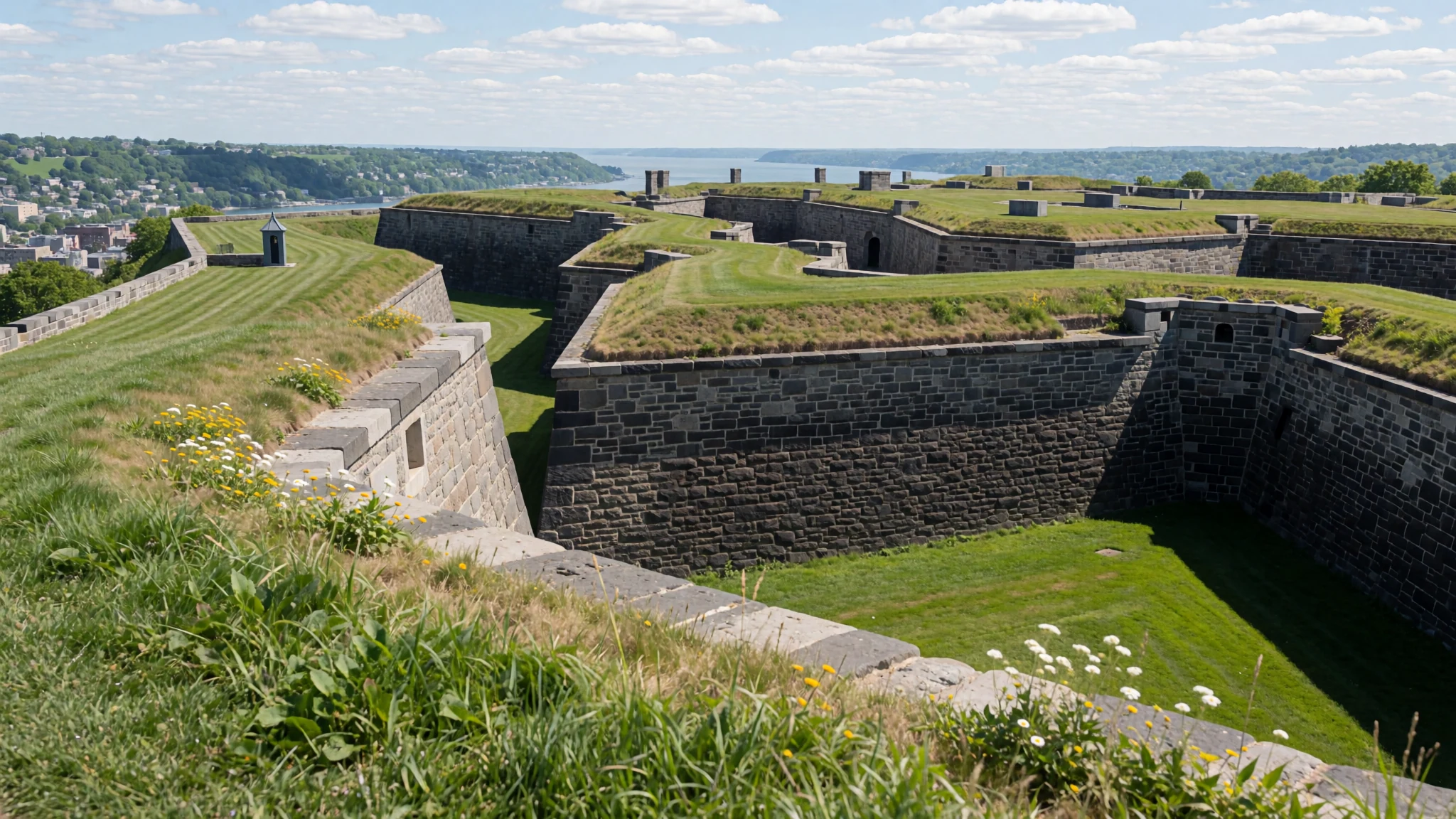
- Porte Saint-Louis — Upper Town
Standing proudly at the western end of a prominent historic thoroughfare within the stone ramparts, this stone gateway provides a dramatic portal for travellers entering the upper town from the bustling modern commercial districts outside.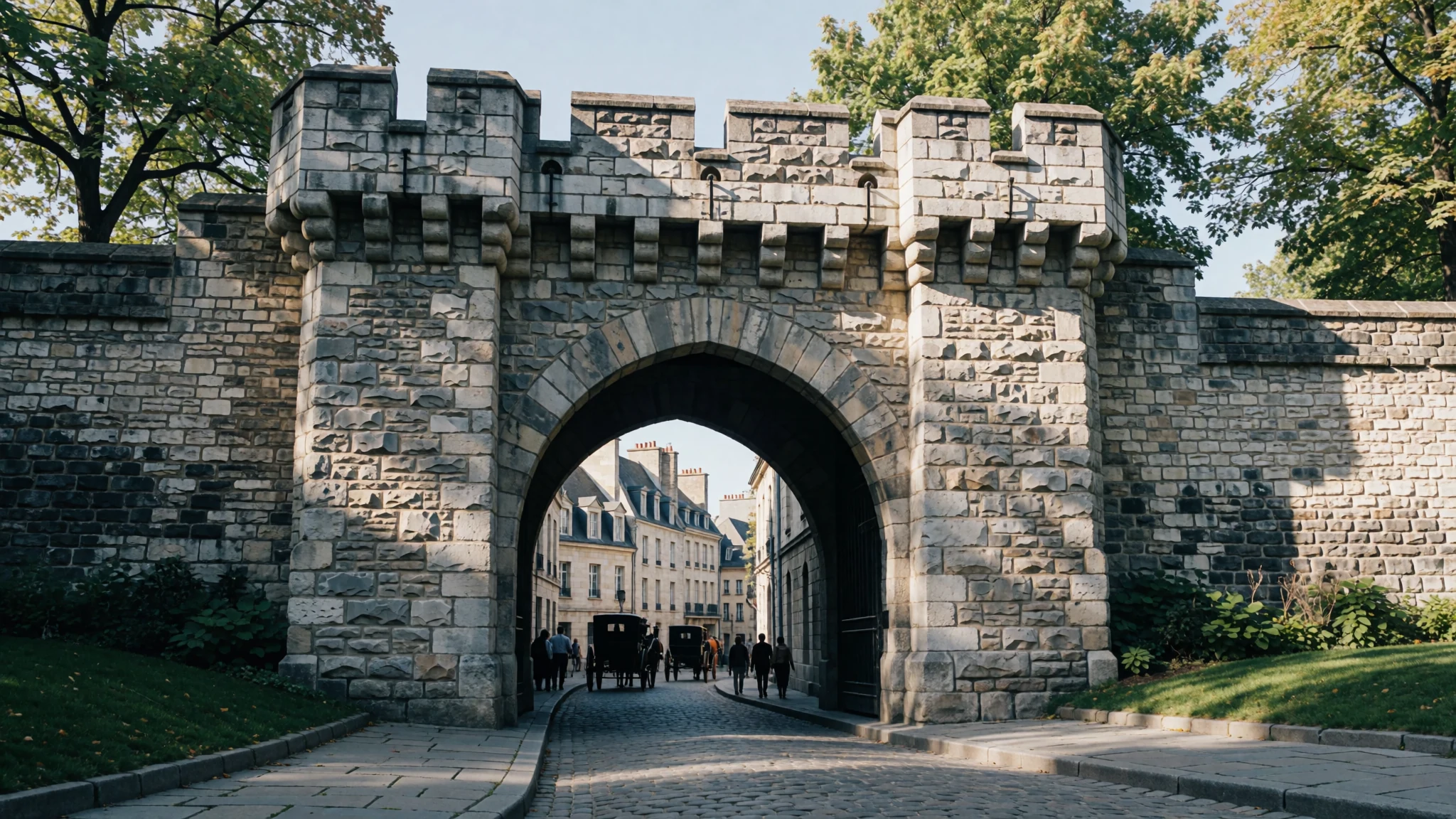
- Porte Saint-Jean — Upper Town
Positioned further along the northern stretch of the defensive stone wall, this reconstructed gateway bridges the historic interior with lively outer neighbourhoods filled with theatres, cafes, and pedestrians enjoying the urban atmosphere.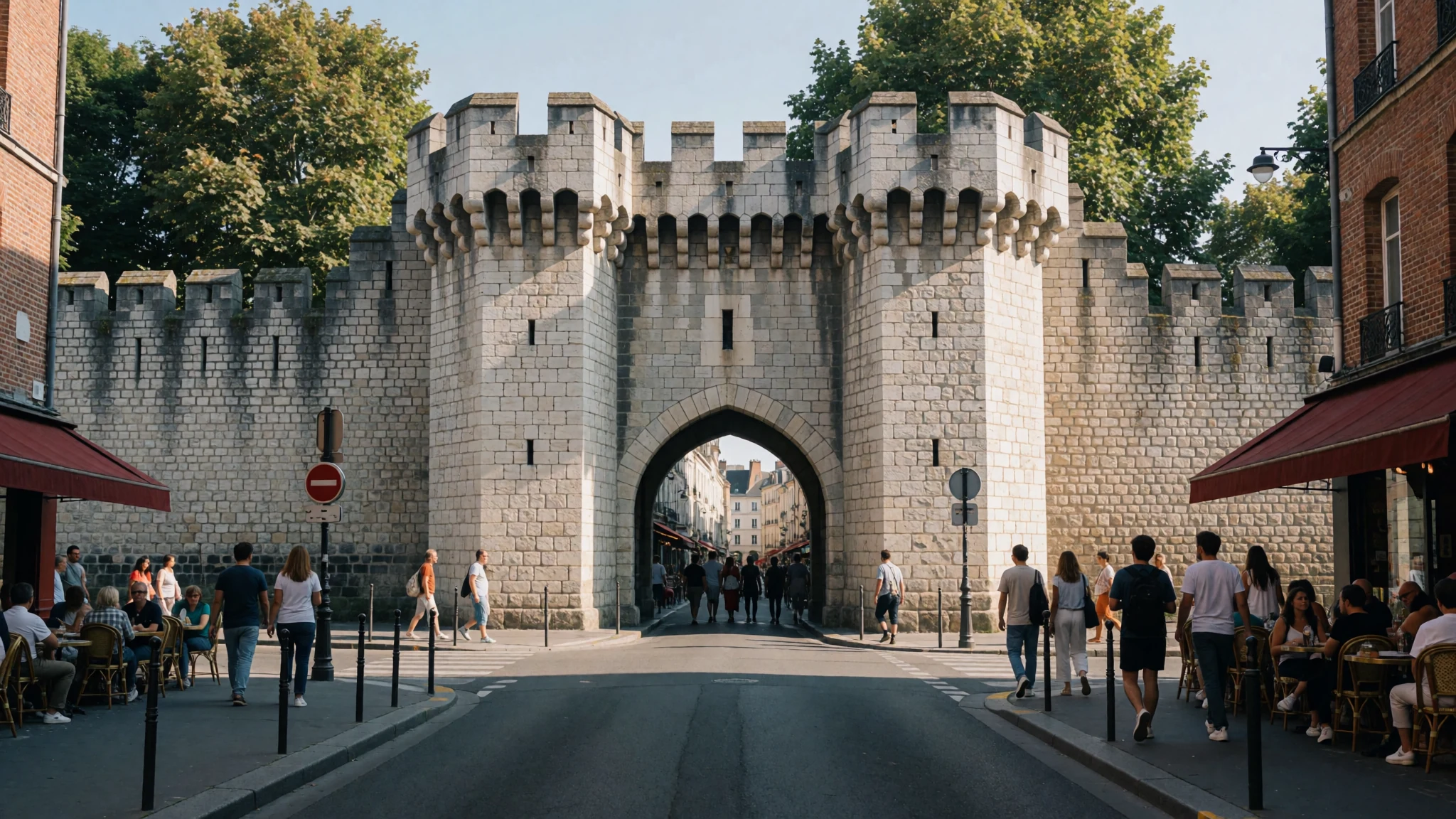
- Porte Kent — Upper Town
Constructed near the western edge of the fortifications as the final portal added to the defensive ring, this stone archway holds the distinction of being the only gate to retain its original architectural shape through the modern era.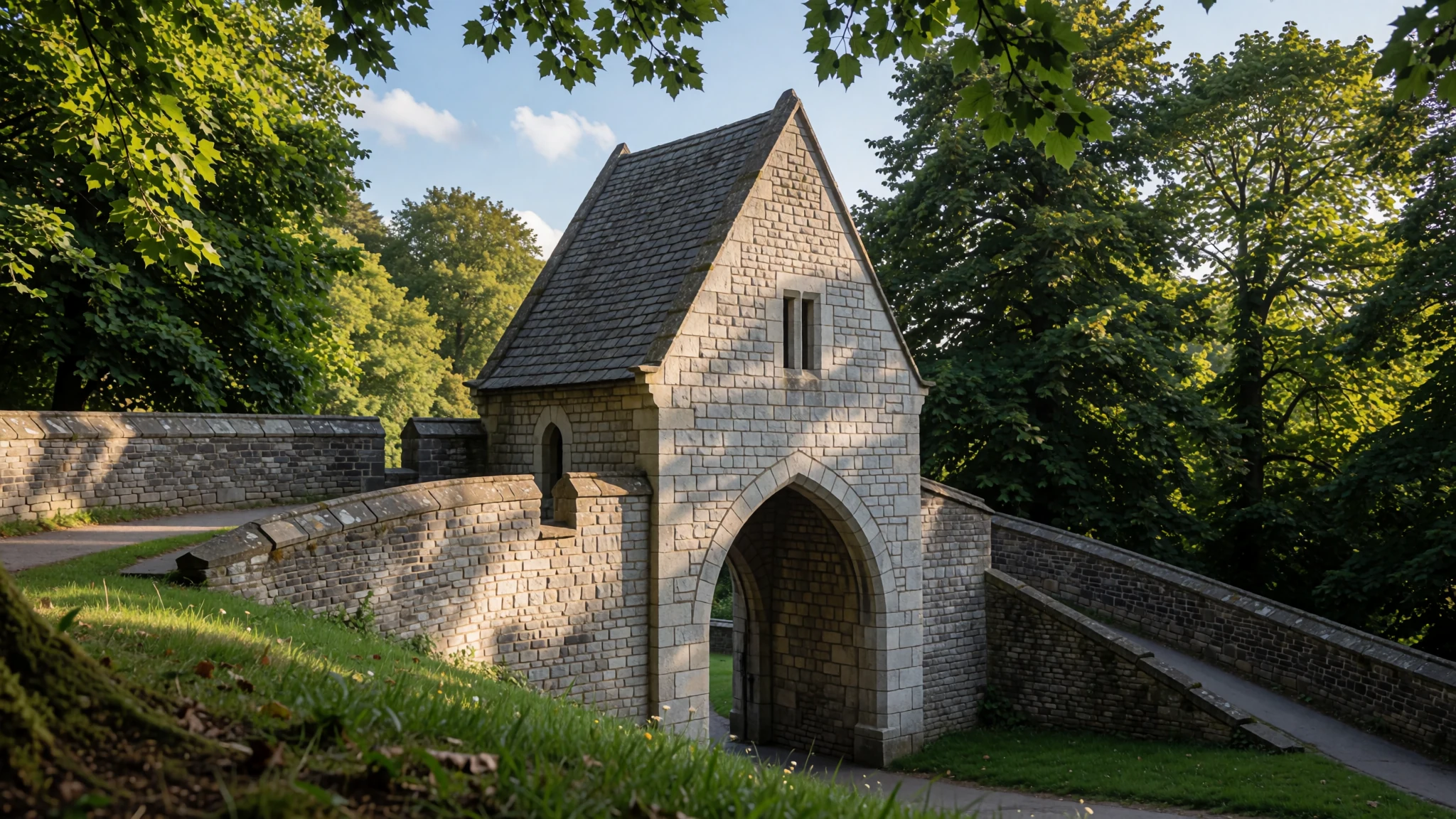
- Porte Prescott — Old Town
Spanning the steep route that links the upper and lower boroughs, this stone archway provides a vital pedestrian passage between the clifftop administrative quarter and the historic riverside merchant district below.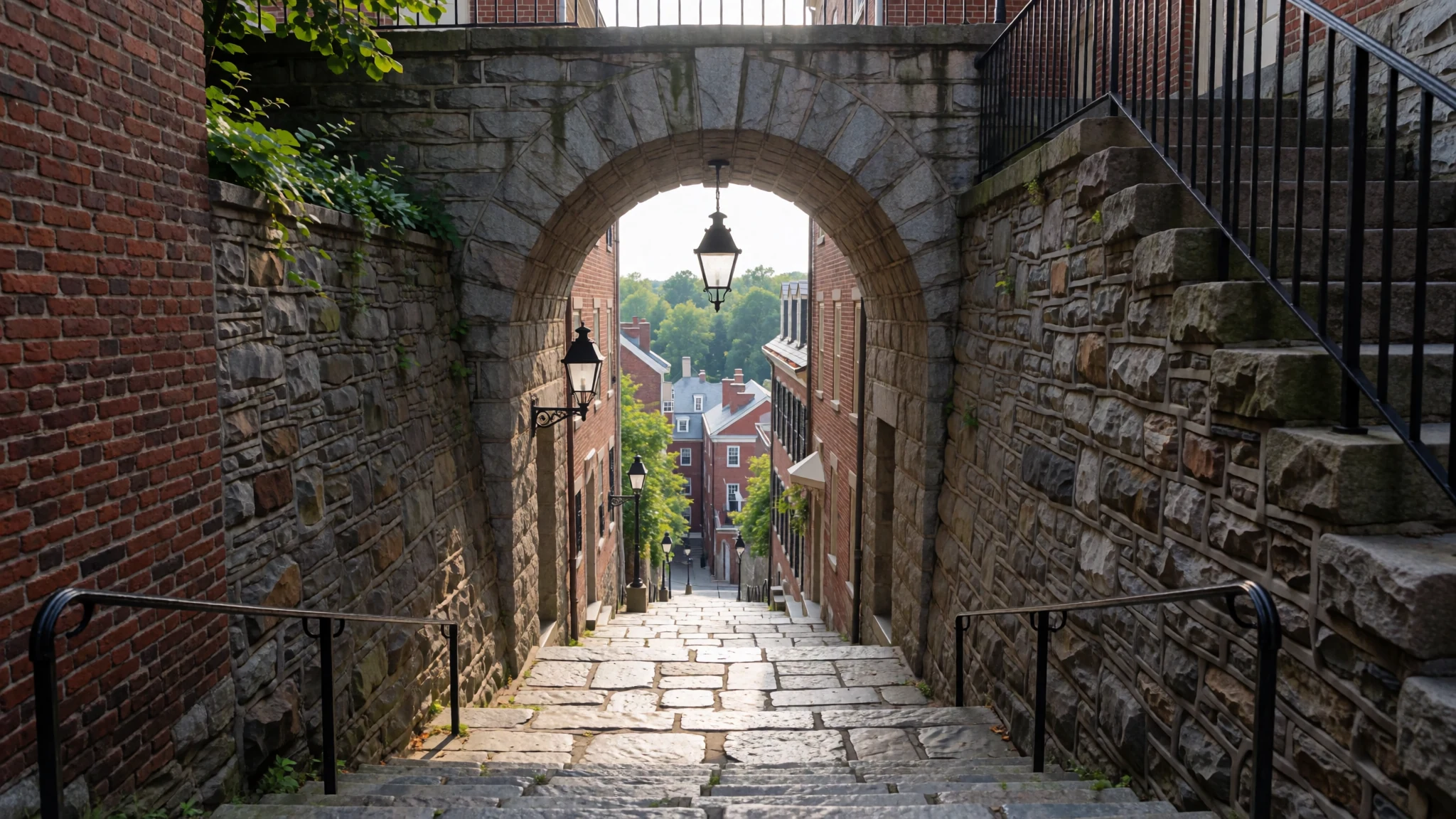
- Église Notre-Dame-des-Victoires — Lower Town
Tucked quietly into a picturesque riverside square in the lower town, this modest stone house of worship stands as one of the oldest surviving ecclesiastical buildings of its kind in North America.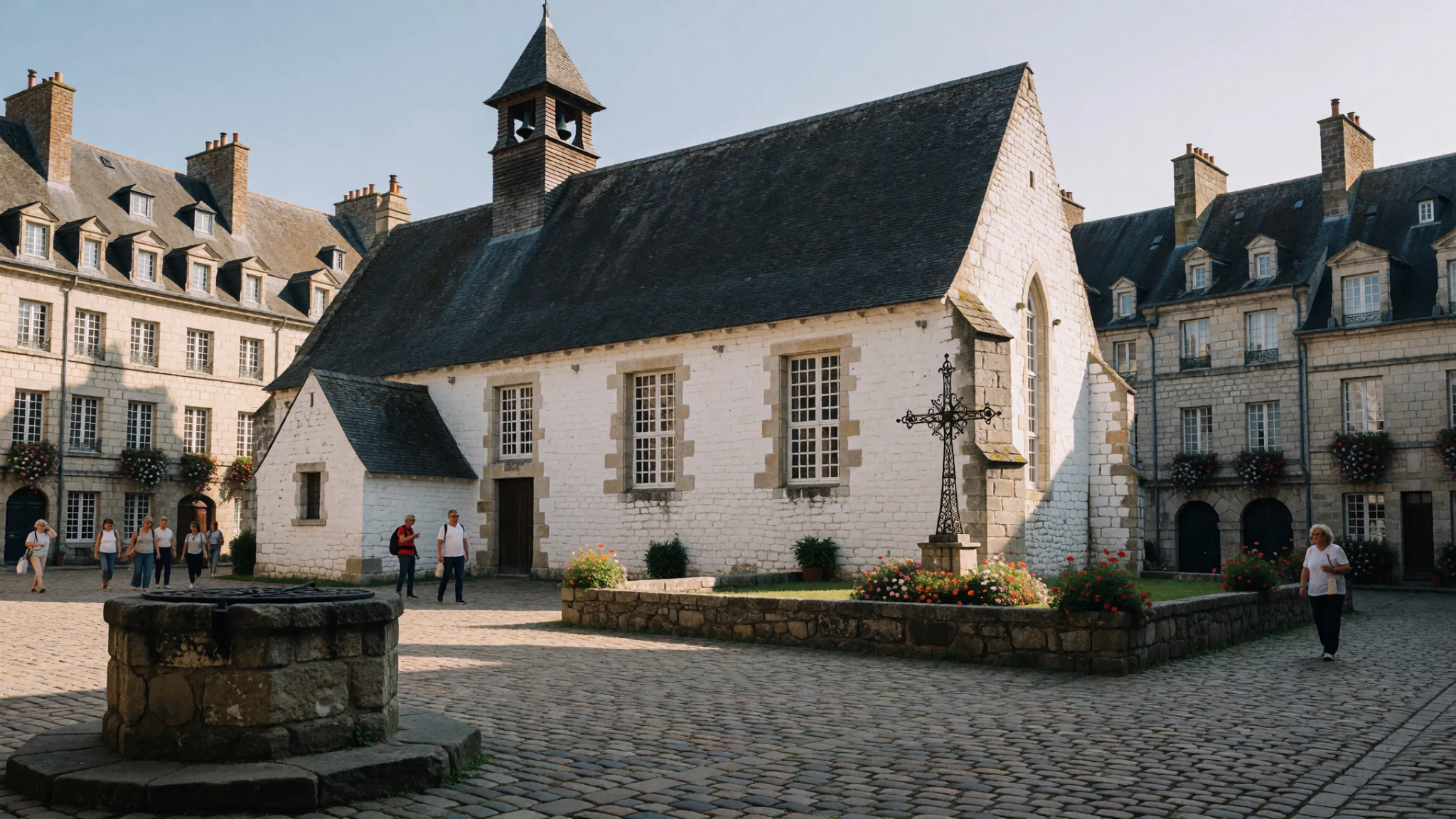
Culture
Quebec City maintains a distinct cultural identity rooted deeply in its Francophone heritage, where the French language shapes daily conversations, arts, and local media. The community celebrates its changing seasons with major public festivals, including a famous winter carnival featuring ice sculptures and night parades, as well as lively summer music gatherings that fill public squares with performers. Traditional culinary arts and regional celebrations reflect centuries of adaptation to northern winters and agricultural rhythms. Local residents value politeness and a relaxed pace of life, often gathering in neighbourhood bistros and cafes to converse over long meals. When entering smaller neighbourhood shops or historic churches, always greet staff and proprietors with a polite local greeting before beginning your inquiry.
What to wear
Traditional dress in Quebec City historically reflected practical European peasant and merchant attire suited for harsh northern climates, featuring heavy wool garments, fur-trimmed caps, and sturdy leather footwear designed to withstand deep snow and freezing temperatures. Modern residents dress in a contemporary European-influenced style, favouring smart, tailored coats, layered knitwear, and practical footwear during the colder months, while shifting to lighter fabrics and casual wear when summer temperatures rise. Visitors should pack versatile layers regardless of the season, including a windproof outer jacket for breezy river overlooks, comfortable walking shoes with good grip for exploring steep cobblestone streets, and sturdy boots if visiting during snowy months.
What to eat
- Chez Ashton — Various locations across the city
A popular regional fast-food chain beloved by residents across the urban area for serving classic hot fries topped with fresh cheese curds and rich gravy.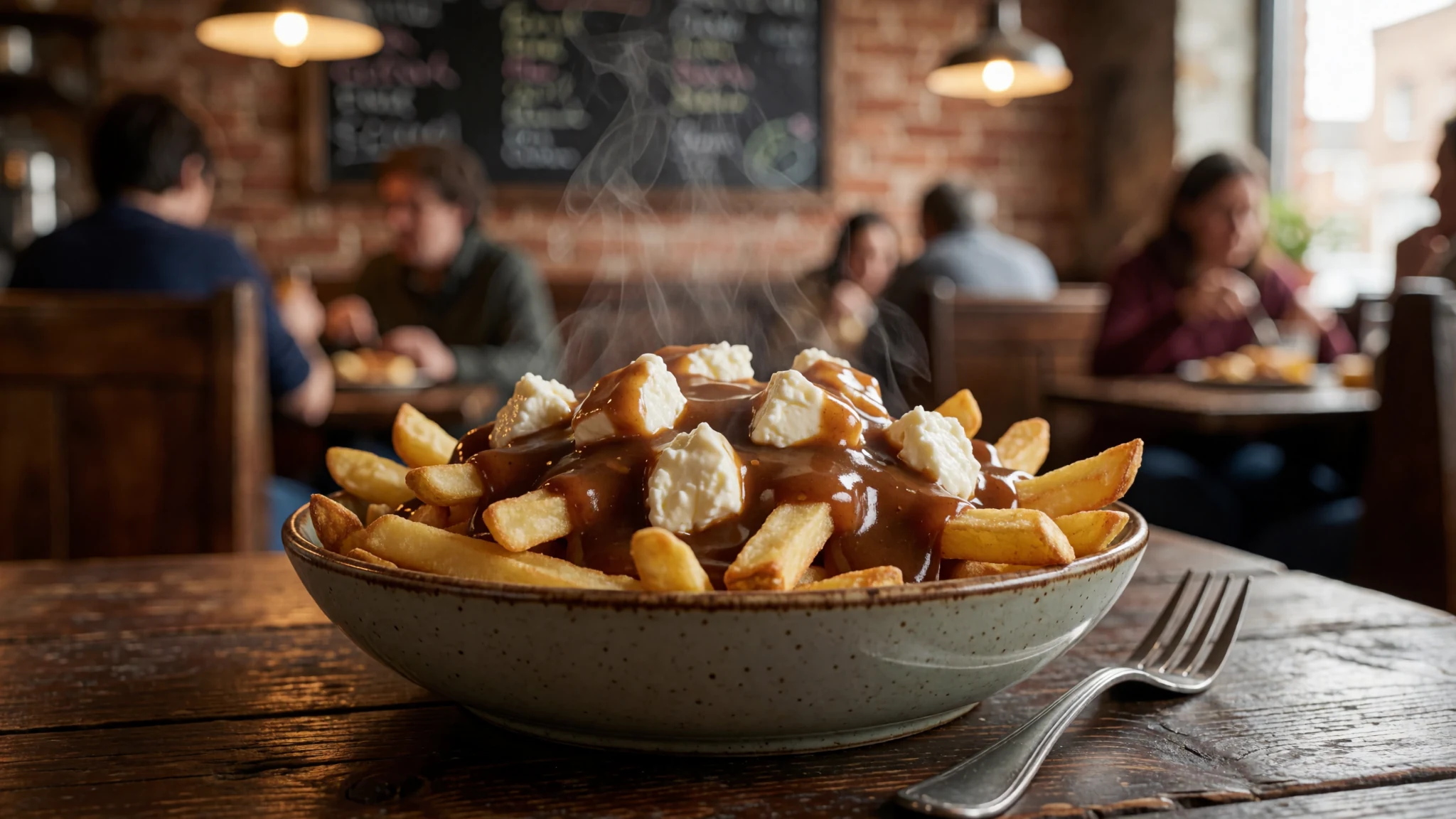
- Casse-Crêpe Breton — Rue Saint-Jean
A cosy eatery in the historic upper town where skilled cooks prepare thin, inexpensive savoury and sweet griddle crepes right in front of hungry diners.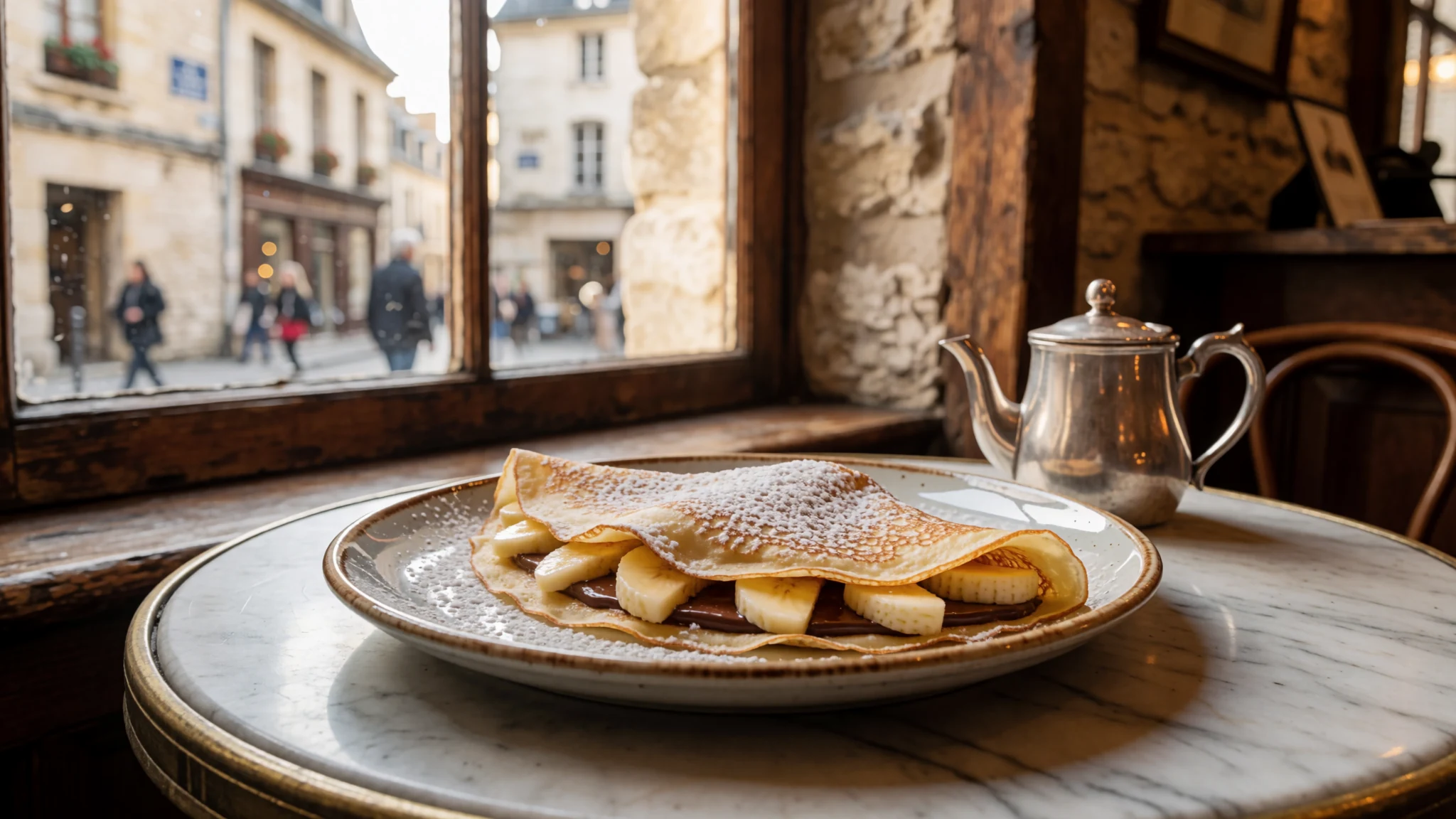
- Cafe-Boulangerie Paillard — Rue Saint-Jean
A bustling bakery in the historic centre offering an extensive array of flaky pastries, artisan breads, hearty soups, and fresh artisan pizzas. - Carthage Express — Near the upper town gates
A welcoming neighbourhood counter serving flavourful, authentic dishes from North Africa prepared with genuine hospitality and fresh ingredients. - L'Antiquaire Buffet — Lower Town near the river
A traditional neighbourhood dining room offering hearty, comforting regional comfort foods that reflect classic Canadian culinary traditions.
Plan it
Best time. June to September for warm weather and outdoor festivals, or January and February for the winter carnival and snowscapes.
How long. 2–3
Getting there. Fly into the regional airport and take public bus routes or a taxi directly into the historic centre, or arrive via national rail links from major regional hubs.
Budget. mid
Tips
- Wear comfortable walking shoes with good grip to navigate the steep cobblestone streets between upper and lower towns
- Book accommodation well in advance if visiting during the peak summer months or the winter carnival
- Carry a mix of cards and local currency for small bakeries and market stalls
- Check official websites for current opening hours of historic sites and museums
Etiquette
- Always greet shopkeepers and service staff with a polite local greeting
- Respect quiet hours in residential historic quarters during late evenings
Nearby
Sources
- Wikidata Q2145 (CC0)
- Wikipedia (rev 1381217864) (CC-BY-SA 4.0)
- Wikivoyage (rev 5392259) (CC-BY-SA 4.0)
- Photo 01 (CC BY-SA 4.0)
