Qingdao
Qingdao, People's Republic of China
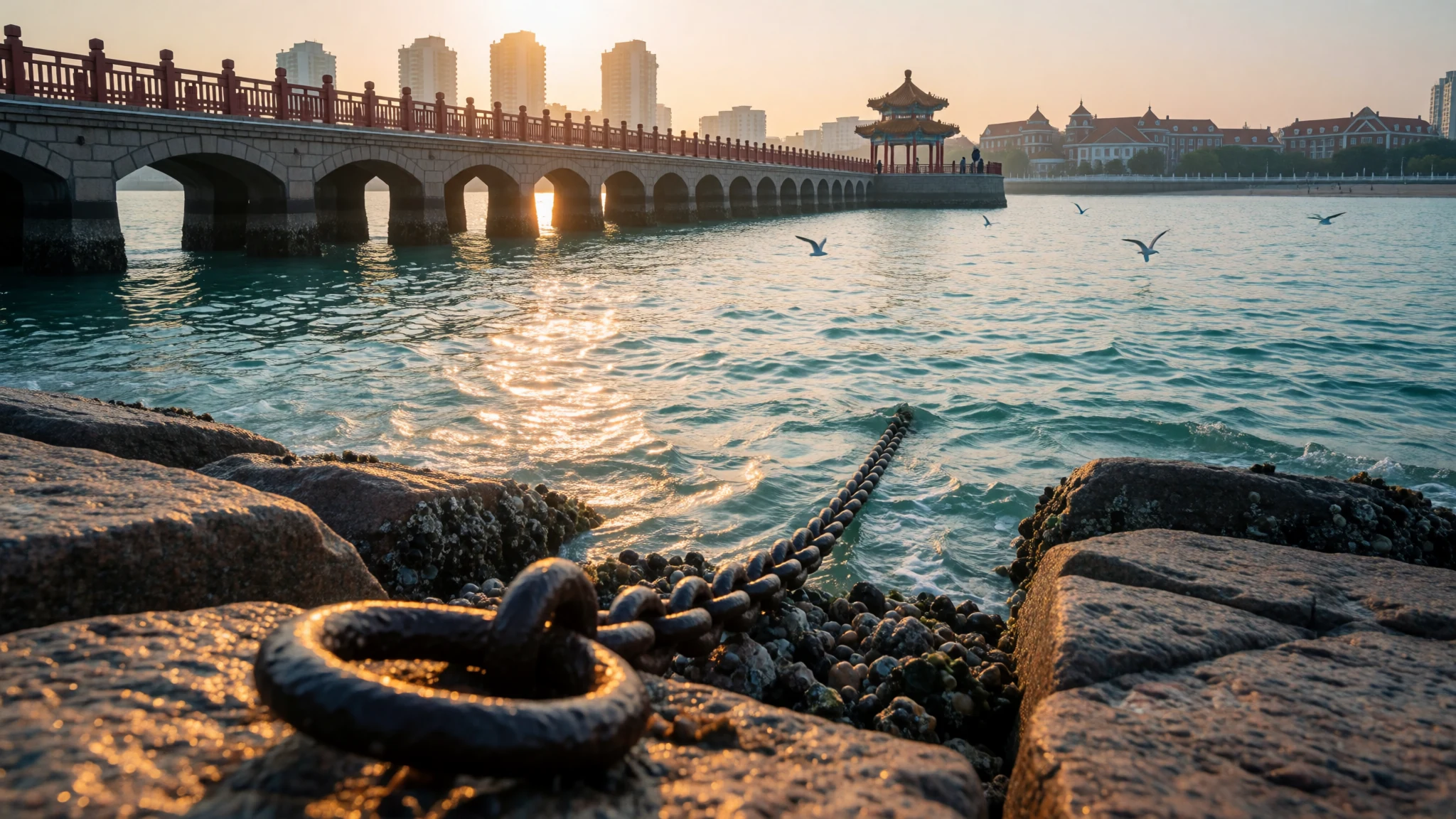
Come to Qingdao for seaside promenades, distinct historic European architecture, and crisp local pours overlooking the Yellow Sea.
The place
Qingdao sits across the Shandong Peninsula in eastern China, looking directly out towards the Yellow Sea. As a major prefecture-level city and vital seaport within Shandong province, it acts as a prominent commercial node connecting continental Asia with global maritime routes. The municipality is organised into several districts and county-level divisions, supporting an expansive metropolitan population of over ten million residents across its urban and suburban areas. Geographically, the terrain shifts from sweeping coastal bays and sandy inlets towards rising interior hills, creating a maritime climate that cools the summer heat and tempers the winter air.
The urban fabric reflects its layered history through sharp contrasts. Modern commercial centres, soaring towers, and extensive infrastructure networks stretch alongside preserved historic neighbourhoods where sloping German-era architecture meets narrow winding lanes. The Jiaozhou Bay bridge system and dedicated transit corridors span the coastal waters to link major mainland districts with outlying industrial and residential zones. Trade, maritime commerce, and naval tradition have shaped the settlement for generations, turning it into a prosperous economic powerhouse for the province while maintaining its identity as a relaxed coastal destination for travellers seeking sea breezes and seafood.
Its story
Human settlement across the Qingdao region reaches back six thousand years through early Neolithic communities such as the Dawenkou and Longshan cultures. By the era of the Eastern Zhou dynasty, the regional centre of Jimo had established itself as a powerful secondary settlement within the wider Shandong territory, laying deep roots for local commerce and governance.
Centuries later, under the Qing Empire, the strategic coastal inlet of Jiao'ao was identified as a vital defensive position against naval incursions. Imperial authorities began fortifying the shoreline towards the end of the nineteenth century. Following a diplomatic crisis involving foreign missionaries in eighteen ninety-seven, German imperial forces seized the fortifications. The waning Qing court was forced to concede the territory the following year, establishing a leased enclave that remained under foreign administration until nineteen fourteen. During this period, European planners laid out administrative offices, garrison buildings, and a commercial port that fundamentally reshaped the spatial layout of the old town. Following subsequent shifts in twentieth-century regional and national history, the municipality returned entirely to Chinese sovereignty, evolving rapidly from a strategic naval outpost and trading port into the major modern metropolis seen today along the Yellow Sea coast.
What to see
- Zhanqiao Pier — Shinan District
Constructed in eighteen ninety-one under imperial Qing direction, this historic artificial pier extends into Qingdao Bay and serves as an enduring architectural symbol of the old maritime district, offering walkers sweeping views across the water towards nearby rocky islets.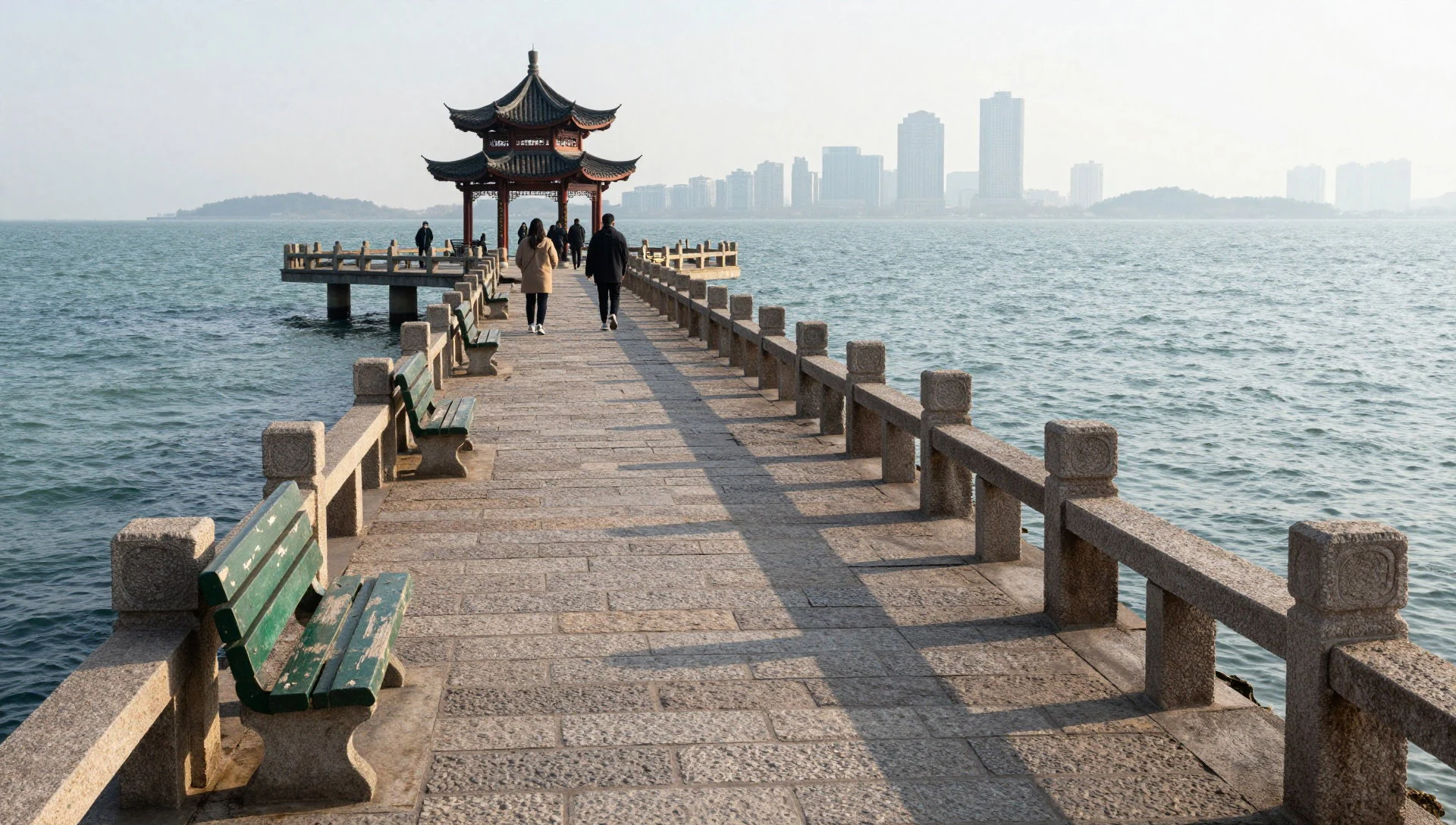
- Qingdao TV Tower — Shibei District
Positioned on high ground above the central urban quarters, this tall transmission structure features an elevated viewing platform that gives visitors panoramic vistas looking out across the entire bay, the surrounding hills, and the dense rooftop arrangements below.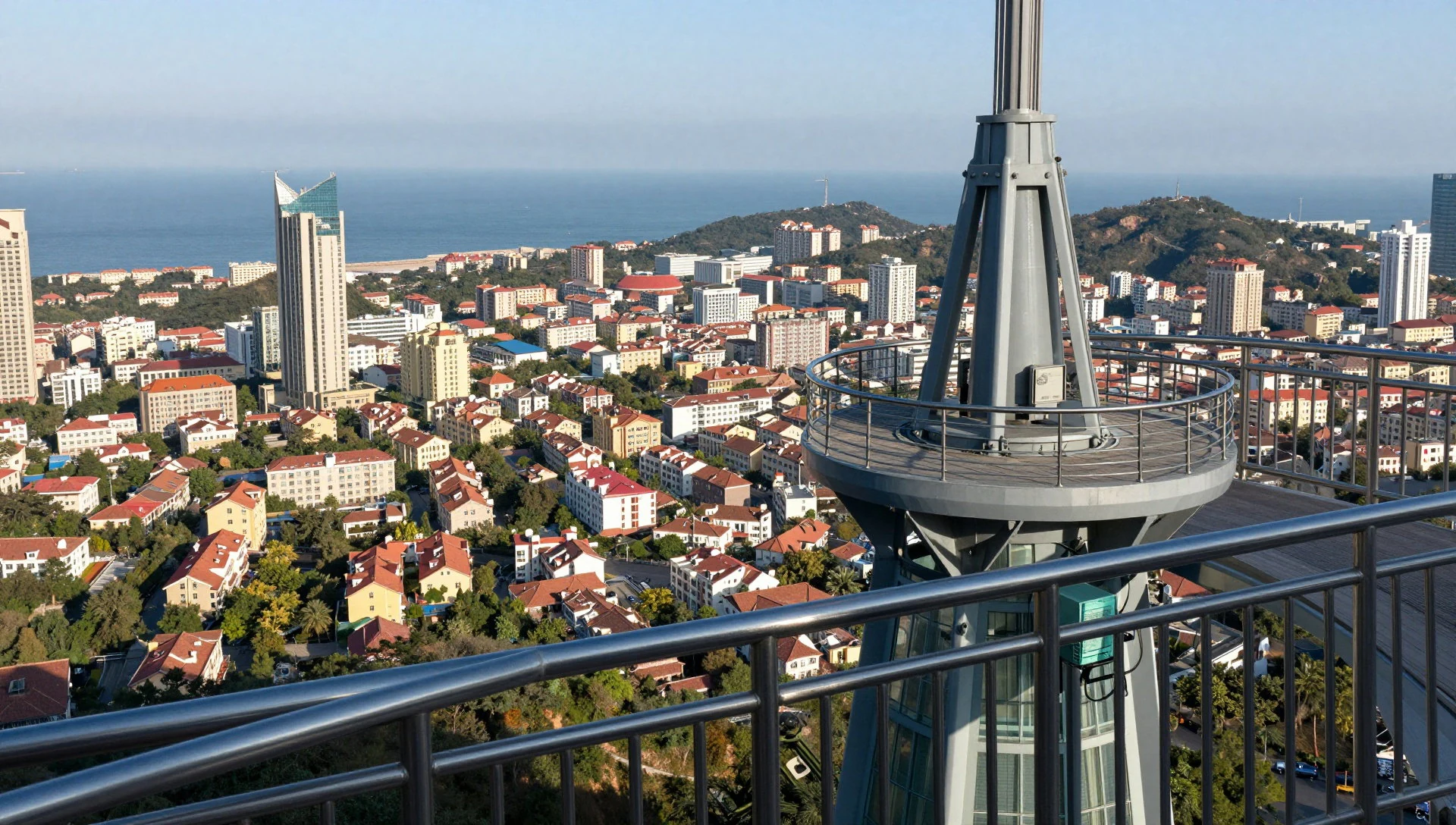
- Qingdao Textile Valley — Sifang area
Transformed from an extensive historic industrial manufacturing site into an expansive creative arts precinct, this compound preserves red-brick factory architecture while housing contemporary galleries, large studios, open plazas, and vibrant public murals throughout.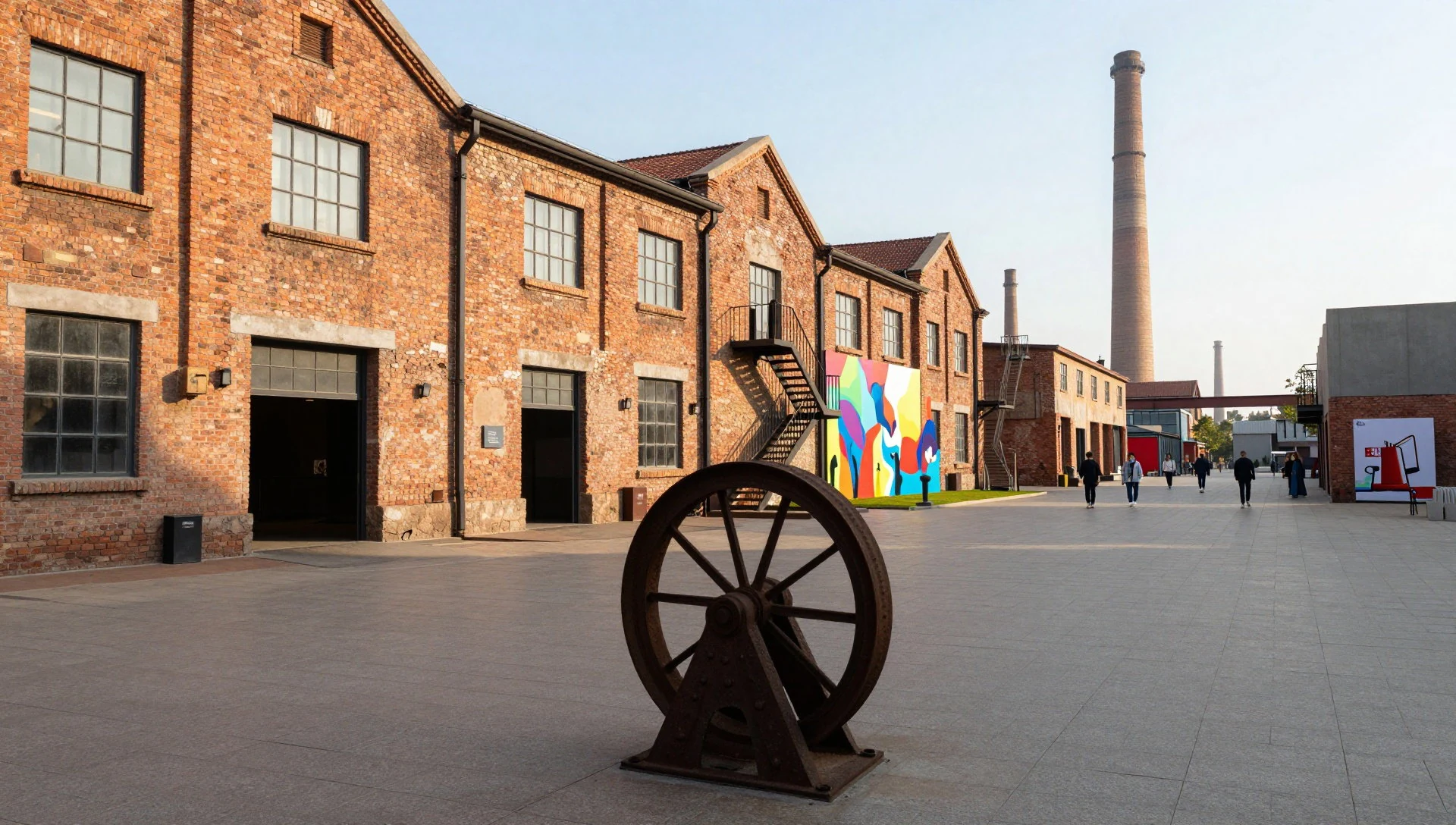
- Qingdao Jiaozhou Bay Bridge — Jiaozhou Bay
Spanning the wide coastal waters of Jiaozhou Bay, this immense engineering marvel connects urban districts with outlying peninsular zones, representing a massive infrastructure undertaking designed to streamline regional road transport across the sea.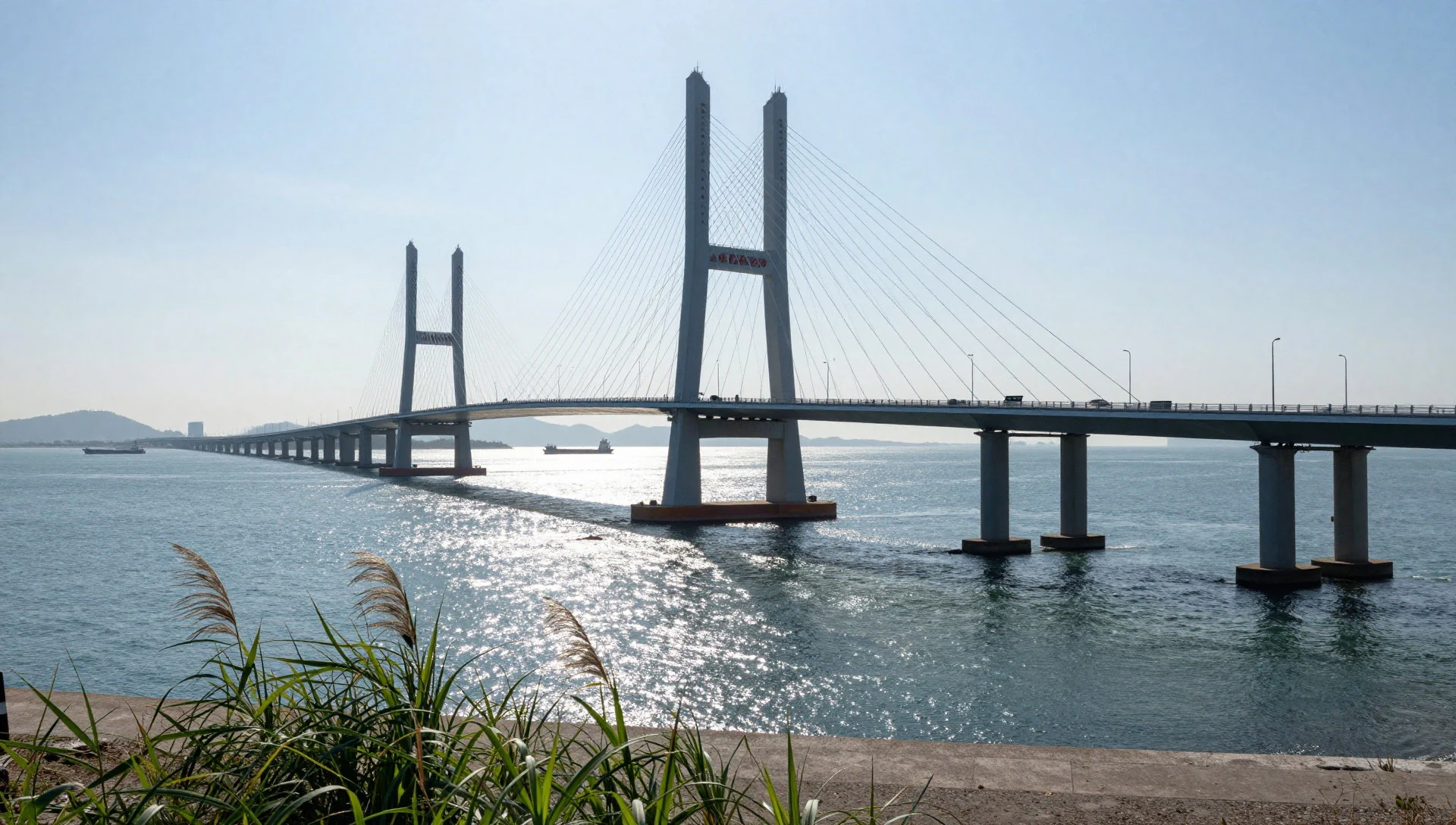
- Baihuayuan Gardens — Shinan District
This quiet public park provides an urban sanctuary filled with mature shade trees, seasonal floral displays, and artistic sculptures, offering locals and visitors a peaceful green retreat removed from the surrounding city traffic.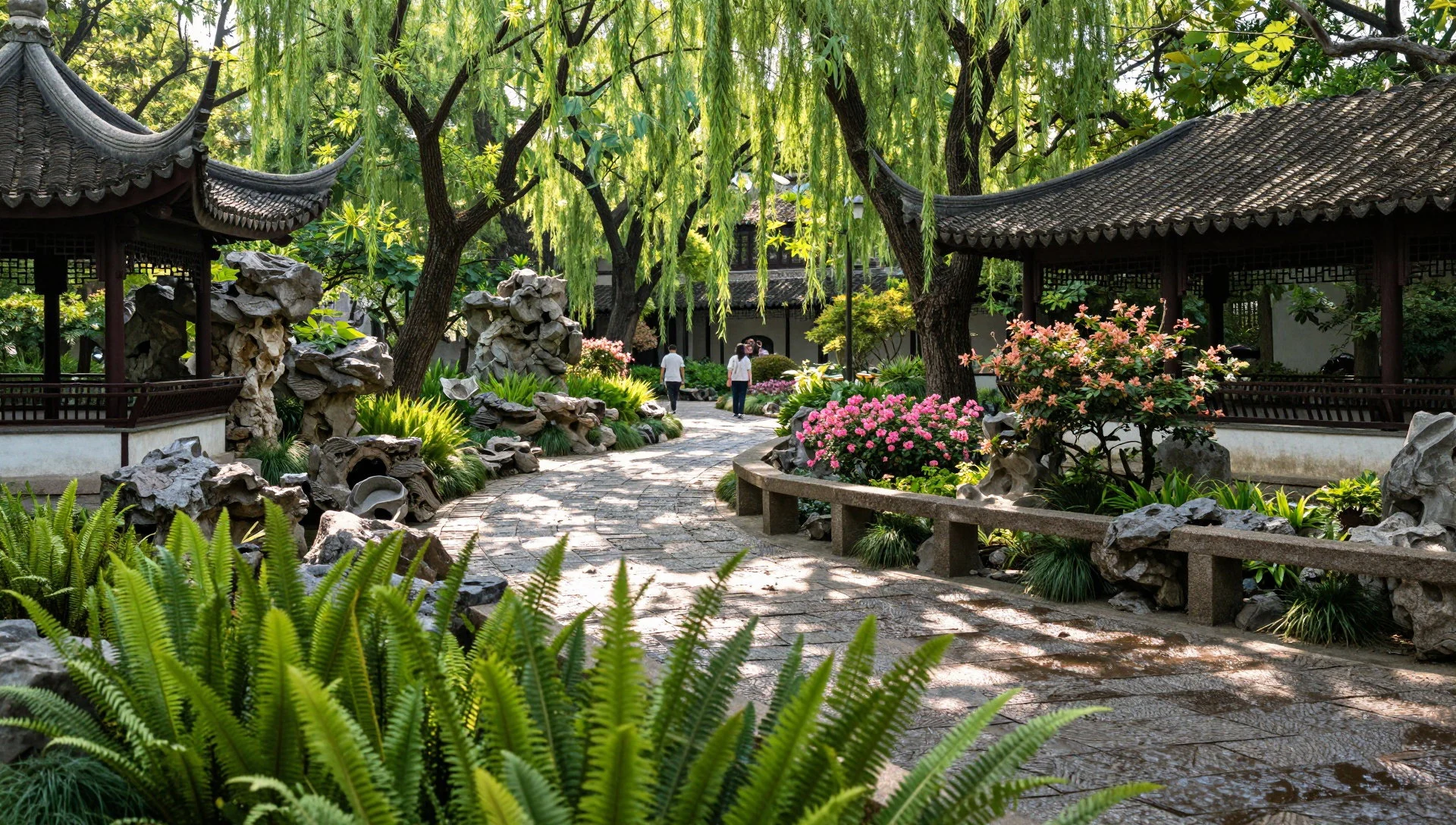
Culture
Qingdao possesses a unique cultural identity born from the intersection of traditional Shandong customs and early twentieth-century European urban planning. The legacy of the foreign leased period remains visible in the historic core, where sturdy stone foundations, steep gable roofs, and distinctive colored roof tiles contrast with surrounding modern developments. Local life moves at a relaxed seaside pace, especially during the warm months when residents gather along the sandy shores to enjoy local brews and ocean breezes. A large resident community and steady stream of visitors from neighboring East Asian nations add to its cosmopolitan atmosphere, while traditional coastal folklore continues to influence neighbourhood festivals and community life. Please remove your footwear when entering traditional residential quarters or private heritage rooms.
What to wear
Traditional attire historically reflected practical working garments suited for maritime labor and coastal farming across Shandong province, utilizing sturdy cottons and linen textiles designed for breathable comfort during humid summers and wind protection in cooler months. In modern daily life, residents dress in contemporary urban fashions, ranging from smart casual office wear to relaxed streetwear and comfortable athletic apparel suited for walking along coastal promenades. Visitors should pack practical footwear for navigating cobblestone streets in the old town and mountain trails, alongside layers for changing sea breezes. Modest clothing is appreciated when visiting local temples, and a light windproof jacket is essential for cooler evenings by the water.
What to eat
- Sanheyuan Dumplings — Ningxia Road
A long-established local eatery specialising in handmade dumplings filled with fresh regional ingredients, most notably Spanish mackerel and traditional vegetable combinations.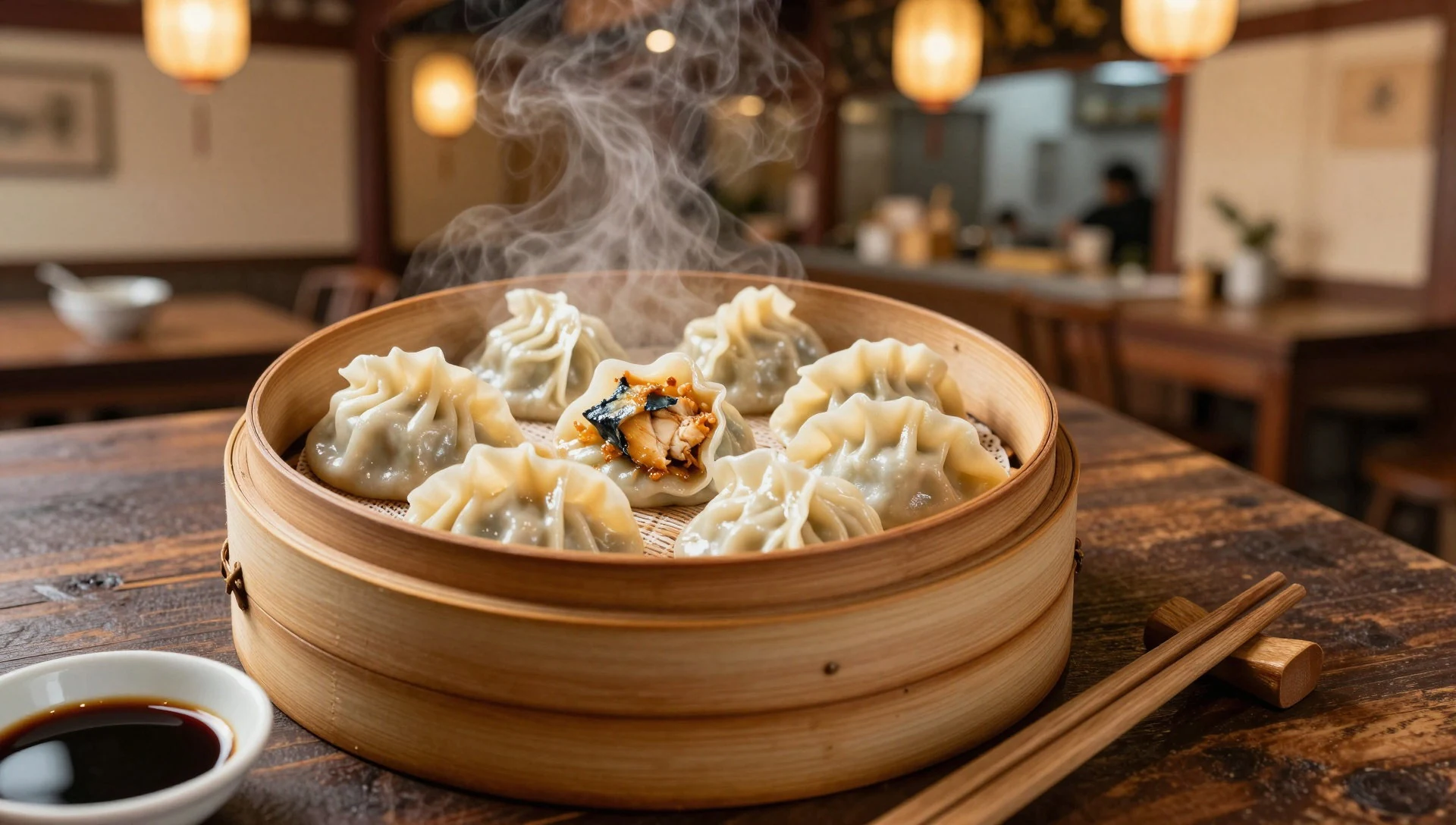
- Yunxiao Road Seafood — Yunxiao Road
A lively restaurant street lined with open-air stalls and eateries where diners select fresh catches from tanks to be prepared immediately with local spices.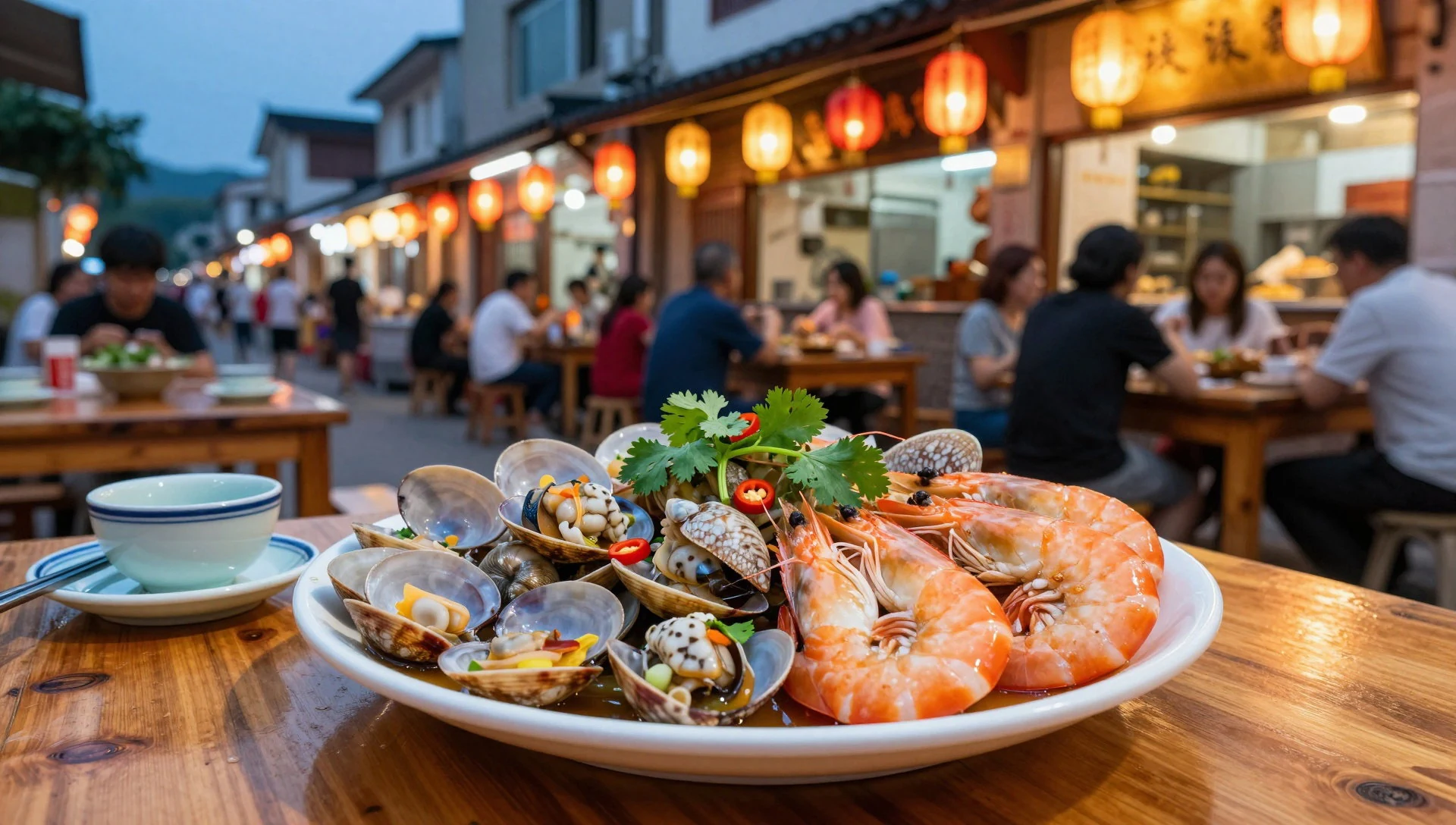
- Old Hong Kong Restaurant — Shinan District
A spacious dining room serving a large variety of traditional Cantonese dim sum items alongside classic regional plates for lunch and dinner. - Bifeng Tang — Shibei District
A popular neighbourhood dining spot known for offering a diverse selection of steamed and fried dim sum alongside fresh coastal seafood preparations. - Laoshan Pao Hotpot Restaurant — Laoshan area
A welcoming local establishment specialising in warming hotpot meals featuring sliced meats, fresh vegetables, and locally sourced seafood broth.
Plan it
Best time. May to June and September to October offer pleasant coastal temperatures and clear skies, avoiding the humid heat of mid-summer and winter chills.
How long. 3–4
Getting there. Fly into the international airport, then take the metro rapid transit lines or an airport shuttle bus connecting directly to central urban stations and downtown districts.
Budget. mid
Tips
- Check which railway station your high-speed train arrives at before booking accommodation downtown
- Wear comfortable walking shoes for exploring the steep hills of the historic German quarter
- Carry digital payment apps for convenience, as cash is less common for daily transit and dining
- Book morning slots if you plan to visit popular coastal sights during peak holiday seasons
Etiquette
- Remove footwear when stepping inside traditional residences or temple halls
- Keep noise levels modest when visiting quiet public parks and residential courtyards
Nearby
Sources
- Wikidata Q170322 (CC0)
- Wikipedia (CC BY-SA 4.0)
- Wikivoyage (CC BY-SA 4.0)