Qazan Kremlin
Qazan Kremlin, Russia
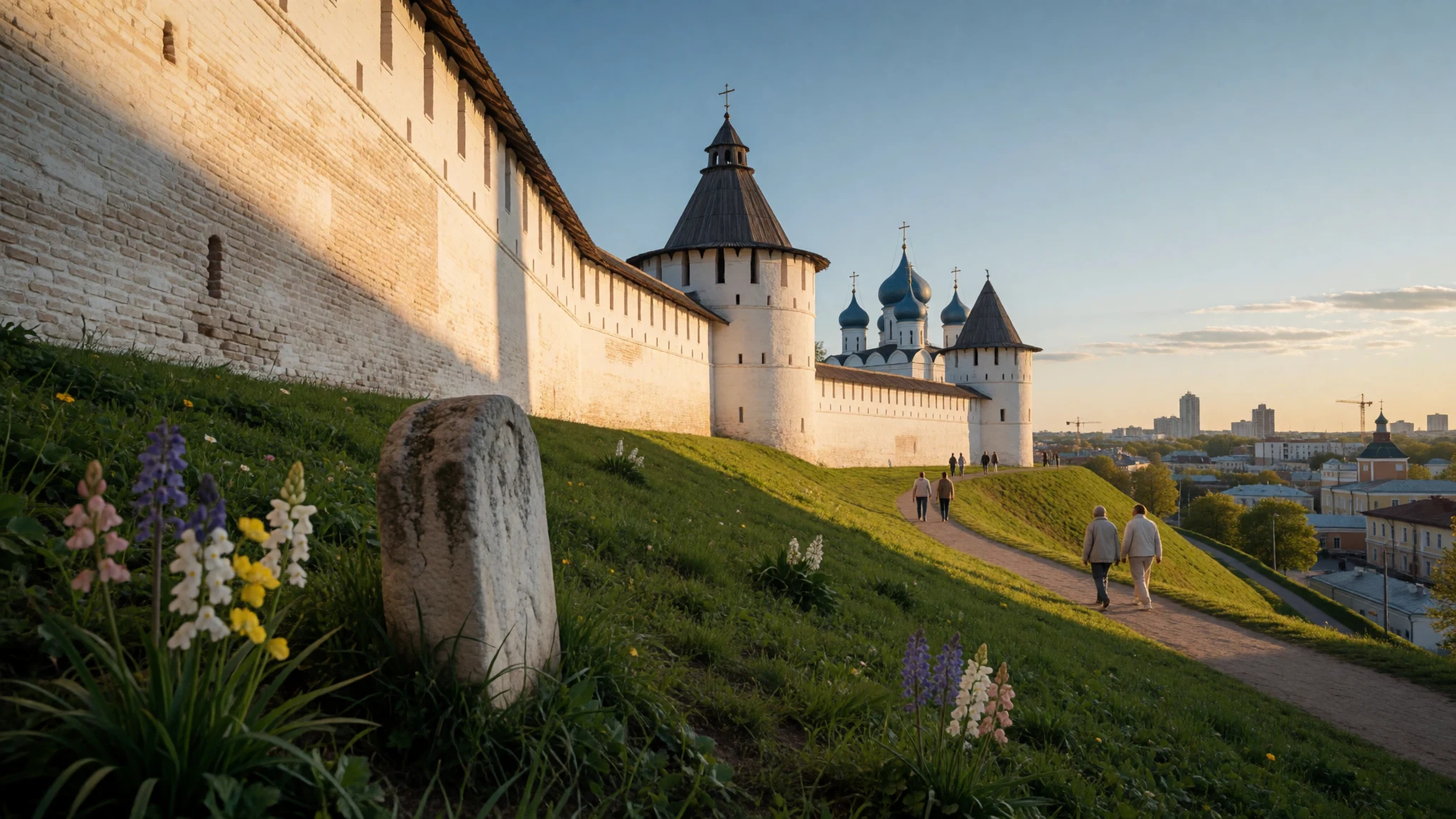
Qazan Kremlin is where Russian and Tatar histories meet—cathedrals, towers and a mosque all packed into one compact citadel.
The place
Qazan Kremlin (Казанский кремль; Kazan kirmәне) is Kazan’s chief historic citadel—part fortress, part religious campus, part museum setting. It sits at the heart of the city and is built on layers of earlier Kazan Khanate history, later reshaped in Russian style. The complex is also recognised as a UNESCO World Heritage Site, which is why the place can feel both grand and carefully managed.
What makes the Kremlin feel different from, say, Moscow’s or Saint Petersburg’s more famous sights is how the skyline mixes faiths and architectural languages. There are church buildings, towers and fortification walls alongside the Kul-Sharif Mosque, so you see the city’s “two worlds” without needing to travel far beyond the gates.
Practically, plan for a couple of hours even if you’re not museum-heavy: the courtyards connect and there’s plenty of stone to read—cathedral domes, gate towers, and distinctive vertical landmarks. Crowds vary by day: weekends and holidays can be busy with locals and organised groups, while weekday mornings are calmer and better for photos.
The weather in Kazan can swing, so it’s often most pleasant in late spring and early autumn—especially May and September, when the highs are milder and rain is less frequent than in midsummer. Even when the sun is out, expect winds on open stone paths, and bring layers for early starts. Overall, Qazan Kremlin rewards slow wandering: it’s a place where history is visible in the shape of every tower and in the way different communities have left their mark on the same walls.
Its story
Qazan Kremlin’s story begins with conquest and rebuilding. After Ivan the Terrible captured the area, the older Tatar fortress was destroyed and then re-made as a Russian-style Kremlin on top of the earlier ground. That “overwriting” is part of the reason the complex feels like an architectural palimpsest: you’re walking on the trace of different rulers and different eras, all stacked together.
One anchor is the Annunciation Cathedral, the oldest building in the ensemble, with construction tied to the mid-1500s. Its pale sandstone look—rather than a purely brick finish—connects it to regional building habits. Later, prominent architects associated with Pskov were brought in to rebuild the Kremlin in stone, giving it a more formal fortress-and-cathedral character.
Certain landmarks carry more story than stone. The Söyembikä Tower is especially recognisable, and it’s famously linked to a legend about the last queen of the Khanate of Kazan. Then there’s the Spasskaya Tower, which works as the southern anchor and a main entrance—tied to a nearby Spassky Monastery that once stood close by.
By the time you visit today, the Kremlin’s layout reads like a timeline: fortifications and churches shaped by Russian rule, and later a prominent mosque that reflects Kazan’s Tatar heritage and modern identity. Standing inside, it’s hard not to notice how the skyline holds both continuity and change at the same time.
What to see
- Main Kremlin grounds and fortifications — Kremlin centre, within the citadel walls
Qazan Kremlin’s courtyards and walls set the context: Russian-style fortification space that frames the cathedrals and gate towers, good for slow panoramic walks.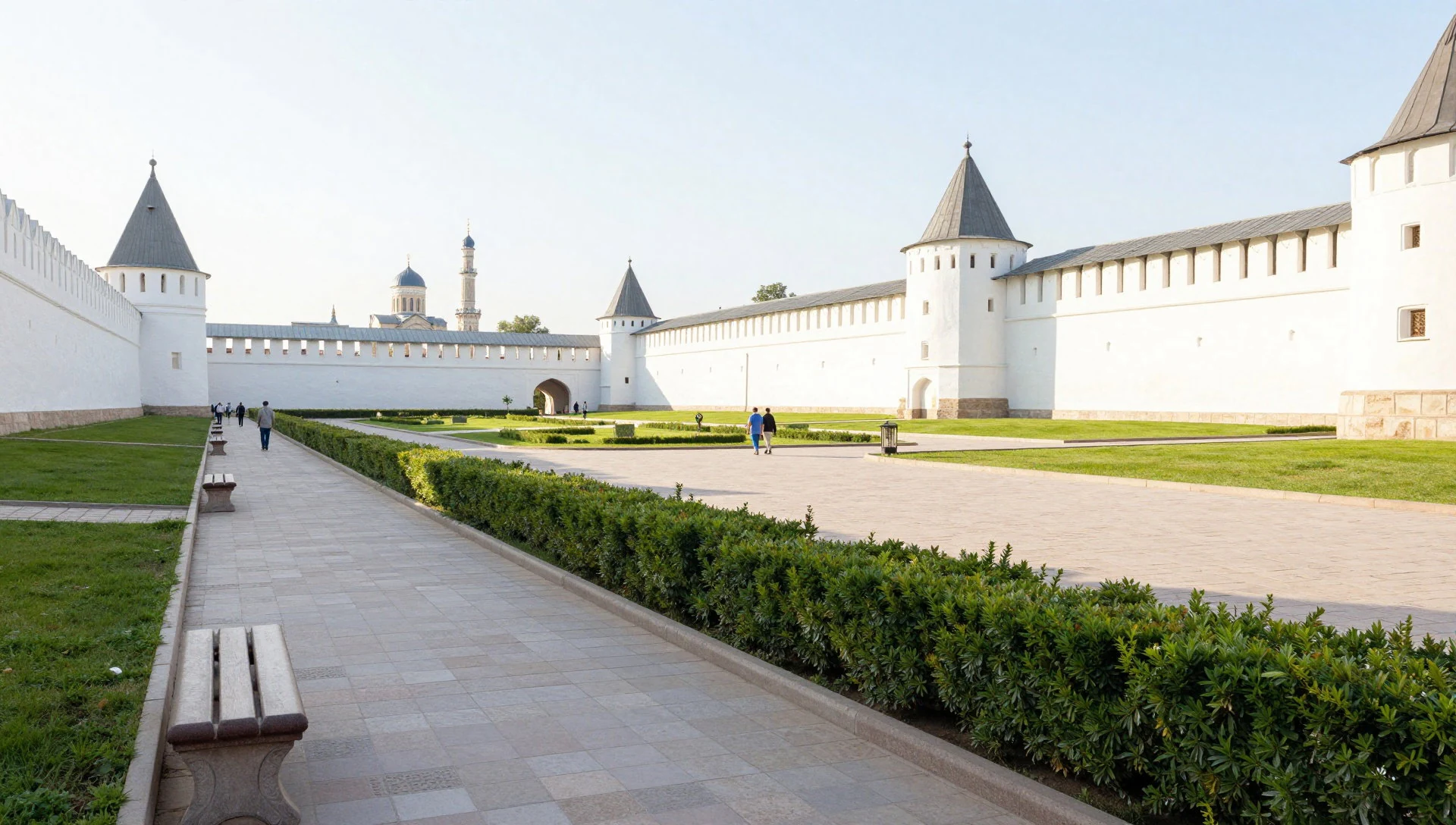
- Annunciation Cathedral — Cathedral area, central Kremlin courtyards
Annunciation Cathedral is the oldest surviving church in the ensemble, built in the Tsarist era with pale sandstone and distinctive blue domes that stand out in the courtyard views.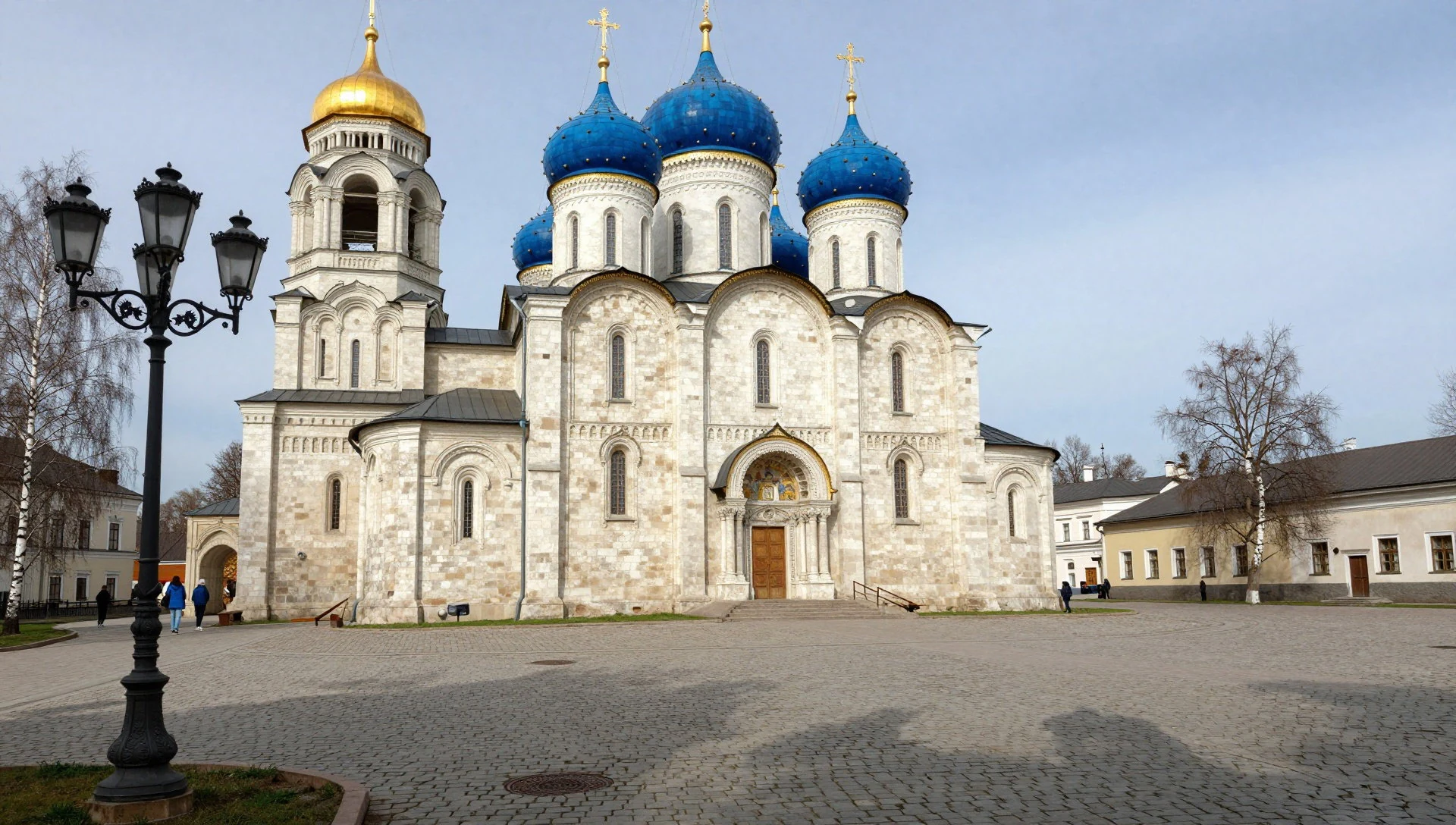
- Kul-Sharif Mosque — Within the Kremlin complex, near the main viewpoints
Kul-Sharif Mosque brings a different skyline to the Kremlin: a mosque named for a 16th-century imam, completed in the modern era and placed as a key landmark within the walls.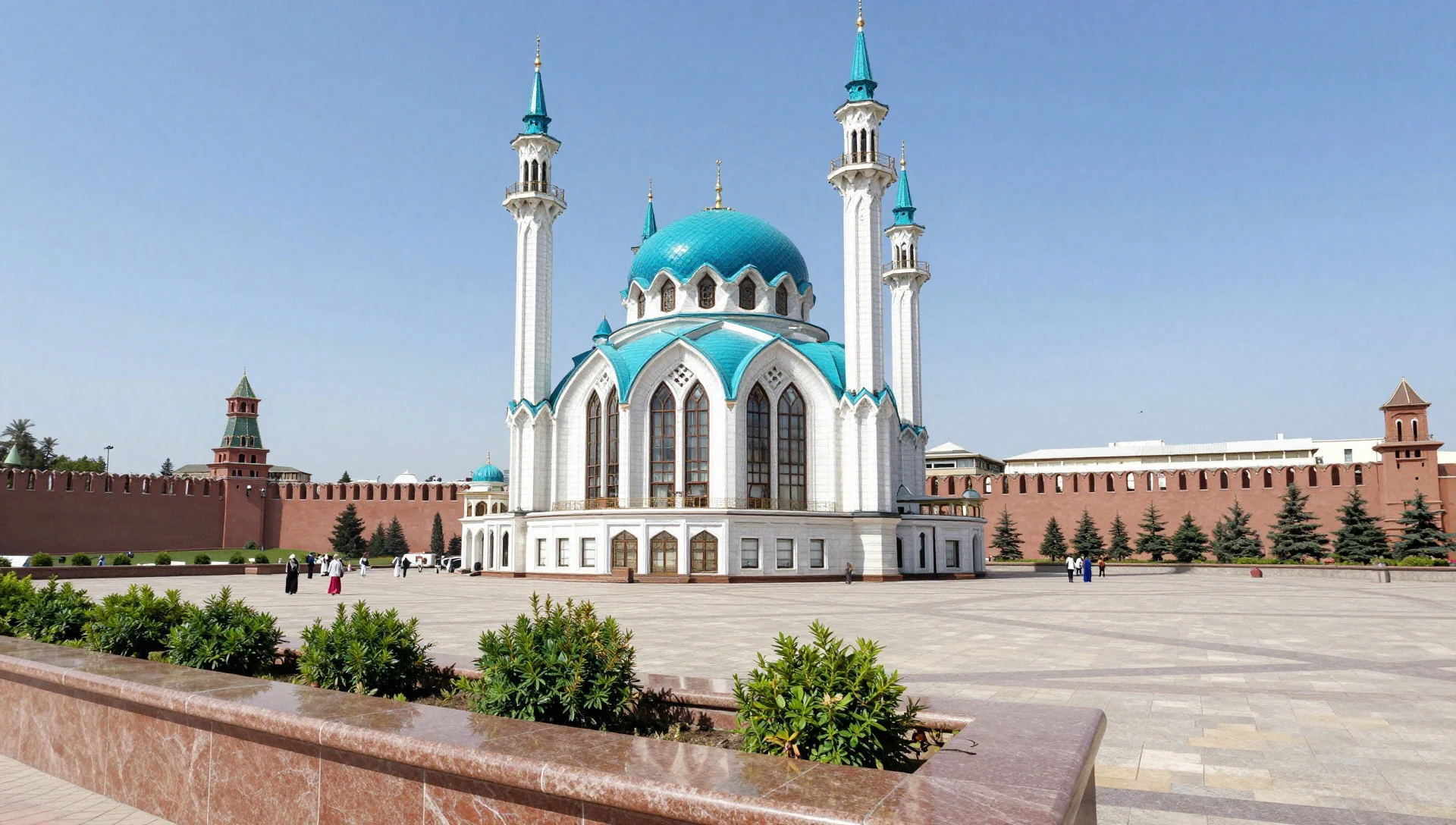
- Söyembikä Tower (leaning tower) — Kremlin skyline viewpoint across the central grounds
Söyembikä Tower is the Kremlin’s leaning vertical signature, closely associated with a legend about the last queen of the Khanate of Kazan—best viewed from open approaches.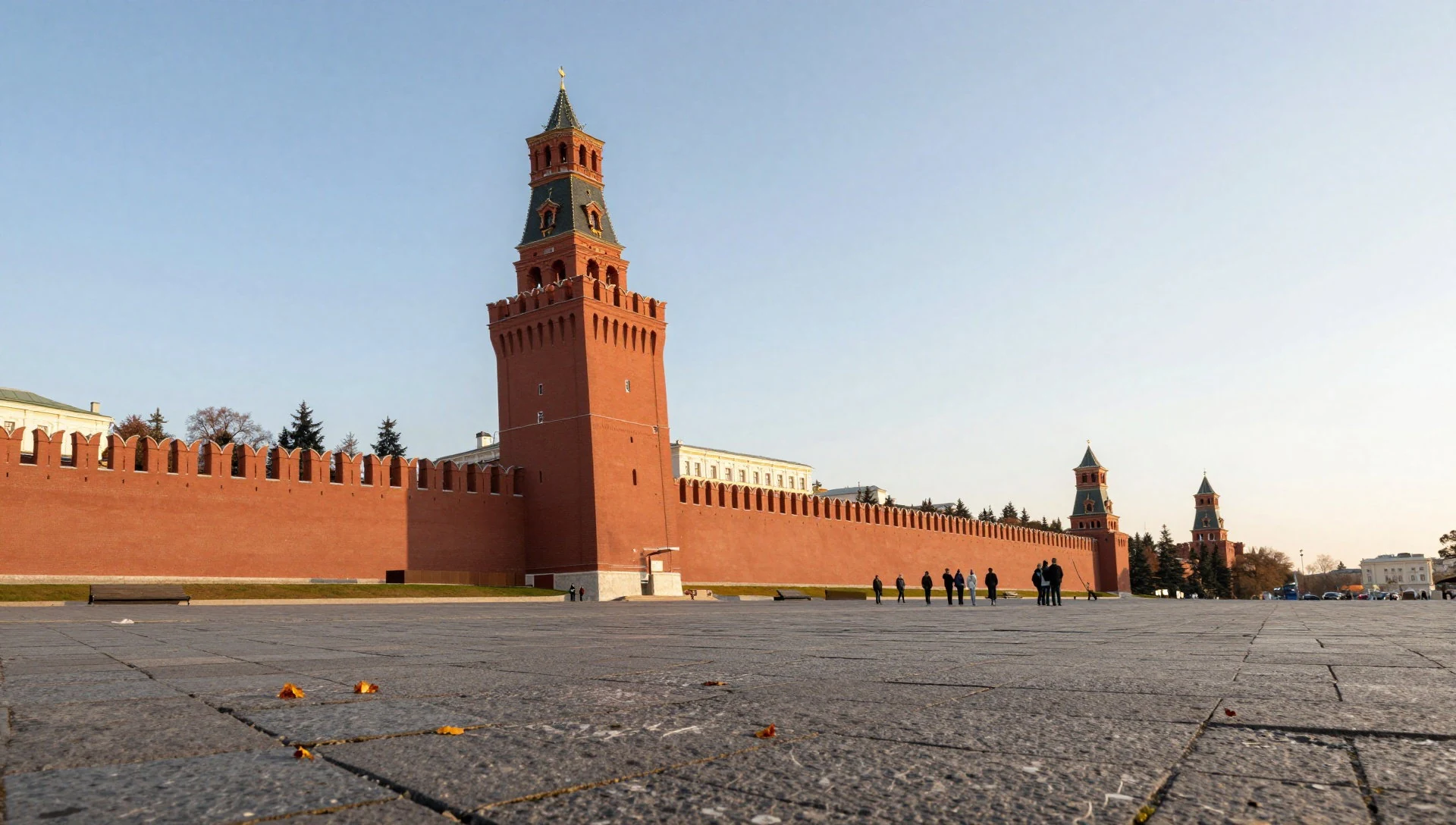
- Spasskaya Tower and entrance approach — Southern entrance approach within the Kremlin
Spasskaya Tower anchors the southern side and functions as the main entrance. Walk the approach to see how the gate structures organise movement into the citadel.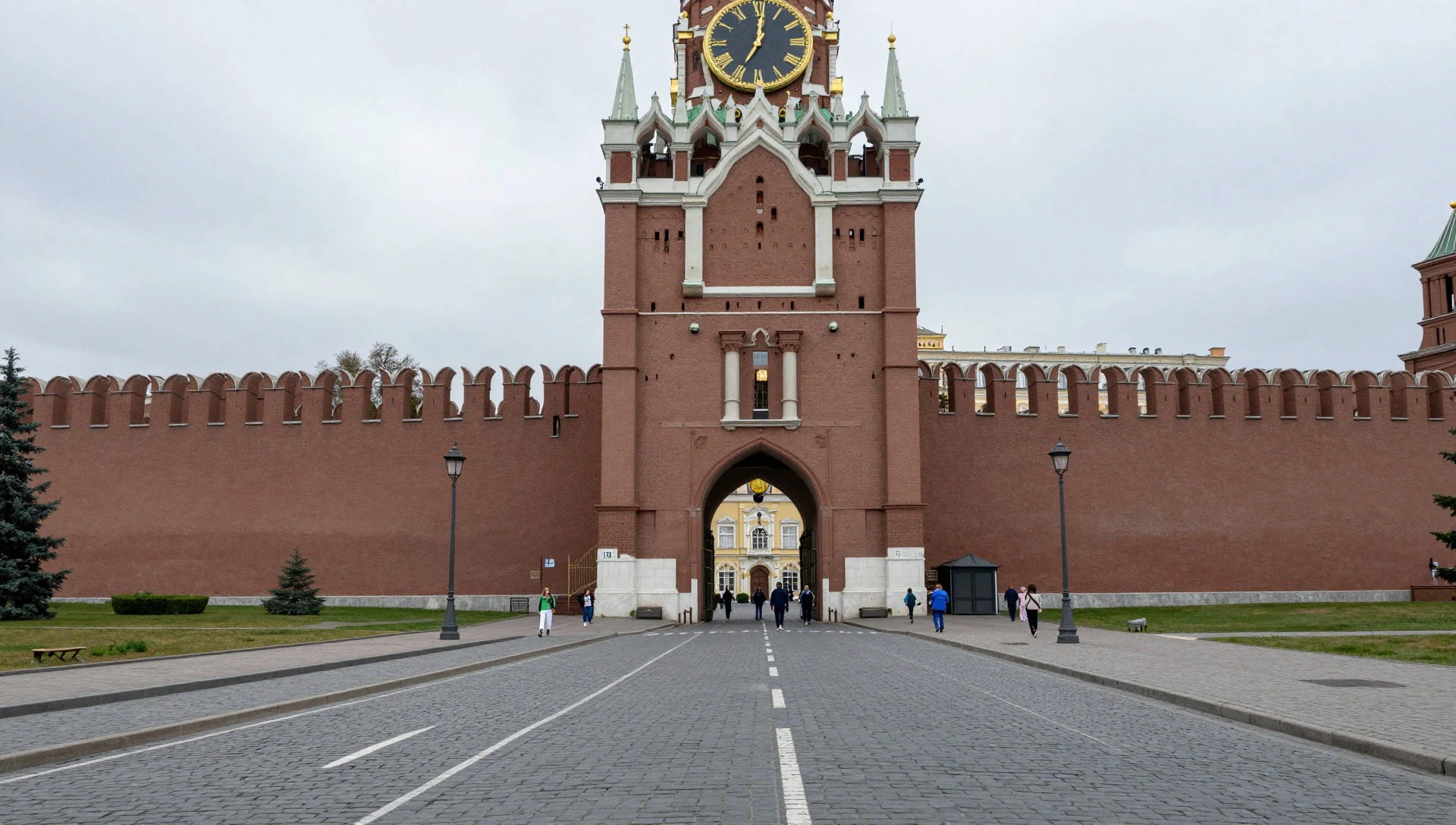
- Warrior Spirit museum — Museum cluster inside the Kremlin grounds
Warrior Spirit focuses on weapons, armour and warrior culture, with archaeological finds that help you picture daily life and conflict before the Kremlin’s later stone era.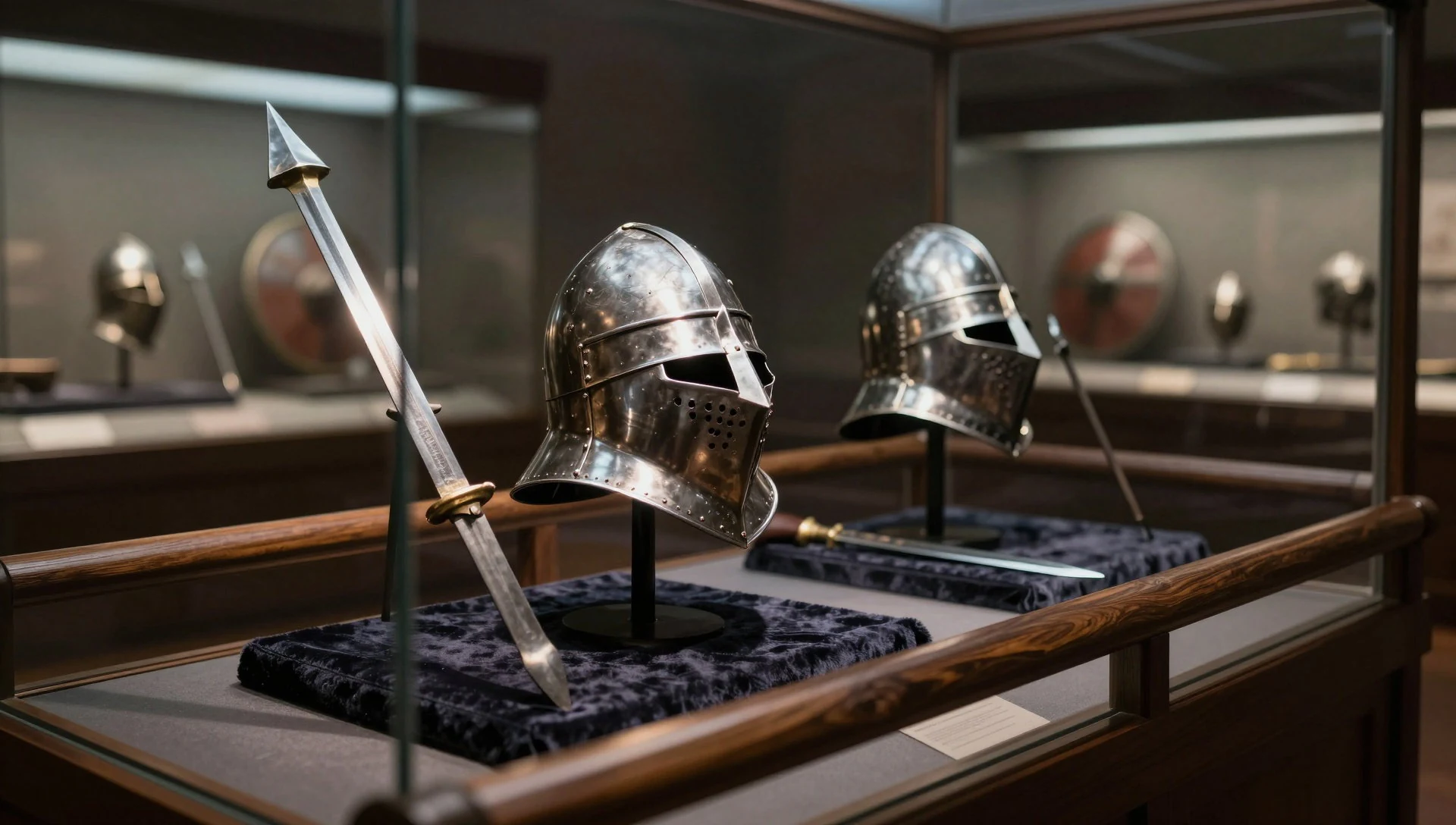
Culture
Qazan Kremlin mixes religious buildings and public museum space, so visitors should read the mood and signage as they move from one doorway to the next. Inside church areas, keep voices low and dress with a respectful, covered look; in mosque spaces, expect modest clothing to be the norm and staff may remind you if anything feels too casual. Photography is often allowed in general courtyards, but it can be restricted right near people at prayer or inside specific rooms—so pause and watch what others do.
Crowds are usually manageable, yet organised groups can cluster around viewpoints and entrances, especially around the most recognisable towers and cathedral angles. In those moments, it helps to step to the side, give people space, and wait for the flow rather than trying to push through.
The complex feels busiest when locals come for an entire circuit, so arriving earlier in the day generally means a calmer pace and more time to take in the details of walls, domes and tower profiles. The stone can feel cold under shade even on brighter days, so layers matter.
Visitor etiquette: dress modestly and keep voices down, especially at church and mosque entrances where staff may be watching for respectful behaviour.
What to wear
At Qazan Kremlin, the dress code is more about respect than strict rules, but it’s noticeable. Traditional Tatar and Russian influences show up in how people carry themselves in the city, yet on Kremlin grounds most visitors dress for the weather first and follow modesty norms second. For churches and the mosque areas, women often choose clothes that cover shoulders and avoid very short hemlines; men usually keep to long trousers.
In day-to-day Kazan life, you’ll see modern coats, knitwear and practical shoes on top of layers for the seasons. The Kremlin’s stone paths can be uneven, so wear footwear with good grip—trainers are usually the sensible pick. If you’re visiting in colder months, a warm hat and gloves make a real difference during breezy moments in open courtyards.
If you want to bring something more “local”, look for Tatar-inspired patterns or a shawl, but don’t treat it as a requirement. What matters most is that your outfit won’t feel out of place inside religious spaces.
Visitor-ready choice: pack a light scarf or layer for coverage, wear comfortable non-slip shoes, and keep your outfit modest when you enter church or mosque areas.
What to eat
- Ochpochmak (Tatar-style triangle pastry) — Dom Chaya area eateries in Kazan
Try ochpochmak as a hearty Tatar meat-and-pastry triangle. A good bet is a local eatery serving inexpensive Tatar fare, where it’s offered as part of everyday mains rather than a rare special.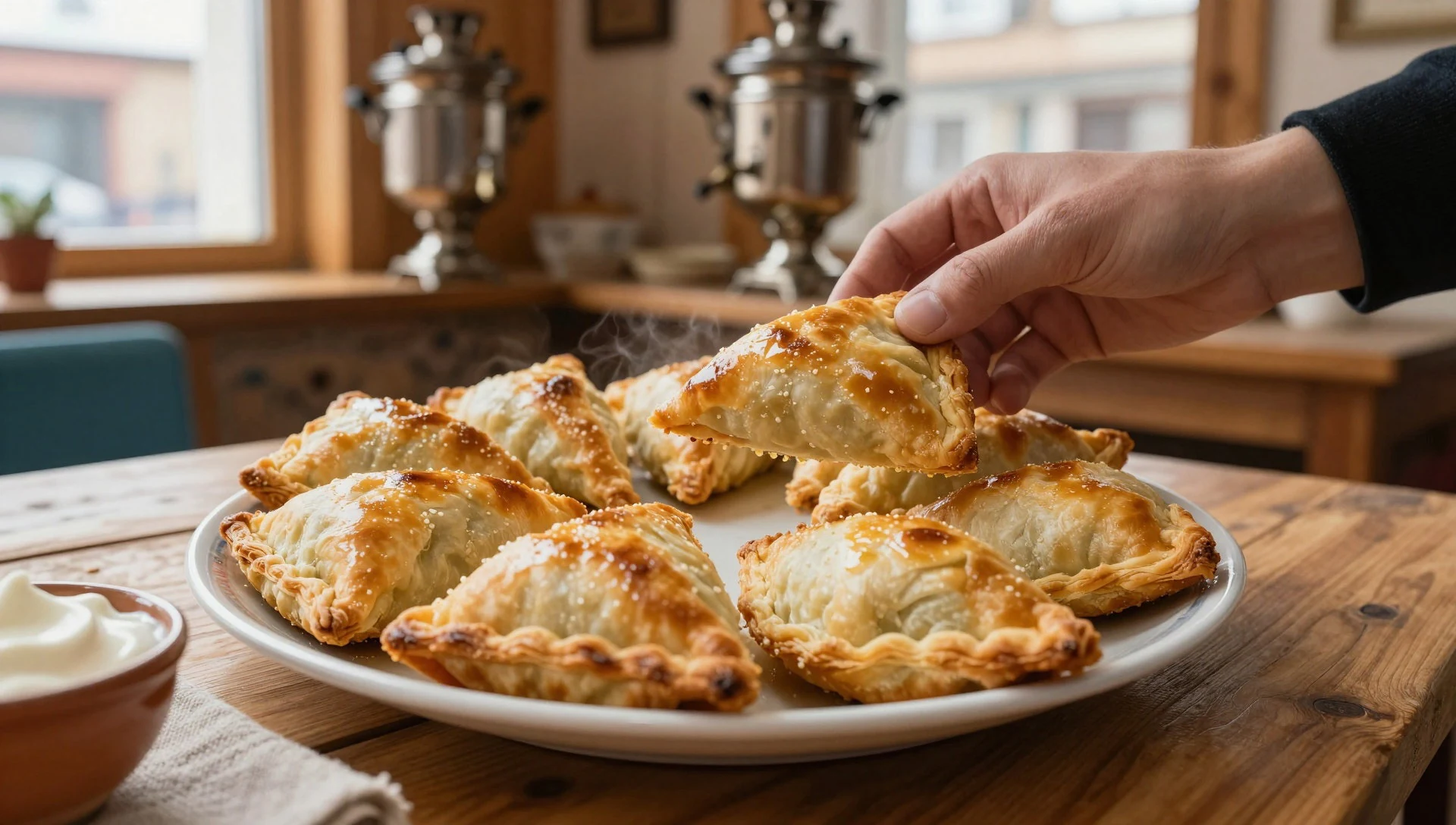
- Borscht (and vegetarian versions) — Govindas (vegetarian-friendly setting)
Borscht is a comforting, deeply Russian soup, and vegetarian versions are available too. It’s an easy first stop for flavour without overthinking, especially at places that also serve Tatar-style options.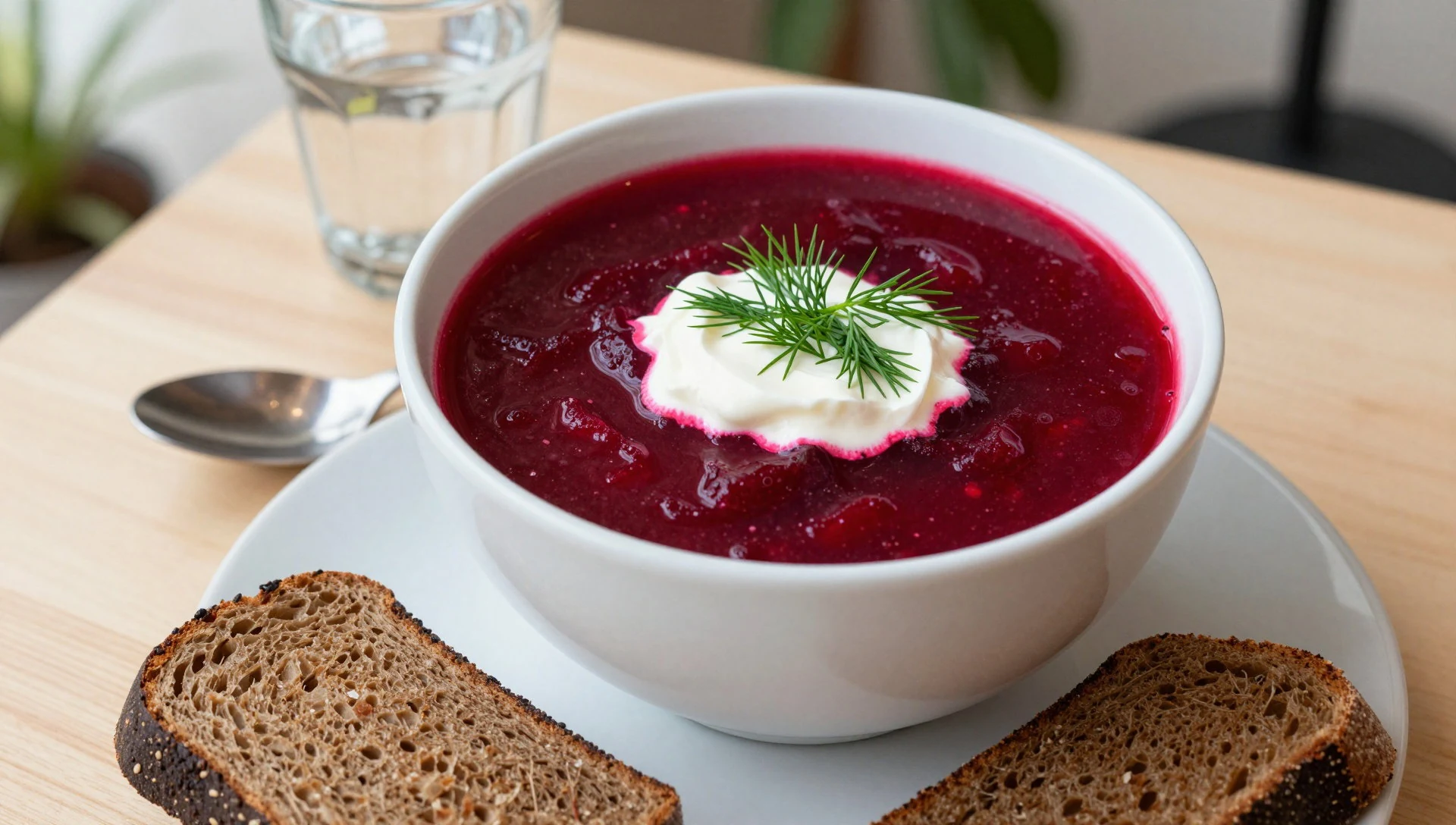
- Dobraya Stolovaya-style cafeteria meals — Dobraya Stolovaya cafeterias across Kazan
For straightforward, everyday Russian-style meals, head for a self-service cafeteria chain. It’s a practical way to eat quickly between sightseeing, with lots of locations around central Kazan. - Tatar-style tea and simple dishes — Dom Chaya
If you want the Tatar “comfort” side of Kazan, look for places known for inexpensive Tatar fare with tea as the anchor. It’s ideal for a low-key sit-down between short walks. - Soviet-style diner drinks and snacks (Zhiguli) — Zhiguli
For a throwback vibe, try Zhiguli—an USSR-style bar experience associated with beer and vodka served in old-fashioned ways. It’s more about atmosphere than fine dining, and it suits evening plans.
Plan it
Best time. May–August are the hottest months, with July and August the peak by temperature; the rainiest months are June, July, and August (so plan for wet spells), while the most comfortable stretch is usually May and September with milder highs and less oppressive weather than midsummer.
How long. 3–4
Getting there. Kazan is reached by air into Kazan airport, then into the city; for moving around, plan your last leg to the Kremlin area by taxi or public transport from the main station. From the airport, Aeroexpress trains connect to Kazan-1, and the ride to the city core continues by taxi or public transport.
Budget. mid
Tips
- Start with Qazan Kremlin early in the morning to beat tour groups and get calmer courtyards for photos
- If you’re also doing nearby museums, group the indoor visits together to reduce time spent walking in poor weather
- Carry cash for small purchases around markets and for any places that don’t handle cards consistently
- Dress in layers: Kazan mornings and evenings can feel cool even when the day brightens up
Etiquette
- Dress modestly when entering church or mosque areas
- Keep voices down and avoid blocking people near entrances and prayer spaces
Nearby
Sources
- Wikidata Q603622 (CC0)
- Wikipedia (rev 1365247172) — Kazan Kremlin (CC BY-SA 4.0)
- Wikivoyage (rev 5422053) — Kazan (CC BY-SA 4.0)
- Photo photos/01-.jpg (CC BY-SA 4.0)
- Photo photos/02-casan-tartarorum-by-olearius-1883634.jpg (Public domain)
- Photo photos/03-.jpg (Public domain)
- Photo photos/04-3preobrazhensky.jpg (Public domain)
- Photo photos/05-kazan-kremlin-panoramio-6.jpg (CC BY 3.0)
- Photo photos/06-spasskiy-preobrazhenskiy.jpg (Public domain)
- Photo photos/07-kazan-monument-panoramio.jpg (CC BY 3.0)
- Photo photos/08-.jpg (CC BY-SA 4.0)

.jpg)


